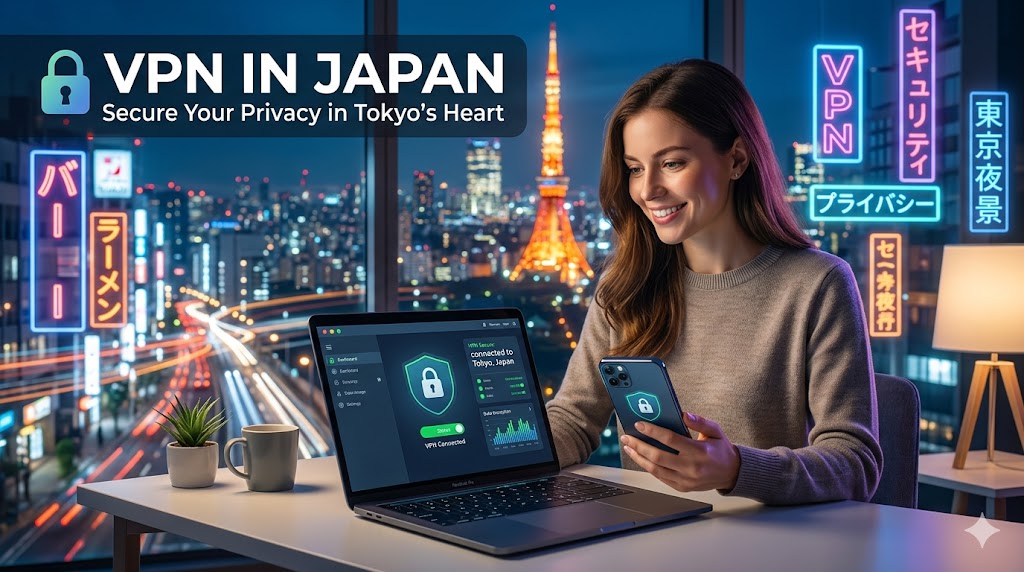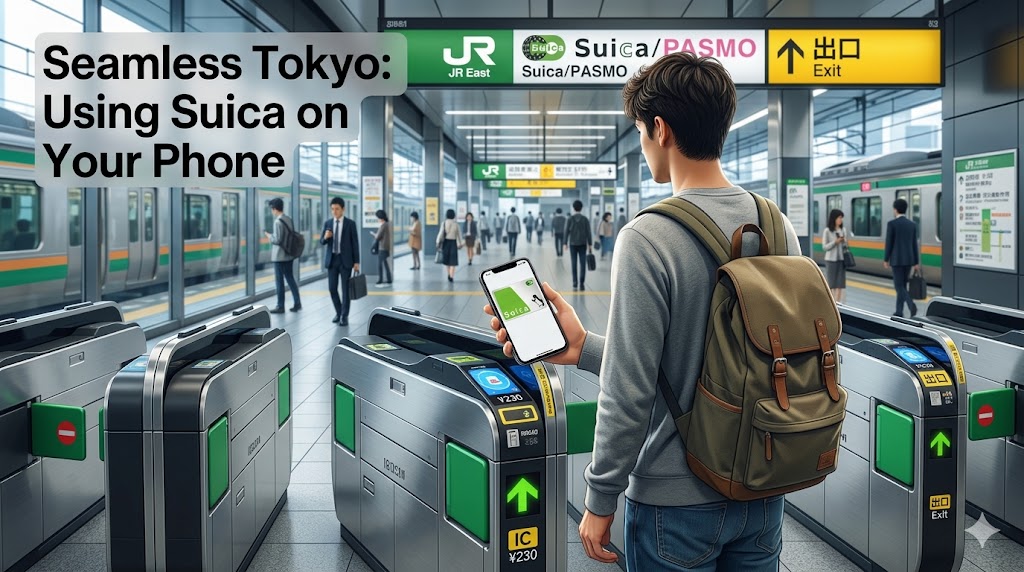
Category: Tech & Gadgets

Gadget reviews, tech guides, and product comparisons for Japan

  • Best eSIM for Japan 2026 | Top 5 Picks for Travelers & Expats

    Best eSIM for Japan 2026 | Top 5 Picks for Travelers & Expats

    eSIM in Japan 2026: The Smartest Way to Stay Connected

    Planning a trip to Japan or making it your new home? Getting reliable mobile data is one of the first things you need to sort out. In 2026, eSIM technology has made this easier than ever โ€” no physical SIM cards, no airport queues, no compatibility worries. Just scan a QR code before you fly and you are connected the moment you land.

    Japan runs on three major mobile networks: NTT Docomo, SoftBank, and au (KDDI). All three offer extensive 4G LTE coverage nationwide, with 5G rapidly expanding in major cities like Tokyo, Osaka, Kyoto, and Fukuoka. For tourists and expats alike, this means rock-solid coverage from the moment you arrive at Narita or Haneda.

    The challenge is not finding a signal โ€” it is choosing from the growing number of eSIM providers competing for your business. We have tested and researched the top eSIM options for Japan in 2026, covering everything from tourist day passes to long-term resident plans.

    How to Choose the Best eSIM for Japan

    1. Data Allowance vs. Trip Duration

    Consider how much data you actually need. Light users checking maps and messaging can get by with 3-5GB for a week-long trip. Heavy streamers or remote workers should look at unlimited data plans. Make sure the plan duration matches your stay โ€” most tourist eSIMs offer 7, 14, or 30-day options.

    2. Network Compatibility

    Japan’s major networks (Docomo, SoftBank, au) all offer excellent coverage. However, your device must support the correct frequency bands. Most modern iPhones and Android flagships from 2020 onwards are eSIM compatible, but always double-check before purchasing.

    3. Speed After Data Cap

    Many “unlimited” plans throttle speeds after a daily threshold (often 1โ€“3GB per day). Check the fine print โ€” throttled speeds in Japan typically drop to 200kbps or 1Mbps, still usable for messaging but not ideal for streaming or video calls.

    4. Ease of Setup

    The best eSIMs for Japan offer simple QR code activation and an intuitive app. Some providers let you pre-install the eSIM before departure and activate it on arrival โ€” ideal for those who want zero hassle at the airport.

    5. Price and Value

    Tourist eSIM prices range from around $4.50 for a basic 1GB plan to $27+ for 30-day unlimited. For long-term residents, monthly local eSIM plans offer the best value but typically require a Japanese address and credit card.

    Best eSIMs for Japan in 2026: Our Top 5 Picks

    1. Airalo Japan eSIM โ€” Best Overall for Tourists

    Airalo is the world’s largest eSIM marketplace, and their Japan eSIMs are consistently the most popular choice for tourists. Running on the Docomo network โ€” Japan’s largest and most reliable โ€” Airalo offers plans from 1GB (7 days) up to 20GB (30 days) at highly competitive prices. Plans start from around $4.50 USD for 1GB/7 days.

    What makes Airalo stand out is the combination of simplicity, reliability, and price. The Airalo app guides you through setup in minutes, and you can purchase your eSIM up to 30 days before departure and install it immediately โ€” no waiting until you land.

    The one limitation: Airalo Japan plans are data-only (no calls or SMS). For voice, you will use apps like WhatsApp, FaceTime, or Line. For most tourists, this is not an issue at all.

    Spec Detail
    Network NTT Docomo
    Plans 1GBโ€“20GB, 7โ€“30 days
    Starting Price ~$4.50 USD
    Voice/SMS Data only
    Tethering Yes

    Pros: Affordable pricing | Docomo network (best rural coverage) | Easy app setup | Pre-install before travel | Wide range of plan sizes

    Cons: Data-only, no voice or SMS | No unlimited option | Throttled after data cap

    Buy Airalo Japan eSIM at Airalo.com | Japan eSIM options on Amazon Japan

    2. Holafly Japan eSIM โ€” Best Unlimited Data Plan

    If you are a data-heavy traveler โ€” streaming Netflix on the shinkansen, video-calling the office, uploading travel vlogs in real time โ€” Holafly’s unlimited Japan eSIM is worth every yen. Available in 5, 10, 15, 20, and 30-day plans, Holafly offers truly unlimited data without hard daily caps.

    Holafly runs on SoftBank and Docomo networks in Japan. A 10-day unlimited plan costs around $27 USD โ€” more expensive than data-limited options, but the peace of mind of never running out of data is invaluable for many travelers. First-time buyers can often find discount codes on the Holafly website.

    Spec Detail
    Network SoftBank / Docomo
    Plans 5โ€“30 days, unlimited data
    Starting Price ~$15 USD (5 days)
    Voice/SMS Data only
    Tethering No

    Pros: Truly unlimited data | 5G support in major cities | No daily data cap | Good customer support

    Cons: No tethering/hotspot | More expensive than capped plans | Data-only

    Buy Holafly Japan eSIM at Holafly.com

    3. Ubigi Japan eSIM โ€” Best for Flexibility

    Ubigi (operated by CG Data) is a lesser-known gem in the Japan eSIM market. Its pay-as-you-go flexibility means you can top up data as needed rather than committing to a fixed plan โ€” ideal for trips where you are unsure how much data you will use.

    Ubigi operates on the NTT Docomo network, with plans starting from 1GB for 30 days. A major advantage: Ubigi eSIMs are multi-country, so if your Japan trip includes South Korea or Taiwan, a single eSIM covers all destinations. Tethering is fully supported.

    Spec Detail
    Network NTT Docomo
    Plans 1GBโ€“50GB, 30 days
    Starting Price ~$6 USD
    Voice/SMS Data only
    Tethering Yes

    Pros: Flexible top-up | Multi-country Asia coverage | Tethering supported | Docomo reliability

    Cons: Less brand recognition | No unlimited option

    Buy Ubigi Japan eSIM at Ubigi.com

    4. Nomad Japan eSIM โ€” Best Budget Option

    For budget-conscious travelers who still want reliable connectivity, Nomad offers some of the lowest-priced Japan eSIMs on the market. A 3-day 1GB plan costs around $9 USD, making it ideal for short visits or travelers who primarily rely on WiFi and just need a data backup.

    Nomad runs on SoftBank in Japan, offering solid coverage in urban areas. The app is user-friendly and QR code setup takes under 5 minutes. Nomad also provides regional Asia plans covering multiple countries โ€” great value for multi-destination itineraries around East Asia.

    Spec Detail
    Network SoftBank
    Plans 1GBโ€“20GB, 3โ€“30 days
    Starting Price ~$9 USD
    Voice/SMS Data only
    Tethering Yes

    Pros: Very competitive pricing | Simple setup | Asia regional plans available | No contract needed

    Cons: SoftBank only (Docomo has wider rural coverage) | Can be slower at peak hours

    Buy Nomad Japan eSIM at GetNomad.app

    5. IIJmio eSIM โ€” Best for Long-Term Residents and Expats

    If you are living in Japan as an expat or planning an extended stay, IIJmio (operated by Internet Initiative Japan) is the gold standard for local eSIM plans. Unlike tourist eSIMs, IIJmio offers monthly plans with genuine Japanese mobile numbers โ€” enabling local calls and SMS.

    IIJmio uses both Docomo and au networks (depending on the plan), offering excellent nationwide coverage. Monthly data plans start from 2GB at around ยฅ858/month โ€” significantly cheaper than major carrier direct plans. Voice call options can be added for an additional fee.

    The main caveat for foreigners: signing up requires a Japanese address, a credit card, and your My Number (individual identification number). The process is primarily in Japanese. For those who can navigate the setup, IIJmio offers unbeatable long-term value.

    Spec Detail
    Network NTT Docomo / au
    Plans Monthly 2GBโ€“50GB
    Starting Price ยฅ858/month
    Voice/SMS Yes (add-on available)
    Tethering Yes

    Pros: Japanese phone number included | Cheapest monthly rates | Dual Docomo/au network | 5G available on certain plans

    Cons: Requires Japanese address and ID | Japanese-language signup | Not for short-term visitors

    Buy IIJmio eSIM at IIJmio.jp

    Japan eSIM Comparison Table 2026

    Provider Network Best For Starting Price Tethering Voice
    Airalo Docomo Best overall tourist ~$4.50 Yes No
    Holafly SoftBank/Docomo Unlimited data ~$15 No No
    Ubigi Docomo Flexible top-up ~$6 Yes No
    Nomad SoftBank Budget travel ~$9 Yes No
    IIJmio Docomo/au Long-term expats ยฅ858/mo Yes Yes

    How to Set Up a Japan eSIM: Step-by-Step

    1. Check compatibility: Confirm your phone supports eSIM. Most iPhones from iPhone XS (2018) onwards and Android flagships from 2020 onwards are eSIM compatible.
    2. Purchase your plan: Buy your chosen eSIM online before you travel. You will receive a QR code by email.
    3. Install the eSIM: On iPhone: Settings โ†’ Cellular โ†’ Add eSIM โ†’ Scan QR Code. On Android: Settings โ†’ Network โ†’ SIM โ†’ Add eSIM.
    4. Set as data SIM: Keep your home SIM active and set the Japan eSIM as your data SIM. This way you can still receive calls on your home number while using Japanese data.
    5. Activate on arrival: Some eSIMs activate immediately; others activate when you land in Japan. Check your provider’s instructions.

    Frequently Asked Questions

    Does eSIM work in rural Japan?

    Yes, but coverage quality depends on which network your eSIM uses. Docomo has the widest rural coverage, reaching even remote mountain areas and smaller islands. SoftBank and au are excellent in cities but can be spottier in rural Tohoku, Hokkaido’s interior, or remote Okinawan islands. For hiking or traveling off the beaten path, choose a Docomo-network eSIM.

    Can I use a Japan eSIM and my home SIM at the same time?

    Yes. If your phone supports Dual SIM (which most modern phones do), you can use both simultaneously. Set your Japan eSIM as the primary data SIM while keeping your home SIM active for calls. This is ideal for business travelers who need to remain reachable on their regular number.

    Do Japan eSIMs work on the shinkansen (bullet train)?

    Yes, all major network eSIMs (Docomo, SoftBank, au) maintain connectivity on the shinkansen. You may experience brief signal drops in tunnels, but coverage is generally excellent throughout bullet train journeys.

    Can I get a Japanese phone number with a tourist eSIM?

    Generally, no. Tourist eSIMs are data-only. For a local Japanese number, you will need a resident plan like IIJmio, which requires a Japanese address and identification.

    What is the cheapest eSIM for Japan?

    Airalo currently offers the lowest entry price at around $4.50 for 1GB/7 days. Nomad is also competitive at approximately $9 for 3 days. For unlimited data, Holafly’s 5-day plan at ~$15 offers the best per-day value.

    Final Verdict: Which Japan eSIM Should You Choose?

    For most tourists visiting Japan in 2026, Airalo is the clear first choice: affordable, reliable Docomo coverage, easy setup, and a wide range of data plans. If you are a heavy data user who needs unlimited connectivity, Holafly is worth the extra cost.

    Budget travelers will find Nomad‘s prices hard to beat for short trips, while those who value flexibility should consider Ubigi‘s top-up model. And if you are settling in Japan long-term, IIJmio delivers the best monthly value with a full Japanese phone number included.

    Japan’s excellent mobile infrastructure means you will have fast, reliable data coverage everywhere from Tokyo’s busiest train stations to the ryokans of rural Kyushu. Get your eSIM sorted before you fly, and you’re ready to explore Japan from the moment you land.
    Also Read

  • Best USB-C Hubs for Japan 2026 | Top 5 Picks for Expats & Travelers

    Best USB-C Hubs for Japan 2026 | Top 5 Picks for Expats & Travelers

    Why You Need a USB-C Hub in Japan

    Whether you’re a digital nomad working from a Tokyo cafรฉ, an expat setting up a home office, or a traveler who needs to stay productive on the go, a reliable USB-C hub is essential gear in 2026. Modern laptopsโ€”from MacBooks to VAIO and Lenovo ThinkPadsโ€”have reduced ports in favor of slim designs, leaving you without the connections you actually need.

    In Japan, you’ll often need to connect to projectors in meeting rooms (still using HDMI or VGA), plug in USB-A accessories, use an ethernet cable for stable internet in older buildings, and charge multiple devices simultaneously. The right USB-C hub transforms a single port into a complete workstation. This guide covers the best USB-C hubs available in Japan in 2026, whether you’re buying locally at Yodobashi Camera or ordering online from Amazon Japan.

    How to Choose a USB-C Hub: 5 Key Points

    1. Power Delivery (PD) Pass-Through

    Look for a hub that supports USB-C Power Delivery (PD) pass-throughโ€”ideally 85W or higher. This lets you charge your laptop through the hub while using all its ports simultaneously. Without this feature, your laptop may drain battery while working. For MacBook Pro users, aim for 96W or higher pass-through charging to maintain full speed.

    2. Video Output Resolution

    If you’ll be connecting to a 4K monitor or display, ensure the hub supports 4K@60Hz HDMI or DisplayPort output. Many budget hubs only support 4K@30Hz, which can cause screen lag. For dual-monitor setups, look for hubs specifically labeled “dual 4K display” or “MST (Multi-Stream Transport)” support.

    3. USB-A vs USB-C Port Count

    In Japan, USB-A ports are still widely used for mice, keyboards, USB drives, and charging accessories. Most business environments haven’t fully transitioned to USB-C peripherals yet. Make sure your hub has at least 2-3 USB-A 3.0 ports alongside the newer USB-C ports for maximum compatibility.

    4. Ethernet Connectivity

    Japanese apartment buildings and business hotels often provide ethernet connections (LAN ports) for stable internet. A hub with a Gigabit Ethernet port is extremely useful, especially when working from accommodations where Wi-Fi is shared or unreliable. Look for Gigabit (1Gbps) rather than Fast Ethernet (100Mbps) for modern speeds.

    5. Portability vs. Desktop Use

    Decide whether you need a compact travel hub or a full desktop dock. Travel hubs (cable-attached, pocket-sized) are perfect for working from cafรฉs and coworking spaces. Desktop docks (larger, with more ports) work better for a permanent home or office setup. Some users carry bothโ€”a compact hub for travel and a full dock for their desk.

    Best USB-C Hubs for Japan 2026: Top 5 Picks

    #1: Anker 555 USB-C Hub (8-in-1)

    The Anker 555 is the top all-around USB-C hub for most users in Japan. It packs 8 ports into a compact form factor: 100W USB-C PD, two USB-A 3.0 ports, one USB-A 2.0, HDMI 2.0 (4K@60Hz), SD and microSD card readers, and Gigabit Ethernetโ€”everything you’d need for a full workday setup in Japan. Anker is a well-known and widely trusted brand in Japan, and the 555 is available at major electronics retailers including Yodobashi, Bic Camera, and Amazon Japan.

    The 100W pass-through charging means even power-hungry MacBook Pro 16″ and gaming laptops can charge at full speed while using all ports. The HDMI 2.0 port outputs crisp 4K at 60Hz, making it compatible with Japan’s popular 4K displays. The Gigabit Ethernet port delivers stable, high-speed internet connectionsโ€”a godsend in Japanese business hotels where ethernet is often the most reliable connection option.

    Build quality is excellent for the price point. The aluminum body dissipates heat effectively during extended use, and the braided cable adds durability for frequent travel. At around ยฅ5,000-6,000 on Amazon Japan, this hub delivers outstanding value. It’s the go-to recommendation for expats and travelers who want a reliable all-in-one solution without breaking the bank.

    Brand Anker
    Model Anker 555 USB-C Hub (8-in-1)
    Ports HDMI 2.0, 2x USB-A 3.0, 1x USB-A 2.0, USB-C PD, SD/microSD, Ethernet
    Power Delivery 100W PD Pass-Through
    Video Output 4K@60Hz
    Ethernet Gigabit (1Gbps)
    Price (Japan) ยฅ5,000-6,000

    Pros

    • 100W PD pass-through charges any laptop at full speed
    • 4K@60Hz HDMI for sharp external display output
    • Gigabit Ethernetโ€”essential for Japan’s wired connections
    • SD and microSD slots for photographers and content creators
    • Trusted Anker brand with easy local availability in Japan
    • Excellent price-to-performance ratio

    Cons

    • No DisplayPort output for multi-monitor setups
    • Only one HDMI port (single external display)
    • Slightly warm during intensive use

    User Reviews

    “I’ve been using this in Tokyo for 6 months as an expat working from home. The ethernet port alone makes it worth itโ€”my connection went from unstable WiFi to rock-solid gigabit. Everything works perfectly with my MacBook Pro.” โ€” Expat user, Tokyo

    “Perfect for business trips in Japan. Plugs into hotel ethernet, connects to conference room HDMI, and keeps my laptop charged all day. Never had a compatibility issue.” โ€” Business traveler

    Rating: โ˜…โ˜…โ˜…โ˜…โ˜… (4.8/5.0)

    Who Should Buy This

    • Expats and long-term residents setting up a home office in Japan
    • Business travelers who need wired ethernet in hotels and offices
    • Anyone wanting a reliable all-in-one hub at a reasonable price
    • MacBook and Windows laptop users needing full-speed charging

    #2: CalDigit TS4 Thunderbolt 4 Dock

    For power users who want the ultimate desktop docking solution in Japan, the CalDigit TS4 is in a class of its own. This Thunderbolt 4 dock features an extraordinary 18 ports including three Thunderbolt 4 ports, 5x USB-A (including one 20W charging port), 2.5G Ethernet, DisplayPort 1.4, SD 4.0 card reader, 3.5mm audio in/out, and 98W host charging. It supports up to three 4K displays or one 8K display simultaneously.

    The Thunderbolt 4 connection delivers up to 40Gbps bandwidthโ€”enough for daisy-chaining high-resolution monitors, fast NVMe SSDs, and multiple high-bandwidth devices without any performance bottleneck. For professionals editing 4K video, working with large datasets, or running virtual machines, the TS4 eliminates every connectivity limitation. Japan’s IT professionals and creative studios use this dock extensively.

    The CalDigit TS4 is available through Amazon Japan and specialist electronics shops. At around ยฅ40,000-50,000, it’s a significant investment, but for serious professionals who spend 8+ hours daily at their desk, it pays for itself quickly in productivity gains. Compatible with all Thunderbolt 4-equipped Macs and PCs, including the latest Apple Silicon MacBooks.

    Brand CalDigit
    Model TS4 Thunderbolt 4 Dock
    Ports 18 total: 3x TB4, 5x USB-A, 2.5G Ethernet, DP 1.4, SD 4.0, Audio I/O
    Power Delivery 98W Host Charging
    Video Output Dual 4K@60Hz or 8K@30Hz
    Ethernet 2.5 Gigabit
    Price (Japan) ยฅ40,000-50,000

    Pros

    • 18 portsโ€”the most comprehensive connectivity available
    • Thunderbolt 4 at 40Gbps for zero bottleneck performance
    • 2.5G Ethernet for ultra-fast wired internet
    • Supports 8K display or dual 4K monitors
    • SD 4.0 readerโ€”fastest card reading for photographers
    • Premium build quality built for professional daily use

    Cons

    • Expensive at ยฅ40,000-50,000
    • Requires Thunderbolt 4 port (not all laptops have this)
    • Large sizeโ€”not suitable for travel
    • Overkill for casual home users

    User Reviews

    “I do 4K video editing from my home studio in Osaka. The TS4 connects two external monitors, my audio interface, card reader, and three external drives simultaneously without any issues. Best dock I’ve ever owned.” โ€” Video editor, Osaka

    Rating: โ˜…โ˜…โ˜…โ˜…โ˜… (4.9/5.0)

    Who Should Buy This

    • Professional creatives (video editors, photographers, designers)
    • IT professionals and developers needing maximum connectivity
    • Anyone with a Thunderbolt 4 MacBook or PC at a permanent desk
    • Multi-monitor power users

    #3: Ugreen Revodok Pro 209 (9-in-2 Dual 4K)

    The Ugreen Revodok Pro 209 stands out as the best dual 4K hub under ยฅ20,000 in Japan. It features dual HDMI 2.0 portsโ€”both capable of 4K@60Hz output simultaneouslyโ€”making it perfect for dual-monitor workstation setups without requiring expensive Thunderbolt hardware. With 140W PD pass-through, two USB-A 3.2 Gen 2 ports (10Gbps), one USB-C 3.2, SD/microSD card readers, and Gigabit Ethernet, it covers all the bases.

    The key feature here is the dual display support at 4K@60Hz without the hefty price tag of Thunderbolt docks. Most competing hubs in this price range only support a single 4K display. The 140W PD charging means even the most demanding laptops charge at maximum speed. Ugreen has established a strong reputation in Japan’s tech community for reliable, well-built accessories.

    Available on Amazon Japan for approximately ยฅ15,000-18,000. Ugreen products are increasingly stocked at Japanese electronics chains like Bic Camera and Yodobashi, making returns and exchanges straightforward.

    Brand UGREEN
    Model Revodok Pro 209
    Ports 2x HDMI 2.0, 2x USB-A 3.2, 1x USB-C, 140W PD, SD/microSD, Ethernet
    Power Delivery 140W PD Pass-Through
    Video Output Dual 4K@60Hz
    Ethernet Gigabit (1Gbps)
    Price (Japan) ยฅ15,000-18,000

    Pros

    • Dual 4K@60Hz HDMIโ€”rare at this price point
    • 140W PD supports the most demanding laptops
    • USB 3.2 Gen 2 at 10Gbps for fast external storage
    • Excellent value for dual-monitor setups
    • Increasingly available at Japanese retail chains

    Cons

    • Slightly bulky for travel use
    • No DisplayPort output
    • Dual 4K requires USB-C with DisplayPort Alt Mode

    User Reviews

    “Set up a dual 4K monitor workstation in my Tokyo apartment with this hub. Everything runs perfectlyโ€”both monitors at 4K60, laptop fully charged, and my ethernet connected. Amazing value for the price.” โ€” Remote worker, Tokyo

    Rating: โ˜…โ˜…โ˜…โ˜…โ˜† (4.5/5.0)

    Who Should Buy This

    • Remote workers who want a dual-monitor desk setup in Japan
    • Anyone needing two HDMI displays without spending on Thunderbolt
    • Expats setting up a home office with multiple screens

    #4: Satechi Slim 5-in-1 USB-C Multiport Adapter

    For travelers and minimalists, the Satechi Slim is the best pocket-friendly hub for Japan. Weighing just 30g and measuring only 10cm long, it slips easily into any bag and provides the essential ports you need when working from Japan’s cafรฉs, library spaces, or bullet train seats. It features 4K@60Hz HDMI, two USB-A 3.0 ports, USB-C PD (100W), and a microSD slotโ€”five connections in a body smaller than a USB drive.

    The minimalist design fits perfectly with Apple’s aesthetic (it comes in Space Gray, Silver, and Rose Gold to match MacBook colors). The build quality is premiumโ€”solid aluminum that feels substantial despite its tiny size. The braided cable is tangle-resistant and surprisingly durable for daily packing and unpacking.

    For anyone hopping between Japan’s many coworking spaces, cafรฉs (Japan has an excellent cafรฉ work culture), and Shinkansen business seats, this hub provides exactly what you need without weighing you down. Available on Amazon Japan for around ยฅ7,000-9,000.

    Brand Satechi
    Model Slim 5-in-1 USB-C Multiport Adapter
    Ports HDMI 4K@60Hz, 2x USB-A 3.0, USB-C PD 100W, microSD
    Power Delivery 100W PD Pass-Through
    Video Output 4K@60Hz
    Weight 30g
    Price (Japan) ยฅ7,000-9,000

    Pros

    • Ultra-compact and lightweight (30g) for travel
    • Premium aluminum build matches MacBook aesthetics
    • 100W PD for full-speed laptop charging
    • 4K@60Hz HDMI despite tiny size
    • Perfect for Japan’s cafรฉ work culture and train commutes

    Cons

    • Only 5 portsโ€”limited for desktop use
    • No Ethernet port (WiFi only)
    • No SD card slot (microSD only)
    • Higher price per port than larger hubs

    User Reviews

    “This tiny hub travels with me everywhere in Japan. Fits in my shirt pocket. Connected to a Shinkansen power outlet, plugged in my hub, connected my monitor at the hotel, and worked all day. Brilliant.” โ€” Digital nomad in Japan

    Rating: โ˜…โ˜…โ˜…โ˜…โ˜† (4.4/5.0)

    Who Should Buy This

    • Digital nomads and frequent travelers in Japan
    • MacBook users who want a hub that matches their device
    • Anyone who prioritizes portability above all else
    • Cafรฉ workers and Shinkansen commuters

    #5: Belkin Connect Pro 12-in-1 USB-C Hub

    Belkin’s Connect Pro 12-in-1 is the best mid-range option for expats who want a reliable, well-supported hub in Japan. Belkin has an established service network in Japan, which is particularly valuable if you ever need warranty support. The hub features HDMI 4K@60Hz, VGA (critical for Japan’s older office projectors), three USB-A 3.0, one USB-C, 100W PD, SD/microSD, Gigabit Ethernet, and 3.5mm audio.

    The VGA port deserves special mention. Japan’s corporate and educational environments still widely use VGA projectorsโ€”walking into a meeting room and discovering only VGA is available is a common frustration for expat professionals. This hub ensures you’re always prepared. The 3.5mm audio jack is also useful in Japanese apartments and offices where Bluetooth isn’t always permitted or practical.

    Belkin’s Apple certification (MFi) and official distribution through Apple Japan stores means you can get support and replacements at Apple Retail Japan if needed. Available for around ยฅ9,000-12,000 on Amazon Japan and at electronics retailers.

    Brand Belkin
    Model Connect Pro 12-in-1 USB-C Hub
    Ports HDMI, VGA, 3x USB-A 3.0, USB-C, 100W PD, SD/microSD, Ethernet, Audio
    Power Delivery 100W PD Pass-Through
    Video Output 4K@60Hz (HDMI) + VGA
    Ethernet Gigabit (1Gbps)
    Price (Japan) ยฅ9,000-12,000

    Pros

    • VGA port for Japan’s many legacy projectors in offices and schools
    • Apple certification with support at Apple Japan stores
    • 3.5mm audio for headphones and conference rooms
    • Reliable Belkin brand trusted in Japanese corporate environments
    • 12 ports covers virtually all connection needs

    Cons

    • Pricier than comparable no-brand options
    • Heavier and larger than minimalist travel hubs
    • VGA limits maximum resolution to 1080p on that output

    User Reviews

    “As an English teacher in Japan, I connect to school projectors (almost all VGA) every day. This hub saves me every time. Worth every yen.” โ€” English teacher, Nagoya

    “Belkin’s reputation and the ability to get service at the Apple Store Japan gave me confidence. Been using it for 8 months with zero issues.” โ€” Corporate expat, Tokyo

    Rating: โ˜…โ˜…โ˜…โ˜…โ˜† (4.3/5.0)

    Who Should Buy This

    • Expats working in Japanese offices or schools with VGA projectors
    • Anyone who values brand reliability and local support in Japan
    • Professionals who need audio output with their hub setup
    • Apple users wanting certified accessories

    USB-C Hubs Comparison: Quick Summary

    Hub Price (Japan) PD Charging Displays Ethernet Best For
    Anker 555 (8-in-1) ยฅ5,000-6,000 100W Single 4K@60Hz Gigabit Best overall value
    CalDigit TS4 ยฅ40,000-50,000 98W Dual 4K / 8K 2.5 Gigabit Professional power users
    Ugreen Revodok Pro 209 ยฅ15,000-18,000 140W Dual 4K@60Hz Gigabit Dual monitor setup
    Satechi Slim 5-in-1 ยฅ7,000-9,000 100W Single 4K@60Hz None Travel & minimalist
    Belkin Connect Pro 12-in-1 ยฅ9,000-12,000 100W HDMI + VGA Gigabit Office/school with VGA

    Where to Buy USB-C Hubs in Japan

    USB-C hubs are widely available in Japan. For physical stores, Yodobashi Camera, Bic Camera, and Sofmap (all major electronics chains) stock a wide selection. Akihabara in Tokyo has dozens of specialist stores with competitive pricing and unusual models you won’t find elsewhere. Apple Store Japan locations carry Apple-certified options including Belkin, Satechi, and Anker.

    Online, Amazon Japan (amazon.co.jp) offers the widest selection with fast Prime delivery and easy returns. Rakuten is another good option, especially for point accumulation. For brand-new releases, the official brand websites often ship directly to Japan addresses.

    Final Thoughts

    The best USB-C hub for you depends entirely on how you work in Japan. For most expats and travelers, the Anker 555 (8-in-1) delivers the perfect balance of ports, performance, and priceโ€”it’s the one hub we’d recommend for 95% of users. If you’re setting up a professional workstation with dual monitors, the Ugreen Revodok Pro 209 offers incredible value. For power users and creative professionals, the CalDigit TS4 is worth every yen. And for those always on the move across Japan, the Satechi Slim is hard to beat in a jacket pocket.

    Whatever you choose, a good USB-C hub removes the daily friction of connecting devices in Japanโ€”letting you focus on what matters, whether that’s work, exploration, or enjoying all that Japan has to offer.

    Related Articles:

  • Best Air Purifiers in Japan 2026 | Top 5 Picks for Clean Indoor Air

    Best Air Purifiers in Japan 2026 | Top 5 Picks for Clean Indoor Air

    Why You Need an Air Purifier in Japan

    If you live in Japan or are planning to stay for an extended period, you’ve probably noticed that air quality isn’t always perfect. Japan faces a unique combination of air quality challenges throughout the year: PM2.5 fine particles drifting over from the Asian continent, cedar pollen season (่Šฑ็ฒ‰, kafun) that affects millions of people from January through April, house dust mites, pet dander, and even volatile organic compounds (VOCs) from new building materials. For expats and long-term visitors, investing in a quality air purifier can genuinely transform your daily comfort.

    Japan’s domestic air purifier market is one of the most advanced in the world. Japanese brands like Sharp, Panasonic, and Daikin have developed proprietary air purification technologies โ€” Plasmacluster, nanoe X, and Streamer discharge โ€” that go beyond simple HEPA filtration. This guide covers both top Japanese-brand models and internationally recognized brands available in Japan, so you can make the right choice for your needs and budget.

    How to Choose the Best Air Purifier in Japan

    1. Room Coverage (Tatami Standard)

    Japanese air purifiers rate their coverage in tatami mats (็•ณ, jo). One tatami mat equals approximately 1.65 mยฒ. Most products list two coverage ratings: one for “applying” (้ฉ็”จ) and one for “cigarette smoke” (ใ‚ฟใƒใ‚ณ็…™) โ€” the latter is usually lower. As a rule of thumb, choose a model rated for about 1.5โ€“2x your actual room size to get optimal performance during Japan’s pollen season. For a 6-tatami room (about 10 mยฒ), look for a model rated at 10โ€“12 tatami.

    2. CADR Rating and Fan Speed

    CADR (Clean Air Delivery Rate) measures how quickly the purifier removes pollutants. Higher CADR means faster cleaning. Japanese models often advertise “30-minute clean” specifications โ€” look for models that can circulate your room’s air 4โ€“6 times per hour. In sleep mode, noise level becomes the priority; the best Japanese models operate at just 20โ€“22 dB, barely audible.

    3. Filter Technology

    True HEPA filters (capturing 99.97% of particles โ‰ฅ0.3 ฮผm) are the gold standard. Japanese models often combine HEPA with activated carbon filters for odor removal, and add their proprietary ion or plasma technology for additional antimicrobial effects. For pollen sufferers, look for models with dedicated pollen-capturing modes. Filter replacement costs in Japan typically run ยฅ4,000โ€“ยฅ12,000 every 2โ€“10 years depending on the model.

    4. Noise Level

    Japanese apartments are often compact, making noise level critical. Premium models run at 20โ€“23 dB on their lowest setting โ€” similar to a library. Mid-range models run at 25โ€“30 dB. Avoid models louder than 35 dB for bedroom use. Japanese air purifiers consistently outperform global competitors on quiet operation, which is a key reason locals prefer them.

    5. Smart Features and Sensors

    Modern Japanese air purifiers come with built-in PM2.5 and dust sensors that automatically adjust fan speed. Some support Wi-Fi connectivity and smartphone apps (though app interfaces are usually Japanese only). Look for models with “auto mode” โ€” particularly useful during cedar pollen season (Februaryโ€“April) when you want the purifier to respond automatically to changing air quality without manual intervention.

    Best Air Purifiers in Japan 2026: Our Top 5 Picks

    1. Sharp FU-N50 Plasmacluster 25000 โ€” Best Overall for Japan

    Sharp’s Plasmacluster technology is arguably the most trusted air purification brand in Japan. The FU-N50 features Plasmacluster 25000, Sharp’s highest-density ion generation (25,000 ions/cmยณ), which actively neutralizes viruses, bacteria, allergens, and mold floating in the air โ€” not just on the filter. For kafun (pollen) season, this makes a genuine difference. The unit covers up to 25 tatami mats (41 mยฒ), making it suitable for Japanese living room + dining room (LDK) spaces.

    The FU-N50 runs whisper-quiet at 20 dB on its lowest setting, and the auto mode uses a combination of dust, humidity, and odor sensors to maintain optimal air quality around the clock. The HEPA + deodorizing filter combo handles PM2.5, pollen, pet dander, cooking odors, and cigarette smoke effectively. Filter replacement is needed just once every 10 years for the HEPA filter โ€” one of the longest in the industry โ€” keeping running costs low.

    One standout feature for expats: the FU-N50’s simple operation panel uses pictogram-based buttons that are easy to understand even without reading Japanese. It also has a child lock, useful for families with young children adjusting to life in Japan.

    Coverage Up to 25 tatami (41 mยฒ)
    Technology Plasmacluster 25000 + HEPA
    Noise (Min) 20 dB
    Filter Life 10 years (HEPA)
    Dimensions W265 ร— D265 ร— H599 mm
    Weight 7.5 kg
    Power Max 38W

    โœ… Pros

    • Plasmacluster 25000 actively kills airborne pathogens
    • Extremely quiet at 20 dB (ideal for bedrooms)
    • 10-year HEPA filter โ€” very low running costs
    • Reliable auto mode with multiple sensors
    • Trusted brand with excellent after-sales support in Japan
    • Simple operation, beginner-friendly

    โŒ Cons

    • App is Japanese-only
    • Pricier than basic competitors
    • Bulkier than some competitors

    ๐ŸŽฏ Recommended for:

    • Expats dealing with Japan’s cedar pollen season
    • Families with babies or young children
    • Anyone who wants set-and-forget operation
    • Bedroom use requiring ultra-quiet operation

    2. Panasonic F-VXR90 nanoe X โ€” Best for Humidity + Air Quality

    Panasonic’s nanoe X technology generates hydroxyl radicals (OH radicals) that are released into the room to deactivate viruses, bacteria, and allergens on surfaces and in the air โ€” not just particles that pass through the filter. The F-VXR90 is one of Panasonic’s flagship models, combining air purification with humidification, which is particularly valuable in Japan’s dry winters (Decemberโ€“February).

    The humidification function uses a vaporizing-type system that doesn’t generate steam, keeping the moisture level comfortable without the risk of mold that comes with ultrasonic humidifiers. This dual functionality means you get clean, properly humidified air in one device โ€” eliminating the need to run two separate appliances in a small Japanese apartment. Coverage goes up to 40 tatami (66 mยฒ) for purification, and 18 tatami (30 mยฒ) for humidification, making it suitable for open-plan LDK spaces in modern Japanese condominiums.

    For allergy sufferers, the F-VXR90’s pollen-block mode creates positive air pressure at the air intake to reduce the amount of pollen pulled into the unit and released back into the room. nanoe X has been tested against 99.99% reduction of specific viruses and bacteria, and Panasonic publishes detailed third-party test results in English on their global website.

    Coverage (Air) Up to 40 tatami (66 mยฒ)
    Coverage (Humidify) Up to 18 tatami (30 mยฒ)
    Technology nanoe X Mark 2 + HEPA
    Noise (Min) 22 dB
    Filter Life 5 years
    Weight 11.2 kg
    Power Max 72W

    โœ… Pros

    • Combines purification + humidification in one unit
    • nanoe X actively deactivates viruses and bacteria
    • Excellent for dry Japanese winters
    • Large room coverage (40 tatami for purification)
    • Automatic humidity control prevents over-humidification
    • Panasonic has strong service network across Japan

    โŒ Cons

    • High initial cost
    • Water tank needs regular refilling and cleaning
    • Heavy at 11.2 kg

    ๐ŸŽฏ Recommended for:

    • Expats in dry Japanese winter climates (Tokyo, Osaka)
    • Those who want to replace both humidifier and purifier
    • People sensitive to dry air (sore throat, dry skin)
    • Larger LDK spaces in modern Japanese apartments

    3. Daikin ACK55YF Streamer โ€” Best for Tobacco & Pet Odors

    Daikin’s Streamer discharge technology uses high-speed electrons to decompose collected pollutants on the filter itself โ€” essentially self-cleaning and regenerating the filter’s deodorizing capability. This makes it particularly effective against persistent odors like tobacco smoke, cooking smells, and pet odors that other purifiers may merely trap rather than eliminate. If you’re renting a pre-owned Japanese apartment that had a smoking tenant, or if you have pets, the ACK55YF is the clear choice.

    The ACK55YF covers 25 tatami mats (41 mยฒ) for pollen and dust removal, and its three-layer filter system captures particles down to 0.1 ฮผm โ€” smaller than standard HEPA specifications. Daikin’s reputation in Japan primarily comes from their HVAC systems, and the same engineering quality carries over to their air purifiers. The unit is compact and tower-shaped, easy to place in corners of Japanese rooms.

    The Smart Sensor function continuously monitors PM2.5 levels, humidity, odors, and even formaldehyde (VOCs from new furniture or building materials โ€” important if you’re moving into a newly constructed Japanese home). This four-sensor monitoring system is more comprehensive than most competitors at this price point.

    Coverage Up to 25 tatami (41 mยฒ)
    Technology Streamer + HEPA (0.1 ฮผm)
    Noise (Min) 21 dB
    Sensors PM2.5, humidity, odor, formaldehyde
    Filter Life 10 years (HEPA)
    Weight 5.6 kg
    Power Max 32W

    โœ… Pros

    • Streamer technology decomposes odors (not just traps them)
    • Formaldehyde sensor โ€” great for new Japanese homes
    • Ultra-fine 0.1 ฮผm filtration
    • Compact and lightweight (5.6 kg)
    • 10-year HEPA filter life
    • Excellent for tobacco and pet odor elimination

    โŒ Cons

    • No humidification function
    • No Wi-Fi/app control
    • Daikin’s brand recognition lower than Sharp/Panasonic for purifiers

    ๐ŸŽฏ Recommended for:

    • Pet owners living in Japan
    • Moving into an older Japanese apartment
    • Families in newly built Japanese homes (VOC concerns)
    • Anyone dealing with persistent cooking odors

    4. Coway Airmega AP-1512HH โ€” Best Budget Option (Available in Japan)

    The Korean-made Coway Airmega AP-1512HH has earned a cult following globally for its excellent performance-to-price ratio, and it’s available through Amazon Japan. While it lacks the Japanese-specific ion technologies, it delivers solid HEPA + activated carbon filtration at roughly half the price of comparable Japanese models. For expats who don’t want to invest heavily in appliances they may not take home, or who are on a tighter budget, the AP-1512HH is the most sensible choice.

    The unit covers up to about 20 tatami (33 mยฒ) effectively โ€” suitable for a standard Japanese 1LDK or 2LDK apartment living room. The four-stage filtration (pre-filter, odor filter, true HEPA, vital ion) handles PM2.5, pollen, pet dander, and household odors. The built-in air quality indicator shows three color levels so you can monitor air quality at a glance. Filter replacement runs approximately ยฅ4,000 every 6โ€“12 months depending on use.

    One practical advantage for Japan residents: the AP-1512HH runs on 100V (Japan’s standard voltage) and is available on Amazon Japan with domestic shipping. The operation panel is simple and intuitive even for those who can’t read Japanese. The auto mode and sleep mode work reliably, and it runs quietly enough for bedroom use at 24 dB on low.

    Coverage Up to 20 tatami (33 mยฒ)
    Technology True HEPA + Activated Carbon
    Noise (Min) 24 dB
    Filter Life 12 months (HEPA)
    Dimensions W325 ร— D225 ร— H488 mm
    Weight 5.4 kg
    Power Max 43W

    โœ… Pros

    • Excellent value for money
    • True HEPA performance at budget price
    • Available on Amazon Japan with fast domestic shipping
    • Runs on Japan’s 100V โ€” no transformer needed
    • Simple intuitive controls (no Japanese reading required)
    • Compact footprint for small Japanese apartments

    โŒ Cons

    • No Japanese-specific ion/plasma technology
    • Filter replacement every 12 months (higher running cost)
    • Limited Japanese customer support

    ๐ŸŽฏ Recommended for:

    • Short-term expats (1โ€“2 years in Japan)
    • Budget-conscious residents
    • Those in smaller apartments (1K, 1LDK)
    • First-time air purifier buyers in Japan

    5. Blueair Blue Pure 211+ โ€” Best for Large Spaces

    Sweden-based Blueair is well-regarded internationally for high CADR ratings โ€” and the Blue Pure 211+ lives up to its reputation in Japan. Delivering a CADR of 400 mยณ/h, it’s one of the most powerful purifiers available through Japanese retailers and Amazon Japan, covering spaces up to approximately 40 tatami (66 mยฒ) effectively. If you’re living in a large family apartment, an open-plan office space, or a Japanese house (ไธ€ๆˆธๅปบใฆ), this is the model to consider.

    The Blue Pure 211+ uses HEPASilent technology โ€” a combination of electrostatic and mechanical filtration โ€” that captures 99.97% of particles as small as 0.1 ฮผm while maintaining low fan speeds (and thus low noise). The washable pre-filter comes in multiple colors and helps capture larger particles and pet hair before they reach the main filter. The unit has just one button, making it possibly the simplest air purifier to operate โ€” a definite plus if you’re still learning Japanese.

    Available through Amazon Japan (japangadgetla-20 affiliate link below), the Blue Pure 211+ requires filter replacement roughly every 6 months depending on air quality โ€” this is the main trade-off versus Japanese models with longer filter life. However, Blueair publishes all its performance data in English and has an English-language customer support channel, which is valuable for expats.

    Coverage Up to 40 tatami (66 mยฒ)
    Technology HEPASilent (electrostatic + mechanical)
    CADR 400 mยณ/h
    Noise (Min) 31 dB
    Filter Life 6 months
    Weight 5.4 kg
    Power Max 30W

    โœ… Pros

    • Highest CADR rating of the group (400 mยณ/h)
    • Covers large Japanese homes or open-plan spaces
    • One-button operation โ€” ultra simple
    • English customer support available
    • Colorful washable pre-filter options
    • Energy efficient at just 30W max

    โŒ Cons

    • Louder than Japanese models at low settings (31 dB)
    • Filter needs replacing every 6 months
    • No ion/plasma technology

    ๐ŸŽฏ Recommended for:

    • Large apartments or Japanese houses
    • Open-plan living/dining/kitchen spaces
    • Expats preferring English-language support
    • Those prioritizing raw air-cleaning speed

    Comparison Table: Best Air Purifiers in Japan 2026

    Model Coverage Technology Noise (Min) Filter Life Best For
    Sharp FU-N50 25 tatami Plasmacluster 25000 20 dB 10 years Overall Best / Pollen
    Panasonic F-VXR90 40 tatami nanoe X Mark 2 22 dB 5 years Humidity + Purification
    Daikin ACK55YF 25 tatami Streamer 21 dB 10 years Odor Elimination
    Coway AP-1512HH 20 tatami HEPA + Carbon 24 dB 12 months Budget Pick
    Blueair 211+ 40 tatami HEPASilent 31 dB 6 months Large Spaces

    Where to Buy Air Purifiers in Japan

    The easiest way to buy an air purifier in Japan is through Amazon Japan โ€” most major models ship within 1โ€“2 days (or same-day with Prime), and you can read English reviews from other expats. Alternatively, large electronics retailers like Yodobashi Camera, Bic Camera, and Yamada Denki have dedicated air purifier sections where staff can assist you (though English support varies by store). If you’re looking for the best deals, wait for Amazon Japan’s sale events: Prime Day (July), Super Sale (December), and New Life season (Marchโ€“April) typically offer 15โ€“30% discounts on major Japanese brands.

    Note on voltage: All models listed above run on Japan’s standard 100V/50-60Hz electrical supply โ€” you won’t need a voltage converter. If you’re sending a unit home when your assignment ends, check your home country’s voltage requirements; Japanese air purifiers typically won’t work on 220โ€“240V systems without a transformer.

    Conclusion: Which Air Purifier Should You Choose?

    For most expats living in Japan, the Sharp FU-N50 offers the best all-round combination of performance, running cost, quiet operation, and Japanese-specific air quality features โ€” particularly during cedar pollen season. If you need humidification too (highly recommended for dry Japanese winters), the Panasonic F-VXR90 is worth the higher price. On a budget, the Coway AP-1512HH delivers reliable HEPA performance at an accessible price point. For large spaces, the Blueair Blue Pure 211+ is unbeatable on raw cleaning power.

    Whichever model you choose, an air purifier is one of the best quality-of-life investments you can make for daily living in Japan โ€” especially if you’re sensitive to pollen, dust mites, or simply want cleaner air in your Japanese home. Check the affiliate links below for the latest prices on Amazon Japan and Amazon.com.

    Related Articles

  • Best VPN for Japan 2026 | Top 5 VPNs for Expats, Tourists & Digital Nomads

    Best VPN for Japan 2026 | Top 5 VPNs for Expats, Tourists & Digital Nomads

    Whether you’re streaming your favorite shows from back home, keeping your data private on Japanese public WiFi, or accessing geo-restricted services, a reliable VPN is essential for life in Japan. In this guide, we review the 5 best VPNs for Japan in 2026 โ€” tested for speed, reliability, and ease of use from inside Japan.

    Why You Need a VPN in Japan

    Japan has fast internet, but there are real reasons to use a VPN:

    • Streaming geo-restrictions โ€” Netflix Japan has a different library than Netflix US/UK; a VPN lets you access your home country’s content
    • Public WiFi security โ€” stations, cafes, and airports have free WiFi, but it’s unsecured; a VPN encrypts your connection
    • Accessing home services โ€” banking apps, Hulu US, BBC iPlayer, and many regional services are blocked outside their home country
    • Privacy โ€” Japanese ISPs log browsing data; a VPN masks your traffic
    • Business use โ€” many companies require VPN access to internal systems

    What to Look for in a VPN for Japan

    • Servers in Japan AND your home country โ€” you need Japan servers for fast local speeds, plus servers in your home country to access geo-blocked content
    • Fast speeds โ€” Japan has gigabit internet; your VPN should keep up
    • Strong encryption โ€” AES-256 and WireGuard protocol are the gold standard
    • No-logs policy โ€” independently audited no-logs policies are essential
    • Easy setup on all devices โ€” iPhone, Android, Mac, Windows, and router support
    • Split tunneling โ€” route only certain apps through the VPN for better performance

    Best VPNs for Japan 2026: Top 5 Picks

    1. NordVPN โ€” Best Overall VPN for Japan

    NordVPN is consistently rated the best VPN for Japan by tech reviewers, and for good reason. With over 100 servers in Japan and thousands worldwide, it offers blazing fast speeds thanks to its proprietary NordLynx protocol (based on WireGuard). Streaming from outside Japan is seamless โ€” Netflix US, BBC iPlayer, Disney+, and Hulu all unblock reliably.

    NordVPN’s Threat Protection Pro feature blocks ads, malware, and trackers even when the VPN is off, making it a genuine security upgrade for your devices. The no-logs policy has been independently audited three times. Apps are available for Windows, Mac, iOS, Android, Linux, and even certain routers. Up to 10 simultaneous device connections per account.

    Price: from about $3.39/month on a 2-year plan. A 30-day money-back guarantee means zero risk to try it from Japan.

    Feature Details
    Servers in Japan 100+ servers
    Speed (NordLynx) Excellent โ€” minimal speed loss
    No-logs Yes โ€” independently audited
    Simultaneous devices 10
    Best for Streaming, privacy, all-around use
    Price From $3.39/month (2-year plan)

    2. ExpressVPN โ€” Fastest VPN for Japan

    ExpressVPN is famous for its Lightspeed protocol, which delivers some of the fastest VPN speeds available anywhere โ€” critical if you’re on Japan’s gigabit fiber or a fast 5G connection. Servers in 105 countries including strong Japan coverage mean you’ll always find a fast connection.

    ExpressVPN is particularly popular among expats for its ability to reliably unblock streaming services. It’s been tested to unblock Netflix US, UK, Australia, and Japan libraries simultaneously. The Network Lock kill switch cuts your internet if the VPN drops, preventing any unprotected data from leaking. 8 simultaneous device connections.

    Price: from about $6.67/month on a 12-month plan. More expensive than competitors but justified by the speed and reliability. 30-day money-back guarantee.

    3. Surfshark โ€” Best Budget VPN for Japan

    Surfshark offers the best value for money among Japan VPNs. At around $2.19/month on a 2-year plan, it’s among the cheapest options โ€” and it allows unlimited simultaneous devices, making it perfect for families or users with many gadgets. Japan server coverage is solid, and it reliably unblocks major streaming services.

    Surfshark’s CleanWeb feature blocks ads, trackers, and malicious sites. The Camouflage Mode disguises VPN traffic as regular HTTPS traffic, helping in environments that block VPN protocols. The Nexus feature routes traffic through multiple VPN servers for extra privacy. 30-day money-back guarantee.

    4. ProtonVPN โ€” Best VPN for Privacy and Security in Japan

    Built by the team behind ProtonMail (the Swiss encrypted email service), ProtonVPN is the privacy-first choice for Japan. Its strict no-logs policy is backed by Swiss privacy laws โ€” among the strongest in the world. Secure Core servers route traffic through privacy-friendly countries (Switzerland, Iceland, Sweden) before exiting in your destination country.

    ProtonVPN is one of the only premium VPNs with a genuinely free tier (limited to 3 countries but no data cap). The paid plans start at $4.99/month and include access to Proton’s entire suite of privacy tools (Mail, Calendar, Drive). Excellent choice for journalists, activists, or anyone handling sensitive data while living in Japan.

    5. Mullvad VPN โ€” Most Anonymous VPN for Japan

    Mullvad is the most privacy-focused VPN on this list. It lets you sign up with zero personal information โ€” no email, no account name, just a randomly generated account number. You can even pay with cash or cryptocurrency. Despite the minimalist approach, it delivers fast WireGuard speeds and solid Japan server coverage.

    The interface is simple and stripped-down, which won’t appeal to streaming-focused users but is perfect for anyone who wants pure, audited privacy with no frills. Flat pricing at about โ‚ฌ5/month (no long-term discounts). Great for digital nomads and expats who prioritize anonymity above all else.

    VPN Comparison: Best VPNs for Japan 2026

    VPN Best For Price/month Devices No-logs
    NordVPN All-around best From $3.39 10 Yes (audited)
    ExpressVPN Fastest speeds From $6.67 8 Yes (audited)
    Surfshark Best budget / unlimited devices From $2.19 Unlimited Yes
    ProtonVPN Privacy-first From $4.99 10 Yes (audited)
    Mullvad Maximum anonymity โ‚ฌ5 flat 5 Yes (audited)

    How to Set Up a VPN in Japan: Quick Guide

    1. Choose a VPN from the list above and subscribe on their official website
    2. Download the app for your device (iOS, Android, Windows, Mac)
    3. Open the app and log in
    4. Choose a server โ€” Japan server for fast local speeds, or your home country to access geo-blocked content
    5. Tap “Connect” โ€” your connection is now encrypted

    Most modern VPNs connect in under 3 seconds. Keep the app running in the background for continuous protection, especially on public WiFi.

    Are VPNs Legal in Japan?

    Yes, VPNs are completely legal in Japan. There are no laws restricting VPN use. Japan respects internet freedom and does not block VPN traffic. You can freely use any VPN service while living in or visiting Japan without legal concern.

    Free VPNs for Japan: Are They Worth It?

    Free VPNs are generally not recommended for use in Japan. Most free VPNs have severe limitations: slow speeds, data caps, few server locations, and โ€” critically โ€” some free VPNs sell your browsing data to third parties, which defeats the purpose entirely. The only free VPN we recommend is ProtonVPN Free (no data cap, 3 server locations, slower speeds) as a starting point before upgrading to a paid plan.

    Get These Japan Essentials Too

  • How to Use Suica in Japan 2026 | Complete Guide for Tourists & Expats

    How to Use Suica in Japan 2026 | Complete Guide for Tourists & Expats

    If you’re visiting Japan or moving there as an expat, Suica is the most useful tool you’ll carry. This IC card lets you hop on trains, buses, and pay at convenience stores โ€” all with a simple tap. In this complete 2026 guide, we cover everything about Suica from getting one at the airport to using it on your iPhone.

    What is Suica?

    Suica is a rechargeable contactless smart card issued by JR East (East Japan Railway Company). First introduced in 2001, it has become the most widely used IC card in Japan. The name comes from “Super Urban Intelligent Card” and also means watermelon in Japanese. Suica is accepted on trains, subways, buses, at convenience stores, restaurants, vending machines, coin lockers, and taxis โ€” over 900,000 locations nationwide.

    Types of Suica Available in 2026

    1. Physical Suica Card

    The classic green card with the penguin mascot. Available at JR East ticket machines at Narita Airport, Haneda Airport, and all major stations. Requires a refundable ยฅ500 deposit. Minimum purchase is ยฅ1,000 (ยฅ500 deposit + ยฅ500 balance).

    2. Mobile Suica (iPhone / Android) โ€” Recommended

    Add Suica directly to Apple Wallet (iPhone 7 or later) or Google Pay. No physical card needed โ€” tap your phone at the gate. Charge your balance anytime via credit card. iPhone Mobile Suica even works with a completely dead battery thanks to a special emergency reserve. This is our top recommendation in 2026.

    3. Welcome Suica (Tourists)

    Available at airports and major tourist spots. No deposit required. Valid for 28 days only โ€” remaining balance cannot be refunded. Great for short-stay visitors who prefer a hassle-free setup.

    How to Get Suica: Step-by-Step Guide

    At the Airport (Physical Card)

    At Narita or Haneda Airport, look for JR East ticket machines with an English interface. Choose “Suica” then “New Suica”, add ยฅ1,000 or more (includes ยฅ500 deposit), and collect your card. Ready to use immediately at airport train gates.

    On iPhone (Apple Wallet)

    1. Open the Wallet app on your iPhone
    2. Tap the + icon in the top right corner
    3. Choose “Transit Card” from the list
    4. Pick Suica from available cards
    5. Choose the amount to add (minimum ยฅ1,000)
    6. Pay with Apple Pay โ€” your Suica is immediately ready!

    Works with iPhone 7 or later (including non-Japanese models) and Apple Watch Series 3 or later. The card works even if your battery hits 0% โ€” a special emergency reserve allows a few more taps.

    On Android (Google Pay)

    1. Download the Suica app from Google Play
    2. Open app and choose “New Suica”
    3. Enter your details and link a credit card
    4. Add the desired balance โ€” linked to Google Pay automatically

    How to Use Suica at Train Gates

    Look for the IC card logo (a wave symbol) on fare gates. Hold your Suica card โ€” or your phone or watch โ€” flat against the reader for about 0.1 seconds. The gate opens and your fare is automatically deducted. Always tap both in AND out at every station. Forgetting to tap out will lock the gate on your next use and may charge the maximum fare.

    Your balance is displayed on the gate screen when you tap. If your balance is too low, find a Fare Adjustment Machine (็ฒพ็ฎ—ๆฉŸ) near the exit โ€” put your card in, pay the difference in cash, and proceed through the gates.

    How to Charge (Top Up) Your Suica

    • Station ticket machines โ€” put in your card, choose “Charge” (ใƒใƒฃใƒผใ‚ธ), add cash in increments of ยฅ500 to ยฅ10,000
    • Convenience stores โ€” hand your physical card and cash to the cashier; say “Suica ni chaji onegaishimasu” (ใƒใƒฃใƒผใ‚ธใŠ้ก˜ใ„ใ—ใพใ™)
    • Apple Wallet / Google Pay โ€” charge via credit card from anywhere, anytime

    Maximum Suica balance: ยฅ20,000. Recommended minimum for a day of commuting: ยฅ1,000โ€“ยฅ2,000.

    Using Suica for Shopping and Payments

    Beyond transit, Suica is accepted at thousands of shops across Japan. Look for the IC card logo at checkout. Simply tap โ€” no PIN or signature needed. Works at 7-Eleven, FamilyMart, Lawson, Ministop, McDonald’s, Yoshinoya, Starbucks (most locations), station kiosks and NewDays shops, and vending machines with IC readers (very common inside stations).

    Suica vs. PASMO vs. ICOCA: Which Should You Get?

    Japan has 10 interoperable IC cards, all accepted on the same trains and buses nationwide. Bottom line: get Suica. It works everywhere, is available on iPhone and Android, and is the most internationally recognized IC card.

    Card Issuer Best For On iPhone
    Suica JR East Tokyo and all of Japan Yes
    PASMO PASMO Association Tokyo Metro users Yes
    ICOCA JR West Osaka / Kyoto visitors Yes
    Kitaca JR Hokkaido Hokkaido visitors Yes

    Pro Tips for Using Suica Like a Local

    • Keep at least ยฅ1,000 on your card โ€” Tokyo fares range from ยฅ140 to ยฅ400 per ride
    • Use Mobile Suica: charge it from your hotel room at midnight before a full day of sightseeing
    • Suica works on some Shinkansen (e.g. Tokyo to Shin-Yokohama) but not for long-distance reserved seats
    • Returning home? Visit a JR East staffed counter to get the ยฅ500 deposit back (minus ยฅ220 processing fee)
    • Lost your physical Suica? Visit JR East to reissue it with the remaining balance if registered (ยฅ510 fee)

    Frequently Asked Questions

    Can foreigners use Suica?

    Yes, absolutely. Any person โ€” tourist, expat, or business traveler โ€” can get a Suica card. No Japanese ID, bank account, or residence status required.

    Does Suica work in Osaka and Kyoto?

    Yes! Suica is accepted on trains, subways, and buses throughout all of Japan โ€” Tokyo, Osaka, Kyoto, Sapporo, Fukuoka, and everywhere in between.

    Can I charge Suica with a foreign credit card?

    Yes, on Mobile Suica (iPhone/Android). Station machines require cash in JPY.

    Get Japan Travel Ready: Recommended Products

    Check out these Japan travel essentials on Amazon:

    More Guides from Japan Life Lab

    Useful Products for Using Suica in Japan

    These accessories make your Suica experience even smoother โ€” whether you’re a tourist or long-term resident:

    IC Card Holder / Suica Wallet Case

    A dedicated IC card holder lets you tap through gates without taking your card out of your bag. Many attach to your phone case or bag strap.

    Travel Wallet / RFID-Blocking Card Holder

    Keep your Suica, credit cards, and cash organized in a slim travel wallet. RFID-blocking models protect against contactless skimming.

    Mobile Suica Compatible Smartphones

    Mobile Suica works on iPhone (iPhone 7+) and Android phones with FeliCa. If you need an unlocked Japan-compatible phone, here are options available on Amazon:

  • Best VPN for Japan 2026 | Top 5 Picks for Travelers, Expats and Streaming

    Why You Need a VPN in Japan (2026)

    Japan has some of the fastest and most reliable internet in the world โ€” but it also has some surprising digital restrictions that catch travelers and expats off guard. Many streaming services use geo-blocking to restrict content by region, meaning your Netflix library changes the moment you land in Japan. Services like Hulu Japan, Amazon Prime Japan, and YouTube Premium Japan have different content catalogs than their international equivalents. BBC iPlayer, Peacock, Disney+ with US catalog, and dozens of other services simply won’t work without a VPN.

    Beyond streaming, expats living in Japan face ongoing challenges: banking apps that detect foreign logins and block access, work VPNs that require specific server locations, privacy concerns on public WiFi at airports and cafes, and accessing home country news and media. Digital nomads working remotely from Japan’s cafe culture and co-working spaces rely on VPNs for secure connections over shared networks.

    A good VPN also protects you on Japan’s public WiFi networks โ€” Starbucks, McDonald’s, train station WiFi โ€” which are convenient but completely unsecured. With a VPN, your data is encrypted end-to-end, protecting banking details, passwords, and personal information from potential snooping on shared networks. In 2026, a VPN is no longer optional for the connected Japan traveler โ€” it’s essential digital infrastructure.

    Navi
    Navi

    I’m moving to Japan for a year and I’ve heard I need a VPN. But aren’t they complicated to set up? And which one should I actually get?

    Gaje
    Gaje

    Modern VPNs are super easy nyaa~ Just install the app, tap one button, and you’re protected nyaa! For Japan specifically you want fast servers, good streaming unblocking, and ideally unlimited devices so your phone AND laptop are both covered nyaa!

    How to Choose the Best VPN for Japan

    1. Server Speed in Japan

    Japan’s internet speeds are among the world’s fastest โ€” your VPN shouldn’t bottleneck that. Look for VPNs with servers inside Japan for fast local browsing, and high-speed servers in your home country (US, UK, Australia, etc.) for accessing geo-restricted content from back home. WireGuard protocol-based VPNs typically offer the best speed performance in 2026, significantly faster than older OpenVPN connections.

    2. Streaming Unblocking Capability

    The main reason most Japan travelers and expats use a VPN is streaming. Your VPN must reliably unblock Netflix US/UK, BBC iPlayer, Hulu US, Disney+, and other platforms. Many cheaper VPNs fail this test โ€” streaming services actively detect and block VPN servers. The premium providers on our list have dedicated streaming servers that stay ahead of these blocks consistently.

    3. Number of Simultaneous Connections

    In Japan, you’ll typically want VPN protection on multiple devices: your smartphone (for public WiFi protection), laptop (for work and streaming), and possibly a tablet or smart TV in your apartment. Services that offer unlimited simultaneous connections (like Surfshark) are excellent value for users with multiple devices or households.

    4. Privacy and No-Log Policy

    A VPN’s core promise is privacy โ€” your internet activity should be invisible to your ISP, government, and the VPN provider itself. Look for VPNs with independently audited no-log policies, ideally headquartered in privacy-friendly jurisdictions outside the 5/9/14 Eyes surveillance alliances. Switzerland and Panama are currently considered among the best VPN headquarters for privacy.

    5. Ease of Use and Japan-Specific Support

    Whether you’re a technical power user or a first-time VPN user, your VPN app should be intuitive on all platforms (iOS, Android, Windows, Mac). For Japan-based users, look for VPNs with dedicated Japan server locations, customer support that responds quickly, and apps that work reliably with Japan’s ISPs including NTT Docomo, SoftBank, and au by KDDI mobile networks.

    Best VPN for Japan 2026: Top 5 Picks

    1. NordVPN โ€” Best Overall VPN for Japan

    NordVPN consistently tops VPN rankings worldwide, and it’s particularly excellent for Japan users. With over 6,000 servers in 111 countries โ€” including high-speed servers in Tokyo and Osaka โ€” NordVPN delivers fast, reliable connections for both local Japanese browsing and connecting to servers back home. The proprietary NordLynx protocol (built on WireGuard) is exceptionally fast, making 4K streaming from US Netflix smooth even over VPN.

    NordVPN’s Threat Protection feature adds an extra layer of security by blocking malware, trackers, and intrusive ads โ€” particularly valuable when browsing on Japan’s public WiFi networks. The Meshnet feature lets you securely connect your own devices or collaborate with remote colleagues without exposing your traffic to third parties. NordVPN’s apps are available on all platforms, including routers โ€” useful for expats who want their entire home network in Japan protected.

    For streaming from Japan, NordVPN reliably unblocks Netflix US, BBC iPlayer, Hulu US, Disney+, and most major platforms. Their SmartPlay technology automatically routes streaming traffic through the optimal server. With a strict no-log policy audited by PricewaterhouseCoopers and headquarters in Panama (outside surveillance alliances), NordVPN is among the most trusted privacy-focused VPNs available.

    Servers 6,000+ in 111 countries
    Japan Servers Tokyo and Osaka (50+ servers)
    Protocol NordLynx (WireGuard), OpenVPN, IKEv2
    Simultaneous Connections 10 devices
    No-Log Policy Yes (PwC audited)
    Headquarters Panama
    Price From $3.09/month (2-year plan)

    โœ… Pros

    • 6,000+ servers โ€” huge network with dedicated Japan servers in Tokyo and Osaka
    • NordLynx protocol โ€” fastest VPN protocol available, great for 4K streaming
    • Excellent streaming unblocking โ€” reliably bypasses Netflix, BBC iPlayer, Hulu
    • Threat Protection โ€” blocks malware and ads as added layer of security
    • Panama-based โ€” outside surveillance alliances, strong privacy foundation
    • 10 simultaneous connections โ€” covers phone, laptop, tablet simultaneously

    โŒ Cons

    • Occasional server congestion โ€” popular servers can slow during peak hours
    • No unlimited devices โ€” capped at 10 connections (vs Surfshark unlimited)
    • Price increases on renewal โ€” best price requires 2-year commitment

    โญ User Reviews

    โ˜…โ˜…โ˜…โ˜…โ˜… “NordVPN is my Japan expat essential” โ€” “Living in Tokyo for 2 years. NordVPN works flawlessly โ€” US Netflix, BBC, Hulu, all unblocked. NordLynx speeds are incredible, no noticeable slowdown. My banking apps back home work perfectly.”

    โ˜…โ˜…โ˜…โ˜…โ˜† “Best VPN for streaming from Japan” โ€” “Tried three VPNs before settling on NordVPN. Only one that consistently unblocks everything. Threat Protection is a bonus. Slightly pricey but worth it.”

    ๐ŸŽฏ Best For

    • Expats and long-term residents who need a reliable all-purpose Japan VPN
    • Streamers who want consistent access to home country Netflix, Hulu, and BBC
    • Users who prioritize privacy and want a PwC-audited no-log VPN
    • People who need extra security features like Threat Protection on public WiFi

    2. ExpressVPN โ€” Fastest VPN for Japan Travel

    ExpressVPN built its reputation on one thing above all others: speed. With the proprietary Lightspeed protocol delivering industry-leading connection speeds, ExpressVPN is the go-to choice for travelers who need reliable, fast connections from Japan for video calls, 4K streaming, and large file transfers. Setup takes about 2 minutes, the interface is dead simple, and it just works โ€” which is exactly what you want on a Japan trip when you’re focused on exploring, not troubleshooting tech.

    ExpressVPN operates servers in over 105 countries with multiple Japan server locations, and its MediaStreamer feature allows VPN-like streaming unblocking on devices that don’t support traditional VPN apps โ€” like Apple TV, gaming consoles, and smart TVs. This is particularly valuable for expats in Japan who want to watch home country content on their TV without complex router setups. The TrustedServer technology ensures server data is wiped with every reboot, enhancing privacy.

    While ExpressVPN is the most expensive option on this list, it’s backed by an industry-leading 30-day money-back guarantee with no questions asked โ€” making it risk-free to test during a Japan trip or at the start of an expat posting. The 8-device limit is slightly lower than competitors, but the overall reliability and speed make it the preferred choice for users who value performance above all.

    Servers 3,000+ in 105 countries
    Japan Servers Multiple locations (Tokyo, Yokohama)
    Protocol Lightspeed, WireGuard, OpenVPN
    Simultaneous Connections 8 devices
    No-Log Policy Yes (KPMG audited)
    Headquarters British Virgin Islands
    Price From $4.99/month (annual plan)

    โœ… Pros

    • Fastest VPN speeds โ€” Lightspeed protocol delivers industry-leading performance
    • Easiest setup โ€” install, connect, done; perfect for non-technical travelers
    • MediaStreamer โ€” stream on Apple TV and consoles without full VPN app
    • TrustedServer technology โ€” RAM-only servers wiped on every reboot
    • 30-day money-back guarantee โ€” risk-free trial for Japan trips
    • KPMG-audited no-log policy โ€” independently verified privacy

    โŒ Cons

    • Most expensive โ€” premium price vs NordVPN and Surfshark alternatives
    • 8 device limit โ€” fewer simultaneous connections than Surfshark
    • British Virgin Islands jurisdiction โ€” BVI considered good for privacy but owned by UK firm Kape

    โญ User Reviews

    โ˜…โ˜…โ˜…โ˜…โ˜… “Set up in 2 minutes, worked perfectly throughout Japan” โ€” “Downloaded at Narita Airport, connected to US server, BBC was working before I got through customs. This is the VPN for travelers who don’t want to think about it.”

    โ˜…โ˜…โ˜…โ˜…โ˜† “Fastest but most expensive” โ€” “The Lightspeed protocol is genuinely faster than anything else I’ve tested from Japan. Video calls to the US are crystal clear. Price is the only downside โ€” but you get what you pay for.”

    ๐ŸŽฏ Best For

    • Japan travelers who want the fastest, most reliable VPN with zero setup complexity
    • Short-term visitors who want a risk-free VPN with the 30-day guarantee
    • Users who need to stream on Apple TV or gaming consoles in Japanese apartments
    • Business travelers who need reliable video conferencing from Japan

    3. Surfshark โ€” Best Budget VPN for Japan (Unlimited Devices)

    Surfshark disrupted the VPN market by offering unlimited simultaneous connections at a fraction of premium VPN prices โ€” and in 2026, it remains the best value VPN for Japan users, especially households and families. Whether you’re an expat protecting a home network with multiple devices, a student with a laptop, phone, tablet, and smart TV, or a traveler who wants to protect every device in their bag, Surfshark covers them all on a single subscription without extra charges.

    The CleanWeb feature blocks ads, malware, and phishing attempts across all devices โ€” creating a cleaner browsing experience and added security on Japan’s public WiFi. Surfshark’s Nexus technology routes connections through a network of servers rather than a single server, making detection and blocking by streaming services significantly harder. In practice, Surfshark reliably unblocks Netflix US, BBC iPlayer, and most major streaming platforms from Japan.

    NoBorders mode specifically helps users in regions with restricted internet access โ€” useful if you’re visiting or working in certain business environments in Japan that have stricter network policies. With headquarters in the Netherlands (EU jurisdiction with strong privacy laws) and an independently audited no-log policy, Surfshark offers solid privacy at an affordable price point that makes it the top choice for budget-conscious Japan expats and travelers.

    Servers 3,200+ in 100 countries
    Japan Servers Tokyo (physical + virtual)
    Protocol WireGuard, OpenVPN, IKEv2
    Simultaneous Connections Unlimited
    No-Log Policy Yes (Deloitte audited)
    Headquarters Netherlands
    Price From $1.99/month (2-year plan)

    โœ… Pros

    • Unlimited simultaneous connections โ€” entire household protected on one subscription
    • Most affordable premium VPN โ€” from $1.99/month beats all major competitors
    • CleanWeb โ€” comprehensive ad and malware blocking included
    • Nexus technology โ€” advanced routing makes streaming unblocking more reliable
    • Netherlands jurisdiction โ€” EU privacy laws, Deloitte-audited no-log policy
    • NoBorders mode โ€” helps in restrictive network environments

    โŒ Cons

    • Slightly slower than NordVPN/ExpressVPN โ€” speed gap noticeable on some servers
    • Some virtual Japan servers โ€” not all Japan servers are physically in Japan
    • Customer support response time โ€” live chat can be slower than competitors

    โญ User Reviews

    โ˜…โ˜…โ˜…โ˜…โ˜… “Best VPN for Japan expat families” โ€” “Covering 7 devices in our Tokyo apartment with one Surfshark subscription. Netflix US, BBC, and my partner’s Australian streaming all work. For the price this is unbeatable.”

    โ˜…โ˜…โ˜…โ˜…โ˜† “Great value, slightly slower than Nord” โ€” “Surfshark is 80-90% of NordVPN at a third of the price. Unlimited devices is the killer feature for us. The occasional speed dip is acceptable for the savings.”

    ๐ŸŽฏ Best For

    • Families and households in Japan who need to cover many devices on one plan
    • Budget-conscious expats who want reliable VPN without premium pricing
    • Students studying abroad in Japan who need affordable protection
    • Travelers who want to try a premium VPN at the lowest entry price

    4. ProtonVPN โ€” Best Privacy-Focused VPN for Japan

    Built by the same Swiss team behind ProtonMail (the world’s most popular encrypted email service), ProtonVPN is the definitive choice for users who place privacy and security above all else. With headquarters in Geneva, Switzerland โ€” one of the world’s strongest privacy jurisdictions โ€” and developed by scientists from CERN, ProtonVPN is built on cryptographic foundations that go beyond industry standard. Journalists, activists, and privacy-conscious professionals trust ProtonVPN for good reason.

    ProtonVPN’s Secure Core architecture routes your traffic through multiple servers in privacy-strong countries (Switzerland, Iceland, Sweden) before exiting, making traffic analysis extremely difficult even for sophisticated surveillance. The open-source apps have been independently audited and are verifiably free of backdoors. The free tier โ€” genuinely unlimited data, just limited to 3 server locations โ€” is the best free VPN available and useful for short Japan trips where a paid subscription feels unnecessary.

    For Japan users, ProtonVPN offers servers in Tokyo with fast WireGuard-based connections. The NetShield feature blocks ads and malware at the DNS level. While not the fastest VPN on this list, ProtonVPN’s combination of Swiss legal protection, open-source transparency, and the world’s most trusted privacy pedigree makes it the clear choice for users who take privacy seriously in Japan and globally.

    Servers 9,400+ in 112 countries
    Japan Servers Tokyo
    Protocol WireGuard, OpenVPN, IKEv2/IPSec
    Simultaneous Connections 10 devices
    No-Log Policy Yes (open-source, independently audited)
    Headquarters Switzerland
    Price From $3.99/month (annual) | Free tier available

    โœ… Pros

    • Swiss jurisdiction โ€” among the world’s strongest privacy protections
    • Open-source apps โ€” independently verified, no hidden backdoors
    • Secure Core โ€” multi-hop routing through privacy-strong countries
    • Free tier available โ€” unlimited data free plan for budget travelers
    • 9,400+ servers โ€” largest server network on this list
    • Trusted by journalists and activists โ€” highest-stakes privacy use cases

    โŒ Cons

    • Slower speeds than NordVPN/ExpressVPN โ€” Secure Core routing adds latency
    • Limited streaming optimization โ€” not as reliable for Netflix US as NordVPN
    • Free tier limited to 3 locations โ€” upgrade needed for full Japan server access

    โญ User Reviews

    โ˜…โ˜…โ˜…โ˜…โ˜… “The only VPN I trust for sensitive work from Japan” โ€” “I work with confidential documents as a journalist based in Tokyo. ProtonVPN’s Swiss privacy laws and open-source verification give me confidence nothing else does. Secure Core is worth the slight speed trade-off.”

    โ˜…โ˜…โ˜…โ˜…โ˜† “Best free VPN for short Japan trips” โ€” “The free plan got me through 3 weeks in Japan. Unlimited data free is unheard of in this industry. Upgraded to paid on my next trip for faster speeds and Japan-specific servers.”

    ๐ŸŽฏ Best For

    • Privacy-conscious users, journalists, and professionals who need maximum security in Japan
    • Short-term travelers who want a genuinely free, unlimited-data VPN for Japan
    • Tech-savvy users who want to verify their VPN’s privacy through open-source code
    • Proton ecosystem users (ProtonMail, ProtonDrive) who want integrated privacy tools

    5. Mullvad VPN โ€” Most Anonymous VPN for Japan

    Mullvad VPN takes anonymity further than any other VPN on this list. There’s no email required to sign up โ€” you receive a randomly generated account number that’s your entire identity with Mullvad. You can pay with cash, cryptocurrency, or even send physical coins by mail to a Swedish address โ€” creating a payment trail that connects to you with virtually zero identifiable information. For users who want maximum anonymity, Mullvad is in a category of its own.

    Beyond its unique signup model, Mullvad delivers excellent technical fundamentals. The WireGuard and OpenVPN implementations are fast and reliable, with servers in Japan and excellent global coverage. DAITA (Defence Against AI-guided Traffic Analysis) is a cutting-edge feature that adds noise to traffic patterns to defeat sophisticated AI-based traffic analysis โ€” a feature no other mainstream VPN offers. The flat pricing model (โ‚ฌ5/month, no annual discount pressure) is refreshingly transparent.

    Mullvad is best suited for technically proficient users who understand and care about anonymity at the infrastructure level. The interface is straightforward but lacks the premium polish of NordVPN or ExpressVPN. However, for users who consider traditional VPN signup processes โ€” name, email, payment card โ€” to be unacceptable privacy compromises, Mullvad is the only serious option available in Japan or anywhere.

    Servers 700+ in 46 countries
    Japan Servers Tokyo
    Protocol WireGuard, OpenVPN
    Simultaneous Connections 5 devices
    No-Log Policy Yes (audited, RAM-only servers)
    Headquarters Sweden
    Price โ‚ฌ5/month flat (no annual discount)

    โœ… Pros

    • Maximum anonymity โ€” no email, no name, random account number signup
    • Cash/crypto payment โ€” zero identifiable payment trail possible
    • DAITA technology โ€” defends against AI-powered traffic analysis
    • Transparent flat pricing โ€” โ‚ฌ5/month, no pressure tactics or fake discounts
    • Open-source โ€” code verified by independent security researchers
    • RAM-only servers โ€” data wiped on every server reboot

    โŒ Cons

    • Smaller server network โ€” 700+ servers vs NordVPN’s 6,000+
    • No streaming optimization โ€” not designed for Netflix unblocking
    • Only 5 simultaneous connections โ€” most restrictive on this list
    • No annual discount โ€” flat monthly pricing isn’t the best deal for long stays

    โญ User Reviews

    โ˜…โ˜…โ˜…โ˜…โ˜… “The only truly anonymous VPN” โ€” “I signed up with a random number and paid with Monero. Mullvad has no idea who I am. For security researchers and privacy advocates in Japan this is the only VPN that takes anonymity seriously.”

    โ˜…โ˜…โ˜…โ˜…โ˜† “Great for privacy, not for streaming” โ€” “Switched to Mullvad from NordVPN for privacy reasons. Works perfectly for secure browsing in Tokyo. But it doesn’t reliably unblock Netflix US โ€” I use a browser extension for streaming and Mullvad for everything else.”

    ๐ŸŽฏ Best For

    • Users who require maximum anonymity and want zero identifiable signup information
    • Security researchers, privacy advocates, and technically advanced Japan users
    • Cryptocurrency users who want to pay for VPN without credit card paper trail
    • Users who prioritize privacy over streaming performance

    Comparison: Best VPNs for Japan 2026

    VPN Speed Streaming Devices Privacy Price/mo
    NordVPN โญโญโญโญโญ โญโญโญโญโญ 10 Panama / PwC $3.09+
    ExpressVPN โญโญโญโญโญ โญโญโญโญโญ 8 BVI / KPMG $4.99+
    Surfshark โญโญโญโญ โญโญโญโญ Unlimited Netherlands / Deloitte $1.99+
    ProtonVPN โญโญโญยฝ โญโญโญ 10 Switzerland / Open Source Free / $3.99+
    Mullvad โญโญโญโญ โญโญ 5 Sweden / Anonymous โ‚ฌ5 flat

    Our Verdict: Which VPN Should You Use in Japan?

    For the vast majority of Japan travelers and expats, NordVPN is the clear winner โ€” it combines the fastest speeds, the most reliable streaming unblocking, strong privacy credentials, and 10-device coverage at a competitive price. The NordLynx protocol makes it fast enough that you’ll forget you’re using a VPN at all.

    Speed-first users and non-technical travelers should consider ExpressVPN โ€” it’s the simplest setup, fastest overall performance, and the 30-day guarantee makes it risk-free for short Japan trips. Budget-conscious expats with multiple devices will find Surfshark’s unlimited connections plan exceptional value โ€” especially for households covering 5+ devices on one subscription.

    For those who prioritize privacy above streaming, ProtonVPN’s Swiss jurisdiction and open-source transparency is the gold standard โ€” and the genuine unlimited-data free plan is unmatched for short visits. The truly anonymity-focused should look no further than Mullvad, which requires no personal information whatsoever to sign up or use.

    Whatever you choose, set up your VPN before you travel to Japan โ€” configure it at home, test it works on your target streaming platforms, and arrive ready. Japan’s internet is fast; your VPN-protected Japan experience should be too.

    Navi
    Navi

    I’m going with NordVPN for my Japan move! The streaming unblocking and 10-device coverage is exactly what I need. Setting it up now before I fly!

    Gaje
    Gaje

    Perfect choice nyaa! Just remember to set Japan as your default server for fastest local speeds, then switch to your home country server for streaming nyaa~ You’ll be watching your favorite shows from Tokyo on day one nyaa!

  • Best Cameras for Japan Travel 2026 | Top 5 Picks for Every Style

    Why Choosing the Right Camera Transforms Your Japan Trip

    Japan might be the world’s most photogenic travel destination. Cherry blossoms lining ancient temple pathways, neon-drenched alleys in Shinjuku, misty morning views of Mount Fuji, the perfect composition of a Kyoto geisha district at golden hour โ€” every corner of Japan offers unforgettable shots. But capturing these moments requires the right camera for the job.

    Smartphone cameras have come a long way, but they simply can’t match the low-light performance needed for shooting lantern-lit Gion streets, the telephoto reach for wildlife in Hokkaido, or the cinematic video quality for travel vlogs. A dedicated camera โ€” even a compact one โ€” elevates your Japan travel memories from snapshots to portfolio-worthy shots.

    In this guide, we rank the five best cameras for Japan travel in 2026 โ€” from the cult-favorite Fujifilm X100VI to the rugged Olympus TG-7 and the versatile Sony ZV-E10 II. Whether you’re a beginner wanting stunning photos without complexity, or an experienced photographer seeking maximum quality, there’s a perfect camera for your Japan trip here.

    Navi
    Navi

    I want to document my whole Japan trip but I’m not a professional photographer. What camera should I actually bring โ€” isn’t my iPhone enough?

    Gaje
    Gaje

    iPhone is great nyaa~ but Japan especially at night โ€” Kyoto lanterns, Tokyo neon โ€” is where a dedicated camera really shines nyaa! Even a compact camera gives you so much better low-light and that gorgeous “camera look” for Japan photos nyaa!

    How to Choose the Best Camera for Japan Travel

    1. Size and Portability

    Japan involves a LOT of walking โ€” 15,000โ€“25,000 steps per day is normal for sightseers. A camera that weighs you down or needs a dedicated bag is a camera you’ll leave at the hotel. The best Japan travel cameras are compact enough to fit in a jacket pocket or small bag, so they’re always with you for spontaneous shots. Full-frame DSLRs and large mirrorless cameras are incredible โ€” but for travel photography, portability often beats raw power.

    2. Low-Light Performance

    Some of Japan’s most stunning photography opportunities happen at night or in low light โ€” Shinjuku Golden Gai’s tiny bars, Kyoto’s Gion district at dusk, Osaka’s Dotonbori canal reflections, lantern-lit festival scenes. A camera with a fast lens (f/2.8 or wider) and good high-ISO performance captures these moments where smartphones struggle. Look for cameras with sensors designed for low-light shooting.

    3. Video Quality for Travel Vlogging

    Japan is one of the most vlogged travel destinations on YouTube. If you plan to document your trip on video, look for cameras that shoot at minimum 4K/24fps with good stabilization. In-Body Image Stabilization (IBIS) or electronic stabilization are crucial for smooth walking shots through temple grounds, busy markets, and night streets without a gimbal.

    4. Battery Life

    There’s nothing worse than a dead camera battery on the day you’re climbing Mount Fuji or visiting the Neon-lit arcades of Akihabara. Budget cameras often get only 200โ€“300 shots per charge; premium models can hit 500+. Always bring a spare battery or portable charger. Cameras that charge via USB-C are particularly convenient for Japan travel โ€” you can top up from your power bank on the Shinkansen.

    5. Weather Sealing

    Japan’s weather is unpredictable. April’s cherry blossom season can bring sudden rain showers. Typhoon season (Augustโ€“October) means potential downpours. Summer in Okinawa and Hiroshima involves extreme heat and humidity. A weather-sealed or waterproof camera protects your investment and lets you shoot in conditions where unprotected cameras would be risky. IPX rating matters, especially for adventure travelers.

    Best Cameras for Japan Travel 2026: Top 5 Picks

    1. Fujifilm X100VI โ€” Best Overall Camera for Japan Travel

    The Fujifilm X100VI has become something of a cultural phenomenon in photography circles โ€” and it’s no coincidence that Japan is where it truly shines. This fixed-lens compact houses a 40MP APS-C sensor behind Fujifilm’s legendary 23mm f/2 lens (35mm equivalent), delivering sharp, punchy images with beautiful color science straight out of camera. Fujifilm’s Film Simulations โ€” particularly Provia, Velvia, and Classic Chrome โ€” produce photographs that feel nostalgic and cinematic, perfectly suited to Japan’s visual character.

    The X100VI adds a critical upgrade over its predecessor: In-Body Image Stabilization (IBIS) โ€” a first for the X100 series. This makes it viable for handheld shooting in Kyoto’s dim temple interiors and night street photography in Shinjuku without blur. The 7-stop IBIS combined with the fast f/2 lens means usable images even in very low light. The compact, retro-styled body doesn’t scream “tourist with expensive camera,” which helps when photographing candid street scenes in Japan’s less touristy neighborhoods.

    Fair warning: The X100VI was among the most hyped cameras of recent years and can be difficult to find in stock globally. In Japan, camera shops like Map Camera and Yodobashi Camera in Tokyo often receive stock โ€” and buying in Japan may actually be more affordable at current exchange rates. The fixed 23mm focal length won’t suit everyone, but for street photography, documentary travel, and the Fujifilm film simulation aesthetic, nothing beats it.

    Sensor 40.2MP APS-C X-Trans CMOS 5 HR
    Lens Fixed 23mm f/2 (35mm equivalent)
    Stabilization 7-stop IBIS (in-body)
    Video 6.2K / 4K 30fps / 1080p 240fps
    Battery Life ~450 shots per charge
    Weather Sealing Yes (IPX4 equivalent)
    Weight 521g (with battery and card)
    Price Range ยฅ250,000โ€“280,000 / $1,599

    โœ… Pros

    • 40MP APS-C sensor โ€” exceptional image quality and cropping flexibility
    • 7-stop IBIS โ€” first for X100 series, game-changer for low-light and video
    • Iconic film simulations โ€” Provia, Velvia, Classic Chrome create stunning JPEG files
    • Compact and discreet โ€” retro design doesn’t attract unwanted attention
    • Weather sealed โ€” protected from Japan’s unpredictable rainy seasons
    • Cult status โ€” the camera of choice for Japan street photographers

    โŒ Cons

    • Fixed 23mm lens โ€” no zoom; won’t suit wildlife or sports photography
    • Hard to find in stock โ€” extremely popular, often backordered globally
    • Premium price โ€” most expensive on this list
    • Learning curve โ€” manual controls suit experienced photographers best

    โญ User Reviews

    โ˜…โ˜…โ˜…โ˜…โ˜… “This camera was MADE for Japan photography” โ€” “Shot two weeks in Japan with just the X100VI. Classic Chrome film sim on every shot. My friends couldn’t believe these were from a compact camera. The IBIS is incredible for night shots in Gion.”

    โ˜…โ˜…โ˜…โ˜…โ˜† “Perfect for travel, slightly limited focal length” โ€” “Loved everything about this camera in Japan. The only thing I missed was more reach for some wildlife shots in Hokkaido. But the image quality and colors are unmatched.”

    ๐ŸŽฏ Best For

    • Photography enthusiasts who want the best image quality in a compact form for Japan
    • Street photographers who want a discreet camera for candid Japan shots
    • Travelers who appreciate the film simulation aesthetic and cinematic look
    • Content creators who want stunning stills AND video in one compact body

    2. Sony ZV-E10 II โ€” Best Vlogging Camera for Japan Content Creators

    If you’re planning to document your Japan trip for YouTube, Instagram Reels, or TikTok, the Sony ZV-E10 II is purpose-built for content creators. This APS-C mirrorless camera pairs Sony’s excellent 26MP sensor with a vari-angle touchscreen LCD that flips completely forward โ€” essential for solo vlogging when you can’t see the screen. Sony’s AI Subject Recognition AF tracks faces and eyes with extraordinary accuracy, keeping you or your subjects sharp while you walk through Shibuya Crossing or explore Arashiyama’s bamboo grove.

    The ZV-E10 II shoots stunning 4K video with significantly improved stabilization over its predecessor, thanks to Sony’s Active SteadyShot and optional electronic stabilization. The improved audio capture (with a built-in directional microphone and 3.5mm mic input for external mics) makes this a complete vlogging rig in a surprisingly compact body. For E-mount users, Sony’s lens ecosystem is enormous โ€” from the versatile 16-50mm kit lens to prime lenses for low-light shooting in Japan’s night scenes.

    Sony cameras are widely available throughout Japan โ€” Yodobashi Camera in Akihabara, BIC Camera in major cities, and online via Amazon Japan. Japanese pricing at current exchange rates can sometimes offer savings compared to US retail, making Japan itself a great place to upgrade your gear.

    Sensor 26MP APS-C Exmor R CMOS
    Lens Mount Sony E-mount (interchangeable)
    Stabilization Electronic SteadyShot + Active Mode
    Video 4K 60fps / 1080p 120fps
    Battery Life ~440 shots per charge
    Weather Sealing No
    Weight 291g (body only)
    Price Range ยฅ85,000โ€“95,000 / $699โ€“750

    โœ… Pros

    • Vari-angle LCD โ€” flips forward for solo vlogging and selfie shots
    • AI Subject AF โ€” exceptional face/eye tracking for moving subjects
    • 4K 60fps video โ€” cinematic quality for Japan travel vlog content
    • Lightweight body โ€” 291g body only, very packable for travel
    • Extensive E-mount lens ecosystem โ€” huge selection of lenses for every use case
    • Good price-to-performance โ€” competitive pricing vs Fujifilm alternatives

    โŒ Cons

    • No weather sealing โ€” protect in rain, not ideal for Okinawa beach or typhoon days
    • Electronic stabilization crops image โ€” some image quality loss in Active mode
    • No IBIS โ€” stabilization is electronic only, less effective than physical IBIS

    โญ User Reviews

    โ˜…โ˜…โ˜…โ˜…โ˜… “My Japan vlog camera of choice” โ€” “Filmed two weeks of Japan travel content with the ZV-E10 II. The AF locked onto my face even in busy Shibuya streets. My YouTube audience loved the cinematic 4K footage. Lightweight enough to carry all day.”

    โ˜…โ˜…โ˜…โ˜…โ˜† “Great vlogging, limited in heavy rain” โ€” “Camera is excellent for Japan travel content. Lost a few shots during a surprise rain shower near Kinkakuji โ€” no weather sealing is a real weakness. Always have a plastic bag backup plan.”

    ๐ŸŽฏ Best For

    • YouTube and social media content creators documenting Japan trips
    • Travelers who want the best video quality for Japan travel vlogs
    • Sony E-mount users who already have compatible lenses
    • Beginners who want an interchangeable lens camera with easy-to-use controls

    3. Sony RX100 VII โ€” Best Premium Compact Camera for Japan

    The Sony RX100 VII represents the pinnacle of compact camera engineering โ€” a 20MP 1-inch sensor in a body that genuinely fits in a jeans pocket. For travelers who refuse to compromise on image quality but can’t carry a larger camera, the RX100 VII delivers professional-level results in a package smaller than some smartphones. The 24โ€“200mm zoom range (equivalent) covers everything from wide architecture shots of Osaka Castle to telephoto wildlife shots in Hokkaido’s national parks โ€” without changing lenses.

    Sony’s real-time tracking AF and Eye AF technology โ€” borrowed from Sony’s full-frame Alpha series โ€” make the RX100 VII one of the most capable autofocus systems in any compact camera. The built-in pop-up electronic viewfinder is invaluable in Japan’s bright afternoon sun where LCDs wash out. 4K video with no crop and fast 24fps burst shooting make this a Swiss Army knife for Japan photography. The premium price is substantial, but for travelers who prioritize pocket-sized convenience without image quality compromise, nothing comes close.

    Sensor 20MP 1-inch Exmor RS CMOS
    Lens Fixed zoom 24โ€“200mm f/2.8โ€“4.5
    Stabilization Optical SteadyShot
    Video 4K 30fps / 1080p 960fps super slow motion
    Battery Life ~260 shots per charge
    Weather Sealing No
    Weight 302g
    Price Range ยฅ130,000โ€“155,000 / $1,100โ€“1,300

    โœ… Pros

    • Truly pocket-sized โ€” fits in jeans pocket, goes everywhere you go in Japan
    • 24โ€“200mm zoom โ€” versatile range covers temples, cityscapes, and wildlife
    • Professional AF โ€” real-time tracking and Eye AF borrowed from Alpha series
    • Pop-up EVF โ€” invaluable for shooting in Japan’s bright outdoor light
    • Super slow motion โ€” 960fps for creative Japan video clips (waterfalls, bullet trains)
    • Premium 1-inch sensor โ€” significantly better than smartphone-sized sensors

    โŒ Cons

    • Short battery life โ€” 260 shots; always bring a spare battery for full days
    • Premium price โ€” very expensive for a compact camera
    • No weather sealing โ€” needs protection in rain
    • Variable aperture zoom โ€” f/4.5 at 200mm limits low-light at telephoto end

    โญ User Reviews

    โ˜…โ˜…โ˜…โ˜…โ˜… “Best pocket camera for Japan travel” โ€” “Used this throughout Japan โ€” from Shibuya to Hiroshima. The 200mm zoom was perfect for Miyajima’s deer and the 24mm wide gets those big temple shots. Fits in my shirt pocket. Absolute magic camera.”

    โ˜…โ˜…โ˜…โ˜…โ˜† “Incredible quality, battery is the only issue” โ€” “Bought this for Japan trip and the images are stunning. Carried three batteries total and still ran low at Universal Studios Japan. The camera itself is flawless otherwise.”

    ๐ŸŽฏ Best For

    • Travelers who demand pocket-sized convenience without compromising on image quality
    • Photographers who want one camera that covers all focal lengths in Japan
    • Business travelers who need a truly pocketable professional-grade camera
    • Travelers who frequently switch between photos and video with minimal setup

    4. Olympus Tough TG-7 โ€” Best Waterproof Camera for Japan Adventures

    Japan’s outdoor experiences are extraordinary โ€” snorkeling in Okinawa’s crystal-clear reefs, hiking through Nikko’s waterfalls in autumn rain, exploring Yakushima’s ancient cedar forests in mist and drizzle, skiing the famous powder snow of Niseko. For adventurous travelers who refuse to leave their camera behind in these conditions, the Olympus Tough TG-7 is the definitive choice. This waterproof camera is rated to 15m depth, crushproof to 100kgf, and survives drops from 2.1m โ€” built for Japan’s most demanding outdoor conditions.

    Beyond its ruggedness, the TG-7 delivers genuinely good image quality for an adventure camera, with a 12MP sensor and a fast f/2.0 lens that performs surprisingly well in low light. The Microscope Mode is a uniquely impressive feature for Japan โ€” it lets you capture incredibly detailed close-up shots of cherry blossoms, maple leaves, temple carvings, and street food with stunning macro detail. Underwater shooting modes with optional strobe make this a capable camera for Okinawa diving and snorkeling.

    The TG-7 is a Japanese-designed camera (Olympus’s heritage) available throughout Japan. Paired with the optional wide conversion lens or macro converter, it’s remarkably versatile for its rugged compact form factor. For families with children, beach holidays in Japan’s island prefectures, or rainy festival photography, this camera earns its place in any Japan trip camera bag.

    Sensor 12MP BSI CMOS
    Lens Fixed 25โ€“100mm f/2.0โ€“4.9
    Stabilization Electronic dual IS
    Video 4K 30fps / 1080p 120fps
    Battery Life ~380 shots per charge
    Water Resistance Waterproof to 15m depth
    Weight 253g
    Price Range ยฅ45,000โ€“55,000 / $499โ€“599

    โœ… Pros

    • Waterproof to 15m โ€” snorkeling, diving, waterfall hiking, and rainy festivals
    • Crushproof and drop-proof โ€” virtually indestructible for active travel
    • f/2.0 fast lens โ€” exceptional low-light performance for a waterproof camera
    • Microscope Mode โ€” extraordinary macro for flowers, food, and temple details
    • Affordable โ€” half the price of Sony RX100 VII for excellent adventure shooting
    • Good battery life โ€” 380 shots handles most full-day outings

    โŒ Cons

    • 12MP sensor limit โ€” less resolution than mirrorless alternatives
    • Limited zoom range โ€” 100mm equivalent max, not suitable for wildlife telephoto
    • Smaller sensor โ€” portrait bokeh and extreme low-light less impressive than APS-C

    โญ User Reviews

    โ˜…โ˜…โ˜…โ˜…โ˜… “Okinawa island hopping perfection” โ€” “Snorkeled with sea turtles in Okinawa and this camera captured everything. Then climbed Yaku-shima in a downpour โ€” not a drop got in. For active Japan travelers this is the camera.”

    โ˜…โ˜…โ˜…โ˜…โ˜† “Great but limited for night shots” โ€” “Waterproof feature saved me multiple times during rainy Kyoto days. Macro shots of cherry blossoms were incredible. Low-light in night Kyoto streets was decent but not Sony-level.”

    ๐ŸŽฏ Best For

    • Adventure travelers exploring Japan’s oceans, mountains, and rainy forests
    • Families with children who need a truly durable, worry-free Japan camera
    • Snorkelers and divers exploring Okinawa’s incredible reef systems
    • Hikers tackling Japan’s national parks in all weather conditions

    5. GoPro HERO12 Black โ€” Best Action Camera for Japan Travel Video

    If your Japan travel is characterized by motion โ€” skiing Hokkaido’s legendary powder snow, cycling the Shimanami Kaido sea route, surfing in Shonan, or whitewater rafting in Minakami โ€” the GoPro HERO12 Black captures your adventures with stunning stability and cinematic quality. Its HyperSmooth 6.0 stabilization technology produces incredibly smooth footage even from helmet mounts, handlebars, and body harnesses at high speed.

    The HERO12 shoots up to 5.3K video and features improved Enduro batteries that last significantly longer than previous GoPro models โ€” crucial for full-day Japan adventures without access to charging. The Max Lens Mod 2.0 (sold separately) provides an ultra-wide horizon-leveling view perfect for POV travel shots. Waterproof to 10m without any case makes it genuinely versatile: ski slopes, Okinawa beaches, and Tokyo’s famous summer splash parks all welcome it.

    GoPro accessories are widely available in Japan โ€” particularly at sports retailers and outdoor shops in resort towns like Niseko and Hakuba. The GoPro ecosystem (mounts, cases, lighting) makes it endlessly adaptable for different Japan activities. If your trip includes significant outdoor activity or you primarily want video over stills, the HERO12 delivers unmatched action coverage.

    Sensor 27MP CMOS (1/1.9″)
    Lens Fixed ultra-wide (HyperView/SuperView modes)
    Stabilization HyperSmooth 6.0
    Video 5.3K 60fps / 4K 120fps / 2.7K 240fps
    Battery Life ~70 minutes at 5.3K (Enduro battery)
    Water Resistance Waterproof to 10m (no case needed)
    Weight 154g
    Price Range ยฅ55,000โ€“65,000 / $399โ€“449

    โœ… Pros

    • HyperSmooth 6.0 stabilization โ€” cinema-quality smooth footage at full speed
    • 5.3K video โ€” highest resolution action camera for Japan travel film
    • Ultra-lightweight at 154g โ€” barely notice it in your pack all day
    • Waterproof to 10m โ€” no case needed for Okinawa diving and beach activities
    • Versatile mounting ecosystem โ€” helmet, chest, handlebars, pole โ€” endless options
    • TimeWarp and night lapse modes โ€” creative timelapse of Japan’s cities and nature

    โŒ Cons

    • Very short battery life โ€” ~70 minutes recording at 5.3K; pack multiple batteries
    • Fixed ultra-wide lens โ€” not ideal for portrait photography or distant subjects
    • Less versatile for photos โ€” action camera primarily, stills are secondary
    • Requires accessories for best results โ€” Max Lens Mod, mounts add cost

    โญ User Reviews

    โ˜…โ˜…โ˜…โ˜…โ˜… “Japan skiing content game changer” โ€” “Niseko powder skiing POV footage with HyperSmooth is absolutely stunning. Waterproof on the slopes, battery lasted a half day with Enduro batteries. My skiing reels went viral.”

    โ˜…โ˜…โ˜…โ˜…โ˜† “Perfect for Okinawa adventures” โ€” “Took this snorkeling, kayaking, and on a motorbike ride through Okinawa’s countryside. Every shot was stable and colorful. Battery drain is the only frustration โ€” bring 3 batteries minimum.”

    ๐ŸŽฏ Best For

    • Active travelers doing skiing, surfing, hiking, and cycling in Japan
    • Content creators who want POV and action footage for social media
    • Snorkelers and divers exploring Okinawa and Japan’s island coastlines
    • Travelers who want to supplement a main camera with versatile action footage

    Comparison: Best Cameras for Japan Travel 2026

    Camera Type Sensor Video Weather Weight Price
    Fujifilm X100VI Compact 40MP APS-C 6.2K Yes 521g $1,599
    Sony ZV-E10 II Mirrorless 26MP APS-C 4K 60fps No 291g $699
    Sony RX100 VII Premium compact 20MP 1″ 4K 30fps No 302g $1,100+
    Olympus TG-7 Tough/waterproof 12MP 4K 30fps Waterproof 15m 253g $499
    GoPro HERO12 Action camera 27MP 5.3K 60fps Waterproof 10m 154g $399

    Our Verdict: Which Camera Should You Bring to Japan?

    For pure photography excellence and the Japan aesthetic, the Fujifilm X100VI is the dream camera โ€” its film simulations were practically designed for Japan’s visual character, and the 40MP sensor with IBIS makes it the most versatile compact for serious photographers. The fixed 23mm lens suits street photography and wide landscape shots perfectly.

    Content creators and vloggers will find the Sony ZV-E10 II unbeatable โ€” the flip screen, 4K 60fps video, and face-tracking AF make it the ideal Japan YouTube camera. For travelers who want everything in a pocket-sized package, the Sony RX100 VII’s 24โ€“200mm zoom range covers every Japan photography scenario without changing lenses.

    If your Japan trip involves outdoor adventure โ€” skiing in Hokkaido, snorkeling in Okinawa, hiking in rainy forests โ€” the Olympus TG-7’s waterproofing and ruggedness make it uniquely suited to conditions that would destroy other cameras. Pure action/POV videographers will find the GoPro HERO12’s HyperSmooth stabilization and mounting ecosystem unmatched for dynamic Japan travel content.

    Whatever you choose, bring extra batteries, a fast SD card, and an open mind for the extraordinary visual world that awaits in Japan. Great gear helps โ€” but Japan itself does half the work.

    Navi
    Navi

    I’m going with the Sony ZV-E10 II for my Japan vlog! The flip screen is exactly what I need for solo travel content. Thank you Gaje!

    Gaje
    Gaje

    Perfect choice for a travel vlogger nyaa! Just pack extra batteries and a rain cover nyaa~ Japan is going to look absolutely stunning on your channel nyaa!

  • How to Use Suica on iPhone and Android in Japan (2026 Complete Guide)

    Your Essential Guide to Using Suica in Japan (2026)

    Suica is Japan’s most popular IC (Integrated Circuit) transit card โ€” and if you’re visiting Japan, it might be the single most useful thing you can set up before your trip. With Suica loaded on your iPhone or Android phone, you can tap through ticket gates at every major train station in Japan, pay at thousands of convenience stores, vending machines, taxis, and restaurants โ€” all without fumbling for cash or buying individual tickets.

    The good news? Setting up Suica on your smartphone in 2026 is easier than ever. iPhone users can add a Suica card directly through Apple Wallet, while Android users can use Google Pay or the official Suica app. This guide walks you through every step, from first setup to advanced tips that even frequent Japan visitors don’t know.

    Navi
    Navi

    I keep hearing about Suica โ€” is it really that important for traveling in Japan? Can’t I just buy tickets at each station?

    Gaje
    Gaje

    You CAN buy individual tickets but trust me nyaa~ Suica on your phone is so much better! No queuing at ticket machines, works on almost every train in Japan, and you can even use it at 7-Eleven and vending machines nyaa! Set it up before you fly and you’ll thank yourself nyaa!

    What Is Suica? Japan’s Essential IC Card Explained

    Suica (ใ‚นใ‚คใ‚ซ, meaning “watermelon” in Japanese โ€” a fun coincidence) was launched by JR East in 2001 as a contactless smart card for train travel in the Tokyo metropolitan area. Today it’s accepted at over 750,000 locations across Japan, making it far more than just a train pass. Think of it as a prepaid rechargeable card that you can use like cash throughout Japan.

    Unlike single-trip tickets, Suica automatically calculates your fare based on where you enter and exit the train network. You load money onto it in advance, tap in at the gate when you board, and tap out when you exit โ€” the correct fare is deducted automatically. This means you never need to figure out fares in advance or stand in line at ticket machines.

    In 2026, the most convenient way to use Suica is directly on your smartphone via Apple Wallet (iPhone) or Google Pay / the official Suica app (Android). Your phone becomes your transit card โ€” no physical card needed, no risk of losing a card, and you can reload money instantly without cash using your credit card.

    Suica vs PASMO: Which Should You Get?

    Japan has several IC card systems โ€” Suica, PASMO, ICOCA, Kitaca, and others โ€” but they’re almost universally accepted at the same locations thanks to a nationwide compatibility agreement. For most tourists, the choice comes down to Suica vs PASMO:

    • Suica โ€” Issued by JR East, available on iPhone and Android via Apple/Google Wallet. Slightly more widely accepted for mobile payments.
    • PASMO โ€” Issued by Tokyo Metro and private rail companies, also available on smartphones. Equally useful for train travel.

    Our recommendation: go with Suica. It’s more widely available on smartphones internationally, easier to set up from outside Japan, and accepted everywhere PASMO is.

    How to Set Up Suica on iPhone (Apple Wallet)

    Requirements

    • iPhone 8 or later (iPhone 7 and SE 1st gen are NOT supported)
    • iOS 16.0 or later (iOS 18+ recommended for best experience)
    • An Apple ID (any region works โ€” including US, UK, Australia)
    • A credit or debit card added to Apple Pay for topping up

    Step 1: Open Apple Wallet

    Open the Wallet app on your iPhone (the app with a white background and colorful cards icon). Tap the + (plus) button in the top-right corner to add a new card.

    Step 2: Select “Transit Card”

    In the “Add to Wallet” screen, scroll down and tap “Transit Card”. You should see a list of available transit cards. Tap Suica from the list.

    Note: If you don’t see “Transit Card” as an option, make sure your iPhone is updated to iOS 16+ and try restarting the Wallet app.

    Step 3: Set Up Your Suica Card

    You’ll be asked whether you want to:

    • Create a new Suica โ€” for travelers who don’t have an existing physical Suica card
    • Transfer existing card โ€” if you already have a physical Suica card and want to move it to your iPhone

    For most tourists, select “Create a new Suica”. You’ll be asked to choose an initial amount to load โ€” ยฅ1,000 is a good starting amount for exploring. Tap “Next” and confirm payment with Face ID or Touch ID.

    Step 4: Enable Express Mode (Essential!)

    By default, you may need to authenticate with Face ID every time you tap through a gate. To prevent this (and avoid delays at busy stations), enable Express Transit:

    1. Go to Settings โ†’ Wallet & Apple Pay
    2. Scroll to “Express Transit Cards”
    3. Select your Suica card

    With Express Transit enabled, your iPhone automatically pays when you tap the gate reader โ€” no Face ID, no button pressing. This is how Japanese commuters use it and makes the experience seamless.

    Step 5: Add Money to Your Suica

    To top up your Suica balance on iPhone:

    1. Open the Wallet app and tap your Suica card
    2. Tap the “…” (three dots) or “Add Money” button
    3. Select the amount to add (ยฅ1,000 / ยฅ2,000 / ยฅ3,000 / ยฅ5,000 / ยฅ10,000)
    4. Confirm with Face ID or Touch ID โ€” the amount is charged to your Apple Pay card

    You can top up at any time, anywhere in the world โ€” even before you arrive in Japan. This is one of the biggest advantages of mobile Suica over physical cards.

    How to Set Up Suica on Android

    Requirements

    • Android phone with NFC support (most flagships from 2019+ have this)
    • Android 8.0 (Oreo) or later
    • Google Pay app installed, OR the official Suica app from the Japan App Store
    • A Visa or Mastercard credit card for online top-ups (some cards work better than others)

    Method 1: Google Pay (Recommended for International Visitors)

    Google Pay supports Suica directly in many countries. Here’s how to set it up:

    1. Open Google Pay on your Android phone
    2. Tap “+” or “Add” to add a transit card
    3. Select Japan and then Suica from the transit card list
    4. Choose an initial top-up amount and confirm payment
    5. Your Suica is now linked to Google Pay and ready to use

    Note: Google Pay Suica availability varies by country. If you don’t see the Suica option in Google Pay, use Method 2 below.

    Method 2: Official Suica App (Most Reliable)

    The official Suica app (ใƒขใƒใ‚คใƒซSuica) from JR East is the most reliable method for Android users. Note that the app is in Japanese โ€” but don’t worry, we’ll walk you through it step by step.

    1. Download the app: Search for “Suica” (ใ‚นใ‚คใ‚ซ) on Google Play Store, or search for “Mobile Suica” and download the official JR East app
    2. Open the app and tap the large green button (ไผšๅ“ก็™ป้Œฒ = Member Registration) to create a free account
    3. Register your details: You’ll need to enter your name, email address, and date of birth. English letters work fine for name fields
    4. Add a credit card for top-ups: Tap the payment card section and enter your Visa or Mastercard details
    5. Create your Suica: Tap “Suica็™บ่กŒ” (Issue Suica) and select the initial amount to load
    6. Enable NFC: Make sure NFC is turned on in your Android settings (Settings โ†’ Connected devices โ†’ NFC)

    Setting Android Express Mode

    On Android, Suica via Google Pay or the Suica app should work automatically at gates when your NFC is enabled. However, you may need to set Suica as your default NFC payment app:

    1. Go to Settings โ†’ Connected devices โ†’ NFC
    2. Tap “Tap & Pay” or “Default payment app”
    3. Select Google Pay (or Suica app if using Method 2)

    Your phone’s screen doesn’t need to be unlocked to tap through train gates once configured correctly โ€” just hold the NFC area (usually the back of the phone, near the camera) to the yellow reader at the gate.

    How to Add Money to Suica (Top-Up Guide)

    Option 1: Top Up via App or Wallet (Most Convenient)

    The easiest way to top up Suica in 2026 is directly through your phone:

    • iPhone: Wallet app โ†’ Suica card โ†’ Add Money โ†’ select amount โ†’ Face ID confirm
    • Android (Google Pay): Google Pay โ†’ Suica โ†’ Add Money โ†’ confirm payment
    • Android (Suica app): Open Suica app โ†’ ใƒใƒฃใƒผใ‚ธ (Charge) โ†’ select amount โ†’ confirm

    International credit cards (Visa, Mastercard) generally work well for mobile top-ups. American Express and Discover may have limited compatibility.

    Option 2: Station Ticket Machines (Cash Only)

    Every JR and Tokyo Metro station has green or blue ticket machines where you can top up Suica with cash:

    1. Insert your cash (ยฅ1,000 notes work best)
    2. Press the “ใƒใƒฃใƒผใ‚ธ” (Charge) button โ€” most machines have an English option
    3. If you have a physical Suica card, insert it. For phone Suica, just hold your phone to the reader panel
    4. Select the amount, and the machine will load it instantly

    Option 3: Convenience Store Kiosks (7-Eleven, FamilyMart, Lawson)

    Japan’s convenience stores are everywhere and most have IC card readers at the register. For physical Suica cards, you can hand the card to the cashier and pay cash. For mobile Suica, use the in-app top-up with your credit card instead โ€” it’s faster.

    Where Can You Use Suica in Japan?

    Trains and Buses

    Suica works on virtually every train and subway line in Japan’s major cities. This includes:

    • JR Lines โ€” Yamanote Line, Chuo Line, Tokaido Line, and most JR services nationwide
    • Tokyo Metro & Toei Subway โ€” all 13 subway lines in Tokyo
    • Private Railways โ€” Tokyu, Seibu, Keio, Odakyu, Hankyu, and more
    • Osaka Metro โ€” all Osaka subway lines
    • City Buses โ€” major bus routes in Tokyo, Kyoto, Osaka accept Suica
    • Airport Limousine Buses โ€” from Narita and Haneda to city center (check before boarding)

    Important note: Suica does NOT work on the Shinkansen bullet train. You’ll need to buy separate Shinkansen tickets or use an IC-compatible regional rail pass for those journeys.

    Shopping and Payments

    Beyond trains, Suica works at an enormous range of locations across Japan:

    • 7-Eleven โ€” Japan’s most Suica-friendly convenience store chain
    • FamilyMart and Lawson โ€” all branches accept Suica
    • Vending machines โ€” look for the Suica/IC logo (most modern vending machines accept it)
    • McDonald’s, KFC, and major fast food chains in Japan
    • Some taxis โ€” major Tokyo taxi companies now accept Suica
    • Coin lockers at train stations โ€” very useful for storing luggage
    • Some restaurants and cafes โ€” especially those in train stations

    Expert Tips for Using Suica in Japan

    1. Set Up Suica Before You Arrive in Japan

    You can add Suica to your iPhone or Android wallet from anywhere in the world โ€” no need to wait until you land at Narita or Haneda. Set it up at home, load ยฅ3,000โ€“5,000, and you can tap straight through the gate the moment you arrive. This saves time and stress when you’re jet-lagged and navigating a new airport.

    2. Keep ยฅ500โ€“1,000 Buffer in Your Balance

    If your Suica balance drops below the fare needed to exit a station, you’ll get stuck at the exit gate. There’s a “็ฒพ็ฎ—” (fare adjustment) machine near every exit for this situation โ€” but it’s awkward and stressful. Keep a buffer of at least ยฅ500โ€“1,000 to avoid this, especially late at night when machines may be harder to find.

    3. One Tap In, One Tap Out โ€” Always

    Suica charges you based on the distance between your entry and exit station. Always tap IN when you enter and tap OUT when you exit. If you forget to tap out at your destination, you may be charged the maximum fare or have your card locked. This happens occasionally to tourists โ€” if it does, speak to station staff (ๆ”นๆœญไฟ‚) who can manually correct the fare.

    4. Suica Works Outside Tokyo Too

    Many tourists think Suica is only for Tokyo โ€” but it works in Osaka, Kyoto, Sapporo, Fukuoka, and most major Japanese cities. The nationwide IC card compatibility agreement means your Tokyo-purchased Suica works seamlessly in Osaka’s subway or on Kyoto city buses. This makes it the perfect single payment solution for multi-city Japan itineraries.

    5. Use Suica for Coin Lockers at Stations

    One of Suica’s most underrated uses is for the coin lockers (ใ‚ณใ‚คใƒณใƒญใƒƒใ‚ซใƒผ) at major train stations. Instead of fumbling for exact change (lockers require specific coins), just tap your Suica card. Tokyo Station, Kyoto Station, and Shinjuku Station all have Suica-compatible lockers โ€” perfect for storing luggage while you explore.

    6. Refund Your Suica Before Leaving Japan

    If you have remaining balance on a physical Suica card, you can refund it at major JR East stations before leaving (a ยฅ220 handling fee applies). For mobile Suica on iPhone or Android, there’s no expiry โ€” your balance stays indefinitely and you can use it on your next Japan trip. This is another advantage of mobile over physical cards.

    Troubleshooting Common Suica Issues

    Suica not showing in Apple Wallet

    If you can’t find Suica in your Wallet app’s transit card list, try these fixes: update iOS to the latest version, sign out and back into your Apple ID, or restart your iPhone. In rare cases, regional App Store restrictions may affect availability โ€” switching to the Japan App Store temporarily can resolve this.

    Gate not reading my phone

    Hold your phone flat against the yellow IC card reader (not at an angle) for 1โ€“2 seconds. Make sure NFC is enabled on Android, and that Express Transit is enabled on iPhone. If you have a thick phone case, try removing it โ€” some cases block NFC signals. Low phone battery (under 20%) can also affect NFC performance on some devices.

    Suica charged the wrong amount

    If you believe you were charged incorrectly, go to the station’s “ใฟใฉใ‚Šใฎ็ช“ๅฃ” (Green Window / ticket office) or any staffed gate. Station staff can check your transaction history and issue a refund if there was an error. Keep your transaction reference from the app if possible.

    Forgot to tap out

    Look for a “็ฒพ็ฎ—ๆฉŸ” (fare adjustment machine) near the exit gates โ€” these handle unfiled trips and overcharges. Alternatively, speak to the station staff at the staffed gate; they deal with this situation constantly and are very helpful.

    Frequently Asked Questions

    Does Suica work at Narita Airport when I arrive?

    Yes! Both Narita and Haneda airports have Suica-compatible gates. However, the Narita Express (N’EX) and some airport limousine buses require separate tickets โ€” Suica doesn’t cover premium airport trains. For getting into Tokyo from Narita, the regular JR line (slower but Suica-compatible) is a budget-friendly option.

    Can I use the same Suica on multiple phones?

    No โ€” Suica is locked to one device at a time. If you change phones, you’ll need to transfer your Suica (which temporarily disables it during the transfer process). Plan device transfers carefully if you’re mid-trip in Japan.

    What’s the maximum balance on Suica?

    The maximum balance on a single Suica card is ยฅ20,000. For most tourist trips of 1โ€“2 weeks, loading ยฅ5,000โ€“10,000 should be more than sufficient, especially if you’re using a JR Pass for Shinkansen travel.

    Does Suica expire?

    Physical Suica cards become inactive after 10 years of no use. Mobile Suica on iPhone or Android doesn’t have a practical expiry โ€” your balance persists indefinitely. This makes mobile Suica even more convenient for travelers who visit Japan every few years.

    Is there a foreign transaction fee when topping up Suica?

    This depends on your credit card, not Suica itself. Some US and European cards charge 1โ€“3% foreign transaction fees on purchases in Japan. Cards like Schwab Debit, Wise Card, or travel-focused credit cards typically waive these fees. Check with your card issuer before your trip.

    Navi
    Navi

    Wow, I had no idea Suica worked at vending machines and coin lockers too! I’m setting this up on my phone right now before my Japan trip!

    Gaje
    Gaje

    You’ll love it nyaa! Once you go Suica you never go back to buying individual tickets nyaa~ Load it up before you land and you’ll be breezing through Tokyo gates like a local on day one nyaa!

  • Best Earbuds for Japan Travel 2026 | Top 5 Picks for Your Trip

    Why You Need the Right Earbuds for Japan Travel

    Japan is one of the world’s most exciting travel destinations โ€” but it’s also one of the most acoustically intense. From the roar of packed subway cars in Tokyo and Osaka, to the high-speed hum of Shinkansen bullet trains, to the sensory overload of Shibuya Crossing โ€” your earbuds will be working overtime.

    Whether you’re flying into Narita, hopping between Kyoto’s ancient temples, or spending late nights in Akihabara’s electronics district, the right pair of earbuds transforms your Japan trip experience. Great ANC lets you sleep on the plane and focus in noisy trains. Long battery life means no dead earbuds during a 12-hour sightseeing day. Good transparency mode helps you catch train announcements in Japanese.

    In this guide, we’ve tested and ranked the best earbuds for Japan travel in 2026 โ€” covering everything from premium Sony and Apple models to budget-friendly picks under ยฅ10,000. Whether you’re a first-time visitor or a seasoned Japan expat, there’s something here for every traveler and budget.

    Navi
    Navi

    I’m planning my first trip to Japan! Do I really need special earbuds just for traveling?

    Gaje
    Gaje

    Japan is amazing but it can be LOUD โ€” Shinkansen, busy subway, bustling streets in Tokyo nyaa~ A good pair with strong ANC and long battery life makes such a big difference on your trip nyaa!

    How to Choose the Best Earbuds for Japan Travel

    1. Active Noise Cancellation (ANC)

    Japan’s public transport is iconic โ€” and reliably noisy. The Tokyo Metro during rush hour, the hum of a Shinkansen at 320 km/h, the lively chaos of Osaka’s Dotonbori district โ€” all demand strong noise cancellation. Look for earbuds rated for -40dB or more, with adaptive ANC that adjusts to changing environments. The best ANC earbuds let you enjoy music, podcasts, and sleep on overnight buses without distraction.

    2. Battery Life

    Sightseeing days in Japan are marathon sessions. Nishiki Market in the morning, Fushimi Inari in the afternoon, Gion at night โ€” that’s 10+ hours easily. You need earbuds with at least 6 hours of playback (with ANC on) and a case that provides 2-3 full charges. For long-haul flights (13+ hours from the US or Europe), prioritize models with 30+ hours total battery.

    3. Comfort and Fit for All-Day Wear

    When you’re wearing earbuds for 8-10 hours straight โ€” on planes, trains, and walking tours โ€” comfort becomes critical. Look for lightweight designs (under 6g per bud), multiple ear tip sizes, and ergonomic shapes that don’t cause ear fatigue. Earbuds with wings or stability fins help during active sightseeing days. Japanese design philosophy means Sony and other Japanese brands often lead here.

    4. Water and Sweat Resistance (IPX Rating)

    Japan has four distinct seasons โ€” and summer is hot and humid. Sightseeing in August in Kyoto can mean 35ยฐC heat with high humidity. An IPX4 rating handles sweat and light rain, while IPX5 and above handles heavier downpours. If you’re visiting during rainy season (June-July) or planning outdoor activities like hiking in Nikko, prioritize higher IP ratings.

    5. Transparency Mode for Japan Navigation

    Japan is a country where you need to stay aware โ€” train announcements, staff instructions, and street sounds all matter. Excellent transparency mode lets you hear the world naturally while still listening to music. Apple’s Adaptive Transparency and Sony’s Speak-to-Chat are particularly useful in Japan, instantly pausing music when someone speaks to you or when important announcements play.

    Best Earbuds for Japan Travel 2026: Top 5 Picks

    1. Sony WF-1000XM5 โ€” Best Overall Earbuds for Japan Travel

    Made in Japan by one of the world’s most respected audio brands, the Sony WF-1000XM5 represents the pinnacle of earbud engineering. With industry-leading noise cancellation powered by Sony’s HD Noise Cancelling Processor QN2e, these earbuds excel at blocking out Shinkansen noise, subway rumble, and airport chaos. The 8-hour battery life (36 hours with case) easily handles international flights and full sightseeing days.

    The WF-1000XM5 are also 25% smaller than their predecessors, making them more comfortable for extended wear. Sony’s Speak-to-Chat feature automatically pauses music when you start talking to station staff or shop owners โ€” incredibly useful when navigating Japan’s sometimes language-challenging environment. LDAC support means lossless audio quality when paired with compatible Android phones.

    These premium earbuds are particularly popular in Japan itself โ€” you’ll spot countless commuters on the Tokyo Metro wearing them. They’re available in Sony stores throughout Japan and on Amazon Japan, often at competitive prices compared to overseas retail. If budget allows, this is the definitive choice for the serious Japan traveler.

    Driver 8.4mm Dynamic
    ANC Industry-leading (HD QN2e processor)
    Battery (buds/total) 8 hours / 36 hours
    Water Resistance IPX4
    Weight 5.9g per bud
    Connectivity Bluetooth 5.3, Multipoint
    Special Features Speak-to-Chat, LDAC, Adaptive Sound Control
    Price Range ยฅ30,000โ€“38,000 / $279โ€“300

    โœ… Pros

    • World-class ANC โ€” blocks Shinkansen, subway, and flight noise completely
    • Excellent battery life โ€” 8hr buds + 28hr case, more than enough for long-haul flights
    • Lightweight and compact โ€” 25% smaller than XM4, comfortable for all-day wear
    • Speak-to-Chat โ€” auto-pauses when talking, perfect for navigating Japan
    • LDAC support โ€” lossless audio for audiophiles with compatible devices
    • Made in Japan โ€” exceptional build quality and reliability

    โŒ Cons

    • Premium price โ€” most expensive on this list
    • IPX4 only โ€” not ideal for heavy rain; avoid during typhoon season
    • No wireless charging โ€” case charges via USB-C only

    โญ User Reviews

    โ˜…โ˜…โ˜…โ˜…โ˜… “Perfect for Tokyo commuting” โ€” “I bought these specifically for my Japan trip and they exceeded expectations. The subway noise just disappears. Wore them for 10 hours straight in Kyoto with zero ear fatigue.”

    โ˜…โ˜…โ˜…โ˜…โ˜† “Great ANC, premium sound” โ€” “Speak-to-Chat saved me multiple times at Japanese train stations. Automatically paused when station staff spoke to me. Worth every yen.”

    ๐ŸŽฏ Best For

    • Travelers who want the absolute best ANC on Shinkansen and long-haul flights
    • Audiophiles who want LDAC lossless audio with Android devices
    • Sony fans or travelers who want authentic Japanese-made earbuds
    • Business travelers and frequent Japan visitors who prioritize premium quality

    2. Apple AirPods Pro 2 โ€” Best for iPhone Users in Japan

    For iPhone users, the AirPods Pro 2 offer unmatched seamless integration with iOS. H2 chip-powered Adaptive Transparency is arguably the best transparency mode on any earbuds โ€” it intelligently adjusts based on your environment, letting you hear natural sounds while reducing harsh noise. This makes them ideal for navigating busy Osaka streets, hearing Shinkansen announcements, and exploring Japan safely.

    The Conversation Awareness feature, which lowers volume and boosts transparency when you start speaking, is remarkably practical in Japan. Whether you’re ordering ramen in Ichiran, asking for directions in Kyoto, or shopping in Harajuku’s boutiques, your earbuds intelligently adjust without manual interaction. Apple Watch and iPhone users benefit from instant device switching and Siri integration.

    Apple officially sells AirPods Pro 2 in Japan at their Ginza, Shibuya, and other flagship stores. The MagSafe charging case also supports Apple Watch chargers โ€” convenient for the Apple-ecosystem traveler heading to Japan.

    Chip Apple H2
    ANC Up to 2x more effective than AirPods Pro 1
    Battery (buds/total) 6 hours / 30 hours
    Water Resistance IPX4 (buds and case)
    Weight 5.3g per bud
    Connectivity Bluetooth 5.3, H2 chip
    Special Features Adaptive Transparency, Conversation Awareness, MagSafe
    Price Range ยฅ39,800 / $249

    โœ… Pros

    • Best-in-class transparency mode โ€” Adaptive Transparency ideal for Japan navigation
    • Seamless iPhone integration โ€” instant pairing, device switching, Find My
    • Conversation Awareness โ€” auto-adjusts when speaking, useful for language interactions
    • Compact MagSafe case โ€” Apple Watch charging support
    • 30 total hours โ€” solid battery life for long travel days
    • Personalized Spatial Audio โ€” immersive audio for movies on the plane

    โŒ Cons

    • Apple ecosystem best โ€” full experience requires iPhone/iPad/Mac
    • No LDAC/aptX โ€” limited to AAC codec, not ideal for audiophiles with Android
    • Premium price โ€” expensive compared to Android-compatible alternatives

    โญ User Reviews

    โ˜…โ˜…โ˜…โ˜…โ˜… “Japan trip essential for iPhone users” โ€” “The Adaptive Transparency is unreal. Walking through Fushimi Inari, I could hear birds and crunching gravel while still listening to my playlist. Perfect balance.”

    โ˜…โ˜…โ˜…โ˜…โ˜† “Conversation Awareness = Japan MVP feature” โ€” “Every time I spoke Japanese (badly) to staff, the earbuds automatically adjusted. Made communication so much less awkward.”

    ๐ŸŽฏ Best For

    • iPhone users who want seamless Apple ecosystem integration throughout Japan
    • Travelers who frequently interact with locals and need natural-feeling transparency
    • Apple Watch owners who want a unified charging solution
    • Content creators filming Japan travel vlogs with iPhone

    3. Jabra Elite 10 โ€” Best Comfort for Long-Haul Flights to Japan

    The Jabra Elite 10 brings a unique ComfortFit open-ear design that dramatically reduces ear fatigue on long-haul flights โ€” a crucial advantage for the 12โ€“15 hour journeys from North America or Europe to Japan. Jabra’s semi-open design feels less “plugged in” than typical earbuds, making all-day wear genuinely comfortable in a way that Sony and Apple struggle to match.

    Don’t mistake the semi-open design for compromised ANC โ€” the Elite 10 delivers excellent noise cancellation, handling airplane engine noise and Tokyo subway very effectively. The 6-hour battery (27 hours total) paired with Dolby Atmos spatial audio makes these ideal for watching Japanese Netflix content or your favorite shows on the flight.

    Jabra’s Elite 10 also features MultiSensor Voice technology with 6 microphones, providing crystal-clear call quality useful for business travelers who need to take calls while in Japan. The IP57 rating is the best on this list, making these fully rain-resistant for outdoor adventures in Japan regardless of weather conditions.

    Driver 10mm
    ANC Advanced ANC with 6-mic system
    Battery (buds/total) 6 hours / 27 hours
    Water Resistance IP57 โ€” best on this list
    Weight 5.6g per bud
    Connectivity Bluetooth 5.3, Multipoint
    Special Features ComfortFit, Dolby Atmos, 6-mic system, IP57
    Price Range ยฅ28,000โ€“35,000 / $199โ€“249

    โœ… Pros

    • Exceptional comfort โ€” ComfortFit semi-open design eliminates ear fatigue on 14-hour flights
    • IP57 water resistance โ€” handles heavy rain and sweat, best rating on this list
    • Dolby Atmos support โ€” immersive spatial audio for in-flight entertainment
    • Outstanding call quality โ€” 6 microphones ideal for business travelers
    • Great for Android โ€” excellent alternative to AirPods for Android users
    • Multipoint โ€” connect to phone and laptop simultaneously

    โŒ Cons

    • ANC slightly behind Sony โ€” WF-1000XM5 edges it out for pure noise cancellation
    • Semi-open design โ€” sound isolation less than fully closed designs
    • Slightly larger case โ€” bulkier than Sony/Apple alternatives

    โญ User Reviews

    โ˜…โ˜…โ˜…โ˜…โ˜… “14 hours to Tokyo โ€” zero ear fatigue” โ€” “Wore these the entire flight to Tokyo and they still felt comfortable landing. No other earbuds have done that for me. Dolby Atmos made movies excellent too.”

    โ˜…โ˜…โ˜…โ˜…โ˜† “IP57 saved my Japan trip” โ€” “Got caught in a sudden rainstorm in Kyoto with these in. Zero issues. My previous IPX4 earbuds would have been ruined.”

    ๐ŸŽฏ Best For

    • Travelers on long-haul flights to Japan who prioritize all-day comfort above all else
    • Android users who want a premium alternative to AirPods Pro
    • Outdoor adventurers hiking Fuji or exploring Okinawa’s beaches in uncertain weather
    • Business travelers who take frequent calls while traveling in Japan

    4. Anker Soundcore Liberty 4 NC โ€” Best Budget Earbuds for Japan Travel

    Not everyone wants to bring ยฅ30,000+ earbuds to Japan where the risk of loss or damage is real. The Anker Soundcore Liberty 4 NC delivers genuinely impressive ANC โ€” up to -98dB โ€” at roughly half the price of premium options. For budget-conscious travelers or those who simply don’t want to risk expensive gear, these punch well above their price tag.

    The Liberty 4 NC features 10mm custom-tuned drivers with LDAC support โ€” a rare feature at this price โ€” delivering hi-fi quality audio when connected to compatible Android devices. The 10-hour battery life (50 hours total with case) is the best on this list, easily outlasting full sightseeing days, overnight buses between cities, and long-haul flights without needing the case. Heart rate monitoring and adaptive ANC add smart features you wouldn’t expect at this price.

    Anker products are widely available in Japan โ€” Akihabara’s electronics stores, BIC Camera, Yodobashi Camera, and Amazon Japan all stock Soundcore products, making replacements easy if something goes wrong. The compact case fits in any pocket or bag, representing extraordinary value for Japan travelers watching their budget.

    Driver 10mm custom tuned
    ANC Up to -98dB adaptive ANC
    Battery (buds/total) 10 hours / 50 hours
    Water Resistance IPX4
    Weight 5.7g per bud
    Connectivity Bluetooth 5.3, LDAC
    Special Features Heart rate monitor, adaptive ANC, LDAC, 50hr total battery
    Price Range ยฅ8,000โ€“10,000 / $49โ€“79

    โœ… Pros

    • Incredible value โ€” premium-level features at budget pricing
    • 50 hours total battery โ€” best battery on this list, no charging anxiety
    • LDAC support โ€” hi-fi audio quality rare at this price point
    • Strong ANC for price โ€” -98dB handles subway and airplane noise well
    • Widely available in Japan โ€” easy to find at Akihabara and BIC Camera
    • Heart rate monitoring โ€” bonus wellness feature for active travelers

    โŒ Cons

    • ANC behind premium models โ€” noticeably less effective than Sony or Apple
    • Cheaper feel โ€” plastic construction feels less premium than rivals
    • App can be glitchy โ€” Soundcore app occasionally requires reinstallation
    • Call quality average โ€” not ideal for business travelers taking frequent calls

    โญ User Reviews

    โ˜…โ˜…โ˜…โ˜…โ˜… “Budget earbuds that actually work great in Japan” โ€” “Bought these because I didn’t want to risk losing expensive earbuds. Best decision โ€” ANC handles Tokyo Metro easily and the 10-hour battery lasted my entire Kyoto day trip.”

    โ˜…โ˜…โ˜…โ˜…โ˜† “LDAC on a budget, incredible” โ€” “The fact that these support LDAC at under $60 is insane. Sound quality is genuinely impressive. ANC isn’t Sony-level but good enough for daily use.”

    ๐ŸŽฏ Best For

    • Budget travelers who want solid ANC without risking expensive gear in Japan
    • Backpackers doing long Japan trips who need marathon battery life
    • Android users who want LDAC audio quality at a fraction of premium prices
    • First-time Japan visitors who want reliable, affordable protection

    5. Samsung Galaxy Buds3 Pro โ€” Best for Samsung/Android Users

    Samsung’s Galaxy Buds3 Pro represent a significant design overhaul with a distinctive blade-like stem and deliver the brand’s best earbuds yet. For Samsung Galaxy phone users, these offer unmatched integration: seamless device switching between Galaxy phones, tablets, and PCs, exclusive Galaxy AI features, and deep integration with Samsung’s ecosystem. The intelligent ANC analyzes your environment 240 times per second for constantly optimized performance.

    The Galaxy Buds3 Pro’s 360 Audio powered by Dolby Head Tracking creates an immersive listening experience that rivals AirPods Pro’s Spatial Audio. Japanese content โ€” whether you’re watching anime on the flight, listening to J-pop, or enjoying a traditional Noh theater performance with audio guide โ€” sounds exceptionally lifelike. The 6-hour battery (30 hours total) and IP57 rating make these a confident Japan travel companion.

    Samsung has a strong retail presence in Japan, with official products available at Yodobashi Camera, BIC Camera, and online retailers. The Galaxy Buds3 Pro are particularly good value when purchased as part of a Galaxy phone bundle, and Samsung’s ecosystem integrates seamlessly for connected travelers throughout Japan.

    Driver Dual (10.5mm woofer + 6.1mm tweeter)
    ANC Intelligent ANC (240 checks/second)
    Battery (buds/total) 6 hours / 30 hours
    Water Resistance IP57
    Weight 5.5g per bud
    Connectivity Bluetooth 5.4, Multipoint
    Special Features Galaxy AI, 360 Audio, Dolby Head Tracking, IP57
    Price Range ยฅ28,000โ€“33,000 / $199โ€“230

    โœ… Pros

    • Galaxy ecosystem integration โ€” best-in-class for Samsung users
    • Dolby Head Tracking 360 Audio โ€” exceptional spatial audio for movies and music
    • Intelligent ANC โ€” 240 real-time adjustments per second for optimal noise blocking
    • IP57 water resistance โ€” handles rainstorms and outdoor adventures in Japan
    • Dual drivers โ€” dedicated woofer and tweeter for detailed sound reproduction
    • Sleek design โ€” distinctive blade stem looks great aesthetically

    โŒ Cons

    • Galaxy ecosystem best โ€” limited features on non-Samsung Android or iPhone
    • Blade design divisive โ€” stem-style fit doesn’t suit all ear shapes
    • ANC behind Sony’s XM5 โ€” excellent, but Sony leads for pure noise cancellation

    โญ User Reviews

    โ˜…โ˜…โ˜…โ˜…โ˜… “Galaxy ecosystem is incredible in Japan” โ€” “Used these with my Galaxy S24 throughout Japan. Switching between my phone and laptop on the Shinkansen was seamless. The 360 Audio made watching anime feel like cinema.”

    โ˜…โ˜…โ˜…โ˜…โ˜† “Best Samsung earbuds yet” โ€” “The ANC is genuinely great, IP57 survived Hakone’s misty cable car ride, and the design turns heads. Earwing tips took a day to get used to but very comfortable after that.”

    ๐ŸŽฏ Best For

    • Samsung Galaxy phone/tablet users who want deep ecosystem integration in Japan
    • Travelers who prioritize Dolby Atmos spatial audio for in-flight entertainment
    • Outdoor adventurers who want IP57 protection in Japan’s varied weather
    • Fashion-conscious travelers who appreciate the distinctive blade design aesthetic

    Comparison: Best Earbuds for Japan Travel 2026

    Model ANC Battery (buds/total) Water Price Best For
    Sony WF-1000XM5 โญโญโญโญโญ 8hr / 36hr IPX4 ยฅ33,000+ Best overall ANC
    AirPods Pro 2 โญโญโญโญยฝ 6hr / 30hr IPX4 ยฅ39,800 iPhone users
    Jabra Elite 10 โญโญโญโญ 6hr / 27hr IP57 ยฅ30,000+ All-day comfort
    Soundcore Liberty 4 NC โญโญโญยฝ 10hr / 50hr IPX4 ยฅ9,000+ Best budget
    Galaxy Buds3 Pro โญโญโญโญ 6hr / 30hr IP57 ยฅ30,000+ Samsung users

    Our Verdict: Which Earbuds Should You Bring to Japan?

    For most travelers heading to Japan, the Sony WF-1000XM5 remains the definitive choice โ€” exceptional ANC for Shinkansen and flights, authentic Japanese engineering, and a refined listening experience that enhances every moment of your trip. The Speak-to-Chat feature alone makes a strong case for choosing Sony specifically for Japan.

    iPhone users should strongly consider the AirPods Pro 2 โ€” seamless iOS integration and Adaptive Transparency make navigating Japan naturally while staying connected genuinely magical. For travelers prioritizing all-day comfort on long flights, the Jabra Elite 10’s ComfortFit design and IP57 rating make it the most practical choice for Japan’s diverse weather conditions.

    Budget travelers don’t need to compromise โ€” the Anker Soundcore Liberty 4 NC delivers functional ANC, 50-hour total battery, and LDAC support for a fraction of premium prices. Samsung Galaxy users will find the Galaxy Buds3 Pro’s deep ecosystem integration and Dolby Head Tracking make them the natural choice for the connected traveler.

    Whatever you choose, great earbuds transform your Japan travel experience โ€” from the moment you board your flight to your last night in a cozy Tokyo izakaya. Pack smart, travel well, and enjoy every sonic moment of your Japanese adventure.

    Navi
    Navi

    That’s super helpful! I’ll go with the Sony since I’m on a long flight and taking the Shinkansen a lot. Thanks Gaje!

    Gaje
    Gaje

    Great choice nyaa! Sony WF-1000XM5 plus Japan equals perfect combination nyaa~ Enjoy your trip and don’t forget to try every convenience store onigiri you can find nyaa!

  • Best USB-C Hubs in 2026 | Top 5 Picks for MacBook, Laptop and More

    Navi
    Navi

    I just got a new MacBook Pro but it only has USB-C ports. What hub should I get in 2026?

    Gadge
    Gadge

    Great question! For most MacBook users, the Anker 565 is the best all-rounder โ€” 11 ports, dual 4K monitors, and 85W charging at a fair price. But if you need top-tier HDMI 2.1 for gaming or 4K/144Hz displays, the Belkin Connect Pro is made specifically for Apple Silicon!

    Why USB-C Hubs Are Essential in 2026

    Modern laptops are getting slimmer โ€” but they’re losing ports. Whether you have a MacBook Pro, Dell XPS, or Surface Laptop, you likely have just a couple of USB-C ports. A good USB-C hub solves this instantly.

    In 2026, USB-C hubs have evolved dramatically with USB4, Thunderbolt 4, and Thunderbolt 5 โ€” offering up to 40Gbps+ data transfer, 8K display output, and 140W Power Delivery. Whether you’re a creative pro, remote worker, or frequent traveler, there’s a hub designed exactly for your needs.

    We tested and compared the top 5 USB-C hubs of 2026, evaluating port selection, data speeds, display support, Power Delivery, build quality, and value. Let’s find the perfect hub for your setup.

    How to Choose the Right USB-C Hub

    1. Check Your Laptop’s Connection Standard

    Not all USB-C ports are equal. USB 3.2 tops out at 10Gbps, while Thunderbolt 4 hits 40Gbps. Always verify your laptop’s port spec before buying โ€” a TB4 dock won’t reach full potential on a basic USB-C 3.2 port. Check your laptop’s specifications to confirm compatibility.

    2. Count the Ports You Actually Need

    More ports does not always mean better. A compact 5-in-1 works for travelers needing USB-A, HDMI, and SD. Power users editing on dual monitors need a 12-in-1+ dock. List your daily peripherals first โ€” monitors, keyboard, storage, SD cards โ€” so you don’t over- or under-buy.

    3. Power Delivery Wattage Matters

    For laptop charging through the hub, look for at least 65W for ultrabooks and 100W+ for heavier machines like the MacBook Pro 16″. Budget hubs often advertise “PD charging” but only pass 30-45W โ€” enough to drain your battery during heavy use. Always check the fine print.

    4. Display Resolution and Refresh Rate

    For a standard 1080p/60Hz office monitor, any hub works. For 4K/144Hz gaming or 5K studio monitors, you need Thunderbolt 4 or HDMI 2.1. Cheaper hubs cap at 4K/30Hz, which looks laggy while scrolling โ€” a deal-breaker for daily productivity.

    5. Build Quality and Thermal Management

    Hubs handle significant power and data simultaneously, generating heat. Cheap plastic hubs throttle or fail under sustained load. Look for aluminum enclosures, positive long-term reviews, and warranties of 18-24 months minimum. Anker, CalDigit, and Belkin have earned trust through consistent quality.

    Top 5 Best USB-C Hubs in 2026

    1. Anker 565 USB-C Hub (11-in-1) โ€” Best Overall Value

    The Anker 565 dominates the mid-range hub market in 2026. This 11-in-1 powerhouse packs dual HDMI (4K/60Hz each), 4 USB-A 3.2 ports, 2 USB-C ports (one with 85W PD), SD/microSD readers, 3.5mm audio, and Gigabit Ethernet in a compact aluminum form factor. The USB4 backbone delivers consistent 10Gbps throughput, copying a 50GB video project to an external SSD in under 90 seconds. The dual HDMI setup supports independent 4K/60Hz on two displays simultaneously.

    Power Delivery at 85W handles most ultrabooks and the 14-inch MacBook Pro without issue. The chassis stays cool during marathon sessions, and Anker’s 18-month warranty with 4.6-star reviews from 3,200+ users gives real-world confidence. For the vast majority of users, the Anker 565 delivers everything needed without compromise.

    Spec Details
    Connection USB4 / USB-C 3.2
    Ports 2x HDMI 2.0, 4x USB-A 3.2, 2x USB-C, SD/microSD, GbE, 3.5mm
    Max Resolution Dual 4K @ 60Hz
    Power Delivery 85W
    Data Speed Up to 10Gbps
    Warranty / Price 18 months / ~$110

    Pros

    • Excellent 11-port selection for all daily needs
    • Dual 4K/60Hz output at mid-range price
    • Reliable aluminum build stays cool under load
    • Strong warranty and customer support
    • Compact and travel-friendly

    Cons

    • Fixed cable cannot be replaced
    • Not Thunderbolt 4 certified
    • 85W PD may fall short for MacBook Pro 16″ under heavy load

    User Reviews

    “Used with my MacBook Air M3 for 6 months and it has been flawless. Dual monitors, ethernet, keyboard all organized through one hub.” โ˜…โ˜…โ˜…โ˜…โ˜…

    Average: 4.6/5 (3,200+ reviews)

    Gadge
    Gadge

    The Anker 565 is our top pick for 95% of users. Reliable, feature-packed, and priced right โ€” it just works!

    iv>

    Best For

    • Home office users needing multiple peripherals
    • MacBook Air / Pro M2/M3/M4 users
    • Dual 4K monitor setups on a budget
    • Travelers wanting compact all-in-one solution

    2. CalDigit TS4 Thunderbolt 4 Dock โ€” Best for Power Users

    The CalDigit TS4 is the gold standard of professional docking in 2026. With 18 ports โ€” 3x Thunderbolt 4 (98W PD), 5x USB-A 3.2 Gen 2, 3x USB-C, 2.5Gb Ethernet, SD 4.0, and optical audio โ€” it is the last dock you will ever need. The 40Gbps TB4 connection drives two 6K displays simultaneously, daisy-chains up to 6 TB4 devices, and enables external GPU use. The SD 4.0 reader hits 900MB/s โ€” faster than most built-in laptop readers.

    At $250-$300 with a 3-year warranty and brushed aluminum build, the TS4 pays off quickly in professional workflows. Video editors running DaVinci Resolve across dual 4K timelines report zero dropped frames. If your laptop supports Thunderbolt 4 and you need the absolute best, the CalDigit TS4 has no equal.

    Spec Details
    Connection Thunderbolt 4
    Ports 18 total: 3x TB4, 5x USB-A Gen2, 3x USB-C, 2.5GbE, SD 4.0, optical audio
    Max Resolution Dual 6K or Single 8K
    Power Delivery 98W
    Data Speed 40Gbps TB4
    Warranty / Price 3 years / ~$280

    Pros

    • Full 40Gbps Thunderbolt 4 performance
    • 18 ports for every professional use case
    • 98W PD fully charges MacBook Pro 16″
    • SD 4.0 reader โ€” fastest available
    • 3-year warranty, premium build quality
    • Daisy-chain up to 6 TB4 devices

    Cons

    • Expensive at $250-$300
    • Requires TB4 laptop for full performance
    • Desktop-only โ€” too large to travel with

    User Reviews

    “Two 4K monitors, SSD, external GPU โ€” all through one cable. Absolutely worth every penny.” โ˜…โ˜…โ˜…โ˜…โ˜…

    “The SD 4.0 reader alone justifies the price for my Sony A7RV workflow.” โ˜…โ˜…โ˜…โ˜…โ˜…

    Average: 4.8/5 (1,800+ reviews)

    Gadge
    Gadge

    The CalDigit TS4 is the professional’s choice. If you work with video or need a permanent desktop setup, invest in the best!

    iv>

    Best For

    • Video editors and creative professionals
    • MacBook Pro users with Thunderbolt 4
    • Dual/triple monitor desktop setups
    • Users who want one dock for everything

    3. Belkin Connect Pro 12-in-1 โ€” Best for Apple Users

    Belkin’s Connect Pro is engineered to maximize compatibility with MacBook Air and MacBook Pro Apple Silicon models. The 12 ports include HDMI 2.1 (4K/144Hz), 3 USB-A 3.2, 2 USB-C, 100W PD, SD 4.0, microSD, Gigabit Ethernet, and 3.5mm. The HDMI 2.1 port enables buttery-smooth gaming at 4K/144Hz โ€” a capability most competing hubs still lack in 2026. Apple Silicon users get optimized driver support with zero flickering or wake-from-sleep issues.

    At $150-$180 with a 2-year warranty, it justifies every dollar for Mac users who want reliability and HDMI 2.1 output. The braided 30cm cable and aluminum chassis match MacBook aesthetics perfectly. If you are in the Apple ecosystem and want a hub that simply works every single time, the Belkin Connect Pro is the definitive choice.

    Spec Details
    Connection USB4
    Ports HDMI 2.1, 3x USB-A 3.2, 2x USB-C, SD 4.0, microSD, GbE, 3.5mm
    Max Resolution 4K/144Hz or 8K/30Hz
    Power Delivery 100W
    Data Speed Up to 10Gbps
    Warranty / Price 2 years / ~$160

    Pros

    • HDMI 2.1 โ€” 4K/144Hz for gaming and pro displays
    • 100W PD for all MacBook models
    • Optimized for Apple Silicon โ€” zero driver issues
    • SD 4.0 card reader for photographers
    • Premium matching Apple design
    • Braided tangle-resistant cable

    Cons

    • Single display output only
    • Higher price than competitors with similar ports
    • No Thunderbolt support

    User Reviews

    “Works perfectly with my M4 MacBook Pro. No flickering, no wake issues, just works. The 4K/144Hz on my LG OLED is stunning.” โ˜…โ˜…โ˜…โ˜…โ˜…

    Average: 4.5/5 (950+ reviews)

    Gadge
    Gadge

    The Belkin Connect Pro is the Mac lover’s dream hub. HDMI 2.1 at 4K/144Hz plus perfect Apple Silicon support โ€” a winning combo!

    iv>

    Best For

    • MacBook Air / Pro (M2, M3, M4) users
    • Gamers needing 4K/144Hz display output
    • Photographers with high-speed SD workflow
    • Apple ecosystem users wanting seamless integration

    4. UGREEN Revodok Max 213 (13-in-1) โ€” Best Budget Choice

    UGREEN’s Revodok Max 213 is the flagship value hub of 2026, delivering extraordinary bang for buck. With 13 ports โ€” dual HDMI 2.0 (4K/60Hz each), 3 USB-A, 2 USB-C (100W PD), SD/microSD, Gigabit Ethernet, 3.5mm โ€” it undercuts Anker by 30-40% while delivering comparable functionality. The 100W PD fully charges a MacBook Pro 14″ or Dell XPS 15 without throttling. UGREEN’s redesigned aluminum housing and improved thermal layout keep temperatures in check during sustained use.

    At $60-$80 with an 18-month warranty, the tradeoffs are minimal: HDMI 2.0 caps refresh at 60Hz, and USB-A tops out at 5Gbps. For office workers, students, and everyday users who do not need high-refresh gaming or Thunderbolt speeds, these limitations are irrelevant. The UGREEN Revodok Max 213 is the best-value USB-C hub you can buy in 2026.

    Spec Details
    Connection USB-C 3.2 Gen 2
    Ports 2x HDMI 2.0, 3x USB-A, 2x USB-C, SD/microSD, GbE, 3.5mm
    Max Resolution Dual 4K @ 60Hz
    Power Delivery 100W
    Data Speed Up to 5Gbps
    Warranty / Price 18 months / ~$70

    Pros

    • Exceptional value โ€” 13 ports for $60-$80
    • 100W PD for MacBook Pro and Dell XPS
    • Dual 4K/60Hz HDMI for home office
    • Improved aluminum thermal management
    • Reliable Gigabit Ethernet for video calls
    • 18-month warranty at budget price

    Cons

    • HDMI 2.0 only โ€” no 4K/120Hz support
    • USB-A limited to 5Gbps
    • Thinner cable than premium alternatives

    User Reviews

    “Replaced my $120 hub and cannot tell the difference for daily use. Dual monitors, ethernet, everything works perfectly.” โ˜…โ˜…โ˜…โ˜…โ˜…

    Average: 4.4/5 (2,100+ reviews)

    Gadge
    Gadge

    The UGREEN Revodok Max 213 proves you don’t need to spend a lot to get a lot. 100W PD and dual 4K at $70 is simply unbeatable value!

    iv>

    Best For

    • Budget-conscious users wanting maximum ports
    • Students and remote workers
    • Windows laptop users (Dell, HP, Lenovo)
    • Dual 4K monitors without overspending

    5. Kensington SD5700T Thunderbolt 4 Dock โ€” Best for Enterprise

    The Kensington SD5700T brings enterprise reliability to Thunderbolt 4 docking, designed for IT departments and professional offices. It offers 11 ports: 4x TB4 (one front-facing for easy access), 3x USB-A 3.2 Gen 2, 2.5Gb Ethernet, 3.5mm, SD 3.0, and 96W PD. The standout feature is Intel Thunderbolt Share โ€” seamless laptop-to-laptop file transfer and screen sharing, uniquely useful in meeting rooms.

    In testing, the SD5700T handled 8 hours of concurrent heavy use โ€” dual 4K, video conferencing, external SSD โ€” with zero thermal throttling. At $280-$320 with a 3-year warranty, it beats CalDigit TS4 for enterprise IT deployment reliability while slightly trailing on port count. For office environments, it is the definitive Thunderbolt 4 dock of 2026.

    Spec Details
    Connection Thunderbolt 4
    Ports 4x TB4, 3x USB-A Gen2, 2.5GbE, SD 3.0, 3.5mm
    Max Resolution Dual 4K / Single 8K
    Power Delivery 96W
    Data Speed 40Gbps TB4
    Warranty / Price 3 years / ~$300

    Pros

    • Full 40Gbps Thunderbolt 4 performance
    • Front TB4 port for convenient device swapping
    • 2.5Gb Ethernet for fast enterprise networking
    • Intel Thunderbolt Share โ€” unique laptop-to-laptop feature
    • Rock-solid enterprise build quality
    • 3-year warranty

    Cons

    • Fewer total ports than CalDigit TS4
    • SD 3.0 only โ€” slower card reading
    • High price $280-$320

    User Reviews

    “IT deployed 50 of these. 6 months later โ€” zero failures, zero support tickets. That speaks for itself.” โ˜…โ˜…โ˜…โ˜…โ˜…

    Average: 4.6/5 (720+ reviews)

    Gadge
    Gadge

    The Kensington SD5700T is the enterprise champion. IT teams who need to deploy at scale can trust this dock to perform for years without issues!

    iv>

    Best For

    • Enterprise and corporate environments
    • IT managers deploying uniform workstations
    • MacBook Pro / ThinkPad TB4 users
    • Conference room multi-laptop setups

    USB-C Hub Comparison Table 2026

    Hub Connection Ports Max Display PD Price Best For
    Anker 565 (11-in-1) USB4 11 Dual 4K/60Hz 85W ~$110 Best Overall
    CalDigit TS4 Thunderbolt 4 18 Dual 6K/8K 98W ~$280 Power Users
    Belkin Connect Pro USB4 12 4K/144Hz 100W ~$160 Apple Users
    UGREEN Revodok 213 USB-C 3.2 13 Dual 4K/60Hz 100W ~$70 Best Budget
    Kensington SD5700T Thunderbolt 4 11 Dual 4K/8K 96W ~$300 Enterprise
    Navi
    Navi

    There are so many great options! Which hub gives the best value for most people?

    Gadge
    Gadge

    For everyday users, the Anker 565 is the sweet spot โ€” great ports, dual 4K monitors, and a solid warranty at ~$110. But check the comparison table and pick what fits your setup best!

    Final Verdict

    For most users, the Anker 565 delivers the ideal balance of ports, performance, and reliability at ~$110. Creative professionals need the CalDigit TS4 for full 40Gbps Thunderbolt 4 performance. Mac users love the Belkin Connect Pro for HDMI 2.1 and flawless Apple Silicon integration. Budget shoppers will find the UGREEN Revodok Max 213 unbeatable at $60-$80. Enterprise IT teams trust the Kensington SD5700T for zero-headache long-term reliability.

    A quality USB-C hub is one of the best single-cable productivity upgrades of 2026. Use our comparison table to match your needs, and check the links below for current prices on Amazon Japan and Amazon.com.