Category: Konbini & Food

Japanese convenience stores and food guides

  • Japan Drugstore Shopping Guide 2026: Must-Buy Items at Matsukiyo & Don Quijote

    Japan Drugstore Shopping Guide 2026: Must-Buy Items at Matsukiyo & Don Quijote

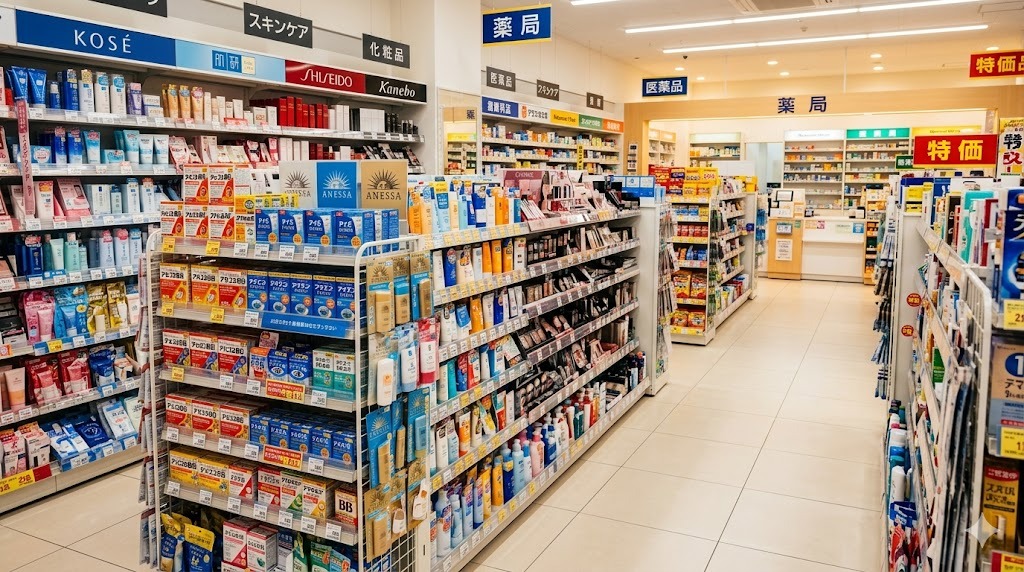
    Japan’s drugstores โ€” called doragu sutoa (ใƒ‰ใƒฉใƒƒใ‚ฐใ‚นใƒˆใ‚ข) โ€” are one of the best-kept secrets for tourists and expats alike. Packed with affordable skincare, health products, snacks, and exclusive Japanese brands, stores like Matsumoto Kiyoshi, Sundrug, and COSMOS have become must-visit destinations for visitors from all over the world. Prices are often 30โ€“50% cheaper than back home, and many products you simply can’t find anywhere else.

    During Golden Week and busy tourist seasons, drugstore shelves can empty fast โ€” so knowing what to grab (and what’s worth the hype) gives you a real advantage. This guide covers everything: the top chains, the best products to buy, how to shop tax-free, and how to ship your haul home via Buyee.

    Whether you’re visiting Japan for a week or living here as an expat, this Japan drugstore shopping guide will save you money and help you discover products you’ll want to restock forever.

    Top Japanese Drugstore Chains: What to Know Before You Go

    Matsumoto Kiyoshi (ใƒžใƒ„ใƒขใƒˆใ‚ญใƒจใ‚ท) โ€” The Most Famous Chain

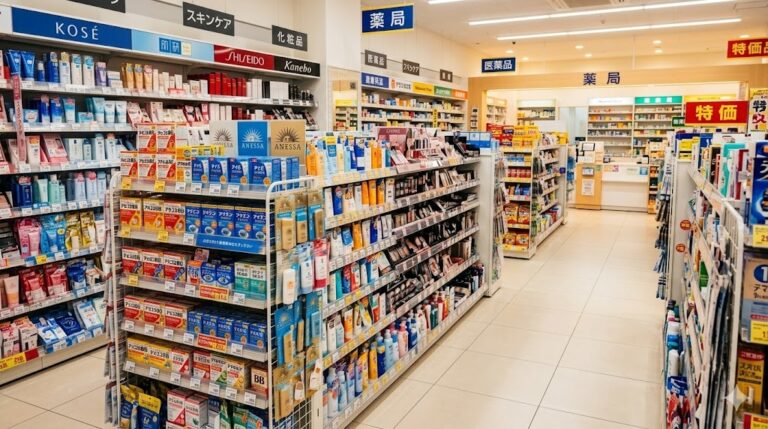
    With its iconic yellow-and-black branding, Matsumoto Kiyoshi (Matsukiyo) is Japan’s most recognized pharmacy chain, with over 3,400 stores nationwide. It’s often the first stop for inbound tourists thanks to its prime locations near major train stations and tourist areas like Shibuya, Shinjuku, Akihabara, and Osaka’s Shinsaibashi. Staff in major stores speak English, Chinese, and Korean, and tax-free shopping is available for purchases over ยฅ5,000.

    Sundrug (ใ‚ตใƒณใƒ‰ใƒฉใƒƒใ‚ฐ) โ€” Best Prices in the Big Three

    Sundrug often beats Matsukiyo on price for everyday items like vitamins, supplements, and OTC medicines. Less touristy than Matsukiyo but easy to find in most cities. Great for stocking up on bulk items. Loyalty points accumulate quickly for repeat shoppers.

    COSMOS (ใ‚ณใ‚นใƒขใ‚น่–ฌๅ“) โ€” Cheapest Drugstore in Japan

    If you’re living in Japan (especially outside Tokyo), COSMOS is legendary for impossibly low prices. It’s a discount warehouse-style store common in Kyushu and western Japan. No frills, but the savings are real โ€” often 10โ€“20% cheaper than Matsukiyo on the same products. No loyalty points or tax-free service, but the prices speak for themselves.

    Welcia (ใ‚ฆใ‚จใƒซใ‚ทใ‚ข) & Tsuruha (ใƒ„ใƒซใƒ) โ€” The Locals’ Favorites

    These two chains dominate suburban Japan and are where most Japanese people actually shop. Welcia is part of the AEON group and offers deep discounts on Tuesdays for Waon cardholders. Tsuruha is common in northern Japan. Both have excellent loyalty programs and wide product selections.

    10 Best Things to Buy at Japanese Drugstores

    1. Hada Labo Gokujyun Lotion โ€” The Hyaluronic Acid Holy Grail

    Japan’s best-selling skincare product is a hyaluronic acid toner that plumps and hydrates skin without any greasy residue. The 170ml bottle costs around ยฅ880 โ€” a fraction of what equivalent products cost in Western markets. The blue (regular), pink (Premium), and green (Whitening) versions each target different skin concerns. Buy in bulk โ€” it doesn’t expire quickly and your friends will thank you.

    2. Biorรฉ UV Aqua Rich Watery Essence SPF50+ โ€” Best Sunscreen on Earth

    Ask any skincare enthusiast outside Japan what they’re most jealous of, and Japanese sunscreen tops the list. Biorรฉ UV Aqua Rich feels like water on skin โ€” no white cast, no greasiness, no excuses not to wear SPF every day. At around ยฅ1,000 for 50g, it’s one of the best sunscreen bargains in the world. Also look for Anessa Perfect UV and SKIN AQUA tone-up UV for alternatives.

    3. DHC Deep Cleansing Oil โ€” The Original Japanese Face Oil

    DHC’s cleansing oil has been a Japanese staple since the 1990s. It dissolves waterproof makeup, SPF, and sunscreen completely, leaving skin clean without stripping it. The 200ml bottle costs around ยฅ1,500 and lasts months. DHC products are exclusively available through their website or stores outside Japan, making this a genuine drugstore exclusive.

    4. Eve Pain Killers โ€” Japan’s OTC Painkiller Secret

    Japanese pain relievers like Eve A (ใ‚คใƒ–A) and Bufferin Luna are surprisingly strong compared to Western OTC options and available without prescription. Eve A contains ibuprofen plus an additional analgesic for faster relief. Popular with menstrual cramp sufferers worldwide. Approximately ยฅ700 for 20 tablets.

    5. Pocari Sweat Powder โ€” Rehydration Powerhouse

    Japan’s legendary electrolyte drink in convenient powder form. Mix one sachet with water for an isotonic drink that’s better than most Western sports drinks. Ideal for travel, hot Japanese summers, or recovering from a night out. A box of 10 sachets costs around ยฅ500 and takes up almost no luggage space.

    6. Sato Pharmaceutical Lip Cream (Rohto Melano CC) โ€” Vitamin C Serum for ยฅ700

    Rohto Melano CC’s Whitening Essence is a concentrated Vitamin C serum that costs around ยฅ700 โ€” compare that to ยฅ5,000+ for equivalent products from Western brands. The drugstore vitamin C market in Japan is extraordinarily competitive, making this one of the best beauty bargains anywhere. Also check Transino and Hatomugi for more brightening options.

    7. Kobayashi Pharmaceutical Products โ€” Weird but Wonderful

    Kobayashi (ๅฐๆž—่ฃฝ่–ฌ) makes products so specific they have no equivalent anywhere else. Highlights include: Bluelet Dobon (toilet bowl cleaner that turns water blue), Nose Hare (nasal hair remover), Netsusamasi (fever-reducing gel packs for your forehead), and Fumakilla mosquito coils. Half the fun is discovering what problems Japanese product designers have solved that the rest of the world hasn’t.

    8. Kirin Ichiban Hydration Tablets โ€” Convenient Vitamins

    Japanese pharmacies carry an incredible range of supplement tablets โ€” collagen, vitamin C, iron, B-complex โ€” in convenient daily packs. Brands like DHC, Suntory Sesamin EX, and FANCL offer pharmaceutical-grade supplements at very reasonable prices. Great for expats who find Western supplement prices eye-watering.

    9. Eye Drops โ€” Japan’s World-Class Eye Care

    Rohto and Santen make eye drops with formulations not available outside Japan. Rohto V Active (menthol-heavy, shockingly intense), Sante Beauteye (for contact lens wearers), and Sante FX Neo are cult favorites. Even the packaging design is world-class. At ยฅ500โ€“ยฅ900 per bottle, stock up generously.

    10. KAO Biore Hand Soap & Foam Cleansers โ€” Gentle Japanese Formulas

    KAO’s foam cleansers and hand soaps have gentler formulas than Western equivalents โ€” essential knowledge if you have sensitive skin. The Biore facial wash range is perfect for Japanese humidity, and the refill pouches make them economical for expats. Also look for the KAO Curel range for extremely sensitive or eczema-prone skin.

    How to Shop Tax-Free at Japanese Drugstores

    Foreign tourists can claim consumption tax (currently 10%) back on purchases over ยฅ5,000 at participating stores. To qualify: you must show your passport, the purchase must be for personal use and taken out of Japan within 30 days, and items must not be opened or used in Japan. Most major chains in tourist areas have dedicated tax-free counters. Items are often placed in a sealed bag โ€” don’t open it before leaving Japan or you’ll owe the tax.

    Pro tip: consolidate your purchases to hit the ยฅ5,000 threshold in one transaction. Buying ยฅ2,000 of skincare and ยฅ3,500 of supplements in the same transaction counts, while buying them separately wouldn’t qualify.

    How to Buy Japanese Drugstore Products From Abroad (Buyee & Amazon Japan)

    Can’t make it to Japan? Most Japanese drugstore products are available on Amazon Japan and Rakuten, which ship internationally or via proxy services. Buyee is Japan’s most popular shopping proxy service, allowing you to buy from Japanese sites (including Amazon Japan, Rakuten, and individual brand sites) and ship anywhere in the world.

    Japan Drugstore Tips for Tourists & Expats

    • Go early in the day โ€” popular items like Hada Labo and Biorรฉ sunscreen sell out fast during peak tourist season
    • Download the app โ€” Matsukiyo’s app gives coupon discounts and lets you locate specific products across stores
    • Check the expiry date โ€” products in tourist-area drugstores move quickly and are usually fresh, but always check
    • Use the coin locker โ€” major drugstores near stations often have coin lockers so you can shop before checking in
    • Bring your passport โ€” always carry it for tax-free purchases
    • Buy refill packs โ€” many Japanese products come in cheaper refill pouches (่ฉฐๆ›ฟใˆ), reducing plastic waste and saving 20-30%

    Japan Drugstore Shopping: Final Thoughts

    Japanese drugstores are genuinely one of the best shopping experiences Japan offers โ€” not just for tourists, but for expats who quickly realize how much better (and cheaper) Japanese skincare, health products, and everyday goods can be. Whether you’re loading up on Hada Labo and Biorรฉ sunscreen or discovering Kobayashi Pharmaceutical’s wonderfully specific inventions, a few hours in a Japanese drugstore can change your everyday routine forever.

    For expats, getting into the habit of shopping at Welcia, Matsukiyo, or COSMOS for household and health items is one of the easiest ways to reduce your monthly spending in Japan. For tourists, budget at least ยฅ10,000 for your drugstore haul โ€” you’ll spend it, and you won’t regret it.

    ๐Ÿ›’ Shop Japanese Drugstore Products Online

    Can’t visit Japan? Get authentic products delivered worldwide:

  • Don Quijote Japan 2026: Ultimate Foreigner Shopping Guide (Best Finds Under ยฅ1,000)

    Don Quijote Japan 2026: Ultimate Foreigner Shopping Guide (Best Finds Under ยฅ1,000)

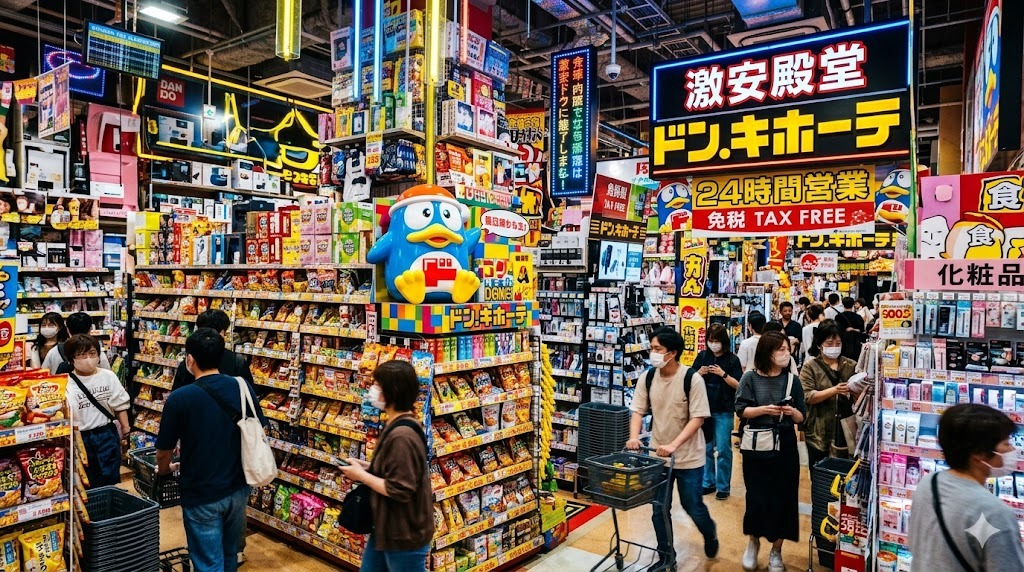
    Don Quijote โ€” known affectionately as “Donki” (ใƒ‰ใƒณใ‚ญ) โ€” is one of Japan’s most iconic and chaotic retail experiences. Open 24 hours, stacked floor-to-ceiling with everything from electronics to snacks to costumes, Don Quijote is a mandatory stop for any visitor to Japan. But navigating Donki without knowing what to look for can be overwhelming.

    This guide covers the absolute best things to buy at Don Quijote in 2026, organized by category, with insider tips on where to find the best deals and what to skip.

    What Is Don Quijote (Donki)?

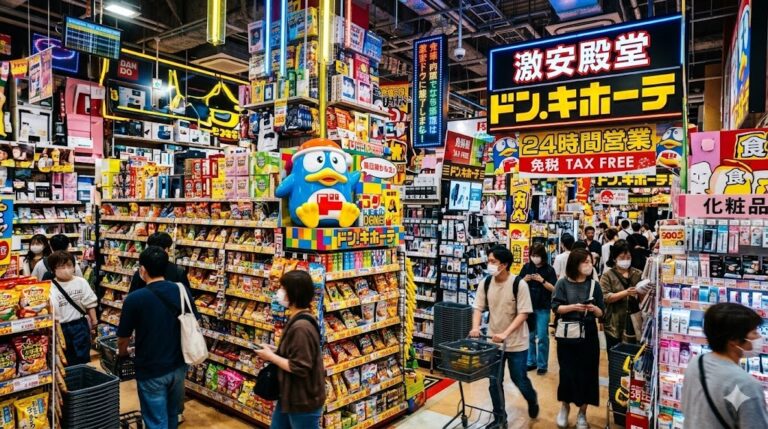
    Don Quijote (ใƒ‰ใƒณใƒปใ‚ญใƒ›ใƒผใƒ†) is a Japanese discount chain store with over 700 locations across Japan. Founded in 1989, it’s known for its distinctive penguin mascot, 24-hour operation, and the famous compressed display style where products are stacked from floor to ceiling in seemingly chaotic but surprisingly organized fashion.

    Almost every major city and tourist area in Japan has a Donki. Tokyo alone has dozens of locations in Shinjuku, Shibuya, Akihabara, Asakusa, and more. They accept most credit cards and offer tax-free shopping for tourists.

    Don Quijote Shopping Tips Before You Go

    ๐ŸŽŒ Tax-Free Shopping

    Foreign visitors can get consumption tax (10% or 8% for food) refunded on purchases over ยฅ5,000 at the tax-free counter. Bring your passport. This applies to most items except consumables like food and cosmetics at some stores.

    ๐Ÿ’ณ Payment Methods

    Donki accepts cash, credit cards (Visa, Mastercard, Amex), IC cards (Suica, PASMO), and major QR payment apps (PayPay, Line Pay). Most stores now accept foreign cards without issue.

    ๐Ÿฆ… The Donki App

    Download the Don Quijote app for exclusive discount coupons and store maps. The app is available in English and helps you navigate the sometimes confusing multi-floor layouts.

    โฐ Best Time to Visit

    Weekday mornings (10 AM โ€“ noon) are least crowded. Tourist-heavy locations like Shinjuku Kabukicho can get extremely packed on weekends and evenings.

    Best Things to Buy at Don Quijote 2026

    ๐Ÿซ Japanese Snacks & Sweets โ€” Must-Buy

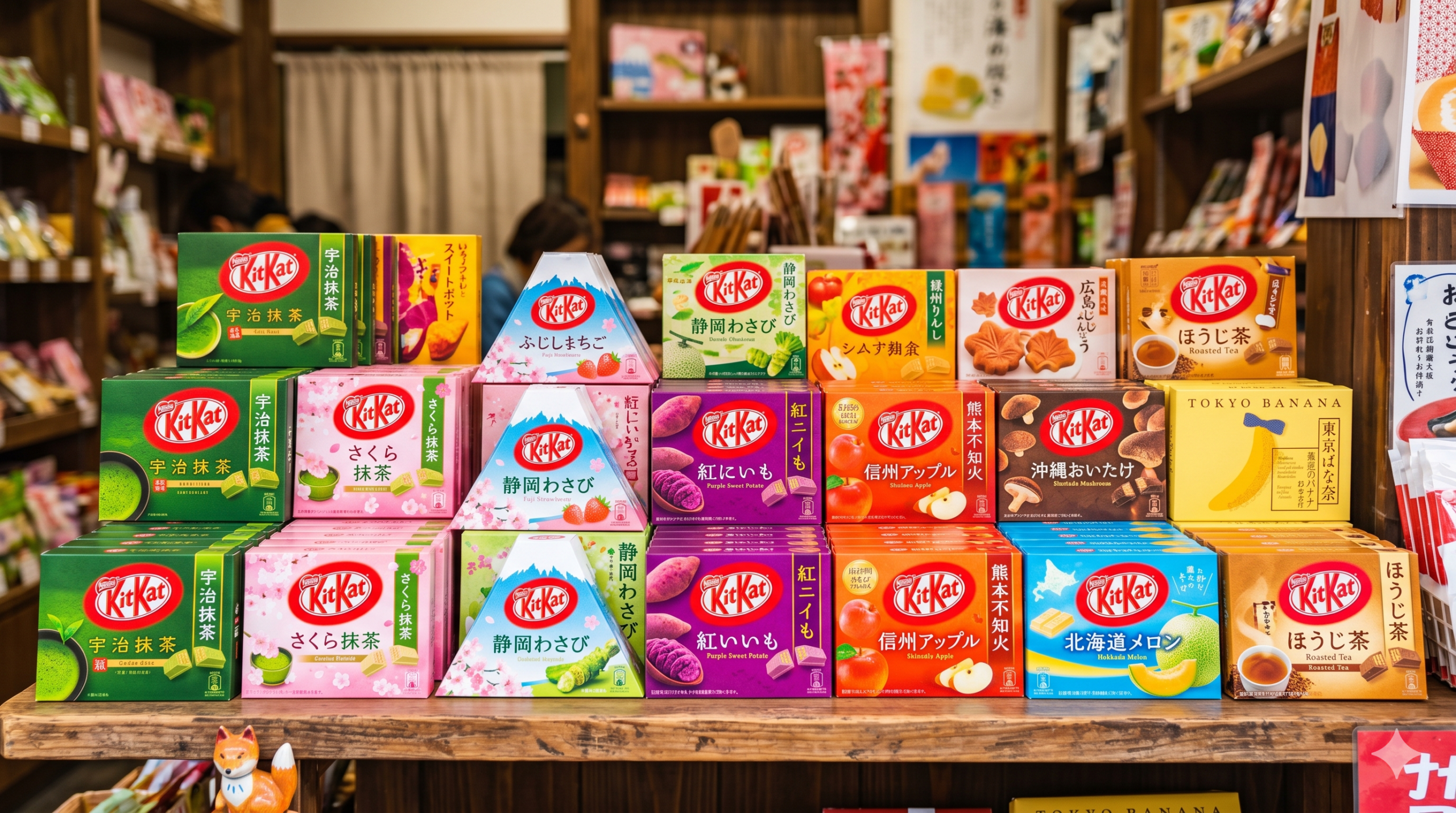
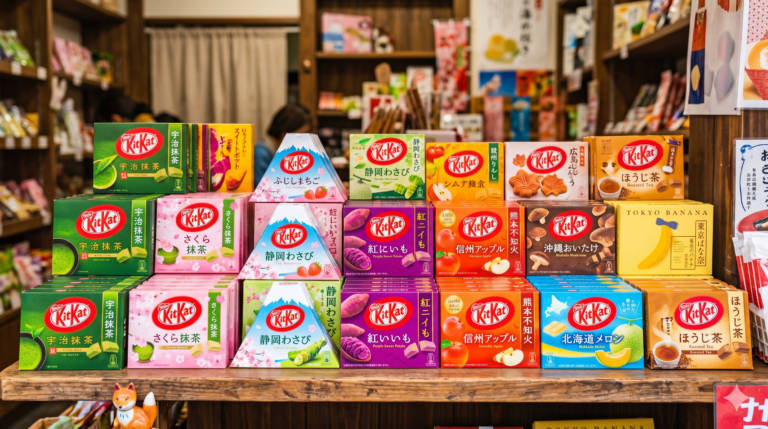
    Donki’s snack section is legendary among tourists. You’ll find regional Kit Kat flavors (matcha, sake, strawberry cheesecake), Pocky variety packs, Tokyo Banana, regional omiyage snacks, and specialty chips you won’t find anywhere else. The prices are often better than convenience stores or airport shops.

    Best picks: Tokyo Banana (authentic, not knockoffs), Shiroi Koibito (Hokkaido butter cookie), matcha Kit Kat sets, and Calbee potato chips limited Japan flavors.

    Price range: ยฅ200 โ€“ ยฅ3,000

    ๐Ÿ’Š Japanese Beauty & Skincare โ€” Great Value

    Donki carries an enormous selection of Japanese drugstore beauty products at prices lower than pharmacies. Popular items include Hada Labo moisturizers, DHC cleansing oil, Kose face masks, and the famous Sana Nameraka Honpo soy isoflavone skincare line.

    The vitamin and supplement section is also excellent โ€” Japanese Fancl vitamins, collagen drinks, and enzyme supplements are popular with both locals and tourists.

    Best picks: Hada Labo Gokujyun lotion (the blue bottle), Kose Clear Turn face masks (bulk packs), DHC lip cream, and Sana Nameraka Honpo emulsion.

    Price range: ยฅ300 โ€“ ยฅ3,000

    ๐ŸŽฎ Electronics & Gadgets โ€” Surprising Bargains

    Many people don’t realize that Donki stocks a solid selection of electronics โ€” often at prices competitive with Yodobashi or Bic Camera. Look for Japanese-brand earbuds, portable chargers, phone accessories, SIM card packages, and Bluetooth speakers.

    The Donki Private Label brand ORIGINALBASIC offers shockingly good value โ€” their USB-C hubs, phone chargers, and cables are often half the price of name brands with comparable quality.

    Best picks: ORIGINALBASIC phone accessories, Anker portable chargers (often discounted), Japanese conversion plugs, and prepaid SIM cards.

    Price range: ยฅ500 โ€“ ยฅ15,000

    ๐ŸŽญ Costumes & Character Goods โ€” Iconic Donki Section

    Donki is famous across Japan for its massive costume and character goods section. From school uniforms and maid outfits to anime characters and seasonal costumes, this section is a tourist attraction in itself. You’ll also find a great selection of Japanese stationery, Sanrio goods, and pop culture merchandise.

    Even if you’re not buying costumes, the section is worth a browse just for the cultural experience. The Shibuya and Shinjuku Donki locations have particularly large selections.

    Price range: ยฅ500 โ€“ ยฅ5,000

    ๐Ÿบ Alcohol & Drinks โ€” Excellent Selection

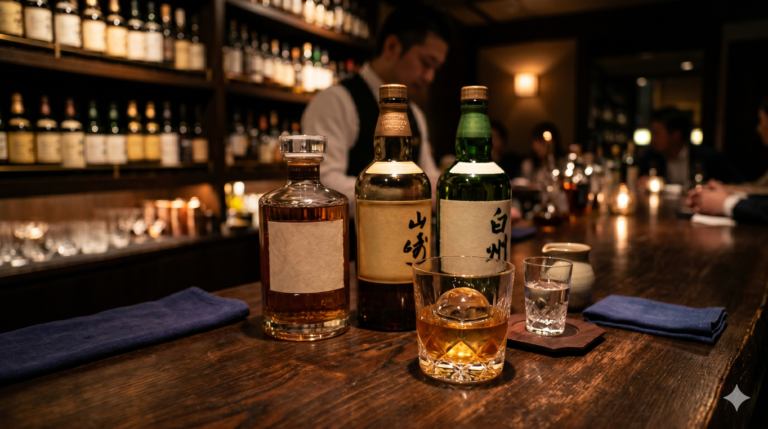
    Donki’s liquor section is one of the best in Japan for variety and price. They stock an incredible range of Japanese whisky (Suntory Toki, Nikka, Hibiki), local craft sake, shochu, and even rare bottles at reasonable prices. The selection of canned chu-hi (Japanese fruit alcoholic drinks) is also excellent.

    Best picks: Suntory Toki whisky, Nikka From The Barrel, local craft sake sets, and seasonal limited-edition chu-hi flavors.

    Price range: ยฅ200 โ€“ ยฅ10,000+

    ๐Ÿ’ด Don Quijote Gift Sets โ€” Best Souvenirs

    One underrated Donki section is their pre-packaged souvenir and gift sets. These come beautifully wrapped and include a curated mix of Japanese snacks, stationery, or beauty products โ€” perfect for omiyage (Japanese gift-giving culture). Prices are much more reasonable than airport shops for equivalent quality.

    Price range: ยฅ1,000 โ€“ ยฅ5,000

    Don Quijote Locations in Tokyo

    LocationHighlightsHours
    ShibuyaCostumes, electronics, largest selection24 hours
    Shinjuku KabukichoMost famous, busy, tourist-friendly24 hours
    AkihabaraElectronics, anime goods, tech accessories24 hours
    AsakusaTraditional souvenirs + Donki mix24 hours
    IkebukuroGood balance, less crowded than Shibuya24 hours

    What NOT to Buy at Don Quijote

    Not everything at Donki is a bargain. Some items are actually more expensive than other stores or have better alternatives:

    • Fresh food โ€” Convenience stores and supermarkets are cheaper and better for daily food shopping
    • Name-brand electronics โ€” Yodobashi Camera or Bic Camera usually have better prices and warranty support for major brands
    • Basic clothing โ€” GU or Uniqlo offer better quality at comparable prices
    • Medicines โ€” Matsumoto Kiyoshi or Sugi Pharmacy are better specialized options

    Don Quijote FAQ

    Q: Does Don Quijote offer tax-free shopping?
    A: Yes! Bring your passport and spend over ยฅ5,000 to get the 10% consumption tax refunded at the tax-free counter.

    Q: What are Donki’s opening hours?
    A: Most Don Quijote stores are open 24 hours, 365 days a year โ€” one of the few chains in Japan with truly round-the-clock service.

    Q: Can I use credit cards at Don Quijote?
    A: Yes. Donki accepts Visa, Mastercard, American Express, JCB, and most major contactless payments including Apple Pay, Google Pay, and QR codes.

    Q: Is Don Quijote the same as Mega Don Quijote?
    A: Mega Don Quijote (MEGAใƒ‰ใƒณใƒปใ‚ญใƒ›ใƒผใƒ†) is a larger format store with more products and dedicated sections for groceries. The product selection overlaps significantly.

    ๐Ÿ“ฅ Get the Complete Japan Expat Starter Kit

    Shopping, Suica, banking, health insurance & daily life โ€” all in one comprehensive PDF guide.

    ๐Ÿ“ฅ Get the Guide โ€” $19
  • Japan Convenience Store Guide 2026: Surprising Finds & Foreigner Favorites (Konbini Tips)

    Japan Convenience Store Guide 2026: Surprising Finds & Foreigner Favorites (Konbini Tips)

    Why Japanese Convenience Stores Will Change Your Life

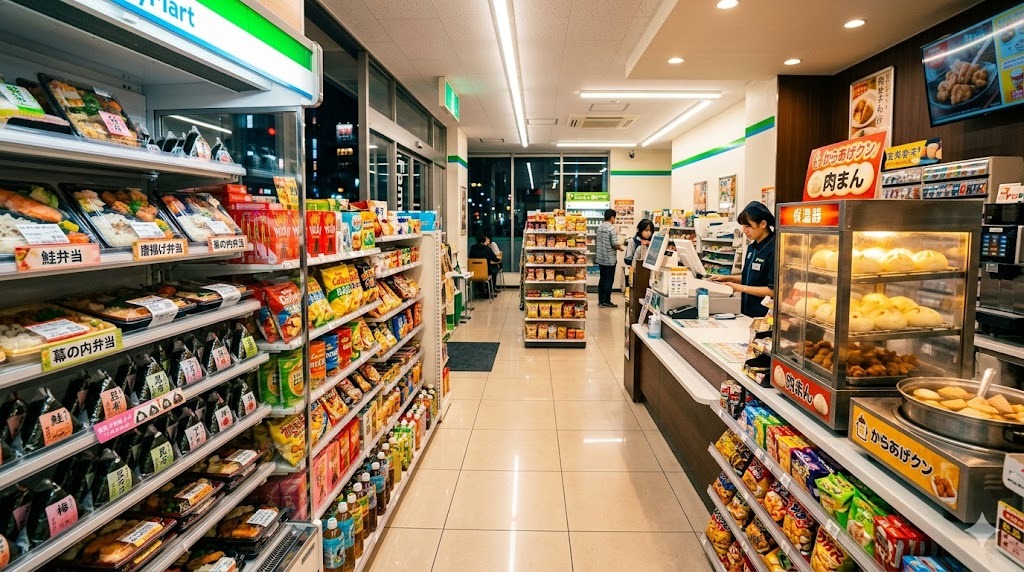
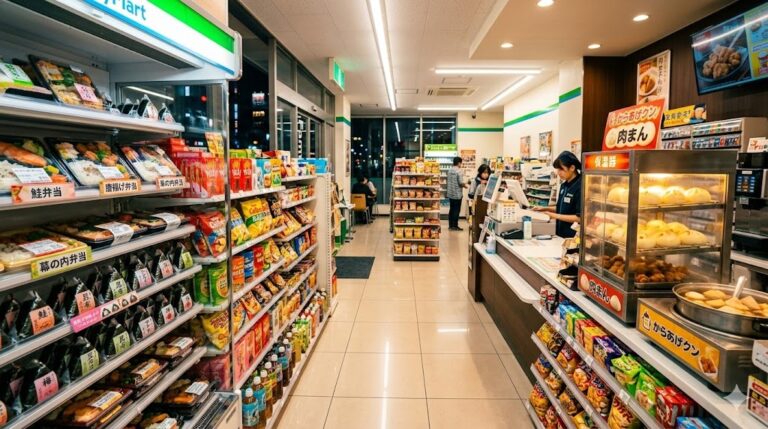
    If you’ve heard that Japanese convenience stores โ€” known as ใ‚ณใƒณใƒ“ใƒ‹ (konbini) โ€” are different from anything in your home country, believe it. This is not an exaggeration. Japan’s convenience stores are a genuine cultural institution: open 24 hours a day, 365 days a year, stocking freshly made food, offering dozens of essential services, and maintaining standards of cleanliness and quality that would shame most full-service restaurants elsewhere in the world.

    There are approximately 56,000 convenience stores across Japan โ€” roughly one for every 2,200 people. In central Tokyo, you’re almost never more than a 5-minute walk from one. The three major chains โ€” 7-Eleven Japan, Lawson, and FamilyMart โ€” account for over 90% of the market, and each has its own personality, loyal following, and signature products.

    For travelers and expats, konbini are not just convenient โ€” they’re often essential. Need to pay a utility bill? Pick up your online shopping? Print a document? Get emergency cold medicine at 3am? Withdraw yen from an international-friendly ATM? The convenience store handles all of this, and much more.

    ๐Ÿ—พ Quick Reference: Japan’s Big Three Convenience Stores
    โ€ข 7-Eleven Japan (ใ‚ปใƒ–ใƒณ-ใ‚คใƒฌใƒ–ใƒณ): ~21,000 stores โ€” famous for sandwiches, premium desserts, 7Pay app
    โ€ข Lawson (ใƒญใƒผใ‚ฝใƒณ): ~14,500 stores โ€” famous for fried chicken (Karaage-kun), Uchi Cafรฉ sweets
    โ€ข FamilyMart (ใƒ•ใ‚กใƒŸใƒชใƒผใƒžใƒผใƒˆ): ~16,500 stores โ€” famous for FamiChiki fried chicken, wider hot snack range

    Japanese Convenience Store Food: What to Buy

    This is where konbini truly earn their legendary status. Unlike convenience store food elsewhere, Japanese konbini food is genuinely good โ€” made fresh daily using quality ingredients, with enough variety to constitute a full diet if you needed it. Here’s what to look for:

    Onigiri (ใŠใซใŽใ‚Š) โ€” Rice Balls

    The quintessential konbini food. Triangular rice balls wrapped in nori seaweed, filled with everything from classic tuna mayo and salmon to more adventurous flavors like ikura (salmon roe), mentaiko (spicy pollock roe), or kombu. Prices range from ยฅ110โ€“ยฅ200. The three-step opening sequence (pull the tabs in order) is a rite of passage for all Japan visitors. At 7-Eleven, the premium “Gold” series onigiri use higher-grade rice and more generous fillings.

    Sandwiches and Buns

    Japanese konbini sandwiches are a revelation โ€” soft milk bread crustless sandwiches filled with egg salad, tuna, or fruit and cream (the latter being a surprisingly popular and delicious option). Hot steamed buns (nikuman) are sold year-round at the heated counter, with pork, pizza, and pizza-cheese varieties typically available. At ยฅ130โ€“ยฅ180, they’re one of the best snack values in Japan.

    Bento and Hot Food

    Pre-made bento boxes (ยฅ400โ€“ยฅ700) cover every category: hamburger steak, yakitori, sushi, katsu curry, and more. Staff will microwave them for you on request โ€” just say “atatamete kudasai” (ๆธฉใ‚ใฆใใ ใ•ใ„). Hot food counters vary by chain: 7-Eleven focuses on quality ingredients, Lawson’s Karaage-kun fried chicken nuggets are a national obsession, and FamilyMart’s FamiChiki is the crispiest fried chicken in the konbini world.

    Sweets and Desserts

    Konbini desserts are a serious business in Japan. Lawson’s Uchi Cafรฉ range includes seasonal purin (custard pudding), cream puffs, and roll cakes that rival dedicated patisseries. 7-Eleven’s parfaits and cream-filled pastries are premium quality. Seasonal limited editions โ€” sakura flavors in spring, chestnut in autumn, strawberry in winter โ€” create genuine excitement and social media buzz.

    Drinks

    The refrigerated drinks section is vast: canned coffee, green tea (hot and cold), sports drinks, flavored waters, beer, sake, canned cocktails (chuhai), energy drinks, and seasonal limited editions. The hot drinks section near the register โ€” drip coffee made to order for ยฅ100โ€“ยฅ150 โ€” rivals branded coffee chains. 7-Eleven’s drip coffee machine (ยฅ110 for regular) is particularly well-regarded.

    Essential Services at Japanese Convenience Stores

    ATMs โ€” International Card Friendly

    This is critical knowledge for foreign visitors: not all Japanese ATMs accept international cards, but konbini ATMs almost universally do. 7-Eleven Bank ATMs accept Visa, Mastercard, American Express, UnionPay, and Cirrus/Plus network cards. Lawson ATMs (operated by Lawson Bank) accept most major international cards. FamilyMart ATMs (operated by E-net) similarly support international cards.

    Withdrawal fees vary: typically ยฅ110โ€“ยฅ220 per transaction from the Japanese side, plus whatever fee your home bank charges. 7-Eleven Bank tends to have the widest international card acceptance and the most ATMs (one per store, nationwide). Fees are lower during certain hours โ€” many ATMs are free on weekdays between 8:45amโ€“6pm.

    Bill Payment (ๅ…ฌๅ…ฑๆ–™้‡‘ๆ”ฏๆ‰•ใ„)

    You can pay almost any bill at a Japanese convenience store โ€” utility bills (electricity, gas, water), credit card bills, NHK fees, tax payments, insurance premiums, and more. Bring the barcode slip (usually sent by post or email) and pay in cash at the register. The clerk scans the barcode and hands you a receipt. This system handles hundreds of millions of transactions per year and is one of the most widely used financial services in Japan.

    Printing and Photocopying

    Every major konbini chain has a multifunction printer/copier/scanner available for public use. You can print from a USB drive, print documents sent via email or web upload (using the chain’s dedicated app), scan physical documents to USB or email, and make color or black-and-white copies. Prices: B&W copies ยฅ10/sheet, color copies ยฅ50โ€“ยฅ80/sheet, A3 available at most locations. The apps (7-Eleven’s netprint, Lawson/FamilyMart’s PrintSmash) allow you to send files from your phone and pick them up at any store nationally.

    Package Pickup and Delivery

    Japan’s convenience stores are deeply integrated with the national parcel delivery system. You can:

    • Send packages via Yamato Transport (ใƒคใƒžใƒˆ้‹่ผธ) or Sagawa Express from store counters
    • Receive packages at your local konbini as a pickup point โ€” particularly useful for short-term renters and travelers
    • Pick up online shopping orders from Amazon Japan, Mercari, and other e-commerce platforms
    • Receive airport duty-free purchases delivered to konbini near Narita/Haneda before your departure

    Tickets and Event Booking

    Japanese convenience stores are major ticket distribution points. The in-store multifunction terminals (Lawson’s Loppi, FamilyMart’s Famiใƒใƒผใƒˆ, 7-Eleven’s multi-copy machine) allow you to purchase and print tickets for concerts, sports events, theme parks (Disney, Universal Studios Japan), shinkansen reserved seats, and local attractions. This is particularly useful for international visitors who can’t easily access Japanese ticketing websites from abroad.

    SIM Cards and Mobile Top-Up

    Most major konbini stock prepaid SIM cards for tourists, typically IIJ, b-mobile, or carrier-branded cards sold at face value. These are useful if you arrive without a pre-arranged eSIM (see our Best eSIM Cards for Japan guide for better options). You can also top up prepaid phone credit and buy LINE Pay or PayPay top-up cards at many locations.

    Healthcare and Pharmacy Items

    Konbini stock a surprisingly complete range of over-the-counter medications: cold and flu medicine, pain relievers, stomach remedies, allergy tablets, eye drops, and bandages. While selection is narrower than a dedicated pharmacy (yakkyoku), for late-night emergencies the 24/7 availability is invaluable. Personal care items โ€” toothbrushes, razors, contact lens solution, face masks โ€” are also well-stocked.

    How to Pay at Japanese Convenience Stores

    Cash (็พ้‡‘)

    Japan remains significantly more cash-reliant than most developed countries, and konbini are no exception. All stores accept all yen denominations. If paying with a ยฅ10,000 note for a small purchase, this is completely normal and expected โ€” change will be provided without issue.

    IC Cards (Suica, PASMO, ICOCA)

    IC transit cards like Suica and PASMO are accepted as payment at all major convenience stores. Simply tap your card on the reader and payment is deducted from your stored balance. This is the fastest payment method and avoids handling cash. You can top up your Suica balance at konbini ATMs (7-Eleven Bank ATMs accept Suica), though topping up is typically easier at train station machines. See our Suica guide for full details.

    Credit and Debit Cards

    Contactless card acceptance has expanded enormously in Japanese convenience stores since 2020. All three major chains now accept Visa, Mastercard, JCB, and American Express contactless payments (both physical card tap and phone/watch NFC). Note that some older store terminals still require chip-and-PIN for non-Japanese cards โ€” if contactless fails, try inserting your card instead.

    QR Code Payments (PayPay, LINE Pay, dๆ‰•ใ„)

    Japan’s QR code payment ecosystem is extensive. PayPay (Japan’s largest QR pay service with 60M+ users) is accepted at all major konbini. LINE Pay, dๆ‰•ใ„ (docomo), au Pay, and Rakuten Pay are also accepted at most locations. As a foreigner, PayPay can now be set up with foreign Visa/Mastercard if you have a Japanese phone number.

    Convenience Store Chain Comparison: 7-Eleven vs Lawson vs FamilyMart

    Category7-Eleven ๐Ÿ†LawsonFamilyMart
    Number of stores~21,000~14,500~16,500
    Signature foodEgg salad sandwichKaraage-kunFamiChiki
    Best dessertsPremium parfaitsUchi Cafรฉ rangeSweets+ range
    ATM7-Eleven Bank โœ…Lawson Bank โœ…E-net ATM โœ…
    Print terminalnetprint appPrintSmashPrintSmash
    Ticket terminalMulti-copy machineLoppiFamiใƒใƒผใƒˆ
    Best coffeeโœ… 7-Cafรฉ (ยฅ110)MACHI cafรฉFamima Cafรฉ
    Overall ratingโ˜…โ˜…โ˜…โ˜…โ˜…โ˜…โ˜…โ˜…โ˜…โ˜†โ˜…โ˜…โ˜…โ˜…โ˜†

    Useful Japanese Phrases for Konbini

    SituationJapanesePronunciation
    Please heat this upๆธฉใ‚ใฆใใ ใ•ใ„Atatamete kudasai
    No bag needed่ข‹ใฏไธ่ฆใงใ™Fukuro wa furyo desu
    Card payment pleaseใ‚ซใƒผใƒ‰ใงๆ‰•ใ„ใพใ™Kฤdo de haraimasu
    Where is the ATM?ATMใฏใฉใ“ใงใ™ใ‹๏ผŸATM wa doko desu ka?
    Do you have a fork?ใƒ•ใ‚ฉใƒผใ‚ฏใฏใ‚ใ‚Šใพใ™ใ‹๏ผŸFลku wa arimasu ka?
    I want to pay a billๆ–™้‡‘ใ‚’ๆ‰•ใ„ใŸใ„ใงใ™Ryลkin wo haraitai desu
    I’d like to printๅฐๅˆทใ—ใŸใ„ใงใ™Insatsu shitai desu

    Konbini Etiquette: Dos and Don’ts

    Do: Say “arigatou gozaimasu” (ใ‚ใ‚ŠใŒใจใ†ใ”ใ–ใ„ใพใ™) when leaving โ€” staff work hard and it’s appreciated. Use the designated eating area (there’s usually a small counter by the window) rather than eating while walking around the store. Sort your garbage correctly โ€” the bins near the door have separate compartments for burnable waste, plastic bottles, and cans.

    Don’t: Eat food before paying (this applies to everywhere in Japan, not just konbini). Leave bags or items blocking the aisles. Talk loudly on your phone near the registers. Expect staff to speak English โ€” while many young konbini workers have basic English, it’s not guaranteed and pointing at items or using Google Translate works well.

    Frequently Asked Questions

    Are Japanese convenience stores really open 24 hours?

    The vast majority are, yes โ€” 24/7/365 including national holidays. A small number of rural locations have reduced hours, and some stores temporarily reduced hours during the COVID-19 pandemic, but the “24 hours” promise is essentially universal in urban and suburban areas. Konbini are one of the few places you can reliably find food, ATM access, and basic services at 3am.

    Can I use my foreign credit card at konbini ATMs?

    Yes, with high reliability at 7-Eleven Bank ATMs and good reliability at Lawson Bank and E-net ATMs. 7-Eleven Bank is particularly recommended for international cards โ€” they display English interfaces and accept Visa, Mastercard, Maestro, Cirrus, UnionPay, and American Express. There will be a transaction fee (ยฅ110โ€“ยฅ220) from the Japanese side plus any international withdrawal fee from your home bank.

    What are the best things to eat at Japanese convenience stores?

    Personal favorites among frequent travelers: onigiri (especially tuna mayo or salmon), nikuman (steamed pork bun), any seasonal dessert from Lawson’s Uchi Cafรฉ range, 7-Eleven’s egg salad sandwich, Karaage-kun from Lawson, and FamiChiki from FamilyMart. For drinks, the fresh drip coffee (around ยฅ110) from any chain is a daily staple. Don’t overlook the hot oden (Japanese fish cake stew) available in autumn and winter.

    How do I use the printing service?

    Download the app for your target chain: 7-Eleven’s “netprint” app, or “PrintSmash” for Lawson and FamilyMart. Upload your document or photo, receive a reservation number, enter it at the in-store multi-function machine, select your print options, and pay (from ยฅ10/sheet B&W). You can also walk in with a USB drive containing your files and print directly. The machines handle PDF, Word, Excel, JPG, and most common formats.

    Is there Wi-Fi at Japanese convenience stores?

    Yes โ€” all three major chains offer free Wi-Fi. 7-Eleven provides “7SPOT” WiFi, Lawson offers “Lawson_Free_Wi-Fi,” and FamilyMart has “FamilyMart_Wi-Fi.” You’ll need to register with an email address (or social media login) for the first connection. Session duration is typically 30โ€“60 minutes per connection, after which you reconnect. Speed is decent for email and maps; not ideal for streaming.

    Top 10 Things Every Visitor Should Buy at a Japanese Convenience Store

    1. Onigiri โ€” Try at least three different fillings during your trip
    2. Coffee from the machine โ€” Fresh drip for ยฅ110 is exceptional value
    3. Seasonal dessert โ€” Whatever the current limited edition is, try it
    4. Lawson Karaage-kun โ€” Five small fried chicken pieces for ยฅ230
    5. FamiChiki โ€” FamilyMart’s crispier fried chicken alternative
    6. Nikuman (steamed pork bun) โ€” Best in autumn/winter from the heated counter
    7. Onsen tamago (soft-boiled egg) โ€” Perfect protein-rich snack
    8. Chu-hi canned cocktail โ€” Light fizzy Japanese cocktail, great for picnics
    9. Cup noodles with hot water โ€” Most stores have a hot water station
    10. Kit Kat Japan-exclusive flavor โ€” Matcha, sake, wasabi โ€” buy as souvenirs too

    โœ… Japan Convenience Store Quick Tips

    • Carry a Suica card for instant tap-to-pay at all konbini
    • Use 7-Eleven Bank ATMs for the most reliable international card access
    • Download the netprint or PrintSmash app before you arrive for easy printing
    • Ask staff “atatamete kudasai” to get your food microwaved
    • Check for limited edition seasonal items โ€” they’re genuinely special
    • Free WiFi is available at all chains, useful when your data runs low
  • Best Japanese Snacks 2026: 25 Must-Try Treats to Buy in Japan (& Online)

    Best Japanese Snacks 2026: 25 Must-Try Treats to Buy in Japan (& Online)

    ๐Ÿฌ Quick Summary: Japan’s snack game is unmatched โ€” from matcha Kit Kats to crispy Jaga Pokkuru chips. This guide covers the 10 best Japanese snacks to try, where to buy them, and how to get them shipped worldwide.

    Walk into any Japanese convenience store (ใ‚ณใƒณใƒ“ใƒ‹) and you’ll be overwhelmed by the snack aisle. Japan produces some of the world’s most creative, high-quality snacks โ€” many of which are completely unavailable outside the country. Whether you’re visiting Japan, living here as an expat, or shopping online from abroad, this guide will help you discover the absolute best Japanese snacks worth trying in 2026.

    Japanese snack culture is unique for several reasons: extreme attention to flavor quality, beautiful packaging, seasonal limited editions, and regional varieties exclusive to specific prefectures. Once you try authentic Japanese snacks, ordinary snacks from back home will never quite satisfy you the same way.

    Why Japanese Snacks Are So Special

    Japan’s snack industry is fiercely competitive, which drives manufacturers to constantly innovate. Here’s what sets Japanese snacks apart:

    • Seasonal & limited editions โ€” Kit Kat Japan releases 40+ flavors per year, many available only for a few months
    • Regional exclusives โ€” Prefectures each have signature snacks you can only find locally
    • Superior quality ingredients โ€” Japanese chocolate, for example, uses higher cocoa butter content for a smoother melt
    • Umami-forward savory snacks โ€” Flavors like soy sauce, wasabi, and nori elevate even basic chips
    • Thoughtful portion sizes โ€” Most snacks are perfectly portioned, easy to share or enjoy solo

    Top 10 Best Japanese Snacks to Try in 2026

    1. Kit Kat Japan ๐Ÿซ โ€” The Legendary Flavor Collection

    Best forGifts, trying unique flavors
    Popular flavorsMatcha, Hojicha, Sakura, Wasabi, Strawberry Cheesecake
    Price rangeยฅ200โ€“ยฅ700 per pack
    Where to find7-Eleven, FamilyMart, airports, Kit Kat specialty stores

    Japan’s Kit Kat scene is legendary for good reason. Nestlรฉ Japan has turned Kit Kat into an art form, releasing regional and seasonal flavors throughout the year. The name “Kit Kat” sounds like “Kitto Katsu” (ใใฃใจๅ‹ใค) in Japanese โ€” meaning “you’ll surely win” โ€” making them popular exam-season gifts. The matcha flavor is the most iconic, but don’t overlook Hojicha (roasted green tea) and Uji Matcha premium bars from Kyoto. Kit Kat Chocolatory stores in major cities offer exclusive handcrafted flavors.

    ๐Ÿ›’ Buy Japanese Kit Kat:
    Amazon Japan  |  Amazon.com  |  Buy via Buyee

    2. Pocky (ใƒใƒƒใ‚ญใƒผ) โ€” Japan’s Most Iconic Snack Stick

    Best forSharing, everyday snacking
    Popular flavorsChocolate, Matcha, Strawberry, Cookies & Cream, Almond Crush
    Price rangeยฅ150โ€“ยฅ300 per box
    Where to findEverywhere โ€” convenience stores, supermarkets, drug stores

    Pocky is the gateway snack for most Japan newcomers. These thin biscuit sticks dipped in flavored coating (leaving one end bare to hold) are crispy, light, and endlessly addictive. Glico, the maker, constantly innovates with limited seasonal flavors. November 11th (11/11) is even celebrated as “Pocky Day” in Japan โ€” the date resembles four Pocky sticks. The Almond Crush and Giant Pocky varieties are especially worth seeking out.

    ๐Ÿ›’ Buy Pocky:
    Amazon Japan  |  Amazon.com  |  Buy via Buyee

    3. Calbee Jaga Pokkuru (ใ˜ใ‚ƒใŒใƒใƒƒใ‚ฏใƒซ) โ€” Hokkaido’s Legendary Potato Snack

    Best forSouvenirs, potato chip lovers
    OriginHokkaido exclusive (also sold at airports)
    Price rangeยฅ500โ€“ยฅ800 per box
    Where to findHokkaido shops, airports, some convenience stores

    If you’re visiting Hokkaido or passing through New Chitose Airport, Jaga Pokkuru is absolutely non-negotiable. These are thick-cut, crispy potato sticks made from Hokkaido potatoes with a simple, perfect seasoning of salt and butter โ€” ingredients Hokkaido is famous for. The texture is like no other potato chip: airy inside, ultra-crispy outside. They’re so popular that they frequently sell out and used to be sold only in Hokkaido. Now available at major airports and online, they make the best Japanese souvenir.

    ๐Ÿ›’ Buy Jaga Pokkuru:
    Amazon Japan  |  Amazon.com  |  Buy via Buyee

    4. Royce’ Nama Chocolate (็”Ÿใƒใƒงใ‚ณใƒฌใƒผใƒˆ) โ€” Premium Hokkaido Chocolate

    Best forGift giving, chocolate connoisseurs
    FlavorsOriginal, Champagne, Matcha, Cacao, White Chocolate
    Price rangeยฅ700โ€“ยฅ1,500 per box
    Where to findRoyce’ stores, airports, department stores

    Royce’ (pronounced “Roy-s”) Nama Chocolate is what Japanese premium confectionery looks like. These fresh ganache squares โ€” dusted with cocoa powder โ€” melt the moment they touch your tongue, releasing rich, complex chocolate flavor. Hokkaido dairy cream gives them an unmatched silkiness. Because they’re fresh (็”Ÿ, nama = raw/fresh), they need refrigeration and have a short shelf life, which adds to their luxury appeal. The Original Au Lait and Champagne flavors are the most beloved. Perfect as a high-end souvenir from Japan.

    ๐Ÿ›’ Buy Royce’ Chocolate:
    Amazon Japan  |  Amazon.com  |  Buy via Buyee

    5. Hi-Chew (ใƒใ‚คใƒใƒฅใ‚ฆ) โ€” The Ultimate Japanese Fruit Chew

    Best forCandy lovers, kids
    FlavorsStrawberry, Grape, Mango, Green Apple, Kiwi, Tropical
    Price rangeยฅ120โ€“ยฅ250 per pack
    Where to findConvenience stores everywhere

    Hi-Chew is Japan’s answer to fruit chewing candy โ€” and it blows away the competition. Made by Morinaga, these soft, juicy chews have an intensely real fruit flavor that coats your mouth without being cloyingly artificial. The texture is unique: firm at first bite, then yields into a soft, satisfying chew. Japan has exclusive flavors like Peach, Lychee, and Ramune (Japanese soda) that you won’t find in the international versions. Athletes love Hi-Chew โ€” it’s been spotted in NBA locker rooms and MLB dugouts for years.

    ๐Ÿ›’ Buy Hi-Chew:
    Amazon Japan  |  Amazon.com  |  Buy via Buyee

    6. Meiji Melty Kiss (ใƒกใƒซใƒ†ใ‚ฃใƒผใ‚ญใƒƒใ‚น) โ€” Winter-Only Melt-in-Your-Mouth Chocolate

    Best forChocolate lovers, cold weather treats
    SeasonNovemberโ€“February only
    FlavorsOriginal, Matcha, Dark Cacao, Strawberry
    Price rangeยฅ250โ€“ยฅ350 per box

    Melty Kiss is so delicate that Meiji only sells it in winter โ€” the chocolate would literally melt in summer temperatures. These bite-sized cubes are covered in fine powder and have a ganache-like center that dissolves on the tongue in seconds. The matcha flavor uses premium ceremonial-grade matcha, giving it a deeply authentic green tea flavor unlike anything you’ve tasted in chocolate form. If you’re in Japan between November and February, buying Melty Kiss should be on your to-do list.

    ๐Ÿ›’ Buy Melty Kiss:
    Amazon Japan  |  Amazon.com  |  Buy via Buyee

    7. Tokyo Banana (ๆฑไบฌใฐใชๅฅˆ) โ€” The Ultimate Tokyo Souvenir

    Best forTokyo souvenir shopping
    Where to findTokyo Station, Haneda Airport, Narita Airport
    Price rangeยฅ800โ€“ยฅ2,000 per box (4โ€“16 pieces)
    Shelf life5โ€“7 days (not suitable for long shipping)

    Tokyo Banana is THE souvenir snack of Tokyo. These banana-shaped sponge cakes filled with banana custard cream are delicate, fluffy, and subtly sweet โ€” nothing like the artificial banana flavor common in Western snacks. Designed to taste like “a banana seen in a dream,” they’re produced fresh daily. Besides the original, look out for seasonal collaboration designs (they’ve done Hello Kitty, Pikachu, and Disney editions). Best purchased at Tokyo Station’s “Gransta” shopping area or major airports.

    ๐Ÿ›’ Buy Tokyo Banana Online:
    Amazon Japan  |  Buy via Buyee

    8. Koala’s March (ใ‚ณใ‚ขใƒฉใฎใƒžใƒผใƒ) โ€” Adorable Chocolate-Filled Biscuits

    Best forKids, collectors
    Filling flavorsChocolate, Milk Cream, Matcha
    Price rangeยฅ120โ€“ยฅ200 per box
    Special feature195 different koala illustrations, rare “holding hands” design

    Koala’s March by Lotte is one of Japan’s most beloved snacks โ€” crunchy hollow biscuit shells shaped like koalas, each stamped with a different illustration (there are 195 designs!), filled with chocolate cream. Finding a “holding hands” (ๆ‰‹ใ‚’ใคใชใ) koala design is considered extremely rare and lucky. The biscuit is perfectly thin and crispy, and the chocolate filling has just the right richness. These are endlessly snackable and make adorable, affordable gifts to bring back home.

    ๐Ÿ›’ Buy Koala’s March:
    Amazon Japan  |  Amazon.com  |  Buy via Buyee

    9. Calbee Potato Farm (ใƒใƒ†ใƒˆใƒ•ใ‚กใƒผใƒ ) โ€” Premium Crisp Chips

    Best forSavory snack lovers
    FlavorsSalt & Butter, Soy Sauce, Wasabi, Mentaiko
    Price rangeยฅ300โ€“ยฅ600 per bag
    Where to findAirport shops, Calbee+ stores

    Calbee’s premium Potato Farm line uses high-grade Hokkaido potatoes and offers flavors that are distinctly Japanese. The Salt & Butter Hokkaido flavor is the star โ€” made with actual Hokkaido butter, not artificial butter flavoring โ€” giving each chip a rich, savory satisfaction. The Mentaiko (spicy cod roe) flavor is a bold Japanese choice that adventurous snackers will love. These chips are thicker and crunchier than regular Calbee chips, making them a step above convenience store fare.

    ๐Ÿ›’ Buy Calbee Potato Farm:
    Amazon Japan  |  Amazon.com  |  Buy via Buyee

    10. Yaokin Umaibo (ใ†ใพใ„ๆฃ’) โ€” Japan’s Most Affordable Snack Icon

    Best forBudget snacking, trying many flavors
    Flavors20+ flavors: Mentaiko, Takoyaki, Cheese, Salami, Corn Potage, Teriyaki
    Priceยฅ12 per stick (less than $0.10!)
    Where to find100-yen shops, convenience stores, drug stores

    Umaibo (ใ†ใพใ„ๆฃ’, meaning “delicious stick”) is Japan’s legendary ยฅ12 corn puff snack โ€” one of the cheapest snacks in the world and one of the most satisfying. These hollow cylindrical corn puffs come in over 20 savory and sweet flavors, ranging from Takoyaki (octopus ball) to Corn Potage to Natto (fermented soybean). It’s almost impossible to just eat one, and buying a variety pack to try every flavor is a deeply enjoyable experience. The price has barely changed since 1979, making it a cultural institution.

    ๐Ÿ›’ Buy Umaibo:
    Amazon Japan  |  Amazon.com  |  Buy via Buyee

    Where to Buy Japanese Snacks

    In Japan

    • Convenience Stores (ใ‚ณใƒณใƒ“ใƒ‹) โ€” 7-Eleven, FamilyMart, Lawson. Best selection of current seasonal items and everyday classics.
    • 100-Yen Shops (100ๅ††ใ‚ทใƒงใƒƒใƒ—) โ€” Daiso, Seria. Amazing value; carries older staples like Umaibo, Pocky, and Koala’s March.
    • Drug Stores (ใƒ‰ใƒฉใƒƒใ‚ฐใ‚นใƒˆใ‚ข) โ€” Matsumoto Kiyoshi, Sundrug. Often cheaper than convenience stores for packaged snacks.
    • Airports & Train Stations โ€” Best place for regional souvenirs and premium gift sets. Tokyo Station’s Gransta is legendary.
    • Don Quijote โ€” Discount chain with massive snack sections and a famous “tourist snack corner.”

    Outside Japan (Online)

    • Amazon Japan โ€” Widest selection; ships internationally via Amazon Global or using a forwarding service. Use gadgenavi22-22 tag to support us!
    • Amazon.com โ€” Carries popular items like Kit Kat, Pocky, Hi-Chew with fast Prime shipping to US/EU.
    • Buyee โ€” Japanese proxy shopping service; lets you buy from Japanese shops that don’t ship internationally.
    • Japan Centre (UK) โ€” Ships Japanese snacks across Europe.
    • Bokksu โ€” Monthly Japanese snack subscription box with curation by theme.

    Frequently Asked Questions About Japanese Snacks

    What is the most famous Japanese snack?

    Kit Kat Japan is arguably the most famous Japanese snack internationally, known for its incredible variety of unique flavors like matcha, wasabi, and regional specialties. Domestically, Pocky and Umaibo hold iconic status as everyday snacks enjoyed by all ages.

    Are Japanese snacks available outside Japan?

    Yes โ€” many popular Japanese snacks like Pocky, Hi-Chew, and Kit Kat Japan varieties are available on Amazon.com and in Asian grocery stores worldwide. For more exclusive items, you can shop via Buyee (a proxy shopping service) or Amazon Japan with international shipping.

    What Japanese snacks make the best souvenirs?

    The best Japanese souvenir snacks are: Tokyo Banana (Tokyo), Jaga Pokkuru (Hokkaido), Royce’ Nama Chocolate (Hokkaido), and regional Kit Kat flavors. These are unique to Japan, beautifully packaged, and deeply appreciated by recipients abroad.

    What are good Japanese snacks for people who don’t like sweet things?

    Japan excels at savory snacks. Top picks for non-sweet lovers include: Umaibo (corn puffs in savory flavors like mentaiko and takoyaki), Jaga Pokkuru (salt & butter potato sticks), Calbee Potato Farm chips, Pretz (pretzel sticks in pizza and salad flavors), and various rice crackers (ใ›ใ‚“ในใ„/senbei).

    Which Japanese snacks are gluten-free?

    Most Japanese snack packages don’t carry gluten-free certification, but naturally gluten-free options include: many varieties of Hi-Chew (check ingredients), some Japanese hard candies (้ฃด/ame), and certain rice crackers made with 100% rice. Always check the ingredient list, as soy sauce and wheat are common in Japanese flavoring.

    Final Thoughts: Which Japanese Snack Should You Try First?

    If you’re new to Japanese snacks, start with Pocky for an approachable introduction, then graduate to Kit Kat Japan for the full matcha experience. For savory lovers, Jaga Pokkuru or Umaibo are essential. And if you want to impress friends back home with a thoughtful gift, Royce’ Nama Chocolate or Tokyo Banana never fail.

    The beauty of Japanese snacks is that there’s always something new to discover โ€” new seasonal flavors, regional exclusives, and creative collaborations keep even long-term Japan residents constantly excited. Happy snacking! ๐Ÿก๐Ÿซ๐ŸŸ

  • 7-Eleven, Lawson & FamilyMart Japan 2026: The Ultimate Foreigner’s Cheat Sheet

    7-Eleven, Lawson & FamilyMart Japan 2026: The Ultimate Foreigner’s Cheat Sheet

    Why Japan’s Convenience Stores Will Change Your Life

    If you’ve never set foot in a Japanese convenience store โ€” locally called a konbini (ใ‚ณใƒณใƒ“ใƒ‹) โ€” you’re in for a revelation. These aren’t the sad, fluorescent-lit gas station shops you might be picturing. Japan’s konbini are clean, warm, fully stocked havens open 24 hours a day, 365 days a year. Whether you’re a tourist, a newcomer to Japan, or a long-time resident, the konbini will become one of the most important places in your daily life.

    There are over 55,000 convenience stores across Japan, meaning there’s almost always one within a few minutes’ walk. In Tokyo, you can barely go two blocks without passing one. In this guide, we cover everything you need to know โ€” from the three major chains to the best things to buy, and all the surprisingly useful services they offer.

    The Big Three: 7-Eleven, FamilyMart & Lawson

    7-Eleven Japan (ใ‚ปใƒ–ใƒณ-ใ‚คใƒฌใƒ–ใƒณ)

    7-Eleven is the largest konbini chain in Japan with over 21,000 stores. Their Seven Premium private-label food line is outstanding. Their ATMs are the most foreigner-friendly, accepting international Visa, Mastercard, and UnionPay cards.

    Best for: Food quality, ATM access, premium private-label products

    FamilyMart (ใƒ•ใ‚กใƒŸใƒชใƒผใƒžใƒผใƒˆ)

    FamilyMart is beloved for its Famichiki โ€” a juicy, perfectly seasoned fried chicken with a near-religious following. Their hot food selection is widely considered the best among the big three. Their FamiPort terminal is one of the easiest to use for event tickets and bill payments.

    Best for: Hot food, fried chicken, desserts, event tickets

    Lawson (ใƒญใƒผใ‚ฝใƒณ)

    Lawson has carved out a niche as the “health-conscious” konbini. Their Uchi Cafรฉ dessert line โ€” particularly their cream puffs (ใ‚ทใƒฅใƒผใ‚ฏใƒชใƒผใƒ ) โ€” is legendary. They tend to have better selection of fresh fruit and salads.

    Best for: Healthy options, premium desserts, fresh produce

    What to Buy: The Essential Konbini Shopping List

    ๐Ÿ™ Onigiri (ใŠใซใŽใ‚Š) โ€” Rice Balls

    Arguably the most iconic konbini item. These triangular rice balls wrapped in crispy nori come in dozens of fillings โ€” tuna mayo, salmon, pickled plum, mentaiko (spicy cod roe), and many more. They cost around ยฅ120โ€“ยฅ180 and make the perfect quick meal. The packaging is ingeniously designed to keep the nori crispy until you open it โ€” follow the numbered steps on the wrapper!

    โ˜• Hot Drinks & Coffee

    Japan’s konbini coffee is genuinely excellent and ridiculously cheap. A freshly brewed cup from the machine costs around ยฅ110โ€“ยฅ150. 7-Eleven’s “Seven Cafรฉ” is consistently rated among the best konbini coffees in Japan.

    ๐Ÿฑ Ready-Made Meals

    From bento boxes and pasta to curry rice and ramen bowls, the hot food section is a lifesaver. Most stores have a microwave you can use right in the store. Prices typically range from ยฅ300โ€“ยฅ700 for a full meal.

    ๐Ÿฎ Desserts & Sweets

    Japanese konbini desserts have become globally famous. Lawson’s cream puffs, 7-Eleven’s roll cake, and FamilyMart’s seasonal ice cream are must-tries. Prices are usually ยฅ150โ€“ยฅ400, and the quality is remarkably high.

    ๐Ÿงด Daily Essentials

    Forgot your toothbrush? Need an umbrella? Konbini have you covered with medicines, skincare, phone chargers, socks, razors, and more.

    Services You Didn’t Know Konbini Offer

    ๐Ÿง ATM (International Cards Welcome)

    7-Eleven ATMs are the most reliable for foreign-issued cards, accepting Visa, Mastercard, Maestro, Plus, and Cirrus. Always carry some cash in Japan โ€” many smaller restaurants and shops are still cash-only.

    ๐Ÿ“ฆ Package Delivery & Pickup

    Japan’s major delivery services let you send or receive packages at any konbini. You can also use your konbini as a pickup address for online shopping โ€” perfect for expats in apartments with limited mail access.

    ๐ŸŽซ Event Tickets & Bills

    Book concert tickets through Lawson Ticket or FamilyMart’s FamiPort. You can also pay utility bills, insurance premiums, and taxes at the konbini cashier โ€” just bring the bill with the barcode.

    ๐Ÿ“  Printing & Copying

    Every major konbini has a multi-function printer/copier. Print documents from USB, smartphone app, or cloud services. This is invaluable for official procedures and paperwork in Japan.

    ๐Ÿ’ณ Suica, IC Cards & Payments

    Almost all konbini accept IC cards like Suica and PASMO. You can charge your Suica at the register. Most stores also accept PayPay, LINE Pay, and major credit cards.

    Konbini Etiquette: Unspoken Rules for Foreigners

    • Say “arigatou gozaimasu” when you receive your receipt โ€” a small gesture appreciated by staff.
    • Don’t eat while walking โ€” most Japanese people eat at the small counters inside.
    • The microwave is self-service โ€” staff will ask “atatamemasu ka?” (shall I heat it?). Say “hai” (yes) or “ii desu” (no thanks).
    • Dispose of trash properly โ€” use designated bins near the entrance, not public rubbish bins.

    Best Konbini Items to Try First

    • ๐Ÿ™ Tuna mayo onigiri (ใƒ„ใƒŠใƒžใƒจ) โ€” the classic starter
    • โ˜• Hot black coffee from the machine (~ยฅ110)
    • ๐Ÿ— FamilyMart Famichiki fried chicken
    • ๐Ÿฎ Lawson cream puff (ใ‚ทใƒฅใƒผใ‚ฏใƒชใƒผใƒ )
    • ๐Ÿœ Cup ramen โ€” Japan’s are on a completely different level
    • ๐Ÿซ Any seasonal limited-edition candy or snack
    • ๐Ÿต Matcha latte from the hot drink corner

    Final Thoughts

    Japanese convenience stores are one of those things that sound mundane but end up being genuinely life-changing. Once you’ve experienced the quality, variety, and sheer usefulness of a Japanese konbini, it’s very hard to go back to convenience stores elsewhere in the world. They’re a perfect window into what makes everyday life in Japan so uniquely comfortable and well-organized.

    Whether you’re visiting Japan for a week or planning to live here long-term, make the konbini part of your daily routine. You won’t regret it.

    Japan Convenience Store Finds on Amazon & Rakuten

    Can’t get enough of Japanese convenience store products? Many popular items are available to order online โ€” perfect for stocking up or sending as gifts:

    Japanese Convenience Store Snacks & Foods

    Onigiri, melon bread, pocky, and other iconic konbini snacks โ€” available in bulk online.

    Portable Umbrella (for Sudden Rain in Japan)

    Japan’s konbinis sell umbrellas at the door for ยฅ500โ€“700. For a sturdier option, check these compact travel umbrellas:

    Reusable Shopping Bag (Eco Bag)

    Since Japan’s plastic bag fee took effect, carrying a reusable eco bag is essential for convenience store shopping.

๐Ÿ“– Konbini & Food

Japanese convenience stores and food guides

5 guides available
Japan Drugstore Shopping Guide 2026: Must-Buy Items at Matsukiyo & Don Quijote
Konbini & Food

Japan Drugstore Shopping Guide 2026: Must-Buy Items at Matsukiyo & Don Quijote

Japan’s drugstores โ€” called doragu sutoa (ใƒ‰ใƒฉใƒƒใ‚ฐใ‚นใƒˆใ‚ข) โ€” are one of the best-kept secrets for tourists and expats alike. Packed with affordable skincare, health products, snacks, and exclusive Japanese brands, stores like Matsumoto Kiyoshi, Sundrug, and COSMOS have become must-visit destinations for visitors from all over the world. Prices are often 30โ€“50% cheaper than back […]

Read more โ†’
Don Quijote Japan 2026: Ultimate Foreigner Shopping Guide (Best Finds Under ยฅ1,000)
Konbini & Food

Don Quijote Japan 2026: Ultimate Foreigner Shopping Guide (Best Finds Under ยฅ1,000)

Don Quijote โ€” known affectionately as “Donki” (ใƒ‰ใƒณใ‚ญ) โ€” is one of Japan’s most iconic and chaotic retail experiences. Open 24 hours, stacked floor-to-ceiling with everything from electronics to snacks to costumes, Don Quijote is a mandatory stop for any visitor to Japan. But navigating Donki without knowing what to look for can be overwhelming. […]

Read more โ†’
Japan Convenience Store Guide 2026: Surprising Finds & Foreigner Favorites (Konbini Tips)
Konbini & Food

Japan Convenience Store Guide 2026: Surprising Finds & Foreigner Favorites (Konbini Tips)

The ultimate guide to Japanese convenience stores (ใ‚ณใƒณใƒ“ใƒ‹) in 2026. Discover everything you can do at 7-Eleven, Lawson and FamilyMart โ€” food, ATMs, bill payment, printing, SIM cards and much more.

Read more โ†’
Best Japanese Snacks 2026: 25 Must-Try Treats to Buy in Japan (& Online)
Konbini & Food

Best Japanese Snacks 2026: 25 Must-Try Treats to Buy in Japan (& Online)

๐Ÿฌ Quick Summary: Japan’s snack game is unmatched โ€” from matcha Kit Kats to crispy Jaga Pokkuru chips. This guide covers the 10 best Japanese snacks to try, where to buy them, and how to get them shipped worldwide. Walk into any Japanese convenience store (ใ‚ณใƒณใƒ“ใƒ‹) and you’ll be overwhelmed by the snack aisle. Japan […]

Read more โ†’
7-Eleven, Lawson & FamilyMart Japan 2026: The Ultimate Foreigner's Cheat Sheet
Konbini & Food

7-Eleven, Lawson & FamilyMart Japan 2026: The Ultimate Foreigner's Cheat Sheet

Why Japan’s Convenience Stores Will Change Your Life If you’ve never set foot in a Japanese convenience store โ€” locally called a konbini (ใ‚ณใƒณใƒ“ใƒ‹) โ€” you’re in for a revelation. These aren’t the sad, fluorescent-lit gas station shops you might be picturing. Japan’s konbini are clean, warm, fully stocked havens open 24 hours a day, […]

Read more โ†’