Category: Money & Banking

Banking, credit cards and financial guides for Japan

  • Best Credit Cards for Japan 2026: Which Saves the Most on Every Purchase?

    Best Credit Cards for Japan 2026: Which Saves the Most on Every Purchase?

    Best Credit Cards for Foreigners in Japan 2026: What You Actually Need to Know

    Getting a credit card in Japan as a foreigner is notoriously difficult. Most Japanese banks require permanent residency, a Japanese guarantor, or years of credit history — things most expats and long-term visitors simply don’t have. But the landscape has changed significantly in 2026, with several cards now offering straightforward applications for non-Japanese residents.

    Whether you’re a newly arrived expat, a digital nomad working remotely from Japan, or a long-term tourist, this guide covers the best options available right now — from international cards that work seamlessly in Japan to Japanese cards with surprisingly foreigner-friendly applications.

    We’ve tested and researched each card based on approval rates for foreigners, fees, rewards, and everyday usability at Japanese stores, convenience stores, and online shopping.

    How to Choose the Right Card for Japan

    1. Visa/Mastercard Acceptance

    Japan is rapidly becoming more card-friendly, but cash is still king in many local shops, temples, and small restaurants. Always look for Visa or Mastercard — they have the widest acceptance. American Express and Diners Club are accepted far less frequently.

    2. Foreign Transaction Fees

    If you’re paid in a foreign currency (USD, EUR, etc.), every yen you spend in Japan involves a currency conversion. Cards with 0% foreign transaction fees save you 1.5–3% on every purchase. Over a year, that adds up significantly.

    3. ATM Access

    7-Eleven ATMs (7Bank) and Japan Post ATMs accept most international cards. Convenience store ATMs are your best friend. Avoid airport exchange counters — rates are terrible.

    4. English Customer Support

    When something goes wrong (lost card, suspicious transaction), you need support in English. Japanese-issued cards often have Japanese-only support lines — a major pain point for foreigners.

    5. Application Requirements

    Some Japanese cards require permanent residency or a work visa of at least 1 year. International cards (Wise, Revolut) require only a passport and proof of address. Know your situation before applying.

    Best Credit Cards for Foreigners in Japan 2026

    1. Wise Card — Best Overall for Expats & Travelers

    The Wise Card is hands-down the best option for most foreigners in Japan. It works as a debit card tied to a Wise multi-currency account, supports JPY, and lets you hold and convert 50+ currencies at the real mid-market rate. No hidden fees, no surprises.

    Application requires only a passport and proof of address — no Japanese credit history needed. Setup takes about 10 minutes online, and the physical card arrives within 2 weeks. The Wise app is fully available in English.

    FeatureDetails
    Card TypeDebit (Mastercard)
    Foreign Transaction Fee0–0.5% (mid-market rate)
    ATM Withdrawals2 free/month up to ¥25,000
    English Support✅ Full English app & support
    Requires Japanese Residency❌ No
    Annual FeeFree
    ✅ Pros: Best exchange rates, fully English, no residency required, fast setup, great app
    ⚠️ Cons: Debit card (not credit), no cashback rewards, ATM fee after 2 free withdrawals
    👤 Real user review: “I’ve been using Wise for 3 years in Japan. The ATM access and real exchange rates save me ¥30,000+ per year compared to my home bank card.” — Michael, software engineer in Tokyo ★★★★★

    💳 Highly Recommended for Most Expats

    • Best for: Daily spending, online shopping, sending money home
    • Not ideal for: Building Japanese credit history

    2. Revolut — Best for Currency Exchange & Budgeting

    Revolut is the fintech powerhouse that expats worldwide love. In Japan, you can open an account with just a passport and selfie verification — no Japanese bank account needed. The Standard plan is completely free and includes a physical Mastercard delivered to your Japan address.

    What makes Revolut special is the built-in budgeting tools, instant spending notifications, and the ability to exchange currencies at interbank rates (up to your monthly limit on the free plan). Premium plans add travel insurance and higher ATM limits.

    FeatureDetails
    Card TypeDebit (Mastercard/Visa)
    Foreign Transaction Fee0% (within monthly limit)
    ATM Withdrawals¥20,000/month free
    English Support✅ 24/7 in-app chat
    Requires Japanese Residency❌ No
    Annual FeeFree (Standard plan)
    ✅ Pros: Great budgeting tools, instant notifications, free plan available, easy signup
    ⚠️ Cons: Weekend FX markup 0.5–1%, customer service can be slow, not accepted everywhere
    👤 Real user review: “Revolut’s spending analytics helped me realize I was spending ¥40,000/month on convenience store coffees. Eye-opening.” — Sarah, teacher in Osaka ★★★★☆

    📊 Best for Budget Tracking

    • Best for: Tracking spending, multiple currencies, travel
    • Not ideal for: High ATM usage, weekends (FX markup applies)

    3. Rakuten Card — Best Japanese Card for Foreigners with Work Visa

    If you have a valid Japanese work visa (1 year or more) and a Japanese address, the Rakuten Card is one of the easiest Japanese credit cards to get as a foreigner. It offers 1% cashback in Rakuten Points on all purchases, and those points are incredibly useful in Japan — redeemable at tens of thousands of stores including convenience stores, restaurants, and Rakuten Ichiba online shopping.

    The application is online in Japanese, but with a translation tool it’s manageable. Approval usually takes 7–10 days. The main benefit is building Japanese credit history while earning rewards on everyday spending.

    FeatureDetails
    Card TypeCredit (Visa/Mastercard/JCB)
    Rewards1% Rakuten Points on all purchases
    Foreign Transaction Fee1.63%
    English Support❌ Japanese only
    Requires Work Visa✅ Yes (1 year+)
    Annual FeeFree
    ✅ Pros: Free annual fee, great for Rakuten ecosystem, builds Japanese credit history, widely accepted
    ⚠️ Cons: Japanese-only support, requires work visa, foreign transaction fees apply
    👤 Real user review: “Got approved with a 3-year work visa. The Rakuten Points add up fast — I save about ¥15,000/year just from daily grocery runs.” — David, English teacher in Fukuoka ★★★★☆

    🏆 Best for Building Japanese Credit

    • Best for: Long-term expats with work visa, Rakuten shoppers
    • Not ideal for: Tourists, short-stay visitors, those without a work visa

    4. Sony Bank WALLET — Best for Currency Exchange in Japan

    Sony Bank WALLET is a debit card linked to Sony Bank’s multi-currency account. It’s unique among Japanese bank products because it allows you to hold foreign currencies (USD, EUR, GBP, etc.) and pay in JPY at Sony’s competitive exchange rates. For foreigners receiving salaries in foreign currencies or making international transfers, this is extremely useful.

    You need a Japanese address and residence card to apply, but there’s no minimum income requirement making it more accessible than traditional credit cards.

    FeatureDetails
    Card TypeDebit (Visa)
    Foreign Currency AccountsUSD, EUR, GBP, AUD + 9 more
    Cashback0.5–2% (Sony Bank members)
    English Support⚠️ Limited English online banking
    Requires Residence Card✅ Yes
    Annual FeeFree
    ✅ Pros: Multi-currency accounts, competitive FX rates, no annual fee, good for international transfers
    ⚠️ Cons: Japanese-heavy interface, requires residence card, customer service mostly in Japanese
    👤 Real user review: “Sony Bank is my main Japan bank. The multi-currency feature saved me a fortune when converting my USD salary.” — Alex, remote worker in Kyoto ★★★★☆

    💱 Best for Multi-Currency Needs

    • Best for: Expats with foreign currency income, international transfers
    • Not ideal for: Tourists, those wanting English-only banking

    5. SAISON CARD INTERNATIONAL — Best for Tourists & Short-Stay Visitors

    SAISON CARD INTERNATIONAL is one of the few Japanese credit cards that accepts foreign nationals regardless of their visa type — even tourist visa holders can apply. It has a simple online application in English, and approval decisions often come within minutes. There’s no annual fee for the base card.

    It’s not the most rewards-generous card, but for tourists staying 3–6 months or foreigners who’ve just arrived in Japan and need a local credit card fast, it’s an excellent starting point.

    FeatureDetails
    Card TypeCredit (Visa/Mastercard)
    Visa RequirementAny visa type accepted
    Rewards0.5% in SAISON points
    English Support⚠️ English application available
    Approval SpeedOften instant
    Annual FeeFree
    ✅ Pros: Accepts any visa type, fast approval, free annual fee, true credit card (not debit)
    ⚠️ Cons: Low rewards rate, limited English support post-approval, lower credit limits initially
    👤 Real user review: “Got approved the same day I arrived in Japan on a work visa. Finally had a Japanese credit card for the apartment deposit.” — Emma, ALT teacher in Nagano ★★★★☆

    🚀 Easiest to Get

    • Best for: New arrivals, any visa type, those who need a credit card fast
    • Not ideal for: Maximizing rewards or cashback

    Quick Comparison: Which Card Is Best for You?

    Card Best For Visa Required Annual Fee English
    WiseMost expats❌ NoneFree✅ Full
    RevolutBudget tracking❌ NoneFree✅ Full
    Rakuten CardRewards/cashback✅ Work visa 1yr+Free❌ JP only
    Sony BankMulti-currency✅ Residence cardFree⚠️ Limited
    SAISONNew arrivals❌ Any visaFree⚠️ Application only

    Final Tips for Using Cards in Japan

    Always pay in JPY — when a Japanese terminal asks “Pay in USD or JPY?”, always choose JPY. Dynamic Currency Conversion (DCC) gives you terrible exchange rates.

    Carry cash for small shops — despite improvements, many small ramen shops, shrines, and local izakayas are still cash-only in 2026. Keep ¥5,000–10,000 on you.

    7-Eleven ATMs are your best friend — 7Bank ATMs accept most international cards and have English menus. Available 24/7 at every 7-Eleven in Japan.

    Notify your bank before traveling — if you’re using a home country card, tell your bank you’re going to Japan to avoid fraud blocks on your first day.

    📥 Get the Complete Japan Expat Guide

    Banking, health insurance, housing, Suica, taxes & daily life — all in one 60+ page PDF guide.

    📥 Get the Guide — $19
  • PayPay in Japan 2026: Get ¥1,000 Free — Setup Guide for Foreigners

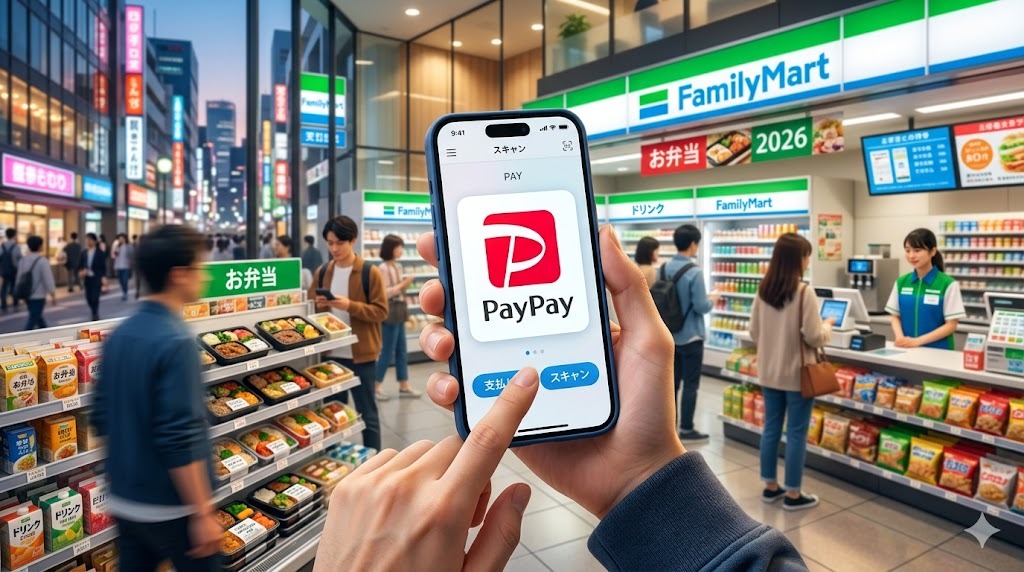
    PayPay in Japan 2026: Get ¥1,000 Free — Setup Guide for Foreigners

    📱 PayPay Promotions Change Regularly — Check the App for Current Offers

    Welcome bonuses and signup promotions are updated frequently by PayPay. The specific bonus amount mentioned in this guide may have changed. After registering, open the PayPay app → Campaigns tab to find current promotions. Regional cashback campaigns (typically 10–30% back at local merchants, restaurants, and stores) are almost always running somewhere in Japan and can be more valuable than signup bonuses.

    PayPay has become Japan’s dominant digital payment platform, accepted at over 4 million locations nationwide — from convenience stores and supermarkets to restaurants, taxis, and even some temples and shrines. If you’re visiting or living in Japan in 2026, knowing how to use PayPay can save you time, earn you cashback rewards, and help you navigate the country’s evolving cashless payment landscape.

    In this comprehensive guide, we’ll walk you through everything: setting up PayPay, adding money, paying at stores, and maximizing the cashback rewards that make PayPay so popular among Japanese consumers and savvy expats alike.

    What is PayPay?

    PayPay is a QR code-based mobile payment app launched in 2018 by SoftBank and Yahoo Japan (now LY Corporation). It works similarly to Venmo or WeChat Pay — you load money into the app and pay by scanning a QR code at participating merchants. As of 2026, PayPay has over 65 million registered users and is accepted at more than 4.1 million stores across Japan.

    PayPay is particularly popular because of its frequent cashback campaigns — you can earn 0.5% to 5%+ back on purchases, and during special campaigns, cashback can reach up to 30%. These promotions make it significantly cheaper than paying with cash or credit cards at participating merchants.

    Can Tourists Use PayPay in Japan?

    Yes! As of 2024, PayPay allows registration with overseas phone numbers and international credit/debit cards. Tourists can register and use PayPay without a Japanese bank account, making it genuinely accessible for short-term visitors. However, some features (like sending money to friends) may require identity verification with a Japanese address.

    How to Set Up PayPay: Step-by-Step

    Step 1: Download the PayPay App

    PayPay is available on the App Store and Google Play. Search for “PayPay” or “ペイペイ” and download the official app. The app is available in Japanese and English (you can switch languages in settings).

    Tip: If you’re in Japan using a foreign iTunes/Google Play account, you may need to switch your App Store region to Japan to find the app easily.

    Step 2: Create Your Account

    Open the app and tap “New Registration” (新規登録). Enter your mobile phone number — both Japanese and international numbers work. You’ll receive an SMS verification code. Enter the code to verify your number, then set a 4-digit passcode for the app.

    For tourists: You can use your home country phone number as long as it can receive international SMS.

    Step 3: Add Money to PayPay

    There are several ways to load money into your PayPay balance:

    Option A: Credit or Debit Card (Easiest for Tourists)

    Go to “Charge” → “Credit/Debit Card” and add your Visa, Mastercard, or JCB card. Note: Some foreign-issued cards may be declined. Visa and Mastercard from major banks generally work. American Express cards are not supported.

    Option B: Bank Transfer (For Residents)

    Link a Japanese bank account (Japan Post Bank, most major banks, and many online banks like Rakuten Bank or PayPay Bank) for free bank transfers. This is the most convenient method for residents.

    Option C: PayPay Card

    The PayPay Card (issued by PayPay Card Co.) is a Japanese credit card that integrates seamlessly with the app. If you’re a long-term resident, applying for the PayPay Card gives you higher cashback rates and auto-charge functionality.

    Option D: Convenience Store ATM (Easy Cash Top-Up)

    You can add cash to PayPay at 7-Eleven ATMs (Seven Bank) and other convenience store ATMs that support PayPay. This is perfect for tourists who prefer using cash as their source of funds.

    Step 4: Pay at Stores

    There are two payment methods in PayPay:

    Method 1: Show Your QR Code (お客様提示コード決済)

    Tap the main “Pay” button on the home screen. A QR code and barcode appear. The cashier scans your screen. Payment is complete in seconds. This is the most common method at convenience stores, supermarkets, and chain restaurants.

    Method 2: Scan the Store’s QR Code (ストアスキャン)

    Some smaller shops display a static PayPay QR code at the register. Tap “Scan” in PayPay, point your camera at their QR code, enter the amount, and confirm payment. Popular at small restaurants, food stalls, and market vendors.

    Where Can You Use PayPay in Japan?

    Category Examples PayPay Accepted?
    Convenience Stores7-Eleven, Lawson, FamilyMart, MiniStop✅ Yes (all)
    SupermarketsAEON, Ito-Yokado, Seiyu, Life✅ Most locations
    RestaurantsMcDonald’s, Yoshinoya, Matsuya, most izakayas✅ Widely accepted
    TaxisMost Tokyo taxis, Japan Taxi app✅ Yes
    DrugstoresMatsumoto Kiyoshi, Tsuruha, Welcia✅ Yes
    Electronics StoresYodobashi Camera, Bic Camera, Yamada Denki✅ Yes
    Online ShoppingYahoo! Shopping, PayPay Mall, PayPay Flea Market✅ Yes
    Public TransportMost trains & buses❌ Use Suica instead
    Vending MachinesSome Dydo, Suntory machines⚠️ Selected machines only

    PayPay Cashback & Rewards: How to Earn More

    PayPay’s cashback system is one of its biggest draws. Here’s how rewards work:

    Standard cashback: 0.5% on all purchases paid with PayPay balance. Payments via linked credit card may earn different rates depending on the card.

    PayPay Step (ペイペイステップ): Use PayPay 30+ times or spend ¥30,000+ in a month to unlock 1.5% cashback (or 2% with a PayPay Card).

    Campaign bonuses: PayPay regularly runs regional campaigns where local shops offer 10-30% cashback. Check the PayPay app’s “Campaign” tab for current promotions in your area.

    PayPay Points: Earned points can be used like cash for future payments or converted to Yahoo! Points for shopping on Yahoo! Japan.

    PayPay for Tourists: Important Limitations

    Foreign credit card limitations: Some international cards don’t work for PayPay top-up. If your card is declined, try the convenience store ATM cash top-up method.

    Identity verification: Some PayPay features require eKYC (identity verification) with a Japanese residence card (在留カード). Tourists can use basic features without this.

    Balance limits: Without identity verification, your PayPay balance is capped at ¥100,000. For most tourists, this is more than sufficient.

    Merchant QR vs. app QR: Make sure you’re in the right mode. When paying at convenience stores, use the “Show QR Code” mode. When paying at small vendors with a printed QR, use “Scan” mode.

    PayPay vs. Other Payment Apps in Japan

    App Acceptance Tourist-Friendly Best For
    PayPay4.1M+ locations✅ HighEveryday shopping, cashback
    Suica (IC Card)Very wide✅ Very HighTransport + convenience stores
    d-Barai2.9M+ locations⚠️ Mediumdocomo users
    au PAY2.6M+ locations⚠️ Mediumau mobile users
    LINE PayMerged with PayPayN/AMerged into PayPay in 2024

    Frequently Asked Questions

    Q: Can I use PayPay at train stations and on buses?
    A: No, PayPay is not accepted on JR trains or most city buses. Use a Suica or Pasmo IC card for public transport — they’re also accepted at convenience stores and more.

    Q: Is PayPay available in English?
    A: The app has limited English support. Main payment functions are easy to use even in Japanese. Settings offer a language toggle for English.

    Q: What happens if I leave Japan with money in my PayPay balance?
    A: Your balance stays in your account indefinitely. You can use it on your next visit or for online purchases on Yahoo! Shopping from abroad.

    Q: Can I use PayPay with Apple Pay or Google Pay?
    A: PayPay is a separate app and doesn’t integrate directly with Apple Pay or Google Pay. It uses its own QR code system.

    Q: Are there transaction fees?
    A: No transaction fees for users. Merchants pay a fee, but it’s free to pay with PayPay as a consumer.

    Conclusion

    PayPay is genuinely useful for anyone spending time in Japan — whether you’re a tourist for a week or an expat building a life here. Its massive acceptance network, regular cashback campaigns, and ease of use make it the smartest way to pay in Japan’s increasingly cashless society.

    Set it up before your trip, load it with your international card or cash at a convenience store ATM, and start earning cashback on everything from your morning convenience store coffee to your izakaya dinner. Welcome to cashless Japan!

    Related guides you might find helpful:
    How to Use Suica in Japan 2026 | Best SIM Cards for Japan 2026

    🇯🇵

    Japan Expat Starter Kit 2026

    Banking · Health Insurance · Housing · Mobile Plans · Suica · Taxes · 50+ Japanese Phrases — everything in one 60-page PDF guide.

    📥 Get the Guide — $19

    ✅ Instant download · 30-day money-back guarantee

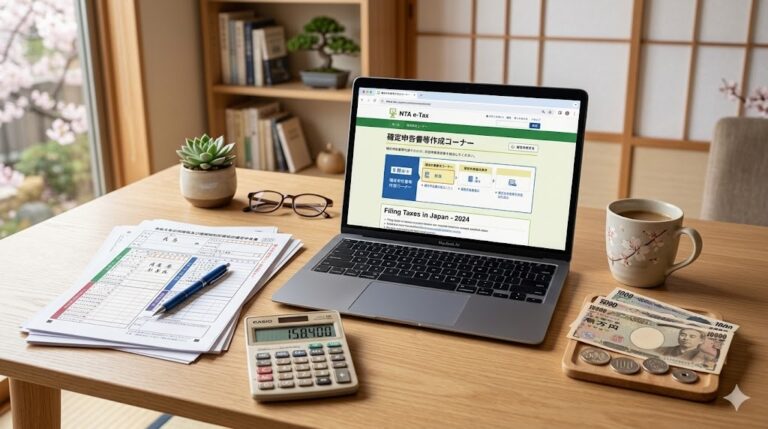
  • Japan Tax Return 2026 (Kakutei Shinkoku): Simple Guide for Foreigners

    Japan Tax Return 2026 (Kakutei Shinkoku): Simple Guide for Foreigners

    ⚠️ 2026 Tax Reform: Key Changes for Foreigners Filing in Japan

    • Basic Deduction raised: ¥480,000 → ¥580,000 — more of your income is tax-free
    • Employment Income Deduction minimum raised: ¥550,000 → ¥650,000
    • Overseas Dependent Deduction tightened: For non-student, non-disabled dependents aged 30–69 living abroad, you must send at least ¥380,000/year in documented remittances to claim the deduction
    • Filing period unchanged: February 16 – March 15 annually

    What Is Japan’s Tax System? A Quick Overview for Foreigners

    Japan uses a self-assessment tax system called 確定申告 (kakutei shinkoku) — meaning “tax return filing.” If you’re a resident in Japan earning income, you may be required to file a tax return between February 16 and March 15 each year for the previous calendar year.

    Japan classifies residents into three categories for tax purposes: Resident (居住者 — lived in Japan for more than 1 year), Non-Permanent Resident (非永住者 — resident for less than 5 of the last 10 years), and Non-Resident (非居住者 — stays under 1 year). Most expats working in Japan fall into the Non-Permanent Resident or Resident category.

    The good news: if you work for a Japanese company, your employer typically handles income tax withholding through the year-end adjustment (年末調整), and you may not need to file separately. However, freelancers, self-employed individuals, those with multiple income sources, or anyone earning over ¥20 million per year must file independently.

    Do You Need to File a Tax Return in Japan?

    You MUST file if you:

    • Are self-employed or a freelancer earning over ¥480,000/year
    • Have income from two or more employers
    • Earn side income over ¥200,000 (beyond your main salary)
    • Have capital gains from selling property, stocks, or crypto
    • Earn rental income
    • Left Japan mid-year but had Japanese-source income
    • Want to claim deductions (medical, housing loan, donations, etc.)

    You do NOT need to file if you:

    • Have only one employer who completed your 年末調整 (year-end adjustment)
    • Your total income is below the basic deduction threshold
    • You have no additional income sources to declare

    Japan Income Tax Rates (2026)

    Japan uses a progressive tax system. Here’s how national income tax is calculated:

    Taxable IncomeTax RateDeduction
    Up to ¥1,950,0005%¥0
    ¥1,950,001 – ¥3,300,00010%¥97,500
    ¥3,300,001 – ¥6,950,00020%¥427,500
    ¥6,950,001 – ¥9,000,00023%¥636,000
    ¥9,000,001 – ¥18,000,00033%¥1,536,000
    ¥18,000,001 – ¥40,000,00040%¥2,796,000
    Over ¥40,000,00045%¥4,796,000

    Note: In addition to national income tax, you’ll also pay Resident Tax (住民税) of approximately 10%, deducted from your salary the following year. There’s also a Special Reconstruction Income Tax of 2.1% on top of income tax until 2037.

    How to File Your Tax Return: Step-by-Step

    Step 1: Gather Your Documents

    Before filing, collect these essential documents:

    • My Number Card (マイナンバーカード) — required for identity verification
    • Withholding Tax Slip (源泉徴収票 / gensenchoshuhyo) — provided by your employer
    • Bank account details — for tax refunds
    • Receipts for deductions — medical bills, insurance payments, donation receipts
    • Hanko (seal) or signature — depending on your filing method

    Step 2: Choose Your Filing Method

    There are three main ways to file:

    • e-Tax (online filing) — Fastest and most convenient. Requires My Number Card and a card reader or the My Number Card mobile app. Available at e-tax.nta.go.jp. English guidance is limited but the process is doable.
    • Tax Office (税務署 / zeimusho) — Visit in person, bring all documents, and staff can assist you. Some offices have English-speaking staff or interpreters during peak season.
    • Paper Filing — Download the forms, fill them out manually, and mail or submit in person. Not recommended for beginners.

    Step 3: Calculate Your Deductions

    Japan offers numerous deductions that can significantly reduce your tax burden:

    • Basic Deduction (基礎控除): ¥480,000 for most taxpayers
    • Employment Income Deduction (給与所得控除): Varies by income level
    • Medical Expense Deduction (医療費控除): Expenses over ¥100,000 (or 5% of income)
    • Social Insurance Deduction (社会保険料控除): NHI and pension payments paid out-of-pocket
    • Life Insurance Deduction (生命保険料控除): Up to ¥40,000 for each category
    • Housing Loan Deduction (住宅借入金等特別控除): Up to 1% of outstanding mortgage balance
    • Furusato Nozei (ふるさと納税): Hometown tax donation scheme — popular among expats

    Step 4: Submit and Pay (or Receive a Refund)

    After calculating your tax, submit your return by March 15. If you owe additional tax, payment is due on the same date. If you’ve overpaid, your refund will typically arrive within 1–3 months via bank transfer.

    Tax Treaties: Japan’s Agreements with Other Countries

    Japan has tax treaties with over 80 countries, including the US, UK, Canada, Australia, Germany, France, and South Korea. These treaties prevent double taxation — meaning you won’t be taxed on the same income in both Japan and your home country.

    If your country has a tax treaty with Japan, you may be able to claim a tax exemption or reduced rate. Check with a tax professional or your home country’s tax authority to understand how the treaty applies to your situation.

    Important for US citizens: The US taxes its citizens on worldwide income regardless of residence. Americans living in Japan must file both Japanese and US tax returns (though foreign tax credits and exclusions like the FEIE can eliminate most double taxation).

    Special Situations for Foreigners

    Freelancers and Self-Employed

    If you’re self-employed or do freelance work in Japan, you’ll need to file a Blue Form (青色申告 / aoiro shinkoku) or White Form (白色申告) return. The Blue Form requires proper bookkeeping but offers a deduction of up to ¥650,000 — making it highly worth it for most self-employed expats.

    Working Remotely for a Foreign Company

    If you live in Japan but work for a company based overseas, your income may still be taxable in Japan as a resident. Japan taxes residents on worldwide income. You should consult a tax professional to ensure proper compliance and avoid unexpected bills.

    Leaving Japan Mid-Year

    If you leave Japan during the tax year, you must file a departure return before leaving or appoint a tax representative. You’ll be taxed on your Japanese-source income up to the departure date.

    Finding a Tax Accountant (Tax Scrivener) in Japan

    For complex tax situations, consider hiring a Zeirishi (税理士) — a licensed tax accountant in Japan. Fees typically range from ¥30,000–¥100,000+ depending on the complexity. Many expat-focused tax firms offer English services:

    • Taxlation — English-language tax services for expats in Japan
    • Japan Tax Consultants — Specializes in foreign resident taxes
    • GaijinPot Jobs Tax Resources — Community recommendations and guides
    • Your country’s embassy — Often maintains lists of recommended tax professionals

    Useful Links and Resources

    Frequently Asked Questions

    Do I pay taxes in Japan on my overseas income?

    If you’re a Resident (lived in Japan over 1 year and intend to stay), yes — Japan taxes worldwide income. Non-Permanent Residents (less than 5 of last 10 years) are taxed on Japanese-source income plus overseas income sent to Japan. Always consult a professional for your specific situation.

    What happens if I don’t file?

    Failing to file when required can result in penalties (加算税) of 15–30% of the owed tax, plus late interest charges. The tax authority can also conduct audits. It’s always better to file, even late, than to not file at all.

    Can I file taxes online in English?

    e-Tax’s main interface is in Japanese, but the NTA provides English guidance documents and some tax offices have English-speaking staff. Several third-party services offer English-language tax filing assistance for expats.

    When is the tax filing deadline?

    The standard deadline is March 15 for the previous calendar year. For those seeking refunds only, you have up to 5 years to file. Extensions may be available in exceptional circumstances.

    🇯🇵

    Japan Expat Starter Kit 2026

    Banking · Health Insurance · Housing · Mobile Plans · Suica · Taxes · 50+ Japanese Phrases — everything in one 60-page PDF guide.

    📥 Get the Guide — $19

    ✅ Instant download · 30-day money-back guarantee

  • Japan Pension Refund 2026: How Foreigners Claim ¥400,000+ When Leaving Japan

    Japan Pension Refund 2026: How Foreigners Claim ¥400,000+ When Leaving Japan

    📋 2026 Update: Lump-Sum Withdrawal Cap Raised to 60 Months

    The maximum payout period for the Lump-Sum Withdrawal Payment (脱退一時金) has been raised from 36 months to 60 months. Long-term residents leaving Japan can now receive a significantly larger refund. With 60 months of Employees’ Pension contributions, you’ll receive approximately 5.5 months’ equivalent back (vs. 3.3 months under the old 36-month cap). Apply within 2 years of leaving Japan at your nearest pension office or via Japan Pension Service (JPS) online.

    Japan’s Pension System: What Every Foreigner Needs to Know

    If you live and work in Japan, you are legally required to enroll in Japan’s pension system — regardless of your nationality. This surprises many expats, but it’s true: Japan’s National Pension (国民年金 / Kokumin Nenkin) and Employees’ Pension Insurance (厚生年金 / Kosei Nenkin) are mandatory for all residents aged 20–59.

    The good news is that Japan has Social Security Agreements with many countries to prevent double contributions, and there’s a Lump-Sum Withdrawal Payment (脱退一時金) system that lets you reclaim some contributions when you leave Japan permanently.

    Two Types of Pension in Japan

    1. National Pension (国民年金 / Kokumin Nenkin)

    This is the basic pension for all residents aged 20–59. Monthly contribution: ¥16,980 (2024 rate, adjusted annually). Self-employed workers, students, and those not covered by workplace pension pay this directly. If enrolled for the full 40 years (480 months), you receive approximately ¥816,000/year (¥68,000/month) in retirement.

    2. Employees’ Pension Insurance (厚生年金 / Kosei Nenkin)

    If you work for a Japanese company, you’re automatically enrolled in the Employees’ Pension. Contributions are approximately 18.3% of your monthly salary, split equally between you and your employer (you pay ~9.15%). This pension pays more than the National Pension and includes the National Pension within it — so you’re covered for both.

    Enrollment: How and Where

    Company Employees

    Your employer handles enrollment automatically when you start work. Your contributions are deducted directly from your salary. No action required on your part beyond providing your My Number.

    Self-Employed, Freelancers, Students

    1. Visit your local City/Ward Office (市区町村役所)
    2. Bring your Residence Card (在留カード), My Number, and passport
    3. Complete the enrollment form (国民年金被保険者資格取得届)
    4. Receive your Pension Book (年金手帳) or confirmation
    5. Pay monthly via bank transfer, convenience store, or credit card

    Pension Contribution Costs (2024)

    Pension TypeMonthly ContributionWho Pays
    National Pension¥16,980You (100%)
    Employees’ Pension~9.15% of salaryYou + Employer (50/50)
    Spouse (Dependent) Category 3¥0Covered by spouse’s enrollment

    Exemptions and Reductions

    If you’re struggling financially, Japan offers National Pension payment exemptions:

    • Full Exemption (全額免除): Pay nothing, but receive reduced future pension (half the normal amount for exempt periods)
    • 3/4 Exemption, Half Exemption, 1/4 Exemption: Partial payments accepted
    • Student Special Payment System: Students can defer payments until after graduation
    • Young People (Under 50) Special Exemption: For those under 50 with low income

    Apply for exemptions at your local city office. Exempt periods still count toward your enrollment period for eligibility purposes.

    Social Security Agreements: Avoid Double Contributions

    Japan has Social Security Agreements with these countries to prevent paying into two pension systems simultaneously:

    • 🇺🇸 United States | 🇬🇧 United Kingdom | 🇩🇪 Germany | 🇫🇷 France
    • 🇰🇷 South Korea | 🇨🇳 China | 🇨🇦 Canada | 🇦🇺 Australia
    • 🇧🇪 Belgium | 🇳🇱 Netherlands | 🇮🇹 Italy | 🇪🇸 Spain | 🇨🇿 Czech Republic
    • 🇧🇷 Brazil | 🇸🇰 Slovakia | 🇭🇺 Hungary | 🇮🇳 India | 🇵🇭 Philippines

    If your country has an agreement with Japan, you may be exempt from Japanese pension contributions if you’re on a short-term assignment (typically under 5 years) and continue contributing to your home country’s system. Check with your employer’s HR department or a pension specialist.

    The Lump-Sum Withdrawal Payment (脱退一時金)

    This is one of the most important things for expats to know. If you leave Japan permanently and have contributed to the National Pension for at least 6 months, you can claim a one-time lump-sum refund of part of your contributions.

    How to Claim

    1. Leave Japan (your residence registration is cancelled)
    2. Apply within 2 years of leaving Japan
    3. Submit the application to the Japan Pension Service from abroad
    4. Provide: passport copy, bank account details (overseas), proof of leaving Japan, pension book/number
    5. The payment is made in Japanese yen to your designated overseas bank account
    6. A 20.42% withholding tax is deducted, but you may be able to reclaim some via your home country’s tax treaty

    Lump-Sum Payment Amounts (2024)

    Months ContributedApproximate Refund
    6–11 months¥50,940
    12–17 months¥101,880
    18–23 months¥152,820
    24–29 months¥203,760
    30–35 months¥254,700
    36–41 months¥305,640
    42–47 months¥356,580
    48+ months¥407,520

    Note: Employees’ Pension (Kosei Nenkin) lump-sum amounts are higher and calculated differently based on your average standard monthly remuneration.

    Can You Collect a Japanese Pension from Abroad?

    Yes — if you meet the eligibility requirements. To receive a Japan pension, you must have paid into the system for a total of 10 years (120 months). If you’ve contributed for less than 10 years but have periods from a country with a Social Security Agreement, those periods may be combined to meet the threshold.

    Pension payments can be sent to overseas bank accounts. You’ll need to notify the Japan Pension Service of your address changes and submit a life certificate (現況届) annually to continue receiving payments.

    Useful Contacts

    • Japan Pension Service (日本年金機構): nenkin.go.jp/international/english
    • Pension Consultation (English): 0570-05-1165 (weekdays 8:30–17:15)
    • Local Pension Office (年金事務所): Find yours at nenkin.go.jp
    • My Number / Social Insurance Number: Required for all pension procedures

    Frequently Asked Questions

    Is pension enrollment really mandatory for foreigners?

    Yes. Under the National Pension Act, all residents aged 20–59 — including foreigners on long-term visas — must enroll. Failure to pay can result in loss of exemption eligibility and reduced future benefits. Company employees are enrolled automatically.

    What if I’m only in Japan for 1–2 years?

    You must still enroll if you’re a registered resident. After leaving, you can apply for the Lump-Sum Withdrawal Payment within 2 years to recoup some contributions.

    Can I opt out of the pension system?

    No — you cannot opt out entirely. However, you can apply for an exemption if your income is below certain thresholds.

    What happens to my pension if I die in Japan?

    Survivor’s pension (遺族年金) may be payable to your dependents. If you have no dependents or haven’t contributed enough, a Death Lump-Sum Payment (死亡一時金) may be paid to your beneficiaries.

  • Opening a Bank Account in Japan as a Foreigner 2026: 3 Options That Actually Work

    Opening a Bank Account in Japan as a Foreigner 2026: 3 Options That Actually Work

    Opening a bank account in Japan is one of the first things you’ll need to do as an expat or long-term resident. Whether you need to receive salary payments, pay rent by bank transfer, or simply manage daily expenses, a Japanese bank account is essential for life in Japan.

    The good news: it’s more accessible than ever in 2026. Several banks now have English-language apps and simplified procedures for foreign residents. This guide walks you through everything — from which banks accept foreigners to the exact steps you need to follow.

    🏦 Quick Answer: For most foreigners, Japan Post Bank (ゆうちょ銀行) is the easiest option with no minimum residency period. For a full English experience, Rakuten Bank or Sony Bank are excellent online alternatives.

    Do You Need a Japanese Bank Account?

    In short — yes, if you plan to stay in Japan for more than a few months. Here’s why:

    • Salary payments: Most Japanese employers pay salaries directly into a Japanese bank account
    • Rent: Many landlords require automatic bank transfer (口座振替) for monthly payments
    • Utilities: Electricity, gas, and water bills are typically paid by bank debit
    • PayPay & IC cards: Linking a Japanese bank account lets you top up IC cards and digital wallets
    • Government transfers: Tax refunds, benefit payments, and My Number-linked services use Japanese accounts

    What Documents Do You Need?

    Requirements vary slightly by bank, but you’ll typically need:

    • Residence Card (在留カード) — most important document
    • Passport
    • Japanese mobile phone number (you’ll receive a verification SMS)
    • Japanese address (must match your residence card)
    • My Number (マイナンバー) — required by some banks since 2024
    ⚠️ The 6-Month Rule: Many major banks (SMBC, MUFG, Mizuho) require you to have lived in Japan for at least 6 months before opening an account. Japan Post Bank is a notable exception — you can open an account from day one.

    Best Banks for Foreigners in Japan (2026)

    1. Japan Post Bank (ゆうちょ銀行) — Best for New Arrivals

    Japan Post Bank is hands-down the most accessible bank for foreigners new to Japan. With over 24,000 ATMs at post offices and convenience stores nationwide, it’s also one of the most convenient.

    • ✅ No minimum residency period required
    • ✅ Accepts tourist and short-stay visas in some cases
    • ✅ Available across all of Japan including rural areas
    • ✅ Free ATM withdrawals at post offices
    • ❌ No English-language app (Japanese only)
    • ❌ International transfers are complicated

    How to apply: Visit any post office with your residence card and passport. Fill out the application form (staff can usually help with English). You’ll receive your cash card by mail within 1–2 weeks.

    2. Rakuten Bank (楽天銀行) — Best Online Bank

    Rakuten Bank is Japan’s largest internet bank and an excellent choice for tech-savvy expats. The app and website are available in English, and you can open an account entirely online.

    • ✅ English-language app and website
    • ✅ Fully online application (no branch visit needed)
    • ✅ Free ATM withdrawals (conditions apply)
    • ✅ Earn Rakuten Points on transactions
    • ✅ Works seamlessly with Rakuten ecosystem (shopping, travel)
    • ❌ Requires 6+ months of residence
    • ❌ No physical branches for in-person support

    How to apply: Apply online via the Rakuten Bank website or app. You’ll need to upload photos of your residence card and passport, then verify your identity with a video call or My Number card.

    3. Sony Bank (ソニー銀行) — Best for International Transactions

    Sony Bank is the top choice for expats who frequently send or receive money internationally. It offers some of the best foreign exchange rates in Japan and low-cost international wire transfers.

    • ✅ Best forex rates among Japanese banks
    • ✅ Low-cost international wire transfers
    • ✅ English support available
    • ✅ Multi-currency accounts (USD, EUR, GBP, etc.)
    • ❌ Application requires Japanese phone number and address
    • ❌ Online-only, no physical branches

    4. SMBC / MUFG / Mizuho — Major City Banks

    Japan’s three mega-banks accept foreign residents but are significantly more difficult to work with. Expect Japanese-only paperwork, strict residency requirements, and staff who may not speak English outside major city branches.

    • ✅ Wide ATM network
    • ✅ Salary account accepted by all major employers
    • ❌ Usually requires 6 months of residence
    • ❌ Japanese-only application process
    • ❌ Limited English support

    Tip: If your employer requires a specific bank, go with what they recommend. Otherwise, start with Japan Post Bank while you wait to qualify for better options.

    5. WISE (Formerly TransferWise) — Best for Sending Money Home

    While not a traditional Japanese bank, WISE offers a Japanese account number that functions like a local bank for receiving salary or transferring money internationally at near-market rates. It’s a great supplement to your main Japanese account.

    Step-by-Step: Opening a Japan Post Bank Account

    Here’s the exact process for Japan Post Bank, the most accessible option for new arrivals:

    1. Find your nearest post office — any post office works, but larger ones have more staff who can assist foreigners
    2. Bring your documents — residence card + passport (+ My Number card if you have it)
    3. Ask for a savings account (普通貯金口座) — you can say “Futsu chochiku koza wo hirakitai desu”
    4. Fill in the application form — staff will usually help guide you through it
    5. Choose your PIN
    6. Wait 1–2 weeks for your cash card to arrive by mail
    7. Activate your card at a post office ATM

    Step-by-Step: Opening a Rakuten Bank Account Online

    1. Visit rakuten-bank.co.jp and select “Apply for an account”
    2. Create a Rakuten ID if you don’t have one
    3. Fill in your personal details — name, address, date of birth
    4. Upload document photos — residence card (front and back) + passport
    5. Complete identity verification — either video call or My Number card NFC scan
    6. Wait for approval — typically 3–5 business days
    7. Receive your account number by email
    8. Set up the app — available in English on iOS and Android

    Opening a Bank Account Without a Japanese Phone Number

    A Japanese phone number is required by most banks for SMS verification. If you just arrived and don’t have one yet, here are your options:

    • Get a prepaid SIM card (IIJmio, Rakuten Mobile) — these can be purchased at convenience stores or airports
    • Use a friend or colleague’s number temporarily (not ideal)
    • Apply for Japan Post Bank in-person, which sometimes doesn’t require an SMS step

    We have a full guide on Best SIM Cards and Pocket WiFi in Japan to help you get connected first.

    Common Mistakes to Avoid

    • Trying a major bank first — SMBC and MUFG will likely reject you if you’ve been in Japan less than 6 months
    • Going without all documents — Missing your residence card or My Number will mean a wasted trip
    • Using a foreign address — Your bank account address must match your Japanese residence card
    • Not activating your card — Japan Post cards require activation at an ATM before first use

    Frequently Asked Questions

    Can I open a bank account in Japan on a tourist visa?

    Generally no. Most banks require a valid residence card (在留カード), which is issued only to those with a mid-to-long-term visa (working, student, family, etc.). Japan Post Bank may accept certain visa types in limited cases.

    How long does it take to open a bank account in Japan?

    In-person at Japan Post Bank, the paperwork takes about 30 minutes, and your card arrives in 1–2 weeks. Online banks like Rakuten Bank typically take 3–7 business days from application to account activation.

    Can I have multiple Japanese bank accounts?

    Yes, there’s no restriction on having accounts at multiple banks. Many expats use Japan Post Bank as their primary account and Rakuten Bank or Sony Bank for online shopping and international transfers.

    Do I need a Japanese bank account to use PayPay?

    Not necessarily — you can fund PayPay with a foreign credit card. However, linking a Japanese bank account unlocks higher payment limits and the ability to transfer money to other people.

    What is a bank passbook (通帳) and do I need one?

    A passbook is a physical record of your transactions, common at traditional Japanese banks. Online banks like Rakuten Bank don’t use passbooks — everything is digital instead.

    Summary: Which Bank Should You Choose?

    Bank Best For Min. Residency English App
    Japan Post Bank New arrivals None
    Rakuten Bank Online banking 6 months
    Sony Bank International transfers 6 months Partial
    SMBC / MUFG Employer requirement 6 months
    WISE Sending money abroad None

    For most new expats, the recommended path is: Japan Post Bank first → then Rakuten Bank after 6 months. This gives you immediate banking access while setting up a better long-term solution.

    Related Guides

    🇯🇵

    Japan Expat Starter Kit 2026

    Banking · Health Insurance · Housing · Mobile Plans · Suica · Taxes · 50+ Japanese Phrases — everything in one 60-page PDF guide.

    📥 Get the Guide — $19

    ✅ Instant download · 30-day money-back guarantee

📖 Money & Banking

Banking, credit cards and financial guides for Japan

5 guides available
Best Credit Cards for Japan 2026: Which Saves the Most on Every Purchase?
Money & Banking

Best Credit Cards for Japan 2026: Which Saves the Most on Every Purchase?

Best Credit Cards for Foreigners in Japan 2026: What You Actually Need to Know Getting a credit card in Japan as a foreigner is notoriously difficult. Most Japanese banks require permanent residency, a Japanese guarantor, or years of credit history — things most expats and long-term visitors simply don’t have. But the landscape has changed […]

Read more →
PayPay in Japan 2026: Get ¥1,000 Free — Setup Guide for Foreigners
Life in Japan

PayPay in Japan 2026: Get ¥1,000 Free — Setup Guide for Foreigners

📱 PayPay Promotions Change Regularly — Check the App for Current Offers Welcome bonuses and signup promotions are updated frequently by PayPay. The specific bonus amount mentioned in this guide may have changed. After registering, open the PayPay app → Campaigns tab to find current promotions. Regional cashback campaigns (typically 10–30% back at local merchants, […]

Read more →
Japan Tax Return 2026 (Kakutei Shinkoku): Simple Guide for Foreigners
Life in Japan

Japan Tax Return 2026 (Kakutei Shinkoku): Simple Guide for Foreigners

⚠️ 2026 Tax Reform: Key Changes for Foreigners Filing in Japan Basic Deduction raised: ¥480,000 → ¥580,000 — more of your income is tax-free Employment Income Deduction minimum raised: ¥550,000 → ¥650,000 Overseas Dependent Deduction tightened: For non-student, non-disabled dependents aged 30–69 living abroad, you must send at least ¥380,000/year in documented remittances to claim […]

Read more →
Japan Pension Refund 2026: How Foreigners Claim ¥400,000+ When Leaving Japan
Life in Japan

Japan Pension Refund 2026: How Foreigners Claim ¥400,000+ When Leaving Japan

📋 2026 Update: Lump-Sum Withdrawal Cap Raised to 60 Months The maximum payout period for the Lump-Sum Withdrawal Payment (脱退一時金) has been raised from 36 months to 60 months. Long-term residents leaving Japan can now receive a significantly larger refund. With 60 months of Employees’ Pension contributions, you’ll receive approximately 5.5 months’ equivalent back (vs. […]

Read more →
Opening a Bank Account in Japan as a Foreigner 2026: 3 Options That Actually Work
Life in Japan

Opening a Bank Account in Japan as a Foreigner 2026: 3 Options That Actually Work

Opening a bank account in Japan is one of the first things you’ll need to do as an expat or long-term resident. Whether you need to receive salary payments, pay rent by bank transfer, or simply manage daily expenses, a Japanese bank account is essential for life in Japan. The good news: it’s more accessible […]

Read more →