This article was created with AI writing assistance (ChatGPT, Claude, etc.). Product selection, specifications, and reviews are verified by the Japan Life Lab editorial team.
This article contains promotional / affiliate links.
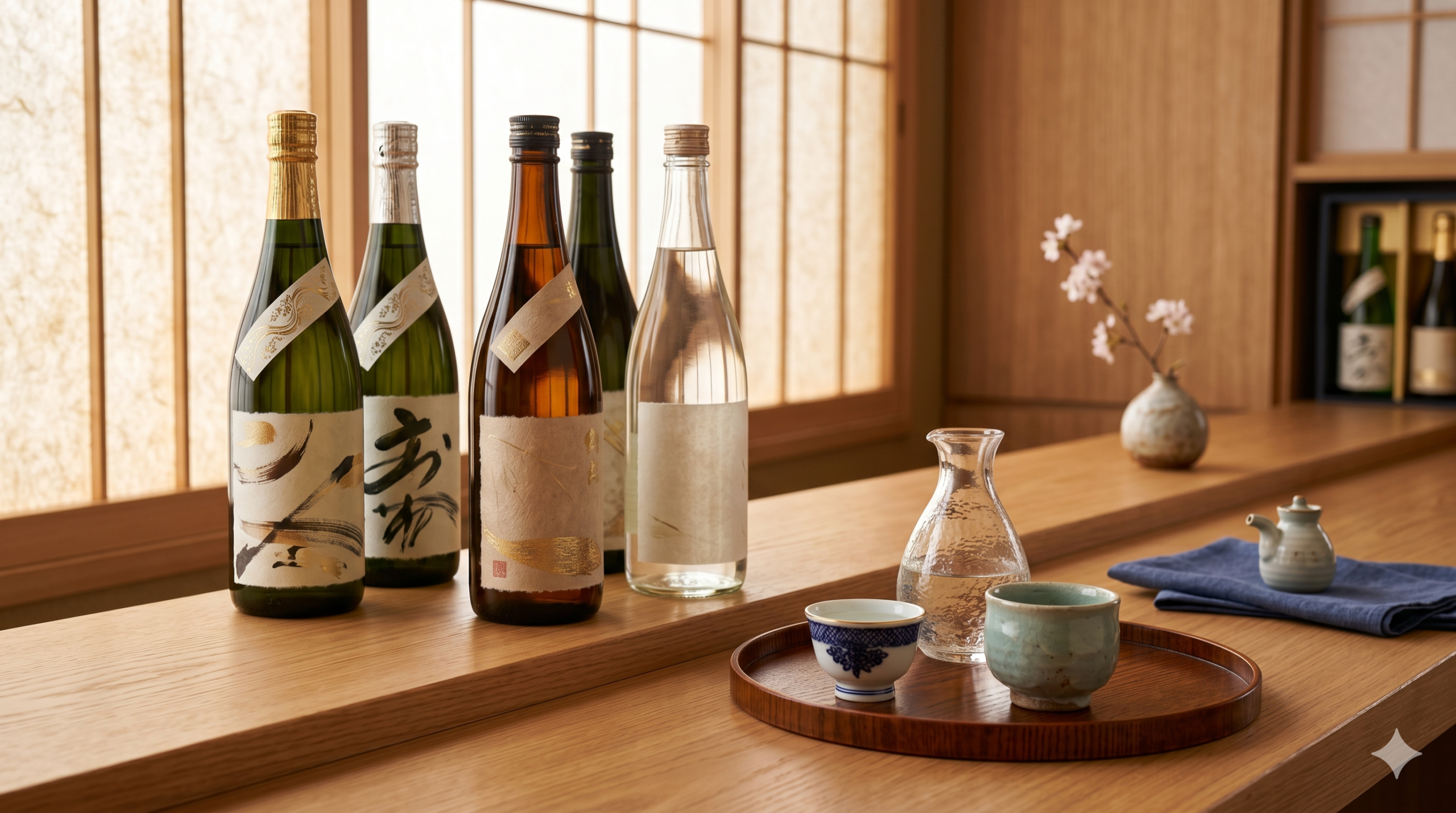
Walking into the world of Japanese sake can feel overwhelming — hundreds of breweries, unfamiliar labels, and terms like junmai and daiginjo. The good news? A handful of widely available bottles are perfect for first-timers: fruity, smooth, and easy to enjoy slightly chilled. Here are the 5 best Japanese sake for beginners in 2026, plus a simple guide to choosing your first bottle.
⏱ The short answer (30 seconds)
In a hurry? The full reasons and prices are right below.
- Dassai 45 Junmai Daiginjothe modern classic
- Hakkaisan Tokubetsu Honjozoclean and food-friendly
- Kikusui Junmai Ginjothe American favorite
- Kubota Senjusmooth and balanced
- Sho Chiku Bai Nigorisweet, creamy & fun
※ If in doubt, go with #1. Budget picks are further down the page.
How to Choose Your First Sake
Start with Junmai Ginjo or Daiginjo
For beginners, look for junmai ginjo or junmai daiginjo styles. The rice is more highly polished, giving these sakes a fruity, floral, and smooth character that is far more approachable than drier, more robust styles.
Serve it slightly chilled
Premium ginjo and daiginjo sake taste best lightly chilled (around 10°C / 50°F), which brings out their melon, pear, and floral aromas. Save the warm sake (atsukan) for richer, more rustic styles later.
Check the Sake Meter Value (SMV / nihonshu-do)
A positive SMV (+) means drier, a negative (−) means sweeter. Beginners often enjoy sake around −2 to +3, or a sweet, creamy nigori (unfiltered) sake for an easy first sip.
Buy from a trusted brewery
The brands below are famous, consistent, and widely exported, so you can buy them on Amazon or have them forwarded from Japan via Buyee with confidence.
Best Japanese Sake for Beginners — Top 5 (2026)
1. Dassai 45 Junmai Daiginjo — the modern classic
Arguably the most famous premium sake in the world, Dassai 45 is made from Yamada Nishiki rice polished to 45%. Expect aromas of melon, pear, and white flowers with a silky, clean finish. It is consistently excellent, widely available, and reasonably priced for a daiginjo (around $30–45) — the perfect “first nice bottle.”
2. Hakkaisan Tokubetsu Honjozo — clean and food-friendly
Brewed with pure snowmelt water near sacred Mt. Hakkai in Niigata, this sake is all about gentle, clean purity. Its crisp, restrained flavor pairs beautifully with food and never overwhelms, making it ideal for newcomers who want an elegant, dry-leaning style.
3. Kikusui Junmai Ginjo — the American favorite
Light, fruity, and refreshing with notes of melon and banana, Kikusui Junmai Ginjo is one of the most popular introductions to premium sake in the United States. Easy to find and very forgiving, it is a reliable everyday bottle. Their canned Funaguchi is also a fun, fresh way to start.
4. Kubota Senju — smooth and balanced
From Niigata’s Asahi-Shuzo, Kubota Senju is a ginjo prized for its smooth, balanced, slightly dry profile. It is light on the palate and exceptionally drinkable — a favorite in izakaya across Japan and a great way to understand “clean” Niigata-style sake.
5. Sho Chiku Bai Nigori — sweet, creamy & fun
If you prefer sweeter drinks, a nigori (unfiltered) sake is the easiest entry point of all. Sho Chiku Bai Nigori is cloudy, creamy, and lightly sweet with a smooth texture — almost like a sake milkshake. Widely sold and very affordable, it is a crowd-pleaser for first-timers and great over a little ice.
Quick Comparison Table
| Sake | Style | Taste | Best for |
|---|---|---|---|
| Dassai 45 | Junmai Daiginjo | Fruity, silky | A premium first bottle |
| Hakkaisan Tokubetsu Honjozo | Tokubetsu Honjozo | Clean, food-friendly | Pairing with meals |
| Kikusui Junmai Ginjo | Junmai Ginjo | Light, fruity | Easy everyday sake |
| Kubota Senju | Ginjo | Smooth, balanced | Izakaya-style drinking |
| Sho Chiku Bai Nigori | Nigori | Sweet, creamy | Sweet-tooth beginners |
How to Buy Japanese Sake Abroad
Many of these bottles are sold on Amazon.com in the US. If a specific brewery or limited release is not available locally, use Amazon Japan or a proxy service like Buyee, which buys the bottle in Japan and forwards it to you. Note that alcohol shipping rules vary by country and carrier, so check your local import limits before ordering.
Final Thoughts
You do not need to be an expert to enjoy sake. Start with a fruity junmai ginjo like Dassai 45 or Kikusui, or a sweet, creamy nigori if you prefer something easy. Serve it lightly chilled, sip slowly, and pay attention to what you like — drier or sweeter, light or rich. From there, the world of Japanese sake opens up beautifully. Kanpai!
🔥 Editor’s Picks for Life & Travel in Japan
📘 The Japan Expat Starter Kit 2026
Banking, housing, My Number, taxes, 100 phrases and a 40-kanji cheat sheet — everything from this site in one 17-chapter PDF field manual. Free lifetime 2026 updates.
Reader price: $9.99 $6.99 with code JLL30 at checkout
30-day money-back guarantee · Instant download · PR
🛒 Ready to Buy? Shop These in Japan!
Get fast delivery across Japan — including same-day in major cities
Practical guides for life and travel in Japan — free, about once a week. No spam, unsubscribe anytime.
☕ Enjoying our Japan guides?
If this article helped you, you can support our work with a coffee!
Leave a Reply