Author: Miyabi

  • Japan Etiquette 2026: 20 Rules That Will Save You From Embarrassing Yourself

    Japan Etiquette 2026: 20 Rules That Will Save You From Embarrassing Yourself

    Japan has rules. Lots of them. Most aren’t written anywhere. And most Japanese people will never tell you when you’ve broken one — they’ll just quietly cringe and move on. This guide covers the specific rules that matter, why they exist, and exactly what foreigners get wrong.

    Restaurant & Dining Etiquette

    Slurping noodles — yes, please

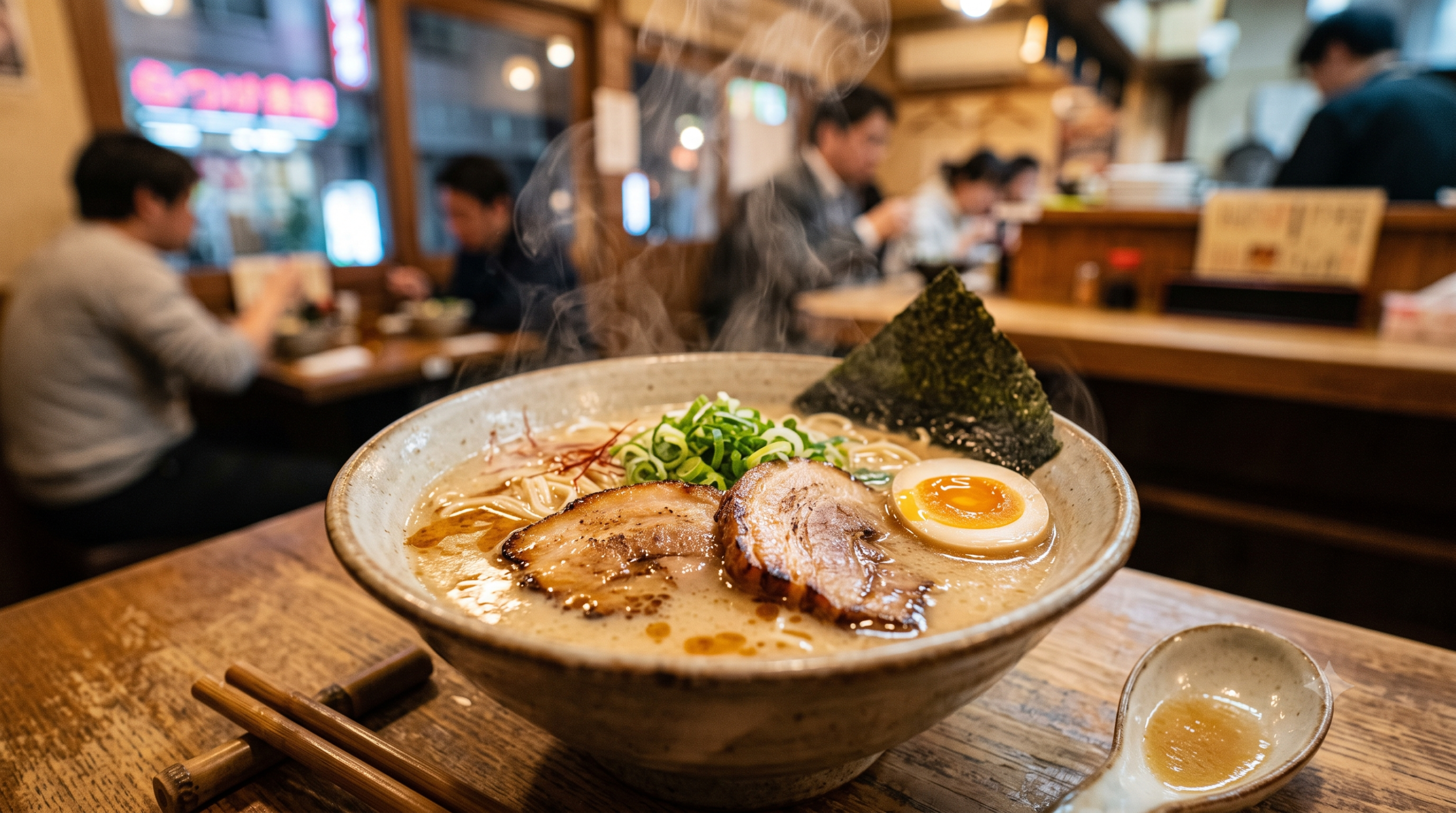
    Slurping ramen, udon, and soba loudly is not just acceptable — it’s a compliment to the chef. It’s also how the Japanese enhance flavor (aerating the noodles as you eat). However, this rule applies only to noodles. Slurping other foods, soup from a spoon, or drinks is still considered rude. The boundary is precise: noodles, yes. Everything else, no.

    Chopstick taboos — these are serious

    Two things that will genuinely disturb Japanese people at the dinner table:

    • Sticking chopsticks vertically in rice. This directly mimics the way rice is offered to the dead at funerals. Never do this.
    • Passing food chopstick-to-chopstick. This replicates the solemn ceremony of passing cremated bones between family members after a cremation. It’s a deep cultural taboo.

    Also: don’t rub disposable chopsticks together (implies they’re low quality and insulting to the restaurant), and when finished, lay them horizontally across your bowl — never pointing at anyone.

    Soy sauce — there’s a wrong way

    At a sushi restaurant, dip only the fish (not the rice) into soy sauce. Don’t mix wasabi into your soy sauce dish — apply it directly to the fish. And don’t pour soy sauce over white rice at a Japanese restaurant; it signals you don’t appreciate the rice’s natural flavor. These are noticed, even if nothing is said.

    Say this after every meal

    Gochisousama deshita” (ごちそうさまでした) — said when finishing a meal. This single phrase, directed to the staff or host, carries more weight than any tip. It’s deeply appreciated and instantly marks you as someone who understands Japanese culture. Learn it. Use it every time.

    No tipping — ever

    Japan has zero tipping culture, and this is not a guideline — it’s a fact of daily life. If you leave money on the table, a server will often chase you to return it. Staff who accept tips can face disciplinary action from management. Tipping in Japan implies the service was below standard and needs monetary improvement — the opposite of the intended message. Just say gochisousama deshita and walk out.

    Public Transport Etiquette

    No phone calls on urban trains

    This is one of Japan’s most strictly observed rules. Talking on your phone on Tokyo, Osaka, or Kyoto metro lines is genuinely taboo — you’ll feel the silent hostility of an entire train car. The exception: long-distance bullet trains (Shinkansen), where the space between cars allows calls. On urban trains, keep your phone on silent, keep your voice low, and keep conversations to texting.

    The escalator side rule

    In Tokyo: stand on the left, walk on the right. In Osaka: stand on the right, walk on the left. Yes, it’s different. Yes, locals follow this religiously. Getting it wrong in a crowded station during rush hour will create a minor but real problem behind you.

    Eating on trains

    Don’t eat on urban trains (subways, city lines). This is fine on Shinkansen, which have fold-down trays, cup holders, and food cart service. On city lines, even if no one says anything, eating is considered selfish behavior in a shared space.

    Onsen (Hot Spring) Etiquette

    Wash first — non-negotiable

    Before entering any onsen pool, you must thoroughly wash your entire body with soap and shampoo at the individual shower stations provided. This isn’t optional and isn’t just a suggestion. You’re about to share water with strangers; entering unwashed is genuinely unsanitary and deeply disrespectful in Japanese culture.

    The small towel rule

    You’ll receive a small towel (or bring your own). It goes on top of your head or folded at the poolside. Under no circumstances should it touch the water. Submerging the towel contaminates the shared bath — a serious offense.

    Tattoos: the situation in 2026

    Many traditional onsen still refuse entry to people with visible tattoos due to historical associations with yakuza (organized crime). The policy is gradually liberalizing — especially at urban facilities and tourist-oriented hot springs — but you should always check before arriving. Options: some facilities offer private baths, some allow waterproof sticker coverage, and some have completely changed their policy. Check the website or call ahead.

    Shrines & Temples

    The torii gate ritual

    When you walk through a torii gate (the red/orange archways at Shinto shrines), give a small bow. The gate marks the boundary between everyday and sacred space; acknowledging it as you cross matters to locals who observe you. At the main altar: toss a coin, bow twice, clap twice, pause to pray, then bow once more. At Buddhist temples, press palms together instead of clapping — the rituals are different, and mixing them up is like accidentally mixing up two different religions’ ceremonies.

    Photography rules

    Outdoor shrine and temple grounds are generally fine to photograph. The interiors of main halls, prayer areas, and rooms containing sacred objects are almost always off-limits. Look for signs. When in doubt, don’t. And always ask permission before photographing people at worship.

    Modern & 2026-Specific Etiquette

    Selfie sticks are banned

    All JR train platforms, most major shrines and temples, and many tourist hotspots now prohibit selfie sticks. The bans are expanding. Look for signs showing “jidoribo kinshi” (自撮り棒禁止) or a stick-and-camera with a red X. Using one where banned will attract attention — and not the kind you want.

    Walking while on your phone

    Several train stations have officially banned walking while using your smartphone. More importantly, it’s considered extremely inconsiderate behavior in Japanese pedestrian culture. If you need to look at your phone, stop, step to the side, check, then keep moving.

    Photographing people

    Japan has legal protections called “portrait rights” (肖像権). Photographing identifiable people without consent — even in public — can create legal issues. This applies especially to photos that will be published online or used commercially. When in doubt, ask. When someone waves you off, delete it.

    Common Myths vs. Reality (2026)

    The MythThe Reality
    “You must eat dishes in a specific order”Only at formal kaiseki; casual dining has no required order
    “Blowing your nose is always rude”Do it quietly in a restroom; loud honking in public IS rude
    “All eye contact is disrespectful”Normal eye contact is fine; aggressive staring is rude
    “Tattoos are banned everywhere”Outdated — policies vary; urban/tourist facilities increasingly accepting
    “You can’t photograph anything”Most public outdoor areas are fine; interiors of sacred buildings are not

    🇯🇵 Travel & Life Essentials for Japan

    Hand-picked gear to make your time in Japan easier. Available on Amazon US & Amazon Japan.

    🔋 Portable charger

    A must for long days of sightseeing and photos.

    View on Amazon (US)View on Amazon Japan

    🔌 Travel plug adapter

    Japan uses Type A outlets. Bring the right adapter.

    View on Amazon (US)View on Amazon Japan

    🎧 Translation earbuds

    Real-time translation to talk without barriers.

    View on Amazon (US)View on Amazon Japan

    As an Amazon Associate, Japan Life Lab earns from qualifying purchases.

  • Best Supermarkets in Japan for Foreigners 2026: Secret Discounts & English-Friendly Picks

    Best Supermarkets in Japan for Foreigners 2026: Secret Discounts & English-Friendly Picks

    Grocery shopping in Japan as a foreigner can be either wonderfully easy or quietly baffling — depending on where you go. The good news: once you know which stores serve your needs best, it becomes one of the genuine pleasures of living in or visiting Japan.

    Here’s the honest breakdown of Japan’s best supermarkets for non-Japanese speakers in 2026.

    🛒 Quick Picks
    Cheapest overall: OK Store or Gyomu Super
    Best international food selection: Seijo Ishii or National Azabu
    Most convenient nationwide: AEON
    Best for bulk + imports: Costco Japan
    Best specialty/import finds: Kaldi Coffee Farm

    The Best Supermarkets in Japan for Foreigners (2026)

    1. AEON (イオン) — Best All-Rounder

    Japan’s largest supermarket chain with 350+ stores nationwide, AEON is the default recommendation for foreigners for good reason: it has everything. You’ll find it near major train stations, airports, and shopping malls across the country.

    AEON offers an excellent imported food section, tax-free shopping for non-residents (bring your passport), and ATMs that accept foreign cards. The house brand “TopValu” produces quality products at competitive prices. On the 20th and 30th of each month, AEON cardholders get 5% off — worth knowing if you’re staying longer term.

    • Price: Mid-range
    • International selection: Excellent
    • English support: Good (multilingual signage in major locations)
    • Best for: One-stop shopping with reliable quality

    2. OK Store (オーケー) — Tokyo’s Cheapest Option

    If you’re in the Tokyo, Kanagawa, Chiba, or Saitama area and prioritizing budget, OK Store is your answer. Prices here are consistently 20–30% lower than competitors — we’re talking lettuce for ¥200, grapefruit for ¥88, and weekly specials that are genuinely hard to beat.

    The trade-off: OK Store’s English support is minimal, and the international food selection is limited compared to AEON or Seijo Ishii. But for everyday staples — rice, vegetables, tofu, eggs, dairy — it’s unbeatable on price.

    • Price: Cheapest in Tokyo area
    • International selection: Limited
    • English support: Minimal
    • Best for: Budget shopping for daily essentials

    3. Gyomu Super (業務スーパー) — Wholesale Prices for Everyone

    Gyomu Super (“gyomu” means “business/commercial”) passes wholesale pricing to regular customers through bulk purchasing — and it works. With 1,000+ locations nationwide, it’s one of Japan’s fastest-growing chains.

    The international food section is surprisingly strong: French and Italian imported products, Southeast Asian ingredients, and over 100 halal-certified items. If you’re looking for large quantities of frozen food or imported staples at very low prices, this is your store. Just be prepared to buy a 1kg block of cheese, not a small wedge.

    • Price: Very cheap
    • International selection: Excellent (especially Asian and European imports)
    • Halal options: 100+ certified products
    • Best for: Budget shopping + international food lovers

    4. Seijo Ishii (成城石井) — Premium Imported Foods

    Seijo Ishii is Japan’s answer to a specialty import grocery store. Located in major train stations and upscale neighborhoods across Kanto and Kansai, it stocks European cheeses, specialty wines, imported chocolates, global condiments, and ingredients that are simply impossible to find elsewhere in Japan.

    Yes, it’s expensive — but when you need quality mozzarella, a specific Spanish olive oil, or a bottle of wine that isn’t “Japanese domestic,” Seijo Ishii delivers. It also has a solid prepared food section (their sandwiches and salads are genuinely good).

    • Price: Premium
    • International selection: Exceptional (European focus)
    • Best for: Quality imports, wine, specialty ingredients

    5. Costco Japan — For the Bulk Buyers

    Costco operates 30+ warehouse locations in Japan (major ones near Tokyo: Makuhari and Kawasaki). The membership system is the same as worldwide:

    • Gold Star: ¥5,280/year (individual)
    • Gold Star Executive: ¥10,560/year (extra benefits, usable globally)

    The selection skews heavily toward American and European imports — giant blocks of cheese, quality beef, imported snacks, and American-sized portions of everything. If you miss big Western portions and shopping in English, Costco feels like a brief return to home. The rotisserie chicken is legendary among Tokyo expats.

    • Price: Mid-high (membership required)
    • International selection: Excellent (US/European focus)
    • Best for: Households with storage space, expat comfort foods

    6. National Azabu — Tokyo’s Iconic Expat Store

    Located in Hiroo (near the embassy district), National Azabu has been serving Tokyo’s international community since 1962. It stocks the largest organic section in Tokyo and an extensive range of international products — but it’s expensive, and the location limits it to Tokyo residents.

    Worth knowing: National Azabu has a custom nut butter station where you can grind your own almond or peanut butter fresh. A small detail that expats tend to love disproportionately.

    7. Kaldi Coffee Farm (カルディコーヒーファーム)

    Not a traditional supermarket, but found in most major shopping malls nationwide. Kaldi specializes in imported specialty items: pasta, European sauces, Middle Eastern spices, Southeast Asian ingredients, plus their famous rotating import selection. The coffee range is particularly good. Check it when you need a specific international ingredient and can’t find it elsewhere.

    Key Japanese Supermarket Concepts for Foreigners

    Two Types of Expiration Dates (Critical)

    Understanding these two labels will save you from throwing away perfectly good food — or eating something you shouldn’t:

    • 賞味期限 (Shoumikigen) — Best-Before Date: Used on shelf-stable items (snacks, sauces, instant noodles, frozen food). The product is at its best quality before this date, but is often still safe and edible after it. You’ll see this on most packaged goods.
    • 消費期限 (Shouhikigen) — Use-By Date: Used on highly perishable items (fresh meat, fish, prepared bento, dairy, raw seafood). Do not eat after this date. This is the safety cutoff.

    Stores often mark down items approaching their Shoumikigen date — these are perfectly fine to buy.

    The Bagging System

    One thing that surprises most foreign visitors: in Japan, the cashier scans your items and takes payment, but you bag your own groceries at a separate packing table (袋詰め台, fukurozumeidai) near the exit. Don’t try to bag at the checkout counter — it slows everything down and creates confusion.

    Bring Your Own Bag

    Since 2020, plastic bags are charged at ¥3–¥10 each. Bring a reusable bag (エコバッグ, eco bag). If you need one, say “Rejibukuro, hitotsu kudasai” (レジ袋、一つください) — “One shopping bag, please.”

    Point Cards Worth Getting

    Japan’s point card culture is real and worth engaging with:

    • WAON Card (AEON): Used across AEON, Mini Stop, and affiliated stores. Points valid 2 years. 5% discount on 20th/30th at AEON supermarkets.
    • Ponta / dPoint: Accepted at multiple chains, linked to Lawson, various apps.
    • Most stores have their own app-based point system — worth downloading for regular stores.

    Discount Hours for Prepared Food

    Japanese supermarkets mark down prepared food (bento, sushi, deli items) heavily in the evenings — typically from 7–9 PM. If you’re comfortable eating supermarket meals, shopping in the evening gets you 30–50% off perfectly good food.

    Quick Comparison: Which Store Is Right for You?

    StorePriceInternationalEnglishBest For
    AEONMidExcellentGoodAll-around shopping
    OK StoreCheapestLimitedMinimalBudget daily shopping
    Gyomu SuperVery cheapExcellentMinimalBudget + international
    Seijo IshiiPremiumExceptionalGoodQuality European imports
    Costco JapanMid-HighExcellentGoodBulk US/EU products
    National AzabuPremiumExcellentExcellentOrganic + premium
    KaldiMid-HighExcellentGoodSpecialty finds

    🇯🇵 Travel & Life Essentials for Japan

    Hand-picked gear to make your time in Japan easier. Available on Amazon US & Amazon Japan.

    🔋 Portable charger

    A must for long days of sightseeing and photos.

    View on Amazon (US)View on Amazon Japan

    🔌 Travel plug adapter

    Japan uses Type A outlets. Bring the right adapter.

    View on Amazon (US)View on Amazon Japan

    🎧 Translation earbuds

    Real-time translation to talk without barriers.

    View on Amazon (US)View on Amazon Japan

    As an Amazon Associate, Japan Life Lab earns from qualifying purchases.

  • Tipping in Japan 2026: Why You Must NEVER Do It (& What to Do Instead)

    Tipping in Japan 2026: Why You Must NEVER Do It (& What to Do Instead)

    Short answer: No. Never. Japan is one of the only countries in the world where tipping is not just unnecessary — it can actually be considered rude. This surprises most Western visitors, but understanding why will help you navigate Japan like a local.

    ⚡ Quick Answer
    • Restaurants, cafes, bars: Never tip
    • Hotels (standard): Never tip
    • Taxis: Never tip
    • Luxury ryokan (inn): ¥1,000–¥3,000 in an envelope, for exceptional personal service only
    • Private tour guides: Optional, ¥5,000–¥10,000 for a full day
    • What to do instead: Say “Gochisousama deshita” (ごちそうさまでした)

    Why Tipping Is Considered Rude in Japan

    In Japan, excellent service isn’t something extra — it’s expected. The concept of omotenashi (おもてなし), or wholehearted hospitality, means that service workers take pride in doing their job perfectly, regardless of financial incentive. Tipping implies that the service was somehow above and beyond what was deserved — which can feel insulting to someone who considers top-quality service a professional standard.

    There’s also a practical reason: Japanese service workers receive fair wages and benefits. Unlike the US, where tipped workers can be paid less than minimum wage, Japanese staff don’t rely on tips to survive. Offering one can make them uncomfortable, as many are company-policy prohibited from accepting them — meaning they’d have to refuse, creating an awkward situation for everyone involved.

    What Happens If You Try to Tip in Japan

    If you leave cash on the table at a restaurant, a server will often chase you down the street to return it, assuming you forgot your change. Taxi drivers have been known to exit their vehicle to hand back “extra” money. It’s not stubbornness — it’s genuine, deeply cultural behavior.

    Workers who accept tips risk getting in trouble with management. So when they politely but firmly return your money, accept it gracefully. Don’t insist.

    Service Charges: When You Do Pay Extra

    Japan does have service charges — but they’re set by the establishment, not optional.

    Venue TypeService ChargeNotes
    Casual restaurants, ramen, izakayaNonePay exactly what’s on the bill
    Upscale restaurants10–15% added automaticallyListed on menu before you order
    Business hotelsNoneRoom rate is all-inclusive
    Luxury hotels & ryokan10–15% added automaticallyClearly stated at booking
    TaxisNonePay the exact meter fare

    If a service charge applies, it will be clearly displayed on the menu or at the entrance — you’ll never be surprised by a hidden fee.

    Tipping Guide by Venue

    🍜 Restaurants & Cafes

    Tip: No. Whether you’re at a conveyor belt sushi counter, a standing ramen bar, or a multi-course kaiseki dinner, no tip is expected. Pay the bill as shown. At the end of the meal, say “Gochisousama deshita” (ごちそうさまでした) — “Thank you for the meal.” This single phrase means more to Japanese service staff than any tip ever could.

    🏨 Hotels

    Tip: No. Hotel staff — bellhops, concierge, housekeeping — are not tipped in Japan. Many are explicitly prohibited by company policy from accepting gratuities. A smile, a thank-you in Japanese, or a positive online review mentioning their name is far more meaningful.

    🏯 Ryokan (Traditional Japanese Inns)

    Tip: Rarely, and only if personal service was exceptional. The one genuine exception to Japan’s no-tipping rule is the high-end ryokan, where a nakai-san (personal attendant) serves your meals and cares for your room throughout your stay.

    If you’d like to show appreciation, the Japanese custom is kokorozuke (心付け) — literally “a gift from the heart.” Put ¥1,000–¥3,000 in a small envelope or folded paper, and present it to your nakai-san at the start of your stay (not the end), using both hands. Never hand over loose cash.

    🚕 Taxis

    Tip: No. Pay the exact meter fare. If you hand over ¥1,000 for a ¥850 ride and say “keep the change,” the driver will likely refuse and hand back your ¥150. This is normal. Just make sure you have small bills and coins ready.

    🗺️ Tour Guides

    Tip: Optional, and more accepted here than anywhere else. Private and group tour guides in Japan have more exposure to Western customs and generally won’t refuse a tip. For a full-day private tour, ¥5,000–¥10,000 per group (not per person) is a generous gesture. For organized tours (Trafalgar, etc.), roughly USD $5–$10 per person per day for tour managers.

    Present any tip in an envelope or folded paper, privately, before you part ways.

    💇 Hairdressers & Spas

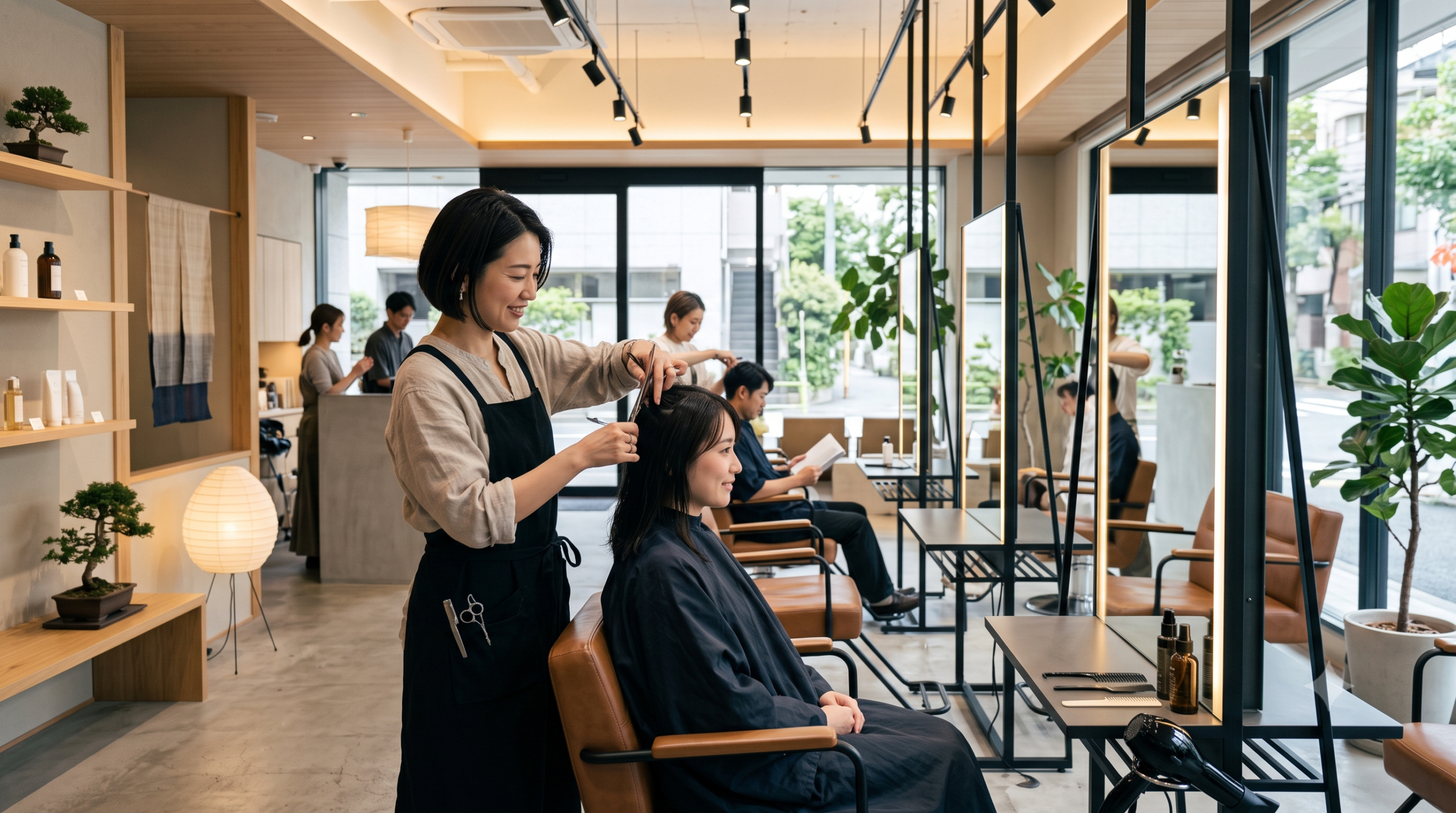
    Tip: No. Pay the posted price. Like restaurants, Japanese beauty and wellness professionals consider excellent service their baseline standard, not something deserving extra payment.

    How to Show Appreciation in Japan (No Money Required)

    Japan has its own rich vocabulary of gratitude that means far more than tipping:

    • Gochisousama deshita (ごちそうさまでした) — After any meal. Essential.
    • Arigatou gozaimashita (ありがとうございました) — Formal thank you for service received.
    • Oishikatta desu (おいしかったです) — “That was delicious.” Use at restaurants.
    • Totemo tasukatte moraimashita (とても助かってもらいました) — “You really helped me out.” Use when someone went out of their way for you.

    Other genuine ways to show appreciation:

    • Write a positive online review mentioning specific staff — hotels and restaurants genuinely value this
    • Bring a small souvenir or local candy from your home country for ryokan or hotel staff
    • Make the effort to try Japanese phrases — even broken Japanese is deeply appreciated
    • Send a handwritten thank-you note for exceptional stays at a ryokan or boutique hotel

    USA vs. Europe vs. Japan: Tipping Culture Compared

    Aspect🇺🇸 USA🇪🇺 Europe🇯🇵 Japan
    Standard restaurant tip15–20%0–10%, varies0% — never tip
    Taxi tip10–15%Round upExact fare only
    If you don’t tipConsidered rudeUsually fineCompletely normal
    Culture view of tippingShows appreciationSupplement wagesPotentially insulting

    The Bottom Line

    Visiting Japan is a rare chance to experience a service culture where excellence is simply the standard — no financial coercion required. The freedom from tip math, the confidence that your server isn’t silently judging your 18% vs. 22%, and the knowledge that the cleaner who tidied your hotel room is paid fairly — it’s genuinely refreshing.

    So put away the extra bills. Learn a few Japanese phrases instead. Say “gochisousama deshita” after your meals. Leave a detailed positive review. Those gestures will be remembered long after any bank note.

    🇯🇵 Travel & Life Essentials for Japan

    Hand-picked gear to make your time in Japan easier. Available on Amazon US & Amazon Japan.

    🔋 Portable charger

    A must for long days of sightseeing and photos.

    View on Amazon (US)View on Amazon Japan

    🔌 Travel plug adapter

    Japan uses Type A outlets. Bring the right adapter.

    View on Amazon (US)View on Amazon Japan

    🎧 Translation earbuds

    Real-time translation to talk without barriers.

    View on Amazon (US)View on Amazon Japan

    As an Amazon Associate, Japan Life Lab earns from qualifying purchases.

  • Japan Digital Nomad Visa 2026: Who Qualifies, Real Cost & How to Apply (Step-by-Step)

    Japan Digital Nomad Visa 2026: Who Qualifies, Real Cost & How to Apply (Step-by-Step)

    Japan launched a Digital Nomad Visa in March 2024 — and it’s one of the most interesting remote work visas in Asia. You get up to 6 months in one of the world’s most fascinating countries, zero Japanese income tax (if you stay under 183 days), and access to world-class infrastructure. There’s a catch: the income requirement is steep.

    Here’s everything you need to know — requirements, costs, application steps, and an honest answer to whether it’s worth it.

    📋 Japan Digital Nomad Visa — Quick Facts
    Official name: Designated Activities Visa (Digital Nomad)
    Launched: March 2024
    Duration: Up to 6 months (non-renewable)
    Income requirement: ¥10 million/year (~USD $65,000–68,000)
    Visa fee: ¥3,000 (~USD $20)
    Countries eligible: 50+ (with Japan tax treaties)
    Tax benefit: No Japanese income tax if stay under 183 days

    Who Qualifies for Japan’s Digital Nomad Visa?

    Nationality Requirements

    You must be a citizen of one of 50+ countries that have tax treaties with Japan. This includes the United States, Canada, United Kingdom, Australia, Germany, France, Singapore, South Korea, and most of Europe. Check the Ministry of Foreign Affairs website for the complete list.

    Income Requirement: The Big Hurdle

    This is where most people get filtered out. You need to demonstrate an annual income of ¥10 million or more (approximately USD $65,000–68,000 depending on exchange rates). This must come from a foreign employer or foreign clients — not from Japanese companies or customers.

    You’ll need to prove this with documents like tax returns, employment contracts, or bank statements showing consistent income. Self-employed freelancers and remote employees both qualify, provided the income is from overseas.

    Other Requirements

    • Valid passport (6+ months remaining, at least 2 blank pages)
    • Proof of remote employment or freelance contracts with non-Japanese employers/clients
    • Health insurance with at least ¥10 million coverage (required)
    • Proof of accommodation (hotel booking, lease agreement, etc.)
    • Clean criminal record

    The Application Process: Step by Step

    1. Gather your documents — Income proof (tax returns, employment contract), passport copy, accommodation proof, health insurance documentation
    2. Apply at a Japanese embassy or consulate in your home country. You cannot apply from within Japan.
    3. Pay the ¥3,000 visa fee (~USD $20 — one of the cheapest visa fees in the world)
    4. Wait for processing — typically 5–10 business days
    5. Enter Japan — immigration stamps your passport with the digital nomad designation

    Processing times vary by embassy. Apply at least 2–3 weeks before your planned departure date.

    What You Can (and Cannot) Do on This Visa

    ✅ Allowed ❌ Not Allowed
    Work remotely for overseas employers Work for Japanese companies
    Freelance for foreign clients Serve the Japanese domestic market
    Stay up to 6 months Renew or extend the visa
    Travel freely within Japan Open a Japanese bank account (no residence card)
    Bring family members Family members work in Japan

    Important: This visa does not provide a residence card (在留カード). You’re treated as a visitor, which limits some services. Budget accordingly.

    Tax Implications: The 183-Day Rule

    This is one of the most attractive aspects of the Japan Digital Nomad Visa. If you stay under 183 days in a calendar year, you are considered a non-resident for Japanese tax purposes. That means:

    • ✅ No Japanese income tax on foreign-sourced income
    • ✅ No local inhabitant tax (which is typically 10%)
    • ❌ You’ll still pay 10% consumption tax (Japan’s VAT) on daily purchases

    Stay 183+ days and you become a Japanese tax resident, subject to Japan’s progressive income tax (up to 45%). For most digital nomads using this visa, the 6-month limit keeps you safely under this threshold.

    Always consult a tax professional for your specific situation — especially if you have income sources in multiple countries.

    Cost of Living as a Digital Nomad in Japan 2026

    City Monthly Rent (1BR) Coworking/Month Total Monthly Budget
    Tokyo ¥120,000–180,000 ¥30,000–50,000 ¥250,000–400,000
    Osaka ¥80,000–110,000 ¥25,000–40,000 ¥200,000–320,000
    Fukuoka ¥60,000–80,000 ¥20,000–35,000 ¥160,000–250,000

    Fukuoka is increasingly popular with digital nomads — lower costs, excellent infrastructure, compact city, and a growing international community. The city actively promotes itself as a startup and nomad hub.

    Best Cities for Digital Nomads in Japan

    Tokyo — The Ultimate Hub

    Unmatched infrastructure, endless coworking options, incredible food, and global connectivity. More expensive, but if you’re earning ¥10M+/year, it’s manageable. Neighborhoods like Shibuya, Shinjuku, and Nakameguro have thriving expat and nomad communities.

    Osaka — The Value Pick

    Better value than Tokyo, friendlier locals (subjectively), excellent food scene, and easy access to Kyoto, Nara, and Kobe. Great for those who want Japan culture without full Tokyo prices.

    Fukuoka — The Nomad’s Secret

    Japan’s most nomad-friendly city per square kilometer. Lower rent, a growing startup ecosystem, direct flights to Seoul and other Asian hubs, and a more relaxed pace. Fukuoka hosts some of Asia’s largest digital nomad meetups.

    How Japan Compares to Other Asian Digital Nomad Visas

    Country Duration Income Req. Tax
    Japan 6 months ~USD $65,000/yr 0% (under 183 days)
    Thailand (DTV) 5 years None Variable
    Malaysia (DE Rantau) 12 months USD $24,000/yr No foreign income tax
    Indonesia (B211A) 5 years USD $30,000/yr Complete exemption

    Japan’s visa is shorter and has a higher income bar than competitors, but no other country in Asia offers the same combination of safety, infrastructure, food, culture, and quality of life. For high earners who’ve always wanted to live in Japan, 6 months is an incredible opportunity.

    🔒 A must-have for remote work in Japan

    Working remotely from Japan? ExpressVPN keeps your data secure on public and hotel Wi-Fi, lets you access your home-country tools, banking and streaming, and keeps client work private. Fast servers in 100+ countries, with a 30-day money-back guarantee.

    Try ExpressVPN →

    Is the Japan Digital Nomad Visa Worth It?

    Yes, if you:

    • Earn ¥10M+ annually from foreign sources
    • Have wanted to spend extended time in Japan
    • Value safety, cleanliness, and world-class infrastructure
    • Can work in Japan’s timezone (UTC+9) or have flexible hours

    Maybe not, if you:

    • Earn under ¥10M — the income bar is real
    • Need a longer stay — 6 months is not renewable
    • Need banking access — no residence card limits options
    • Want a warmer climate year-round (Japanese winters can be harsh)

    Real users who’ve used this visa consistently report it as “the best 6 months of their life” — the income threshold is genuinely filtering for high-earners who can afford Japan’s cost of living comfortably. If you qualify, apply.

  • Cash vs Cashless in Japan 2026: The Honest Answer (You Need Both — Here’s Why)

    Cash vs Cashless in Japan 2026: The Honest Answer (You Need Both — Here’s Why)

    Japan is still a cash country — but only kind of. The truth is more complicated than every travel blog tells you, and getting it wrong means standing at a shrine entrance with no cash and a dying credit card machine blinking at you.

    Here’s the honest answer: Japan was 42.8% cashless in 2024, and the government wants to hit 80% by 2030. That means roughly 30–40% of places you’ll visit still only take cash — especially the ones tourists love most.

    📊 Japan Cashless Stats 2026
    • 42.8% of consumer spending was cashless in 2024 (METI official data)
    • Government target: 80% cashless by 2030
    • Credit cards: 82.9% of all cashless transactions
    • ~30-40% of small businesses in Tokyo remain cash-only
    • 20,000+ 7-Eleven ATMs open 24/7 across Japan

    Where You Still Need Cash in Japan 2026

    These are the places that will catch you off guard:

    Temples, Shrines & Historic Sites

    This is the #1 cash trap for tourists. Almost every famous temple and shrine in Japan charges cash-only admission (¥300–1,000). The goshuin stamp you want? ¥300–500, cash only. The omamori charm at Fushimi Inari? Coins. The offering box at Meiji Shrine? Coins.

    Rule: Assume every temple and shrine is cash-only. Carry at least ¥5,000 when sightseeing.

    Small Restaurants & Local Izakayas

    That atmospheric little ramen shop down the alley with hand-written menus and no website? Cash only. Family-run izakayas, neighborhood soba restaurants, and local lunch spots frequently don’t accept cards. Even in Tokyo, about 30% of independent restaurants remain cash-only.

    Coin Lockers at Stations

    Storing your luggage? Station coin lockers cost ¥400–700 and accept coins only (some newer ones accept IC cards). Always carry ¥500–¥1,000 in coins for this.

    Gashapon Machines

    Those capsule toy machines tourists love? Strict coin-only, ¥100–500 each. Zero modernization planned.

    Public Bathhouses (Sento)

    Entry: ¥150–400 cash only. Locker coins required.

    Rural Japan

    Small-town taxis, traditional ryokan in the countryside, local pharmacies, and mountain hut accommodations are frequently cash-only. If you’re leaving major cities, carry ¥20,000–30,000 minimum.

    Best Cashless Payment Methods for Foreigners

    1. Welcome Suica / PASMO Passport (Best for Tourists)

    This is your best friend in Japan. The Welcome Suica card costs ¥1,500 and is valid for 28 days. Load money onto it and use it for:

    • All trains and subway lines across Japan
    • Every convenience store (7-Eleven, FamilyMart, Lawson)
    • Vending machines
    • Many restaurants and supermarkets
    • Taxis in major cities

    No bank account required. No Japanese phone number. Available at airports and major stations. This single card eliminates most of your payment friction.

    2. Credit Cards (Visa or Mastercard)

    Both work equally well across Japan. American Express is limited to major urban venues (~30–40% fewer merchants). Discover and Diners Club are rarely accepted.

    Most important feature to look for: Zero foreign transaction fees. A 2–3% fee on every purchase adds up fast. Cards like Chase Sapphire Preferred, Capital One Venture, or Wise card eliminate this fee entirely.

    3. Apple Pay / Google Pay

    If your card is registered and contactless, tap-to-pay works at most modern retailers, convenience stores, and increasingly at restaurants. Over 50% of new cards issued in Japan are contactless-enabled as of 2026. This is growing fast.

    4. PayPay (For Residents, Not Tourists)

    PayPay has 65 million+ users in Japan and is accepted at small restaurants that don’t take cards. But it requires a Japanese phone number and Japanese bank account or credit card. Useful for long-term residents, not practical for most tourists.

    ATMs: Where to Get Cash in Japan

    7-Eleven ATMs (Best Option)

    Available at all 20,000+ 7-Eleven stores nationwide, open 24/7, with English interface. Accepts Visa, Mastercard, Maestro, Cirrus, JCB, UnionPay, and Discover. Fee: ¥110–220 per transaction. Withdrawal limit: ¥50,000–100,000 per transaction.

    First stop after landing: 7-Eleven ATM in the airport arrivals area. Withdraw ¥30,000–40,000 for your first few days.

    Japan Post Bank ATMs (Second Option)

    Found in post offices and major train stations. Also accepts foreign cards with similar fees. Limited hours (closed evenings and weekends).

    Regular Bank ATMs — Avoid

    Standard Japanese bank ATMs (MUFG, SMBC, etc.) often reject foreign cards. Don’t waste time trying them.

    Currency Exchange: Where to Get the Best Rate

    Location Rate Quality Notes
    7-Eleven ATM withdrawal ⭐⭐⭐⭐⭐ Best Very close to mid-market rate
    City exchange shops ⭐⭐⭐⭐ Good 2–4% above mid-market
    Airport exchange ⭐⭐ Poor 5–8% markup. Avoid except for small emergency amount
    Hotel exchange ⭐ Worst 5–10% markup. Never use if avoidable

    Check the mid-market rate on Google before exchanging anywhere: search “[your currency] to JPY.”

    How Much Cash to Carry?

    Traveler Type Recommended Daily Cash
    Budget traveler ¥5,000–8,000/day
    Mid-range traveler ¥10,000–15,000/day
    Comfortable traveler ¥15,000–25,000/day

    Keep ¥10,000–20,000 on you at all times as a backup. Even if you plan to pay cashless, Japan’s cashless infrastructure occasionally fails at the worst times.

    💸 The smart way to handle money in Japan

    A Wise account gives you a multi-currency debit card with the real exchange rate and low fees — perfect for cashless payments, paying bills, and withdrawing cash in Japan as a foreigner.

    Open a free Wise account →

    The Smart Japan Money Strategy

    1. Arrive with ¥30,000–50,000 (or withdraw immediately from 7-Eleven ATM at airport)
    2. Buy a Welcome Suica card for ¥1,500 and load ¥5,000–10,000 onto it
    3. Use Suica for trains, convenience stores, and everyday purchases
    4. Use a zero-fee credit card (Visa/Mastercard) for hotels, large restaurants, and shopping malls
    5. Keep ¥10,000 cash in your wallet at all times for temples, small restaurants, and emergencies
    6. Withdraw cash every 2–3 days at 7-Eleven if needed

    This approach covers 95%+ of payment situations you’ll encounter. You’ll look like a local — or at least, a well-prepared tourist.

  • Japan Earthquake Safety 2026: The 72-Hour Survival Kit Every Foreigner Must Have Ready

    Japan Earthquake Safety 2026: The 72-Hour Survival Kit Every Foreigner Must Have Ready

    Japan has an earthquake every 5 minutes. In 2024, the Noto Peninsula earthquake killed 703 people. In April 2026, a 7.4-magnitude quake struck off the Sanriku coast. The government predicts a 70% chance of a direct hit on Tokyo within 30 years — and an 80% chance of a Nankai Trough megaquake that could kill 290,000 people.

    Most foreigners living in or visiting Japan have no idea what to do. This guide fixes that — in plain English.

    ⚡ Quick Facts
    • Japan: ~1,500 earthquakes per year (M4+)
    • Noto Peninsula earthquake (Jan 1, 2024): 703 deaths
    • Tokyo: 70% chance of M7+ earthquake within 30 years
    • Nankai Trough: 80% chance of M8-8.5 megaquake — projected 290,000 deaths
    • Foreign-bought phones do NOT automatically receive Japan’s emergency alerts

    Before an Earthquake: Prepare Now (Not Later)

    The Emergency Kit You Actually Need

    Japanese emergency guidelines recommend a 72-hour kit minimum. Here’s what to pack:

    • Water: 4 liters per person per day × 3 days = 12 liters minimum
    • Food: Non-perishable items (energy bars, canned goods, instant noodles)
    • Documents: Passport, residence card, My Number card copies in waterproof bag
    • Medications: 30-day supply of any prescriptions
    • Cash: ¥30,000–50,000 in small bills (ATMs may be down)
    • Portable toilet bags: Essential for shelter life — Japanese evacuation centers expect you to bring your own
    • Flashlight + battery bank: Power outages are common after major quakes
    • Warm clothing: Gym floors are cold, especially in winter

    Keep your bag near the front door. You may have 30 seconds to grab it.

    The Apps That Could Save Your Life

    Critical: if your phone wasn’t bought in Japan, it will NOT automatically receive earthquake alerts. Japanese J-Alert uses a satellite-based system incompatible with international phones. Install these now:

    • Safety Tips (by JNTO) — 15 languages, government-backed, covers earthquakes, tsunamis, typhoons
    • NERV Disaster Prevention App — fastest real-time warnings in Japan, English UI available
    • Yurekuru Call — 5 million users, direct JMA data, 10–120 second advance warning
    • NHK World App — delivers J-Alert in English

    Install at least 2 of these. Enable push notifications. Grant location permissions.

    Register With Your Embassy

    Most embassies offer emergency SMS alerts for registered citizens. The U.S. Embassy Japan, British Embassy, and Canadian Embassy all have emergency registration systems. It takes 5 minutes. Do it before you need it.

    Know Your Evacuation Route

    Search “[your area] 避難所” (evacuation shelter) on your city’s website. Tokyo residents can check tokyo.lg.jp. Bookmark it offline.

    During an Earthquake: Drop. Cover. Hold On.

    When shaking starts, forget everything except three words: Drop. Cover. Hold On.

    1. DROP to your hands and knees immediately
    2. COVER — get under a sturdy table, or protect your head and neck with your arms if no cover is available. Stay away from windows.
    3. HOLD ON — stay in position until shaking completely stops. Do not run outside.
    Where You Are What To Do
    Indoors Drop, cover under table. Stay away from windows and kitchen appliances.
    Outdoors Move away from buildings and power lines. Drop and protect your head.
    In a car Pull over slowly. Stay in the car with seatbelt on. Avoid overpasses.
    On a train Hold railings. Trains stop automatically. Follow staff instructions.
    In an elevator Press all floor buttons. Exit at first available floor. Never use elevators after quakes.

    Understanding the Alert Sound

    Japan’s Earthquake Early Warning (緊急地震速報) gives you 5–30 seconds of warning before strong shaking arrives. You’ll hear a distinctive alarm from your phone, TV, and public speakers. When you hear it, act immediately — don’t wait to feel the shaking.

    After an Earthquake: The First 72 Hours

    Immediate Steps (First 30 Minutes)

    1. Check yourself and others for injuries. Apply first aid if needed.
    2. Check for gas leaks — smell gas? Open windows, don’t flip any switches, leave immediately.
    3. Turn on your emergency apps for updates and tsunami warnings.
    4. Text rather than call — networks get overloaded, texts usually get through.
    5. Charge your phone if power is still on.

    Finding an Evacuation Shelter

    Japan’s system has two phases: Evacuation Site (避難場所) — an open area safe from fire and structural collapse — and Evacuation Shelter (避難所) — an indoor facility (usually a school gymnasium) for multi-day stays. Official shelters accept all residents regardless of nationality. Show your residence card and follow others.

    Reality Check: What Shelters Are Like

    No sugarcoating: Japanese evacuation shelters are spartan.

    • Hard gymnasium floors with thin mats
    • 600+ people in a single gym is normal after a major quake
    • Cardboard privacy partitions between families
    • Meals are compressed emergency biscuits and bottled water
    • Portable toilets become overwhelmed quickly

    Multilingual support staff are available at major shelters in urban areas, but availability varies. The Safety Tips app has shelter-finding functionality in 15 languages.

    Emergency Japanese Phrases

    English Japanese Pronunciation
    Where is the shelter? 避難所はどこですか? Hinanjo wa doko desu ka?
    I need help 助けてください Tasukete kudasai
    I am injured 怪我をしています Kega wo shite imasu
    Does anyone speak English? 英語を話せる人はいますか? Eigo wo hanaseru hito wa imasu ka?
    Call an ambulance 救急車を呼んでください Kyukyusha wo yonde kudasai

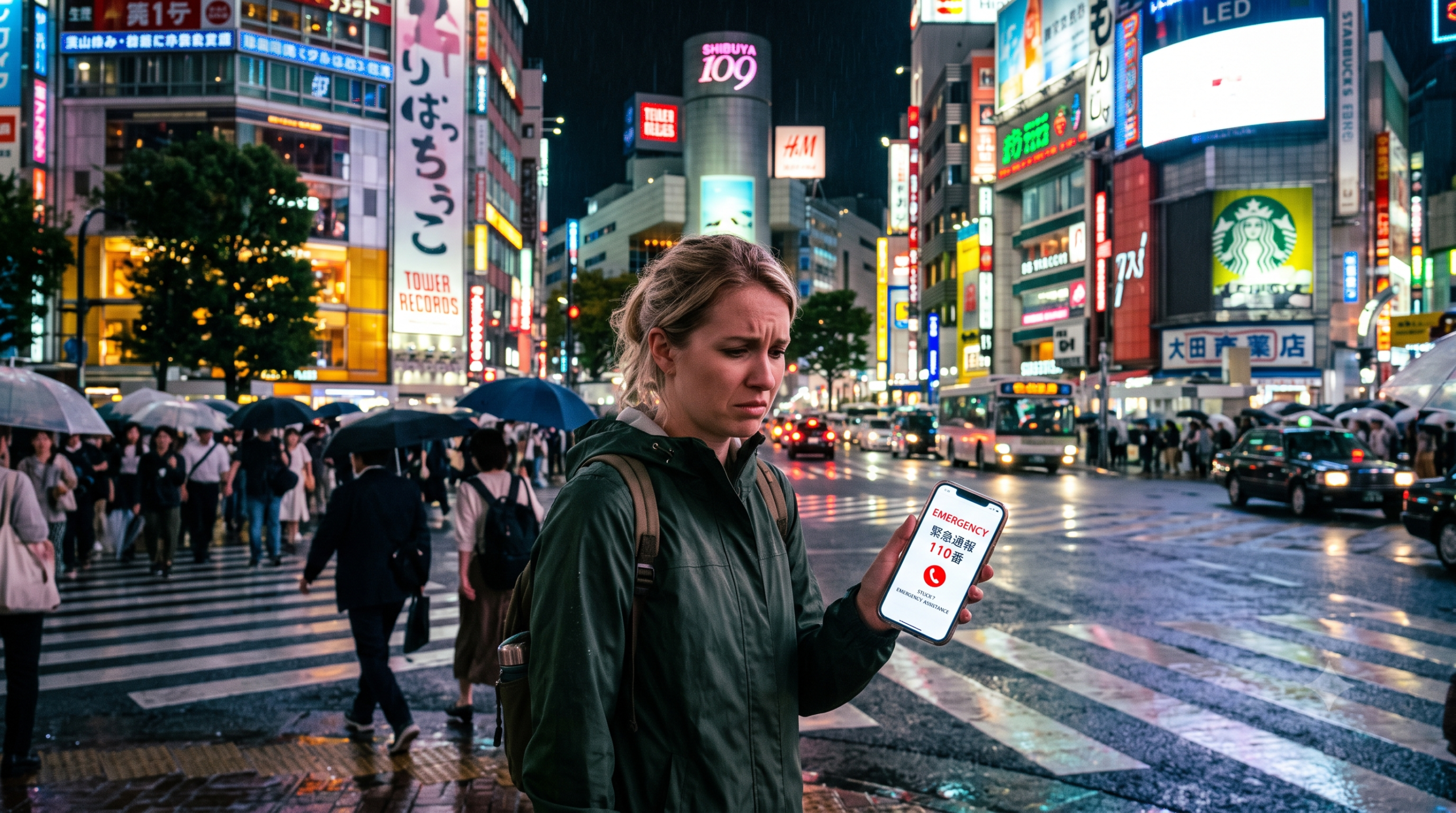
    Emergency numbers: Police 110 | Ambulance & Fire 119

    Bottom Line: Should You Be Worried?

    Japan is the safest earthquake-prone country on Earth. The building codes are world-class (post-1981 buildings are extremely resilient), the early warning system is the most advanced globally, and emergency services are highly trained. Most earthquakes you experience will rattle your coffee cup, not your life.

    But preparedness is what separates “scary story” from “tragedy.” Download the apps today. Pack a kit this weekend. Register with your embassy. It takes 3 hours total and could save your life.

  • How to Get a Job in Japan as a Foreigner in 2026: 5 Realistic Paths (Sorted by Easiest)

    How to Get a Job in Japan as a Foreigner in 2026: 5 Realistic Paths (Sorted by Easiest)

    Can you really find a job in Japan without speaking Japanese? Yes — but your options depend heavily on your skills and industry. This is the honest, practical guide to finding work in Japan as a foreigner in 2026, based on real pathways that actually work.

    📋 Key Facts for 2026

    • Japan has record-high foreign worker demand — government actively recruiting
    • Specified Skilled Worker (特定技能) expanded to 16 industry sectors
    • Japan’s average salary: ~¥4.6 million/year (about $30,000 USD)
    • IT roles: ¥6–12 million/year — among highest-paid for foreigners
    • Tax/pension compliance now mandatory for permanent residency eligibility

    The Honest Truth About Finding Work in Japan

    Japan has a genuine labor shortage and actively wants foreign workers — but the system isn’t frictionless. Here’s what you actually need to know before you start job hunting:

    • Japanese ability matters more in some fields than others — IT and English teaching need very little, while hospitality management or finance require N3–N2 level
    • Visa sponsorship is common for skilled roles — many companies routinely sponsor work visas
    • The interview process is different — Japanese companies often do 3–5 rounds, value stability and loyalty, and hiring cycles are slow (3–6 months)
    • 2026 rule change: Any unpaid taxes or social insurance will automatically disqualify you for permanent residency

    7 Real Pathways to Work in Japan as a Foreigner

    Pathway 1: English Teaching (Lowest Bar to Entry)

    Still the most accessible entry point for foreigners with limited Japanese. Options include:

    • JET Programme — Government-run, $50,000+ USD salary equivalent, competitive but highly respected. Apply October–December for the following year.
    • Eikaiwa schools (Nova, GABA, ECC) — Entry-level, ¥210,000–280,000/month, often include housing assistance
    • ALT (Assistant Language Teacher) — Work in public schools via dispatch companies
    • Private tutoring — Via Preply, Cafetalk, or in-person through referrals

    Salary reality: ¥2.5–4.5 million/year. It’s livable in Japan, but not a wealth-building path.

    Pathway 2: IT & Tech (Best Salary, Lowest Japanese Requirement)

    Japan’s IT sector desperately needs engineers and is increasingly English-friendly. In-demand roles in 2026:

    • Software engineers (JavaScript, Python, Go, Java)
    • AI/ML engineers — especially with LLM experience
    • Cloud architects (AWS, GCP, Azure)
    • Cybersecurity specialists
    • Data engineers and analysts

    Best job sites:

    • TokyoDev (tokyodev.com) — English-first tech jobs in Japan. Excellent quality.
    • Daijob.com — Bilingual-friendly roles across industries
    • Jobs in Japan (jobsinjapan.com) — Wide variety of English-friendly roles
    • CareerCross — Mid-to-senior level bilingual professionals

    Salary reality: ¥6–12 million/year for senior engineers. Mid-level: ¥4–7 million. Entry: ¥3.5–5 million.

    Pathway 3: Recruitment (High Earnings, Network-Dependent)

    Japanese recruitment firms actively seek bilingual professionals to bridge the gap between Japanese companies and foreign talent. Most recruitment roles are commission-heavy with significant earning potential.

    • Major players: Michael Page, Robert Walters, Randstad Japan, JAC Recruitment
    • Starting salary: ¥4–5 million + performance bonus
    • Top performers: ¥8–15 million+
    • Japanese requirement: Usually N3 or client-specific (some fully English)

    Pathway 4: Hospitality & Tourism (Growth Sector)

    Tourism to Japan hit record numbers in 2024-2026, creating significant demand for English-speaking staff:

    • International hotel chains (Marriott, Hyatt, Hilton) — often hire in English
    • Tour guide companies — require excellent people skills and some Japanese
    • Travel tech companies — Japanese tourism apps, booking platforms
    • Ryokan management — for those with hospitality experience

    Salary reality: ¥3–5.5 million entry-mid. Management roles: ¥5–8 million.

    Pathway 5: Remote Work / Digital Nomad Visa (For Existing Employees)

    Japan launched a Digital Nomad Visa for remote workers earning ¥10 million+ annually from non-Japanese companies. It allows 6-month stays (renewable once for 12 months total) with a straightforward application process.

    Requirements: Valid employment contract with foreign company, income proof of ¥10M+/year (~$65,000 USD), health insurance.

    This is ideal for tech workers, consultants, and freelancers who want a Japan base while keeping their existing income.

    Pathway 6: Specified Skilled Worker (特定技能)

    Japan’s major visa innovation of recent years. Allows foreigners to work in 16 industries without a degree:

    • Agriculture, fishery, food manufacturing
    • Construction, shipbuilding
    • Automobile manufacturing and maintenance
    • Building cleaning
    • Nursing care (requires N4 Japanese)
    • Hotel management, food service

    Requirements: JLPT N4 (or JFT-Basic) + industry-specific skills exam. Category 2 (for most industries from 2025) allows indefinite stays and family visitation.

    Pathway 7: Startup & Scale-up Scene (High Risk, High Reward)

    Japan’s startup ecosystem has grown significantly, with Tokyo now ranking in the global top 10 startup cities. English-friendly startups and international companies often hire without Japanese requirements:

    • Foreign-funded startups in Tokyo’s tech hubs (Shibuya, Marunouchi, Hamamatsucho)
    • Global companies with Japan offices (Google, Amazon, Meta, Stripe Japan)
    • Japanese unicorns looking for international expansion talent

    How to Actually Get Hired: Practical Steps

    Step 1: Get Your Documents Ready

    • Japanese-style resume (rirekisho) for Japanese companies — different from Western CV
    • Western CV/resume for international or tech companies
    • Cover letter in English OR Japanese depending on company

    Step 2: Use the Right Job Platforms

    PlatformBest ForJapanese Required?
    TokyoDevTech/engineeringNo
    Daijob.comBilingual all fieldsSome
    CareerCrossMid-senior bilingualSome
    Jobs in JapanWide variety English-friendlyNo
    YOLO JapanPart-time, entry-levelNo
    GaijinPot JobsTeaching, hospitalityNo

    Step 3: Network in Person

    Japan still runs significantly on personal connections. Meetup.com Tokyo, Internations Japan, and Tokyo Tech Meetups are excellent for building a local professional network. Many jobs in Japan are found through referrals.

    Step 4: Understand the Timeline

    Japanese hiring cycles are slow. Expect 2–4 months from first application to offer. Don’t panic if you don’t hear back quickly — follow up politely after 2 weeks. Many companies hire for April or October start dates (Japan’s two main employment seasons).

    Salary Expectations in Japan 2026

    RoleAnnual Salary (¥)USD Equivalent
    English Teacher¥2.5–4M$17–27K
    Hospitality¥3–5.5M$20–37K
    Recruitment¥4–10M+$27–67K+
    Software Engineer¥5–12M$33–80K
    Senior Tech/AI¥8–18M+$53–120K+

    Note: Japan’s cost of living is lower than many Western cities. ¥5M in Tokyo is roughly equivalent in lifestyle to $60K+ in San Francisco or London.

    Important 2026 Rule: Tax & Pension Compliance

    ⚠️ Critical 2026 Immigration Change

    Any unpaid taxes or social insurance premiums will automatically disqualify permanent residency applications — regardless of years of residence or other qualifications. Stay current on all tax filings and health insurance/pension payments from day one.

    🇯🇵 Travel & Life Essentials for Japan

    Hand-picked gear to make your time in Japan easier. Available on Amazon US & Amazon Japan.

    🔋 Portable charger

    A must for long days of sightseeing and photos.

    View on Amazon (US)View on Amazon Japan

    🔌 Travel plug adapter

    Japan uses Type A outlets. Bring the right adapter.

    View on Amazon (US)View on Amazon Japan

    🎧 Translation earbuds

    Real-time translation to talk without barriers.

    View on Amazon (US)View on Amazon Japan

    As an Amazon Associate, Japan Life Lab earns from qualifying purchases.

  • Japan Rainy Season 2026: Exact Dates, What to Pack & Insider Tips to Enjoy It

    Japan Rainy Season 2026: Exact Dates, What to Pack & Insider Tips to Enjoy It

    Japan’s rainy season — called Tsuyu (梅雨) — is one of the most misunderstood times to visit. Yes, it rains. But it’s also crowd-free, beautiful, and surprisingly affordable. This is your complete guide to Japan’s rainy season in June 2026.

    🌧️ Tsuyu 2026 Quick Facts

    • Tokyo, Osaka, Kyoto: Early June – mid-July
    • Okinawa: Mid-May – late June
    • Hokkaido: Usually rainy season-free
    • Temperatures: 22–28°C — warm but comfortable
    • Rain chance: ~40–60% — not all-day rain, just showers

    What Is Tsuyu? The Real Picture

    Tsuyu doesn’t mean constant rain. Most days bring light drizzle, intermittent showers, and misty mornings — not non-stop downpours. Think London weather, warmer, with better food. The humidity (70–85%) is the real challenge, but it’s manageable with the right clothing.

    5 Reasons to Actually Visit Japan During Rainy Season

    1. Dramatically Fewer Crowds

    Fushimi Inari with 40% fewer tourists? Yes. Arashiyama bamboo grove in the mist? Genuinely stunning. Popular attractions are far more manageable during tsuyu than during Golden Week or autumn.

    2. Lower Prices

    Flights and hotels drop noticeably during rainy season. Ryokans that are fully booked in October often have availability. It’s one of Japan’s few true “value travel” windows.

    3. Hydrangea Season at Its Peak

    Hydrangeas (ajisai) bloom during tsuyu and they’re breathtaking. Top spots:

    • Meigetsuin Temple, Kamakura — The “Hydrangea Temple,” 2,500 plants lining the paths
    • Hakone — Hydrangeas with misty mountain backdrops
    • Bunkyo Hydrangea Festival, Tokyo — Free June festival at Hakusan Shrine
    • Nishi Park, Fukuoka — 250 varieties

    4. Misty Temples Look Incredible

    Kyoto in the mist is a photographer’s dream. Kurama and Kibune mountain villages, Philosopher’s Path, Sanjusangendo — all take on an otherworldly quality in rainy season light.

    5. Onsen in the Rain

    Outdoor hot spring baths (rotenburo) in misty rain is a once-in-a-lifetime sensory experience. The combination of warm water, cool air, and mist is uniquely Japanese.

    What to Pack for Japan’s Rainy Season

    ☂️ Rainy Season Packing List

    Waterproof shoes — Most important item. Wet socks ruin entire days. Waterproof sneakers or light boots are perfect.

    Compact umbrella — Available at every konbini for ¥500–¥1,000 if you forget yours. Avoid large umbrellas on crowded streets.

    Lightweight rain jacket — Packable, breathable, with a hood. Far better than a poncho.

    Quick-dry clothing — Merino wool, linen, synthetics. Avoid heavy denim — it takes forever to dry.

    Dehumidifying packets — For your bag and shoes. Available at Daiso (100-yen shop) everywhere in Japan.

    Best Activities by City During Tsuyu

    Tokyo

    • teamLab Borderless/Planets — Digital art that’s even more atmospheric on rainy days
    • Depachika basement food halls — Isetan Shinjuku, Mitsukoshi Ginza: world-class food shopping
    • Yanaka district — Old-Tokyo neighborhood that looks incredible in the rain
    • Tokyo National Museum — World-class Japanese art collection in Ueno Park

    Kyoto

    • Kurama and Kibune — Mountain temple villages that glow in the mist
    • Sanjusangendo — Indoor hall of 1,001 warrior statues
    • Nishiki Market — Covered arcade “Kyoto’s Kitchen”

    Kamakura (Day Trip from Tokyo)

    • Meigetsuin Temple — Arrive before 9am for the hydrangeas without crowds
    • Engakuji Temple — Ancient Zen temple complex in the mist

    Practical Survival Tips

    Use Tokyo’s Underground Network

    Tokyo’s underground shopping malls connect major train stations. In Shinjuku, you can travel between multiple stations completely sheltered from rain. Osaka’s Namba underground connects entire districts.

    Check Hourly Weather Forecasts

    Japanese weather apps are remarkably accurate. Use Yahoo!天気 (Yahoo! Weather Japan) or Weather News for hourly rainfall forecasts. Plan outdoor sightseeing for predicted dry windows — often morning or after 3pm.

    The Konbini Umbrella Strategy

    If you get caught in rain, buy a ¥700 convenience store umbrella. When done, leave it in the umbrella stand at a temple or station for the next person. Very Japanese.

    Tsuyu 2026 Timeline by Region

    RegionStartEnd
    OkinawaMid-MayLate June
    Kyushu/ShikokuLate May–Early JuneMid-July
    Kansai (Osaka, Kyoto)Early JuneMid-July
    Kanto (Tokyo)Early JuneMid-July
    TohokuMid-JuneLate July
    HokkaidoUsually rainy season-free ✅

    The Bottom Line

    Japan’s rainy season rewards travelers who prepare. Come with waterproof shoes, a good rain jacket, and an open mind — and you’ll find June to be one of Japan’s most atmospheric and genuinely memorable travel experiences.

    🇯🇵 Travel & Life Essentials for Japan

    Hand-picked gear to make your time in Japan easier. Available on Amazon US & Amazon Japan.

    🔋 Portable charger

    A must for long days of sightseeing and photos.

    View on Amazon (US)View on Amazon Japan

    🔌 Travel plug adapter

    Japan uses Type A outlets. Bring the right adapter.

    View on Amazon (US)View on Amazon Japan

    🎧 Translation earbuds

    Real-time translation to talk without barriers.

    View on Amazon (US)View on Amazon Japan

    As an Amazon Associate, Japan Life Lab earns from qualifying purchases.

  • Japan Work Visa Guide 2026: Every Type Explained — Which One Can You Actually Get?

    Japan Work Visa Guide 2026: Every Type Explained — Which One Can You Actually Get?

    ⚠️ 2026 Visa & Immigration Changes — What You Need to Know

    • Tax & pension arrears = permanent residency rejection: Any unpaid taxes or social insurance premiums now automatically disqualify permanent residency applications
    • Specified Skilled Worker (特定技能) expanded to 16 industry sectors — more pathways available in 2026
    • Highly Skilled Professional (HSP) fast-track: 70 points → PR eligible after 3 years · 80+ points → PR eligible after just 1 year
    • Stricter scrutiny: Language ability, community ties, and filing compliance are increasingly reviewed in all visa renewals

    📥 Japan Expat Starter Kit 2026

    60+ page PDF: Banking, Housing, Suica, Taxes & daily life in Japan

    Get the Guide — $19 →
  • Japan Cost of Living 2026: Real Monthly Budget (Tokyo vs Osaka vs Rural — Actual Numbers)

    Japan Cost of Living 2026: Real Monthly Budget (Tokyo vs Osaka vs Rural — Actual Numbers)

    Is Japan Expensive to Live In? The Honest 2026 Answer

    Japan’s reputation for being expensive is outdated. In 2026, Japan is actually one of the more affordable developed countries for expats — especially outside Tokyo. The weak yen (140–155 JPY/USD range) has made Japan even more accessible for foreigners earning in dollars or euros. This guide breaks down the real cost of living in Japan with honest numbers.

    Monthly Budget Summary: Japan Cost of Living 2026

    ExpenseBudgetMid-RangeComfortable
    Rent (1BR)¥50,000–70,000¥80,000–120,000¥150,000+
    Food¥30,000–40,000¥50,000–70,000¥80,000+
    Transport¥5,000–10,000¥15,000–25,000¥30,000+
    Utilities¥8,000–12,000¥12,000–18,000¥20,000+
    Phone/Internet¥3,000–5,000¥5,000–8,000¥10,000+
    Entertainment¥10,000–20,000¥30,000–50,000¥60,000+
    TOTAL~¥106,000–157,000~¥192,000–291,000¥350,000+

    Rent Costs in Japan 2026: City by City

    Rent is your biggest expense, and it varies enormously by city. Here’s what to realistically expect:

    Tokyo (Most Expensive):

    • 1-room studio (1K/1DK): ¥60,000–100,000/month
    • 1-bedroom (1LDK): ¥100,000–160,000/month
    • 2-bedroom (2LDK): ¥150,000–250,000+/month
    • Share house: ¥40,000–60,000/month (all-inclusive)

    Osaka/Kobe: Approximately 20–30% cheaper than Tokyo. 1K studio from ¥45,000.

    Kyoto: Similar to Osaka, but older buildings are abundant. 1K from ¥40,000.

    Fukuoka: 40% cheaper than Tokyo. 1K from ¥35,000. Popular expat destination.

    Sapporo/Sendai/Hiroshima: 50% cheaper than Tokyo. Excellent quality of life at low cost.

    Moving in costs (初期費用): Budget 4–6 months of rent upfront for deposit (敷金), key money (礼金, often 1–2 months, sometimes 0), agency fee, and first month’s rent. Many new apartments and share houses have eliminated key money.

    Food Costs in Japan: Eating Cheaply vs. Well

    Japan is actually one of the most food-affordable developed countries when you eat like a local.

    Budget eating (¥300–800/meal):

    • Convenience store meals (onigiri, sandwiches, hot foods): ¥300–600
    • Gyudon chains (Yoshinoya, Sukiya): ¥400–700 for a full meal
    • Ramen shops: ¥700–1,000
    • Set lunch (ランチセット) at restaurants: ¥800–1,200 (often incredible value)
    • Supermarket bento (reduced after 6pm): ¥300–500

    Groceries (cooking at home): ¥30,000–40,000/month for one person eating well. Japan’s supermarkets offer excellent value on vegetables, fish, tofu, and rice. Imported goods and dairy are more expensive.

    Restaurant dining: A casual dinner out costs ¥1,500–3,000. Nice restaurants ¥5,000–15,000. Fine dining ¥20,000+.

    Transportation Costs in Japan

    Japan’s public transport is world-class but not cheap. Here’s what to budget:

    • IC card (Suica/PASMO): Load as needed. Average commuter spends ¥10,000–20,000/month on trains.
    • Monthly commuter pass: ¥10,000–30,000 depending on distance. Tax-deductible if employer provides.
    • Shinkansen: ¥7,000–25,000 per journey depending on distance.
    • Bicycle: The cheapest commute option. Used bikes from ¥3,000–10,000. Reduces transport costs dramatically.
    • Car ownership: Very expensive in cities. Parking alone costs ¥20,000–60,000/month in Tokyo. Most expats don’t own cars in cities.

    Utilities, Phone & Internet

    Electricity: ¥5,000–10,000/month (higher in summer for AC, winter for heating)

    Gas: ¥2,000–5,000/month (piped gas or electricity-only apartments)

    Water: ¥1,500–3,000/2 months (billed bimonthly, extremely cheap)

    Internet (home fiber): ¥3,000–6,000/month for 1Gbps fiber (fastest in the world)

    Mobile phone: ¥1,000–4,000/month on MVNO plans (Rakuten, IIJmio)

    Cut Your Utility Bills: Compare Electricity & Gas in Japan

    Electricity and gas are deregulated in Japan, which means you can freely switch providers — and many households overpay simply because they never compared. Especially with propane (LP) gas, common in apartments, switching companies alone can noticeably lower your monthly bill.

    An easy way to check is enepi, a comparison service run by a Tokyo Stock Exchange Prime–listed company. Enter your address and current usage, and it shows the cheapest electricity and gas plans in your area. Comparison and sign-up are free and done online (Japanese site — a translation tool helps).

    Healthcare Costs for Expats

    Japan’s National Health Insurance (NHI) is mandatory for all residents with a valid visa. Here’s what you’ll pay:

    • NHI premium: 7–10% of your previous year’s income (calculated annually). First year as new resident: typically ¥2,000–5,000/month minimum.
    • Doctor visits with NHI: You pay only 30% of the bill. A typical GP visit costs ¥1,500–3,000 out of pocket.
    • Prescription medications: Very affordable — ¥300–1,000 for most common medications with NHI.
    • Without NHI (shouldn’t happen but): Full price. A simple GP visit can be ¥5,000–15,000.

    Salary Expectations in Japan 2026

    What can you expect to earn as a foreigner in Japan?

    • English teaching (ALT/eikaiwa): ¥200,000–280,000/month. Entry-level, JET Program pays ¥280,000.
    • IT engineer/Developer: ¥350,000–700,000/month. Very high demand for bilingual engineers.
    • Finance/Banking: ¥400,000–1,000,000+/month at foreign firms.
    • Restaurant/Hospitality: ¥180,000–250,000/month. Minimum wage now ¥1,000–1,200/hour by prefecture.
    • Remote work (earning in USD/EUR): The weak yen makes Japan extremely affordable. Earning $3,000/month USD = ¥450,000+ in spending power.

    Japan Cost of Living vs. Other Countries

    How does Japan compare in 2026?

    • vs. USA (NYC): Tokyo is 30–40% cheaper overall. Cheaper rent, food, healthcare.
    • vs. UK (London): Tokyo is 20–30% cheaper. Much better public transport.
    • vs. Australia (Sydney): Tokyo is 25–35% cheaper. Better food culture, safer streets.
    • vs. Singapore: Tokyo is 15–25% cheaper. Similar quality of life.
    • vs. Southeast Asia: Japan is more expensive but offers dramatically better infrastructure, safety, and quality of life.

    Money-Saving Tips for Living in Japan

    • Cook at home — Japanese supermarkets offer amazing ingredients at low prices
    • Buy reduced-price bento — Supermarkets and konbini heavily discount prepared foods after 6–8pm
    • Use Rakuten Mobile — Best value mobile plan in Japan (even free under 1GB)
    • Bicycle commute — Eliminates ¥10,000–20,000/month in train costs
    • Share house (シェアハウス) — All-inclusive from ¥40,000/month with utilities, internet, furnished
    • Furusato Nozei (hometown tax) — Return up to 30% of your income tax as food/goods from rural areas
    • 100-yen shops — Daiso, Seria, CanDo offer incredible value on everyday items

    📥 Japan Expat Starter Kit 2026

    60+ page PDF: Banking, Housing, Suica, Taxes & daily life in Japan

    Get the Guide — $19 →

📖

0 guides available