Author: Miyabi

  • Japan Tax-Free Shopping Guide 2026: Rules & Tips

    Japan Tax-Free Shopping Guide 2026: Rules & Tips

    ⚠️ MAJOR CHANGE: Japan’s Tax-Free System Overhauls on November 1, 2026

    Starting November 1, 2026, Japan switches to a “Pay First, Refund at Departure” system. The guide below describes the current system (valid until October 31, 2026).

    • Visiting Japan before October 31, 2026? → Use the guide below as-is
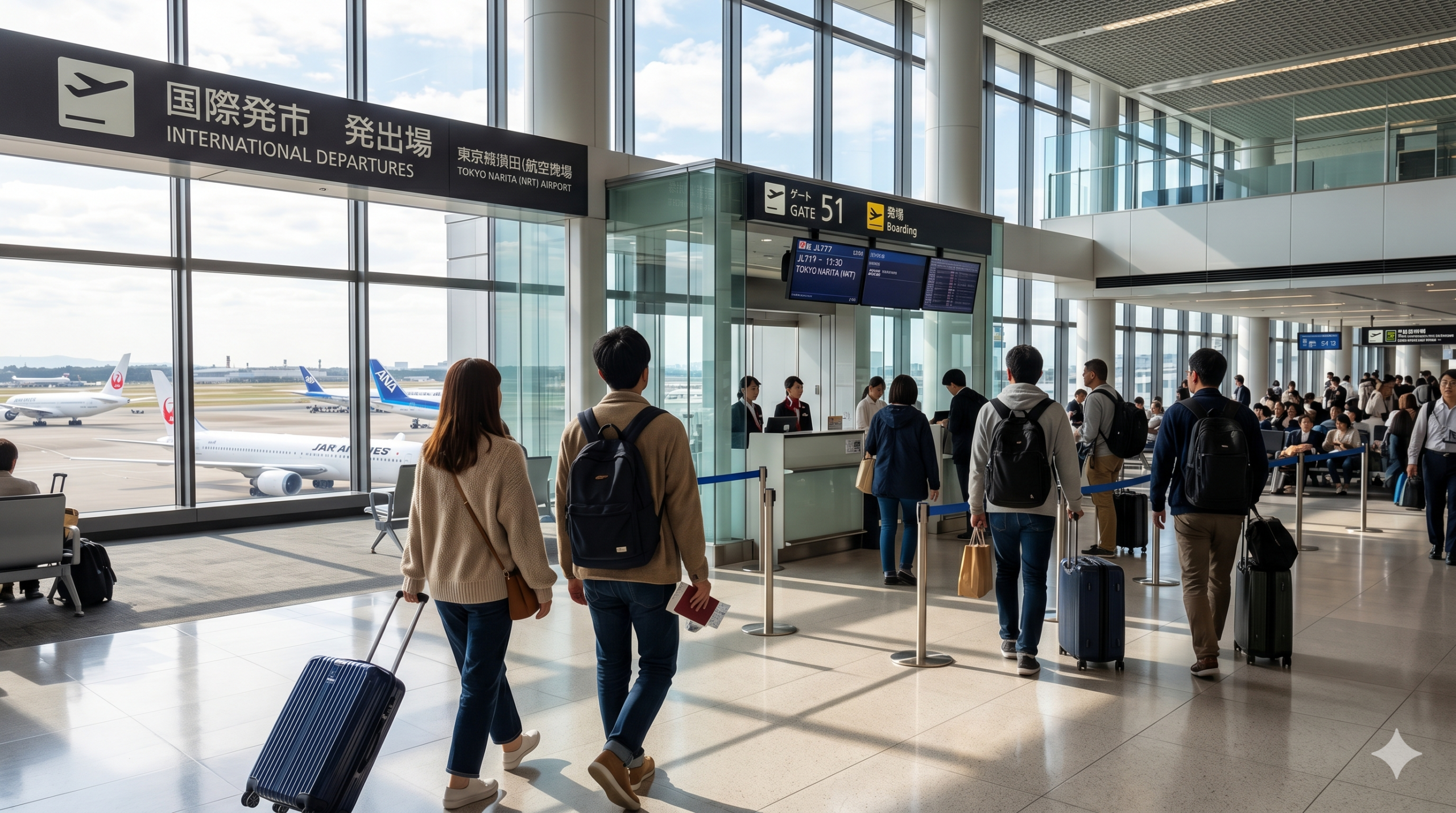
    • Visiting Japan from November 1, 2026 onward? → Pay full price at the store, then claim your 10% refund at the departure airport kiosk by scanning your passport. Scroll to the bottom for the new system details.

    🛍️ Save 10% on Almost Everything You Buy in Japan

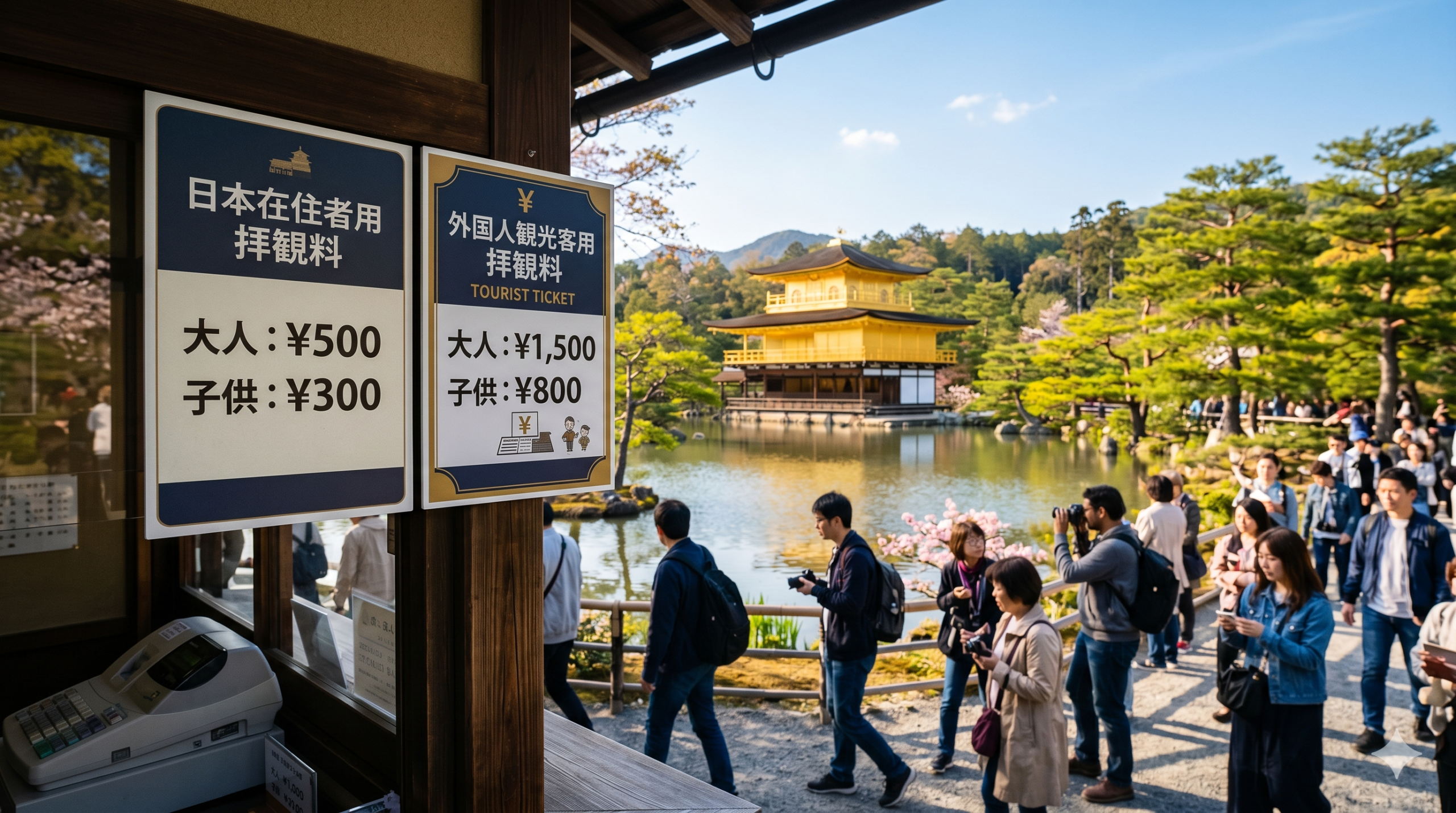
    Here’s a secret most tourists don’t fully exploit: Japan offers a 10% consumption tax refund on purchases over ¥5,000 (about $33) at participating stores. That’s like getting a permanent 10% off coupon for your entire trip.

    But the system has rules, gotchas, and a new 2026 electronic refund process that changed everything. This guide explains exactly how to claim your tax-free savings — whether you’re shopping at Don Quijote, Uniqlo, Bic Camera, or a random drugstore.

    📋 Tax-Free Shopping: Quick Rules

    Rule Details
    Who qualifies?Non-resident foreigners staying in Japan less than 6 months (tourist visa)
    Minimum purchase¥5,000 (about $33) per store, per day (tax-excluded price)
    Tax rate refunded10% consumption tax (full refund)
    What you needPassport (original, not copy) + purchases + receipt
    2026 changeNew electronic recording system — no more paper forms stapled to passport
    Expats eligible?❌ No — residents with visa longer than 6 months do NOT qualify

    🏪 Where to Shop Tax-Free (Top Stores)

    1. Don Quijote (ドン・キホーテ)

    Japan’s legendary discount store. Accepts tax-free at ALL locations. Download the Majica app or get the tourist coupon for an extra 5-15% off on top of tax-free.

    • 💰 Tax-free: ✅ (dedicated counter at most stores)
    • 💳 Payment: Credit cards, PayPay, IC cards, cash
    • 🎫 Extra discount: Majica member card + tourist coupon = up to 15% additional off

    👉 Read our Don Quijote Complete Guide

    2. BIC Camera / Yodobashi Camera

    Electronics paradise. Tax-free + 8-10% point card rewards stack together.

    • 💰 Tax-free: ✅ (at checkout counter)
    • 💳 Payment: All major credit cards
    • 🎫 Extra: BIC Camera tourist coupon (7% off) + tax-free + point card = massive savings

    Pro tip: Buy your electronics here rather than Amazon Japan — the stacked discounts often beat online prices.

    3. Uniqlo

    Japan’s global fashion brand is cheaper at home. Tax-free available at flagship stores.

    • 💰 Tax-free: ✅ (at checkout, show passport)
    • 💳 Payment: All major credit cards, PayPay, IC cards
    • 🎫 Japan-exclusive items often 30-50% cheaper than overseas Uniqlo

    4. Matsumoto Kiyoshi / Welcia (Drugstores)

    Japanese beauty products, skincare, and medicines at drugstore prices + tax-free.

    • 💰 Tax-free: ✅ (most locations)
    • 💳 Payment: Credit cards, IC cards, cash
    • 🎫 Stock up on Japanese sunscreen, face masks, and eye drops — they’re world-famous for a reason

    👉 Best Japanese Skincare Products Guide

    5. Department Stores (Takashimaya, Isetan, Mitsukoshi)

    Luxury shopping with dedicated tax-free service counters.

    • 💰 Tax-free: ✅ (separate service counter, usually on 1F or B1F)
    • 💳 Payment: All credit cards, UnionPay
    • 🎫 Some offer additional tourist discounts (5% off card at information desk)

    📱 How the New 2026 Electronic Tax-Free System Works

    Japan upgraded its tax-free system in 2026. Here’s the new process:

    1. Shop normally — Pick your items (minimum ¥5,000 before tax at one store)
    2. Go to the tax-free counter — Usually near the regular checkout or a dedicated area
    3. Show your passport — The staff scans your passport’s IC chip
    4. Electronic recording — Your purchase is recorded digitally (linked to your passport number)
    5. Get your refund — Tax is deducted at the register, OR you get a separate cash/card refund
    6. At departure — Customs may check your passport record (random checks, not everyone)

    What changed from the old system: No more paper forms (購入者誓約書) stapled to your passport. Everything is electronic now, making the process faster and cleaner.

    ⚠️ Common Mistakes to Avoid

    • Forgetting your passport — No passport = no tax-free. Always carry the original
    • Spending under ¥5,000 — The minimum is per store, per day. You can’t combine purchases from different stores
    • Opening sealed items — Consumables (food, cosmetics, medicine) are sealed in a special bag. If you open it before leaving Japan, you owe the tax
    • Staying longer than 6 months — Once you become a resident, you lose tax-free eligibility
    • Not checking if the store participates — Look for the “TAX FREE” logo (red and white) at the entrance

    💰 How Much Can You Actually Save?

    Purchase Price (tax included) Tax-Free Price You Save
    Nintendo Switch + games¥45,000¥40,909¥4,091 (~$27)
    Sony headphones WH-1000XM5¥44,000¥40,000¥4,000 (~$27)
    Skincare haul (drugstore)¥15,000¥13,636¥1,364 (~$9)
    Uniqlo clothes haul¥30,000¥27,273¥2,727 (~$18)
    Total trip shopping¥134,000¥121,818¥12,182 (~$81)

    On a typical shopping trip, you can easily save $50-100+ just by asking for tax-free at checkout. That’s practically a free meal at a nice restaurant.

    🔗 Related Guides

    🆕 NEW SYSTEM (From November 1, 2026): Pay First, Refund at Departure

    How It Works

    1. Pay the full tax-inclusive price at the store (including 10% consumption tax)
    2. The store records your purchase electronically — no sealed packaging required
    3. At the departure airport, use the tax refund kiosk and scan your passport
    4. Receive your refund via credit card or bank transfer within 90 days of purchase

    ✅ What Gets Simpler

    • No more “consumables vs general goods” distinction — all items treated equally
    • No sealed packaging — open and use your purchases during your trip
    • No ¥500,000 daily limit
    • All items from one store combined to reach the ¥5,000 minimum

    ⏱️ Refund Timeline

    • Credit card: 1–2 weeks
    • Bank transfer: 2–4 weeks
    • Must depart within 90 days of purchase
    • Minimum purchase: ¥5,000 (tax-excluded) per store — same as current system

    💡 Bottom line: Same 10% savings, different process. You can now open and use your purchases during your trip — the refund comes at the airport. Just make sure to depart within 90 days of buying.

  • Japan Cashless Payment Guide 2026: Which Apps Actually Work for Foreigners?

    Japan Cashless Payment Guide 2026: Which Apps Actually Work for Foreigners?

    📱 PayPay 2026 Update — Check App for Current Promotions

    PayPay campaigns change frequently. Welcome bonuses and cashback rates are updated regularly — always check the PayPay app’s Campaigns tab after registering for the latest offers. Regional cashback campaigns (typically 10–30% back at local merchants) are often more valuable than signup bonuses and are available throughout Japan.

    💳 Japan’s Cashless Revolution: A Foreigner’s Survival Guide

    Japan in 2026 is a cashless puzzle. PayPay QR codes everywhere, IC card readers at every station, credit card terminals that sometimes work and sometimes don’t, and some ramen shops that STILL only take cash. Confusing? Absolutely.

    This guide cuts through the noise. After researching every major payment method across Tokyo, Osaka, and rural Japan, here’s exactly which payment to use where — so you never get stuck at a register again.

    🏆 The Big 4 Payment Methods in Japan (Ranked)

    Rank Method Acceptance Rate Best For Setup Difficulty
    🥇Cash (JPY)100%Small shops, temples, rural areasNone
    🥈IC Card (Suica/PASMO)~85%Trains, convenience stores, vending machinesEasy
    🥉Credit/Debit Card~70%Department stores, hotels, electronics shopsAlready have one
    4️⃣PayPay (QR code)~60%Restaurants, izakaya, local shopsModerate

    📱 PayPay: Japan’s #1 QR Code Payment

    What is PayPay?

    PayPay is Japan’s most popular mobile payment app with 60+ million users. Think of it like Venmo or Alipay, but Japanese. You scan a QR code at the shop (or they scan yours), and money is deducted from your PayPay balance.

    Why foreigners should care

    • 💡 Many small restaurants and izakaya accept PayPay but NOT credit cards
    • 💡 Regular cashback campaigns (sometimes 10-30% back!)
    • 💡 Free ¥1,000 welcome bonus (promotional — verify in PayPay app) for new users (limited time)
    • 💡 Split bills easily with friends who also use PayPay

    How to set up PayPay as a foreigner

    1. Download the PayPay app (iOS/Android)
    2. Register with your phone number (Japanese number required)
    3. Verify your identity with passport or residence card
    4. Add money via bank account, convenience store ATM, or credit card
    5. Start scanning QR codes!

    ⚠️ Tourist limitation: PayPay requires a Japanese phone number for registration. Tourists with eSIM/data-only SIM cannot use PayPay. It’s mainly for residents and long-term visitors.

    🚃 IC Cards (Suica / PASMO): The Essential Payment

    IC cards are the single most useful payment method for anyone in Japan. They work for trains AND shopping, and you can set them up before landing.

    Key advantages

    • 🚃 Tap-and-go at every train gate in Japan
    • 🏪 Works at 7-Eleven, FamilyMart, Lawson, and most chain stores
    • 🤖 Vending machines, coin lockers, some taxis
    • 📱 Set up on iPhone/Android — no physical card needed

    👉 Read our detailed guide: PASMO vs Suica: Which IC Card Should You Get?

    💳 Credit Cards: What Works in Japan

    Acceptance by brand (best to worst)

    1. Visa — Best overall acceptance (~70%)
    2. Mastercard — Very close to Visa (~65%)
    3. JCB — Japan’s domestic brand, great at Japanese shops but poor overseas
    4. American Express — Limited to hotels, department stores, large chains (~40%)
    5. Discover/Diners — Very limited (~20%)

    Pro tips for credit card users

    • 💡 Always carry cash as backup — Many restaurants still don’t take cards
    • 💡 Choose “Without conversion” when the terminal asks — This avoids DCC (Dynamic Currency Conversion) fees
    • 💡 Contactless (tap-to-pay) is growing but not universal yet
    • 💡 Wise or Revolut cards give the best exchange rates for foreigners

    👉 Read our guide: Best Credit Cards for Foreigners in Japan

    💴 Cash: Still King in Some Places

    Despite Japan’s cashless push, you’ll still need cash for:

    • 🏯 Temples and shrines (admission fees, omamori charms)
    • 🍜 Small ramen shops and street food stalls
    • 🏔️ Rural areas (especially onsen towns)
    • 🅿️ Some parking lots and laundromats
    • 🏥 Clinics and small hospitals

    Where to get Japanese yen

    • 7-Eleven ATMs (7Bank) — Accept international cards, English UI, 24/7
    • Japan Post ATMs — Good for Visa/Mastercard withdrawals
    • Wise card — Withdraw JPY at interbank rates
    • Airport exchange — Convenient but worst rates (avoid if possible)

    📊 Payment Method by Situation

    Situation Best Payment Why
    Taking the train🟢 Suica/PASMOOnly IC cards work at train gates
    Convenience store🟢 Suica/PASMOFastest checkout, no signature needed
    Department store💳 Credit cardTax-free processing + high amounts
    Izakaya / local restaurant📱 PayPay or 💴 CashMany don’t take credit cards
    Electronics (Yodobashi, BIC)💳 Credit cardTax-free + point cards stack
    Temple / shrine💴 CashElectronic payments not accepted
    Splitting dinner bill📱 PayPaySend money instantly to friends
    Don Quijote💳 Credit card + couponTax-free + 15% off coupon stacks

    🎯 The Perfect Setup for Living in Japan

    Here’s what we recommend for expats and long-term residents:

    1. Mobile Suica on your iPhone/Android — for daily transit and quick purchases
    2. Wise or Revolut card — for credit card payments with zero forex fees
    3. PayPay — for restaurants and local shops that only take QR
    4. ¥10,000-20,000 cash — always have some on hand for emergencies

    With this combo, you’re covered for 99% of payment situations in Japan.

    💸 The smart way to handle money in Japan

    A Wise account gives you a multi-currency debit card with the real exchange rate and low fees — perfect for cashless payments, paying bills, and withdrawing cash in Japan as a foreigner.

    Open a free Wise account →

    🔗 Related Guides

  • Pasmo vs Suica 2026: Which IC Card Should You Get? (Definitive Answer)

    Pasmo vs Suica 2026: Which IC Card Should You Get? (Definitive Answer)

    📱 Critical Android Warning: Most Android Phones Cannot Use Mobile Suica or PASMO

    Mobile Suica and Mobile PASMO require a FeliCa (NFC-F) chip — a Japanese NFC standard found in almost no non-Japanese Android phones. If you have a Samsung Galaxy, Google Pixel (international version), or any other non-Japan-market Android phone, Mobile Suica/PASMO will not work on your device.

    What to do if you have a non-Japanese Android: Purchase a physical Welcome Suica card (with Suica logo, valid 28 days) at Narita or Haneda airport upon arrival — ¥500 deposit, works everywhere. iPhone users are unaffected — Welcome Suica Mobile works on all iPhone 7 and later models.

    🚃 PASMO vs Suica: The Great IC Card Debate

    If you’re moving to Japan or planning a visit, you’ve probably heard two names over and over: Suica and PASMO. Both are IC cards (Integrated Circuit cards) used for public transportation and cashless payments across Japan — but which one should YOU get?

    After living in Japan and using both cards extensively, here’s the truth: they’re 99% identical in function. But that 1% difference matters depending on your situation. This guide breaks it all down so you can make the right choice in under 5 minutes.

    📊 PASMO vs Suica: Quick Comparison Table

    Feature Suica 🟢 PASMO 🔵
    IssuerJR EastPrivate Railways (Tokyo Metro, etc.)
    Where to buy (physical)JR stationsMetro / private railway stations
    Mobile (iPhone)✅ Apple Wallet✅ Apple Wallet
    Mobile (Android)✅ Google Wallet✅ Google Wallet
    Deposit¥500¥500
    Max balance¥20,000¥20,000
    Use nationwide?✅ Yes (10 IC card areas)✅ Yes (10 IC card areas)
    Convenience stores✅ All major chains✅ All major chains
    Auto-charge (commuter)✅ View Card only✅ Compatible credit cards
    JR commuter pass❌ (Metro pass only)
    Tourist-friendly?⭐⭐⭐⭐⭐⭐⭐⭐⭐

    🏆 The Verdict: Which One Should You Get?

    Get Suica if…

    • ✅ You’re a tourist (Suica is available at all JR stations including Narita/Haneda airports)
    • ✅ You use JR lines for your daily commute
    • ✅ You want the most universally recognized IC card in Japan
    • ✅ You’re setting up Mobile Suica on your iPhone before arriving in Japan

    Get PASMO if…

    • ✅ Your daily commute is on Tokyo Metro or private railways (Odakyu, Keio, Tokyu, etc.)
    • ✅ You want a commuter pass that covers Metro + private railway routes
    • ✅ You already have a compatible credit card for auto-charge

    The honest answer?

    For 90% of people, Suica is the better choice. It’s easier to get (especially at airports), works identically to PASMO for payments, and has slightly better brand recognition. The only real reason to choose PASMO is if your commuter pass requires it.

    📱 Mobile Suica vs Mobile PASMO

    In 2026, most people should skip the physical card entirely and go straight to Mobile Suica or Mobile PASMO on their smartphone. Here’s why:

    • No ¥500 deposit — Mobile versions are free to set up
    • Top up anytime — Add money via Apple Pay or Google Pay, no ticket machine needed
    • Never lose it — Your phone IS your train card
    • Works overseas — Set up Mobile Suica before you even land in Japan

    ⚠️ Important for tourists: Physical Suica/PASMO cards were temporarily suspended for sale in 2023 due to chip shortages. As of 2026, limited “Welcome Suica” cards are available at airports, but Mobile Suica is the most reliable option.

    💰 How to Top Up (Charge) Your IC Card

    Physical Card

    1. Find a ticket machine at any train station (look for IC card logo)
    2. Insert your card
    3. Select charge amount (¥1,000 / ¥3,000 / ¥5,000 / ¥10,000)
    4. Insert cash (credit cards NOT accepted at most machines)
    5. Take your charged card

    Mobile Suica / PASMO

    1. Open the Suica/PASMO app or Apple Wallet
    2. Tap “Add Money” or “Charge”
    3. Select amount
    4. Confirm payment via Apple Pay / Google Pay
    5. Balance updated instantly — no machine needed!

    🏪 Where Can You Use Suica & PASMO?

    Both cards work at all the same places:

    • Trains & subways — JR, Metro, private railways across Japan
    • Buses — Most city buses nationwide
    • Convenience stores — 7-Eleven, FamilyMart, Lawson, etc.
    • Vending machines — Drinks, snacks, even some restaurant ticket machines
    • Drugstores — Matsumoto Kiyoshi, Welcia, Sundrug
    • Supermarkets — Aeon, Ito-Yokado, Life
    • Coin lockers — At major stations
    • Taxis — Many taxis in Tokyo accept IC cards

    ❓ Frequently Asked Questions

    Can I use Suica on Tokyo Metro?

    Yes! Suica works on ALL train lines in Tokyo, including Tokyo Metro, Toei Subway, and all private railways. The same is true for PASMO on JR lines.

    Can I use Suica outside Tokyo?

    Yes. Since 2013, all 10 major IC card systems in Japan are interoperable. Your Suica works in Osaka (ICOCA area), Nagoya (manaca area), Fukuoka (SUGOCA area), and everywhere else.

    Do I need both Suica AND PASMO?

    No. One card is enough. They work identically for payments and transportation. The only exception is if you need two different commuter passes.

    Can foreigners get Suica?

    Absolutely. Mobile Suica can be set up on any iPhone 8 or later with a non-Japanese Apple ID. Physical Welcome Suica cards are sold at major airports and JR stations.

    What happens if my IC card runs out of money on the train?

    Don’t worry! You can top up at the “fare adjustment machine” (精算機) inside the station before exiting the gate. Just insert your card, add money, and tap out normally.

    🔗 Related Guides

    🇯🇵 Travel & Life Essentials for Japan

    Hand-picked gear to make your time in Japan easier. Available on Amazon US & Amazon Japan.

    🔋 Portable charger

    A must for long days of sightseeing and photos.

    View on Amazon (US)View on Amazon Japan

    🔌 Travel plug adapter

    Japan uses Type A outlets. Bring the right adapter.

    View on Amazon (US)View on Amazon Japan

    🎧 Translation earbuds

    Real-time translation to talk without barriers.

    View on Amazon (US)View on Amazon Japan

    As an Amazon Associate, Japan Life Lab earns from qualifying purchases.

  • Renting a Kimono in Japan 2026: Real Prices, Best Shops & How Not to Get Overcharged

    Renting a Kimono in Japan 2026: Real Prices, Best Shops & How Not to Get Overcharged

    Every year, millions of tourists visiting Japan want to do one thing that has nothing to do with technology or convenience: slip into a beautiful kimono and walk the streets of Kyoto, Asakusa, or Nishiki Market feeling like they’ve stepped back 400 years. Kimono rental has exploded into one of Japan’s most popular tourist activities — and for good reason.

    But here’s what the travel blogs don’t always tell you: the difference between a magical experience and an overpriced disappointment often comes down to which shop you choose, what questions you ask, and a few insider tricks only locals know. This guide covers everything — honest prices, the best rental chains, what’s actually included, and the secrets that make your kimono day unforgettable.

    We’ll also cover wargo, Japan’s most popular kimono rental chain with 30+ locations nationwide, known for transparent pricing and the best value in the business.

    How Much Does Kimono Rental Cost in Japan? (Honest Price Breakdown)

    Kimono rental prices vary wildly depending on where you go and what’s included. Here’s an honest breakdown of what you’ll actually pay:

    TypePrice RangeWhat’s Included
    Budget Plan¥2,000–¥3,500Kimono + obi belt, basic styling
    Standard Plan¥3,500–¥5,500Full outfit + hair styling
    Premium Plan¥5,500–¥10,000High-quality silk kimono, full hair & accessories
    Men’s Yukata¥2,000–¥4,000Yukata + obi + accessories

    Hidden costs to watch for: bag rental (¥300–¥500), umbrella (¥300), extended hours (¥500–¥1,000), damage deposit (usually refundable). Always ask what’s included before you book.

    wargo: Japan’s Most Popular Kimono Rental Chain (Honest Review)

    With over 30 locations across Tokyo, Kyoto, Osaka, Nara, Hiroshima, and beyond, wargo has become the go-to kimono rental shop for tourists who want a quality experience without surprises. Here’s why it stands out:

    What Makes wargo Different

    All-inclusive pricing — wargo’s plans include the kimono, obi, accessories (bag, socks, sandals), and dressing assistance. No hidden add-ons. The standard plan starts at around ¥3,300, which is genuinely good value for everything you get.

    Multilingual staff — At major tourist-area locations (Asakusa, Kyoto, Arashiyama), staff speak English, Chinese, Korean, and basic French. This removes the language barrier that makes some rental shops stressful for foreign visitors.

    Online booking — You can reserve your slot, choose your kimono color preference, and select add-ons before you arrive. Peak seasons (cherry blossom in April, autumn foliage in November, Golden Week) book up weeks in advance — so always reserve online.

    Return flexibility — You can return the kimono at any wargo location, not necessarily the one you rented from. So if you’re traveling between Kyoto and Nara in one day, this is incredibly convenient.

    wargo Pricing Plans (2026)

    PlanPrice (per person)Includes
    Standard Kimono¥3,300Kimono, obi, bag, socks, sandals, dressing
    Premium Kimono¥5,500–¥8,800Higher-quality fabric, wider selection
    Hair Set Add-on+¥1,100–¥2,200Professional hair styling
    Men’s Yukata¥2,750Yukata, obi, sandals, bag

    Prices are per person and include tax. Couples get no automatic discount at wargo, but the all-inclusive pricing means the quoted price is actually what you pay.

    Best Neighborhoods for Kimono Walking in Japan

    Kyoto: Higashiyama & Gion

    The undisputed capital of kimono culture. Walking the stone-paved lanes of Higashiyama or catching a glimpse of geiko (geisha) in Gion while wearing a kimono is genuinely one of the most atmospheric experiences Japan offers. Rent near Kiyomizudera and return via Yasaka Shrine for a perfect half-day circuit. Best time: weekday mornings to beat crowds.

    Tokyo: Asakusa

    The most accessible kimono experience from central Tokyo. Rent near Sensoji Temple, walk the Nakamise shopping street, cross over to Sumida River, and photograph the Skytree in the background. It’s very tourist-heavy but the contrast between ancient temple culture and futuristic skyline is genuinely stunning. wargo has two locations here.

    Kyoto: Arashiyama Bamboo Grove

    Arguably the most photogenic location in all of Japan for kimono photos. The bamboo grove at Tenryuji creates an otherworldly tunnel that looks extraordinary with a colorful kimono. Arrive before 8:30 AM to beat both the tour groups and the heat.

    Nara: Naramachi & Isuien Garden

    Far fewer tourists than Kyoto, but equally beautiful. The traditional machiya townhouses of Naramachi are perfect for kimono photography, and you might have the streets nearly to yourself — a rarity in Japan’s tourist hotspots. Bonus: wild deer will absolutely pose with you.

    Osaka: Shinsaibashi & Dotonbori

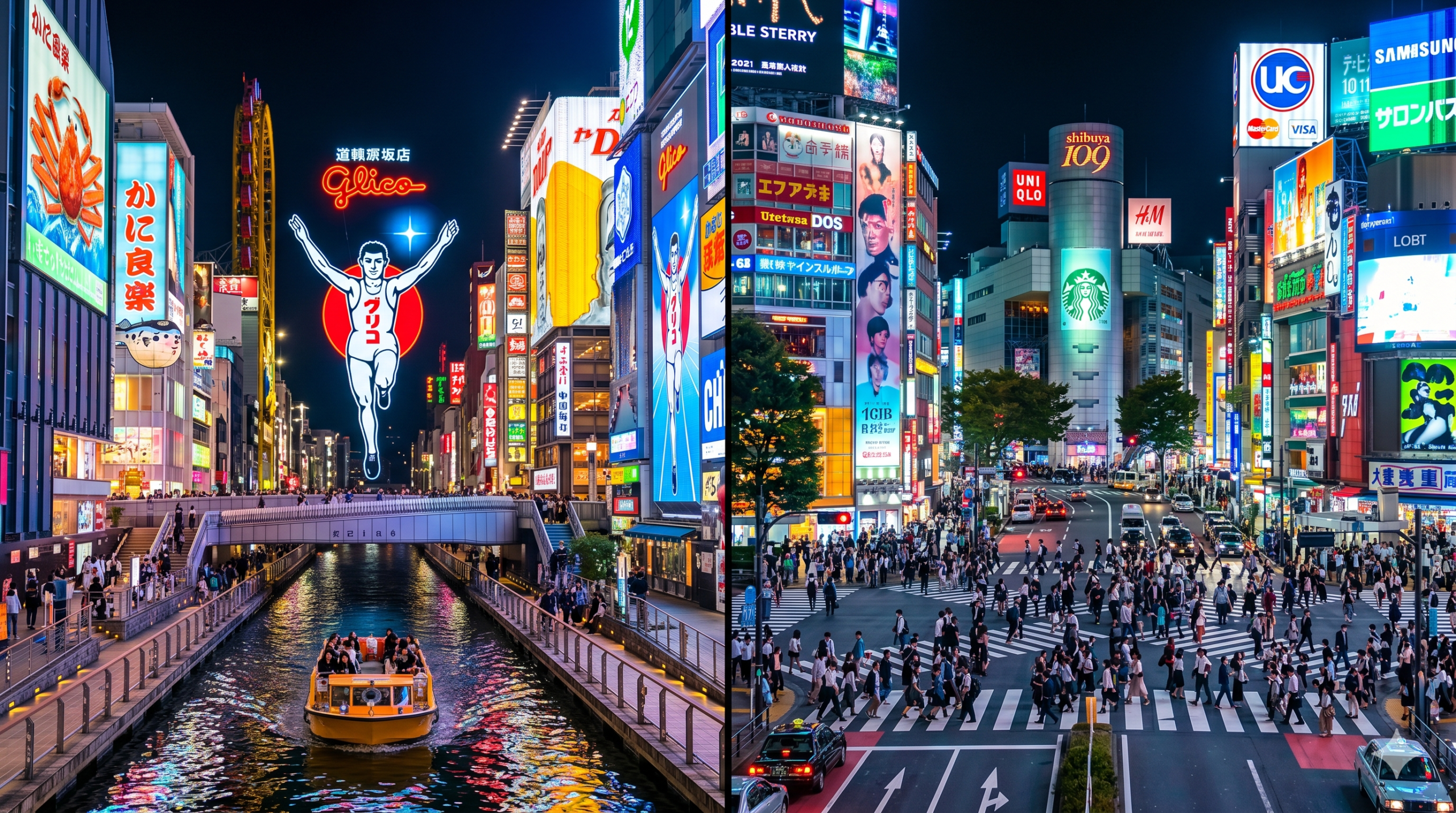
    The most lively and colorful option. Dotonbori’s neon signs and canal bridges create a completely different aesthetic from Kyoto — vibrant, urban, and distinctly Osakan. Great for video content.

    Kimono vs. Yukata: Which Should You Rent?

    Kimono is the formal layered garment — multiple pieces, takes 15–30 minutes to put on, heavier fabric, available year-round. More traditional, more photogenic, slightly more restrictive to move in.

    Yukata is the lightweight cotton summer version — easier to wear, cooler, typically rented May through October. Often cheaper. More casual, but equally beautiful for photos and completely appropriate for tourist sightseeing.

    For most international visitors in spring or autumn: rent a kimono. For summer visits (June–September): yukata is the practical and culturally appropriate choice.

    10 Things Nobody Tells You About Renting a Kimono

    1. Book online at least 3 days ahead — Walk-ins are possible on quiet weekdays, but during sakura season, Golden Week, or autumn foliage, shops fill up by 10 AM.
    2. Arrive 10 minutes early — The dressing process takes 20–40 minutes. Late arrivals cut into your walking time.
    3. Wear thin underwear and socks — The kimono adds layers. Summers are brutal. Bring a small cooling spray or towel if going in July or August.
    4. Bring hair ties if you want an updo — Staff can arrange more styles if your hair is long enough to put up.
    5. You WILL need to use a bathroom in a kimono — Practice the sleeve-gathering technique before you go out. Staff will show you, but practicing once is worthwhile.
    6. The sandals will hurt your feet — Bring small bandaids. Geta (wooden sandals) cause blisters between the toes. Every first-timer learns this the hard way.
    7. Your phone fits in the bag — barely — Bring a compact phone, not a large-screen model, or buy a separate small bag. The traditional kimono bag is not designed for modern smartphones.
    8. Rain is actually beautiful for kimono photos — Shops rent umbrellas. A kimono, rain, and a paper umbrella in Gion is one of the most beautiful photo scenarios in Japan.
    9. Return time matters — Most shops close at 5:30–6 PM and require returns 30 minutes before closing. Plan your day backwards from the return time.
    10. Groups get no discount, but experience is shared — Wearing kimono with friends dramatically improves photos and memories. Budget couples and groups often find it’s one of the best-value experiences of their Japan trip.

    How to Book wargo (Step-by-Step)

    1. Visit wargo’s official website and select your preferred location (Kyoto, Asakusa, Arashiyama, etc.)
    2. Choose your date and time slot (morning slots are most popular)
    3. Select your plan (Standard, Premium, or Couples)
    4. Choose color preference (exact kimono selected on arrival)
    5. Add hair styling if desired
    6. Complete payment online (credit card accepted)
    7. Receive confirmation and bring it on the day

    Booking at least one week in advance is strongly recommended during March–May and October–November.

    Kimono Rental FAQs for Foreign Visitors

    Can tall or plus-size people rent kimono? Most shops accommodate heights up to 175cm and standard Western sizes. wargo has a wider range than average, but very tall visitors (185cm+) may find limited options at budget shops. Call ahead if in doubt.

    Can I wear the kimono on trains and trains? Absolutely — this is normal and expected. You’ll get many compliments from Japanese locals and fellow tourists alike.

    What if it rains? Shops rent umbrellas. Light rain is fine; heavy rain may affect your plans but the kimono itself is not easily damaged by light moisture. Most shops have a raincoat option.

    Can men rent kimono? Yes. Men’s yukata and kimono are increasingly popular with foreign visitors. Shops have specific men’s options.

    Is tipping expected? No. Japan does not have a tipping culture. A sincere “arigatou gozaimashita” when leaving is the appropriate way to show appreciation.

    Final Verdict: Is Kimono Rental Worth It?

    For a 3–7 day Japan trip, renting a kimono for one day is one of the best uses of both time and money available to any tourist. At ¥3,300–¥5,500 all-in with wargo, it costs less than most restaurant meals and creates photos you’ll share for years.

    Go on a weekday. Book wargo online. Arrive in Higashiyama before 9 AM. Wear thin socks and bring bandaids. That’s the formula for an unforgettable day.

    🎌 Book Your Kimono Rental at wargo

    Japan’s most popular kimono rental chain · 30+ locations · All-inclusive from ¥3,300

    📅 Reserve Your Kimono at wargo →

    Online booking available · English support · Multiple pickup locations

  • Japan Drugstore Guide 2026: 15 Must-Buy Items at Matsukiyo & Don Quijote (Foreigners Swear By These)

    Japan Drugstore Guide 2026: 15 Must-Buy Items at Matsukiyo & Don Quijote (Foreigners Swear By These)

    Japan’s drugstores — called doragu sutoa (ドラッグストア) — are one of the best-kept secrets for tourists and expats alike. Packed with affordable skincare, health products, snacks, and exclusive Japanese brands, stores like Matsumoto Kiyoshi, Sundrug, and COSMOS have become must-visit destinations for visitors from all over the world. Prices are often 30–50% cheaper than back home, and many products you simply can’t find anywhere else.

    During Golden Week and busy tourist seasons, drugstore shelves can empty fast — so knowing what to grab (and what’s worth the hype) gives you a real advantage. This guide covers everything: the top chains, the best products to buy, how to shop tax-free, and how to ship your haul home via Buyee.

    Whether you’re visiting Japan for a week or living here as an expat, this Japan drugstore shopping guide will save you money and help you discover products you’ll want to restock forever.

    Top Japanese Drugstore Chains: What to Know Before You Go

    Matsumoto Kiyoshi (マツモトキヨシ) — The Most Famous Chain

    With its iconic yellow-and-black branding, Matsumoto Kiyoshi (Matsukiyo) is Japan’s most recognized pharmacy chain, with over 3,400 stores nationwide. It’s often the first stop for inbound tourists thanks to its prime locations near major train stations and tourist areas like Shibuya, Shinjuku, Akihabara, and Osaka’s Shinsaibashi. Staff in major stores speak English, Chinese, and Korean, and tax-free shopping is available for purchases over ¥5,000.

    Sundrug (サンドラッグ) — Best Prices in the Big Three

    Sundrug often beats Matsukiyo on price for everyday items like vitamins, supplements, and OTC medicines. Less touristy than Matsukiyo but easy to find in most cities. Great for stocking up on bulk items. Loyalty points accumulate quickly for repeat shoppers.

    COSMOS (コスモス薬品) — Cheapest Drugstore in Japan

    If you’re living in Japan (especially outside Tokyo), COSMOS is legendary for impossibly low prices. It’s a discount warehouse-style store common in Kyushu and western Japan. No frills, but the savings are real — often 10–20% cheaper than Matsukiyo on the same products. No loyalty points or tax-free service, but the prices speak for themselves.

    Welcia (ウエルシア) & Tsuruha (ツルハ) — The Locals’ Favorites

    These two chains dominate suburban Japan and are where most Japanese people actually shop. Welcia is part of the AEON group and offers deep discounts on Tuesdays for WAON cardholders. Tsuruha is common in northern Japan. Both have excellent loyalty programs and wide product selections.

    10 Best Things to Buy at Japanese Drugstores

    1. Hada Labo Gokujyun Lotion — The Hyaluronic Acid Holy Grail

    Japan’s best-selling skincare product is a hyaluronic acid toner that plumps and hydrates skin without any greasy residue. The 170ml bottle costs around ¥880 — a fraction of what equivalent products cost in Western markets. The blue (regular), pink (Premium), and green (Whitening) versions each target different skin concerns. Buy in bulk — it doesn’t expire quickly and your friends will thank you.

    2. Bioré UV Aqua Rich Watery Essence SPF50+ — Best Sunscreen on Earth

    Ask any skincare enthusiast outside Japan what they’re most jealous of, and Japanese sunscreen tops the list. Bioré UV Aqua Rich feels like water on skin — no white cast, no greasiness, no excuses not to wear SPF every day. At around ¥1,000 for 50g, it’s one of the best sunscreen bargains in the world. Also look for Anessa Perfect UV and SKIN AQUA tone-up UV for alternatives.

    3. DHC Deep Cleansing Oil — The Original Japanese Face Oil

    DHC’s cleansing oil has been a Japanese staple since the 1990s. It dissolves waterproof makeup, SPF, and sunscreen completely, leaving skin clean without stripping it. The 200ml bottle costs around ¥1,500 and lasts months. DHC products are exclusively available through their website or stores outside Japan, making this a genuine drugstore exclusive.

    4. Eve Pain Killers — Japan’s OTC Painkiller Secret

    Japanese pain relievers like Eve A (イブA) and Bufferin Luna are surprisingly strong compared to Western OTC options and available without prescription. Eve A contains ibuprofen plus an additional analgesic for faster relief. Popular with menstrual cramp sufferers worldwide. Approximately ¥700 for 20 tablets.

    5. Pocari Sweat Powder — Rehydration Powerhouse

    Japan’s legendary electrolyte drink in convenient powder form. Mix one sachet with water for an isotonic drink that’s better than most Western sports drinks. Ideal for travel, hot Japanese summers, or recovering from a night out. A box of 10 sachets costs around ¥500 and takes up almost no luggage space.

    6. Sato Pharmaceutical Lip Cream (Rohto Melano CC) — Vitamin C Serum for ¥700

    Rohto Melano CC’s Whitening Essence is a concentrated Vitamin C serum that costs around ¥700 — compare that to ¥5,000+ for equivalent products from Western brands. The drugstore vitamin C market in Japan is extraordinarily competitive, making this one of the best beauty bargains anywhere. Also check Transino and Hatomugi for more brightening options.

    7. Kobayashi Pharmaceutical Products — Weird but Wonderful

    Kobayashi (小林製薬) makes products so specific they have no equivalent anywhere else. Highlights include: Bluelet Dobon (toilet bowl cleaner that turns water blue), Nose Hare (nasal hair remover), Netsusamasi (fever-reducing gel packs for your forehead), and Fumakilla mosquito coils. Half the fun is discovering what problems Japanese product designers have solved that the rest of the world hasn’t.

    8. Kirin Ichiban Hydration Tablets — Convenient Vitamins

    Japanese pharmacies carry an incredible range of supplement tablets — collagen, vitamin C, iron, B-complex — in convenient daily packs. Brands like DHC, Suntory Sesamin EX, and FANCL offer pharmaceutical-grade supplements at very reasonable prices. Great for expats who find Western supplement prices eye-watering.

    9. Eye Drops — Japan’s World-Class Eye Care

    Rohto and Santen make eye drops with formulations not available outside Japan. Rohto V Active (menthol-heavy, shockingly intense), Sante Beauteye (for contact lens wearers), and Sante FX Neo are cult favorites. Even the packaging design is world-class. At ¥500–¥900 per bottle, stock up generously.

    10. KAO Biore Hand Soap & Foam Cleansers — Gentle Japanese Formulas

    KAO’s foam cleansers and hand soaps have gentler formulas than Western equivalents — essential knowledge if you have sensitive skin. The Biore facial wash range is perfect for Japanese humidity, and the refill pouches make them economical for expats. Also look for the KAO Curel range for extremely sensitive or eczema-prone skin.

    How to Shop Tax-Free at Japanese Drugstores

    Foreign tourists can claim consumption tax (currently 10%) back on purchases over ¥5,000 at participating stores. To qualify: you must show your passport, the purchase must be for personal use and taken out of Japan within 30 days, and items must not be opened or used in Japan. Most major chains in tourist areas have dedicated tax-free counters. Items are often placed in a sealed bag — don’t open it before leaving Japan or you’ll owe the tax.

    Pro tip: consolidate your purchases to hit the ¥5,000 threshold in one transaction. Buying ¥2,000 of skincare and ¥3,500 of supplements in the same transaction counts, while buying them separately wouldn’t qualify.

    How to Buy Japanese Drugstore Products From Abroad (Buyee & Amazon Japan)

    Can’t make it to Japan? Most Japanese drugstore products are available on Amazon Japan and Rakuten, which ship internationally or via proxy services. Buyee is Japan’s most popular shopping proxy service, allowing you to buy from Japanese sites (including Amazon Japan, Rakuten, and individual brand sites) and ship anywhere in the world.

    Japan Drugstore Tips for Tourists & Expats

    • Go early in the day — popular items like Hada Labo and Bioré sunscreen sell out fast during peak tourist season
    • Download the app — Matsukiyo’s app gives coupon discounts and lets you locate specific products across stores
    • Check the expiry date — products in tourist-area drugstores move quickly and are usually fresh, but always check
    • Use the coin locker — major drugstores near stations often have coin lockers so you can shop before checking in
    • Bring your passport — always carry it for tax-free purchases
    • Buy refill packs — many Japanese products come in cheaper refill pouches (詰替え), reducing plastic waste and saving 20-30%

    Japan Drugstore Shopping: Final Thoughts

    Japanese drugstores are genuinely one of the best shopping experiences Japan offers — not just for tourists, but for expats who quickly realize how much better (and cheaper) Japanese skincare, health products, and everyday goods can be. Whether you’re loading up on Hada Labo and Bioré sunscreen or discovering Kobayashi Pharmaceutical’s wonderfully specific inventions, a few hours in a Japanese drugstore can change your everyday routine forever.

    For expats, getting into the habit of shopping at Welcia, Matsukiyo, or COSMOS for household and health items is one of the easiest ways to reduce your monthly spending in Japan. For tourists, budget at least ¥10,000 for your drugstore haul — you’ll spend it, and you won’t regret it.

    🛒 Shop Japanese Drugstore Products Online

    Can’t visit Japan? Get authentic products delivered worldwide:

  • Don Quijote Guide 2026: What’s Actually Worth Buying (And What to Skip) + Tax-Free Rules

    Don Quijote Guide 2026: What’s Actually Worth Buying (And What to Skip) + Tax-Free Rules

    Don Quijote — known affectionately as “Donki” (ドンキ) — is one of Japan’s most iconic and chaotic retail experiences. Open 24 hours, stacked floor-to-ceiling with everything from electronics to snacks to costumes, Don Quijote is a mandatory stop for any visitor to Japan. But navigating Donki without knowing what to look for can be overwhelming.

    This guide covers the absolute best things to buy at Don Quijote in 2026, organized by category, with insider tips on where to find the best deals and what to skip.

    What Is Don Quijote (Donki)?

    Don Quijote (ドン・キホーテ) is a Japanese discount chain store with over 700 locations across Japan. Founded in 1989, it’s known for its distinctive penguin mascot, 24-hour operation, and the famous compressed display style where products are stacked from floor to ceiling in seemingly chaotic but surprisingly organized fashion.

    Almost every major city and tourist area in Japan has a Donki. Tokyo alone has dozens of locations in Shinjuku, Shibuya, Akihabara, Asakusa, and more. They accept most credit cards and offer tax-free shopping for tourists.

    Don Quijote Shopping Tips Before You Go

    🎌 Tax-Free Shopping

    Foreign visitors can get consumption tax (10% or 8% for food) refunded on purchases over ¥5,000 at the tax-free counter. Bring your passport. This applies to most items except consumables like food and cosmetics at some stores.

    💳 Payment Methods

    Donki accepts cash, credit cards (Visa, Mastercard, Amex), IC cards (Suica, PASMO), and major QR payment apps (PayPay, Line Pay). Most stores now accept foreign cards without issue.

    🦅 The Donki App

    Download the Don Quijote app for exclusive discount coupons and store maps. The app is available in English and helps you navigate the sometimes confusing multi-floor layouts.

    ⏰ Best Time to Visit

    Weekday mornings (10 AM – noon) are least crowded. Tourist-heavy locations like Shinjuku Kabukicho can get extremely packed on weekends and evenings.

    Best Things to Buy at Don Quijote 2026

    🍫 Japanese Snacks & Sweets — Must-Buy

    Donki’s snack section is legendary among tourists. You’ll find regional Kit Kat flavors (matcha, sake, strawberry cheesecake), Pocky variety packs, Tokyo Banana, regional omiyage snacks, and specialty chips you won’t find anywhere else. The prices are often better than convenience stores or airport shops.

    Best picks: Tokyo Banana (authentic, not knockoffs), Shiroi Koibito (Hokkaido butter cookie), matcha Kit Kat sets, and Calbee potato chips limited Japan flavors.

    Price range: ¥200 – ¥3,000

    💊 Japanese Beauty & Skincare — Great Value

    Donki carries an enormous selection of Japanese drugstore beauty products at prices lower than pharmacies. Popular items include Hada Labo moisturizers, DHC cleansing oil, Kose face masks, and the famous Sana Nameraka Honpo soy isoflavone skincare line.

    The vitamin and supplement section is also excellent — Japanese Fancl vitamins, collagen drinks, and enzyme supplements are popular with both locals and tourists.

    Best picks: Hada Labo Gokujyun lotion (the blue bottle), Kose Clear Turn face masks (bulk packs), DHC lip cream, and Sana Nameraka Honpo emulsion.

    Price range: ¥300 – ¥3,000

    🎮 Electronics & Gadgets — Surprising Bargains

    Many people don’t realize that Donki stocks a solid selection of electronics — often at prices competitive with Yodobashi or Bic Camera. Look for Japanese-brand earbuds, portable chargers, phone accessories, SIM card packages, and Bluetooth speakers.

    The Donki Private Label brand ORIGINALBASIC offers shockingly good value — their USB-C hubs, phone chargers, and cables are often half the price of name brands with comparable quality.

    Best picks: ORIGINALBASIC phone accessories, Anker portable chargers (often discounted), Japanese conversion plugs, and prepaid SIM cards.

    Price range: ¥500 – ¥15,000

    🎭 Costumes & Character Goods — Iconic Donki Section

    Donki is famous across Japan for its massive costume and character goods section. From school uniforms and maid outfits to anime characters and seasonal costumes, this section is a tourist attraction in itself. You’ll also find a great selection of Japanese stationery, Sanrio goods, and pop culture merchandise.

    Even if you’re not buying costumes, the section is worth a browse just for the cultural experience. The Shibuya and Shinjuku Donki locations have particularly large selections.

    Price range: ¥500 – ¥5,000

    🍺 Alcohol & Drinks — Excellent Selection

    Donki’s liquor section is one of the best in Japan for variety and price. They stock an incredible range of Japanese whisky (Suntory Toki, Nikka, Hibiki), local craft sake, shochu, and even rare bottles at reasonable prices. The selection of canned chu-hi (Japanese fruit alcoholic drinks) is also excellent.

    Best picks: Suntory Toki whisky, Nikka From The Barrel, local craft sake sets, and seasonal limited-edition chu-hi flavors.

    Price range: ¥200 – ¥10,000+

    💴 Don Quijote Gift Sets — Best Souvenirs

    One underrated Donki section is their pre-packaged souvenir and gift sets. These come beautifully wrapped and include a curated mix of Japanese snacks, stationery, or beauty products — perfect for omiyage (Japanese gift-giving culture). Prices are much more reasonable than airport shops for equivalent quality.

    Price range: ¥1,000 – ¥5,000

    Don Quijote Locations in Tokyo

    LocationHighlightsHours
    ShibuyaCostumes, electronics, largest selection24 hours
    Shinjuku KabukichoMost famous, busy, tourist-friendly24 hours
    AkihabaraElectronics, anime goods, tech accessories24 hours
    AsakusaTraditional souvenirs + Donki mix24 hours
    IkebukuroGood balance, less crowded than Shibuya24 hours

    What NOT to Buy at Don Quijote

    Not everything at Donki is a bargain. Some items are actually more expensive than other stores or have better alternatives:

    • Fresh food — Convenience stores and supermarkets are cheaper and better for daily food shopping
    • Name-brand electronics — Yodobashi Camera or Bic Camera usually have better prices and warranty support for major brands
    • Basic clothing — GU or Uniqlo offer better quality at comparable prices
    • Medicines — Matsumoto Kiyoshi or Sugi Pharmacy are better specialized options

    Don Quijote FAQ

    Q: Does Don Quijote offer tax-free shopping?
    A: Yes! Bring your passport and spend over ¥5,000 to get the 10% consumption tax refunded at the tax-free counter.

    Q: What are Donki’s opening hours?
    A: Most Don Quijote stores are open 24 hours, 365 days a year — one of the few chains in Japan with truly round-the-clock service.

    Q: Can I use credit cards at Don Quijote?
    A: Yes. Donki accepts Visa, Mastercard, American Express, JCB, and most major contactless payments including Apple Pay, Google Pay, and QR codes.

    Q: Is Don Quijote the same as Mega Don Quijote?
    A: Mega Don Quijote (MEGAドン・キホーテ) is a larger format store with more products and dedicated sections for groceries. The product selection overlaps significantly.

    📥 Get the Complete Japan Expat Starter Kit

    Shopping, Suica, banking, health insurance & daily life — all in one comprehensive PDF guide.

    📥 Get the Guide — $9.99
  • Best Credit Cards for Japan 2026: Which Saves the Most on Every Purchase?

    Best Credit Cards for Japan 2026: Which Saves the Most on Every Purchase?

    Best Credit Cards for Foreigners in Japan 2026: What You Actually Need to Know

    Getting a credit card in Japan as a foreigner is notoriously difficult. Most Japanese banks require permanent residency, a Japanese guarantor, or years of credit history — things most expats and long-term visitors simply don’t have. But the landscape has changed significantly in 2026, with several cards now offering straightforward applications for non-Japanese residents.

    Whether you’re a newly arrived expat, a digital nomad working remotely from Japan, or a long-term tourist, this guide covers the best options available right now — from international cards that work seamlessly in Japan to Japanese cards with surprisingly foreigner-friendly applications.

    We’ve tested and researched each card based on approval rates for foreigners, fees, rewards, and everyday usability at Japanese stores, convenience stores, and online shopping.

    How to Choose the Right Card for Japan

    1. Visa/Mastercard Acceptance

    Japan is rapidly becoming more card-friendly, but cash is still king in many local shops, temples, and small restaurants. Always look for Visa or Mastercard — they have the widest acceptance. American Express and Diners Club are accepted far less frequently.

    2. Foreign Transaction Fees

    If you’re paid in a foreign currency (USD, EUR, etc.), every yen you spend in Japan involves a currency conversion. Cards with 0% foreign transaction fees save you 1.5–3% on every purchase. Over a year, that adds up significantly.

    3. ATM Access

    7-Eleven ATMs (7Bank) and Japan Post ATMs accept most international cards. Convenience store ATMs are your best friend. Avoid airport exchange counters — rates are terrible.

    4. English Customer Support

    When something goes wrong (lost card, suspicious transaction), you need support in English. Japanese-issued cards often have Japanese-only support lines — a major pain point for foreigners.

    5. Application Requirements

    Some Japanese cards require permanent residency or a work visa of at least 1 year. International cards (Wise, Revolut) require only a passport and proof of address. Know your situation before applying.

    Best Credit Cards for Foreigners in Japan 2026

    1. Wise Card — Best Overall for Expats & Travelers

    The Wise Card is hands-down the best option for most foreigners in Japan. It works as a debit card tied to a Wise multi-currency account, supports JPY, and lets you hold and convert 50+ currencies at the real mid-market rate. No hidden fees, no surprises.

    Application requires only a passport and proof of address — no Japanese credit history needed. Setup takes about 10 minutes online, and the physical card arrives within 2 weeks. The Wise app is fully available in English.

    FeatureDetails
    Card TypeDebit (Mastercard)
    Foreign Transaction Fee0–0.5% (mid-market rate)
    ATM Withdrawals2 free/month up to ¥25,000
    English Support✅ Full English app & support
    Requires Japanese Residency❌ No
    Annual FeeFree
    ✅ Pros: Best exchange rates, fully English, no residency required, fast setup, great app
    ⚠️ Cons: Debit card (not credit), no cashback rewards, ATM fee after 2 free withdrawals
    👤 Real user review: “I’ve been using Wise for 3 years in Japan. The ATM access and real exchange rates save me ¥30,000+ per year compared to my home bank card.” — Michael, software engineer in Tokyo ★★★★★

    💳 Highly Recommended for Most Expats

    • Best for: Daily spending, online shopping, sending money home
    • Not ideal for: Building Japanese credit history

    2. Revolut — Best for Currency Exchange & Budgeting

    Revolut is the fintech powerhouse that expats worldwide love. In Japan, you can open an account with just a passport and selfie verification — no Japanese bank account needed. The Standard plan is completely free and includes a physical Mastercard delivered to your Japan address.

    What makes Revolut special is the built-in budgeting tools, instant spending notifications, and the ability to exchange currencies at interbank rates (up to your monthly limit on the free plan). Premium plans add travel insurance and higher ATM limits.

    FeatureDetails
    Card TypeDebit (Mastercard/Visa)
    Foreign Transaction Fee0% (within monthly limit)
    ATM Withdrawals¥20,000/month free
    English Support✅ 24/7 in-app chat
    Requires Japanese Residency❌ No
    Annual FeeFree (Standard plan)
    ✅ Pros: Great budgeting tools, instant notifications, free plan available, easy signup
    ⚠️ Cons: Weekend FX markup 0.5–1%, customer service can be slow, not accepted everywhere
    👤 Real user review: “Revolut’s spending analytics helped me realize I was spending ¥40,000/month on convenience store coffees. Eye-opening.” — Sarah, teacher in Osaka ★★★★☆

    📊 Best for Budget Tracking

    • Best for: Tracking spending, multiple currencies, travel
    • Not ideal for: High ATM usage, weekends (FX markup applies)

    3. Rakuten Card — Best Japanese Card for Foreigners with Work Visa

    If you have a valid Japanese work visa (1 year or more) and a Japanese address, the Rakuten Card is one of the easiest Japanese credit cards to get as a foreigner. It offers 1% cashback in Rakuten Points on all purchases, and those points are incredibly useful in Japan — redeemable at tens of thousands of stores including convenience stores, restaurants, and Rakuten Ichiba online shopping.

    The application is online in Japanese, but with a translation tool it’s manageable. Approval usually takes 7–10 days. The main benefit is building Japanese credit history while earning rewards on everyday spending.

    FeatureDetails
    Card TypeCredit (Visa/Mastercard/JCB)
    Rewards1% Rakuten Points on all purchases
    Foreign Transaction Fee1.63%
    English Support❌ Japanese only
    Requires Work Visa✅ Yes (1 year+)
    Annual FeeFree
    ✅ Pros: Free annual fee, great for Rakuten ecosystem, builds Japanese credit history, widely accepted
    ⚠️ Cons: Japanese-only support, requires work visa, foreign transaction fees apply
    👤 Real user review: “Got approved with a 3-year work visa. The Rakuten Points add up fast — I save about ¥15,000/year just from daily grocery runs.” — David, English teacher in Fukuoka ★★★★☆

    🏆 Best for Building Japanese Credit

    • Best for: Long-term expats with work visa, Rakuten shoppers
    • Not ideal for: Tourists, short-stay visitors, those without a work visa

    4. Sony Bank WALLET — Best for Currency Exchange in Japan

    Sony Bank WALLET is a debit card linked to Sony Bank’s multi-currency account. It’s unique among Japanese bank products because it allows you to hold foreign currencies (USD, EUR, GBP, etc.) and pay in JPY at Sony’s competitive exchange rates. For foreigners receiving salaries in foreign currencies or making international transfers, this is extremely useful.

    You need a Japanese address and residence card to apply, but there’s no minimum income requirement making it more accessible than traditional credit cards.

    FeatureDetails
    Card TypeDebit (Visa)
    Foreign Currency AccountsUSD, EUR, GBP, AUD + 9 more
    Cashback0.5–2% (Sony Bank members)
    English Support⚠️ Limited English online banking
    Requires Residence Card✅ Yes
    Annual FeeFree
    ✅ Pros: Multi-currency accounts, competitive FX rates, no annual fee, good for international transfers
    ⚠️ Cons: Japanese-heavy interface, requires residence card, customer service mostly in Japanese
    👤 Real user review: “Sony Bank is my main Japan bank. The multi-currency feature saved me a fortune when converting my USD salary.” — Alex, remote worker in Kyoto ★★★★☆

    💱 Best for Multi-Currency Needs

    • Best for: Expats with foreign currency income, international transfers
    • Not ideal for: Tourists, those wanting English-only banking

    5. SAISON CARD INTERNATIONAL — Best for Tourists & Short-Stay Visitors

    SAISON CARD INTERNATIONAL is one of the few Japanese credit cards that accepts foreign nationals regardless of their visa type — even tourist visa holders can apply. It has a simple online application in English, and approval decisions often come within minutes. There’s no annual fee for the base card.

    It’s not the most rewards-generous card, but for tourists staying 3–6 months or foreigners who’ve just arrived in Japan and need a local credit card fast, it’s an excellent starting point.

    FeatureDetails
    Card TypeCredit (Visa/Mastercard)
    Visa RequirementAny visa type accepted
    Rewards0.5% in SAISON points
    English Support⚠️ English application available
    Approval SpeedOften instant
    Annual FeeFree
    ✅ Pros: Accepts any visa type, fast approval, free annual fee, true credit card (not debit)
    ⚠️ Cons: Low rewards rate, limited English support post-approval, lower credit limits initially
    👤 Real user review: “Got approved the same day I arrived in Japan on a work visa. Finally had a Japanese credit card for the apartment deposit.” — Emma, ALT teacher in Nagano ★★★★☆

    🚀 Easiest to Get

    • Best for: New arrivals, any visa type, those who need a credit card fast
    • Not ideal for: Maximizing rewards or cashback

    Quick Comparison: Which Card Is Best for You?

    Card Best For Visa Required Annual Fee English
    WiseMost expats❌ NoneFree✅ Full
    RevolutBudget tracking❌ NoneFree✅ Full
    Rakuten CardRewards/cashback✅ Work visa 1yr+Free❌ JP only
    Sony BankMulti-currency✅ Residence cardFree⚠️ Limited
    SAISONNew arrivals❌ Any visaFree⚠️ Application only

    Final Tips for Using Cards in Japan

    Always pay in JPY — when a Japanese terminal asks “Pay in USD or JPY?”, always choose JPY. Dynamic Currency Conversion (DCC) gives you terrible exchange rates.

    Carry cash for small shops — despite improvements, many small ramen shops, shrines, and local izakayas are still cash-only in 2026. Keep ¥5,000–10,000 on you.

    7-Eleven ATMs are your best friend — 7Bank ATMs accept most international cards and have English menus. Available 24/7 at every 7-Eleven in Japan.

    Notify your bank before traveling — if you’re using a home country card, tell your bank you’re going to Japan to avoid fraud blocks on your first day.

    📥 Get the Complete Japan Expat Guide

    Banking, health insurance, housing, Suica, taxes & daily life — all in one 60+ page PDF guide.

    📥 Get the Guide — $9.99
  • Best Cameras for Japan Travel 2026: 5 Picks for Sakura, Neon & Night Shots

    Best Cameras for Japan Travel 2026: 5 Picks for Sakura, Neon & Night Shots

    📷 All Cameras Verified Available in Japan — May 2026

    All 5 cameras confirmed in stock at Yodobashi, Bic Camera, and Amazon Japan as of May 2026. New option: Canon released the PowerShot V1 (April 2025, ¥148,500) — a premium vlogging upgrade. For budget family travel, the PowerShot V10 remains the better value pick at ~¥50,000.

    Why Your Smartphone Isn’t Enough for Japan’s Beauty

    Japan is one of the most photogenic countries on earth. From the ethereal pink canopy of cherry blossoms in Shinjuku Gyoen to the vermilion torii gates stretching into misty Fushimi Inari, from the neon-soaked chaos of Dotonbori to the silent, moss-covered gardens of Kyoto — every scene seems designed to be photographed. And while your smartphone will capture a version of these moments, a dedicated camera will capture something closer to the truth.

    Low-light temple interiors, fast-moving festival crowds, delicate food presentations at a Michelin-starred kaiseki restaurant — these are exactly the situations where a proper camera’s larger sensor, versatile lens options, and manual controls make a decisive difference. In Japan, where photography culture is deeply ingrained and locals are generally accustomed to polite photographers, having great gear opens doors to better shots.

    In this guide, Japan Life Lab’s team reviews the best cameras for Japan travel in 2026, covering five different types of traveler: the minimalist, the enthusiast, the content creator, the professional, and the family traveler.

    📷 Quick Picks: Best Cameras for Japan Travel 2026
    Best Compact: Sony ZV-1 II (pocketable, AI features, great video)
    Best Mirrorless: Sony A7C II (full-frame, travel-friendly size)
    Best for Vloggers: DJI Osmo Pocket 3 (stabilized, creator-focused)
    Best Value: Fujifilm X-S20 (film simulations, APS-C, retro style)
    Best Family Cam: Canon PowerShot V10 (ultra-compact, selfie vlogging)

    What to Look for in a Japan Travel Camera

    Japan presents specific photographic challenges and opportunities that should guide your camera choice:

    • Low-light performance: Many of Japan’s most atmospheric locations — shrines, alleys at night, indoor onsen — have limited light. A larger sensor (APS-C or full-frame) with good high ISO performance is invaluable.
    • Compact size: Japanese cities require a lot of walking and transit. A bulky DSLR setup becomes exhausting quickly. Mirrorless systems offer full performance in a smaller package.
    • Weather sealing: Japan’s rainy season (tsuyu, typically June–July) and occasional typhoons mean weather-sealed cameras give peace of mind for outdoor shooting.
    • Fast autofocus: Street photography in busy areas like Shibuya Crossing or Tsukiji Outer Market rewards cameras with quick, accurate autofocus.
    • Video capability: If you’re documenting your trip for social media or YouTube, 4K video with good stabilization is increasingly important.
    • Battery life: A full day of sightseeing can mean 400+ shots. Cameras with longer battery life — or convenient USB-C charging — save you from carrying multiple spares.

    Top 5 Best Cameras for Japan Travel 2026

    1. Sony ZV-1 II – Best Compact Camera for Japan Travel 🏆

    The Sony ZV-1 II is the camera we’d hand to most Japan travelers with no hesitation. It’s small enough to slip into a jacket pocket, sophisticated enough to capture professional-quality footage and stills, and packed with AI-powered features that make great shots accessible to photographers at every skill level.

    The new ultra-wide 18-50mm equivalent zoom lens (vs. the original ZV-1’s 24-70mm) is a significant upgrade for Japan travel — that extra wide end is perfect for capturing the grandeur of temple forecourts, narrow shopping streets, and cramped ramen shops where you can’t step back. The 20MP 1-inch sensor delivers clean, detailed images even in the challenging mixed lighting of indoor markets and shrine lantern festivals.

    Sony’s AI Subject Recognition autofocus tracks moving subjects with remarkable accuracy — great for street scenes — and the camera’s “Background Defocus” button lets even beginners achieve professional-looking subject separation at the touch of a button. Battery life is the main weakness, but the USB-C charging means you can top up via a power bank while walking between sights.

    SpecDetail
    Sensor20MP 1-inch Exmor RS CMOS
    Lens18-50mm f/1.8-4.0 (equiv.)
    Video4K 30fps, 1080p 120fps
    StabilizationOptical + electronic
    Battery~260 shots (USB-C charging)
    Weight292g
    ✅ Pros
    • Ultra-compact — genuinely pocketable
    • Excellent 1-inch sensor for low-light shrines and alleys
    • AI autofocus tracks subjects through crowds reliably
    • Wide 18mm equivalent — captures narrow Japanese streets perfectly
    • USB-C charging — top up from power bank mid-day
    • 4K video with good stabilization for vlogs
    ❌ Cons
    • Battery life short (~260 shots) — bring a spare
    • Fixed lens — no zoom range flexibility beyond 18-50mm
    • No viewfinder — screen-only composition

    2. Sony Alpha A7C II – Best Mirrorless Camera for Japan Travel 🎯

    If you’re serious about photography and want full-frame image quality without the bulk of a traditional DSLR, the Sony A7C II is the finest travel mirrorless camera available in 2026. It packs a 33MP full-frame BSI CMOS sensor into a body barely larger than many APS-C cameras, making it genuinely viable as an all-day carry in Japan without destroying your back.

    The AI-based subject recognition autofocus — covering humans, animals, insects, cars, trains, and planes — is a revelation for Japan travel photography. It locks onto a subject in a crowded Shibuya crossing and holds it through motion with uncanny precision. The 33MP resolution means you have enormous cropping latitude — perfect for capturing detail on temple carvings or distant Mount Fuji from a bullet train window.

    Pair the A7C II with Sony’s compact FE 28-60mm kit lens and you have a travel system that covers 90% of situations in a package smaller than many entry-level DSLRs. For Japan’s dramatic low-light conditions — golden hour at Kinkaku-ji, blue hour at Shibuya — the full-frame sensor’s noise performance at high ISO is genuinely impressive.

    SpecDetail
    Sensor33MP Full-Frame BSI CMOS
    ISO Range100–51,200 (expanded)
    AutofocusAI-based, 759-point phase detection
    Stabilization5-axis in-body (7.0 stops)
    Video4K 60fps, 10-bit color
    Weight514g (body only)
    ✅ Pros
    • Full-frame sensor in compact mirrorless body
    • Outstanding low-light performance for shrines, alleys, night scenes
    • 33MP for massive cropping latitude
    • 7-stop in-body stabilization — handheld in very dark conditions
    • Excellent AI autofocus tracks through crowds
    • 4K 60fps 10-bit video for serious content creators
    ❌ Cons
    • Expensive — significant investment
    • Requires additional lens investment for full versatility
    • Body-only purchase means kit cost adds up quickly

    3. DJI Osmo Pocket 3 – Best Camera for Japan Vloggers & Content Creators 🎬

    If capturing video content for YouTube, Instagram Reels, or TikTok is your primary goal in Japan, no camera matches the DJI Osmo Pocket 3. This palm-sized gimbal camera combines a 1-inch sensor with a 3-axis mechanical gimbal stabilizer — meaning your footage is silky smooth even when walking briskly through Asakusa, riding a rickshaw, or jogging up the steps of a shrine.

    The rotating touchscreen is a game-changer for vlogging: flip it to face you for selfie-mode and it automatically tracks your face, keeping you centered in frame as you walk and talk. The DJI Osmo Pocket 3 shoots 4K at 120fps, enabling beautiful slow-motion footage of cherry blossom petals falling, water rushing over rocks at a waterfall, or the hypnotic movement of a traditional dance performance.

    For Japan’s crowded streets and narrow spaces, the compact form factor is invaluable — you’ll attract far less attention with an Osmo Pocket than with a full camera rig, making candid street photography more accessible. The built-in ND filter compatibility and log video profiles give serious videographers room to grade footage in post.

    SpecDetail
    Sensor1-inch CMOS
    Video4K 120fps, 4K 60fps D-Log M
    Stabilization3-axis mechanical gimbal
    Screen2-inch rotatable touchscreen
    Battery166 min (4K 30fps)
    Weight179g
    ✅ Pros
    • Silky smooth gimbal stabilization — even while walking briskly
    • 4K 120fps slow-motion for cherry blossoms, festivals, waterfalls
    • Ultra-compact at 179g — most discreet camera in this list
    • Rotating face-tracking screen ideal for solo vlogging
    • Excellent in busy environments where DSLRs attract unwanted attention
    ❌ Cons
    • Primarily a video tool — stills quality lags behind dedicated photo cameras
    • Fixed focal length — no zoom
    • Short battery life (~166 min) — bring a spare or power bank

    4. Fujifilm X-S20 – Best Value Camera for Japan Travel 💴

    Fujifilm occupies a unique space in the camera market, and the X-S20 represents the sweet spot of their lineup: capable APS-C image quality, a relatively compact form factor, genuine value compared to full-frame competitors, and that distinctive Fujifilm aesthetic that has made them beloved among photographers who care as much about the shooting experience as the results.

    The X-S20’s headline feature for Japan travel is its Film Simulations — 19 unique color profiles inspired by Fujifilm’s classic film stocks. “Classic Chrome” gives your Kyoto temple shots the look of old National Geographic slides. “Eterna Cinema” adds a filmic quality to your street photography. “Velvia” saturates autumn foliage and festival colors in a way that looks both dramatic and real. These are applied in-camera to JPEGs, meaning you leave Japan with finished, distinctive images without hours in Lightroom.

    The 26.1MP APS-C sensor delivers excellent detail and good high-ISO performance for its class, and Fujifilm’s color science is widely considered among the best in the industry for skin tones — useful when photographing Japan’s festivals, street performers, and portraits with permission. The X-S20 also shoots 6.2K video and supports external power via USB-C during recording for extended sessions.

    SpecDetail
    Sensor26.1MP APS-C X-Trans CMOS 4
    Film Simulations19 presets (Velvia, Classic Chrome, etc.)
    Video6.2K 30fps, 4K 60fps
    Stabilization7-stop in-body IBIS
    Battery~750 shots
    Weight491g (with battery)
    ✅ Pros
    • 19 Film Simulations — leave Japan with finished, distinctive images
    • Fujifilm’s legendary color science for rich, accurate colors
    • 750-shot battery life — best in this roundup
    • 7-stop IBIS — sharp handheld shots in dim shrine interiors
    • 6.2K video — future-proof resolution for cropping in edit
    • Fujifilm X-mount lenses — excellent ecosystem including compact primes
    ❌ Cons
    • APS-C sensor — not as strong as full-frame in extreme low light
    • Autofocus less sophisticated than Sony’s AI system
    • Slightly heavier than compact mirrorless alternatives

    5. Canon PowerShot V10 – Best Camera for Family Japan Travel 👨‍👩‍👧

    Sometimes the best camera is the one your whole family will actually use. The Canon PowerShot V10 is designed from the ground up for accessible, casual shooting — with a built-in tilting stand, a wide front-facing screen for selfies and family shots, and an interface so simple that children can use it independently. For family Japan trips where documentation matters more than artistic control, it’s perfect.

    The V10’s 19mm equivalent ultra-wide lens captures everyone in a group shot without needing to step back — essential in Japan’s crowded tourist spots where you can rarely find the space to compose a conventional photo. The built-in stereo microphone with wind reduction means family video diaries come back with clear audio even on breezy days at Japanese castle hilltops.

    It’s not a camera for serious photographers — the 1/2.3-inch sensor has obvious limitations in low light, and there’s limited manual control. But for family memories — children at Disneyland Tokyo, group shots at the famous Arashiyama bamboo grove, candid moments at a hot spring — the V10’s simplicity and portability are exactly what’s needed.

    SpecDetail
    Sensor20MP 1/2.3-inch CMOS
    Lens19mm f/2.8 equivalent (fixed wide)
    ScreenFront + rear screen, tilting stand built-in
    Video4K 30fps, vertical video mode
    AudioBuilt-in stereo mic + wind reduction
    Weight211g
    ✅ Pros
    • Ultra-simple interface — children can use it independently
    • Built-in stand — hands-free family video selfies
    • 19mm ultra-wide — fits everyone in group shots
    • Lightest camera in this roundup at 211g
    • Vertical video mode for native social media content
    • Most affordable option in this guide
    ❌ Cons
    • Small 1/2.3-inch sensor — poor in low light
    • Fixed wide lens — no zoom capability
    • Very limited manual controls — not for enthusiast photographers

    Camera Comparison Table: Best for Japan Travel 2026

    CameraSensorWeightBatteryBest ForPrice Range
    🏆 Sony ZV-1 II1-inch292g~260 shotsAll-round travel$$
    Sony A7C IIFull-frame514g~530 shotsSerious photography$$$$
    DJI Osmo Pocket 31-inch179g~166 minVideo/vlogging$$$
    Fujifilm X-S20APS-C491g~750 shotsPhoto enthusiasts$$$
    Canon V101/2.3-inch211g~240 shotsFamily travel$

    Essential Camera Tips for Japan Travel

    Ask permission before photographing people: While street photography is generally accepted in Japan’s public spaces, it’s respectful to ask before photographing individuals up close, especially in residential areas. A smile and a gesture with your camera usually communicates intent — most Japanese people are accommodating to polite photographers.

    No photography zones: Many temples and shrines prohibit photography of the interior altar areas — signs are usually posted clearly. Some gardens charge an additional photography fee. Buddhist funerals and certain religious ceremonies should not be photographed. Following these rules is not only respectful but ensures continued access for future visitors.

    Golden hour is extraordinary in Japan: The combination of historic architecture, carefully tended gardens, and Japan’s clear autumn light creates golden hour scenes of exceptional beauty. Plan your shooting schedule around the hour after sunrise and before sunset for your best images.

    Weather sealing matters in rainy season: Japan’s tsuyu (rainy season) typically runs from early June through mid-July. Weather-sealed cameras like the Fujifilm X-S20 give confidence to shoot through drizzle. For unsealed cameras, bring a rain cover (lightweight options fold to almost nothing).

    Frequently Asked Questions

    Can I bring my camera into temples and shrines in Japan?

    Generally yes, but with restrictions. Exterior and garden areas are almost always photographable. Many temple main halls prohibit photography of the altar, statues, and religious objects — look for posted signs or follow the behavior of other visitors. Fushimi Inari, Senso-ji, and most popular shrine exteriors allow photography freely. Always be discrete and respectful when shooting.

    Do I need a camera permit for professional photography in Japan?

    For personal and travel photography, no permit is needed. For commercial photography (filming for advertisements, movie production), permits are typically required and vary by location. Many popular spots like Arashiyama have specific rules about commercial use — check in advance if your purpose might qualify.

    What lenses should I bring to Japan?

    For most Japan trips, a versatile zoom (24-70mm equivalent or 28-135mm equivalent) covers the majority of situations — wide enough for temple interiors and street scenes, long enough for detail shots of architecture and wildlife. A fast 35mm or 50mm prime adds low-light capability for evening shots. If you plan to photograph wildlife (Japanese macaques, deer at Nara), a 70-200mm telephoto is valuable.

    Should I buy camera equipment in Japan?

    Japan — particularly Tokyo’s Akihabara and Shinjuku’s Yodobashi Camera — is an excellent place to buy camera gear. Prices on Japanese cameras and lenses are often competitive with or lower than international prices, warranty cards are valid internationally for most brands, and the selection at major camera stores is extraordinary. Map Camera in Shinjuku is particularly famous for quality used gear at fair prices.

    Our Verdict: Best Camera for Your Japan Trip

    For travelers who want excellent results without overthinking gear, the Sony ZV-1 II is our top pick — compact enough to always have with you, capable enough to capture Japan’s most photogenic moments beautifully, and smart enough that AI features compensate for any gaps in technical skill.

    Serious photographers ready to invest will be rewarded by the Sony A7C II’s full-frame quality, while content creators building a Japan travel channel should look seriously at the DJI Osmo Pocket 3’s unmatched stabilization and video capabilities. Fujifilm devotees will find the X-S20 a deeply satisfying companion with its film simulations and color rendering. And families who just want to capture joyful memories without complexity will appreciate the Canon V10’s approachable simplicity.

    Whatever you choose, bring it charged, bring extra batteries or a USB-C power bank, and shoot freely. Japan rewards the patient photographer generously.

    🇯🇵 Looking for Japanese Gadget Reviews?

    Check ガジェナビ — Japan’s #1 Japanese-language gadget comparison site

    175+ in-depth reviews of Japanese electronics, home appliances & smart devices. Amazon Japan links included.

    Visit ガジェナビ (Japanese) →
  • Japan Konbini Guide 2026: What to Eat, What to Skip & Tricks Locals Use

    Japan Konbini Guide 2026: What to Eat, What to Skip & Tricks Locals Use

    Why Japanese Convenience Stores Will Change Your Life

    If you’ve heard that Japanese convenience stores — known as コンビニ (konbini) — are different from anything in your home country, believe it. This is not an exaggeration. Japan’s convenience stores are a genuine cultural institution: open 24 hours a day, 365 days a year, stocking freshly made food, offering dozens of essential services, and maintaining standards of cleanliness and quality that would shame most full-service restaurants elsewhere in the world.

    There are approximately 56,000 convenience stores across Japan — roughly one for every 2,200 people. In central Tokyo, you’re almost never more than a 5-minute walk from one. The three major chains — 7-Eleven Japan, Lawson, and FamilyMart — account for over 90% of the market, and each has its own personality, loyal following, and signature products.

    For travelers and expats, konbini are not just convenient — they’re often essential. Need to pay a utility bill? Pick up your online shopping? Print a document? Get emergency cold medicine at 3am? Withdraw yen from an international-friendly ATM? The convenience store handles all of this, and much more.

    🗾 Quick Reference: Japan’s Big Three Convenience Stores
    7-Eleven Japan (セブン-イレブン): ~21,000 stores — famous for sandwiches, premium desserts, 7Pay app
    Lawson (ローソン): ~14,500 stores — famous for fried chicken (Karaage-kun), Uchi Café sweets
    FamilyMart (ファミリーマート): ~16,500 stores — famous for FamiChiki fried chicken, wider hot snack range

    Japanese Convenience Store Food: What to Buy

    This is where konbini truly earn their legendary status. Unlike convenience store food elsewhere, Japanese konbini food is genuinely good — made fresh daily using quality ingredients, with enough variety to constitute a full diet if you needed it. Here’s what to look for:

    Onigiri (おにぎり) — Rice Balls

    The quintessential konbini food. Triangular rice balls wrapped in nori seaweed, filled with everything from classic tuna mayo and salmon to more adventurous flavors like ikura (salmon roe), mentaiko (spicy pollock roe), or kombu. Prices range from ¥110–¥200. The three-step opening sequence (pull the tabs in order) is a rite of passage for all Japan visitors. At 7-Eleven, the premium “Gold” series onigiri use higher-grade rice and more generous fillings.

    Sandwiches and Buns

    Japanese konbini sandwiches are a revelation — soft milk bread crustless sandwiches filled with egg salad, tuna, or fruit and cream (the latter being a surprisingly popular and delicious option). Hot steamed buns (nikuman) are sold year-round at the heated counter, with pork, pizza, and pizza-cheese varieties typically available. At ¥130–¥180, they’re one of the best snack values in Japan.

    Bento and Hot Food

    Pre-made bento boxes (¥400–¥700) cover every category: hamburger steak, yakitori, sushi, katsu curry, and more. Staff will microwave them for you on request — just say “atatamete kudasai” (温めてください). Hot food counters vary by chain: 7-Eleven focuses on quality ingredients, Lawson’s Karaage-kun fried chicken nuggets are a national obsession, and FamilyMart’s FamiChiki is the crispiest fried chicken in the konbini world.

    Sweets and Desserts

    Konbini desserts are a serious business in Japan. Lawson’s Uchi Café range includes seasonal purin (custard pudding), cream puffs, and roll cakes that rival dedicated patisseries. 7-Eleven’s parfaits and cream-filled pastries are premium quality. Seasonal limited editions — sakura flavors in spring, chestnut in autumn, strawberry in winter — create genuine excitement and social media buzz.

    Drinks

    The refrigerated drinks section is vast: canned coffee, green tea (hot and cold), sports drinks, flavored waters, beer, sake, canned cocktails (chuhai), energy drinks, and seasonal limited editions. The hot drinks section near the register — drip coffee made to order for ¥100–¥150 — rivals branded coffee chains. 7-Eleven’s drip coffee machine (¥110 for regular) is particularly well-regarded.

    Essential Services at Japanese Convenience Stores

    ATMs — International Card Friendly

    This is critical knowledge for foreign visitors: not all Japanese ATMs accept international cards, but konbini ATMs almost universally do. 7-Eleven Bank ATMs accept Visa, Mastercard, American Express, UnionPay, and Cirrus/Plus network cards. Lawson ATMs (operated by Lawson Bank) accept most major international cards. FamilyMart ATMs (operated by E-net) similarly support international cards.

    Withdrawal fees vary: typically ¥110–¥220 per transaction from the Japanese side, plus whatever fee your home bank charges. 7-Eleven Bank tends to have the widest international card acceptance and the most ATMs (one per store, nationwide). Fees are lower during certain hours — many ATMs are free on weekdays between 8:45am–6pm.

    Bill Payment (公共料金支払い)

    You can pay almost any bill at a Japanese convenience store — utility bills (electricity, gas, water), credit card bills, NHK fees, tax payments, insurance premiums, and more. Bring the barcode slip (usually sent by post or email) and pay in cash at the register. The clerk scans the barcode and hands you a receipt. This system handles hundreds of millions of transactions per year and is one of the most widely used financial services in Japan.

    Printing and Photocopying

    Every major konbini chain has a multifunction printer/copier/scanner available for public use. You can print from a USB drive, print documents sent via email or web upload (using the chain’s dedicated app), scan physical documents to USB or email, and make color or black-and-white copies. Prices: B&W copies ¥10/sheet, color copies ¥50–¥80/sheet, A3 available at most locations. The apps (7-Eleven’s netprint, Lawson/FamilyMart’s PrintSmash) allow you to send files from your phone and pick them up at any store nationally.

    Package Pickup and Delivery

    Japan’s convenience stores are deeply integrated with the national parcel delivery system. You can:

    • Send packages via Yamato Transport (ヤマト運輸) or Sagawa Express from store counters
    • Receive packages at your local konbini as a pickup point — particularly useful for short-term renters and travelers
    • Pick up online shopping orders from Amazon Japan, Mercari, and other e-commerce platforms
    • Receive airport duty-free purchases delivered to konbini near Narita/Haneda before your departure

    Tickets and Event Booking

    Japanese convenience stores are major ticket distribution points. The in-store multifunction terminals (Lawson’s Loppi, FamilyMart’s Famiポート, 7-Eleven’s multi-copy machine) allow you to purchase and print tickets for concerts, sports events, theme parks (Disney, Universal Studios Japan), shinkansen reserved seats, and local attractions. This is particularly useful for international visitors who can’t easily access Japanese ticketing websites from abroad.

    SIM Cards and Mobile Top-Up

    Most major konbini stock prepaid SIM cards for tourists, typically IIJ, b-mobile, or carrier-branded cards sold at face value. These are useful if you arrive without a pre-arranged eSIM (see our Best eSIM Cards for Japan guide for better options). You can also top up prepaid phone credit and buy LINE Pay or PayPay top-up cards at many locations.

    Healthcare and Pharmacy Items

    Konbini stock a surprisingly complete range of over-the-counter medications: cold and flu medicine, pain relievers, stomach remedies, allergy tablets, eye drops, and bandages. While selection is narrower than a dedicated pharmacy (yakkyoku), for late-night emergencies the 24/7 availability is invaluable. Personal care items — toothbrushes, razors, contact lens solution, face masks — are also well-stocked.

    How to Pay at Japanese Convenience Stores

    Cash (現金)

    Japan remains significantly more cash-reliant than most developed countries, and konbini are no exception. All stores accept all yen denominations. If paying with a ¥10,000 note for a small purchase, this is completely normal and expected — change will be provided without issue.

    IC Cards (Suica, PASMO, ICOCA)

    IC transit cards like Suica and PASMO are accepted as payment at all major convenience stores. Simply tap your card on the reader and payment is deducted from your stored balance. This is the fastest payment method and avoids handling cash. You can top up your Suica balance at konbini ATMs (7-Eleven Bank ATMs accept Suica), though topping up is typically easier at train station machines. See our Suica guide for full details.

    Credit and Debit Cards

    Contactless card acceptance has expanded enormously in Japanese convenience stores since 2020. All three major chains now accept Visa, Mastercard, JCB, and American Express contactless payments (both physical card tap and phone/watch NFC). Note that some older store terminals still require chip-and-PIN for non-Japanese cards — if contactless fails, try inserting your card instead.

    QR Code Payments (PayPay, LINE Pay, d払い)

    Japan’s QR code payment ecosystem is extensive. PayPay (Japan’s largest QR pay service with 60M+ users) is accepted at all major konbini. LINE Pay, d払い (docomo), au Pay, and Rakuten Pay are also accepted at most locations. As a foreigner, PayPay can now be set up with foreign Visa/Mastercard if you have a Japanese phone number.

    Convenience Store Chain Comparison: 7-Eleven vs Lawson vs FamilyMart

    Category7-Eleven 🏆LawsonFamilyMart
    Number of stores~21,000~14,500~16,500
    Signature foodEgg salad sandwichKaraage-kunFamiChiki
    Best dessertsPremium parfaitsUchi Café rangeSweets+ range
    ATM7-Eleven Bank ✅Lawson Bank ✅E-net ATM ✅
    Print terminalnetprint appPrintSmashPrintSmash
    Ticket terminalMulti-copy machineLoppiFamiポート
    Best coffee✅ 7-Café (¥110)MACHI caféFamima Café
    Overall rating★★★★★★★★★☆★★★★☆

    Useful Japanese Phrases for Konbini

    SituationJapanesePronunciation
    Please heat this up温めてくださいAtatamete kudasai
    No bag needed袋は不要ですFukuro wa furyo desu
    Card payment pleaseカードで払いますKādo de haraimasu
    Where is the ATM?ATMはどこですか?ATM wa doko desu ka?
    Do you have a fork?フォークはありますか?Fōku wa arimasu ka?
    I want to pay a bill料金を払いたいですRyōkin wo haraitai desu
    I’d like to print印刷したいですInsatsu shitai desu

    Konbini Etiquette: Dos and Don’ts

    Do: Say “arigatou gozaimasu” (ありがとうございます) when leaving — staff work hard and it’s appreciated. Use the designated eating area (there’s usually a small counter by the window) rather than eating while walking around the store. Sort your garbage correctly — the bins near the door have separate compartments for burnable waste, plastic bottles, and cans.

    Don’t: Eat food before paying (this applies to everywhere in Japan, not just konbini). Leave bags or items blocking the aisles. Talk loudly on your phone near the registers. Expect staff to speak English — while many young konbini workers have basic English, it’s not guaranteed and pointing at items or using Google Translate works well.

    Frequently Asked Questions

    Are Japanese convenience stores really open 24 hours?

    The vast majority are, yes — 24/7/365 including national holidays. A small number of rural locations have reduced hours, and some stores temporarily reduced hours during the COVID-19 pandemic, but the “24 hours” promise is essentially universal in urban and suburban areas. Konbini are one of the few places you can reliably find food, ATM access, and basic services at 3am.

    Can I use my foreign credit card at konbini ATMs?

    Yes, with high reliability at 7-Eleven Bank ATMs and good reliability at Lawson Bank and E-net ATMs. 7-Eleven Bank is particularly recommended for international cards — they display English interfaces and accept Visa, Mastercard, Maestro, Cirrus, UnionPay, and American Express. There will be a transaction fee (¥110–¥220) from the Japanese side plus any international withdrawal fee from your home bank.

    What are the best things to eat at Japanese convenience stores?

    Personal favorites among frequent travelers: onigiri (especially tuna mayo or salmon), nikuman (steamed pork bun), any seasonal dessert from Lawson’s Uchi Café range, 7-Eleven’s egg salad sandwich, Karaage-kun from Lawson, and FamiChiki from FamilyMart. For drinks, the fresh drip coffee (around ¥110) from any chain is a daily staple. Don’t overlook the hot oden (Japanese fish cake stew) available in autumn and winter.

    How do I use the printing service?

    Download the app for your target chain: 7-Eleven’s “netprint” app, or “PrintSmash” for Lawson and FamilyMart. Upload your document or photo, receive a reservation number, enter it at the in-store multi-function machine, select your print options, and pay (from ¥10/sheet B&W). You can also walk in with a USB drive containing your files and print directly. The machines handle PDF, Word, Excel, JPG, and most common formats.

    Is there Wi-Fi at Japanese convenience stores?

    Yes — all three major chains offer free Wi-Fi. 7-Eleven provides “7SPOT” WiFi, Lawson offers “Lawson_Free_Wi-Fi,” and FamilyMart has “FamilyMart_Wi-Fi.” You’ll need to register with an email address (or social media login) for the first connection. Session duration is typically 30–60 minutes per connection, after which you reconnect. Speed is decent for email and maps; not ideal for streaming.

    Top 10 Things Every Visitor Should Buy at a Japanese Convenience Store

    1. Onigiri — Try at least three different fillings during your trip
    2. Coffee from the machine — Fresh drip for ¥110 is exceptional value
    3. Seasonal dessert — Whatever the current limited edition is, try it
    4. Lawson Karaage-kun — Five small fried chicken pieces for ¥230
    5. FamiChiki — FamilyMart’s crispier fried chicken alternative
    6. Nikuman (steamed pork bun) — Best in autumn/winter from the heated counter
    7. Onsen tamago (soft-boiled egg) — Perfect protein-rich snack
    8. Chu-hi canned cocktail — Light fizzy Japanese cocktail, great for picnics
    9. Cup noodles with hot water — Most stores have a hot water station
    10. Kit Kat Japan-exclusive flavor — Matcha, sake, wasabi — buy as souvenirs too

    ✅ Japan Convenience Store Quick Tips

    • Carry a Suica card for instant tap-to-pay at all konbini
    • Use 7-Eleven Bank ATMs for the most reliable international card access
    • Download the netprint or PrintSmash app before you arrive for easy printing
    • Ask staff “atatamete kudasai” to get your food microwaved
    • Check for limited edition seasonal items — they’re genuinely special
    • Free WiFi is available at all chains, useful when your data runs low

    🎌 Book Japan Tours & Experiences on KKday

    KKday offers thousands of guided tours, cultural experiences, and day trips across Japan — bookable in English with easy cancellation.

    Browse Japan Activities on KKday

    AD: This link contains affiliate advertising

    PR: This post contains affiliate links

    ✈️ Shop Authentic Japanese Goods from Haneda Airport

    Can’t find that perfect Japanese souvenir? The Haneda Airport official online shop ships authentic Japanese food, cosmetics, snacks, and gifts worldwide. Order Japan’s best airport-exclusive items delivered to your door.

    ✈️ Shop Haneda Airport Online Store
  • Best eSIM for Japan 2026: 5 Options Compared — Which One Actually Works?

    Best eSIM for Japan 2026: 5 Options Compared — Which One Actually Works?

    📡 eSIM Prices Verified May 2026 — Check Before You Buy

    eSIM prices update frequently. Prices in this guide were verified in May 2026. Airalo remains the most affordable option (from ~$4/1GB on SoftBank/KDDI networks). Always check the Airalo app for current pricing before your trip.

    🌏 Also Recommended: JAPAN&GLOBAL eSIM

    Perfect for travelers visiting Japan — seamless coverage with no physical SIM swap needed. Buy online before you leave home!

    📱 Get JAPAN&GLOBAL eSIM

    Why an eSIM is the Smartest Way to Stay Connected in Japan 2026

    If you’re planning a trip to Japan in 2026, getting connected the moment you land is no longer optional — it’s essential. From navigating Tokyo’s labyrinthine subway system to translating menus in Osaka’s back-alley izakayas, your smartphone is your lifeline. And in a country where paper maps have been replaced by Google Maps and cash payments are rapidly giving way to IC cards, connectivity matters more than ever.

    The good news? Japan is one of the most eSIM-friendly countries in the world. Major carriers like NTT Docomo, au, and SoftBank all support eSIM natively, meaning you can get blazing-fast 5G data without ever swapping a physical SIM card. You can purchase your eSIM from anywhere in the world, activate it before you board your flight, and be online the second you touch down at Narita or Haneda.

    In this guide, Japan Life Lab’s editorial team breaks down the best eSIM cards for Japan in 2026 — comparing data plans, prices, speeds, and ease of use so you can make the right choice for your trip.

    ⚡ Quick Answer: Best eSIM for Japan 2026
    Best Overall: Airalo (affordable, reliable, easy app)
    Best Unlimited: Holafly (no data cap worries)
    Best Flexibility: Nomad (hotspot allowed, top-up anytime)
    Best for Long Stays: IIJmio (real Japanese carrier, affordable monthly)
    Best Local Quality: eConnect Japan (premium Japan-focused support)

    What is an eSIM? Quick Explainer for Japan Travelers

    An eSIM (embedded SIM) is a digital SIM card built directly into your phone. Unlike a physical nano SIM that you slot in and out, an eSIM is programmed virtually. You purchase a data plan online, receive a QR code by email, scan it with your phone, and you’re connected — no trip to a carrier store, no waiting at the airport, no risk of losing a tiny plastic card.

    Key advantages of eSIM for Japan travel:

    • Instant activation: Set up your Japan data plan before you even leave home
    • Keep your home SIM: Use your regular number for calls/texts while Japan data routes through the eSIM
    • No SIM swapping: Your home SIM stays in your phone the whole trip
    • Multiple profiles: Store up to 5-8 eSIM profiles on most modern phones
    • Eco-friendly: No plastic packaging, no international shipping wait

    eSIM-compatible devices for Japan: iPhone XS and later, Samsung Galaxy S20 and later, Google Pixel 3 and later, and most flagship Android phones from 2021 onward. Note: Some phones purchased in mainland China do not support eSIM due to local regulations — check your device specifications before purchasing.

    How to Set Up a Japan eSIM (Step-by-Step)

    1. Check eSIM compatibility: Go to Settings → General → About → look for an “EID” (Embedded Identity Document) number
    2. Verify your device is carrier-unlocked: eSIMs from foreign carriers require an unlocked device
    3. Choose your plan and purchase: Select a provider and plan from our list below
    4. Receive QR code by email: Usually delivered within minutes of purchase
    5. Scan the QR code: Settings → Cellular → Add eSIM → Use QR Code (iOS) or Settings → Connections → SIM Manager → Add eSIM (Android)
    6. Set data preference: Enable the Japan eSIM as your primary data SIM, keep home SIM active for calls/texts
    7. Confirm activation: Open Maps or a website to verify data is working

    💡 Pro tip: Activate your eSIM while still at home on WiFi. This ensures everything is configured correctly before you need data in Japan, and lets you troubleshoot any issues without time pressure at the airport.

    Top 5 Best eSIM Cards for Japan 2026

    1. Airalo – Best Overall Japan eSIM 🏆

    Airalo is the world’s largest eSIM marketplace and our top pick for Japan travel in 2026. Their Japan eSIM plans — branded as “Moshi Moshi” — run on IIJ’s reliable network (which piggybacks on Docomo’s infrastructure), giving you solid 4G LTE and 5G coverage across the country, including rural areas and most mountain regions.

    What sets Airalo apart is the combination of competitive pricing, an excellent mobile app for monitoring data usage, and near-instant delivery. You can purchase, install, and activate your eSIM in under five minutes, all within the Airalo app. Customer support is available 24/7 via live chat — a lifesaver if you run into activation issues at 2am before a red-eye flight to Tokyo.

    For most tourists visiting Japan for one to two weeks, the 3GB plan at around $10.50 hits the sweet spot between price and data. Heavy data users (streaming, constant navigation, or occasional tethering) should opt for the 10GB plan. Airalo also allows you to top up additional data through the app without purchasing an entirely new eSIM profile.

    PlanDataValidityPrice
    Starter1 GB7 days$5.50
    Standard3 GB30 days$10.50
    Plus5 GB30 days$14.50
    Pro10 GB30 days$22.00
    Mega20 GB30 days$36.00
    ✅ Pros
    • World’s most trusted eSIM marketplace — 10M+ users globally
    • Instant QR code delivery, easy Airalo app with usage dashboard
    • Runs on IIJ/Docomo network — excellent rural and mountain coverage
    • Top up additional data anytime without a new eSIM profile
    • 24/7 live chat customer support
    • eSIM profile stored in-app for easy reinstallation if needed
    ❌ Cons
    • Data-only (no voice calls or SMS)
    • Not truly unlimited — high-speed data ends after your cap
    • Hotspot/tethering not available on all plans

    2. Holafly – Best Unlimited Data eSIM for Japan 🔄

    If you’re worried about burning through your data allowance — streaming YouTube on the shinkansen, uploading Instagram reels from the summit of Mount Fuji, or video calling home every evening — Holafly is your answer. Their Japan eSIM offers unlimited data with no hard cap on daily usage, making it the stress-free choice for data-hungry travelers.

    Holafly operates on Japan’s SoftBank network, which provides strong 4G LTE coverage across major cities, tourist hotspots, and most transportation routes. While they advertise unlimited data, speeds may be throttled during peak congestion — in practice, most users report consistently fast speeds throughout their stay for normal activities.

    The pricing model is day-based rather than data-based, which simplifies decision-making enormously: choose how many days you’ll be in Japan, pay once, and use as much data as you need. For a 7-day trip, the $22 plan works out to just $3.14 per day — comparable to a convenience store onigiri, but considerably more useful for navigation.

    DurationDataPricePer Day
    5 daysUnlimited$19$3.80
    7 daysUnlimited$22$3.14
    10 daysUnlimited$27$2.70
    15 daysUnlimited$33$2.20
    30 daysUnlimited$52$1.73
    ✅ Pros
    • Truly unlimited data — zero worrying about hitting a data cap
    • Simple day-based pricing, not gigabyte-based
    • SoftBank network — excellent urban and tourist area coverage
    • 24/7 customer support via live chat
    • eSIM delivery within 15 minutes of purchase
    ❌ Cons
    • Data-only — no voice calls or SMS
    • Speeds may throttle during peak congestion periods
    • More expensive per GB than data-limited plans for light users
    • No hotspot/tethering allowed

    3. Nomad eSIM – Best Flexible Data Plans 📱

    Nomad has quietly become one of the most respected eSIM providers for Japan, particularly among travelers who want flexibility. Their Japan plans are powered by KDDI (au network) — Japan’s second-largest carrier — giving you reliable 4G LTE and expanding 5G coverage, with particularly strong signal across the Kansai region including Osaka, Kyoto, and Kobe.

    What makes Nomad stand out is hotspot/tethering support on most plans — increasingly rare among tourist eSIM providers. If you’re traveling with a companion who doesn’t have their own data plan, or need to connect a tablet or laptop on the go, Nomad delivers that freedom. Their plans also support data rollover: unused data carries forward if you top up before your current plan expires, reducing waste.

    The Nomad app features clean data usage tracking and straightforward top-up options. Their prices are competitive with Airalo, and they frequently run promotional discounts — always worth checking before you commit.

    PlanDataValidityPrice
    Light1 GB15 days$6
    Standard3 GB30 days$13
    Traveler10 GB30 days$28
    Power20 GB30 days$42
    ✅ Pros
    • Hotspot/tethering allowed — share data with other devices
    • Runs on au/KDDI network — strong Kansai region coverage
    • Data rollover when you top up before plan expires
    • Frequent promotional discounts available
    • Clean app with detailed real-time data tracking
    ❌ Cons
    • Less brand recognition than Airalo or Holafly
    • Data-only — no voice calls or SMS included
    • Customer support hours are limited compared to competitors

    4. IIJmio eSIM – Best eSIM for Long-Term Stays in Japan 📅

    IIJ (Internet Initiative Japan) is one of Japan’s oldest and most respected telecom companies, and their IIJmio brand has been a go-to choice for long-term residents, working holiday visa holders, and expats since eSIM launched commercially in Japan. Unlike tourist-focused providers, IIJmio offers monthly subscription plans that work like a proper local Japanese SIM — because it essentially is one.

    IIJmio eSIM plans run on NTT Docomo’s network — arguably Japan’s most comprehensive with the deepest rural penetration. If your itinerary includes off-the-beaten-path destinations like rural Tohoku, the Kii Peninsula, or remote mountain onsen towns where other networks struggle, IIJmio’s Docomo backbone gives you the best chance of maintaining signal.

    The main caveat: IIJmio requires a Japanese payment method (credit card with a Japanese billing address) or purchase through a Japanese convenience store. For long-stay expats and working holiday makers with a Japanese bank account, this is completely fine. For short-term tourists, the other providers in this guide are far more practical.

    PlanDataMonthly FeeVoice Calls
    Data 2GB2 GB¥850No
    Data 5GB5 GB¥990No
    Voice 2GB2 GB¥1,650✅ Yes
    Voice 15GB15 GB¥2,310✅ Yes
    ✅ Pros
    • Runs on Docomo — Japan’s #1 network for rural and mountain coverage
    • Monthly subscription ideal for stays of 3+ months
    • Voice call plans available with a real Japanese phone number
    • One of Japan’s most established and trusted ISPs since 1992
    • Affordable yen-denominated pricing — no currency fluctuation surprises
    • Data SIM plans support hotspot/tethering
    ❌ Cons
    • Requires Japanese credit card or convenience store payment
    • Application interface and support primarily in Japanese
    • Monthly contract — not practical for short tourist visits
    • Initial setup may take 1–3 business days to process

    5. eConnect Japan – Best Premium Local eSIM Experience 🇯🇵

    eConnect Japan is a specialist connectivity provider focused exclusively on Japan, operated by a Japan-based team with deep expertise in the local telecom landscape. Their eSIM plans run on SoftBank’s network infrastructure, and their customer support is distinctly Japan-focused — you’re dealing with people who understand the nuances of connectivity across Japan’s varied geography, from Hokkaido ski resorts to Okinawan beach towns.

    eConnect Japan particularly shines for business travelers who need reliable connectivity and transparent pricing with no hidden fees. They also offer physical SIM card options and pocket WiFi rentals alongside eSIM, making them versatile for travelers with older devices or those needing to connect multiple devices. Invoice support for business expenses is another useful differentiator.

    While their per-GB pricing runs slightly higher than Airalo or Nomad, the peace of mind from Japan-focused support and guaranteed network quality makes eConnect Japan worth considering for trips where connectivity failure isn’t an option.

    PlanDataValidityPrice
    Starter1 GB15 days$7
    Standard3 GB30 days$14
    Traveler5 GB30 days$20
    Power10 GB30 days$35
    ✅ Pros
    • Japan-based team with expert local support in English and Japanese
    • SoftBank network — consistently strong urban and tourist coverage
    • Transparent pricing with no hidden fees
    • Also offers physical SIM cards and pocket WiFi rentals
    • Business invoice support for expense claims
    • Hotspot/tethering supported
    ❌ Cons
    • Slightly higher per-GB cost vs. Airalo or Nomad
    • Less international brand recognition than larger competitors
    • Data-only eSIM plans — no voice calling

    Japan eSIM Comparison Table 2026

    ProviderNetworkBest PlanPriceHotspotBest For
    🏆 AiraloIIJ/Docomo3GB/30d$10.50Most travelers
    HolaflySoftBankUnlimited/7d$22Heavy data users
    Nomadau/KDDI3GB/30d$13Kansai / hotspot
    IIJmioDocomo5GB/month¥990/moLong-term expats
    eConnect JPSoftBank5GB/30d$20Business travelers

    eSIM vs Physical SIM vs Pocket WiFi: Which is Right for You?

    FactoreSIMPhysical SIMPocket WiFi
    Setup speed⚡ Instant (before landing)🛬 At airport kiosk🛬 Airport pickup/delivery
    Keep home number✅ Yes (dual SIM)❌ Swap required✅ Yes
    Multiple devices⚠️ Hotspot on some plans⚠️ Hotspot only✅ Up to 10 devices
    Cost (7 days, 3GB)~$11¥2,000–4,000¥4,500–8,000
    Extra hardware✅ None needed✅ None needed❌ Extra device to charge
    Lost/forgot risk✅ Zero risk⚠️ Small SIM can be lost❌ Lose device = no WiFi
    Best forSolo travelers, couplesOlder eSIM-unsupported phonesFamilies, groups of 3+

    Our verdict: For solo travelers and couples with modern smartphones released after 2019, eSIM wins on every dimension — cheaper, more convenient, no extra hardware to carry or charge. For families of 3+ or groups where everyone needs connectivity, a pocket WiFi rental may still be the most cost-effective choice despite the inconvenience of an extra device.

    Frequently Asked Questions About Japan eSIM

    Do I need to buy my Japan eSIM before arriving?

    We strongly recommend purchasing and activating your Japan eSIM before departure. While it’s technically possible to purchase one after arrival using airport free WiFi, having data connectivity the moment you land — for navigation to your hotel, translation apps, and messaging — makes an enormous practical difference. Most providers deliver QR codes within minutes of purchase, so there’s no reason to wait.

    Is my phone eSIM compatible for Japan?

    Most flagship smartphones released from 2018 onward support eSIM: iPhone XS/XR and later, Samsung Galaxy S20 and later, Google Pixel 3 and later, and most premium Android phones from 2021. The key exception: phones purchased in mainland China typically have eSIM disabled due to local regulations. To check your device, look for an “EID” (Embedded Identity Document) number in Settings → General → About (iOS) or Settings → About Phone → Status. If EID is listed, your phone supports eSIM.

    Will my Japan eSIM work on the shinkansen?

    Yes, with brief interruptions inside long tunnels. All major eSIM providers use Japan’s top three carrier networks (Docomo, au/KDDI, SoftBank), and these networks provide good coverage on most shinkansen routes. The longest interruption is the Hokuriku Shinkansen tunnel under the Japan Alps (about 20 minutes). The Tokaido Shinkansen (Tokyo–Osaka) now offers in-tunnel 4G coverage on Docomo and au networks for most of the journey.

    Can I make phone calls with a Japan eSIM?

    Most tourist-focused eSIM plans (Airalo, Holafly, Nomad, eConnect) are data-only — no traditional voice calls or SMS. This is fine for most travelers since you can make calls and send messages via WhatsApp, LINE, FaceTime, Google Meet, or Zoom over your data connection. If you need a local Japanese phone number for reservations, bank verification, or business purposes, IIJmio’s voice plans provide this — though they require a Japanese payment method.

    What networks do Japan eSIMs use, and which is best?

    Japan has three major networks: NTT Docomo (~44% market share, best rural/mountain coverage), au/KDDI (~28%, particularly strong in Kansai), and SoftBank (~28%, excellent urban and tourist area coverage). For general Japan travel covering both cities and rural destinations, Docomo-based eSIMs (Airalo via IIJ, IIJmio) provide the most comprehensive coverage. For Osaka/Kyoto/Kobe-focused trips, au (Nomad) is excellent. All three networks are strong in Tokyo, Osaka, Kyoto, and major tourist areas.

    How much data do I need for a week in Japan?

    As a general guide: 1–2GB suits light users who mainly use Maps for navigation and occasional messaging. 3–5GB covers moderate users (Maps running continuously, social media browsing, some photo uploads). 10GB+ works for heavy users streaming video, video calling daily, or content creators uploading regularly. Unlimited is the stress-free choice if you don’t want to think about it at all. A typical sightseeing day in Japan with Google Maps navigation runs about 500MB–1GB.

    📶 Top pick: Voye Global eSIM for Japan

    A strong all-rounder: Voye Global offers Japan eSIMs with nationwide 4G/5G, transparent pricing, instant QR activation and 24/7 multilingual support. Delivered by email in minutes — and it works in 130+ countries if you travel beyond Japan.

    See Voye eSIM Plans →

    Our Verdict: The Best eSIM for Japan in 2026

    For the vast majority of travelers visiting Japan in 2026, Airalo remains our top recommendation — combining competitive pricing, an excellent app experience, and the reliability of Japan’s Docomo network via IIJ. Their 3GB 30-day plan at $10.50 comfortably covers most one-to-two week trips, and the ability to top up in-app removes any anxiety about running out of data mid-trip.

    If you’re a heavy data user who wants complete peace of mind about consumption, Holafly’s unlimited plans are worth the slight premium — especially for trips of 10+ days where the per-day cost drops significantly. And if you’re planning a longer stay in Japan — working holiday, extended business trip, or relocation — IIJmio on Japan’s premier Docomo network is the clear professional’s choice.

    Whichever provider you choose, purchase your Japan eSIM before you board your flight. Future-you, stepping off the plane at Narita and immediately pulling up Google Maps to navigate to your hotel, will be profoundly grateful for this small act of preparation.

    🏆 Quick Picks Summary

    • Best Overall: Airalo — 3GB from $10.50, Docomo network, 24/7 support
    • Best Unlimited: Holafly — from $19/5 days, SoftBank network
    • Best Hotspot: Nomad — 3GB from $13, tethering allowed, au/KDDI network
    • Best Long-Term: IIJmio — from ¥850/month, voice plans available, Docomo network
    • Best Business: eConnect Japan — Japan-focused premium support, invoice available

    🇯🇵 Looking for Japanese Gadget Reviews?

    Check ガジェナビ — Japan’s #1 Japanese-language gadget comparison site

    175+ in-depth reviews of Japanese electronics, home appliances & smart devices. Amazon Japan links included.

    Visit ガジェナビ (Japanese) →

📖

0 guides available
NEWThe Japan Expat Starter Kit 2026 — banking, visas, 100 phrases & more in one PDF$19 $9.90 code JLL30Get it →×