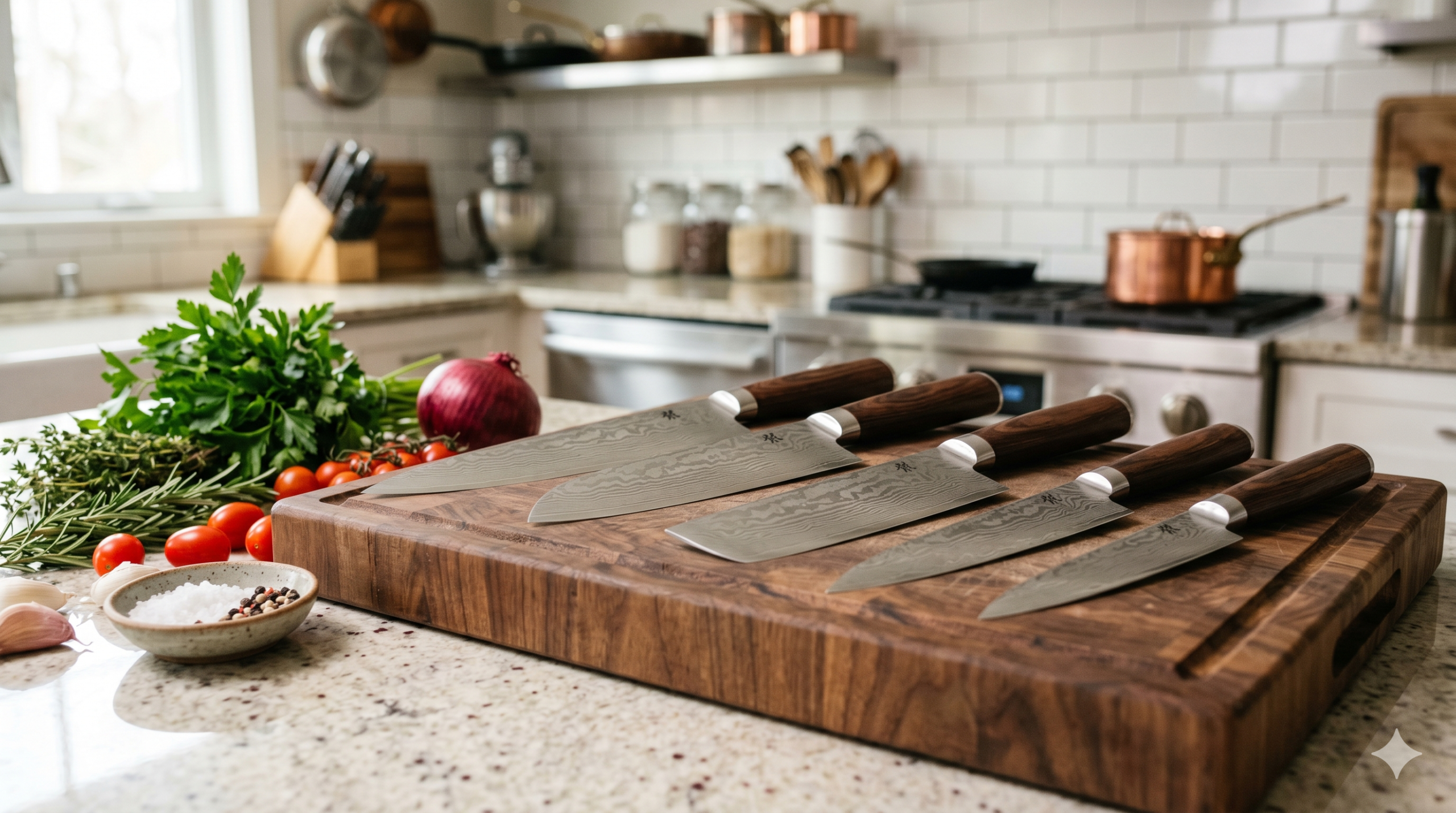
This article was created with AI writing assistance (ChatGPT, Claude, etc.). Product selection, specifications, and reviews are verified by the Japan Life Lab editorial team.
This article contains promotional / affiliate links.
Tax-free shopping in Japan changes on 1 November 2026
Until 31 October you show your passport at the till and simply pay without the 10% consumption tax. From 1 November you pay the full tax-included price in the shop and claim the tax back at the airport — at a customs kiosk or through Visit Japan Web — before you check in.
- The ¥5,000 minimum per shop, per day stays the same.
- The general-goods / consumables split is abolished, and so is the ¥500,000 cap on consumables.
- Sealed packaging is abolished — but consumables still have to leave Japan unused.
- Everything on the receipt has to be with you at departure. Customs can ask to see it.
Shopping before 1 November? Nothing changes for you yet.
⏱ The short answer (30 seconds)
In a hurry? The full reasons and prices are right below.
- Tojiro DP SantokuBest Budget Beginner Knife
- MAC MTH-80 Professional Hollow EdgeBest All-Rounder
- Shun Classic 8″ Chef’s KnifeBest Premium Damascus
- Global G-2 8″ Chef’s KnifeBest Iconic Stainless
- Miyabi Birchwood SG2 5000MCD 8″Best Luxury Knife
※ If in doubt, go with #1. Budget picks are further down the page.
Why Japanese Kitchen Knives Are Worth It in 2026
Anyone who has cooked with a genuine Japanese kitchen knife knows the feeling: tomatoes that fall apart into paper-thin slices, onions that don’t make you cry, and a clean, effortless glide through fish and herbs. Japanese knives are prized worldwide for their razor-sharp edges, hard high-carbon steel, and beautiful craftsmanship rooted in centuries of swordsmithing tradition.
But with so many brands, steels, and blade shapes, choosing your first (or next) Japanese knife can be confusing. Should you get a santoku or a gyuto? Is Damascus steel worth it? What about maintenance? This guide breaks down everything you need to know and recommends 5 outstanding Japanese knives for 2026 — from an affordable beginner pick to a stunning luxury blade — all available to ship worldwide via Amazon and Buyee.
How to Choose a Japanese Kitchen Knife
Gyuto vs. Santoku: which blade shape?
A gyuto is the Japanese take on a Western chef’s knife — longer (200–240mm), with a curved belly that suits both rocking and push cuts. It’s the most versatile all-rounder. A santoku is shorter (165–180mm), lighter, and flatter, making it easier to control for beginners and ideal for precise up-and-down chopping. If you want one do-it-all knife, choose a gyuto; if you want something nimble and beginner-friendly, choose a santoku.
Steel type and hardness
Japanese knives use harder steel (often 60–63 HRC) than Western knives, which lets them take and hold a much keener edge. VG10 and VG-MAX are popular stainless steels that balance sharpness and easy care; SG2/R2 powdered steel holds an edge even longer but costs more. Harder steel is sharper but slightly more brittle, so avoid bones and frozen food.
Single vs. double bevel
Traditional Japanese knives like yanagiba are single-bevel (sharpened on one side) for ultimate precision but require skill. For everyday home cooking, choose a double-bevel knife — sharpened on both sides like Western knives — which is far more forgiving and works for both right- and left-handed cooks.
Maintenance and care
Japanese knives reward a little care. Hand-wash and dry immediately (never the dishwasher), use a wooden or plastic cutting board (not glass or stone), and hone or sharpen on a whetstone every few weeks of regular use. Stainless steels like VG10 resist rust; carbon steels need extra drying but get even sharper.
Budget: how much should you spend?
A great entry-level Japanese knife starts around $60–80 and will already outperform most supermarket knives. The $120–180 range is the sweet spot for most home cooks, offering premium steel and fit-and-finish. Above $300 you enter collector/luxury territory with powdered steels and hand-finished Damascus.
The 5 Best Japanese Kitchen Knives in 2026
1. Tojiro DP Santoku — Best Budget Beginner Knife
If you want to experience true Japanese sharpness without spending a fortune, the Tojiro DP Santoku is the knife almost every expert recommends first. It features a VG10 stainless steel core clad in two outer layers of softer stainless for durability, giving you a hard, keen edge that’s still easy to maintain.
At around 170mm, it’s light and nimble — perfect for everyday vegetables, boneless meat, and fish. The simple, no-frills design keeps the price low while delivering the genuine ‘aha moment’ of Japanese cutlery. It’s the ideal first Japanese knife and a fantastic value.
| Steel | VG10 core, 3-layer stainless |
|---|---|
| Blade length | 170mm (santoku) |
| Edge | Double bevel |
| Hardness | approx. 60 HRC |
| Price range | approx. $60–75 |
✅ Pros
- Genuine VG10 sharpness at a low price
- Lightweight and easy to control
- Easy to maintain (stainless)
- Trusted brand recommended for beginners
⚠️ Cons
- Plain looks compared to premium knives
- Basic handle comfort
👍 Who it’s for
- First-time Japanese knife buyers
- Cooks who want maximum value
- Anyone upgrading from supermarket knives
2. MAC MTH-80 Professional Hollow Edge — Best All-Rounder
Frequently crowned the best chef’s knife by testing labs, the MAC MTH-80 is an 8-inch gyuto-style blade beloved by professionals and home cooks alike. Its thin, hard high-carbon steel takes an extremely sharp edge, while the dimpled hollow edge helps food release cleanly instead of sticking.
The MTH-80 is light, balanced, and astonishingly versatile — equally at home slicing, dicing, and mincing. If you want a single knife that does almost everything brilliantly and feels great in the hand, this is the one to beat.
| Steel | High-carbon cutlery steel |
|---|---|
| Blade length | 200mm (8″, gyuto) |
| Edge | Double bevel, hollow dimples |
| Hardness | approx. 59–61 HRC |
| Price range | approx. $140–150 |
✅ Pros
- Consistently rated #1 all-round chef’s knife
- Razor-sharp, thin blade
- Hollow edge reduces sticking
- Excellent balance and agility
⚠️ Cons
- Pricier than entry-level options
- Carbon steel needs careful drying
👍 Who it’s for
- Cooks who want one do-it-all knife
- Home chefs ready to invest once
- Anyone who values cutting performance above all
3. Shun Classic 8″ Chef’s Knife — Best Premium Damascus
Shun’s Classic line is the knife that introduced millions to premium Japanese cutlery, and for good reason. A VG-MAX ‘super steel’ core is layered with 68 folds of Damascus stainless, creating a gorgeous flowing pattern that’s as functional as it is beautiful — it reduces sticking and resists corrosion.
The D-shaped PakkaWood handle is comfortable and grippy, and the 16° edge is scary sharp out of the box. Shun also offers free lifetime sharpening, making this a premium knife you can keep razor-keen for years. It’s the perfect ‘treat yourself’ chef’s knife.
| Steel | VG-MAX core, 68-layer Damascus |
|---|---|
| Blade length | 200mm (8″, gyuto) |
| Edge | Double bevel, 16° |
| Hardness | approx. 60–61 HRC |
| Price range | approx. $160–185 |
✅ Pros
- Stunning Damascus looks
- Very sharp VG-MAX steel
- Comfortable D-shaped handle
- Free lifetime sharpening from Shun
⚠️ Cons
- Premium price
- Harder steel: avoid bones/twisting
👍 Who it’s for
- Cooks who want beauty and performance
- Gift buyers seeking a ‘wow’ knife
- Anyone wanting a long-term premium blade
4. Global G-2 8″ Chef’s Knife — Best Iconic Stainless
Instantly recognizable by its seamless, all-stainless one-piece design, the Global G-2 is a modern classic found in professional kitchens worldwide. Made from Global’s proprietary CROMOVA 18 stainless steel, the blade is sharp, highly rust-resistant, and incredibly easy to clean — there are no seams or rivets where bacteria can hide.
The hollow handle is filled with sand for perfect balance and has a distinctive dimpled grip. Lightweight and durable, the G-2 is a superb choice for cooks who want an easy-care, hygienic, dishwasher-tough knife with timeless style.
| Steel | CROMOVA 18 stainless, one-piece |
|---|---|
| Blade length | 200mm (8″, gyuto) |
| Edge | Double bevel |
| Hardness | approx. 56–58 HRC |
| Price range | approx. $110–130 |
✅ Pros
- Iconic seamless, hygienic design
- Highly rust-resistant and easy to clean
- Lightweight with great balance
- Durable everyday workhorse
⚠️ Cons
- Dimpled handle can feel slippery to some
- Slightly softer steel than premium picks
👍 Who it’s for
- Cooks who prioritize easy care and hygiene
- Fans of modern, minimalist design
- Busy kitchens wanting a tough daily knife
5. Miyabi Birchwood SG2 5000MCD 8″ — Best Luxury Knife
For the cook who wants the absolute best, the Miyabi Birchwood is arguably the most beautiful production knife in the world. A micro-carbide SG2 powdered-steel core is wrapped in 100 layers of Damascus and finished with a hand-honed Honbazuke 9.5° edge that’s extraordinarily keen and holds for an exceptionally long time.
The genuine Karelian birchwood handle is a work of art, and the flower-pattern Damascus is breathtaking. This is a luxury blade that performs as spectacularly as it looks — a centerpiece for serious cooks and collectors.
| Steel | SG2 micro-carbide core, 100-layer Damascus |
|---|---|
| Blade length | 200mm (8″, gyuto) |
| Edge | Honbazuke, 9.5° per side |
| Hardness | approx. 63 HRC |
| Price range | approx. $350–400 |
✅ Pros
- Exceptional SG2 edge retention
- Breathtaking 100-layer Damascus
- Luxurious Karelian birch handle
- A true heirloom-quality knife
⚠️ Cons
- Premium luxury price
- Hard steel needs careful use and a whetstone
👍 Who it’s for
- Serious cooks and collectors
- Special-occasion gift buyers
- Anyone wanting the very best
Quick Comparison Table
| Knife | Best for | Steel | Length | Price |
|---|---|---|---|---|
| Tojiro DP Santoku | Budget / beginner | VG10 | 170mm | $60–75 |
| MAC MTH-80 | Best all-rounder | High-carbon | 200mm | $140–150 |
| Shun Classic 8″ | Premium Damascus | VG-MAX | 200mm | $160–185 |
| Global G-2 | Iconic / easy care | CROMOVA 18 | 200mm | $110–130 |
| Miyabi Birchwood | Luxury / heirloom | SG2 | 200mm | $350–400 |
Final Verdict
There’s no single ‘best’ Japanese knife — only the best one for you. For most people starting out, the Tojiro DP Santoku delivers unbeatable value, while the MAC MTH-80 is the all-rounder to buy if you want one knife for life. Choose the Shun Classic for beauty and performance, the Global G-2 for easy, hygienic care, and the Miyabi Birchwood when only the best will do.
Whichever you pick, a quality Japanese knife will transform your cooking — and with worldwide shipping via Amazon and Buyee, an authentic blade from Japan is just a click away.
Don’t Forget a Whetstone
A Japanese knife stays magical only if you sharpen it. Skip the pull-through sharpeners (they ruin Japanese edges) and get a simple combination whetstone — the King 1000/6000 grit stone is the classic starter used in kitchens across Japan. Five minutes a month keeps your blade scary-sharp.
Buying Knives in Japan: Quick Tips
Visiting Japan? Kappabashi Street in Tokyo and Sakai in Osaka are knife heaven — many shops offer free engraving and tax-free shopping. Remember to pack knives in checked luggage only. If you fall in love with a model after returning home, Buyee lets you order from Japanese shops that don’t ship internationally.
Frequently Asked Questions
Are Japanese knives better than German knives?
They serve different needs. Japanese knives use harder steel for a sharper, thinner edge that excels at precise slicing, while German knives are heavier and tougher for rough tasks. Many cooks own both, but for everyday sharpness most prefer a Japanese blade.
Can I put a Japanese knife in the dishwasher?
No. Always hand-wash and dry your Japanese knife immediately. Dishwashers dull and can corrode the blade, and the high heat can damage wooden handles. Proper care keeps the edge sharp for years.
Santoku or gyuto for a beginner?
A santoku is generally easier for beginners — it’s shorter, lighter, and flatter for simple chopping. A gyuto is more versatile but a little longer. Both are excellent; pick the santoku if you want maximum control.
How do I keep my Japanese knife sharp?
Use a whetstone (around 1000/6000 grit) every few weeks of regular use, and store the knife on a magnetic strip or in a sheath rather than loose in a drawer. Avoid cutting bones, frozen food, or using glass cutting boards.
🗾 More Japan Buying Guides
🔥 Editor’s Picks for Life & Travel in Japan
📘 The Japan Expat Starter Kit 2026
Banking, housing, My Number, taxes, 100 phrases and a 40-kanji cheat sheet — everything from this site in one 17-chapter PDF field manual. Free lifetime 2026 updates.
Reader price: $9.99 $6.99 with code JLL30 at checkout
30-day money-back guarantee · Instant download · PR
🛒 Ready to Buy? Shop These in Japan!
Get fast delivery across Japan — including same-day in major cities
Practical guides for life and travel in Japan — free, about once a week. No spam, unsubscribe anytime.
☕ Enjoying our Japan guides?
If this article helped you, you can support our work with a coffee!
Leave a Reply