This article was created with AI writing assistance (ChatGPT, Claude, etc.). Product selection, specifications, and reviews are verified by the Japan Life Lab editorial team.
This article contains promotional / affiliate links.
Tax-free shopping in Japan changes on 1 November 2026
Until 31 October you show your passport at the till and simply pay without the 10% consumption tax. From 1 November you pay the full tax-included price in the shop and claim the tax back at the airport — at a customs kiosk or through Visit Japan Web — before you check in.
- The ¥5,000 minimum per shop, per day stays the same.
- The general-goods / consumables split is abolished, and so is the ¥500,000 cap on consumables.
- Sealed packaging is abolished — but consumables still have to leave Japan unused.
- Everything on the receipt has to be with you at departure. Customs can ask to see it.
Shopping before 1 November? Nothing changes for you yet.
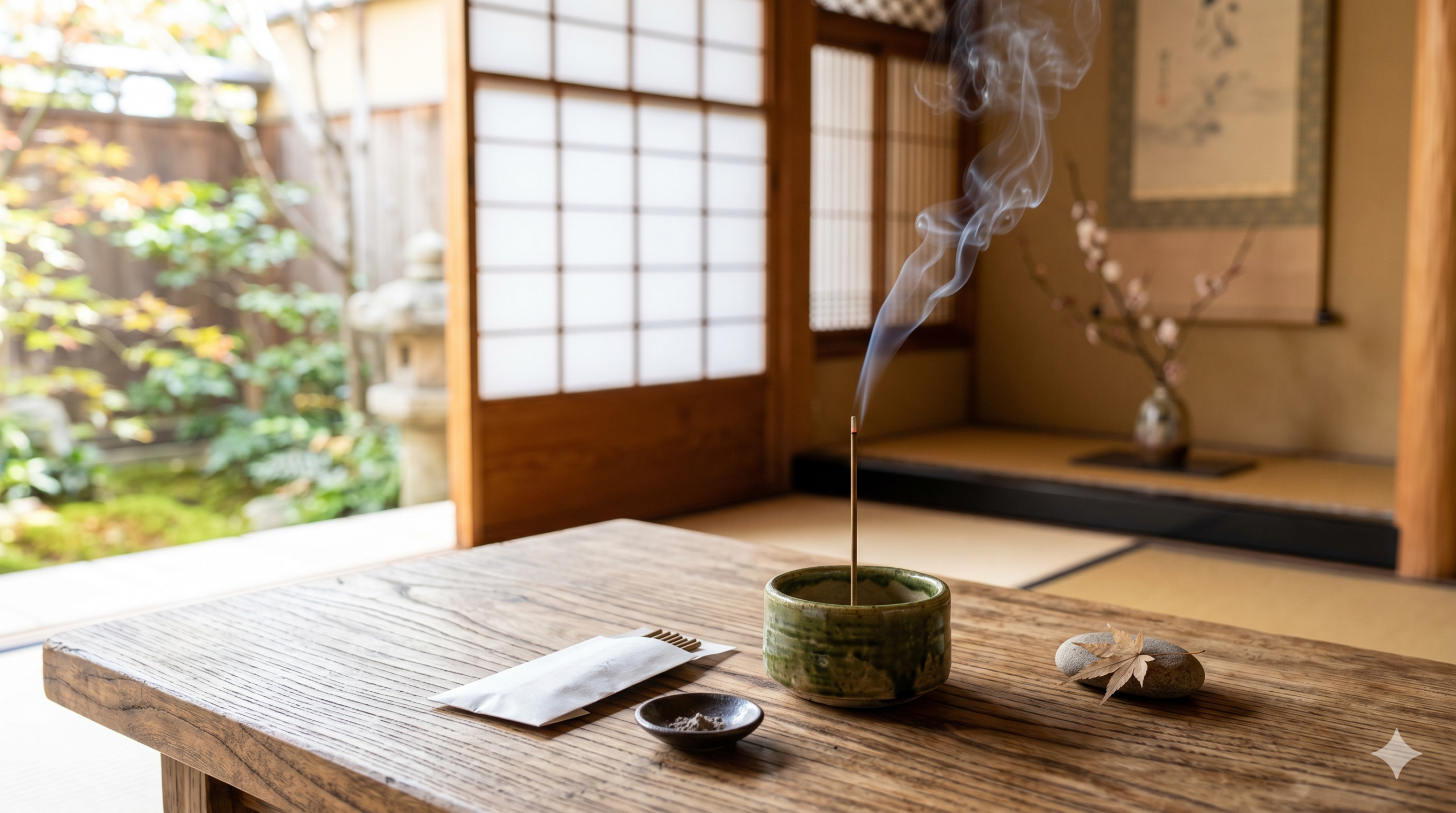
Japanese incense (kōh) is a centuries-old craft prized for its clean, subtle, smoke-light fragrance — a world apart from heavier incense traditions. Whether you want to unwind after work, set a calm mood for meditation, or bring a little Japanese ritual into your home, these are the Japanese incense brands worth seeking out in 2026.
⏱ The short answer (30 seconds)
In a hurry? The full reasons and prices are right below.
- Nippon Kodo (日本香堂)
- Shoyeido (松栄堂)
- Baieido (梅栄堂)
- Hibi (10-Minute Incense Matches)
- Awaji Island Incense (Awaji-Baikundo & others)
※ If in doubt, go with #1. Budget picks are further down the page.
Which Japanese incense brand is the highest quality?
Short answer: the six houses below are the ones connoisseurs actually name. Baieido and Yamadamatsu are the purists’ choice for raw aloeswood and sandalwood quality; Shoyeido and Kyukyodo are the best balance of quality and availability outside Japan; Kungyokudo is the oldest of the Kyoto houses; and Nippon Kodo is the mass-market brand you will find in any Japanese supermarket. “Highest quality” in practice means how much real aloeswood (jinko) and sandalwood is in the stick rather than how famous the name is.
| House | Base | Known for | Quality tier |
|---|---|---|---|
| Baieido | Osaka (Sakai) | Pure aloeswood and sandalwood blends, minimal perfume | Connoisseur |
| Yamadamatsu | Kyoto | Raw material sourcing, high-grade jinko | Connoisseur |
| Kungyokudo | Kyoto | Oldest of the Kyoto incense houses, temple supply | Traditional premium |
| Kyukyodo | Kyoto | Refined classical blends, gift boxes | Traditional premium |
| Shoyeido | Kyoto | Widest export range, consistent quality at every price | Premium to everyday |
| Nippon Kodo | Tokyo | Everyday sticks, Mainichi-Koh, low-smoke lines | Everyday |
How to judge quality yourself
- Read the ingredients, not the box. Real jinko (aloeswood) and byakudan (sandalwood) cost money; sticks that list only “fragrance” are perfumed wood powder.
- Price per stick is the honest signal. Everyday sticks run a few yen each; genuine aloeswood blends run into the hundreds of yen per stick, and that gap is raw material, not branding.
- Smoke should be thin and even. Harsh or acrid smoke usually means filler and binder rather than wood.
- Buy small first. Every serious house sells assortment boxes precisely because scent preference is personal.
Why Japanese incense is special
Japanese incense is famous for its refined, low-smoke fragrances built around natural ingredients like sandalwood (byakudan), agarwood (jinkō) and aromatic herbs. Makers blend with the same precision Japan brings to tea and craft, producing scents that are clean and calming rather than overpowering. Many lines are designed for daily relaxation, and a single box lasts a long time — which is why fans around the world keep restocking.
The 5 Best Japanese Incense Brands in 2026
1. Nippon Kodo (日本香堂)
Nippon Kodo is Japan’s best-known incense maker and the easiest entry point. Its everyday lines like Mainichi-Koh and the colourful Kayuragi series offer gentle, approachable scents — green tea, sandalwood, yuzu and more.
Widely available and very affordable, Nippon Kodo is the perfect first purchase to discover why Japanese incense has such a devoted following.
2. Shoyeido (松栄堂)
Founded in Kyoto over 300 years ago, Shoyeido is one of Japan’s most respected incense houses. Its blends are elegant and complex, ranging from accessible daily sticks to premium agarwood lines.
If you want to experience traditional Kyoto craftsmanship, Shoyeido is the benchmark — refined, balanced and beautifully made.
3. Baieido (梅栄堂)
Baieido is a historic Osaka maker beloved by incense connoisseurs for its pure, restrained sandalwood and agarwood blends. There are no artificial-smelling shortcuts here — just clean, natural fragrance.
For those who appreciate subtlety and quality woods, Baieido is a favourite that rewards a more discerning nose.
4. Hibi (10-Minute Incense Matches)
Hibi is a modern Japanese innovation: incense you light like a match. Each stick burns for about 10 minutes on its own little mat — no holder required — releasing a gentle scent.
Beautifully packaged and travel-friendly, Hibi makes a wonderful gift and a perfect way to enjoy a quick moment of calm.
5. Awaji Island Incense (Awaji-Baikundo & others)
Awaji Island is the heart of Japanese incense production, home to makers like Awaji-Baikundo. Incense from Awaji is known for consistent quality and a wide range of natural, everyday scents at fair prices.
Choosing an Awaji-made box is a reliable way to get authentic Japanese incense with great value.
How to choose Japanese incense
For beginners: start with Nippon Kodo Kayuragi or Mainichi-Koh — gentle, affordable and easy to enjoy.
For tradition & quality: Shoyeido (Kyoto) and Baieido (Osaka) offer refined sandalwood and agarwood blends.
For gifts & travel: Hibi match-style incense is beautifully packaged and needs no holder.
Low smoke: look for “less smoke” lines if you are sensitive — Japanese incense is generally light, but some are extra-low.
Buying from abroad: many boxes are on Amazon; for Japan-only scents and premium agarwood, a proxy like Buyee ships worldwide.
FAQ
Is Japanese incense different from Indian incense?
Yes — Japanese incense is typically lighter, cleaner and lower in smoke, focused on subtle natural woods and herbs rather than heavy, sweet scents.
Do I need a special holder?
Most stick incense uses a simple holder (often included or sold cheaply). Hibi match-style incense needs no holder at all.
What is a good first scent?
Sandalwood (byakudan) or green tea are easy, universally pleasant choices to start with.
Related guides
- Best Japanese Teaware 2026
- Best Japanese Stationery 2026
- Best Japanese Matcha & Green Tea 2026
- Best Souvenirs to Buy in Japan 2026
Frequently asked questions
What is the highest quality Japanese incense brand?
Among specialists, Baieido and Yamadamatsu are most often named for raw material quality, while Shoyeido and Kyukyodo offer the best combination of quality and availability outside Japan. Nippon Kodo is the everyday brand, not the premium one.
What makes Japanese incense different from Indian incense?
Japanese sticks are typically made without a bamboo core and rely on the wood itself, which gives a cleaner, less smoky burn. Indian masala sticks are usually hand-rolled around a bamboo splint with a heavier oil load.
Is expensive Japanese incense worth it?
If you are buying for the scent of the wood itself, yes, because the price is mostly raw aloeswood. If you want a pleasant room fragrance for daily use, a mid-range Shoyeido or Nippon Kodo stick delivers most of the experience for a fraction of the cost.
Where can I buy authentic Japanese incense in Japan?
Kyoto is the centre — the historic houses all run their own shops there. In Tokyo, department store gift floors and specialist shops carry the same lines. See our Tokyo shopping guide for how tax-free purchases work in 2026.
🔥 Editor’s Picks for Life & Travel in Japan
📘 The Japan Expat Starter Kit 2026
Banking, housing, My Number, taxes, 100 phrases and a 40-kanji cheat sheet — everything from this site in one 17-chapter PDF field manual. Free lifetime 2026 updates.
Reader price: $9.99 $6.99 with code JLL30 at checkout
30-day money-back guarantee · Instant download · PR
🛒 Ready to Buy? Shop These in Japan!
Get fast delivery across Japan — including same-day in major cities
Practical guides for life and travel in Japan — free, about once a week. No spam, unsubscribe anytime.
☕ Enjoying our Japan guides?
If this article helped you, you can support our work with a coffee!
Leave a Reply