Category: Japan Fashion

Japanese fashion brands, streetwear, and style guides for Japan lovers worldwide

  • How to Buy Japanese Fashion from Abroad 2026: Buyee, Amazon Japan & More

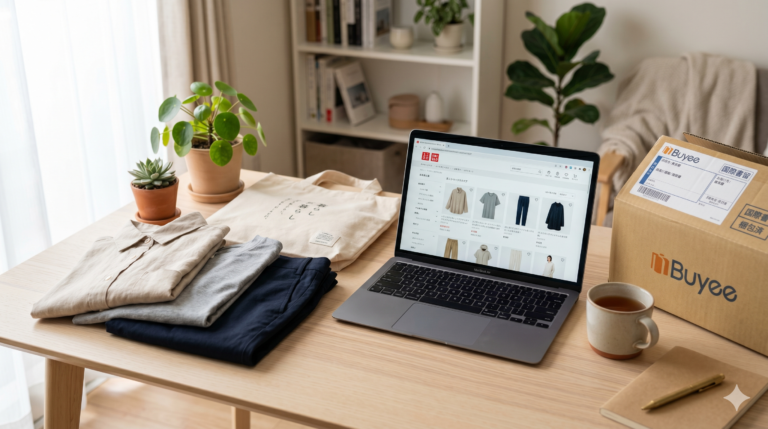
    How to Buy Japanese Fashion from Abroad 2026: Buyee, Amazon Japan & More

    πŸ“ AI-Assisted Content Notice
    This article was created with AI writing assistance. Service details and pricing are verified by the Japan Life Lab editorial team.

    You’ve fallen down the rabbit hole. You’ve been watching Japanese street fashion videos, obsessing over UNIQLO Japan exclusives, and stalking GU’s Instagram for pieces that never make it to your country. You want it. But how do you actually buy it from abroad?

    The good news: it’s never been easier to shop Japanese fashion internationally. Between proxy services, Amazon Japan, and brands expanding global shipping, your options are extensive. The bad news: each method has catches β€” shipping fees, payment friction, size restrictions, customs costs. This guide cuts through the confusion so you can shop smart.

    Method 1: Buy Directly from Japanese Brand Websites

    The easiest route when it works. Several major Japanese fashion brands now ship internationally from their own sites.

    UNIQLO Global

    UNIQLO’s international site (uniqlo.com) ships to most countries. The selection is solid but deliberately curated β€” Japan-exclusive colorways and limited collabs often don’t appear here. If you want the full Japan lineup, you’ll need a different method.

    • Ships to: US, EU, Australia, most of Asia, and more (60+ countries)
    • Payment: Major credit cards, PayPal
    • Shipping cost: Free over a threshold (~$50–$75 depending on region)
    • Returns: Available in most markets
    πŸ’‘ Pro tip: Create a Japanese UNIQLO account at uniqlo.com/jp to browse the full Japan catalog. You can see items and colorways not available on the global site. Then use Buyee to order them.

    Muji Global

    Muji ships internationally via muji.com and has stores across Europe, North America, and Asia. The global selection is comprehensive for clothing β€” most core items are available.

    • Ships to: Worldwide (store availability varies)
    • Payment: Major credit cards
    • Shipping cost: Varies by region, free over threshold

    Method 2: Amazon Japan (amazon.co.jp)

    Amazon Japan is massively underused by international shoppers. It carries an enormous range of Japanese fashion β€” UNIQLO, GU third-party sellers, and hundreds of Japanese brands β€” and ships to over 100 countries directly.

    How to Shop Amazon Japan Internationally

    • Go to amazon.co.jp and change the delivery address to your country
    • The site will filter to items eligible for international shipping
    • Pay with international credit cards β€” Visa, Mastercard, Amex all work
    • Prices display in JPY but your card converts automatically
    πŸ’‘ Important: Not all items on Amazon Japan ship internationally. Look for the globe icon or “International Shipping Eligible” label. Third-party sellers may not ship abroad even if the main Amazon listing does.

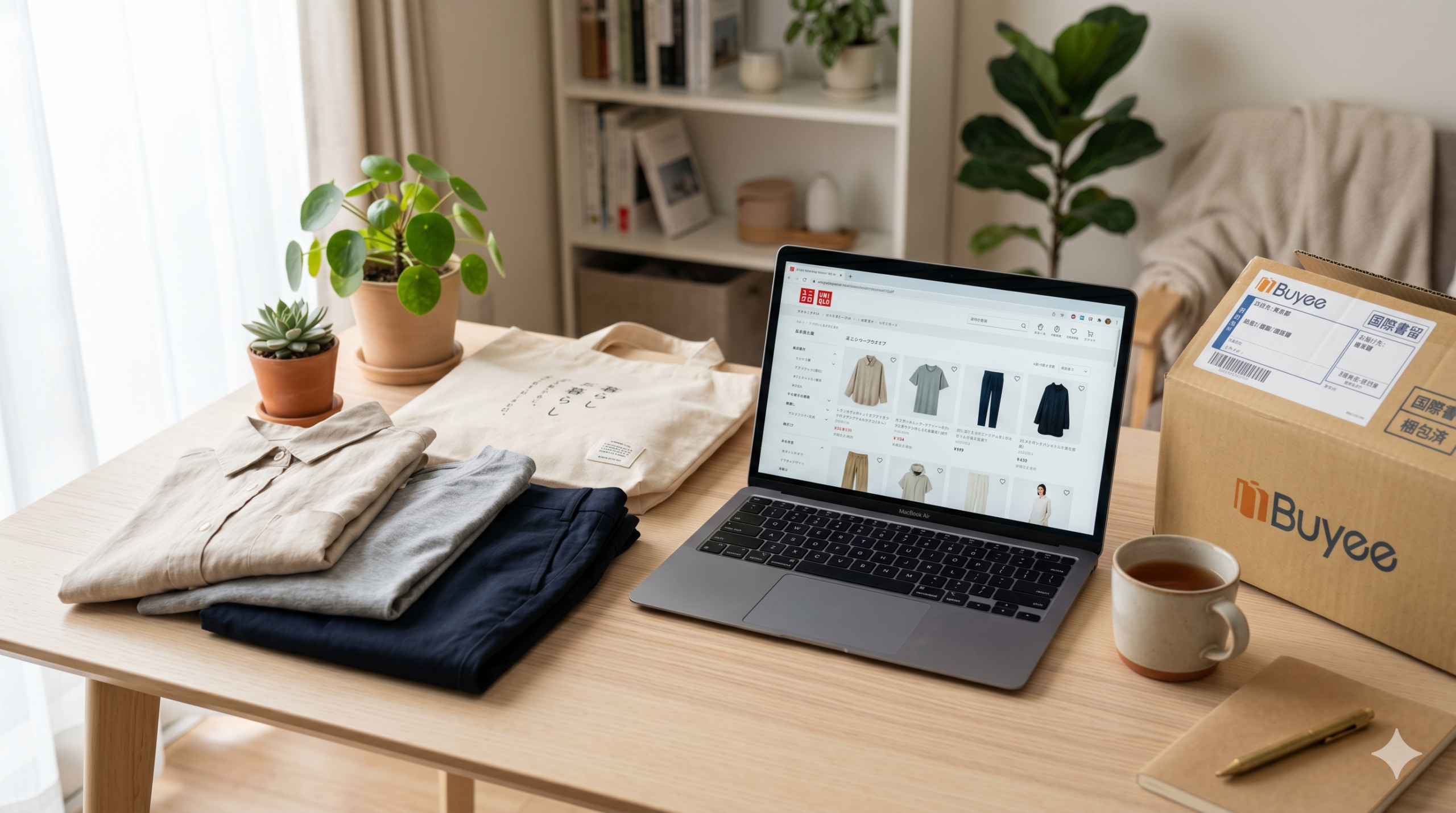
    Method 3: Buyee β€” The Proxy Service for Everything Else

    This is the game-changer. Buyee is a Japan-based proxy shopping service that lets you buy from virtually any Japanese online store β€” including ones that don’t ship internationally at all β€” and forwards the package to you worldwide.

    How Buyee Works

    • You create a free Buyee account and get a Japanese delivery address
    • You shop normally on Japanese sites (GU, Zozotown, Mercari Japan, etc.)
    • Items ship to your Buyee warehouse address in Japan
    • Buyee consolidates your purchases and ships everything together to your country
    • You pay Buyee’s service fee (around 300–500 yen per item) plus international shipping

    What You Can Buy via Buyee

    Almost everything. The most popular uses among Japan fashion fans:

    • GU (gu-global.com) β€” the main reason most fashion fans use Buyee
    • Zozotown β€” Japan’s largest fashion marketplace, thousands of brands
    • Mercari Japan β€” secondhand Japanese streetwear and vintage at great prices
    • Beams, United Arrows, Ships β€” premium select shops
    • Rakuten Ichiba β€” massive variety including niche Japanese brands

    Buyee Cost Breakdown (Example Order)

    Cost ItemApprox. AmountNotes
    Item price (GU hoodie)Β₯2,990 (~$20)Actual product cost
    Buyee service feeΒ₯300 per itemCan be reduced with membership
    Japan domestic shippingΒ₯0–Β₯800Paid to store
    International shippingΒ₯1,500–Β₯4,000Depends on weight and destination
    Customs/import duty0–20%Depends on your country

    Pro tip: Order multiple items at once to maximize shipping efficiency β€” Buyee consolidates packages, so the international shipping cost per item drops significantly with bigger orders.

    Method 4: Zozotown International

    Zozotown (zozo.jp) is Japan’s version of ASOS or Zalando β€” the dominant online fashion marketplace carrying hundreds of Japanese brands. They launched international shipping and it has improved significantly.

    • Ships to: Selected countries (US, UK, EU, Australia, parts of Asia)
    • Selection: Thousands of Japanese brands including niche labels
    • Payment: Credit cards, PayPal
    • Sizing: Japanese sizing throughout β€” measure carefully

    Method 5: Rakuten Global Market

    Rakuten’s global marketplace gives access to Japanese sellers who’ve opted in to international shipping. Good for mainstream brands, Japanese streetwear labels, and finding deals on popular items.

    • Ships to: Worldwide
    • Payment: Credit cards, PayPal
    • Best for: Branded items, traditional Japanese clothing (kimono, yukata)

    Customs and Import Duties: What to Expect

    CountryDuty-Free ThresholdImport Rate
    United States$8000–20% above threshold
    United KingdomΒ£13512% + 20% VAT above threshold
    EU (Germany/France etc)€15012% + local VAT above threshold
    AustraliaAUD $1,0005% + 10% GST above threshold
    CanadaCAD $20Varies by item type
    πŸ’‘ Tip: US buyers have a huge advantage with the $800 duty-free threshold. You can order a substantial haul without paying any import duties β€” making Buyee particularly cost-effective from the US.

    Best Method by Brand

    BrandBest MethodNotes
    UNIQLOUNIQLO Global siteUse Buyee for Japan-exclusive items
    GUBuyee (only option)No international shipping from GU directly
    MujiMuji.com directGlobal site has good selection
    BeamsBuyee or ZozotownFull catalog via Buyee
    Secondhand/VintageBuyee via Mercari JapanBest prices on used Japanese streetwear

    Final Advice

    For most international Japan fashion shoppers, the ideal setup is simple: use UNIQLO Global and Muji.com for your basics (free shipping, easy returns), and use Buyee for everything else β€” GU, Zozotown, Mercari Japan, and any Japanese brand that doesn’t ship internationally. Buy multiple items per Buyee order to spread the shipping cost.

    Once you’ve done it once, you’ll wonder why you waited so long.

  • Best Japanese Fashion Brands 2026: UNIQLO, GU, Muji & Beyond

    Best Japanese Fashion Brands 2026: UNIQLO, GU, Muji & Beyond

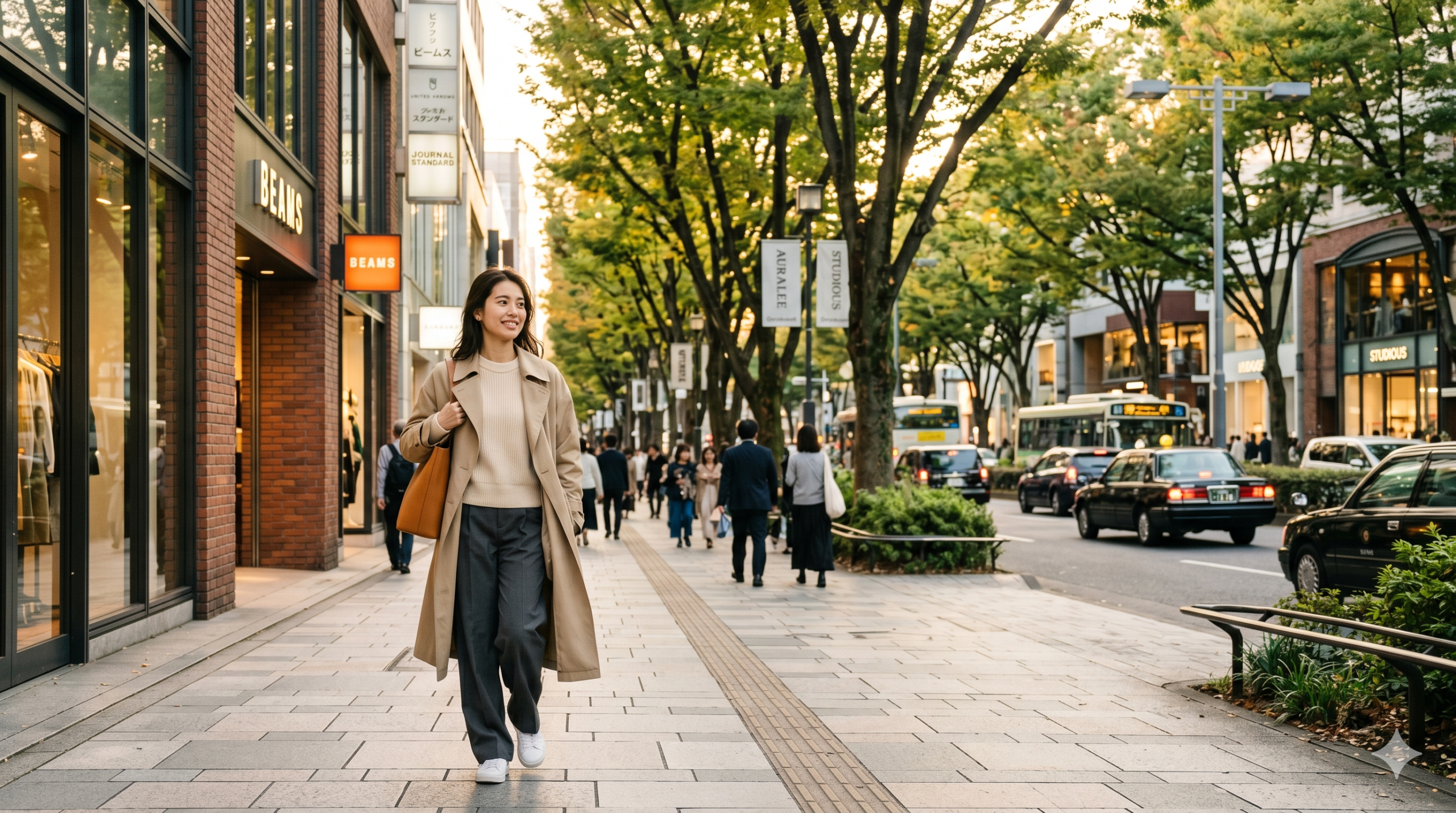
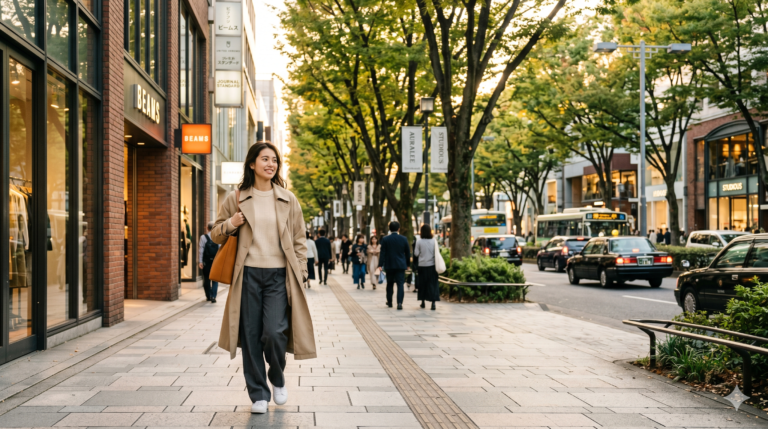
    🎬 Tokyo street fashion β€” Harajuku & Omotesando 2026

    πŸ“ AI-Assisted Content Notice
    This article was created with AI writing assistance. Product information and brand details are verified by the Japan Life Lab editorial team.

    Japan has quietly become one of the world’s most influential fashion capitals β€” not just for Harajuku cosplay or anime-inspired looks, but for everyday wearable style that’s taken over global wardrobes. UNIQLO stores now dot every major city on earth, “quiet luxury” blogs cite Muji as gospel, and GU’s ultra-affordable minimalism is winning over budget-conscious Gen Z shoppers worldwide.

    But here’s the problem: shopping Japanese fashion from outside Japan is confusing. Which brands actually ship internationally? What’s the difference between UNIQLO Japan and UNIQLO abroad? Where do you find the niche labels that never leave Tokyo? This guide answers all of it.

    Top Japanese Fashion Brands for International Shoppers

    1. UNIQLO β€” The Global Standard-Bearer

    UNIQLO is Japan’s undisputed fashion export champion. What started as a humble Hiroshima store in 1984 is now a massive global empire. The secret? LifeWear β€” functional, simple, high-quality everyday clothes at prices that don’t require a second mortgage. Japan stores carry exclusive collections and colorways that never appear internationally.

    • Price range: Β₯990–Β₯29,900 (~$6–$200)
    • Ships internationally: Yes via UNIQLO Global Online Store
    • Best for: Basics, outerwear, innerwear, LifeWear staples
    • Can’t-miss items: HEATTECH, Ultra Light Down, Kando Pants, Airism
    πŸ’‘ Pro tip: UNIQLO Japan runs 30–50% off sales weekly. Check the Japanese site even if buying internationally β€” deals hit Japan first.

    2. GU β€” UNIQLO’s Trendier, Cheaper Sibling

    GU is the fashion-forward, wallet-friendly answer to UNIQLO. Same parent company, but GU chases trends aggressively at prices that feel almost criminal. A full outfit can come in under Β₯5,000 ($33). The catch? GU barely exists outside Japan β€” making it the brand Japan-lovers most desperately want access to.

    • Price range: Β₯490–Β₯9,990 (~$3–$65)
    • Ships internationally: Japan online store only β€” use Buyee
    • Best for: Trendy basics, seasonal pieces, affordable minimalist looks
    • Can’t-miss items: Balloon trousers, oversized hoodies, denim collections

    3. Muji β€” The Philosophy of No Brand

    Muji (焑印良品) is practically a religion in Japan. Its aesthetic β€” undyed fabrics, natural textures, zero logo β€” has become the visual language of minimalism worldwide. Muji’s clothing centers on natural materials (organic cotton, linen, wool) and relaxed gender-neutral silhouettes. Nothing screams for attention. Everything works with everything else.

    • Price range: Β₯990–Β₯19,900 (~$6–$130)
    • Ships internationally: Yes, muji.com ships globally
    • Best for: Minimalist basics, loungewear, natural fiber pieces, gifting
    • Can’t-miss items: French linen shirts, organic cotton tees, wool sweaters

    4. Beams β€” Japan’s Most Influential Select Shop

    If you want to understand what fashionable Japanese people actually wear, look at Beams. Founded in 1976 in Harajuku, Beams pioneered the “select shop” model β€” curating Japanese and international brands under one roof with impeccable editorial taste. Their collab history reads like a who’s who: New Balance, Nike, Carhartt, Barbour, Pendleton.

    • Price range: Β₯3,000–Β₯100,000+ (~$20–$650+)
    • Ships internationally: Via Buyee or Rakuten Global
    • Best for: Elevated casual, Japan-exclusive collabs, Americana-influenced Japanese style

    5. Comme des Garcons (CDG) β€” Japan’s Fashion Avant-Garde

    No list of Japanese fashion is complete without Rei Kawakubo’s Comme des Garcons. CDG shattered Western fashion conventions when it debuted in Paris in 1981. The more accessible Play CDG line β€” with its signature heart logo β€” has become a wardrobe staple for fashion enthusiasts globally and is widely available internationally.

    • Price range: Β₯5,000–Β₯200,000+ (Play line from ~$80)
    • Ships internationally: Via Dover Street Market online, Buyee, stockists worldwide
    • Best for: Statement pieces, collector’s items, Play line for everyday

    Japanese Fashion Styles Explained

    StyleWhat It IsKey BrandsWhere
    HarajukuBold, colorful, maximalist6%DOKIDOKI, SpinnsTakeshita Street
    Shibuya CasualTrendy, youthful, streetwearGU, Wego, SpinnsShibuya 109, online
    Tokyo MinimalNeutral, clean linesUNIQLO, MujiAoyama, Daikanyama
    Ura-HarajukuStreetwear hype cultureWTAPS, NeighborhoodCat Street, Buyee
    Avant-gardeConceptual, deconstructedCDG, Yohji YamamotoAoyama boutiques

    Japanese Sizing Chart

    Japanese sizing runs smaller than US/EU standards. Always check brand-specific size charts before ordering.

    JapanUS Women’sUS Men’sEUChest (cm)
    XS0–23032–3476–80
    S4–63236–3880–88
    M8–103440–4288–96
    L12–143644–4696–104
    XL16–183848–50104–112

    How to Buy Japanese Fashion from Abroad

    • Official international stores (UNIQLO Global, Muji.com): Best for UNIQLO and Muji. Ships globally but limited selection.
    • Amazon Japan (amazon.co.jp): Good for mainstream brands. Ships to 100+ countries. Use the international shipping filter.
    • Buyee proxy service: Best for GU, Beams, Wego β€” anything that does not ship internationally. Buyee buys it in Japan and forwards it to you worldwide.

    Final Thoughts

    Japanese fashion is a philosophy, not just a trend. Whether you’re drawn to the radical simplicity of Muji, the street-savvy cool of GU, or the collector’s obsession of a Beams collab, there’s a Japanese brand that fits your style. Start with UNIQLO if you’re new. Graduate to GU for trends. Then let Beams and CDG take you somewhere you’ve never dressed before.

  • Best Japanese Sunscreen 2026: Why J-Beauty SPF Beats Everything Else (7 Picks)

    Best Japanese Sunscreen 2026: Why J-Beauty SPF Beats Everything Else (7 Picks)

    Japanese sunscreen is globally recognized as the best available β€” and it costs Β₯500–Β₯700 at your corner drugstore. Here’s why beauty enthusiasts fly to Japan specifically to stock up, which products to buy, and exactly how to navigate the label.

    Why Japanese Sunscreen Is in a Different League

    The gap comes down to three things: regulation, formulation, and climate engineering.

    In the United States, sunscreen is classified as a drug by the FDA, meaning new UV filter ingredients take years to approve. Japan’s regulatory framework approves innovations far faster, giving Japanese manufacturers access to advanced UV technology 5–10 years before Western brands can legally use them. Japanese brands have used this head start to build formulas that deliver SPF50+ protection while feeling like moisturizer.

    Japan’s hot, humid summers also pushed manufacturers to solve a real problem Western brands largely ignore: how do you keep sunscreen on through sweat, water, and heat? The answer is proprietary technologies like Anessa’s Auto Booster system, which actually strengthens the UV protection film when exposed to heat and water β€” the opposite of most sunscreens, which degrade.

    The labeling is also genuinely more honest. Japan’s PA++++ system gives you a precise, tested measure of UVA protection. Western “broad spectrum” labels tell you almost nothing specific.

    Understanding the Japanese Label

    SPF β€” UVB protection

    This works the same worldwide. SPF50+ is the maximum rating on Japanese labels, providing approximately 98% UVB protection. Note: Japan caps at SPF50+, while American brands sell SPF100+. The 100+ figure is scientifically misleading (the real difference is minimal). Japanese SPF50+ is the actual maximum effective protection.

    PA β€” UVA protection (Japan’s system)

    This is where Japanese labeling becomes genuinely more informative than Western alternatives:

    • PA+ β€” Minimal UVA protection
    • PA++ β€” Moderate UVA protection
    • PA+++ β€” High UVA protection
    • PA++++ β€” Maximum UVA protection (the highest rating)

    When you see SPF50+ PA++++ on a Japanese sunscreen, you’re getting the highest possible protection in both UVB and UVA categories. Compare this to “broad spectrum SPF50” on a US product, which tells you nothing specific about UVA protection levels.

    Best Japanese Sunscreens 2026

    1. Biore UV Aqua Rich Watery Essence β€” SPF50+ PA++++

    Japan’s #1 best-selling drugstore sunscreen and the best entry point for first-time buyers. The watery essence texture absorbs in seconds, leaves zero white cast, and sits invisibly under makeup. Contains hyaluronic acid for hydration. At Β₯550–Β₯700 for 70g, it delivers performance that rivals Western products costing 5Γ— more. Particularly good for oily and acne-prone skin.

    2. Anessa Perfect UV Sunscreen Skincare Gel β€” SPF50+ PA++++

    Shiseido’s premium lineup and a consistent cult favorite globally. The 2026 formula was released in February, featuring upgraded Auto Booster technology β€” the protection film actively strengthens when exposed to sweat and water. Gel texture, no white cast, works under or over makeup. Price: Β₯2,700–Β₯3,200 for 90g. Best for outdoors, sports, and anyone who sweats heavily.

    3. Skin Aqua Super Moisture Gel β€” SPF50+ PA++++

    Rohto’s best-seller, updated in early 2026 with the highest concentration of three-type hyaluronic acid in the line. The three molecular weights (large, medium, small) provide layered hydration that penetrates to different skin depths. Lightweight gel. Price: Β₯600–Β₯800. Best for dry or dehydrated skin that needs hydration alongside sun protection.

    4. Hada Labo UV White Gel Moisturizer β€” SPF50+ PA++++

    Bridging the gap between drugstore pricing and premium performance. Combines hyaluronic acid with vitamin C for brightening benefits alongside UV protection. Works as a two-in-one moisturizer and sunscreen. Price: Β₯1,000–Β₯1,200. Best for combination skin or anyone wanting to simplify their morning routine.

    5. Anessa Perfect UV Sunscreen Skincare Milk β€” SPF50+ PA++++

    For people who prefer a creamier milk texture over gel. The same Auto Booster technology as the gel but in a formulation that feels richer. Better for dry skin or extended outdoor use (beach, hiking). Price: Β₯2,500–Β₯3,000 for 60ml.

    Where to Buy

    Store What You’ll Find Notes
    Matsumoto Kiyoshi Full range, testers available Tax-free on Β₯5,000+ purchases; English-friendly app coupons
    Welcia Full range, many 24-hour Convenient late-night option
    Don Quijote Large selection, sometimes cheapest Good for bulk buying multiple products
    Convenience stores Limited (Biore, Skin Aqua only) Emergency purchase only; limited selection

    Sunscreen by Skin Type

    • Oily / Acne-prone: Biore UV Aqua Rich, Skin Aqua Super Moisture Gel β€” both dry matte
    • Dry / Dehydrated: Hada Labo UV White Gel, Skin Aqua (triple hyaluronic acid)
    • Sensitive: Look for “ζ•ζ„Ÿθ‚Œε‘γ‘” (sensitive skin) or “δ½ŽεˆΊζΏ€” (low irritation) labels
    • Anti-aging: Hada Labo (vitamin C), Anessa gel (antioxidant ingredients)

    Can You Bring It Home?

    Yes. Japanese customs allows personal-use quantities to leave the country without restriction. For international travel, any bottle under 100ml can go in carry-on luggage; larger bottles need checked bags. For US customs specifically, personal-use quantities of cosmetics imported for personal use are generally allowed without declaration. Keep original packaging if asked at customs.

    Pro tip: Stock up at any major drugstore. A 100g Biore costs Β₯700. That same formula in a “Japanese import” beauty store outside Japan often costs 3–4Γ— more. Buy it while you’re here.

  • Renting a Kimono in Japan 2026: Real Prices, Best Shops & How Not to Get Overcharged

    Renting a Kimono in Japan 2026: Real Prices, Best Shops & How Not to Get Overcharged

    Every year, millions of tourists visiting Japan want to do one thing that has nothing to do with technology or convenience: slip into a beautiful kimono and walk the streets of Kyoto, Asakusa, or Nishiki Market feeling like they’ve stepped back 400 years. Kimono rental has exploded into one of Japan’s most popular tourist activities β€” and for good reason.

    But here’s what the travel blogs don’t always tell you: the difference between a magical experience and an overpriced disappointment often comes down to which shop you choose, what questions you ask, and a few insider tricks only locals know. This guide covers everything β€” honest prices, the best rental chains, what’s actually included, and the secrets that make your kimono day unforgettable.

    We’ll also cover wargo, Japan’s most popular kimono rental chain with 30+ locations nationwide, known for transparent pricing and the best value in the business.

    How Much Does Kimono Rental Cost in Japan? (Honest Price Breakdown)

    Kimono rental prices vary wildly depending on where you go and what’s included. Here’s an honest breakdown of what you’ll actually pay:

    TypePrice RangeWhat’s Included
    Budget PlanΒ₯2,000–Β₯3,500Kimono + obi belt, basic styling
    Standard PlanΒ₯3,500–Β₯5,500Full outfit + hair styling
    Premium PlanΒ₯5,500–Β₯10,000High-quality silk kimono, full hair & accessories
    Men’s YukataΒ₯2,000–Β₯4,000Yukata + obi + accessories

    Hidden costs to watch for: bag rental (Β₯300–Β₯500), umbrella (Β₯300), extended hours (Β₯500–Β₯1,000), damage deposit (usually refundable). Always ask what’s included before you book.

    wargo: Japan’s Most Popular Kimono Rental Chain (Honest Review)

    With over 30 locations across Tokyo, Kyoto, Osaka, Nara, Hiroshima, and beyond, wargo has become the go-to kimono rental shop for tourists who want a quality experience without surprises. Here’s why it stands out:

    What Makes wargo Different

    All-inclusive pricing β€” wargo’s plans include the kimono, obi, accessories (bag, socks, sandals), and dressing assistance. No hidden add-ons. The standard plan starts at around Β₯3,300, which is genuinely good value for everything you get.

    Multilingual staff β€” At major tourist-area locations (Asakusa, Kyoto, Arashiyama), staff speak English, Chinese, Korean, and basic French. This removes the language barrier that makes some rental shops stressful for foreign visitors.

    Online booking β€” You can reserve your slot, choose your kimono color preference, and select add-ons before you arrive. Peak seasons (cherry blossom in April, autumn foliage in November, Golden Week) book up weeks in advance β€” so always reserve online.

    Return flexibility β€” You can return the kimono at any wargo location, not necessarily the one you rented from. So if you’re traveling between Kyoto and Nara in one day, this is incredibly convenient.

    wargo Pricing Plans (2026)

    PlanPrice (per person)Includes
    Standard KimonoΒ₯3,300Kimono, obi, bag, socks, sandals, dressing
    Premium KimonoΒ₯5,500–Β₯8,800Higher-quality fabric, wider selection
    Hair Set Add-on+Β₯1,100–Β₯2,200Professional hair styling
    Men’s YukataΒ₯2,750Yukata, obi, sandals, bag

    Prices are per person and include tax. Couples get no automatic discount at wargo, but the all-inclusive pricing means the quoted price is actually what you pay.

    Best Neighborhoods for Kimono Walking in Japan

    Kyoto: Higashiyama & Gion

    The undisputed capital of kimono culture. Walking the stone-paved lanes of Higashiyama or catching a glimpse of geiko (geisha) in Gion while wearing a kimono is genuinely one of the most atmospheric experiences Japan offers. Rent near Kiyomizudera and return via Yasaka Shrine for a perfect half-day circuit. Best time: weekday mornings to beat crowds.

    Tokyo: Asakusa

    The most accessible kimono experience from central Tokyo. Rent near Sensoji Temple, walk the Nakamise shopping street, cross over to Sumida River, and photograph the Skytree in the background. It’s very tourist-heavy but the contrast between ancient temple culture and futuristic skyline is genuinely stunning. wargo has two locations here.

    Kyoto: Arashiyama Bamboo Grove

    Arguably the most photogenic location in all of Japan for kimono photos. The bamboo grove at Tenryuji creates an otherworldly tunnel that looks extraordinary with a colorful kimono. Arrive before 8:30 AM to beat both the tour groups and the heat.

    Nara: Naramachi & Isuien Garden

    Far fewer tourists than Kyoto, but equally beautiful. The traditional machiya townhouses of Naramachi are perfect for kimono photography, and you might have the streets nearly to yourself β€” a rarity in Japan’s tourist hotspots. Bonus: wild deer will absolutely pose with you.

    Osaka: Shinsaibashi & Dotonbori

    The most lively and colorful option. Dotonbori’s neon signs and canal bridges create a completely different aesthetic from Kyoto β€” vibrant, urban, and distinctly Osakan. Great for video content.

    Kimono vs. Yukata: Which Should You Rent?

    Kimono is the formal layered garment β€” multiple pieces, takes 15–30 minutes to put on, heavier fabric, available year-round. More traditional, more photogenic, slightly more restrictive to move in.

    Yukata is the lightweight cotton summer version β€” easier to wear, cooler, typically rented May through October. Often cheaper. More casual, but equally beautiful for photos and completely appropriate for tourist sightseeing.

    For most international visitors in spring or autumn: rent a kimono. For summer visits (June–September): yukata is the practical and culturally appropriate choice.

    10 Things Nobody Tells You About Renting a Kimono

    1. Book online at least 3 days ahead β€” Walk-ins are possible on quiet weekdays, but during sakura season, Golden Week, or autumn foliage, shops fill up by 10 AM.
    2. Arrive 10 minutes early β€” The dressing process takes 20–40 minutes. Late arrivals cut into your walking time.
    3. Wear thin underwear and socks β€” The kimono adds layers. Summers are brutal. Bring a small cooling spray or towel if going in July or August.
    4. Bring hair ties if you want an updo β€” Staff can arrange more styles if your hair is long enough to put up.
    5. You WILL need to use a bathroom in a kimono β€” Practice the sleeve-gathering technique before you go out. Staff will show you, but practicing once is worthwhile.
    6. The sandals will hurt your feet β€” Bring small bandaids. Geta (wooden sandals) cause blisters between the toes. Every first-timer learns this the hard way.
    7. Your phone fits in the bag β€” barely β€” Bring a compact phone, not a large-screen model, or buy a separate small bag. The traditional kimono bag is not designed for modern smartphones.
    8. Rain is actually beautiful for kimono photos β€” Shops rent umbrellas. A kimono, rain, and a paper umbrella in Gion is one of the most beautiful photo scenarios in Japan.
    9. Return time matters β€” Most shops close at 5:30–6 PM and require returns 30 minutes before closing. Plan your day backwards from the return time.
    10. Groups get no discount, but experience is shared β€” Wearing kimono with friends dramatically improves photos and memories. Budget couples and groups often find it’s one of the best-value experiences of their Japan trip.

    How to Book wargo (Step-by-Step)

    1. Visit wargo’s official website and select your preferred location (Kyoto, Asakusa, Arashiyama, etc.)
    2. Choose your date and time slot (morning slots are most popular)
    3. Select your plan (Standard, Premium, or Couples)
    4. Choose color preference (exact kimono selected on arrival)
    5. Add hair styling if desired
    6. Complete payment online (credit card accepted)
    7. Receive confirmation and bring it on the day

    Booking at least one week in advance is strongly recommended during March–May and October–November.

    Kimono Rental FAQs for Foreign Visitors

    Can tall or plus-size people rent kimono? Most shops accommodate heights up to 175cm and standard Western sizes. wargo has a wider range than average, but very tall visitors (185cm+) may find limited options at budget shops. Call ahead if in doubt.

    Can I wear the kimono on trains and trains? Absolutely β€” this is normal and expected. You’ll get many compliments from Japanese locals and fellow tourists alike.

    What if it rains? Shops rent umbrellas. Light rain is fine; heavy rain may affect your plans but the kimono itself is not easily damaged by light moisture. Most shops have a raincoat option.

    Can men rent kimono? Yes. Men’s yukata and kimono are increasingly popular with foreign visitors. Shops have specific men’s options.

    Is tipping expected? No. Japan does not have a tipping culture. A sincere “arigatou gozaimashita” when leaving is the appropriate way to show appreciation.

    Final Verdict: Is Kimono Rental Worth It?

    For a 3–7 day Japan trip, renting a kimono for one day is one of the best uses of both time and money available to any tourist. At Β₯3,300–Β₯5,500 all-in with wargo, it costs less than most restaurant meals and creates photos you’ll share for years.

    Go on a weekday. Book wargo online. Arrive in Higashiyama before 9 AM. Wear thin socks and bring bandaids. That’s the formula for an unforgettable day.

    🎌 Book Your Kimono Rental at wargo

    Japan’s most popular kimono rental chain Β· 30+ locations Β· All-inclusive from Β₯3,300

    πŸ“… Reserve Your Kimono at wargo β†’

    Online booking available Β· English support Β· Multiple pickup locations

  • Best Japanese Skincare 2026: 7 J-Beauty Cult Favorites Worth Buying in Japan

    Best Japanese Skincare 2026: 7 J-Beauty Cult Favorites Worth Buying in Japan

    🌸 J-Beauty Products Verified Available May 2026

    All 7 products confirmed available at Matsumoto Kiyoshi, Sundrug, and Amazon Japan as of May 2026. Tax-free tip: Drugstore skincare qualifies for Japan’s 10% tax refund on purchases over Β₯5,000 per store β€” bring your passport to save at checkout (or claim refund at departure from November 2026).

    Japanese skincare β€” or J-Beauty β€” has quietly taken over the beauty world. Unlike the 10-step Korean K-Beauty routine, Japan’s approach is all about simplicity, science, and centuries-old tradition. Think minimal steps, maximum hydration, and ingredients like rice bran, green tea, and sake.

    From viral TikTok finds to cult classics that have been in Japanese bathroom cabinets for 50 years, this guide covers the 7 best Japanese skincare products you can actually buy online in 2026 β€” with honest reviews, ingredient breakdowns, and direct Amazon US and Amazon Japan links.

    Whether you’re an expat living in Japan, a beauty-obsessed J-Beauty fan abroad, or just curious why Hada Labo and SK-II are everywhere, this list will help you pick the right products for your skin type and budget.

    Why J-Beauty is Taking Over in 2026

    1. Minimalism over 10-step routines

    While K-Beauty asks for 10 steps, J-Beauty believes fewer, better products do more. Most Japanese women use only 3–5 steps: cleanser, lotion (toner), essence, moisturizer, and sunscreen. The focus is on quality ingredients, not product stacking.

    2. Hydration-first philosophy

    Japanese skincare treats dehydration as the root cause of most skin issues β€” acne, wrinkles, dullness. That’s why hyaluronic acid, rice extract, and ceramides dominate Japanese formulas. The iconic “watery” lotion step plumps the skin before anything else.

    3. Sun protection is religion

    Japan has the most advanced sunscreens in the world. The PA+++/PA++++ rating system goes beyond SPF to measure UVA protection, and formulas are so lightweight and elegant that many Western women import them just for this.

    4. Traditional ingredients meet modern science

    Sake, rice, green tea, seaweed, camellia oil β€” these ingredients appear in both 1,000-year-old recipes and state-of-the-art biotech labs. Brands like SK-II use fermented rice (Pitera) while Hada Labo uses lab-synthesized hyaluronic acid.

    Best Japanese Skincare Products 2026: Top 7 Picks

    1. Hada Labo Gokujyun Hyaluronic Acid Lotion (Iconic Hydration Toner)

    If Japan has one skincare product everyone owns, it’s this. Hada Labo Gokujyun is a “super hydrating” lotion that has been the best-selling toner in Japan for 10+ years. Its simple formula packs 5 types of hyaluronic acid in a watery, fragrance-free gel. You pat it in after cleansing β€” no need for cotton pads.

    At around Β₯800 in Japan (about $8), it’s cheaper than most department store toners but outperforms many luxury brands. A single bottle lasts 2-3 months. The “Premium” version adds extra anti-aging benefits.

    Key ingredients: 5 types of hyaluronic acid, glycerin, butylene glycol
    Skin type: All skin types, especially dry & dehydrated
    Price (Japan): Β₯800–1,200 | Price (US): $15–22

    2. SK-II Facial Treatment Essence (The Legendary Pitera Essence)

    The most famous Japanese skincare product globally. SK-II’s Facial Treatment Essence contains 90%+ “Pitera” β€” a fermented yeast extract discovered by scientists who noticed sake brewery workers had incredibly smooth hands despite aged faces. One bottle is used by everyone from Cate Blanchett to Chloe Grace Moretz.

    It’s expensive ($99–185 depending on size), but the results are clinically proven: more radiance, smaller pores, improved texture. You pat it on after cleansing and before toner. Many users see a difference in 2–4 weeks.

    Key ingredients: 90%+ Pitera (Galactomyces Ferment Filtrate), niacinamide
    Skin type: Dull, uneven, aging, sensitive
    Price (Japan): Β₯12,100–24,200 | Price (US): $99–185

    3. Anessa Perfect UV Sunscreen Skincare Milk (Best Japanese Sunscreen)

    The #1 sunscreen in Japan for 20+ years. Shiseido’s Anessa offers SPF 50+/PA++++ protection in a remarkably lightweight milk that feels like moisturizer, not greasy sunscreen. Water and sweat-resistant enough for a full beach day, yet gentle enough for daily use.

    Anessa uses Shiseido’s proprietary “Aqua Booster” technology that actually strengthens UV protection when exposed to water. It also contains skincare ingredients like hyaluronic acid. Many Western beauty editors call it the best sunscreen in the world.

    Key ingredients: Zinc oxide, titanium dioxide, hyaluronic acid, green tea extract
    Skin type: All skin types, including sensitive
    Price (Japan): Β₯3,300 | Price (US): $28–45

    4. DHC Deep Cleansing Oil (The OG Cleansing Oil)

    Before cleansing oils were trendy worldwide, Japan was obsessed with DHC Deep Cleansing Oil. Made with 100% virgin olive oil, it melts away makeup (even waterproof mascara) and sunscreen without stripping the skin. Over 120 million bottles sold worldwide.

    The “double cleansing” method (oil cleanser followed by a foam cleanser) is the foundation of Japanese skincare. Skip it, and even the best serums won’t work because residue blocks absorption. DHC is gentle enough for daily use, even on sensitive skin.

    Key ingredients: Virgin olive oil, rosemary leaf extract, vitamin E
    Skin type: All skin types, heavy makeup wearers
    Price (Japan): Β₯2,700 | Price (US): $28–36

    5. Curel Intensive Moisture Cream (Sensitive Skin Savior)

    Made by Kao, Curel is the go-to brand for people with sensitive, eczema-prone, or reactive skin. The Intensive Moisture Cream is fragrance-free, alcohol-free, and dermatologically tested. It contains “Ceramide Care” technology that rebuilds the skin barrier over time.

    Curel is what Japanese dermatologists recommend to patients with rosacea, eczema, and post-treatment skin. If your skin has been damaged by harsh actives or Western products, this is the reset button.

    Key ingredients: Pseudo-ceramides, eucalyptus extract, allantoin
    Skin type: Sensitive, dry, eczema-prone
    Price (Japan): Β₯3,300 | Price (US): $28–38

    6. Shiseido Senka Perfect Whip (The Β₯500 Luxury Cleanser)

    TikTok discovered Senka Perfect Whip around 2020 and it exploded globally. A Β₯500 cleanser (about $4) that makes thick, fluffy foam like a high-end spa facial. Made by Shiseido, it contains silk essence and hyaluronic acid to cleanse while moisturizing.

    The secret is technique: wet hands and face, squeeze a cherry-sized amount, then use a foaming net (or your hands) to whip it into dense foam before applying. It doesn’t strip, it doesn’t sting, and it leaves skin soft. Best cleanser-per-yen in the world.

    Key ingredients: Silk essence, double hyaluronic acid, white thread silk
    Skin type: All skin types
    Price (Japan): Β₯500 | Price (US): $8–15

    7. Tatcha The Rice Polish (Luxury Enzyme Exfoliator)

    Founded by a former Harvard researcher after visiting Kyoto geishas, Tatcha is the bridge between traditional Japanese beauty and Western luxury. The Rice Polish is a dry powder exfoliator β€” just wet it in your palm and it transforms into a gentle foam.

    Based on a 200-year-old geisha skincare ritual, it combines rice bran with papaya enzymes. Unlike harsh scrubs, it enzymatically dissolves dead skin without irritation. Three formulas for different skin types (Calming, Classic, Deep).

    Key ingredients: Rice bran, papain enzymes, green tea, algae
    Skin type: All, especially sensitive or reactive
    Price: $68

    Which J-Beauty Product Should You Start With?

    • Total beginner: Start with Hada Labo Gokujyun Lotion and Senka Perfect Whip. Under $25 combined, instant J-Beauty upgrade.
    • Acne-prone / oily skin: Senka Perfect Whip + Hada Labo Lotion + Anessa sunscreen.
    • Dry / mature skin: SK-II Facial Treatment Essence + Hada Labo Premium + Curel Cream.
    • Sensitive skin: Curel Intensive Moisture Cream + Tatcha Rice Polish (Calming formula).
    • Outdoor lifestyle / beach: Anessa Perfect UV Sunscreen is non-negotiable.
    • Luxury lover: SK-II Essence + Tatcha Rice Polish.

    How to Build a Japanese Skincare Routine (J-Beauty Steps)

    Morning: Cleanser β†’ Lotion (Toner) β†’ Essence (optional) β†’ Moisturizer β†’ Sunscreen

    Evening: Oil Cleanser β†’ Foam Cleanser β†’ Lotion β†’ Essence β†’ Treatment/Serum β†’ Moisturizer

    Do not skip sunscreen. Japanese dermatologists say UV damage is responsible for 80% of visible aging. Anessa, Biore UV, Allie β€” all Japanese sunscreens are light-years ahead of most Western options.

    Where to Buy Japanese Skincare Online (From Anywhere)

    • Amazon.com: Most popular products (Hada Labo, DHC, Senka, Tatcha) ship to US/Canada/UK
    • Amazon Japan: Widest selection, cheapest prices if you live in Japan
    • Sephora / Ulta (US): SK-II, Tatcha, some Shiseido
    • Buyee / YesStyle: Harder-to-find or exclusive Japan items
    • Don Quijote (in Japan): Largest drugstore with tourist discounts

    Final Verdict: Is J-Beauty Worth It?

    Absolutely. Japanese skincare offers the best value-to-quality ratio in the world β€” a $8 toner that outperforms $80 department store brands, a $4 cleanser loved by supermodels, and sunscreens that feel like moisturizer.

    Start small. Pick one or two products from this list, commit to 4 weeks, and see how your skin changes. Most readers report visible improvement (more hydration, smoother texture, reduced breakouts) within the first month.

    Ready to try J-Beauty? Bookmark this guide and start with the “beginner” combo. Your skin will thank you in 2026.

    πŸ‡―πŸ‡΅ Looking for Japanese Gadget Reviews?

    Check γ‚¬γ‚Έγ‚§γƒŠγƒ“ β€” Japan’s #1 Japanese-language gadget comparison site

    175+ in-depth reviews of Japanese electronics, home appliances & smart devices. Amazon Japan links included.

    Visit γ‚¬γ‚Έγ‚§γƒŠγƒ“ (Japanese) β†’

πŸ“– Japan Fashion

Japanese fashion brands, streetwear, and style guides for Japan lovers worldwide

5 guides available
How to Buy Japanese Fashion from Abroad 2026: Buyee, Amazon Japan & More
Japan Fashion

How to Buy Japanese Fashion from Abroad 2026: Buyee, Amazon Japan & More

πŸ“ AI-Assisted Content NoticeThis article was created with AI writing assistance. Service details and pricing are verified by the Japan Life Lab editorial team. You’ve fallen down the rabbit hole. You’ve been watching Japanese street fashion videos, obsessing over UNIQLO Japan exclusives, and stalking GU’s Instagram for pieces that never make it to your country. […]

Read more β†’
Best Japanese Fashion Brands 2026: UNIQLO, GU, Muji & Beyond
Japan Fashion

Best Japanese Fashion Brands 2026: UNIQLO, GU, Muji & Beyond

🎬 Tokyo street fashion β€” Harajuku & Omotesando 2026 πŸ“ AI-Assisted Content NoticeThis article was created with AI writing assistance. Product information and brand details are verified by the Japan Life Lab editorial team. Japan has quietly become one of the world’s most influential fashion capitals β€” not just for Harajuku cosplay or anime-inspired looks, […]

Read more β†’
Best Japanese Sunscreen 2026: Why J-Beauty SPF Beats Everything Else (7 Picks)
Japan Fashion

Best Japanese Sunscreen 2026: Why J-Beauty SPF Beats Everything Else (7 Picks)

Japanese sunscreen is globally recognized as the best available β€” and it costs Β₯500–Β₯700 at your corner drugstore. Here’s why beauty enthusiasts fly to Japan specifically to stock up, which products to buy, and exactly how to navigate the label. Why Japanese Sunscreen Is in a Different League The gap comes down to three things: […]

Read more β†’
Renting a Kimono in Japan 2026: Real Prices, Best Shops & How Not to Get Overcharged
Culture & Tips

Renting a Kimono in Japan 2026: Real Prices, Best Shops & How Not to Get Overcharged

Every year, millions of tourists visiting Japan want to do one thing that has nothing to do with technology or convenience: slip into a beautiful kimono and walk the streets of Kyoto, Asakusa, or Nishiki Market feeling like they’ve stepped back 400 years. Kimono rental has exploded into one of Japan’s most popular tourist activities […]

Read more β†’
Best Japanese Skincare 2026: 7 J-Beauty Cult Favorites Worth Buying in Japan
Japan Fashion

Best Japanese Skincare 2026: 7 J-Beauty Cult Favorites Worth Buying in Japan

🌸 J-Beauty Products Verified Available May 2026 All 7 products confirmed available at Matsumoto Kiyoshi, Sundrug, and Amazon Japan as of May 2026. Tax-free tip: Drugstore skincare qualifies for Japan’s 10% tax refund on purchases over Β₯5,000 per store β€” bring your passport to save at checkout (or claim refund at departure from November 2026). […]

Read more β†’