This article was created with AI writing assistance (ChatGPT, Claude, etc.). Product selection, specifications, and reviews are verified by the Japan Life Lab editorial team.
This article contains promotional / affiliate links.
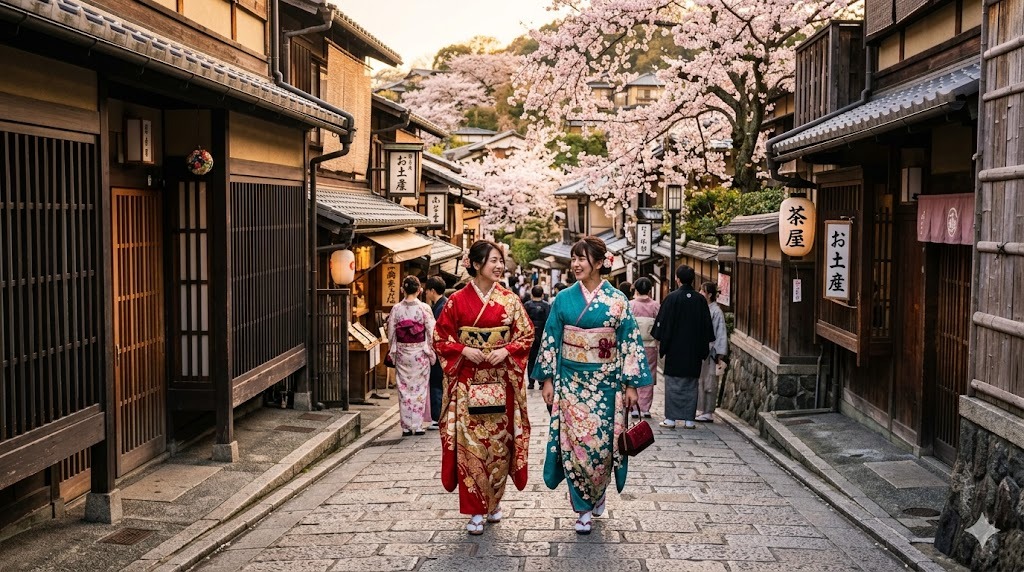
Every year, millions of tourists visiting Japan want to do one thing that has nothing to do with technology or convenience: slip into a beautiful kimono and walk the streets of Kyoto, Asakusa, or Nishiki Market feeling like they’ve stepped back 400 years. Kimono rental has exploded into one of Japan’s most popular tourist activities — and for good reason.
But here’s what the travel blogs don’t always tell you: the difference between a magical experience and an overpriced disappointment often comes down to which shop you choose, what questions you ask, and a few insider tricks only locals know. This guide covers everything — honest prices, the best rental chains, what’s actually included, and the secrets that make your kimono day unforgettable.
We’ll also cover wargo, Japan’s most popular kimono rental chain with 30+ locations nationwide, known for transparent pricing and the best value in the business.
How Much Does Kimono Rental Cost in Japan? (Honest Price Breakdown)
Kimono rental prices vary wildly depending on where you go and what’s included. Here’s an honest breakdown of what you’ll actually pay:
| Type | Price Range | What’s Included |
|---|---|---|
| Budget Plan | ¥2,000–¥3,500 | Kimono + obi belt, basic styling |
| Standard Plan | ¥3,500–¥5,500 | Full outfit + hair styling |
| Premium Plan | ¥5,500–¥10,000 | High-quality silk kimono, full hair & accessories |
| Men’s Yukata | ¥2,000–¥4,000 | Yukata + obi + accessories |
Hidden costs to watch for: bag rental (¥300–¥500), umbrella (¥300), extended hours (¥500–¥1,000), damage deposit (usually refundable). Always ask what’s included before you book.
wargo: Japan’s Most Popular Kimono Rental Chain (Honest Review)
With over 30 locations across Tokyo, Kyoto, Osaka, Nara, Hiroshima, and beyond, wargo has become the go-to kimono rental shop for tourists who want a quality experience without surprises. Here’s why it stands out:
What Makes wargo Different
All-inclusive pricing — wargo’s plans include the kimono, obi, accessories (bag, socks, sandals), and dressing assistance. No hidden add-ons. The standard plan starts at around ¥3,300, which is genuinely good value for everything you get.
Multilingual staff — At major tourist-area locations (Asakusa, Kyoto, Arashiyama), staff speak English, Chinese, Korean, and basic French. This removes the language barrier that makes some rental shops stressful for foreign visitors.
Online booking — You can reserve your slot, choose your kimono color preference, and select add-ons before you arrive. Peak seasons (cherry blossom in April, autumn foliage in November, Golden Week) book up weeks in advance — so always reserve online.
Return flexibility — You can return the kimono at any wargo location, not necessarily the one you rented from. So if you’re traveling between Kyoto and Nara in one day, this is incredibly convenient.
wargo Pricing Plans (2026)
| Plan | Price (per person) | Includes |
|---|---|---|
| Standard Kimono | ¥3,300 | Kimono, obi, bag, socks, sandals, dressing |
| Premium Kimono | ¥5,500–¥8,800 | Higher-quality fabric, wider selection |
| Hair Set Add-on | +¥1,100–¥2,200 | Professional hair styling |
| Men’s Yukata | ¥2,750 | Yukata, obi, sandals, bag |
Prices are per person and include tax. Couples get no automatic discount at wargo, but the all-inclusive pricing means the quoted price is actually what you pay.
Best Neighborhoods for Kimono Walking in Japan
Kyoto: Higashiyama & Gion
The undisputed capital of kimono culture. Walking the stone-paved lanes of Higashiyama or catching a glimpse of geiko (geisha) in Gion while wearing a kimono is genuinely one of the most atmospheric experiences Japan offers. Rent near Kiyomizudera and return via Yasaka Shrine for a perfect half-day circuit. Best time: weekday mornings to beat crowds.
Tokyo: Asakusa
The most accessible kimono experience from central Tokyo. Rent near Sensoji Temple, walk the Nakamise shopping street, cross over to Sumida River, and photograph the Skytree in the background. It’s very tourist-heavy but the contrast between ancient temple culture and futuristic skyline is genuinely stunning. wargo has two locations here.
Kyoto: Arashiyama Bamboo Grove
Arguably the most photogenic location in all of Japan for kimono photos. The bamboo grove at Tenryuji creates an otherworldly tunnel that looks extraordinary with a colorful kimono. Arrive before 8:30 AM to beat both the tour groups and the heat.
Nara: Naramachi & Isuien Garden
Far fewer tourists than Kyoto, but equally beautiful. The traditional machiya townhouses of Naramachi are perfect for kimono photography, and you might have the streets nearly to yourself — a rarity in Japan’s tourist hotspots. Bonus: wild deer will absolutely pose with you.
Osaka: Shinsaibashi & Dotonbori
The most lively and colorful option. Dotonbori’s neon signs and canal bridges create a completely different aesthetic from Kyoto — vibrant, urban, and distinctly Osakan. Great for video content.
Kimono vs. Yukata: Which Should You Rent?
Kimono is the formal layered garment — multiple pieces, takes 15–30 minutes to put on, heavier fabric, available year-round. More traditional, more photogenic, slightly more restrictive to move in.
Yukata is the lightweight cotton summer version — easier to wear, cooler, typically rented May through October. Often cheaper. More casual, but equally beautiful for photos and completely appropriate for tourist sightseeing.
For most international visitors in spring or autumn: rent a kimono. For summer visits (June–September): yukata is the practical and culturally appropriate choice.
10 Things Nobody Tells You About Renting a Kimono
- Book online at least 3 days ahead — Walk-ins are possible on quiet weekdays, but during sakura season, Golden Week, or autumn foliage, shops fill up by 10 AM.
- Arrive 10 minutes early — The dressing process takes 20–40 minutes. Late arrivals cut into your walking time.
- Wear thin underwear and socks — The kimono adds layers. Summers are brutal. Bring a small cooling spray or towel if going in July or August.
- Bring hair ties if you want an updo — Staff can arrange more styles if your hair is long enough to put up.
- You WILL need to use a bathroom in a kimono — Practice the sleeve-gathering technique before you go out. Staff will show you, but practicing once is worthwhile.
- The sandals will hurt your feet — Bring small bandaids. Geta (wooden sandals) cause blisters between the toes. Every first-timer learns this the hard way.
- Your phone fits in the bag — barely — Bring a compact phone, not a large-screen model, or buy a separate small bag. The traditional kimono bag is not designed for modern smartphones.
- Rain is actually beautiful for kimono photos — Shops rent umbrellas. A kimono, rain, and a paper umbrella in Gion is one of the most beautiful photo scenarios in Japan.
- Return time matters — Most shops close at 5:30–6 PM and require returns 30 minutes before closing. Plan your day backwards from the return time.
- Groups get no discount, but experience is shared — Wearing kimono with friends dramatically improves photos and memories. Budget couples and groups often find it’s one of the best-value experiences of their Japan trip.
How to Book wargo (Step-by-Step)
- Visit wargo’s official website and select your preferred location (Kyoto, Asakusa, Arashiyama, etc.)
- Choose your date and time slot (morning slots are most popular)
- Select your plan (Standard, Premium, or Couples)
- Choose color preference (exact kimono selected on arrival)
- Add hair styling if desired
- Complete payment online (credit card accepted)
- Receive confirmation and bring it on the day
Booking at least one week in advance is strongly recommended during March–May and October–November.
Kimono Rental FAQs for Foreign Visitors
Can tall or plus-size people rent kimono? Most shops accommodate heights up to 175cm and standard Western sizes. wargo has a wider range than average, but very tall visitors (185cm+) may find limited options at budget shops. Call ahead if in doubt.
Can I wear the kimono on trains and trains? Absolutely — this is normal and expected. You’ll get many compliments from Japanese locals and fellow tourists alike.
What if it rains? Shops rent umbrellas. Light rain is fine; heavy rain may affect your plans but the kimono itself is not easily damaged by light moisture. Most shops have a raincoat option.
Can men rent kimono? Yes. Men’s yukata and kimono are increasingly popular with foreign visitors. Shops have specific men’s options.
Is tipping expected? No. Japan does not have a tipping culture. A sincere “arigatou gozaimashita” when leaving is the appropriate way to show appreciation.
Final Verdict: Is Kimono Rental Worth It?
For a 3–7 day Japan trip, renting a kimono for one day is one of the best uses of both time and money available to any tourist. At ¥3,300–¥5,500 all-in with wargo, it costs less than most restaurant meals and creates photos you’ll share for years.
Go on a weekday. Book wargo online. Arrive in Higashiyama before 9 AM. Wear thin socks and bring bandaids. That’s the formula for an unforgettable day.
🎌 Book Your Kimono Rental at wargo
Japan’s most popular kimono rental chain · 30+ locations · All-inclusive from ¥3,300
📅 Reserve Your Kimono at wargo →Online booking available · English support · Multiple pickup locations
🗾 More Japan Life Guides
🔥 Editor’s Picks for Life & Travel in Japan
📘 The Japan Expat Starter Kit 2026
Banking, housing, My Number, taxes, 100 phrases and a 40-kanji cheat sheet — everything from this site in one 17-chapter PDF field manual. Free lifetime 2026 updates.
Reader price: $19 $9.90 with code JLL30 at checkout
30-day money-back guarantee · Instant download · PR
Practical guides for life and travel in Japan — free, about once a week. No spam, unsubscribe anytime.
🇯🇵 Travel & Life Essentials for Japan
Hand-picked gear to make your time in Japan easier. Available on Amazon US & Amazon Japan.
🔋 Portable charger
A must for long days of sightseeing and photos.
View on Amazon (US)View on Amazon Japan🔌 Travel plug adapter
Japan uses Type A outlets. Bring the right adapter.
View on Amazon (US)View on Amazon Japan🎧 Translation earbuds
Real-time translation to talk without barriers.
View on Amazon (US)View on Amazon JapanAs an Amazon Associate, Japan Life Lab earns from qualifying purchases.
Did this guide help you? 🍵
Japan Life Lab is a small independent blog, and every guide we publish is completely free — no paywalls, ever. If our work saved you time (or a headache), you can support us with a cup of Japanese tea. Every contribution, big or small, goes straight into keeping these guides free, accurate and up to date for everyone.
☕ Support Japan Life Lab
Leave a Reply