This article was created with AI writing assistance (ChatGPT, Claude, etc.). Product selection, specifications, and reviews are verified by the Japan Life Lab editorial team.
This article contains promotional / affiliate links.
⏱ The short answer (30 seconds)
In a hurry? The full reasons and prices are right below.
- Hario Chacha Kyusu MaruBest Glass Teapot for Beginners
- KINTO Unitea TeapotBest Modern Design
- Tokoname-yaki KyusuBest Traditional Clay Teapot
- Nambu Tetsubin Cast Iron TeapotBest Statement Piece
- Japanese Matcha Set (Chawan + Chasen + Chashaku)Best for Matcha
※ If in doubt, go with #1. Budget picks are further down the page.
Why Japanese Teaware Transforms Your Tea Ritual in 2026
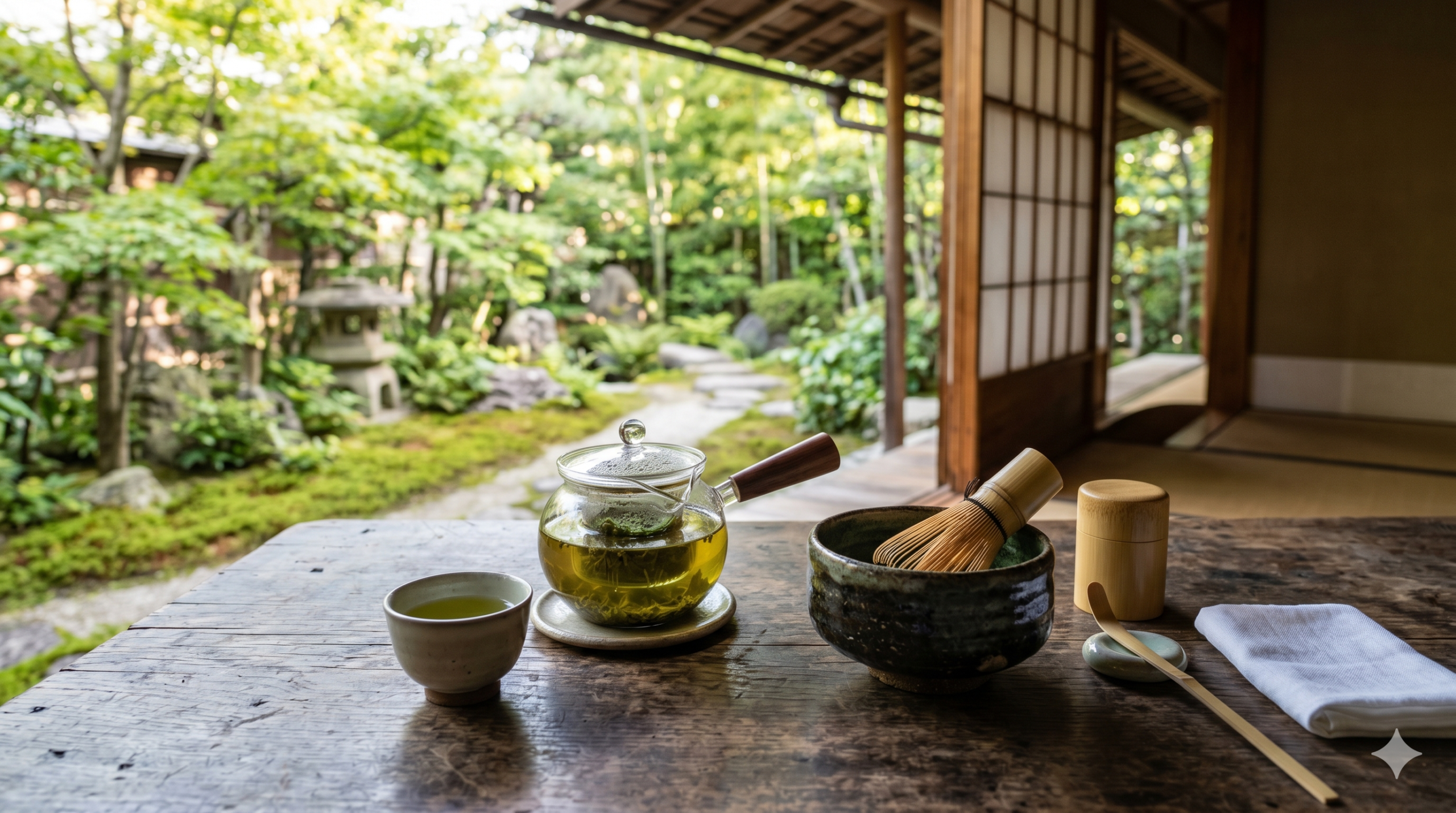
If you’ve fallen in love with Japanese matcha or sencha, the right teaware takes the experience to another level. A proper Japanese teapot (kyusu), a beautiful matcha bowl, or a cast-iron tetsubin doesn’t just look gorgeous — it brews better-tasting tea, with finer mesh filters, ideal heat retention, and centuries of craftsmanship behind every piece.
From heat-resistant glass teapots to traditional Tokoname clay kyusu and iconic Nambu cast-iron tetsubin, Japan makes the most refined tea tools in the world. This guide explains how to choose teaware and recommends 5 outstanding pieces for 2026 — all available worldwide via Amazon and Buyee. (Pairs perfectly with our guide to the best Japanese matcha & green tea.)
How to Choose Japanese Teaware
Kyusu (teapot) types: glass, clay, or porcelain
A glass kyusu lets you watch the leaves unfurl and is easy to clean — great for beginners. A Tokoname or Banko clay kyusu subtly improves the taste of sencha over time as the clay seasons. Porcelain is neutral and versatile. Choose glass for ease, clay for the deepest sencha flavor.
Filter type matters
For Japanese green teas with fine leaves, a built-in fine ceramic mesh or stainless ‘sasame’ filter is essential to keep leaves out of your cup. Side-handle kyusu with integrated mesh pour cleanly and are the classic choice for sencha and gyokuro.
Matcha needs its own tools
Matcha isn’t steeped — it’s whisked. A proper matcha set includes a chawan (wide bowl), a chasen (bamboo whisk, ideally 80+ prongs), and a chashaku (bamboo scoop). These create the smooth, frothy texture that defines good matcha.
Tetsubin (cast iron) vs. kyusu
A Nambu tetsubin (cast-iron kettle/teapot) retains heat beautifully and can be a stunning centerpiece. Note: enamel-lined versions are for serving tea; un-lined tetsubin are for boiling water. Cast iron is heavier and needs careful drying to avoid rust.
Size and care
Pick a teapot size for how you drink — 300–360ml suits 1–2 people. Hand-wash teaware (no soap for clay/cast iron), dry thoroughly, and never put clay or cast iron in the dishwasher. With care, quality Japanese teaware lasts a lifetime.
The 5 Best Japanese Teaware Picks in 2026
1. Hario Chacha Kyusu Maru — Best Glass Teapot for Beginners
Hario’s heat-resistant borosilicate glass teapot is the perfect starting point for Japanese tea. The clear glass lets you watch the leaves bloom and judge the brew color, while the fine stainless mesh filter keeps even tiny sencha leaves out of your cup.
Microwave-safe and easy to clean, the Chacha Kyusu Maru is versatile for sencha, hojicha, and herbal teas alike. Affordable, elegant, and beginner-friendly — it’s the easiest way to start brewing Japanese tea properly.
| Material | Heat-resistant glass |
|---|---|
| Filter | Fine stainless mesh |
| Capacity | approx. 300–700ml options |
| Care | Easy to clean, microwave-safe |
| Maker | Hario |
✅ Pros
- See the leaves bloom through clear glass
- Fine mesh catches tiny leaves
- Easy to clean, microwave-safe
- Versatile and affordable
⚠️ Cons
- Glass lacks clay’s flavor-seasoning
- Handle with care (glass)
👍 Who it’s for
- Beginners to Japanese tea
- Those who want easy cleaning
- Sencha and hojicha drinkers
2. KINTO Unitea Teapot — Best Modern Design
KINTO’s Unitea blends Japanese craftsmanship with sleek modern design. The heat-resistant glass body pairs with a generous stainless steel strainer that gives leaves room to expand fully, releasing more flavor and aroma.
Minimalist and beautiful on any table, the Unitea is as much a design object as a teapot. It’s ideal for those who want contemporary style without sacrificing brewing quality — and it doubles beautifully for loose-leaf teas of all kinds.
| Material | Heat-resistant glass + stainless |
|---|---|
| Filter | Large stainless strainer |
| Capacity | approx. 460–720ml options |
| Style | Minimalist modern |
| Maker | KINTO |
✅ Pros
- Beautiful modern design
- Large strainer for full leaf expansion
- Versatile for all loose teas
- Quality build, great gift
⚠️ Cons
- Premium price for a glass pot
- Strainer cleaning needs care
👍 Who it’s for
- Lovers of modern design
- Those who want a centerpiece teapot
- Gift buyers
3. Tokoname-yaki Kyusu — Best Traditional Clay Teapot
For the most authentic sencha experience, nothing beats a Tokoname-yaki kyusu — a side-handle clay teapot from Japan’s famous Tokoname pottery region. The iron-rich clay subtly mellows the tea and, many say, improves the flavor the more you use it.
Most feature a fine integrated ceramic mesh (sasame) for a clean pour. A true piece of Japanese craft heritage, the Tokoname kyusu is the choice of serious green-tea drinkers who want the deepest, smoothest sencha and gyokuro.
| Material | Tokoname clay (iron-rich) |
|---|---|
| Filter | Integrated ceramic mesh |
| Capacity | approx. 300–360ml typical |
| Best for | Sencha, gyokuro |
| Origin | Tokoname, Japan |
✅ Pros
- Mellows and deepens sencha flavor
- Authentic Japanese craft heritage
- Fine integrated mesh, clean pour
- Improves with use
⚠️ Cons
- Hand-wash only, no soap
- More care than glass/porcelain
👍 Who it’s for
- Serious sencha/gyokuro drinkers
- Those wanting authentic craft
- Green-tea enthusiasts
4. Nambu Tetsubin Cast Iron Teapot — Best Statement Piece
The Nambu tetsubin from Iwate Prefecture is one of Japan’s most iconic crafts — a cast-iron teapot prized for superb heat retention and timeless beauty. An enamel-lined tetsubin keeps your tea hotter for longer and makes a breathtaking centerpiece.
Heavy, durable, and often passed down for generations, a tetsubin is as much heirloom as teapot. Choose an enamel-lined version for serving tea (un-lined types are for boiling water only). A stunning gift and a lifelong companion for tea lovers.
| Material | Cast iron (Nambu tekki) |
|---|---|
| Lining | Enamel-lined (for tea) |
| Strength | Excellent heat retention |
| Origin | Iwate, Japan |
| Note | Hand-dry to prevent rust |
✅ Pros
- Superb heat retention
- Breathtaking heirloom-quality piece
- Extremely durable
- Iconic Japanese craft
⚠️ Cons
- Heavy; careful drying needed
- Enamel vs un-lined matters (check use)
👍 Who it’s for
- Those wanting a statement centerpiece
- Gift buyers seeking ‘wow’
- Tea lovers who value heirlooms
5. Japanese Matcha Set (Chawan + Chasen + Chashaku) — Best for Matcha
If you love matcha, a proper matcha set is essential. A complete set includes a chawan (wide bowl), a chasen (bamboo whisk with 80+ fine prongs), and a chashaku (bamboo scoop) — everything you need to whisk authentic, frothy matcha at home.
The wide bowl gives the whisk room to move, while the fine bamboo prongs create the signature smooth, creamy foam. Far better than a regular cup and spoon, a matcha set turns your daily matcha into a proper ritual. Many come with a whisk holder too.
| Includes | Chawan bowl, chasen whisk, chashaku scoop |
|---|---|
| Whisk | Bamboo, 80+ prongs ideal |
| Best for | Whisking matcha |
| Bonus | Whisk holder often included |
| Origin | Japan |
✅ Pros
- Everything needed for real matcha
- Wide bowl + fine whisk = creamy foam
- Turns matcha into a ritual
- Great value complete set
⚠️ Cons
- Bamboo whisk needs gentle care
- Quality varies — choose 80+ prong whisk
👍 Who it’s for
- Matcha lovers
- Beginners starting matcha at home
- Gift buyers for tea fans
Quick Comparison Table
| Teaware | Best for | Material | Best tea | Note |
|---|---|---|---|---|
| Hario Chacha Kyusu | Beginners | Glass | Sencha/hojicha | Easy clean |
| KINTO Unitea | Modern design | Glass+steel | All loose teas | Centerpiece |
| Tokoname Kyusu | Authentic sencha | Clay | Sencha/gyokuro | Improves with use |
| Nambu Tetsubin | Statement piece | Cast iron | Serving tea | Heirloom |
| Matcha Set | Matcha | Ceramic+bamboo | Matcha | Complete kit |
Final Verdict
Start with the Hario Chacha Kyusu for easy, beautiful brewing, or the KINTO Unitea for modern design. For the deepest sencha flavor, invest in a Tokoname clay kyusu; for a stunning heirloom, the Nambu tetsubin; and if matcha is your passion, a complete matcha set is a must.
Quality Japanese teaware elevates every cup — and with worldwide shipping via Amazon and Buyee, authentic pieces from Japan are easy to bring home.
Frequently Asked Questions
What teapot is best for Japanese green tea?
A kyusu with a fine integrated mesh filter is ideal. Glass (like Hario) is easiest for beginners; a Tokoname clay kyusu gives the deepest, smoothest sencha flavor and improves with use.
Can I make matcha in a teapot?
No — matcha is whisked, not steeped. You need a matcha set with a chawan (bowl) and chasen (bamboo whisk) to create the proper frothy texture. A teapot is for leaf teas like sencha and hojicha.
How do I care for a cast-iron tetsubin?
Hand-rinse with water (no soap), dry thoroughly and immediately to prevent rust, and let it air-dry with residual heat. Use an enamel-lined tetsubin for serving tea; un-lined ones are only for boiling water.
Is clay or glass better for a kyusu?
Glass is easier to clean and lets you watch the brew, ideal for beginners. Clay (Tokoname) subtly improves sencha flavor and is favored by enthusiasts, but needs more careful hand-washing without soap.
🗾 More Japan Buying Guides
🔥 Editor’s Picks for Life & Travel in Japan
📘 The Japan Expat Starter Kit 2026
Banking, housing, My Number, taxes, 100 phrases and a 40-kanji cheat sheet — everything from this site in one 17-chapter PDF field manual. Free lifetime 2026 updates.
Reader price: $9.99 $6.99 with code JLL30 at checkout
30-day money-back guarantee · Instant download · PR
🛒 Ready to Buy? Shop These in Japan!
Get fast delivery across Japan — including same-day in major cities
Practical guides for life and travel in Japan — free, about once a week. No spam, unsubscribe anytime.
☕ Enjoying our Japan guides?
If this article helped you, you can support our work with a coffee!
Leave a Reply