This article was created with AI writing assistance (ChatGPT, Claude, etc.). Product selection, specifications, and reviews are verified by the Japan Life Lab editorial team.
This article contains promotional / affiliate links.
Tax-free shopping in Japan changes on 1 November 2026
Until 31 October you show your passport at the till and simply pay without the 10% consumption tax. From 1 November you pay the full tax-included price in the shop and claim the tax back at the airport — at a customs kiosk or through Visit Japan Web — before you check in.
- The ¥5,000 minimum per shop, per day stays the same.
- The general-goods / consumables split is abolished, and so is the ¥500,000 cap on consumables.
- Sealed packaging is abolished — but consumables still have to leave Japan unused.
- Everything on the receipt has to be with you at departure. Customs can ask to see it.
Shopping before 1 November? Nothing changes for you yet.
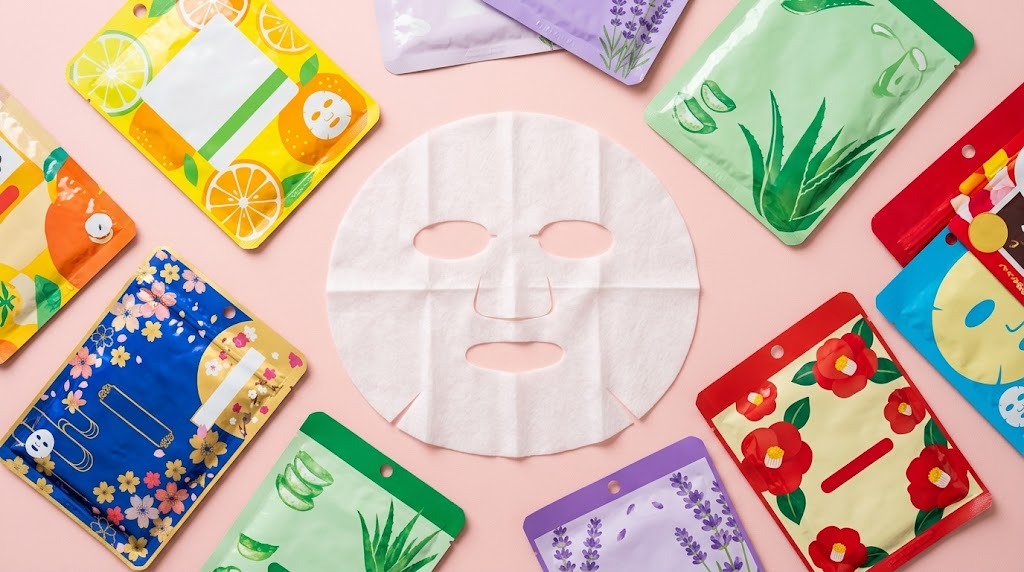
Walk into any Japanese drugstore and you will see an entire wall of sheet masks: 7-packs, 32-packs, even 50-packs in giant zip pouches. Sheet masks are not a weekend treat in Japan — they are a daily habit, and the local brands are engineered for that. Low prices per sheet, thick essence, and fabrics that actually stay on your face while you brush your teeth.
That daily-use philosophy is exactly why Japanese sheet masks have become cult favorites abroad. Instead of one $8 mask a week, you use a ¥50 (about 35 cents) mask every single night, and the cumulative hydration is what changes your skin. In 2026 the big names — Lululun, Saborino, Kosé Clear Turn, Kiku-Masamune, Keana Nadeshiko, Quality First and SK-II — are all available on Amazon.com and Amazon Japan, so you can restock wherever you live.
This guide ranks the 7 best Japanese sheet masks of 2026, explains who each one is for (dry, oily, dull, pores, mature skin), compares price per sheet, and shares the buying tips we give friends visiting Japan. Every product below is a long-running best-seller; where a mask has since been discontinued or replaced, we say so in its section.
⏱ The short answer (30 seconds)
In a hurry? The full reasons and prices are right below.
- Lululun Precious REDThe Daily Moisture Standard
- Saborino Morning MaskSkincare in 60 Seconds
- Kosé Clear Turn Essence Mask (Hyaluronic Acid)Best Budget Pick
- Kiku-Masamune Sake Skin Care MaskSake Brewery Skincare
- Keana Nadeshiko Rice MaskFor Pores and Texture
- Quality First All-in-One Sheet Mask The Best EXNow The Best EX S
- SK-II Facial Treatment MaskThe Luxury Icon
※ If in doubt, go with #1. Budget picks are further down the page.
Prime members get fast, free delivery on millions of items, Prime Video and members-only deals. Eligible new members can try it free for 30 days.
Start your free 30-day Prime trial →Ages 18–24? See Prime for Young Adults
Paid links. As an Amazon Associate, Japan Life Lab earns from qualifying purchases. Trial eligibility and terms are set by Amazon.
How to Choose a Japanese Sheet Mask
Daily masks vs. treatment masks
Japanese brands split masks into two groups. Daily masks (Lululun, Clear Turn, Quality First) come in packs of 20 or more, cost roughly ¥30–110 per sheet and are designed to replace your toner-and-serum step every night. Treatment masks (SK-II, premium Lululun lines) are ¥300–2,000 per sheet and used once or twice a week. If you are new to Japanese skincare, start with a daily pack — frequency matters more than luxury.
Match the essence to your skin concern
Look at the hero ingredient. Hyaluronic acid and ceramides for dryness, rice and sake extracts for dullness and texture, vitamin C for spots, and menthol/cooling formulas for oily skin and hot summers. Japanese labels use color-coding (Lululun RED for moisture, WHITE for brightening, etc.), which makes it easy even if you cannot read Japanese.
Check the sheet material and fit
Japanese masks are famous for thin, stretchy fabrics that cling to the face without slipping. Thicker cotton sheets hold more essence but drip; ultra-thin “bio-cellulose” or “micro-fiber” sheets are better for daily wear and for people who move around while masking. Masks made for Japanese face shapes can run slightly small — brands like Saborino and Quality First offer generous cuts.
Morning vs. night formulas
Japan invented the “morning mask”: Saborino’s 60-second mask cleanses, tones and moisturizes in one step so you can skip your morning routine. Night masks (Lululun, Kiku-Masamune) are richer and leave a film that seals moisture while you sleep. Many Japanese women use both — Saborino at 7am, Lululun at 11pm.
Price per sheet and where to buy
Divide the pack price by the sheet count. Anything under ¥70 (about $0.50) per sheet is daily-mask territory. In Japan, drugstores like Matsumoto Kiyoshi and Don Quijote are cheapest; abroad, Amazon.com carries official imports for most brands (prices are 1.5–2× Japan). Buy the 32-pack or 50-pack — the 7-packs are for trying, not for results.
The 7 Best Japanese Sheet Masks of 2026
1. Lululun Precious RED — The Daily Moisture Standard
Lululun is the brand that turned sheet masks into a daily ritual in Japan, and the Precious RED (moisture) line is its best-seller for adult skin. The 32-sheet pouch is designed to be opened every night: the thin, stretchy sheet is soaked in an essence with camellia oil, squalane and hyaluronic acid that plumps dry skin without leaving a sticky film.
Precious comes in three versions — RED for dryness, GREEN for balance and WHITE for brightening — so you can switch with the season. At around ¥1,800 for 32 sheets in Japan (about $30 on Amazon.com), it works out to roughly ¥55 per mask. If you buy only one Japanese sheet mask, buy this one.
| Sheets | 32 (also 7) |
|---|---|
| Best for | Dry to normal, 30+ skin |
| Key ingredients | Camellia oil, squalane, hyaluronic acid |
| Price | ~¥1,800 Japan / ~$30 US |
2. Saborino Morning Mask — Skincare in 60 Seconds
Saborino (from BCL) is a Japanese phenomenon: a mask you put on for 60 seconds in the morning that replaces cleanser, toner, serum and moisturizer. The sheet is cool and lightly minty, wakes you up, and leaves a smooth primer-like base for makeup. Busy commuters in Tokyo swear by it.
The 32-sheet box costs about ¥1,400 in Japan (around $18 on Amazon.com). Seasonal editions (summer cooling, winter rich, fruit scents) rotate every few months and make great souvenirs. It is not a deep-hydration mask — use it in the morning and pair it with a richer night mask.
| Sheets | 32 |
|---|---|
| Best for | Busy mornings, oily/combination skin |
| Key feature | Cleanse + tone + moisturize in 1 minute |
| Price | ~¥1,400 Japan / ~$18 US |
3. Kosé Clear Turn Essence Mask (Hyaluronic Acid) — Best Budget Pick
Kosé Clear Turn is the drugstore workhorse: 30 sheets for under ¥1,000 in Japan, which means about ¥30 (20 cents) per mask. The hyaluronic acid version is a simple, fragrance-light moisture mask that suits almost everyone, and the sheet is thick enough to hold plenty of essence.
Clear Turn also sells collagen, vitamin C and “Babyish” versions for sensitive skin, and its 50-sheet “Bihada Syokunin” pouches are legendary among students. On Amazon.com, expect around $12–15 for a 30-pack. This is the mask to buy in bulk.
| Sheets | 30 (also 50) |
|---|---|
| Best for | Everyday hydration on a budget |
| Key ingredients | Hyaluronic acid |
| Price | ~¥900 Japan / ~$13 US |
4. Kiku-Masamune Sake Skin Care Mask — Sake Brewery Skincare
As of September 2026: This sake face mask is no longer listed in Kiku-Masamune’s official online shop, and Kakaku.com shows no current price for any pack size. The brewery’s only face mask now is the new RiceMade+ Bright Moisture Mask (7 sheets, ¥880 incl. tax), so that is the one to look for if you want a Kiku-Masamune mask.
Kiku-Masamune is a 360-year-old sake brewery from Kobe, and its skincare line is built around sake extract and rice-derived amino acids — the same compounds that keep brewers’ hands famously smooth. The 7-sheet Sake Skin Care Mask is loaded with a thick, rich essence and is one of the best value “treatment” masks in Japan.
The mask targets dullness and rough texture, and it is gentle enough for sensitive skin (it is alcohol-free despite the name). A 7-pack is about ¥700 in Japan, or $10–12 on Amazon.com. Pair it with the brand’s cult 500ml Sake Lotion for the full brewery routine.
| Sheets | 7 |
|---|---|
| Best for | Dull, rough or mature skin |
| Key ingredients | Sake extract, rice ceramide, amino acids |
| Price | ~¥700 Japan / ~$11 US |
5. Keana Nadeshiko Rice Mask — For Pores and Texture
Keana Nadeshiko (“Pore Nadeshiko”) by Ishizawa Lab is a pore-focused line made with 100% Japanese rice extract, rice bran oil and rice ceramide. The Rice Mask comes 10 to a pack, and each sheet is soaked in a creamy, slightly thick essence that softens the skin around the nose and cheeks where pores look most obvious.
It is a favorite of Japanese beauty magazines every summer and consistently tops the pore-care ranking at Cosme. Around ¥700 in Japan for 10 sheets and $12–14 on Amazon.com. Use it 2–3 times a week after cleansing with the matching rice face wash.
| Sheets | 10 |
|---|---|
| Best for | Visible pores, uneven texture |
| Key ingredients | Rice extract, rice bran oil, rice ceramide |
| Price | ~¥700 Japan / ~$13 US |
6. Quality First All-in-One Sheet Mask The Best EX — Now The Best EX S
As of September 2026: @cosme lists the 20- and 30-sheet packs of The Best EX (launched 2017) as discontinued, and Kakaku.com shows no current price for any pack size. The line continues as The Best EX S, sold in a 20-sheet pack for ¥2,090. Neither version is listed in a 50-sheet pack, so The Best EX S is the one to buy now.
Quality First is a Japanese sheet-mask brand, and the All-in-One Sheet Mask The Best EX was its premium daily aging-care mask: 63 beauty ingredients, including collagen and concentrated yeast, on a multi-layer stretch sheet that also covers the eyelids.
Its successor, The Best EX S, also contains 63 beauty ingredients (among them concentrated yeast, collagen and the brand’s Base-Up Moist complex) and is free of ethanol, oil, fragrance, colourants and mineral oil. A 20-sheet pack costs ¥2,090 in Japan, about ¥105 per mask: more than budget daily masks, but still an everyday price. If you are 35+ and want a daily mask with more than just moisture, this is the one to buy now.
| Sheets | 20 (The Best EX S) |
|---|---|
| Best for | 35+, first signs of aging, daily use |
| Key ingredients | Collagen, hyaluronic acid, vitamin C, concentrated yeast |
| Price | ~¥2,090 Japan (20 sheets) |
7. SK-II Facial Treatment Mask — The Luxury Icon
SK-II is Japan’s most famous prestige skincare brand, and the Facial Treatment Mask is essentially its legendary Pitera essence poured onto a sheet. Pitera is a yeast-fermentation filtrate discovered at a sake brewery, and a single 15-minute mask leaves skin visibly brighter and more even — which is why celebrities use it before red carpets.
It is expensive: about ¥10,000–11,000 for 6 sheets in Japan and $100+ on Amazon.com. This is a special-occasion mask, not a daily one, but it is noticeably cheaper in Japan than abroad, so it is a smart duty-free purchase at Narita or Haneda before you fly home.
| Sheets | 6 or 10 |
|---|---|
| Best for | Special occasions, brightening, mature skin |
| Key ingredients | Pitera (fermentation filtrate) |
| Price | ~¥10,000 Japan (6) / ~$110 US |
Comparison: Japanese Sheet Masks at a Glance
| Mask | Sheets | Price/sheet (Japan) | Best for | Use |
|---|---|---|---|---|
| Lululun Precious RED | 32 | ~¥55 | Dry skin, daily | Night |
| Saborino Morning | 32 | ~¥45 | Busy mornings | Morning |
| Kosé Clear Turn HA | 30 | ~¥30 | Budget daily | Night |
| Kiku-Masamune Sake | 7 | ~¥100 | Dullness, texture | 2–3×/week |
| Keana Nadeshiko Rice | 10 | ~¥70 | Pores | 2–3×/week |
| Quality First The Best EX S | 20 | ~¥105 | Anti-aging daily | Night |
| SK-II Facial Treatment | 6 | ~¥1,700 | Luxury / events | Weekly |
Where to Buy Japanese Sheet Masks
In Japan, the cheapest places are drugstore chains (Matsumoto Kiyoshi, Sugi, Welcia, Cocokara Fine) and Don Quijote, which often runs tax-free counters for tourists. Prices are 30–50% lower than abroad and limited editions appear first. Department stores and airport duty-free are the best places for SK-II.
Outside Japan, Amazon.com stocks official imports of Lululun, Saborino, Clear Turn, Kiku-Masamune, Keana Nadeshiko and Quality First. Check that the seller ships from Japan or is the brand’s official store, and compare the per-sheet price with the pack size — a “32-pack” listing is sometimes actually two 7-packs. Readers in Japan can simply order on Amazon Japan with next-day delivery.
Frequently Asked Questions
Can I really use a sheet mask every day?
Yes — daily masks from Lululun, Clear Turn and Quality First are formulated for it, with mild essences and no strong actives. Treatment masks with acids or high-dose vitamin C should be used 1–3 times a week. If your skin feels tight after masking, follow with a cream to seal in moisture.
Are Japanese sheet masks suitable for sensitive skin?
Most daily Japanese masks are fragrance-light and alcohol-free (Kiku-Masamune’s sake mask contains no ethanol). Look for “敏感肌” (sensitive skin) or “無香料” (fragrance-free) on the pack, and patch-test menthol-based morning masks like Saborino if your skin reacts to cooling ingredients.
How long should I leave a Japanese sheet mask on?
Follow the pack: 5–10 minutes for daily masks, 60 seconds for Saborino, 10–15 minutes for SK-II. Do not let the sheet dry out on your face — a dry sheet pulls moisture back out of the skin.
Which mask is the best souvenir from Japan?
Saborino (fun seasonal scents, light box), Lululun (regional limited editions like Hokkaido lavender or Kyoto matcha) and Kiku-Masamune (a brewery story) are the crowd-pleasers. All are light, flat and easy to pack.
Final Thoughts
Japanese sheet masks are about consistency, not luxury. Pick a daily mask that matches your skin — Lululun Precious RED for dryness, Kosé Clear Turn for budget, Quality First The Best EX S for anti-aging — and use it every night for a month. Add Saborino in the morning if you are short on time, and Kiku-Masamune or Keana Nadeshiko a few times a week for texture and pores. Save SK-II for special occasions and buy it duty-free in Japan.
All seven masks are available on Amazon.com and Amazon Japan through the buttons above. If you are visiting Japan, stock up at Don Quijote or a drugstore — you will pay less and find seasonal editions that never leave the country.
🔥 Editor’s Picks for Life & Travel in Japan
Japan Expat Starter Kit 2026 PDF guide
Your first 90 days in Japan, step by step: 17 chapters · 24 pages · 100 phrases in Japanese script · 40 kanji · printable checklists. Bank account, My Number, health insurance, apartment, phone, taxes & pension.
$9.99 $4.99 current price
📥 Get the kit →📄 Read 5 pages free: contents + Chapter 2
⚡ Instant PDF download · 🛡️ 30-day money-back guarantee · 🔄 Free 2026 updates
🛒 Ready to Buy? Shop These in Japan!
Get fast delivery across Japan — including same-day in major cities
Practical guides for life and travel in Japan — free, about once a week. No spam, unsubscribe anytime.
☕ Enjoying our Japan guides?
If this article helped you, you can support our work with a coffee!
Leave a Reply