This article was created with AI writing assistance (ChatGPT, Claude, etc.). Product selection, specifications, and reviews are verified by the Japan Life Lab editorial team.
This article contains promotional / affiliate links.

I keep hearing about “hanabi” in summer Japan — what exactly is it, and can tourists actually enjoy the festivals?

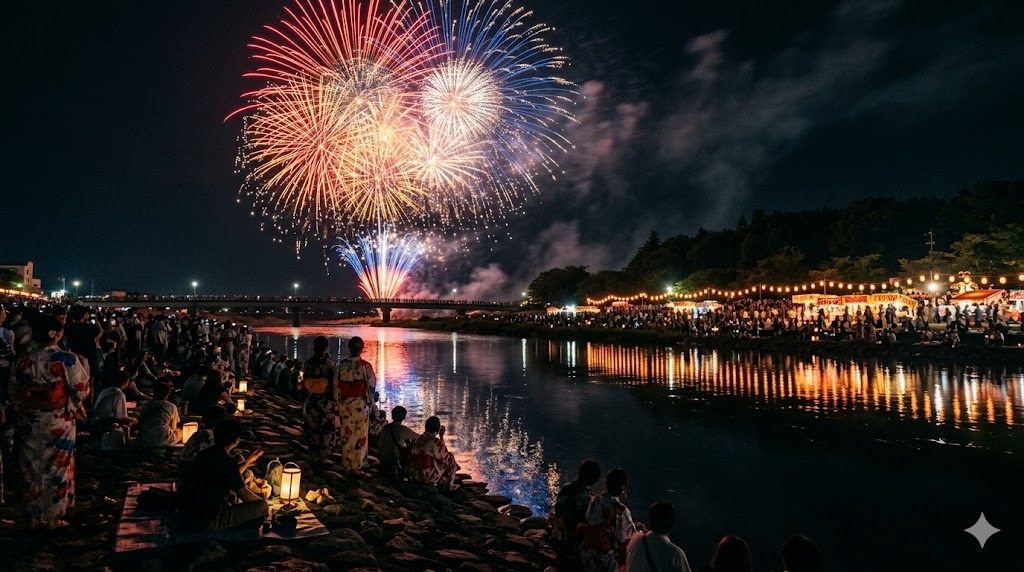
Hanabi (花火) literally means “flower fire” — Japan’s summer fireworks festivals are one of the most magical experiences you can have here. Absolutely, tourists and expats are welcome, and these festivals are often free to attend!
⏱ The short answer (30 seconds)
In a hurry? The full reasons and prices are right below.
- Sumida River Fireworks Festival (隅田川花火大会)Tokyo
- Nagaoka Fireworks Festival (長岡花火大会)Niigata
- Tenjin Matsuri Fireworks (天神祭奉納花火)Osaka
- Lake Suwa Fireworks Festival (諏訪湖祭湖上花火)Nagano
- Jingu Gaien Fireworks Festival (神宮外苑花火大会)Tokyo
※ If in doubt, go with #1. Budget picks are further down the page.
What is Hanabi? Japan’s Summer Fireworks Culture
Every summer from late July through August, thousands of fireworks festivals light up the night skies across Japan. These aren’t just fireworks shows — they’re deeply cultural events where locals dress in traditional yukata (summer kimono), gather with friends and family, eat festival street food, and watch elaborate choreographed displays that can last 1–2 hours.
Japan’s fireworks technology is world-class. Many displays feature custom Kiku (chrysanthemum), Peony, and Niagara waterfall fireworks crafted by regional pyrotechnic masters who’ve honed their craft for generations. The top festivals attract 500,000–900,000 spectators.
In 2026, the major festivals run at full scale, as they have since pandemic restrictions ended — making this the perfect summer to experience them.
Top 5 Fireworks Festivals in Japan 2026
1. Sumida River Fireworks Festival (隅田川花火大会) — Tokyo
| Date | Late July 2026 (usually last Saturday of July) |
|---|---|
| Location | Sumida River, Asakusa/Ryogoku, Tokyo |
| Fireworks | Approx. 20,000 shells from 2 launch sites |
| Duration | ~1 hour |
| Access | Asakusa (TX/Ginza Line), Ryogoku (JR Sobu), Tobu Asakusa |
| Admission | Free (public viewing areas) / Paid viewing seats available |
✅ Why Attend
- Japan’s oldest fireworks festival — running since 1733 (Edo era)
- Two simultaneous launch sites create a wraparound spectacle
- Asakusa’s famous entertainment district right nearby
- Perfect blend of modern Tokyo and traditional culture
- Free viewing from the riverbanks and bridges
⚠️ Watch Out
- Crowds of 900,000+ — arrive 3–4 hours early for good spots
- Surrounding roads closed to vehicles from afternoon
2. Nagaoka Fireworks Festival (長岡花火大会) — Niigata
| Date | August 2–3, 2026 |
|---|---|
| Location | Shinano River, Nagaoka City, Niigata |
| Fireworks | ~20,000 shells per night |
| Duration | ~2 hours each night |
| Access | JR Joetsu Shinkansen → Nagaoka Station (90 min from Tokyo) |
| Admission | Free public areas / Paid seats ¥3,000–¥15,000 |
✅ Why Attend
- Consistently ranked one of Japan’s top 3 fireworks festivals
- Unique “Phoenix” and “Recovery” fireworks commemorating WWII — deeply moving
- 2-day festival means you can attend both nights
- Niigata is famous for sake and seafood — great side trip
⚠️ Watch Out
- Hotels book out 6–12 months in advance
- Limited Shinkansen seats on festival dates — book JR Pass early
3. Tenjin Matsuri Fireworks (天神祭奉納花火) — Osaka
| Date | July 25, 2026 |
|---|---|
| Location | Okawa River, Osaka (near Temmangu Shrine) |
| Fireworks | ~4,000 shells |
| Duration | ~1 hour |
| Access | JR Osaka Temmangu / Minami-Morimachi (Subway) |
| Admission | Free public areas |
✅ Why Attend
- One of Japan’s three greatest festivals — 1,300-year history
- Traditional river boats with torches add magical atmosphere
- Osaka’s famous street food — takoyaki, kushikatsu everywhere
- Easy to combine with a day exploring Osaka
⚠️ Watch Out
- Extremely hot and humid in July — bring cooling products
- Crowd of 1.3 million total for the full festival day
4. Lake Suwa Fireworks Festival (諏訪湖祭湖上花火) — Nagano
| Date | August 15, 2026 |
|---|---|
| Location | Lake Suwa, Suwa City, Nagano |
| Fireworks | ~40,000 shells (one of Japan’s largest single-night displays) |
| Duration | ~75 minutes |
| Access | JR Chuo Line → Kami-Suwa Station |
| Admission | Free public areas / Paid reserved seats |
✅ Why Attend
- 40,000 shells reflected on the lake surface — breathtaking mirror effect
- Cooler mountain air compared to Tokyo/Osaka (elevation 759m)
- Obon season atmosphere — deeply meaningful and beautiful
- Easily combined with Matsumoto Castle day trip
⚠️ Watch Out
- Last trains fill extremely fast — many camp overnight at the lake
- Limited accommodation in Suwa — book months ahead
5. Jingu Gaien Fireworks Festival (神宮外苑花火大会) — Tokyo
| Date | August 2026 (date TBC) |
|---|---|
| Location | Meiji Jingu Gaien, Minato, Tokyo |
| Fireworks | ~12,000 shells |
| Duration | ~75 minutes |
| Access | Gaienmae Station (Tokyo Metro Ginza Line) |
| Admission | Paid entry from approx. ¥2,200 |
✅ Why Attend
- Music-synchronized fireworks — each burst choreographed to music
- Seated venue in stadium — comfortable vs riverbank crowds
- Famous artists sometimes perform live alongside the display
- Central Tokyo location, easy access
⚠️ Watch Out
- Tickets sell out within minutes of release — set alerts
- Entry fee required unlike most other festivals
Essential Gear for Japan’s Fireworks Festivals
Going to a Japanese fireworks festival means spending 3–5 hours outside in the summer heat. Packing smart makes the difference between a magical evening and a sweaty ordeal.
👘 Wear a Yukata (You’ll Fit Right In)
Renting or buying a yukata (浴衣) for a fireworks festival is one of the most memorable Japan experiences. Many train stations and tourist areas offer same-day rental with dressing assistance (typically ¥3,000–¥6,000).
🌬️ Portable Mini Fan
Summer festivals in Japan are hot and humid (often 30–35°C). A compact handheld fan keeps you cool while you wait for the show. Look for ones with a rechargeable battery.
🦟 Mosquito Repellent Patches
Riverside evening festivals attract mosquitoes. Japan’s mosquito repellent patches (虫よけシール) are popular — stick on clothing for hours of protection without spray.
🔋 Portable Charger
You’ll be taking hundreds of photos. A compact power bank keeps your phone alive for the whole event. Anker’s compact models are popular in Japan.
Festival Food: What to Eat at Hanabi
Street food stalls (屋台, yatai) are an essential part of the fireworks festival experience. Look for:
- Yakitori (焼き鳥) — grilled chicken skewers, ¥100–¥300 each
- Takoyaki (たこ焼き) — Osaka-style octopus balls, ¥500/6 pieces
- Kakigori (かき氷) — shaved ice with syrup, ¥300–¥600
- Ramune (ラムネ) — marble-bottle Japanese soda, ¥200–¥350
- Choco Banana — chocolate-dipped banana on a stick
💡 Cash only at most stalls. Bring small bills (¥1,000 notes) and coins. Nearby convenience stores (Lawson, FamilyMart) accept IC cards.
Getting There: Tips for Crowded Train Days
All major fireworks festival venues are accessible by train. Load up your Suica or Pasmo IC card before heading out. Avoid buying paper tickets — lines can be 30 minutes long on festival days.
After the show: Expect extremely crowded trains. Smart strategies:
- Wait 30–60 minutes near the venue and let the main rush pass
- Walk one station down the line (usually less crowded)
- Grab a snack at a nearby convenience store and relax until trains clear
Hanabi FAQ
🔥 Editor’s Picks for Life & Travel in Japan
📘 The Japan Expat Starter Kit 2026
Banking, housing, My Number, taxes, 100 phrases and a 40-kanji cheat sheet — everything from this site in one 17-chapter PDF field manual. Free lifetime 2026 updates.
Reader price: $9.99 $6.99 with code JLL30 at checkout
30-day money-back guarantee · Instant download · PR
🛒 Ready to Buy? Shop These in Japan!
Get fast delivery across Japan — including same-day in major cities
Practical guides for life and travel in Japan — free, about once a week. No spam, unsubscribe anytime.
☕ Enjoying our Japan guides?
If this article helped you, you can support our work with a coffee!
Leave a Reply