This article was created with AI writing assistance (ChatGPT, Claude, etc.). Product selection, specifications, and reviews are verified by the Japan Life Lab editorial team.
This article contains promotional / affiliate links.
⏱ The short answer (30 seconds)
In a hurry? The full reasons and prices are right below.
- Sumidagawa Fireworks Festival (東京隅田川花火大会)Tokyo
- Gion Matsuri (祇園祭)Kyoto
- Nebuta Festival (ねぶた祭)Aomori
- Awa Odori (阿波踊り)Tokushima
- Tanabata Festival (七夕祭り)Sendai
- Kishiwada Danjiri Festival (岸和田だんじり祭)Osaka
- Nagasaki Kunchi (長崎くんち)Nagasaki
※ If in doubt, go with #1. Budget picks are further down the page.
Best Japanese Summer Festivals 2026: The Ultimate Guide for Tourists
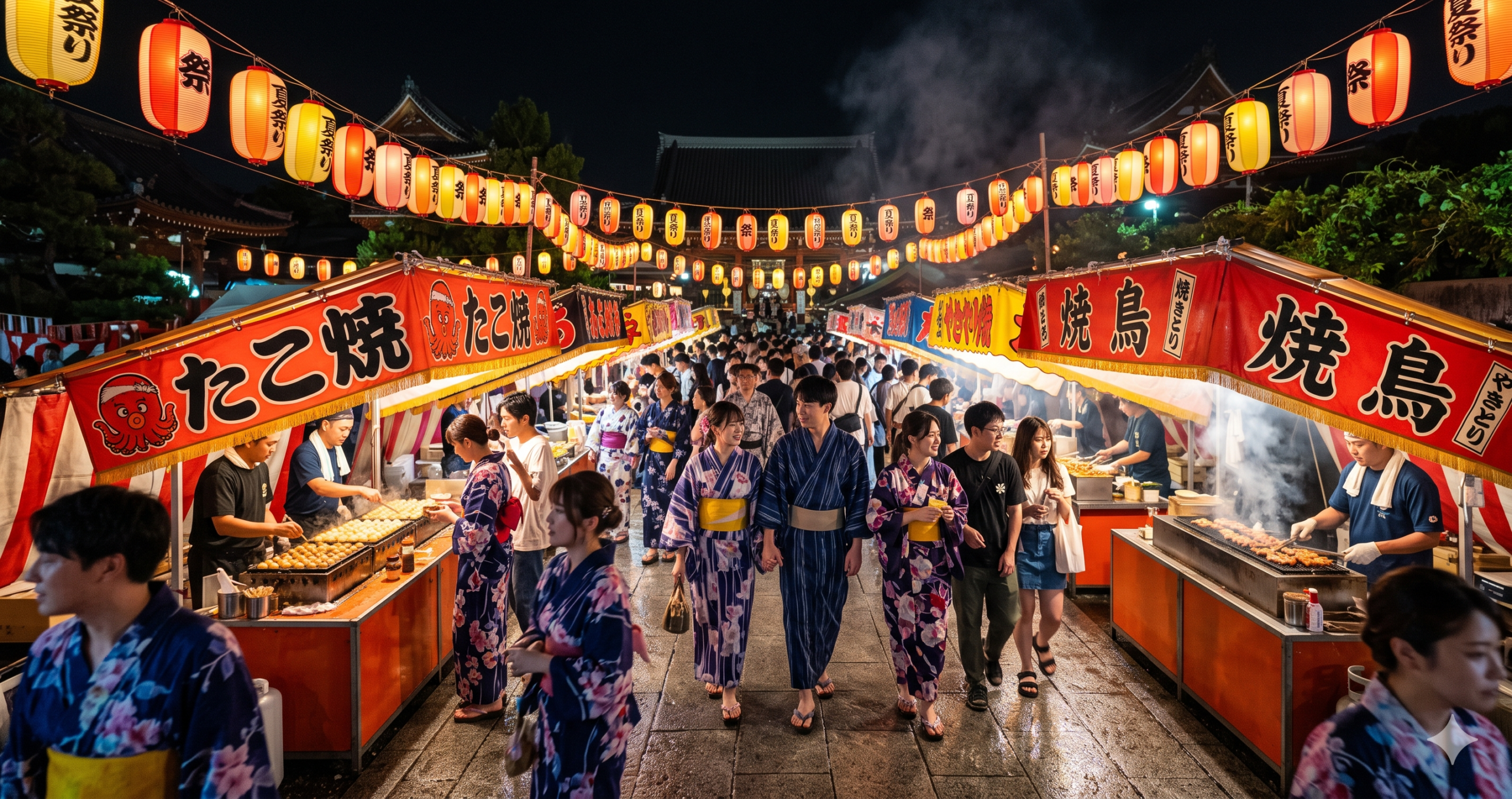
Japanese summer festivals (夏祭り / Natsu Matsuri) are among the most spectacular cultural experiences Japan has to offer. From July through August, thousands of festivals light up cities and villages across the country — featuring fireworks (hanabi), traditional dances (Bon Odori), elaborate floats, street food stalls, and the iconic yukata-clad crowds that make Japanese summers unforgettable.
Japan’s big summer festivals run at full scale again in 2026, as they have since pandemic limits ended, with many major events drawing huge crowds. Whether you’re planning your first trip to Japan or looking for off-the-beaten-path experiences, this guide covers the best matsuri to add to your summer itinerary.
Top 7 Japanese Summer Festivals Not to Miss in 2026
1. Sumidagawa Fireworks Festival (東京隅田川花火大会) — Tokyo
When: Last Saturday of July 2026 | Location: Along the Sumida River, Tokyo
The granddaddy of Japanese fireworks festivals. Dating back to 1733, the Sumidagawa Hanabi is one of Japan’s oldest and most beloved fireworks shows, launching approximately 20,000 fireworks over two competition sites along the Sumida River. Viewing spots fill up hours in advance, so arrive early or book a restaurant with river view. The surrounding streets of Asakusa transform into an enormous street market with festival food and yukata-clad crowds.
Best Viewing Spots: Komagata / Kototoibashi area (free, but arrive 2+ hours early) | Skytree observation deck (tickets required) | Restaurant packages along the river (book 3+ months in advance)
2. Gion Matsuri (祇園祭) — Kyoto
When: All of July 2026 (main events July 17 & 24) | Location: Central Kyoto
Kyoto’s most famous festival and one of Japan’s three great festivals (三大祭). The highlight is the Yamaboko Junko (山鉾巡行) — a procession of enormous decorated floats (some over 25 meters tall) parading through central Kyoto on July 17 and 24. The “Yoiyama” evening street festival on July 14-16 and 21-23 fills downtown Kyoto streets with food stalls, lanterns, and viewing of the floats up close. July in Kyoto is hot and humid, so plan accordingly.
Best Viewing: Shijo-Karasuma intersection for the procession | Yoiyama evenings for street food and atmosphere
3. Nebuta Festival (ねぶた祭) — Aomori
When: August 2-7, 2026 | Location: Aomori City, Tohoku
The Aomori Nebuta is one of Japan’s most visually stunning festivals — enormous illuminated paper lantern floats (some 9 meters tall and weighing over 4 tons) depicting warriors, gods, and mythological scenes are paraded through the city each night. The haunting sound of taiko drums and flutes fills the air as dancers called “Haneto” (跳人) in colorful costumes surround the floats. Aomori’s night sky lights up with the glowing giants while massive crowds cheer.
Getting There: Aomori from Tokyo via Tohoku Shinkansen (approximately 3 hours). Book accommodation many months in advance — the city fills up completely during festival week.
4. Awa Odori (阿波踊り) — Tokushima
When: August 12-15, 2026 | Location: Tokushima City, Shikoku
Japan’s largest dance festival, where over 100,000 dancers perform the signature “Awa Odori” dance through the streets of Tokushima. The dance style features hypnotic arm-waving movements and a distinctive high-stepping gait, accompanied by shamisen, taiko, and kane bells. Audience members are actively invited to join the dancing — “Odoru aho ni miru aho, onaji aho nara odorana son son” (Fools who dance and fools who watch are equally foolish, so you might as well dance) is the festival motto.
5. Tanabata Festival (七夕祭り) — Sendai
When: August 6-8, 2026 | Location: Sendai City, Miyagi
While Tanabata (Star Festival) is celebrated nationwide on July 7, Sendai holds the largest and most spectacular Tanabata celebration in August. The city’s covered shopping arcades and streets are decorated with thousands of massive hanging paper streamers (kazari) in vivid colors, creating a tunnel of colorful decorations stretching over 3 kilometers. Each decoration is handmade and represents a wish or prayer. The festival coincides with Sendai Tanabata Fireworks (August 5, the night before) — one of Tohoku’s biggest fireworks shows.
6. Kishiwada Danjiri Festival (岸和田だんじり祭) — Osaka
When: September 19–20, 2026 (the Saturday and Sunday before Respect for the Aged Day, so early autumn rather than summer) | Location: Kishiwada City, Osaka
The most adrenaline-charged festival in Japan: enormous wooden festival floats (danjiri) weighing up to 4 tons are pulled through narrow streets at breakneck speed by teams of men in happi coats, while a performer dances precariously on top. The speed and danger of the floats careening around tight corners is breathtaking. The festival has 300+ years of history and is one of the few remaining festivals where the speed and risk are part of the point.
7. Nagasaki Kunchi (長崎くんち) — Nagasaki
When: October 7-9, 2026 | Location: Nagasaki City, Kyushu
A unique festival blending Japanese and Dutch/Chinese influences (reflecting Nagasaki’s history as Japan’s only open port during the Edo period). The highlight is the Dragon Dance — a massive cloth dragon performed by teams who make it undulate sinuously through the streets and even “swim” through water. The procession features floats representing different neighborhoods, each with their own specialty performances developed over centuries.
What to Wear to a Japanese Summer Festival
Attending a summer festival in yukata (浴衣) is one of the quintessential Japan experiences. Yukata are casual cotton summer kimono that are much simpler to put on than formal kimono — you can dress yourself with minimal practice. Many tourists buy or rent yukata specifically for festival season.
Festival Essentials: What to Bring
Portable Electric Fan
Japanese summer festivals are hot — especially evening events where crowds pack into tight spaces. A handheld rechargeable electric fan is the single most practical item to bring. The compact models from Shizuku and Thanko that clip to bags or handheld variants are seen everywhere at Japanese festivals.
Uchiwa (Traditional Round Fan)
The traditional alternative: uchiwa are flat round fans often given away for free by local shops and sponsors at festivals. If you want something more substantial, decorated uchiwa with traditional patterns make both practical accessories and beautiful souvenirs.
Festival Food Guide: What to Eat at Matsuri
No Japanese summer festival is complete without street food. The stalls (屋台 / yatai) that line festival streets are an experience in themselves. Must-try festival foods include: Yakitori (grilled chicken skewers, ¥300-500), Takoyaki (octopus balls in batter, ¥500-700 for 6), Yakisoba (stir-fried noodles, ¥500-700), Kakigori (shaved ice with syrups, ¥300-500), Chocolate banana (bananas dipped in chocolate, ¥500), and Ramune (traditional Japanese soda in a marble bottle, ¥200-300). Budget ¥2,000-4,000 per person for a satisfying round of festival food and drinks.
Practical Tips for Festival Attendance
Book accommodation early: Major festivals like Nebuta and Gion Matsuri fill hotels months in advance. For summer 2026, book by March-April at the latest. Check train schedules: Festival days often see special train services and extended hours, but platforms can be dangerously crowded — check your route in advance. Bring cash: Most festival food stalls and smaller vendors are cash-only (though major events increasingly accept PayPay). Stay hydrated: Japanese summer heat + crowds = serious dehydration risk. Carry water and drink regularly. Arrive early or late: The first 30 minutes and last 30 minutes of festivals are dramatically less crowded than peak hours.
Suica Card Guide 2026 | PASMO Card Guide 2026 | Japan Konbini Guide 2026 | Japan Onsen Guide 2026
🎌 Book Japan Tours & Experiences on KKday
KKday offers thousands of guided tours, cultural experiences, and day trips across Japan — bookable in English with easy cancellation.
Browse Japan Activities on KKdayAD: This link contains affiliate advertising
✈️ Book Flights & Hotels for Japan Festivals【エアトリプラス】
Planning to attend a summer matsuri? Book domestic flights and hotels in one place with エアトリプラス — one of Japan’s leading travel booking platforms. Compare prices, find early-bird deals, and travel more affordably.
Search Flights & Hotels in Japan ▶ [AD] Affiliate link — we may earn a commission at no extra cost to you.
🔥 Editor’s Picks for Life & Travel in Japan
📘 The Japan Expat Starter Kit 2026
Banking, housing, My Number, taxes, 100 phrases and a 40-kanji cheat sheet — everything from this site in one 17-chapter PDF field manual. Free lifetime 2026 updates.
Reader price: $9.99 $6.99 with code JLL30 at checkout
30-day money-back guarantee · Instant download · PR
🛒 Ready to Buy? Shop These in Japan!
Get fast delivery across Japan — including same-day in major cities
Practical guides for life and travel in Japan — free, about once a week. No spam, unsubscribe anytime.
☕ Enjoying our Japan guides?
If this article helped you, you can support our work with a coffee!
Leave a Reply