Category: Life in Japan

Expat guides, shopping, and everyday life in Japan

  • English-Speaking Doctors in Japan 2026: Find a Hospital That Actually Understands You

    English-Speaking Doctors in Japan 2026: Find a Hospital That Actually Understands You

    Finding a doctor in Japan who speaks English can feel overwhelming — between unfamiliar medical systems, language barriers, and different billing practices, even a simple visit to the clinic can become stressful. This guide covers everything you need to know: how to find English-speaking hospitals and clinics in Japan, what to expect during your visit, how to use your health insurance, and key phrases to help you communicate.

    How Healthcare Works in Japan

    Japan has a universal healthcare system — if you’re a resident (working visa, student visa, or long-term resident), you’re required to be enrolled in either National Health Insurance (NHI / 国民健康保険) or Employee Health Insurance (社会保険). Both cover 70% of medical costs, meaning you pay just 30% out of pocket.

    Short-term tourists (on tourist/temporary visitor visas) are not covered by Japan’s national health insurance. If you’re visiting, consider purchasing travel insurance that includes medical coverage before arriving in Japan.

    Types of Medical Facilities

    Facility TypeJapaneseBest ForEnglish Available
    Large University Hospital大学病院Serious illness, specialist careOften has international center
    General Hospital (100+ beds)病院Complex conditions, surgerySome have English desks
    Clinic / Doctor’s Officeクリニック / 診療所Common illness, routine checkupsVaries widely
    International ClinicインターナショナルクリニックExpats, English-only patientsAlways (specialized service)
    Emergency Room救急Life-threatening emergenciesRare — bring a translator app

    Best English-Speaking Hospitals in Tokyo

    1. St. Luke’s International Hospital (聖路加国際病院)

    One of Tokyo’s most internationally recognized hospitals, St. Luke’s in Tsukiji has been serving foreign patients for over a century. It offers a full range of services in English, from general medicine and obstetrics to oncology and cardiology.

    • Location: 9-1 Akashi-cho, Chuo-ku, Tokyo (Tsukiji area)
    • English support: Full — most doctors speak English
    • Insurance: Accepts NHI and international insurance
    • Phone: 03-5550-7166
    • Website: hospital.luke.ac.jp/eng/

    2. Tokyo Medical and Surgical Clinic (TMSC)

    Located in Shiba-koen near Tokyo Tower, TMSC is a private Western-style clinic staffed entirely by English-speaking physicians, many trained in the US, UK, and Australia. Ideal for expats who prefer a familiar, English-first experience.

    • Location: 32 Shiba-koen Bldg 2F, 3-4-30 Shiba-koen, Minato-ku, Tokyo
    • English support: Full
    • Insurance: International insurance preferred; NHI accepted
    • Phone: 03-3436-3028
    • Website: tmsc.jp

    3. International University of Health and Welfare (IUHW) Mita Hospital

    Located in Mita (Minato-ku), this hospital has an International Center that offers translation support and English-speaking staff across many departments including internal medicine, dermatology, and orthopedics.

    • Location: 1-4-3 Mita, Minato-ku, Tokyo
    • English support: International Center with interpreters
    • Insurance: NHI accepted
    • Phone: 03-3451-8121

    4. Tokyo Midtown Medical Center

    A modern facility inside the Tokyo Midtown complex in Roppongi. Offers general medicine, internal medicine, dermatology, and preventive care. Caters to the expat community with English-speaking doctors and staff.

    • Location: Tokyo Midtown Tower B1F, 9-7-1 Akasaka, Minato-ku, Tokyo
    • English support: Good — some departments fully English
    • Insurance: NHI and international insurance
    • Website: tmmc.jp/en/

    5. Roppongi Hills Clinic

    A convenient clinic in the heart of Roppongi. Popular with English-speaking residents for general consultations, mental health, sexual health, and travel medicine. Walk-in appointments often available.

    • Location: Roppongi Hills Mori Tower 6F, Minato-ku, Tokyo
    • English support: Full
    • Insurance: International insurance; NHI on request

    English-Speaking Hospitals in Osaka

    Osaka Red Cross Hospital (大阪赤十字病院)

    Has an International Medical Center with English-speaking staff. Covers all major medical departments. Located in Tennoji, easily accessible by subway.

    • Location: 5-30 Fudegasaki-cho, Tennoji-ku, Osaka
    • English support: International Medical Center
    • Phone: 06-6771-5131

    Osaka University Hospital (阪大病院)

    Major teaching hospital in Suita with an international patient support desk. Best for complex medical issues requiring specialist treatment. English is available at the international desk.

    • Location: 2-15 Yamadaoka, Suita, Osaka
    • English support: International patient desk
    • Phone: 06-6879-5111

    JCHO Osaka Hospital

    Located in Fukushima Ward, Osaka. Has English-speaking doctors available in internal medicine and general care. Accepts NHI.

    English-Speaking Hospitals in Kyoto

    Japan Baptist Hospital (バプテスト病院)

    Founded by missionaries, this Kyoto hospital has a long tradition of English-language care. Staff includes English-speaking doctors and nurses. Full range of departments from internal medicine to maternity care.

    • Location: 47 Yamanomoto-cho, Kitashirakawa, Sakyo-ku, Kyoto
    • English support: Strong
    • Phone: 075-781-5191

    Kyoto University Hospital (京都大学医学部附属病院)

    Major research and teaching hospital. Has an International Patient Support Center. Best for complex or serious conditions. English support through interpreter services.

    • Location: 54 Shogoin Kawahara-cho, Sakyo-ku, Kyoto
    • Phone: 075-751-3111

    How to Find an English-Speaking Doctor Near You

    If you’re outside major cities, finding English-speaking care requires a bit more research. Here are the most reliable resources:

    • JNTO Medical Guide — Japan National Tourism Organization’s English medical help directory
    • Tokyo Himawari — Tokyo Metropolitan Government’s hospital search (English available)
    • AMDA International Medical Information Center — Free multilingual consultation (03-5285-8088 in Tokyo)
    • Your city’s International Center — Most major cities have one; they maintain lists of English-speaking doctors
    • Facebook Groups — “Tokyo Expats”, “Osaka Expats”, “r/japanlife” regularly share doctor recommendations

    What to Expect at a Japanese Hospital

    Registration and Paperwork

    First-time patients must register at reception (受付 — uketsuke). Bring your health insurance card (保険証), residence card (在留カード), and any referral letter if applicable. Some hospitals have English registration forms; many larger hospitals with international centers will have English-speaking staff at the desk.

    Wait Times

    Japanese hospitals, especially large ones, can have long wait times — 1 to 3 hours is common for walk-in consultations at major facilities. International clinics typically offer appointment-based systems with shorter waits. Always call ahead if possible.

    Cost Structure (with NHI)

    ServiceApproximate Cost (30% co-pay)
    Initial consultation (new patient)¥1,500–¥3,000
    Follow-up consultation¥500–¥1,500
    Blood test (basic panel)¥1,000–¥3,000
    X-ray¥1,000–¥2,500
    Prescription (per medication)¥300–¥800
    Emergency room visit¥3,000–¥10,000+

    Without insurance (e.g., tourists), expect to pay 3–5× these amounts. International clinics may charge ¥10,000–¥20,000+ per visit regardless of insurance.

    Prescription Medicine

    After your consultation, you’ll receive a prescription (処方箋 — shohousen) that you take to a pharmacy (薬局 — yakkyoku). Many pharmacies are near hospitals. The pharmacist will explain how to take each medicine — if you need English, ask “Do you speak English?” (英語話せますか?) or use a translation app.

    Emergency Situations

    In a life-threatening emergency, call 119 (ambulance) or 110 (police). When calling 119, you can ask for an English interpreter — the dispatcher may connect you with a translation service.

    For non-life-threatening emergencies at night or weekends:

    • AMDA International Medical Information Center: 03-5285-8088 (Tokyo) — multilingual medical advice hotline
    • Tokyo Metropolitan Emergency Medical Information Center: #7119 — available 24/7, some English support
    • Japan Helpline: 0120-46-1997 — 24-hour English assistance

    Mental Health Services in English

    Mental health care in Japan has historically been limited and stigmatized, but the landscape is improving, especially in major cities. English-language mental health services include:

    • Tell Lifeline: 03-5774-0992 — English counseling and crisis support in Japan
    • TELL Community Counseling Services: In-person and online counseling in English (Tokyo)
    • Expat mental health clinics: Several Tokyo clinics (including TMSC and Roppongi Hills) offer English-language therapy and psychiatry
    • Online platforms: BetterHelp, Talkspace — accessible from Japan for English-language remote therapy

    Useful Japanese Medical Phrases

    EnglishJapanesePronunciation
    I don’t feel well気分が悪いですkibun ga warui desu
    I have a fever熱がありますnetsu ga arimasu
    I have a headache頭が痛いですatama ga itai desu
    I have a stomachacheお腹が痛いですonaka ga itai desu
    I am allergic to ______アレルギーがあります___ arerugii ga arimasu
    Do you speak English?英語は話せますか?eigo wa hanasemasu ka?
    Please write it down書いてくださいkaite kudasai
    I take this medicationこの薬を飲んでいますkono kusuri wo nonde imasu
    Where is the pharmacy?薬局はどこですか?yakkyoku wa doko desu ka?
    I have insurance保険がありますhoken ga arimasu

    Tips for Expats Navigating Japanese Healthcare

    • Carry your insurance card at all times. You will need it at every visit. Without it, you pay 100% upfront (though you can reclaim the difference later).
    • Bring a Japanese-speaking friend if possible for complex consultations at non-international facilities.
    • Download a medical translation app like Sayuringo Medical or Google Translate (offline Japanese pack) before going to the doctor.
    • Get a “health summary” from your home country doctor in English if you have chronic conditions — Japanese doctors will appreciate it.
    • International clinics charge more but offer seamless English service and often use Western diagnostic standards.
    • Check if your employer’s health insurance has a list of preferred English-speaking hospitals.

    Frequently Asked Questions

    Can I use my travel insurance at Japanese hospitals?

    Yes, most hospitals accept travel insurance, but you often pay out of pocket and then claim reimbursement. Bring your insurance card and policy documents. International clinics are more familiar with this process.

    What if I need an interpreter?

    Major hospitals have interpreter services or international patient desks. For smaller clinics, try AMDA’s multilingual hotline (03-5285-8088) or use a tablet/phone translation app. Some areas also have volunteer interpreter programs through the local city office.

    Is dental care covered by NHI?

    Basic dental treatment is covered by NHI (extractions, fillings, root canals). Cosmetic procedures (whitening, implants, invisible braces) are not. English-speaking dentists are available in major cities — search online for “English dentist [city name]”.

    What should I do if I need to see a specialist?

    In Japan, you typically visit a general practitioner (内科 — naika) first. For complex issues, the GP will write a referral letter (紹介状 — shookaisho) to a specialist or large hospital. Going directly to a large hospital without a referral is possible but costs more.

    Are there English-speaking OBGYNs in Japan?

    Yes — international clinics in major cities typically have English-speaking OBGYNs. St. Luke’s International Hospital in Tokyo is particularly well-known for maternity care. TMSC also offers gynecology services in English.

    What about COVID-19 and vaccination records?

    Vaccination records are issued in Japanese, but many clinics can provide an English summary upon request. International clinics often provide bilingual health records for travel and visa purposes.

  • Japan Pension Refund 2026: How Foreigners Claim ¥400,000+ When Leaving Japan

    Japan Pension Refund 2026: How Foreigners Claim ¥400,000+ When Leaving Japan

    📋 2026 Update: Lump-Sum Withdrawal Cap Raised to 60 Months

    🧮 New: Try our free Pension Refund Calculator — estimate your lump-sum withdrawal in 10 seconds.

    The maximum payout period for the Lump-Sum Withdrawal Payment (脱退一時金) has been raised from 36 months to 60 months. Long-term residents leaving Japan can now receive a significantly larger refund. With 60 months of Employees’ Pension contributions, you’ll receive approximately 5.5 months’ equivalent back (vs. 3.3 months under the old 36-month cap). Apply within 2 years of leaving Japan at your nearest pension office or via Japan Pension Service (JPS) online.

    Japan’s Pension System: What Every Foreigner Needs to Know

    If you live and work in Japan, you are legally required to enroll in Japan’s pension system — regardless of your nationality. This surprises many expats, but it’s true: Japan’s National Pension (国民年金 / Kokumin Nenkin) and Employees’ Pension Insurance (厚生年金 / Kosei Nenkin) are mandatory for all residents aged 20–59.

    The good news is that Japan has Social Security Agreements with many countries to prevent double contributions, and there’s a Lump-Sum Withdrawal Payment (脱退一時金) system that lets you reclaim some contributions when you leave Japan permanently.

    Two Types of Pension in Japan

    1. National Pension (国民年金 / Kokumin Nenkin)

    This is the basic pension for all residents aged 20–59. Monthly contribution: ¥16,980 (2024 rate, adjusted annually). Self-employed workers, students, and those not covered by workplace pension pay this directly. If enrolled for the full 40 years (480 months), you receive approximately ¥816,000/year (¥68,000/month) in retirement.

    2. Employees’ Pension Insurance (厚生年金 / Kosei Nenkin)

    If you work for a Japanese company, you’re automatically enrolled in the Employees’ Pension. Contributions are approximately 18.3% of your monthly salary, split equally between you and your employer (you pay ~9.15%). This pension pays more than the National Pension and includes the National Pension within it — so you’re covered for both.

    Enrollment: How and Where

    Company Employees

    Your employer handles enrollment automatically when you start work. Your contributions are deducted directly from your salary. No action required on your part beyond providing your My Number.

    Self-Employed, Freelancers, Students

    1. Visit your local City/Ward Office (市区町村役所)
    2. Bring your Residence Card (在留カード), My Number, and passport
    3. Complete the enrollment form (国民年金被保険者資格取得届)
    4. Receive your Pension Book (年金手帳) or confirmation
    5. Pay monthly via bank transfer, convenience store, or credit card

    Pension Contribution Costs (2024)

    Pension TypeMonthly ContributionWho Pays
    National Pension¥16,980You (100%)
    Employees’ Pension~9.15% of salaryYou + Employer (50/50)
    Spouse (Dependent) Category 3¥0Covered by spouse’s enrollment

    Exemptions and Reductions

    If you’re struggling financially, Japan offers National Pension payment exemptions:

    • Full Exemption (全額免除): Pay nothing, but receive reduced future pension (half the normal amount for exempt periods)
    • 3/4 Exemption, Half Exemption, 1/4 Exemption: Partial payments accepted
    • Student Special Payment System: Students can defer payments until after graduation
    • Young People (Under 50) Special Exemption: For those under 50 with low income

    Apply for exemptions at your local city office. Exempt periods still count toward your enrollment period for eligibility purposes.

    Social Security Agreements: Avoid Double Contributions

    Japan has Social Security Agreements with these countries to prevent paying into two pension systems simultaneously:

    • 🇺🇸 United States | 🇬🇧 United Kingdom | 🇩🇪 Germany | 🇫🇷 France
    • 🇰🇷 South Korea | 🇨🇳 China | 🇨🇦 Canada | 🇦🇺 Australia
    • 🇧🇪 Belgium | 🇳🇱 Netherlands | 🇮🇹 Italy | 🇪🇸 Spain | 🇨🇿 Czech Republic
    • 🇧🇷 Brazil | 🇸🇰 Slovakia | 🇭🇺 Hungary | 🇮🇳 India | 🇵🇭 Philippines

    If your country has an agreement with Japan, you may be exempt from Japanese pension contributions if you’re on a short-term assignment (typically under 5 years) and continue contributing to your home country’s system. Check with your employer’s HR department or a pension specialist.

    The Lump-Sum Withdrawal Payment (脱退一時金)

    This is one of the most important things for expats to know. If you leave Japan permanently and have contributed to the National Pension for at least 6 months, you can claim a one-time lump-sum refund of part of your contributions.

    How to Claim

    1. Leave Japan (your residence registration is cancelled)
    2. Apply within 2 years of leaving Japan
    3. Submit the application to the Japan Pension Service from abroad
    4. Provide: passport copy, bank account details (overseas), proof of leaving Japan, pension book/number
    5. The payment is made in Japanese yen to your designated overseas bank account
    6. A 20.42% withholding tax is deducted, but you may be able to reclaim some via your home country’s tax treaty

    Lump-Sum Payment Amounts (2024)

    Months ContributedApproximate Refund
    6–11 months¥50,940
    12–17 months¥101,880
    18–23 months¥152,820
    24–29 months¥203,760
    30–35 months¥254,700
    36–41 months¥305,640
    42–47 months¥356,580
    48+ months¥407,520

    Note: Employees’ Pension (Kosei Nenkin) lump-sum amounts are higher and calculated differently based on your average standard monthly remuneration.

    Can You Collect a Japanese Pension from Abroad?

    Yes — if you meet the eligibility requirements. To receive a Japan pension, you must have paid into the system for a total of 10 years (120 months). If you’ve contributed for less than 10 years but have periods from a country with a Social Security Agreement, those periods may be combined to meet the threshold.

    Pension payments can be sent to overseas bank accounts. You’ll need to notify the Japan Pension Service of your address changes and submit a life certificate (現況届) annually to continue receiving payments.

    Useful Contacts

    • Japan Pension Service (日本年金機構): nenkin.go.jp/international/english
    • Pension Consultation (English): 0570-05-1165 (weekdays 8:30–17:15)
    • Local Pension Office (年金事務所): Find yours at nenkin.go.jp
    • My Number / Social Insurance Number: Required for all pension procedures

    Frequently Asked Questions

    Is pension enrollment really mandatory for foreigners?

    Yes. Under the National Pension Act, all residents aged 20–59 — including foreigners on long-term visas — must enroll. Failure to pay can result in loss of exemption eligibility and reduced future benefits. Company employees are enrolled automatically.

    What if I’m only in Japan for 1–2 years?

    You must still enroll if you’re a registered resident. After leaving, you can apply for the Lump-Sum Withdrawal Payment within 2 years to recoup some contributions.

    Can I opt out of the pension system?

    No — you cannot opt out entirely. However, you can apply for an exemption if your income is below certain thresholds.

    What happens to my pension if I die in Japan?

    Survivor’s pension (遺族年金) may be payable to your dependents. If you have no dependents or haven’t contributed enough, a Death Lump-Sum Payment (死亡一時金) may be paid to your beneficiaries.

    undefined
  • Best SIM Card in Japan for Foreigners (2026 Guide)

    Best SIM Card in Japan for Foreigners (2026 Guide)

    📱 SIM Plan Prices — May 2026

    Key current prices: Rakuten Mobile ¥3,278/month unlimited · ahamo ¥2,970/month 30GB · IIJmio from ¥850/month · povo2.0 base ¥0 + topups. Most carriers offer first-month discounts — check official sites for current campaigns.

    Getting a Japanese phone number and mobile plan is one of the first things you’ll need to sort out after arriving in Japan. A local number is required for bank account verification, delivery services, restaurant reservations, and much more. This guide covers everything from prepaid SIMs to full contract plans — in plain English.

    📱 Quick Recommendation: For most new arrivals, Rakuten Mobile or IIJmio offer the best combination of affordability, English support, and ease of setup. For tourists or short stays, a prepaid SIM from convenience stores works great.

    Japan’s Mobile Market: What You Need to Know

    Japan has three major carriers (docomo, au/KDDI, SoftBank) and dozens of cheaper “MVNO” (virtual operators) that use their networks. For foreigners, the MVNOs generally offer better value and simpler sign-up processes.

    Types of Plans Available

    1. Prepaid SIM (Tourists & Short Stays)

    Prepaid SIMs are sold at airports, convenience stores, and electronics stores. They’re ideal if you’re visiting Japan for a few weeks or just arrived and need immediate connectivity.

    • ✅ Available immediately, no contract required
    • ✅ Can buy at airports and Family Mart/Lawson
    • ✅ No Japanese address required
    • ❌ Data-only options often don’t include voice calls
    • ❌ More expensive per GB for long-term use

    Popular options: IIJmio Travel SIM, Mobal, Docomo Travel SIM

    2. MVNO Contract Plans (Expats — Best Value)

    MVNOs (格安SIM, kakuyasu SIM) use the big three networks at a fraction of the cost. These are the best option for expats who need a stable number for 1+ years.

    • ✅ Cheapest monthly rates (from ¥550/month)
    • ✅ Include Japanese phone number for calls and SMS
    • ✅ Can use for bank account verification
    • ❌ Requires residence card
    • ❌ Customer service mostly in Japanese

    3. Major Carrier Plans (Softbank/docomo/au sub-brands)

    The big carriers’ budget sub-brands — Y!mobile (SoftBank), ahamo (docomo), and UQ mobile (au) — offer mid-tier plans with strong networks and some English support.

    Best Plans for Foreigners in Japan (2026)

    🏆 Rakuten Mobile — Best Overall for Expats

    Rakuten Mobile has become one of the most foreigner-friendly carriers in Japan. The app is fully in English, sign-up can be done online, and the pricing is transparent.

    • English app and website
    • Unlimited data from ¥3,278/month (under 3GB is ¥1,078)
    • ✅ Unlimited domestic calls with Rakuten Link app
    • ✅ eSIM available (no physical SIM needed)
    • ✅ Apply online with residence card
    • ❌ Network coverage weaker in rural areas

    Price: ¥1,078–¥3,278/month

    IIJmio — Best Budget Plan

    IIJmio is one of Japan’s most established MVNOs with excellent value data plans.

    • ✅ Very affordable: from ¥550/month (2GB)
    • ✅ Runs on docomo network (excellent coverage)
    • ✅ eSIM available
    • ✅ English application support available
    • ❌ English customer service limited

    Price: ¥550–¥2,000/month depending on data

    Y!mobile — Best for Rural Areas and Network Quality

    Y!mobile is SoftBank’s budget brand with excellent national coverage and some English support at stores.

    • ✅ Strong nationwide coverage
    • ✅ Physical stores for in-person support
    • ✅ Includes domestic calls
    • ❌ Pricier than pure MVNOs

    Price: ¥2,178–¥4,158/month

    ahamo (docomo) — Best Network Quality

    ahamo is docomo’s budget brand with Japan’s best network coverage and a simple, English-friendly online interface.

    • ✅ docomo network — best rural coverage in Japan
    • ✅ 20GB for ¥2,970/month (flat rate)
    • ✅ Includes 5 minutes of free domestic calls
    • ✅ English website
    • ❌ Only one plan option

    Price: ¥2,970/month (20GB)

    Mobal — Best for No-Contract Expats

    Mobal offers a unique no-contract plan specifically marketed to expats and foreigners, with English customer service and flexible terms.

    • ✅ Full English support
    • ✅ No contract — cancel anytime
    • ✅ Accepts foreign credit cards
    • ❌ More expensive than local MVNOs

    Comparison Table

    Carrier Price (monthly) Data English Support Best For
    Rakuten Mobile¥1,078–¥3,278Unlimited✅ FullMost expats
    IIJmio¥550–¥2,0002–15GB⚠️ LimitedBudget-conscious
    ahamo¥2,97020GB✅ WebsiteBest network
    Y!mobile¥2,178–¥4,1583–15GB⚠️ StoreRural areas
    Mobal¥3,000+Various✅ FullNo-contract

    How to Sign Up for a Japanese Mobile Plan

    Online (Rakuten Mobile / IIJmio / ahamo)

    1. Visit the carrier’s website and select your plan
    2. Create an account
    3. Enter your personal details and Japanese address
    4. Upload photos of your residence card (front and back)
    5. Verify identity — either via My Number Card NFC or video call
    6. Choose physical SIM or eSIM delivery
    7. Receive SIM by mail (2–5 days) or activate eSIM immediately

    In-Store (Y!mobile / SoftBank / docomo)

    1. Visit any carrier store (ドコモショップ, ソフトバンクショップ, etc.)
    2. Bring residence card, passport, and Japanese bank card or credit card
    3. Staff will help you select a plan and complete the application
    4. You’ll receive your SIM card on the day

    Can I Use My Foreign Phone in Japan?

    Most modern smartphones are compatible with Japanese networks. Japan uses 4G LTE (Bands 1, 3, 19, 28 are most important) and 5G. iPhones from iPhone 7 onwards and most flagship Android phones work without any issues.

    Check your phone’s supported bands on willmysimphoneswork.com before purchasing a SIM.

    Frequently Asked Questions

    Can I get a Japanese phone number without a residence card?

    For contract plans, a residence card is required. Prepaid SIMs from convenience stores can be activated with just a passport for short stays.

    How important is having a Japanese phone number?

    Very important for daily life in Japan. Banks require it for SMS verification. Many services (delivery, restaurant reservations, appointment bookings) require a local number. It’s one of the first things to sort out after arriving.

    Can I keep my foreign phone number?

    You can keep using apps like WhatsApp or LINE with your foreign number. But for Japanese-specific services (banks, government, delivery), you’ll need a local Japanese number.

    What about eSIM options for Japan?

    Rakuten Mobile, IIJmio, ahamo, and many others now offer eSIM. If your phone supports eSIM (most recent iPhones and Android flagships do), this allows instant activation without waiting for a physical card.

    Related Guides

    Ad / PR: This section contains affiliate links

    📶 Sign Up Online — English-Friendly Mobile Plans

    Living in Japan? Rakuten Mobile offers unlimited data with free domestic calls at one simple price. NURO Mobile (by Sony) and LIBMO are excellent budget SIMs on major networks.

    Rakuten Mobile — Unlimited DataNURO Mobile (by Sony)LIBMO Budget SIM
    undefinedundefinedundefined
  • Renting an Apartment in Japan as a Foreigner 2026: Beat the Guarantor System

    Renting an Apartment in Japan as a Foreigner 2026: Beat the Guarantor System

    Finding and renting an apartment in Japan as a foreigner is notoriously challenging — but it’s absolutely doable if you know the system. This guide breaks down everything: how Japanese rentals work, which services are foreigner-friendly, what all those fees mean, and how to avoid common pitfalls.

    💡 Key Insight: The biggest hurdles for foreigners aren’t language or money — they’re guarantors (保証人) and landlord discrimination. The good news: dedicated foreigner-friendly services have made this much easier in recent years.
    💰 On a tight budget? See the cheapest ways to live in Japan as a foreigner — share houses & no-guarantor options from ~30,000 yen move-in.

    How the Japanese Rental Market Works

    Japanese apartments are typically rented through a real estate agency (不動産屋), which acts as intermediary between you and the landlord. The standard process looks like this:

    1. Browse listings online or at an agency
    2. Visit properties you’re interested in
    3. Apply for your chosen apartment
    4. Pass a background/credit check
    5. Sign the contract and pay initial costs
    6. Move in

    Understanding Initial Costs (初期費用)

    Japanese rentals are famous for their high upfront costs. Here’s what to expect:

    Cost Amount Notes
    Deposit (敷金)1–2 months’ rentRefundable (partly), covers damage/cleaning
    Key Money (礼金)0–2 months’ rentNon-refundable “gift” to landlord — increasingly rare
    Agency Fee (仲介手数料)1 month’s rentPaid to the real estate agency
    First Month’s Rent1 month’s rentProrated if mid-month
    Guarantor Fee (保証料)0.5–1 month’s rentPaid to a guarantor company
    Fire Insurance (火災保険)¥10,000–¥20,000/yearRequired by most landlords

    Total initial cost example: For a ¥80,000/month apartment, expect to pay ¥300,000–¥500,000 upfront.

    Why Foreigners Sometimes Face Rejection

    Some Japanese landlords are reluctant to rent to foreigners due to concerns about language barriers, different customs, or uncertainty about length of stay. This is discrimination and is legally problematic, but it still exists informally. The solution is to use services that specialize in renting to foreigners.

    Best Platforms for Foreigners Renting in Japan

    1. GaijinPot Apartments

    GaijinPot Apartments (apartments.gaijinpot.com) is one of the most popular platforms specifically designed for foreigners. Most listings are from foreigner-friendly landlords, and the entire process can be done in English.

    • ✅ English interface and support
    • ✅ Foreigner-friendly landlords
    • ✅ No guarantor required for many listings
    • ✅ Available nationwide

    2. Sakura House

    Sakura House specializes in share houses and apartments for foreigners. Their application process is simple, English-friendly, and they don’t require a Japanese guarantor.

    • ✅ Extremely easy process for newcomers
    • ✅ No guarantor needed
    • ✅ Great for short-term stays and newcomers
    • ❌ Mainly share houses (private rooms in shared flats)

    3. Leopalace21

    Leopalace21 offers furnished studio apartments throughout Japan with flexible lease terms. Very popular with expats for short-to-medium-term stays.

    • ✅ Furnished apartments (no need to buy furniture)
    • ✅ Flexible short-term leases possible
    • ✅ English support available
    • ❌ Slightly more expensive per square meter

    4. SUUMO / HOMES (with a foreigner-friendly agency)

    Japan’s mainstream property portals like SUUMO (suumo.jp) and HOMES (homes.co.jp) have the widest selection. The key is working with an agency that has experience with foreign residents. Look for agencies that advertise “外国人対応” (foreigner assistance).

    5. UR Housing (UR賃貸住宅)

    UR (Urban Renaissance Agency) manages government-backed housing across Japan. Major benefits for foreigners:

    • No key money, no agency fee
    • No guarantor required
    • ✅ Accepts foreign residents
    • ❌ Limited availability in some areas
    • ❌ Requires proof of income (at least 33% of annual rent in monthly income)

    The Guarantor (保証人) Problem — and Solutions

    Traditional Japanese leases require a Japanese guarantor — someone who promises to pay your rent if you can’t. For foreigners without Japanese family or close Japanese connections, this is the #1 barrier.

    Solutions:

    • Guarantor companies (家賃保証会社): Most modern apartments now accept or require a paid guarantor company instead of a personal guarantor. Pay 0.5–1 month’s rent and the company serves as your guarantor.
    • UR Housing: No guarantor needed at all
    • GaijinPot / Sakura House: Many listings waive guarantor requirements for foreigners
    • Employer guarantees: Some Japanese companies will serve as a guarantor for their foreign employees

    Documents You’ll Need for Rental Application

    • ✅ Residence card (在留カード)
    • ✅ Passport
    • ✅ Proof of income (pay stubs, employment contract, tax return)
    • ✅ My Number Card or notification letter
    • ✅ Japanese bank account information (for automatic rent payment setup)
    • ✅ Personal seal (印鑑) — you’ll need this for contract signing

    Step-by-Step: Renting Your First Apartment in Japan

    1. Set your budget — a common guideline is rent ≤ 1/3 of monthly income
    2. Choose your area — consider commute time, train access, and neighborhood
    3. Browse listings on GaijinPot, SUUMO, or contact a foreigner-friendly agency
    4. Visit properties — schedule viewings (内見) through the agency
    5. Apply — submit your documents and application form
    6. Background check — wait 3–7 days for approval
    7. Contract signing — review carefully (ask for English translation if available)
    8. Pay initial costs — by bank transfer
    9. Receive keys and move in
    10. Set up utilities — electricity, gas, water, internet

    Tips for a Smooth Rental Experience

    • 🏠 Move-in inspection: Document any existing damage with photos before moving in. This prevents unfair charges when you move out.
    • 🏠 Noise rules: Japanese apartments often have strict quiet hours. Follow building rules carefully to maintain good relations.
    • 🏠 Garbage rules: Every neighborhood has specific days for different types of garbage. Get the local garbage schedule from your city office or landlord.
    • 🏠 Contract renewal: Standard leases are 2 years. Renewal fees (更新料) of 1 month’s rent are common — budget for this.

    Frequently Asked Questions

    Can I rent an apartment in Japan without Japanese language skills?

    Yes — using English-friendly platforms like GaijinPot Apartments or Sakura House makes it entirely possible. For mainstream agencies, having a Japanese-speaking friend or colleague to help can make the process smoother.

    What is “key money” (礼金) and do I have to pay it?

    Key money is a non-refundable payment to the landlord, typically 1–2 months’ rent. It’s a traditional custom with no modern justification. Many modern apartments and foreigner-friendly services have eliminated it — look for listings marked “礼金なし” (no key money).

    How much does a typical apartment cost in Tokyo?

    A 1K (studio with separate kitchen) in Tokyo typically runs ¥60,000–¥100,000/month in commutable areas. Shared houses can be ¥40,000–¥70,000/month including utilities.

    Can I rent with a short-term visa?

    Most landlords require a residence card, meaning a mid-to-long-term visa. Short-stay options like serviced apartments, Airbnb, or share houses may be available for shorter periods.

    Related Guides

    🏠 Skip the guarantor hassle — foreigner-friendly housing

    No guarantor, no key money, furnished and ready to move in. These two services specialize in housing for foreigners in Japan:

    PR: This post contains affiliate links

    🏠 Looking for an Apartment in Japan Without a Guarantor?

    CrossOne Room specializes in helping foreigners find apartments in Japan — no Japanese guarantor required. Easy English-friendly process with properties across Tokyo, Osaka, and major cities.

    Search Foreigner-Friendly Apartments →

    PR: This article contains affiliate links.

    🏠 Finding an Apartment in Japan? CrossOneRoom Can Help

    CrossOneRoom specializes in helping foreigners find apartments in Japan — with English-speaking staff, no guarantor requirements for many properties, and a hassle-free application process tailored to expats and international residents.

    🏠 Search Foreigner-Friendly Apartments on CrossOneRoom
    undefined
  • My Number Card Japan 2026: Get Yours in 3 Weeks (Now Your Health Insurance Card Too)

    My Number Card Japan 2026: Get Yours in 3 Weeks (Now Your Health Insurance Card Too)

    🔴 IMPORTANT UPDATE: Health Insurance Cards Abolished — December 2, 2025

    As of December 2, 2025, traditional health insurance cards (健康保険証) are no longer valid at hospitals and clinics. Your My Number Card is now the primary healthcare ID in Japan. If you don’t yet have a My Number Card, ask your employer or municipal office about the Eligibility Confirmation Form (資格確認書) — a temporary alternative accepted by medical facilities while you complete your card application.

    The My Number Card (マイナンバーカード) has become one of the most important documents you can have as a foreign resident in Japan. Since 2024, it’s increasingly required for banking, tax filing, hospital visits, and even convenience store printing. This guide walks you through exactly how to get one as a foreigner.

    📋 Quick Facts: The My Number Card is a plastic IC card containing your 12-digit Individual Number (マイナンバー). It serves as a government-issued photo ID and is increasingly essential for daily life in Japan — including opening bank accounts, online government procedures, and tax filing.

    What Is My Number (マイナンバー)?

    My Number (Individual Number / 個人番号) is Japan’s national identification number system, similar to Social Security numbers in the US or National Insurance numbers in the UK. Every resident of Japan — Japanese citizens and foreign residents alike — is assigned a unique 12-digit number.

    There are two things to understand:

    • My Number (マイナンバー) — the 12-digit number itself
    • My Number Card (マイナンバーカード) — the physical IC card that proves your number and identity

    When you first register your address in Japan, your local city office sends a notification letter containing your My Number. The card itself requires a separate application.

    Why You Need a My Number Card

    While not legally mandatory to carry, the My Number Card has become practically essential for expats:

    • Banking: Required by many banks (including Rakuten Bank and Sony Bank) for online identity verification
    • Tax filing: Essential for using the e-Tax (確定申告) online system
    • Health insurance: From 2024, My Number Cards function as health insurance cards at most hospitals
    • Government services: Access to the Myna Portal (マイナポータル) for government procedures online
    • Convenience store services: Print government documents (住民票, etc.) at convenience store kiosks
    • Photo ID: Accepted as official identification at most institutions

    Who Can Get a My Number Card?

    All residents registered in Japan’s residency system can apply, including:

    • Foreign nationals with a valid residence card (在留カード)
    • Foreign nationals with a Special Permanent Resident certificate
    • Any visa type with a mid-to-long-term stay period

    What You Need to Apply

    • ✅ Your My Number notification letter (通知カード or 個人番号通知書) — sent to your registered address
    • Residence card (在留カード)
    • Passport
    • Smartphone or computer for online application (easiest method)

    How to Apply: 4 Methods

    Method 1: Smartphone App (Recommended — Fastest)

    1. Download the マイナポータル app or follow the QR code on your notification letter
    2. Take a photo of your face and submit the application in-app
    3. Wait for a pickup notification (1–2 months)
    4. Bring your notification letter and ID to your city office to collect the card

    Method 2: Online via PC

    1. Go to mynumber-info.com and click “Apply online”
    2. Upload a digital photo (white background, face clearly visible)
    3. Enter your Application ID from your notification letter
    4. Submit and wait 1–2 months
    5. Collect the card at your city office

    Method 3: At a City Office (In-Person)

    1. Visit your local city/ward office
    2. Ask for a My Number Card application form
    3. Submit your photo and form
    4. Return when notified (1–2 months) to collect your card

    Method 4: At a Post Office or Convenience Store Kiosk

    Some post offices and convenience store kiosks (Lawson, FamilyMart) have terminals where you can submit your application. Look for the マイナンバーカード application terminal.

    Setting Up Your PIN Codes

    When you collect your card, you’ll need to set up 4 PIN codes:

    1. Signature Electronic Certificate PIN (署名用電子証明書) — 6–16 alphanumeric characters. Used for legal/tax filings.
    2. User Certificate PIN (利用者証明用電子証明書) — 4 digits. Used for Myna Portal login.
    3. Basic Resident Register PIN (住民基本台帳用) — 4 digits.
    4. Card Face PIN (券面事項入力補助用) — 4 digits.
    ⚠️ Don’t Forget Your PINs! If you enter the wrong PIN 3 times (for the 4-digit ones) or 5 times (for the alphanumeric one), the card locks. You’ll need to go to a city office to unlock it.

    Using Your My Number Card as a Health Insurance Card

    Since 2024, My Number Cards double as health insurance cards (保険証) at most hospitals and clinics. When visiting a hospital:

    1. Look for the card reader at the reception kiosk (it looks like a tablet stand)
    2. Insert your My Number Card
    3. Enter your 4-digit User Certificate PIN
    4. Confirm your insurance information on screen

    Not all hospitals have adopted the system yet — always bring your physical insurance card as backup until the transition is complete.

    Updating Your My Number Card After Moving

    When you move to a new address in Japan, you must update your My Number Card at your new city office within 14 days. Bring your card and residence card to the city office and request an address update (住所変更). This is free and takes about 15 minutes.

    What Happens If You Lose Your Card?

    1. Immediately call the My Number Card suspension hotline: 0120-95-0178 (24/7, free)
    2. Report to your local city office to request reissuance
    3. Note: reissuance takes 1–2 months and costs ¥800

    Frequently Asked Questions

    Is it mandatory to get a My Number Card?

    The card itself is not legally mandatory (just your My Number number is assigned automatically). However, it’s increasingly required in practice for banking, tax filing, and medical services. We strongly recommend getting one as early as possible.

    How long does the My Number Card take to arrive?

    Typically 1–2 months from application submission to when you can collect your card. The process is slow because cards are printed and mailed to city offices in batches.

    Can I use My Number Card to open a bank account?

    Yes — and this is one of the main reasons expats need one. Rakuten Bank and Sony Bank use My Number Card NFC scanning for identity verification during online account opening.

    What is the Myna Portal (マイナポータル)?

    The Myna Portal is Japan’s government online service portal. With your My Number Card, you can check your pension records, apply for various government services, complete your tax return, and manage health insurance records — all online. The app is available in English.

    Summary: Getting Your My Number Card

    1. Receive your My Number notification letter at your registered address
    2. Apply online via smartphone app or mynumber-info.com (fastest method)
    3. Wait 1–2 months for your pickup notification
    4. Go to your city office with your ID to collect the card
    5. Set up your 4 PIN codes
    6. Register the card with your bank, health insurance, and Myna Portal

    Related Guides

    undefined
  • Japan National Health Insurance 2026: How Much You Pay & How to Actually Use It

    Japan National Health Insurance 2026: How Much You Pay & How to Actually Use It

    📋 2026 Health Insurance Updates for Foreigners

    • National Health Insurance (NHI) annual premium cap for Tokyo (2026): Medical portion up to ¥920,000 + Long-term care up to ¥170,000 = total cap approximately ¥1,090,000/year
    • My Number Card required from December 2, 2025: Traditional health insurance cards are abolished — use your My Number Card or the Eligibility Confirmation Form (資格確認書) at hospitals
    • High-Cost Medical Care system unchanged: Monthly out-of-pocket cap varies by income — typically ¥80,100–¥252,600 per month depending on your income bracket
    undefined
  • How to Open a Bank Account in Japan as a Foreigner 2026: The Complete Step-by-Step Guide

    How to Open a Bank Account in Japan as a Foreigner 2026: The Complete Step-by-Step Guide

    Opening a bank account in Japan is one of the first things you’ll need to do as an expat or long-term resident. Whether you need to receive salary payments, pay rent by bank transfer, or simply manage daily expenses, a Japanese bank account is essential for life in Japan.

    The good news: it’s more accessible than ever in 2026. Several banks now have English-language apps and simplified procedures for foreign residents. This guide walks you through everything — from which banks accept foreigners to the exact steps you need to follow.

    🏦 Quick Answer: For most foreigners, Japan Post Bank (ゆうちょ銀行) is the easiest option with no minimum residency period. For a full English experience, Rakuten Bank or Sony Bank are excellent online alternatives.

    Do You Need a Japanese Bank Account?

    In short — yes, if you plan to stay in Japan for more than a few months. Here’s why:

    • Salary payments: Most Japanese employers pay salaries directly into a Japanese bank account
    • Rent: Many landlords require automatic bank transfer (口座振替) for monthly payments
    • Utilities: Electricity, gas, and water bills are typically paid by bank debit
    • PayPay & IC cards: Linking a Japanese bank account lets you top up IC cards and digital wallets
    • Government transfers: Tax refunds, benefit payments, and My Number-linked services use Japanese accounts

    What Documents Do You Need?

    Requirements vary slightly by bank, but you’ll typically need:

    • Residence Card (在留カード) — most important document
    • Passport
    • Japanese mobile phone number (you’ll receive a verification SMS)
    • Japanese address (must match your residence card)
    • My Number (マイナンバー) — required by some banks since 2024
    ⚠️ The 6-Month Rule: Many major banks (SMBC, MUFG, Mizuho) require you to have lived in Japan for at least 6 months before opening an account. Japan Post Bank is a notable exception — you can open an account from day one.

    Best Banks for Foreigners in Japan (2026)

    1. Japan Post Bank (ゆうちょ銀行) — Best for New Arrivals

    Japan Post Bank is hands-down the most accessible bank for foreigners new to Japan. With over 24,000 ATMs at post offices and convenience stores nationwide, it’s also one of the most convenient.

    • ✅ No minimum residency period required
    • ✅ Accepts tourist and short-stay visas in some cases
    • ✅ Available across all of Japan including rural areas
    • ✅ Free ATM withdrawals at post offices
    • ❌ No English-language app (Japanese only)
    • ❌ International transfers are complicated

    How to apply: Visit any post office with your residence card and passport. Fill out the application form (staff can usually help with English). You’ll receive your cash card by mail within 1–2 weeks.

    2. Rakuten Bank (楽天銀行) — Best Online Bank

    Rakuten Bank is Japan’s largest internet bank and an excellent choice for tech-savvy expats. The app and website are available in English, and you can open an account entirely online.

    • ✅ English-language app and website
    • ✅ Fully online application (no branch visit needed)
    • ✅ Free ATM withdrawals (conditions apply)
    • ✅ Earn Rakuten Points on transactions
    • ✅ Works seamlessly with Rakuten ecosystem (shopping, travel)
    • ❌ Requires 6+ months of residence
    • ❌ No physical branches for in-person support

    How to apply: Apply online via the Rakuten Bank website or app. You’ll need to upload photos of your residence card and passport, then verify your identity with a video call or My Number card.

    3. Sony Bank (ソニー銀行) — Best for International Transactions

    Sony Bank is the top choice for expats who frequently send or receive money internationally. It offers some of the best foreign exchange rates in Japan and low-cost international wire transfers.

    • ✅ Best forex rates among Japanese banks
    • ✅ Low-cost international wire transfers
    • ✅ English support available
    • ✅ Multi-currency accounts (USD, EUR, GBP, etc.)
    • ❌ Application requires Japanese phone number and address
    • ❌ Online-only, no physical branches

    4. SMBC / MUFG / Mizuho — Major City Banks

    Japan’s three mega-banks accept foreign residents but are significantly more difficult to work with. Expect Japanese-only paperwork, strict residency requirements, and staff who may not speak English outside major city branches.

    • ✅ Wide ATM network
    • ✅ Salary account accepted by all major employers
    • ❌ Usually requires 6 months of residence
    • ❌ Japanese-only application process
    • ❌ Limited English support

    Tip: If your employer requires a specific bank, go with what they recommend. Otherwise, start with Japan Post Bank while you wait to qualify for better options.

    5. WISE (Formerly TransferWise) — Best for Sending Money Home

    While not a traditional Japanese bank, WISE offers a Japanese account number that functions like a local bank for receiving salary or transferring money internationally at near-market rates. It’s a great supplement to your main Japanese account.

    Step-by-Step: Opening a Japan Post Bank Account

    Here’s the exact process for Japan Post Bank, the most accessible option for new arrivals:

    1. Find your nearest post office — any post office works, but larger ones have more staff who can assist foreigners
    2. Bring your documents — residence card + passport (+ My Number card if you have it)
    3. Ask for a savings account (普通貯金口座) — you can say “Futsu chochiku koza wo hirakitai desu”
    4. Fill in the application form — staff will usually help guide you through it
    5. Choose your PIN
    6. Wait 1–2 weeks for your cash card to arrive by mail
    7. Activate your card at a post office ATM

    Step-by-Step: Opening a Rakuten Bank Account Online

    1. Visit rakuten-bank.co.jp and select “Apply for an account”
    2. Create a Rakuten ID if you don’t have one
    3. Fill in your personal details — name, address, date of birth
    4. Upload document photos — residence card (front and back) + passport
    5. Complete identity verification — either video call or My Number card NFC scan
    6. Wait for approval — typically 3–5 business days
    7. Receive your account number by email
    8. Set up the app — available in English on iOS and Android

    Opening a Bank Account Without a Japanese Phone Number

    A Japanese phone number is required by most banks for SMS verification. If you just arrived and don’t have one yet, here are your options:

    • Get a prepaid SIM card (IIJmio, Rakuten Mobile) — these can be purchased at convenience stores or airports
    • Use a friend or colleague’s number temporarily (not ideal)
    • Apply for Japan Post Bank in-person, which sometimes doesn’t require an SMS step

    We have a full guide on Best SIM Cards and Pocket WiFi in Japan to help you get connected first.

    Common Mistakes to Avoid

    • Trying a major bank first — SMBC and MUFG will likely reject you if you’ve been in Japan less than 6 months
    • Going without all documents — Missing your residence card or My Number will mean a wasted trip
    • Using a foreign address — Your bank account address must match your Japanese residence card
    • Not activating your card — Japan Post cards require activation at an ATM before first use

    Frequently Asked Questions

    Can I open a bank account in Japan on a tourist visa?

    Generally no. Most banks require a valid residence card (在留カード), which is issued only to those with a mid-to-long-term visa (working, student, family, etc.). Japan Post Bank may accept certain visa types in limited cases.

    How long does it take to open a bank account in Japan?

    In-person at Japan Post Bank, the paperwork takes about 30 minutes, and your card arrives in 1–2 weeks. Online banks like Rakuten Bank typically take 3–7 business days from application to account activation.

    Can I have multiple Japanese bank accounts?

    Yes, there’s no restriction on having accounts at multiple banks. Many expats use Japan Post Bank as their primary account and Rakuten Bank or Sony Bank for online shopping and international transfers.

    Do I need a Japanese bank account to use PayPay?

    Not necessarily — you can fund PayPay with a foreign credit card. However, linking a Japanese bank account unlocks higher payment limits and the ability to transfer money to other people.

    What is a bank passbook (通帳) and do I need one?

    A passbook is a physical record of your transactions, common at traditional Japanese banks. Online banks like Rakuten Bank don’t use passbooks — everything is digital instead.

    Summary: Which Bank Should You Choose?

    Bank Best For Min. Residency English App
    Japan Post Bank New arrivals None
    Rakuten Bank Online banking 6 months
    Sony Bank International transfers 6 months Partial
    SMBC / MUFG Employer requirement 6 months
    WISE Sending money abroad None

    For most new expats, the recommended path is: Japan Post Bank first → then Rakuten Bank after 6 months. This gives you immediate banking access while setting up a better long-term solution.

    Related Guides

    undefined
  • Amazon Japan Sale Guide 2026: Dates & Best Deals

    Amazon Japan Sale Guide 2026: Dates & Best Deals

    It’s that time of year again — Amazon Japan’s Shinseikatsu (新生活) Sale, one of the biggest shopping events of the year, is in full swing through early April 2026. As an expat living in Japan, this is your perfect chance to grab high-quality Japanese and international gadgets at heavily discounted prices.

    Whether you’re setting up a new apartment, upgrading your home tech, or just looking for great deals, we’ve hand-picked the 5 best gadgets to buy right now during the Amazon Japan Spring Sale.

    ⏰ Sale Alert: Amazon Japan’s Shinseikatsu Sale runs through early April 2026. Prices and availability may change — act fast on your favorites!

    What Is Amazon Japan’s Shinseikatsu Sale?

    The Shinseikatsu (新生活) Sale — literally “New Life Sale” — coincides with Japan’s April new beginnings: new school years, new jobs, new apartments. Amazon Japan offers massive discounts on electronics, home appliances, and daily essentials.

    • Discounts of 20–50% off popular electronics
    • Extra coupon codes that stack on top of sale prices
    • Amazon Prime members get early access and free same-day delivery
    • International brands (Anker, Sony) alongside Japanese brands (Panasonic, Sharp)

    How to Shop Amazon Japan as an Expat

    Amazon Japan (amazon.co.jp) works just like Amazon.com. Your existing Amazon account works, Chrome auto-translates the page, and delivery to your Japanese address is straightforward. Amazon Prime Japan (¥600/month) is highly recommended for free fast shipping and Prime Video Japan access.

    Top 5 Amazon Japan Spring Sale Picks for Expats (2026)

    1. Fire TV Stick 4K Max — Stream Everything in 4K

    The Fire TV Stick 4K Max is the best streaming device available in Japan, supporting all major Japanese streaming services (Netflix, Prime Video, Disney+, TVer) plus international platforms. With Wi-Fi 6E and a fast MediaTek processor, 4K HDR streaming is silky smooth.

    Set up a VPN on the Fire TV Stick to access your home country’s streaming library, while still enjoying Japanese TV apps. Sale price: ~¥5,480–6,980 (regular ¥8,980).

    Resolution 4K Ultra HD, HDR10+, Dolby Vision
    Connectivity Wi-Fi 6E (tri-band)
    Sale Price ~¥5,480–6,980 (reg. ¥8,980)

    2. Kindle Paperwhite — Japan’s Favorite E-Reader

    The Kindle Paperwhite is consistently one of Japan’s best-selling e-readers. With a 6.8-inch glare-free display, adjustable warm light, and IPX8 waterproofing, it’s perfect for reading on trains, at onsens, or anywhere in Japan.

    For expats: access English books instantly from Amazon Japan’s massive international Kindle store, or start exploring Japanese manga as your Japanese improves. Kindle Unlimited Japan (¥980/month) includes 200,000+ Japanese titles. Sale price: ~¥14,980–16,980.

    Display 6.8-inch, 300 PPI glare-free
    Battery Up to 12 weeks
    Waterproof IPX8 (2m / 60 min)

    3. Amazon Echo Pop — Budget Smart Home Hub

    The Echo Pop is Amazon’s most affordable smart speaker. Alexa understands both English and Japanese commands seamlessly. Use it to control smart lights, get train delay updates, set cooking timers, or play music from Spotify. Sale price: ~¥2,480–2,980 (regular ¥4,980).

    Languages English & Japanese
    Smart Home Alexa compatible
    Sale Price ~¥2,480–2,980 (reg. ¥4,980)

    4. Anker PowerCore 10000 — Essential for Japan’s Long Commutes

    At just 180g, the Anker PowerCore 10000 is the perfect commuter companion. It delivers 2+ full iPhone charges and slips easily into any bag. During the spring sale it drops to ~¥2,000–2,500 — a bargain for the build quality. Essential for long Shinkansen rides and all-day sightseeing.

    Capacity 10,000mAh (~2.5x iPhone charges)
    Weight 180g — ultra portable
    Sale Price ~¥2,000–2,500 (reg. ¥3,490)

    5. Anker Soundcore P40i — Premium ANC Earbuds Under ¥8,000

    The Soundcore P40i delivers adaptive ANC, 10-hour battery (50hr with case), and a rich sound profile at an unbeatable price. Block out busy train stations and pachinko parlors, then switch to transparency mode for train announcements. Sale price: ~¥4,980–5,980.

    Battery 10hr (50hr with case)
    ANC Adaptive (3 modes)
    Sale Price ~¥4,980–5,980 (reg. ¥7,990)

    Quick Comparison Table

    Product Regular Price Sale Price Best For
    Fire TV Stick 4K Max ¥8,980 ~¥5,480 Streaming
    Kindle Paperwhite ¥19,980 ~¥14,980 Reading
    Echo Pop ¥4,980 ~¥2,480 Smart Home
    Anker PowerCore 10000 ¥3,490 ~¥2,000 Commuting
    Anker Soundcore P40i ¥7,990 ~¥4,980 Commute Audio

    Pro Tips for Getting the Best Deals

    Use Keepa (free browser extension) to verify price history before buying. Stack Amazon Points campaigns (ポイントアップキャンペーン) for extra savings. Sign up for Amazon Prime Japan (¥600/month) for early sale access and free fast delivery. Watch for timed Lightning Deals (タイムセール) in the morning and evening.

    Final Thoughts

    The Amazon Japan Shinseikatsu Sale 2026 is one of the best opportunities to upgrade your tech at a fraction of the usual cost. Whether you’re a newly arrived expat or a long-term resident, these five picks offer excellent everyday value for life in Japan. Don’t wait — these deals sell out fast and the sale ends in early April!

  • How to Buy from Amazon Japan Overseas 2026: Buyee, Tenso & Direct Shipping

    How to Buy from Amazon Japan Overseas 2026: Buyee, Tenso & Direct Shipping

    Why Buy Japanese Products from Overseas?

    Japan manufactures some of the world’s best products — kitchen appliances, electronics, beauty items, and collectibles — that simply aren’t available outside Japan. Japanese versions often have exclusive features, better build quality, or are never exported at all. Buying directly from Japan has never been easier thanks to proxy shopping services.

    🤖
    Navigator

    How can I buy products that are only sold in Japan?

    🍣
    Japan Guide

    Proxy shopping services like Buyee let you buy from Amazon.co.jp, Rakuten, Yahoo Shopping, and Mercari Japan — then ship anywhere in the world. Easier than you think!

    3 Ways to Buy Japanese Products

    Method 1 — Amazon.com: Many Japanese products ship internationally via Amazon.com Japanese sellers. Filter by “Ships from Japan.” Easiest method; no proxy needed.

    Method 2 — Buyee Proxy: Japan’s largest proxy service covering Amazon.co.jp, Rakuten, Yahoo Shopping, and Mercari. Buyee buys on your behalf and ships worldwide. Best for Japan-exclusive items.

    Method 3 — ZenMarket: Specializes in Yahoo Auctions Japan — the world’s biggest Japanese secondhand marketplace. Best for rare finds, vintage items, and limited editions.

    How to Use Buyee — Step by Step

    Step 1: Create Account

    Register at buyee.jp with your email. Fully in English. Accepts all major credit cards and PayPal. Setup takes under 5 minutes.

    Step 2: Find Your Product

    Search within Buyee, or browse any Japanese retailer and paste the product URL. Buyee shows Japanese price + estimated proxy and shipping fees upfront.

    Step 3: Place Your Order

    Complete payment through Buyee. They purchase from the Japanese retailer within 1–2 business days and notify you when it arrives at their warehouse.

    Step 4: Choose Shipping

    Options include EMS (5–10 days), DHL Express (3–5 days), and economical SAL (2–4 weeks). Consolidate multiple orders into one shipment for big savings.

    Step 5: Receive It

    Buyee ships to 100+ countries. They provide all customs documentation automatically. Import duties are the buyer’s responsibility.

    Top 5 Product Categories Worth Importing

    1. Japanese Kitchen Appliances

    Zojirushi rice cookers, Tiger bread makers, Balmuda toasters — Japan’s kitchen appliances are globally legendary. Premium Japan-exclusive models are 30–40% cheaper on Rakuten than imported versions sold abroad.

    2. Japanese Beauty & Skincare

    SK-II, DHC, Shiseido, Hada Labo — Japanese skincare is globally coveted. Japan-market formulations are often superior to export versions. Buy directly from Rakuten for authenticity and exclusive products.

    3. Anime, Manga & Collectibles

    Limited-edition merchandise and Japan-exclusive figures never reach international retailers. Yahoo Auctions Japan via ZenMarket is the best source for rare and vintage collectibles at genuine Japanese prices.

    4. Japanese Streetwear & Fashion

    BAPE, Undercover, Sacai — Japan-exclusive drops never reach international markets. Mercari Japan via Buyee has incredible secondhand finds at 30–70% below retail prices.

    5. Japanese Electronics & Gadgets

    Sony, Panasonic, Sharp release Japan-exclusive models with features absent from export versions. Often cheaper on Rakuten than international resellers even after proxy fees.

    Comparison: Which Service to Use?

    Service Best For Proxy Fee
    Amazon.com Simple international purchases None
    Buyee Rakuten, Yahoo, Amazon.co.jp, Mercari ~¥300–500/order
    ZenMarket Yahoo Auctions, rare/vintage items ~¥300/item

    Pro Tips

    Use Buyee’s consolidation to combine multiple orders before shipping — big savings. Check Mercari Japan via Buyee for secondhand items at 30–70% below retail. Use Google Translate camera mode on Japanese product pages. Always factor in customs duties for your country (typically applicable on orders above $20–$200 USD).

    Final Verdict

    In 2026, the entire world of Japanese products is accessible from your couch. Start with Amazon.com for easy purchases. Use Buyee for Japan-exclusive items across all major Japanese retailers. Use ZenMarket for rare collectibles and auction finds. A Zojirushi rice cooker or limited-edition anime figure is just a few clicks away, wherever you are in the world.

🏠 Life in Japan

Expat guides, shopping, and everyday life in Japan

30 guides available
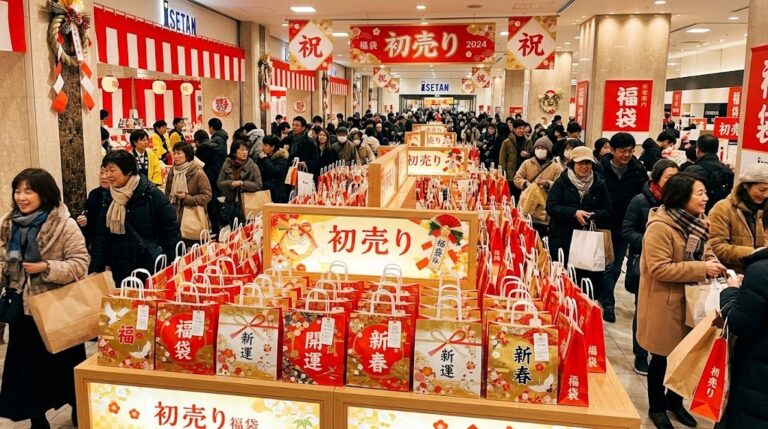
Fukubukuro 2027: How to Win Japan’s New Year Lucky Bags (Starbucks, Muji & More)
Life in Japan

Fukubukuro 2027: How to Win Japan’s New Year Lucky Bags (Starbucks, Muji & More)

Fukubukuro — Japan’s New Year lucky bags — pack 2–5× their price in mystery merchandise. When to enter the Starbucks lottery, where to line up on January 1st, and six tactics to avoid the duds.

Read more →
Christmas in Japan 2026: KFC, Cake & Illuminations — How Japan Really Celebrates
Life in Japan

Christmas in Japan 2026: KFC, Cake & Illuminations — How Japan Really Celebrates

Christmas in Japan means KFC dinners, strawberry shortcake, romantic Christmas Eve dates and world-class illuminations. Here is how Japan really celebrates — and how to join in, from cake reservations to the best light displays.

Read more →
Foreigners in Japan: 2026 Statistics — Record 4.12 Million Residents (Official Data)
Life in Japan

Foreigners in Japan: 2026 Statistics — Record 4.12 Million Residents (Official Data)

Last updated: August 2026 · Data: Immigration Services Agency of Japan (ISA), year-end 2025 statistics. Free to cite with a link to this page. How many foreigners live in Japan? As of December 2025, a record 4,125,395 foreign residents were living in Japan — up 9.5% (+356,418 people) in a single year, and the first […]

Read more →
Japan Pension Refund Calculator 2026: How Much Nenkin Do You Get Back?
Life in Japan

Japan Pension Refund Calculator 2026: How Much Nenkin Do You Get Back?

Leaving Japan after working here? You can claim back up to 5 years of your pension contributions as a lump-sum withdrawal payment (脱退一時金, dattai ichijikin). For many people this is hundreds of thousands of yen — but the official formulas are confusing, so we built this free calculator. Enter your numbers below for an instant […]

Read more →
Japanese Drugstore Guide 2026: What You Can Still Buy After the May Rule Change
Life in Japan

Japanese Drugstore Guide 2026: What You Can Still Buy After the May Rule Change

Since 1 May 2026, eight ingredients including dextromethorphan and diphenhydramine are limited to one box per purchase with age checks. What you can still buy freely, and how tax-free changes on 1 November 2026.

Read more →
Bear Safety in Japan 2026: Record Attacks, Where the Risk Really Is, and What to Do
Life in Japan

Bear Safety in Japan 2026: Record Attacks, Where the Risk Really Is, and What to Do

Bear attacks in Japan hit record highs in FY2025 with 238 injured and 13 killed. Here is where the risk actually is, when it peaks, what to do if you meet one, and why you should change your route rather than cancel your trip.

Read more →
Best Japanese Shampoos & Hair Care 2026: 6 Drugstore Heroes (Fino, YOLU, Tsubaki & More)
Life in Japan

Best Japanese Shampoos & Hair Care 2026: 6 Drugstore Heroes (Fino, YOLU, Tsubaki & More)

Japanese drugstore hair care has quietly become one of the country’s biggest beauty exports. TikTok discovered the Fino hair mask, Reddit’s haircare communities discovered YOLU, and suddenly products that cost ¥800 in a Matsukiyo are selling for triple overseas — with waiting lists. The hype is largely deserved. Japanese formulas focus on damage repair and […]

Read more →
Best Japanese Instant Ramen 2026: 7 Packs Actually Worth Buying (Tested)
Life in Japan

Best Japanese Instant Ramen 2026: 7 Packs Actually Worth Buying (Tested)

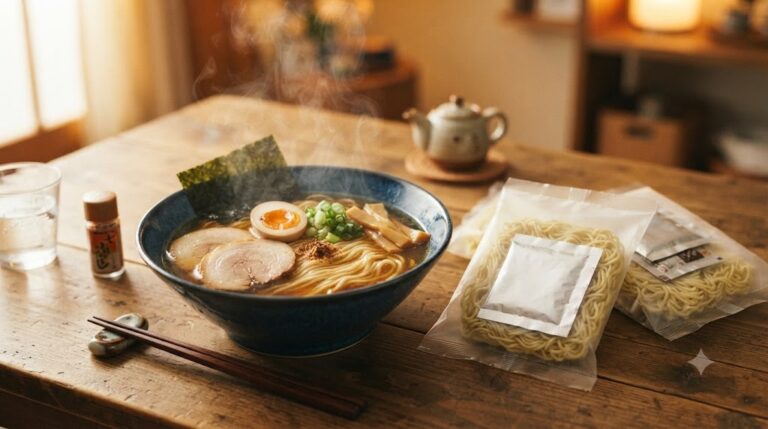
Ask anyone who has lived in Japan what they miss most after leaving, and instant ramen comes up surprisingly often. Japanese instant noodles are in a completely different league from the 10-cent packets you grew up with — we are talking restaurant-grade tonkotsu broth, chewy non-fried noodles, and flavour engineering perfected over 65+ years (the […]

Read more →
Typhoon Season in Japan 2026: The Warning System Just Changed (What Level 3 and Level 4 Really Mean)
Life in Japan

Typhoon Season in Japan 2026: The Warning System Just Changed (What Level 3 and Level 4 Really Mean)

If you are in Japan between August and October, you will almost certainly experience at least one typhoon. And in 2026, there is something new you need to know: Japan changed its entire disaster warning system on 29 May 2026. Almost every English-language typhoon guide online is now out of date. This guide covers what […]

Read more →
Best Japanese Makeup 2026: 8 Cult Products Worth Importing (@cosme Award Winners)
Life in Japan

Best Japanese Makeup 2026: 8 Cult Products Worth Importing (@cosme Award Winners)

Japanese makeup in 2026: why the drugstore beats the department store If you have ever walked into a Japanese drugstore, you already know the feeling: an entire wall of makeup, most of it under ¥2,000, and almost all of it genuinely good. Japan is one of the very few markets where the cheap stuff is […]

Read more →
Gyms in Japan for Foreigners 2026: Costs, Contracts, Tattoos & How to Cancel
Life in Japan

Gyms in Japan for Foreigners 2026: Costs, Contracts, Tattoos & How to Cancel

Joining a gym in Japan looks simple until you are standing at the counter holding a contract written entirely in Japanese, being asked for a bank account you may not have, and discovering that cancelling requires a visit in person before a specific date. The gyms themselves are excellent and often cheaper than in the […]

Read more →
Cycling in Japan 2026: New Blue Ticket Fines, Registration and Rules Foreigners Must Know
Life in Japan

Cycling in Japan 2026: New Blue Ticket Fines, Registration and Rules Foreigners Must Know

Since 1 April 2026 Japan issues on-the-spot fines to cyclists aged 16 and over. Phone use costs 12,000 yen, umbrella riding 5,000 yen. Here is the full fine table, where you are legally allowed to ride, how bicycle registration works, why insurance is required in most prefectures, and what to do when police stop you.

Read more →
Leaving Japan Checklist 2026: The Money You Lose If You Do It in the Wrong Order
Life in Japan

Leaving Japan Checklist 2026: The Money You Lose If You Do It in the Wrong Order

A two-month timeline for leaving Japan: the pension lump-sum deadline, the tax representative form that reclaims 20.42%, resident tax liability, the ward office visit, and why you should keep one bank account open.

Read more →
Japan Garbage Sorting Guide 2026: The Rules Nobody Explains (and Why Your Bag Got Rejected)
Life in Japan

Japan Garbage Sorting Guide 2026: The Rules Nobody Explains (and Why Your Bag Got Rejected)

A practical guide to sorting rubbish in Japan: the seven categories, the PET bottle ritual, items that trip everyone up, oversized waste booking, and the unwritten rules that upset neighbours.

Read more →
Dashi Explained 2026: The Japanese Stock Behind Every Dish (and the Shortcuts Locals Actually Use)
Life in Japan

Dashi Explained 2026: The Japanese Stock Behind Every Dish (and the Shortcuts Locals Actually Use)

The invisible ingredient behind almost every Japanese dish You can buy the right soy sauce, the right miso and the right rice, and your Japanese cooking will still taste flat. The missing element is almost always dashi — the light, savoury stock that sits underneath miso soup, simmered dishes, noodle broths, tamagoyaki, and the dipping […]

Read more →
Kotatsu Guide 2026: How to Buy, Power and Live With Japan’s Best Winter Invention
Life in Japan

Kotatsu Guide 2026: How to Buy, Power and Live With Japan’s Best Winter Invention

The one piece of Japanese furniture that ruins winter everywhere else Ask anyone who has spent a winter in Japan what they miss most, and a surprising number will say the same thing: the kotatsu. A low table with a heater fixed underneath, draped in a heavy quilt, with a tabletop pressed on top to […]

Read more →
Best Areas to Live in Tokyo for Foreigners (2026 Neighborhood Guide)
Life in Japan

Best Areas to Live in Tokyo for Foreigners (2026 Neighborhood Guide)

Choosing where to live is one of the biggest decisions you’ll make as a foreigner in Tokyo. The right neighborhood can mean an easy commute, English-friendly services, great food, and a community that helps you settle in fast. This 2026 guide breaks down the best areas of Tokyo for foreigners — from international hubs to […]

Read more →
Getting Married in Japan as a Foreigner (2026): Complete Step-by-Step Guide
Life in Japan

Getting Married in Japan as a Foreigner (2026): Complete Step-by-Step Guide

Getting married in Japan as a foreigner is absolutely possible — but the paperwork can feel intimidating if you don’t know the steps. Whether you’re marrying a Japanese national or another foreigner, this 2026 guide walks you through exactly which documents you need, where to submit them, and what to do afterward (including the all-important […]

Read more →
Secondhand Shopping in Japan (2026): Mercari, 2nd STREET, Hard Off & Jimoty Guide for Foreigners
Life in Japan

Secondhand Shopping in Japan (2026): Mercari, 2nd STREET, Hard Off & Jimoty Guide for Foreigners

The complete guide to buying and selling used goods in Japan: Mercari basics for foreigners, 2nd STREET, Hard Off junk corners, Jimoty free furniture, safe used appliances, and the leaving-Japan sell-off timeline.

Read more →
Going to the Dentist in Japan (2026): Costs With Insurance, English Clinics & What to Expect
Life in Japan

Going to the Dentist in Japan (2026): Costs With Insurance, English Clinics & What to Expect

How to see a dentist in Japan as a foreigner: finding English-speaking clinics, costs with National Health Insurance (30% copay), first-visit flow, key Japanese vocabulary, and emergency options.

Read more →
How to Quit Your Job in Japan (2026): Resignation Rules, Visa, Unemployment Benefits & Taishoku Daiko
Life in Japan

How to Quit Your Job in Japan (2026): Resignation Rules, Visa, Unemployment Benefits & Taishoku Daiko

The law is on your side: 2 weeks notice is your legal right, your employer cannot refuse, and unused paid leave must be honored. Visa notifications, unemployment benefits at Hello Work, health insurance choices after quitting, and when a resignation agency is worth it.

Read more →
Buying a Home in Japan as a Foreigner (2026): Mortgages, PR & the Full Process Explained
Life in Japan

Buying a Home in Japan as a Foreigner (2026): Mortgages, PR & the Full Process Explained

Foreigners CAN buy property in Japan — no visa needed, freehold forever. The real challenge is the mortgage. Which banks lend without PR, the true cost (add 6-9% in fees), the 1981 earthquake rule, condo vs house vs akiya, and the step-by-step path from loan pre-screening to keys.

Read more →
Japanese Daycare & School for Foreign Kids (2026): Hoikuen Points, Costs, and the April Deadline Everyone Misses
Life in Japan

Japanese Daycare & School for Foreign Kids (2026): Hoikuen Points, Costs, and the April Deadline Everyone Misses

A foreign parent’s complete guide to Japanese daycare and school: hoikuen vs yochien, how the points system works, the October–December application window for April entry, real costs (ages 3–5 are free), and what happens when your child does not speak Japanese yet.

Read more →
How to Make Mochi & Daifuku at Home (2026): Easy Microwave Recipe + What to Buy
Life in Japan

How to Make Mochi & Daifuku at Home (2026): Easy Microwave Recipe + What to Buy

Make soft, chewy mochi and daifuku at home in 15 minutes with a microwave. Step-by-step recipe, shiratamako vs mochiko explained, the exact ingredients and tools to buy, plus matcha, strawberry and ice cream variations.

Read more →
How to Make Onigiri Like a Konbini Pro: Technique, Fillings & Gear (2026 Guide)
Life in Japan

How to Make Onigiri Like a Konbini Pro: Technique, Fillings & Gear (2026 Guide)

Onigiri — the humble Japanese rice ball — is the country’s original fast food: portable, endlessly customizable, and quietly perfect. If you’ve ever grabbed one from a konbini and wondered why yours fall apart at home, this guide is for you. We’ll cover the technique, the classic fillings, the gear that makes it foolproof, and […]

Read more →
Japanese Pantry Essentials 2026: The 7 Seasonings That Unlock Real Japanese Cooking
Life in Japan

Japanese Pantry Essentials 2026: The 7 Seasonings That Unlock Real Japanese Cooking

You can buy a rice cooker, master a curry roux, and still find your homemade Japanese food tastes… off. The missing piece is almost never technique — it’s the pantry. Japanese home cooking runs on seven core seasonings, and once they’re on your shelf, dishes like teriyaki, gyudon, miso soup, and restaurant-style dressing become 10-minute […]

Read more →
Best Japanese Curry Roux 2026: Golden Curry vs Vermont vs Java (The Complete Guide) [Aug Update]
Life in Japan

Best Japanese Curry Roux 2026: Golden Curry vs Vermont vs Java (The Complete Guide) [Aug Update]

Best Japanese curry roux 2026: S&B Golden Curry vs House Vermont vs Java vs Kokumaro vs Bon Curry compared — heat levels, flavors, where to buy on Amazon, plus the secret ingredients Japanese home cooks use.

Read more →
Best Japanese Sunscreens 2026: 5 Drugstore Icons Worth Hoarding (Anessa, Biore & More)
Life in Japan

Best Japanese Sunscreens 2026: 5 Drugstore Icons Worth Hoarding (Anessa, Biore & More)

Best Japanese sunscreens 2026: Anessa, Biore UV, Skin Aqua, Allie & Canmake compared. SPF50+ picks that survive Japan's humid summers — where to buy & prices for tourists and expats.

Read more →
Japan 100-Yen Shop Guide 2026: What to Buy at Daiso & Seria (And What to Skip)
Life in Japan

Japan 100-Yen Shop Guide 2026: What to Buy at Daiso & Seria (And What to Skip)

Ask any foreigner who has lived in Japan what they miss most, and a surprising number will say the same thing: the 100-yen shop. Not the temples. Not the sushi. The shop where everything costs about 70 cents. Daiso, Seria and Can Do are not “cheap junk stores.” They are where Japan quietly puts its […]

Read more →
Best Japanese Mosquito Repellents 2026: Coils, Sprays & Muhi (What Actually Works)
Life in Japan

Best Japanese Mosquito Repellents 2026: Coils, Sprays & Muhi (What Actually Works)

Japanese summers mean mosquitoes. Here are the 7 mosquito repellents Japan actually uses — KINCHO coils, Skin Vape mist, one-push room sprays, Muhi itch relief and more, with buying links.

Read more →
NEWThe Japan Expat Starter Kit 2026 — banking, visas, 100 phrases & more in one PDF$9.99 $6.99 code JLL30Get it →×