Category: Life in Japan

Expat guides, shopping, and everyday life in Japan

  • Japan Dual Pricing 2026: Where Foreigners Pay More — And the Exact Tricks to Pay Local Rates

    Japan Dual Pricing 2026: Where Foreigners Pay More — And the Exact Tricks to Pay Local Rates

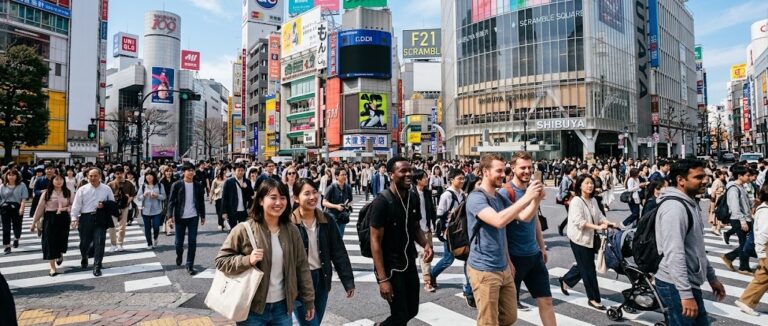
    If you’ve visited Japan recently, you may have noticed something surprising: certain attractions, restaurants, and services charge foreigners significantly more than Japanese locals. This practice — known as “dual pricing” or “foreigner pricing” — has become a growing controversy in 2026 as Japan’s tourism numbers hit record highs. This guide explains exactly where dual pricing exists, whether it’s legal, and how to navigate it as a smart traveler or expat.

    What Is Japan’s Dual Pricing System?

    Dual pricing refers to a two-tier pricing structure where non-Japanese visitors pay a higher admission fee or service charge than Japanese nationals. While Japan is far from the only country that does this — Thailand, Cambodia, and India have similar systems for major attractions — the practice has attracted significant attention in Japan due to the country’s reputation for fairness and the sheer scale of inbound tourism.

    In 2026, Japan welcomed a record 36+ million foreign visitors, and the strain on popular destinations has led many local governments and businesses to implement foreigner-specific pricing as both a revenue tool and crowd management strategy.

    Where Does Dual Pricing Actually Exist in Japan?

    🏔️ Mount Fuji (Fujisan)

    The most prominent example. From 2024, Yamanashi Prefecture introduced a ¥2,000 “climbing conservation fee” charged to all climbers, but in 2026 this was increased and more strictly enforced. Foreign climbers are subject to the same fee, but the lack of information in multiple languages led many foreigners to feel singled out.

    🌿 Kyoto’s Nishiki Market Area

    Several stalls and restaurants in and around Nishiki Market have introduced “tourist prices” — typically 20–40% higher than equivalent items at local supermarkets or izakayas. This isn’t always labeled as dual pricing but results in the same effect.

    🏯 Historic Sites & Temples

    Some temples and shrines have begun introducing higher-priced “foreigner tickets” or “VIP access lanes” for non-Japanese visitors. Kinkaku-ji (Golden Pavilion) and Fushimi Inari have been rumored to be considering formal dual pricing as of 2026, though no official policy has been confirmed at time of writing.

    🦌 Nara (Deer Park Area)

    Local restaurants near Nara Park have implemented English-only menus with prices 15–30% higher than the Japanese-language menus at the same restaurants. Always ask for the Japanese menu — it’s not illegal to show it to you.

    🎿 Ski Resorts (Niseko & Hakuba)

    Niseko in Hokkaido has become notorious for “Niseko pricing” — lift passes, accommodation, and dining that rival European Alpine resorts. A day ski pass at Niseko Grand Hirafu in 2026 can cost ¥12,000–¥18,000 for foreigners, while Japanese-focused resorts nearby charge ¥5,000–¥7,000.

    Is Japan Dual Pricing Legal?

    This is the most common question — and the answer is nuanced. Japan has no specific law prohibiting differential pricing based on nationality. However, several legal frameworks create grey areas:

    Consumer Contract Act (消費者契約法): Protects consumers from unfair contract terms, but doesn’t specifically address nationality-based pricing.

    Racial Discrimination: Japan signed the International Convention on the Elimination of All Forms of Racial Discrimination in 1996, but enforcement against dual pricing in commercial settings is virtually nonexistent.

    Bottom line: Dual pricing is currently legal in Japan for private businesses. Government-operated facilities face more scrutiny, but private restaurants, hotels, and shops can technically charge whatever they wish.

    How Much More Are Foreigners Actually Paying?

    Location/ServiceLocal PriceTourist Price% Difference
    Niseko ski pass (1 day)¥6,000¥15,000+150%
    Nishiki Market sashimi bowl¥800¥1,200+50%
    Nara tourist restaurant ramen¥900¥1,200+33%
    Kyoto private tour (half day)¥8,000¥15,000+88%
    Taxi (tourist areas)MeterFlat “tourist rate”+20-40%

    7 Practical Tips to Avoid Overpaying in Japan

    1. Ask for the Japanese Menu

    At restaurants with dual menus, simply say “nihongo no menyu wo kudasai” (日本語のメニューをください — “May I have the Japanese menu please?”). Most restaurants are legally and socially obligated to show you the same menu they show Japanese customers. This alone can save 20–30% per meal.

    2. Use Japanese Apps for Booking

    Book accommodation via Japanese platforms like Jalan (じゃらん) or Rakuten Travel rather than international sites like Booking.com or Expedia. Japanese-targeted deals are often 15–25% cheaper for the same hotels. You’ll need a Japanese credit card or PayPay for some deals.

    3. Eat Where Locals Eat

    Avoid restaurants directly adjacent to major tourist attractions. Walk 5–10 minutes from the main crowd and prices drop dramatically. A ramen bowl at a tourist trap near Senso-ji may cost ¥1,500; the same quality bowl two streets away costs ¥850.

    4. Visit Off-Peak and Use Timed Entry

    Some attractions implement tiered pricing based on time — not nationality. Early morning or late afternoon entry is often cheaper. Check the official website for timed entry passes, which are frequently cheaper than same-day tickets.

    5. Use IC Cards (Suica/Pasmo) for Transit

    IC cards give you the same transit fares as Japanese commuters. Tourist passes like the JR Pass or regional passes are sometimes great value, but always compare with pay-as-you-go IC card pricing before buying.

    6. Stay in Local Guesthouses (Minpaku)

    Traditional ryokan and minpaku (private home rentals) often have transparent, single pricing regardless of nationality. Airbnb-style accommodations listed by Japanese hosts typically don’t implement dual pricing.

    7. Learn Key Japanese Phrases

    Just being able to read basic Japanese or navigate Japanese apps signals to vendors that you’re a savvy traveler, not just a tourist to be upsold. Apps like Google Translate’s camera mode can instantly translate menus and price boards.

    The Controversy: Is Japan’s Dual Pricing Fair?

    Local Japanese business owners and tourism authorities offer several justifications for dual pricing in 2026:

    Overtourism management: Higher prices for tourists reduce the sheer volume of visitors at over-saturated sites, preserving the experience for everyone.

    Revenue for conservation: Mount Fuji’s climbing fee funds trail maintenance and environmental protection — a cost locals using the mountain for generations have indirectly subsidized through taxes.

    Living costs vs. disposable income: Foreign tourists (particularly from high-income countries) often have significantly more disposable income relative to the cost of their trip than Japanese domestic travelers.

    Critics — including many Japan-based expats — counter that dual pricing erodes trust, creates a two-tier society feel, and may violate the spirit of Japan’s constitution, which guarantees equality regardless of nationality.

    For Expats Living in Japan: Special Considerations

    If you’re a long-term resident rather than a tourist, you have some additional options:

    Resident discount cards: Many cities offer resident discount cards for attractions that are separate from tourist pricing. Your local ward office (区役所) can advise.

    Japanese bank accounts: Having a Japanese bank account and payment methods (Suica, PayPay, Rakuten Pay) opens access to domestic-only promotions.

    Employer benefits: Many Japanese employers offer discount tickets for theme parks, gyms, and cultural facilities. Ask your HR department.

    Community membership: Some museums and botanical gardens offer annual membership at local pricing regardless of nationality, if you can demonstrate residency.

    What’s Changing in 2026

    Japan’s government is walking a tightrope. The tourism ministry has not officially endorsed dual pricing but has also not moved to ban it. Several developments to watch:

    • Tokyo’s metropolitan government is reviewing policies for city-run facilities after public backlash against “foreigner tiers” at some facilities.

    • Kyoto is expanding its “Kyoto tourist levy” — an accommodation tax paid by all visitors — which may reduce the motivation for individual businesses to implement their own pricing tiers.

    • Consumer advocacy groups are pushing for clearer price transparency laws that would require prominent disclosure whenever differential pricing exists.

    Bottom Line

    Japan’s dual pricing is real, growing, and largely legal in 2026. The most egregious examples involve tourist-trap restaurants and premium ski resorts, while most everyday shopping, transit, and convenience store experiences remain single-price. The best defense is knowledge: use Japanese apps, walk a few minutes from the main crowds, and don’t be afraid to ask for the local menu. Japan remains one of the best-value travel destinations in Asia when you know how to navigate it.

  • Japan Work Visa 2026: The N2 Japanese Requirement Explained — Who’s Affected & What To Do

    Japan Work Visa 2026: The N2 Japanese Requirement Explained — Who’s Affected & What To Do

    Japan’s Most Popular Work Visa Just Got Harder to Get

    If you’re planning to work in Japan as an engineer, IT professional, marketer, or humanities specialist, 2026 brought major changes you need to know about. Effective April 15, 2026, Japan’s Ministry of Justice implemented new rules for the “Engineer/Specialist in Humanities/International Services” (技術・人文知識・国際業務) visa — the most commonly issued work visa for foreign professionals.

    The headline change: Japanese language proficiency at JLPT N2 / CEFR B2 level is now required for many roles under this visa category. But there are important exceptions and nuances that could significantly affect your application.

    Important: These rules apply to new visa applications and renewals filed on or after April 15, 2026. Applications already submitted before this date are processed under the old rules.

    What Is the Engineer/Humanities Visa?

    The “Engineer/Specialist in Humanities/International Services” visa (通称: 技人国ビザ) covers the broadest range of white-collar work in Japan. It includes:

    • Engineers: Software developers, IT engineers, mechanical engineers, system architects
    • Humanities specialists: Marketers, HR professionals, accountants, planners, designers
    • International services: Translators, interpreters, foreign language teachers at private companies, international sales representatives

    This visa is issued to hundreds of thousands of foreign workers each year and is the primary pathway for non-Japanese graduates of Japanese universities and international hires at Japanese companies.

    The New Japanese Language Requirement (April 15, 2026)

    Who Is Affected?

    The new N2/B2 requirement applies to applicants at Category 3 and 4 employers (smaller or less-established companies) whose roles involve significant interpersonal, client-facing, or language-heavy work. Specifically:

    • Roles that require regular communication with Japanese clients or colleagues
    • Roles involving written Japanese content (reports, emails, documentation)
    • Roles where language skills are integral to job performance

    Who Is Exempt?

    Not everyone needs N2. The following are exempt from the new language requirement:

    • Category 1 employers: Listed companies (TSE Prime/Standard), companies with strong compliance records, large established firms
    • Category 2 employers: Companies with solid hiring history for foreign workers
    • High-demand technical roles: Cybersecurity specialists, AI engineers, semiconductor engineers — even at smaller companies — are generally exempt if the role is purely technical
    • International services roles: Positions where English (or another foreign language) is explicitly the working language

    New Priority Sectors: Fast-Track Your Application

    One of the most significant positive changes in the 2026 reforms is the introduction of “Priority Sectors”. If your role falls into one of these categories, your visa application moves to the front of the processing queue:

    • AI & Data Science: Prompt engineers, machine learning researchers, AI product managers, data scientists
    • Green Technology: Renewable energy specialists, carbon neutrality experts, ESG consultants
    • Semiconductor Engineering: Hardware design specialists, fab process engineers — aligned with Japan’s growing chip industry (TSMC Kumamoto, Rapidus Hokkaido)

    Priority sector applications benefit from faster processing times and more flexible documentation requirements.

    Other Key Changes in 2026

    Hybrid Roles Are Now Easier

    Previously, visa applications were strictly checked for “role match” — your job description had to align perfectly with your degree or work experience. The 2026 reforms now accept hybrid roles more readily. For example, a Marketing Manager who also handles front-end web updates no longer faces visa “mismatch” risks. Specialized certifications (recognized AI bootcamps, industry qualifications) are now accepted alongside university degrees.

    Digital Residency Portal

    The Ministry of Justice now uses the Digital Residency Portal for all work visa applications. Paper-based submissions are being phased out. You’ll need a My Number Card and a Japanese address to access the portal fully.

    90-Day Job Gap Rule (Clarified)

    The 90-day job gap rule — where your visa status is reviewed if you are unemployed for more than 90 days — is now more strictly enforced. If you lose your job in Japan, notify immigration within 14 days and actively document your job search to avoid complications at renewal.

    How to Apply: Step-by-Step Guide

    If You’re Applying From Outside Japan

    1. Receive a Certificate of Eligibility (COE) from your Japanese employer (they apply on your behalf at a regional immigration office)
    2. Bring the COE to the Japanese embassy or consulate in your home country
    3. Submit: passport, COE, application form, degree certificate, employment contract, company registration documents
    4. If N2 is required for your role: include JLPT N2 certificate or equivalent
    5. Wait 5–10 business days for processing

    If You’re Already in Japan (Changing Jobs or Renewing)

    1. Apply online via the Digital Residency Portal or visit your regional Immigration Services Bureau
    2. Submit: current residence card, new employment contract, company documents, degree certificate
    3. If changing to a new employer in a different field, include a career change explanation letter
    4. For N2-required roles: include your JLPT certificate
    5. Processing time: 2–8 weeks (Priority Sector applicants may be faster)

    N2 Requirement: What If You Don’t Have It?

    If your role requires N2 but you don’t have the certificate yet, you have several options:

    • Target a Category 1/2 employer: Large companies are exempt from the language requirement
    • Apply for a technical-only role: Pure engineering/coding roles at any company size are generally exempt
    • Study for JLPT N2: The exam is held twice a year (July and December). Many online platforms like Migaku, WaniKani, and Bunpro offer structured N2 preparation
    • Use a visa agent: An experienced immigration attorney (行政書士) can advise on whether your specific role triggers the requirement

    Document Checklist for 2026 Applications

    DocumentRequired For
    Valid passportAll applicants
    Visa application formAll applicants
    University degree certificateMost applicants (or 10 years work experience)
    Employment contractAll applicants
    Company registration / financial docsEmployer submits for COE
    JLPT N2 certificateCat. 3/4 employers, language-heavy roles
    Resume / career historyAll applicants (especially career changers)
    Priority sector certificationIf claiming fast-track priority processing

    Frequently Asked Questions

    Does the N2 requirement apply to visa renewals, not just new applications?

    Yes. If your role at renewal is one that requires N2 under the new rules (Category 3/4 employer, language-heavy role), immigration may request Japanese language proof at renewal. However, long-term residents with clean records generally face more flexibility.

    My company is Category 1 — do I still need N2?

    No. Category 1 employers (listed companies, companies with strong compliance records) are exempt from the N2 requirement. Your employer should be able to confirm their category status.

    What is CEFR B2 equivalent to?

    CEFR B2 is roughly equivalent to JLPT N2 in Japanese proficiency. It represents the ability to understand complex technical and abstract texts, communicate fluently with native speakers, and express ideas clearly on a wide range of topics.

    Can I appeal if my visa application is rejected?

    Yes. You can file an objection (異議申出) within 3 months of receiving a rejection. It is strongly recommended to work with a registered immigration lawyer (弁護士) or administrative scrivener (行政書士) for appeals.

    What’s the difference between this visa and the Highly Skilled Professional (HSP) visa?

    The HSP visa (高度専門職) is for highly paid, highly qualified professionals and offers faster permanent residency pathways. The Engineer/Humanities visa is more broadly accessible but offers fewer long-term benefits. The HSP point system rewards high salaries, advanced degrees, and research publications.

    Complete Guide to Life in Japan

    From work visas to banking, health insurance, housing and daily life — everything you need as a foreigner in Japan in one comprehensive PDF guide.

    Get the Japan Expat Starter Kit

    🇯🇵 Travel & Life Essentials for Japan

    Hand-picked gear to make your time in Japan easier. Available on Amazon US & Amazon Japan.

    🔋 Portable charger

    A must for long days of sightseeing and photos.

    View on Amazon (US)View on Amazon Japan

    🔌 Travel plug adapter

    Japan uses Type A outlets. Bring the right adapter.

    View on Amazon (US)View on Amazon Japan

    🎧 Translation earbuds

    Real-time translation to talk without barriers.

    View on Amazon (US)View on Amazon Japan

    As an Amazon Associate, Japan Life Lab earns from qualifying purchases.

  • Japan’s New Language Law 2026: N2 Japanese Required to Work — What Every Expat Must Do Now

    Japan’s New Language Law 2026: N2 Japanese Required to Work — What Every Expat Must Do Now

    ⚠️ Breaking Update (April 2026): Japan has officially added a Japanese language requirement to its most popular work visa. Permanent residency rules are also changing. This guide covers everything you need to know — and what to do right now.

    If you work in Japan — or plan to — the rules just changed dramatically.

    As of April 15, 2026, Japan implemented a Japanese language proficiency requirement for one of its most commonly held work visas: the Engineer/Specialist in Humanities/International Services visa (技人国, Gijinkoku). And the government is already signaling that permanent residency could be next.

    This isn’t a rumor. The Japan Times confirmed the change, immigration lawyers are fielding panicked calls, and r/japanlife has been buzzing with threads from worried expats for weeks.

    Here’s everything you need to know — who’s affected, who’s exempt, what the timeline looks like, and most importantly, what you should do right now.

    🗾 Japan’s Language Policy Shift: The Big Picture

    Updated for July 2026 — prices and product information refreshed.

    📅 Updated July 2026: Product information, prices, and travel details in this article have been updated to reflect the latest information as of July 2026.

    Japan has long been one of the few developed nations where you could build a career without speaking the local language. That era is quietly ending.

    In 2026, Japan introduced a cluster of language-related policy changes that collectively signal a major shift in immigration philosophy:

    • April 2026: JLPT N2 (or equivalent) required for new Gijinkoku visa applicants at SMEs
    • February 2026: Tourists banned from taking JLPT exams inside Japan
    • Under consideration: JLPT N2 or N3 requirement for Permanent Residency (expected 2027)
    • April 2027: PR eligibility raised from 3-year to 5-year visa holders

    Taken together, these changes make Japanese language ability increasingly essential — not just useful — for anyone planning a long-term life in Japan.

    📋 What Exactly Changed: The Work Visa N2 Requirement

    The Affected Visa

    The Engineer/Specialist in Humanities/International Services visa (技術・人文知識・国際業務, commonly called “Gijinkoku”) is Japan’s most common work visa. It covers:

    • Software engineers and IT professionals
    • Marketing, sales, and business development roles
    • Translators and interpreters
    • HR and finance professionals
    • International business staff

    From April 15, 2026, new applicants must demonstrate Japanese language proficiency at JLPT N2 level (CEFR B2) if their role requires Japanese-language communication and they’re being hired by a small or medium-sized enterprise (SME).

    Proof of Proficiency

    Accepted Proof Details
    JLPT N2 CertificateMost straightforward option
    BJT Score 400+Business Japanese Test (alternative to JLPT)
    Japanese University DegreeAutomatically qualifies you
    Japanese Vocational SchoolAdvanced/specialized course diploma

    ✅ Who Is Affected — And Who Is Exempt

    This is where it gets nuanced. Not everyone holding (or applying for) a Gijinkoku visa needs N2. Here’s a clear breakdown:

    You NEED N2 if:

    • You’re applying for a Gijinkoku visa for the first time (new entrants, not renewals)
    • Your employer is a small or medium-sized enterprise (SME)
    • Your job involves Japanese-language communication (client meetings, documentation, internal comms)
    • Your role falls under Category 3 or 4 of the new classification system

    You are EXEMPT if:

    • You work at a large corporation (Tokyo Stock Exchange-listed companies are generally exempt)
    • Your role is conducted entirely in English or another non-Japanese language (employer must document this)
    • You’re renewing an existing Gijinkoku visa (grandfathered in — for now)
    • You hold a different work visa category (Highly Skilled Professional, Business Manager, etc.)
    • You work at an international tech company, global startup, or MNC with English-first culture
    💡 Key takeaway: If you work at a Japanese SME and your job involves Japanese communication, this applies to you. If you work at Google, Amazon, or an English-first company in Japan, you’re likely exempt — but your employer must formally document this.

    🔮 What’s Coming Next: PR Language Requirement

    The April 2026 work visa change was just the opening move. The Japanese government is now actively debating whether to add a language proficiency requirement for Permanent Residency (PR).

    Current Status

    As of May 2026, no official PR language requirement exists. However:

    • The ruling LDP has formally proposed adding a language requirement to PR criteria
    • The requirement under discussion is JLPT N2 or N3
    • Implementation is expected around 2027, pending final legislation
    • Japan Times reports the government is “actively considering” the change

    PR Timeline: Everything Changing at Once

    Date Change Status
    Feb 2026PR applicants must hold 5-year visa (not 3-year)✅ Confirmed (effective Apr 2027)
    Apr 2026Minimum income ¥3.5M/year for PR✅ In effect
    2027 (est.)JLPT N2/N3 required for PR⏳ Under consideration
    2027 (est.)Language courses may factor into residency screening⏳ Proposed (trial 2028)
    ⚡ Bottom line: If you’re planning to apply for PR in the next 2–3 years, starting Japanese study NOW could save you enormous stress — or be the difference between qualifying and not.

    🚫 The JLPT Tourist Ban: Why It Matters

    Buried in the 2026 policy changes is a rule that flew under most expats’ radars: tourists can no longer take the JLPT exam in Japan.

    Starting in 2026, the JLPT application process requires proof of residency in Japan. Short-term visitors on tourist visas can no longer use a Japan trip as an opportunity to sit the exam.

    Why This Matters for Expats

    • JLPT test slots in Japan are famously competitive — this frees up spots for actual residents
    • It signals Japan is treating language certification as a residency privilege, not a tourist activity
    • If you’re on a tourist visa and need to take the exam before a visa transition, you’ll need to take it in your home country

    🗓️ The Complete 2026 Japan Language Policy Timeline

    When What Who’s Affected
    Feb 2026Tourists banned from taking JLPT in JapanTourists, short-stay visitors
    Apr 15, 2026JLPT N2 required for new Gijinkoku visa at SMEsNew work visa applicants
    Apr 2026Min. ¥3.5M income required for PRPR applicants
    Oct 2026Language test required for student visa holders (no degree)Language school students
    Apr 2027PR requires 5-year visa (not 3-year)PR applicants
    2027 (est.)Possible JLPT N2/N3 for PRAnyone applying for PR

    🚀 Action Plan: What You Should Do RIGHT NOW

    Whether you’re currently working in Japan or planning to move here, here’s a clear action plan based on your situation:

    🟢 If you already have a Gijinkoku visa (renewal)

    • You are grandfathered in — renewals are NOT affected yet
    • However, start Japanese study now. The rules may extend to renewals in future iterations
    • Check whether your company qualifies as an SME (capital under ¥300M or fewer than 300 employees)

    🟡 If you’re applying for a Gijinkoku visa for the first time

    • Step 1: Confirm with your employer whether their company qualifies as an SME
    • Step 2: Confirm whether your role is conducted in Japanese or English
    • Step 3: If N2 is required, register for the next JLPT (held June and December)
    • Step 4: If you need N2 urgently, consider intensive courses (online or in Japan)

    🔴 If you’re planning to apply for PR in the next 3 years

    • Start Japanese study immediately — N2 takes most learners 1–2 years of serious study
    • Aim for N3 first as a milestone, then N2
    • Ensure you’re on a 5-year visa before applying (required from Apr 2027)
    • Maintain ¥3.5M+ annual income and clean tax/pension records

    ⚪ If you work at a large or English-first company

    • Confirm with your HR/legal team that they’ll document the English-only work environment
    • Still recommended: study Japanese — it helps with daily life, career growth, and future-proofing

    📚 How to Pass JLPT N2: Best Resources in 2026

    N2 is serious. It requires roughly 600–1,000 hours of study for most learners coming from zero. But with the right resources, it’s very achievable.

    Resource Best For Cost
    BunproGrammar SRS (spaced repetition)~$10/month
    Anki + N2 decksVocabulary & KanjiFree
    Nihongo So-Matome N2Structured textbook series~¥1,200/book
    JLPT SenseiFree practice tests & grammarFree
    italki / PreplyConversation practice with tutors~$15–30/hr

    JLPT exam dates (Japan): First Sunday of July and first Sunday of December. Register 3–4 months in advance — slots fill fast.

    Japan Life Lab Guide

    🇯🇵 Japan Expat Starter Kit 2026

    60+ pages covering banking, PR visa, health insurance, housing, taxes, Suica, PayPay & daily Japanese phrases — everything you need to navigate life in Japan.

    📥 Get the Guide — $19

    30-day money-back guarantee

    ❓ Frequently Asked Questions

    Does the N2 requirement apply to my current visa renewal?

    No — as of May 2026, renewals are not affected. The N2 requirement applies only to new Gijinkoku visa applicants. However, this could change in future policy revisions, so starting Japanese study now is wise.

    I work at a large Japanese company. Do I need N2?

    Likely not. The requirement primarily targets SME employment (Category 3 and 4 applicants). Companies listed on the Tokyo Stock Exchange or with large workforces are generally in Category 1 or 2, which have different (and currently less restrictive) requirements. Confirm with your HR or immigration lawyer.

    My company is fully English-speaking. Am I exempt?

    Yes, if your employer formally documents that the role is conducted entirely in English or another non-Japanese language. International tech companies, global firms, and English-first startups have been explicitly cited as unaffected. Your employer must include this documentation in the visa application.

    What level is N2 exactly? How hard is it?

    JLPT N2 is equivalent to CEFR B2 — “upper intermediate.” At this level, you can understand the main ideas of complex text on concrete and abstract topics, and interact with a degree of fluency. Most learners with no prior Japanese knowledge need 1–2 years of serious study (600–1,000 hours) to reach N2. Coming from Chinese or Korean is significantly faster due to shared kanji/characters.

    I’m on a tourist visa. Can I still take the JLPT in Japan?

    No. As of 2026, the JLPT in Japan requires proof of residency. Tourists and short-term visa holders must take the exam in their home country. The JLPT is held in over 80 countries worldwide, so check the official JLPT website for test locations near you.

    When is the N2 language requirement for PR expected?

    As of May 2026, no official PR language requirement exists yet. The government is “actively considering” adding JLPT N2 or N3 as a PR criterion, with potential implementation around 2027. The situation is evolving — we’ll update this article as legislation progresses.

    I’m already living in Japan but don’t have N2. What should I do?

    If you’re on an existing Gijinkoku visa, you’re fine for now — renewals aren’t affected. Prioritize: 1) Check whether your next career move would require you to join an SME, 2) Start studying Japanese seriously if PR is a long-term goal, 3) Monitor policy updates through Japan Times, GaijinPot, and this blog.

    🇯🇵 Travel & Life Essentials for Japan

    Hand-picked gear to make your time in Japan easier. Available on Amazon US & Amazon Japan.

    🔋 Portable charger

    A must for long days of sightseeing and photos.

    View on Amazon (US)View on Amazon Japan

    🔌 Travel plug adapter

    Japan uses Type A outlets. Bring the right adapter.

    View on Amazon (US)View on Amazon Japan

    🎧 Translation earbuds

    Real-time translation to talk without barriers.

    View on Amazon (US)View on Amazon Japan

    As an Amazon Associate, Japan Life Lab earns from qualifying purchases.

  • How to Buy an Akiya (Abandoned House) in Japan 2026: Foreigner’s Complete Guide (From ¥0)

    How to Buy an Akiya (Abandoned House) in Japan 2026: Foreigner’s Complete Guide (From ¥0)

    🏚️ Japan’s Akiya Boom: Why Foreigners Are Buying Abandoned Houses in 2026

    Japan has nearly 10 million abandoned homes — roughly one in every seven houses across the country. And in 2026, the world has noticed. Search traffic for “houses for sale in Japan” has surged sixfold in just six months, with buyers from the UK (+57%), Canada (+62%), and the US (+38%) leading the charge.

    The reason? A perfect storm of factors: a historically weak yen making Japanese property 30–40% cheaper in dollar/pound/euro terms, a housing affordability crisis in Western countries, and a growing awareness that Japan actually welcomes foreign property buyers — with no restrictions on ownership.

    This guide covers everything you need to know about buying an akiya in Japan as a foreigner in 2026 — from finding properties to navigating the paperwork, renovation costs, and the new disclosure rules that took effect in April 2026.

    📝 Quick Summary
    ✅ Foreigners CAN buy akiya in Japan — no restrictions
    ✅ Average akiya price: ¥500,000–¥5,000,000 (~$3,300–$33,000)
    ⚠️ New April 2026: citizenship disclosure + 20-day use report required
    🔨 Budget ¥1M–¥10M+ for renovation on top of purchase price

    What Is an Akiya? Japan’s Abandoned House Crisis Explained

    An akiya (空き家) literally means “empty house” in Japanese. These are residential properties — from countryside farmhouses to urban apartments — that have been abandoned, sometimes for decades. Japan’s population is shrinking and aging, leaving behind vast numbers of homes with no heirs willing to maintain them.

    The numbers are staggering:

    • 9.9 million akiya as of 2024 (Ministry of Internal Affairs data)
    • ~1 in 7 homes across Japan is now vacant
    • Vacancy rates exceed 20% in rural prefectures like Tokushima and Kochi
    • The government actively wants foreign buyers to revitalize these communities

    Prices range from essentially free (some municipalities offer ¥0 akiya to buyers who commit to renovation) to a few million yen for structurally sound homes in desirable areas. The average listed akiya sells for ¥500,000–¥3,000,000 ($3,300–$20,000) — a fraction of what you’d pay anywhere in the Western world.

    Can Foreigners Buy Akiya in Japan? The Legal Answer

    Yes — and this is what surprises most people. Japan imposes no restrictions on foreign ownership of land or buildings. Unlike many Asian countries (China, Thailand, Vietnam) where foreigners cannot own land, Japan has an open policy:

    • You can buy as a tourist, temporary visitor, resident, or even remotely from abroad
    • No visa or residency requirement to purchase property
    • No minimum investment amount
    • No special permit or government approval needed

    The practical challenge isn’t legal — it’s logistical. Most akiya banks (the databases where properties are listed) are in Japanese only, real estate agents rarely speak English, and the contracts require a certified judicial scrivener to transfer title.

    New 2026 Rules: What Changed for Foreign Buyers

    As of April 2026, Japan introduced new transparency measures for foreign property purchases. These are not restrictions — you can still buy freely — but you must now:

    1. Disclose your nationality at the time of property registration (登記)
    2. File a residential use report (利用状況報告書) within 20 days of purchase
    3. Report any changes in use or ownership within 90 days

    Your judicial scrivener (司法書士) handles the registration — just make sure they know you’re a foreign national so they include the disclosure. The 20-day use report is submitted to the local municipal office and takes about 30 minutes to complete (most now have English-language forms for foreign buyers).

    These measures were introduced after concerns about foreign ownership of land near defense facilities. Standard residential and rural akiya purchases are completely unaffected in practice.

    Step-by-Step: How to Buy an Akiya in Japan as a Foreigner

    Step 1: Find Your Property — Akiya Banks Explained

    Akiya banks (空き家バンク) are municipal databases of properties registered for sale. Most are Japanese-only, but here are the best English-friendly options:

    🏦 Best Akiya Banks for English Speakers

    Platform Coverage English? Notes
    Akiya Mart Nationwide ✅ Full English Best for beginners, agent support
    Akiya Japan Nationwide ✅ English Large listing database
    All Akiyas Nationwide ✅ English search Free search, map-based
    SUUMO / AtHome Nationwide ❌ Japanese only Largest databases, use Google Translate
    Local Municipal Banks Specific area ❌ Japanese only Cheapest prices, most rural

    Step 2: Hire an English-Speaking Real Estate Agent

    This is non-negotiable. You need an agent who:

    • Speaks English and Japanese fluently
    • Has experience with foreign buyers specifically
    • Can coordinate with the judicial scrivener for title transfer
    • Understands the new 2026 disclosure requirements

    Agent commission is typically 3% + ¥60,000 + tax of the purchase price (capped by law). On a ¥3,000,000 property, that’s around ¥150,000 (~$1,000).

    Step 3: Property Inspection (建物調査)

    Many akiya have been empty for years or decades. Always get a professional inspection (建物調査) before purchasing. Key things to check:

    • Termites (白アリ) — endemic in older Japanese wooden buildings
    • Roof condition — Japanese tile roofs are durable but expensive to repair
    • Foundation — post-1981 earthquake code is critical (homes built before 1981 may not meet modern standards)
    • Plumbing and electrical — often need complete replacement in older akiya
    • Asbestos — present in many pre-2000 Japanese buildings

    Inspection costs: ¥50,000–¥100,000. Worth every yen.

    Step 4: Make an Offer and Sign the Purchase Agreement

    Once you’ve chosen a property:

    1. Submit a purchase offer (買付証明書) — usually verbal first through your agent
    2. Pay a deposit (手付金) of 5–10% of purchase price
    3. Sign the Purchase and Sale Agreement (売買契約書)
    4. Pay the remaining balance at closing

    The entire process takes 2–4 months from offer to closing for a cash purchase. If financing is involved, add 1–2 months.

    Step 5: Title Transfer and Registration

    A judicial scrivener (司法書士) handles the title transfer. As a foreign buyer in 2026, you’ll need to provide:

    • Valid passport
    • Residency certificate or embassy letter confirming your address
    • Personal seal (hanko) OR notarized signature
    • Foreign nationality disclosure form (new April 2026 requirement)

    Registration fees: approximately 0.4% of assessed property value for land + 2% for buildings.

    Understanding the True Cost of Buying an Akiya

    💰 Full Cost Breakdown (Example: ¥2,000,000 Akiya)

    Cost Item Amount
    Purchase price ¥2,000,000
    Agent commission (3% + ¥60,000 + tax) ¥126,000
    Registration & stamp duty ¥80,000
    Judicial scrivener fee ¥80,000
    Building inspection ¥70,000
    Basic renovation (minimum) ¥1,000,000–¥5,000,000
    Full renovation (livable) ¥3,000,000–¥15,000,000
    Estimated Total (basic reno) ¥3,356,000–¥7,356,000
    ~$22,000–$49,000

    The renovation reality: Even a “structurally sound” akiya often needs ¥1–5 million minimum for roof repairs, plumbing, electrical, and insulation. A full gut renovation to modern standards can cost ¥10–20 million or more. Budget conservatively — renovation surprises are common.

    Financing an Akiya as a Foreigner: Can You Get a Mortgage?

    This is where things get complicated. Most Japanese banks will only lend to permanent residents or Japanese citizens. However, there are options:

    • Japan Housing Finance Agency (住宅金融支援機構 / Flat 35): Available to foreign nationals with permanent residence. Fixed 35-year mortgage at ~1.8% interest.
    • Some regional banks: A few regional banks in rural areas actively court foreign buyers and may lend to long-term visa holders (work visa, spouse visa, etc.)
    • Cash purchase: By far the most common route for foreign buyers. Given the low prices, many akiya are cash-feasible even for moderate budgets.
    • Overseas financing: Borrow against assets in your home country and purchase cash in Japan.

    If you’re serious about financing, consult with an expat-specialist mortgage broker before starting your property search.

    Pros and Cons of Buying an Akiya in Japan

    ✅ Pros

    • Incredibly low purchase prices
    • No foreign ownership restrictions
    • Yen at multi-decade lows = great exchange rate
    • Subsidies available in some municipalities
    • No stamp duty (印紙税) on very cheap properties
    • Can become AirBnB / guesthouse (with permit)
    • Government wants foreigners to revitalize rural towns

    ⚠️ Cons

    • Renovation costs often exceed purchase price
    • Language barrier in all paperwork
    • Most are in rural areas far from cities
    • Hard to resell (limited local market)
    • Financing very difficult without PR
    • Property tax still applies (固定資産税)
    • New 2026 disclosure requirements

    Government Subsidies: Getting Paid to Buy an Akiya

    This sounds too good to be true, but it isn’t. Many municipalities are so desperate to fill empty houses that they offer:

    • Free properties: Some towns list akiya at ¥0 if the buyer commits to living there and renovating
    • Renovation subsidies: Up to ¥2,000,000 in renovation cost reimbursements
    • Move-in bonuses: Some rural municipalities offer ¥1,000,000+ cash bonuses for families who relocate
    • Child subsidies: Families with children may receive additional monthly allowances

    These subsidies are typically available to all residents regardless of nationality — including foreign buyers. Check the specific municipality’s official website or ask your real estate agent.

    Remote Akiya Purchase: Can You Buy Without Visiting Japan?

    Yes — but with caveats. A remote purchase is technically possible using:

    • A Power of Attorney (委任状) granted to your agent or lawyer
    • Video tours and professional inspection reports
    • Notarized signature from a Japanese embassy in your country

    In practice, most advisors strongly recommend at least one visit before purchasing. Renovation surprises are common, and Japanese countryside properties can look very different in person than in photos. A 1–2 week trip to view properties is worth the cost.

    Best Prefectures for Akiya Hunters (2026)

    Prefecture Vacancy Rate Avg. Akiya Price Pros
    Tokushima 21.2% ¥300K–¥2M Cheapest, nature, Awa Odori culture
    Kochi 20.8% ¥200K–¥1.5M Lowest prices, Pacific coast, warm climate
    Wakayama 18.9% ¥500K–¥3M Near Osaka, Kumano Kodo hiking
    Nagano 16.4% ¥1M–¥5M Mountains, ski resorts, expat community
    Niigata 15.8% ¥500K–¥3M Rice country, onsen, 2h to Tokyo by Shinkansen

    📥 Japan Expat Starter Kit 2026

    Complete guide covering banking, health insurance, housing, Suica, taxes, PayPay & daily Japanese phrases — everything a foreigner needs to navigate life in Japan.

    📥 Get the Guide — $19

    30-day money-back guarantee • Instant PDF download

    Frequently Asked Questions

    Q: Do I need a visa to buy property in Japan?

    No. Japan allows foreign nationals to purchase property regardless of visa status. You can even buy remotely without visiting Japan, though it’s strongly recommended you visit in person first.

    Q: How much does it really cost to buy and renovate an akiya?

    Budget at least ¥3–10 million total for a livable result ($20,000–$66,000). Purchase prices can be as low as ¥100,000–¥500,000, but renovation costs are the major expense. Get a professional inspection before buying.

    Q: Can I get a mortgage in Japan as a foreigner?

    Very difficult without permanent residence. Most foreign buyers purchase cash. Some regional banks may lend to long-term visa holders. The Flat 35 government mortgage program is available to permanent residents.

    Q: What are the new 2026 rules for foreign property buyers?

    From April 2026, foreign buyers must disclose their nationality at registration and file a residential use report within 20 days of purchase. These are transparency measures only — they do not restrict your right to buy.

    Q: Can I use my akiya as an Airbnb or guesthouse?

    Yes, but you need a minpaku (民泊) permit under Japan’s 2018 Minpaku Law. Operating days are capped at 180 per year in most areas. Some rural municipalities have fewer restrictions to encourage tourism.

    🇯🇵 Travel & Life Essentials for Japan

    Hand-picked gear to make your time in Japan easier. Available on Amazon US & Amazon Japan.

    🔋 Portable charger

    A must for long days of sightseeing and photos.

    View on Amazon (US)View on Amazon Japan

    🔌 Travel plug adapter

    Japan uses Type A outlets. Bring the right adapter.

    View on Amazon (US)View on Amazon Japan

    🎧 Translation earbuds

    Real-time translation to talk without barriers.

    View on Amazon (US)View on Amazon Japan

    As an Amazon Associate, Japan Life Lab earns from qualifying purchases.

  • Average Salary in Japan 2026 for Foreigners: The Real Numbers, Taxes & Whether You Can Afford It

    Average Salary in Japan 2026 for Foreigners: The Real Numbers, Taxes & Whether You Can Afford It

    The Honest Truth About Salaries in Japan for Foreigners in 2026

    📅 Updated July 2026: Product information, prices, and travel details in this article have been updated to reflect the latest information as of July 2026.

    Japan’s average salary is famously low compared to other developed nations — a topic that sparks endless debate in expat forums. But whose average? A Tokyo software engineer earns vastly more than a rural English teacher. A bilingual finance professional at a foreign bank is in a completely different league than a convenience store worker on a student visa.

    This guide cuts through the noise with real 2026 salary data by industry, city, and visa type — and honestly answers whether you can afford the lifestyle you’re imagining.

    ⚡ Quick Numbers (2026)
    National average salary (all workers): ¥4,280,000/year (~$28,500 USD)
    Foreign worker average: ¥3,100,000–¥4,800,000/year (varies hugely by sector)
    Tokyo minimum wage: ¥1,163/hour
    “Comfortable” single in Tokyo: ¥3,000,000–¥4,000,000/year
    Tech/IT foreign workers: ¥5,000,000–¥12,000,000/year

    Average Salary in Japan 2026: By Industry

    IndustryAvg Annual Salary (¥)Approx USDForeigner Access
    Finance / Banking¥8,500,000–¥15,000,000$57k–$100k🟡 Japanese required
    IT / Software Engineering¥5,000,000–¥12,000,000$33k–$80k🟢 English OK at many firms
    Foreign company (gaishikei)¥6,000,000–¥14,000,000$40k–$93k🟢 English-first environments
    Teaching (ALT / eikaiwa)¥2,400,000–¥3,600,000$16k–$24k🟢 Most accessible for foreigners
    University lecturer¥4,000,000–¥7,500,000$27k–$50k🟡 PhD usually required
    Healthcare (nurse/doctor)¥4,500,000–¥10,000,000$30k–$67k🔴 Japanese license required
    Manufacturing / Factory¥2,800,000–¥4,500,000$19k–$30k🟢 Technical intern visa route
    Hospitality / Tourism¥2,600,000–¥3,800,000$17k–$25k🟢 Foreign languages valued
    Translation / Interpretation¥3,500,000–¥7,000,000$23k–$47k🟢 Native speakers favored

    Salaries by City: Tokyo vs. The Rest of Japan

    Tokyo pays more — but costs more. Here’s how salaries compare across major cities, and whether the premium is worth it:

    CitySalary Premium vs. National Avg1BR Apartment (monthly)Verdict
    Tokyo (23 wards)+25–40%¥80,000–¥160,000High salary, high cost
    Osaka+10–20%¥55,000–¥100,000Best value city life
    Nagoya+5–15%¥45,000–¥80,000Underrated hidden gem
    Kyoto±0–5%¥50,000–¥90,000Cultural premium, lower pay
    Fukuoka-5–10%¥35,000–¥65,000Expat favorite for quality of life
    Rural Japan-20–35%¥15,000–¥40,000Low salary, ultra-low cost

    The Foreigner Salary Gap: Real Talk

    Studies consistently show that foreign workers in Japan earn 15–25% less on average than Japanese colleagues in equivalent roles — with some sectors showing much larger gaps. The reasons are complex:

    • Language penalty: Without N2/N1 Japanese, advancement is limited in most traditional Japanese companies
    • Job market access: Many high-paying roles are never advertised in English
    • Negotiation norms: Japan’s seniority-based pay system disadvantages career-changers and late arrivals
    • Visa constraints: Work visa types often lock you into specific industries or employer types

    The good news: Foreign companies (gaishikei), startups, and tech companies increasingly offer globally competitive salaries with English-friendly environments. The gap is narrowing — especially in IT, where the talent shortage has pushed salaries up across the board.

    Can You Actually Live in Japan on an Average Foreign Salary?

    Let’s run the math for three realistic scenarios:

    Scenario A: English Teacher in Tokyo (¥2,800,000/year)

    Monthly take-home (after tax/social insurance): ~¥175,000
    Rent (1BR, 30min from center): ¥75,000
    Food: ¥35,000
    Transport: ¥12,000
    Utilities: ¥10,000
    Entertainment: ¥15,000
    Remaining: ~¥28,000/month
    Verdict: Livable but tight. No savings. Social life limited.

    Scenario B: IT Engineer at Japanese Tech Company (¥6,500,000/year)

    Monthly take-home (after tax/social insurance): ~¥430,000
    Rent (1BR, good area): ¥100,000
    Food: ¥45,000
    Transport: ¥12,000
    Utilities: ¥12,000
    Entertainment + lifestyle: ¥50,000
    Remaining: ~¥211,000/month (savings + investments)
    Verdict: Comfortable. Solid savings. Great quality of life.

    Scenario C: Foreign Company Director in Tokyo (¥12,000,000/year)

    Monthly take-home (after high bracket tax): ~¥700,000
    Rent (2BR, good Tokyo neighborhood): ¥180,000
    Food (including restaurants): ¥80,000
    Transport: ¥15,000
    All other: ¥100,000
    Remaining: ~¥325,000/month
    Verdict: Affluent. Japan’s high taxes bite here, but lifestyle is excellent.

    How to Maximize Your Salary as a Foreigner in Japan

    1. Target Gaishikei Companies

    Foreign-affiliated companies (gaishikei) — Google Japan, Amazon Japan, Goldman Sachs Japan, McKinsey Japan — consistently pay 20–50% more than equivalent Japanese companies and operate in English. Competition is fierce, but the salary premium is substantial. Search Glassdoor Japan, OpenWork, and LinkedIn Japan for reviews and salary data.

    2. Learn Japanese (Seriously)

    JLPT N2 certification adds an average of ¥300,000–¥800,000/year to salaries in many industries. N1 can unlock senior management tracks at major Japanese corporations. Even basic Japanese (N4) improves working relationships and career trajectory significantly.

    3. Leverage the Highly Skilled Professional (HSP) Visa

    The HSP visa gives you more job-changing flexibility than standard work visas. This alone allows you to negotiate better offers. Employers who see “HSP” on your profile know they’re dealing with a high-caliber candidate.

    4. Negotiate — In Writing

    Salary negotiation is less taboo than it used to be in Japan, especially at foreign companies and startups. Always get offers in writing, research market rates (doda.jp, rikunabi, Glassdoor), and don’t be afraid to counter at 10–15% above the initial offer.

    5. Build Japan-Specific Skills

    Skills in especially high demand from foreigners include: English-Japanese business translation, cross-cultural communication consulting, inbound tourism management, and foreign client relationship management. These roles often pay a premium precisely because they need non-Japanese backgrounds.

    Tax Reality Check: Japan Takes a Significant Bite

    Japan’s income tax is progressive and includes both national and local (resident) tax:

    Annual IncomeNational Tax RateLocal TaxSocial InsuranceEffective Total Rate
    ¥2,000,0005%10%~15%~22%
    ¥4,000,00010–20%10%~15%~28%
    ¥8,000,00023–33%10%~15%~38%
    ¥15,000,000+40–45%10%~15%~45–50%

    Note: Social insurance (health + pension) is ~28–30% of your salary combined (split with employer). Your take-home deduction is roughly 14–15%.

    FAQ: Salaries in Japan for Foreigners 2026

    What is the average salary for foreigners in Japan?

    It varies enormously by industry and role. English teachers average ¥2,400,000–¥3,600,000/year. IT engineers earn ¥5,000,000–¥12,000,000. Professionals at foreign companies can earn ¥6,000,000–¥15,000,000+. The overall foreign worker average sits around ¥3,100,000–¥4,800,000/year.

    Do foreigners earn less than Japanese workers?

    On average, yes — studies show a 15–25% gap for equivalent roles. However, native English speakers in specific roles (international business, translation, teaching) may earn a premium. IT professionals at foreign companies often earn comparable or higher salaries than Japanese counterparts.

    What is the minimum wage in Japan in 2026?

    Japan’s minimum wages vary by prefecture. Tokyo has the highest at ¥1,163/hour (as of 2025, updated annually in October). The national weighted average minimum wage is approximately ¥1,055/hour in 2025.

    Can I save money living in Japan on a teacher’s salary?

    In Tokyo, saving is difficult on a standard ALT/eikaiwa salary (¥2,400,000–¥3,600,000/year). In smaller cities or rural areas where housing is much cheaper, teachers can save ¥30,000–¥80,000/month. Many teachers supplement income with private lessons or online tutoring.

    The Bottom Line

    Japan’s average salary is below what many Westerners are used to — but so is the cost of living in most areas outside central Tokyo. The real question isn’t “what’s the average salary” but “which salary can I realistically achieve given my skills, language ability, and target industry?”

    For most foreigners, the sweet spot is IT, foreign companies, or highly specialized bilingual roles — all of which offer salaries that make Japan not just livable but genuinely comfortable. The days of “Japan pays poorly across the board” are ending as the country competes globally for talent.

    📥 Japan Expat Starter Kit 2026

    The complete guide: banking, health insurance, housing, taxes, Suica, PayPay + daily Japanese phrases — 60+ pages PDF

    📥 Get the Guide — $19

    30-day money-back guarantee · Instant download

    🇯🇵 Travel & Life Essentials for Japan

    Hand-picked gear to make your time in Japan easier. Available on Amazon US & Amazon Japan.

    🔋 Portable charger

    A must for long days of sightseeing and photos.

    View on Amazon (US)View on Amazon Japan

    🔌 Travel plug adapter

    Japan uses Type A outlets. Bring the right adapter.

    View on Amazon (US)View on Amazon Japan

    🎧 Translation earbuds

    Real-time translation to talk without barriers.

    View on Amazon (US)View on Amazon Japan

    As an Amazon Associate, Japan Life Lab earns from qualifying purchases.

  • Japan PR Visa Fee Hike 2026: ¥300,000 Shock — How to Get Permanent Residency Before It Costs More

    Japan PR Visa Fee Hike 2026: ¥300,000 Shock — How to Get Permanent Residency Before It Costs More

    Japan Just Made PR 30x More Expensive — Here’s Everything You Need to Know

    📅 Updated July 2026: Product information, prices, and travel details in this article have been updated to reflect the latest information as of July 2026.

    In early 2026, Japan quietly dropped a bombshell on the expat community: the fee for applying for Permanent Residency (永住者, eijuusha) skyrocketed from ¥10,000 to somewhere between ¥200,000 and ¥300,000 — a staggering 20–30x increase overnight.

    Reddit’s r/japanlife exploded. Facebook expat groups went into meltdown. Long-term residents who had been planning their PR application suddenly found themselves facing a fee equivalent to one to two months’ average salary.

    This guide covers everything: why it happened, who’s affected, what your options are, and whether PR in Japan is still worth pursuing in 2026.

    ⚡ Quick Summary
    Old fee: ¥10,000 → New fee: ¥200,000–¥300,000 (30x increase)
    Effective: January 2026
    Who’s affected: All new PR applicants
    Processing time: Still 6–12 months (unchanged)
    Good news: Existing PR holders are NOT affected

    Why Did Japan Raise PR Fees So Dramatically?

    Japan’s Immigration Services Agency cited several reasons for the dramatic increase:

    1. Record-Breaking Immigration Numbers

    Japan reached 4.12 million foreign residents in 2025 — a historic high. The government argues that processing costs have exploded alongside application volumes, and that fees should reflect “real administrative costs” rather than symbolic amounts.

    2. PR as a “Premium” Pathway

    Officials framed the fee hike as distinguishing PR from lesser statuses — positioning Japanese PR as a “premium” document comparable to other developed nations. The UK charges £2,885, the US charges $1,440, and Canada charges $515 CAD for permanent residency. Japan’s new fees, while shocking, now sit within a similar range.

    3. Government Revenue Diversification

    With an aging population and shrinking tax base, immigration fees have become a meaningful revenue stream. Critics point out that this effectively means Japan is monetizing its attractiveness as a destination — charging more precisely because so many people want to stay.

    4. “Quality Over Quantity” Immigration Policy

    Behind the scenes, some analysts believe the fee hike is designed to reduce PR applications from lower-income foreign workers while still welcoming high-earning professionals. This aligns with Japan’s Highly Skilled Professional (HSP) visa track, which comes with a fast-tracked PR after just 1–3 years — and notably was not subject to the same fee increases.

    Who Is Affected by the Fee Hike?

    SituationImpactFee
    New PR applicants (standard route)🔴 Heavily affected¥200,000–¥300,000
    Existing PR holders (renewal)🟢 Not affected¥0 (PR doesn’t expire)
    HSP visa holders (fast track)🟡 Partially affectedReduced fee (TBC)
    Spouses of Japanese nationals🟡 Check exemptionsMay be exempt
    Special Permanent Residents (Zainichi)🟢 Exempt¥0

    The Standard PR Requirements (Still Apply)

    The fee hike didn’t change who qualifies for PR — just how much you pay. The standard requirements remain:

    • 10 years continuous residence in Japan (reduced to 5 years if married to a Japanese national, 1–3 years on HSP track)
    • 5+ years of legal working status within that period
    • Stable income sufficient to support yourself and dependents
    • Good conduct (no criminal record, consistent tax/social insurance payments)
    • Recommendation from your regional Immigration office
    • Japanese-level financial stability (savings, employment history)

    5 Strategies to Navigate the Fee Hike

    Strategy 1: Apply for Highly Skilled Professional (HSP) Status First

    The HSP points-based visa is Japan’s best immigration deal in 2026. Score 70+ points and you qualify for PR after 3 years. Score 80+ points and it drops to 1 year. The PR fee for HSP applicants appears to be subject to a reduced rate — confirm with your immigration lawyer as specifics are still being clarified.

    HSP points are earned from: age (under 35 gets max points), education (PhD/Master’s adds points), salary (higher = more points), and employer type (listed companies, academia, etc.).

    Use the official HSP points calculator on the Immigration Services Agency website.

    Strategy 2: Start a Business / Get a Business Manager Visa

    If you invest ¥5,000,000+ in a Japanese company and create employment for Japanese nationals, you qualify for the Business Manager visa. After 5 years, this pathway leads to PR. The fee hike applies, but the overall pathway may be favorable for entrepreneurs.

    Strategy 3: Time Your Application Strategically

    If you were already close to qualifying (8–9 years in Japan), consider whether you should accelerate or optimize your application. A well-prepared application with a strong employment record, perfect tax compliance, and a thick supporting document package dramatically improves approval odds — making the ¥200,000+ fee a one-time expense rather than a repeated one.

    Strategy 4: Check Long-Term Resident Visa Eligibility

    The Long-Term Resident (定住者, teijuusha) visa is often confused with PR but is actually different. It doesn’t grant permanent rights but is renewable and offers similar freedoms. Spouses of Japanese nationals and refugees may qualify. The fee structure for this visa has not changed as dramatically.

    Strategy 5: Hire an Immigration Lawyer (Gyoseishoshi)

    With fees this high, a gyoseishoshi (行政書士, administrative scrivener) or immigration lawyer isn’t just a luxury — it’s insurance. A rejected application means you’re ¥200,000+ poorer with nothing to show. Lawyer fees range from ¥80,000 to ¥200,000 but can be the difference between approval and rejection. Look for lawyers who specialize in immigration (入管専門) and speak English.

    Is PR in Japan Still Worth It in 2026?

    Despite the fee shock, the answer for most long-term expats remains yes — here’s why:

    ✅ PR Benefits That Make ¥300,000 Worthwhile
    • No more visa renewals — ever. One application, done.
    • Work anywhere, in any industry, for any employer
    • Start a business without special permissions
    • Qualify for better mortgage rates (some banks offer PR-exclusive rates)
    • Easier to rent apartments without guarantors
    • Family members may qualify for Dependent visa more easily
    • Path to naturalization (if desired) stays open
    ❌ When PR May NOT Be Worth It
    • You’re planning to leave Japan within 3–5 years
    • Your current visa (spouse, HSP) already gives you equivalent freedoms
    • The ¥200,000–¥300,000 would cause significant financial hardship
    • You’re eligible for naturalization and prefer full citizenship

    The Political Backlash: Will the Fee Be Reduced?

    There is significant political pressure to reverse or reduce the fee. Multiple foreign resident advocacy groups, expat organizations, and even some Japanese opposition politicians have spoken out. The Japan Times, NHK World, and international outlets covered the backlash extensively.

    However, the government has shown no signs of reversal as of May 2026. If you’re planning to apply, budget for the current fees. If the fee is reduced, you’ll have a pleasant surprise — but don’t count on it.

    FAQ: Japan PR Fee Hike 2026

    What exactly is the new PR application fee in Japan?

    The new fee is approximately ¥200,000–¥300,000, compared to the previous ¥10,000. The exact amount may vary depending on visa category and application type. Confirm the current fee directly with the Immigration Services Agency or your regional immigration office before applying.

    Does the fee increase affect existing PR holders?

    No. Japanese Permanent Residency does not expire and does not require renewal fees. Existing PR holders are completely unaffected by the 2026 fee hike.

    Can I get my PR fee refunded if my application is rejected?

    No. Like most government application fees, the PR application fee is non-refundable regardless of the outcome. This is one of the strongest arguments for using a professional immigration lawyer to maximize your approval odds before submitting.

    Is there a payment plan option for the PR fee?

    As of 2026, no official payment plan exists for PR application fees. The full amount must be paid at the time of application, typically via revenue stamp (収入印紙) purchased at post offices or designated outlets.

    How long does the PR application take after paying the fee?

    Processing times remain 6–12 months and have not changed with the fee increase. Some complex cases take longer. You’ll receive a written notification once a decision is made.

    Bottom Line: Plan Now, Save Later

    Japan’s PR fee hike is painful, but it doesn’t change the fundamental value proposition of permanent residency for serious long-term residents. If you’re 5+ years into your Japan life and plan to stay for decades, the ¥200,000–¥300,000 fee amortizes to just ¥10,000–¥15,000 per year — less than a nice dinner in Tokyo.

    The real lesson: start building your PR case now. Track your tax records, maintain continuous residence, optimize your HSP points, and consult with a qualified immigration professional before submitting. A rejected application is money gone — a well-prepared one is an investment in your future in Japan.

    📥 Japan Expat Starter Kit 2026

    The complete guide: banking, health insurance, housing, taxes, Suica, PayPay + daily Japanese phrases — 60+ pages PDF

    📥 Get the Guide — $19

    30-day money-back guarantee · Instant download

    🇯🇵 Travel & Life Essentials for Japan

    Hand-picked gear to make your time in Japan easier. Available on Amazon US & Amazon Japan.

    🔋 Portable charger

    A must for long days of sightseeing and photos.

    View on Amazon (US)View on Amazon Japan

    🔌 Travel plug adapter

    Japan uses Type A outlets. Bring the right adapter.

    View on Amazon (US)View on Amazon Japan

    🎧 Translation earbuds

    Real-time translation to talk without barriers.

    View on Amazon (US)View on Amazon Japan

    As an Amazon Associate, Japan Life Lab earns from qualifying purchases.

  • Is Japan Cheap in 2026? Honest Budget Breakdown (Tourists Are Shocked by the Real Numbers)

    Is Japan Cheap in 2026? Honest Budget Breakdown (Tourists Are Shocked by the Real Numbers)

    📝 AI-Assisted Content Notice
    This article was created with AI writing assistance (ChatGPT, Claude, etc.). Product selection, specifications, and reviews are verified by the Japan Life Lab editorial team.

    The Truth About Japan’s Costs in 2026

    Updated for July 2026 — prices and product information refreshed.

    Japan has a reputation as an expensive destination — ryokan stays, omakase sushi, bullet trains — but that’s only half the story. The reality in 2026 is far more nuanced. After years of currency fluctuation that made Japan remarkably affordable for foreign visitors (the yen hit record lows in 2024), the pendulum has swung somewhat — but Japan remains one of the best-value developed countries for travelers and expats who know where to spend and where to save.

    This guide breaks down exactly what things cost in Japan in 2026, across every major category: accommodation, food, transport, entertainment, and daily living. Whether you’re planning a 2-week trip, a gap year, or a permanent move, these real numbers will help you budget accurately — and stop you from either over-panicking or under-preparing.

    Japan Cost of Living 2026: The Quick Verdict

    CategoryBudget LevelVerdict
    Food¥500–¥3,000/meal✅ Very cheap if you eat local
    Accommodation¥2,000–¥15,000/night⚠️ Mid-range, wide variation
    Transport¥200–¥30,000✅ Affordable for daily, pricier long-distance
    Entertainment¥0–¥5,000✅ Lots of free/cheap options
    Monthly rent (Tokyo)¥60,000–¥150,000⚠️ Reasonable vs. global cities
    Mobile/Internet¥1,000–¥3,000/month✅ Extremely cheap

    Food Costs in Japan 2026

    Budget Eating (¥500–¥1,000 per meal)

    Japan’s convenience stores — 7-Eleven, FamilyMart, Lawson — are a traveler’s secret weapon. A full meal of onigiri + hot food + drink costs ¥600–¥900 and is genuinely delicious. Ramen shops run ¥700–¥1,200 for a generous bowl. Gyudon (beef bowl) chains like Yoshinoya and Sukiya serve filling meals from ¥450. Soba and udon shops offer lunch sets from ¥600. Budget travelers can easily eat well for ¥1,500–¥2,000 per day on food alone.

    Mid-Range Eating (¥1,000–¥3,000 per meal)

    This is where Japan shines. A sit-down sushi lunch at a rotating conveyor belt (kaiten-zushi) costs ¥1,500–¥3,000 and the quality is outstanding. Teishoku (Japanese set meals) at family restaurants run ¥900–¥1,800 with miso soup, rice, and multiple dishes. Ramen specialty shops charge ¥1,000–¥1,500. Even at this level, you’re getting excellent value compared to equivalent restaurants in London, New York, or Sydney.

    Fine Dining (¥5,000–¥50,000+)

    Yes, Japan has world-class expensive restaurants — but that’s true everywhere. An omakase sushi dinner can run ¥15,000–¥50,000 per person. Michelin-starred kaiseki experiences start around ¥20,000. But unlike in many Western cities, you are never forced to spend big to eat extraordinarily well.

    Accommodation Costs in Japan 2026

    Budget Options (¥2,000–¥5,000/night)

    Capsule hotels in Tokyo’s Shinjuku or Asakusa areas run ¥2,500–¥4,500 per night for a clean, surprisingly comfortable sleep. Hostels in major cities start around ¥2,000 for a dorm bed. Guesthouses outside Tokyo can be found for ¥3,000–¥5,000 with breakfast. For solo travelers, Japan’s budget accommodation is genuinely excellent.

    Mid-Range Hotels (¥6,000–¥15,000/night)

    Business hotels (Toyoko Inn, APA Hotel, Dormy Inn) offer clean, reliable rooms with en-suite bathrooms and often breakfast included for ¥6,000–¥10,000 in most cities. Tokyo and Kyoto are pricier — expect ¥9,000–¥15,000 for a decent double room. These are comparable to 3-star Western hotels but often cleaner and better located.

    Ryokan & Luxury (¥15,000–¥80,000/night)

    Traditional ryokan (Japanese inn) experiences with kaiseki dinner and breakfast start around ¥15,000 per person and go up dramatically for premium properties. Hakone and Kyoto’s finest ryokan run ¥50,000–¥80,000 per person per night — worth it for a special occasion, but not a daily expense.

    Transport Costs in Japan 2026

    City Transport

    Tokyo’s subway is world-class and very affordable. A single ride costs ¥170–¥320. A day pass for unlimited travel runs ¥600–¥1,000 depending on the network. Using Suica or PASMO IC cards gives slight discounts and eliminates the need to buy individual tickets. Getting around Tokyo for a full day typically costs ¥600–¥1,500 total — remarkable for a megacity.

    Bullet Train (Shinkansen)

    The shinkansen is comfortable and fast but not cheap: Tokyo–Osaka costs ¥13,320 one-way (about 2.5 hours). Tokyo–Kyoto is ¥14,170. For multiple long-distance journeys, the JR Pass (from ¥50,000 for 7 days) can save significant money — though with 2025 price increases, it’s worth calculating carefully for your specific route.

    Budget Transport Tricks

    • Highway buses: Tokyo–Osaka from ¥3,000–¥5,000 (overnight saves a hotel night too)
    • LCC flights: Peach or Jetstar domestic flights from ¥2,000–¥8,000
    • Rental bicycles: ¥300–¥1,500/day in most tourist cities

    Entertainment & Activities in Japan 2026

    Japan has an astounding range of free and low-cost entertainment. Most Shinto shrines and many temples are free to enter. City parks, cherry blossom viewing, beach days — all free. Museums typically charge ¥500–¥1,500. Karaoke runs ¥400–¥800/hour per person. A movie ticket costs ¥1,800–¥2,000. Theme parks like Universal Studios Japan or Disneyland are expensive (¥9,400–¥12,000) but comparable globally.

    Monthly Living Costs in Japan 2026 (Expat Budgets)

    ExpenseBudgetComfortablePremium
    Rent (Tokyo, 1BR)¥60,000¥100,000¥180,000+
    Food¥25,000¥45,000¥80,000+
    Transport¥8,000¥12,000¥20,000
    Utilities¥8,000¥12,000¥20,000
    Mobile¥1,500¥2,500¥4,000
    Entertainment¥10,000¥25,000¥60,000+
    Total¥112,500/mo¥196,500/mo¥364,000+/mo

    In USD terms (at ¥150/USD): Budget ≈ $750/month, Comfortable ≈ $1,310/month, Premium ≈ $2,430+/month. Compared to Singapore, Hong Kong, London, or New York, Tokyo is dramatically more affordable for equivalent lifestyle.

    Is Japan Cheap or Expensive? The Honest Verdict

    Japan is cheap where it matters most (food, transport, mobile) and reasonable everywhere else (rent, utilities, entertainment). Where Japan can bite you is accommodation in prime tourist areas during peak season, and long-distance train travel if you’re not strategic.

    For travelers: Japan is one of the best-value developed countries in the world. Budget ¥8,000–¥15,000/day (about $55–$100) and you’ll eat well, sleep comfortably, and do plenty of activities. Flash travelers can go higher — the ceiling is unlimited — but the floor is impressively accessible.

    For expats: Tokyo is cheaper than you’d expect for a world-class capital. With a salary of ¥300,000+/month (roughly $2,000), you can live comfortably — a benchmark many English-teaching or remote-working expats meet or exceed.

    Money-Saving Tips for Japan 2026

    • Get a Suica card — use it for trains, buses, convenience stores, and vending machines everywhere
    • Eat at convenience stores — seriously, they’re genuinely good and very cheap
    • Use IC card for transit — marginally cheaper than single tickets, massively more convenient
    • Book accommodation early — especially Kyoto, Tokyo Golden Week/cherry blossom season
    • Take overnight buses — save on transport AND accommodation in one trip
    • Get an MVNO SIM — ¥1,000–¥2,000/month vs ¥5,000–¥8,000 for major carriers
    • Use PayPay — frequent cashback campaigns can save 5–20% on everyday purchases
    • Shop at 100-yen stores — Daiso and Seria sell genuinely useful items at ¥110 each

    📥 Japan Expat Starter Kit 2026

    Your complete PDF guide to banking, housing, mobile plans, taxes & daily life in Japan

    Get the Guide — $19 →

    🇯🇵 Travel & Life Essentials for Japan

    Hand-picked gear to make your time in Japan easier. Available on Amazon US & Amazon Japan.

    🔋 Portable charger

    A must for long days of sightseeing and photos.

    View on Amazon (US)View on Amazon Japan

    🔌 Travel plug adapter

    Japan uses Type A outlets. Bring the right adapter.

    View on Amazon (US)View on Amazon Japan

    🎧 Translation earbuds

    Real-time translation to talk without barriers.

    View on Amazon (US)View on Amazon Japan

    As an Amazon Associate, Japan Life Lab earns from qualifying purchases.

  • Best Japanese Sunscreen 2026: Why J-Beauty SPF Beats Everything Else (7 Picks)

    Best Japanese Sunscreen 2026: Why J-Beauty SPF Beats Everything Else (7 Picks)

    Japanese sunscreen is globally recognized as the best available — and it costs ¥500–¥700 at your corner drugstore. Here’s why beauty enthusiasts fly to Japan specifically to stock up, which products to buy, and exactly how to navigate the label.

    Why Japanese Sunscreen Is in a Different League

    📅 Updated July 2026: Product information, prices, and travel details in this article have been updated to reflect the latest information as of July 2026.

    The gap comes down to three things: regulation, formulation, and climate engineering.

    In the United States, sunscreen is classified as a drug by the FDA, meaning new UV filter ingredients take years to approve. Japan’s regulatory framework approves innovations far faster, giving Japanese manufacturers access to advanced UV technology 5–10 years before Western brands can legally use them. Japanese brands have used this head start to build formulas that deliver SPF50+ protection while feeling like moisturizer.

    Japan’s hot, humid summers also pushed manufacturers to solve a real problem Western brands largely ignore: how do you keep sunscreen on through sweat, water, and heat? The answer is proprietary technologies like Anessa’s Auto Booster system, which actually strengthens the UV protection film when exposed to heat and water — the opposite of most sunscreens, which degrade.

    The labeling is also genuinely more honest. Japan’s PA++++ system gives you a precise, tested measure of UVA protection. Western “broad spectrum” labels tell you almost nothing specific.

    Understanding the Japanese Label

    SPF — UVB protection

    This works the same worldwide. SPF50+ is the maximum rating on Japanese labels, providing approximately 98% UVB protection. Note: Japan caps at SPF50+, while American brands sell SPF100+. The 100+ figure is scientifically misleading (the real difference is minimal). Japanese SPF50+ is the actual maximum effective protection.

    PA — UVA protection (Japan’s system)

    This is where Japanese labeling becomes genuinely more informative than Western alternatives:

    • PA+ — Minimal UVA protection
    • PA++ — Moderate UVA protection
    • PA+++ — High UVA protection
    • PA++++ — Maximum UVA protection (the highest rating)

    When you see SPF50+ PA++++ on a Japanese sunscreen, you’re getting the highest possible protection in both UVB and UVA categories. Compare this to “broad spectrum SPF50” on a US product, which tells you nothing specific about UVA protection levels.

    Best Japanese Sunscreens 2026

    1. Biore UV Aqua Rich Watery Essence — SPF50+ PA++++

    Japan’s #1 best-selling drugstore sunscreen and the best entry point for first-time buyers. The watery essence texture absorbs in seconds, leaves zero white cast, and sits invisibly under makeup. Contains hyaluronic acid for hydration. At ¥550–¥700 for 70g, it delivers performance that rivals Western products costing 5× more. Particularly good for oily and acne-prone skin.

    2. Anessa Perfect UV Sunscreen Skincare Gel — SPF50+ PA++++

    Shiseido’s premium lineup and a consistent cult favorite globally. The 2026 formula was released in February, featuring upgraded Auto Booster technology — the protection film actively strengthens when exposed to sweat and water. Gel texture, no white cast, works under or over makeup. Price: ¥2,700–¥3,200 for 90g. Best for outdoors, sports, and anyone who sweats heavily.

    3. Skin Aqua Super Moisture Gel — SPF50+ PA++++

    Rohto’s best-seller, updated in early 2026 with the highest concentration of three-type hyaluronic acid in the line. The three molecular weights (large, medium, small) provide layered hydration that penetrates to different skin depths. Lightweight gel. Price: ¥600–¥800. Best for dry or dehydrated skin that needs hydration alongside sun protection.

    4. Hada Labo UV White Gel Moisturizer — SPF50+ PA++++

    Bridging the gap between drugstore pricing and premium performance. Combines hyaluronic acid with vitamin C for brightening benefits alongside UV protection. Works as a two-in-one moisturizer and sunscreen. Price: ¥1,000–¥1,200. Best for combination skin or anyone wanting to simplify their morning routine.

    5. Anessa Perfect UV Sunscreen Skincare Milk — SPF50+ PA++++

    For people who prefer a creamier milk texture over gel. The same Auto Booster technology as the gel but in a formulation that feels richer. Better for dry skin or extended outdoor use (beach, hiking). Price: ¥2,500–¥3,000 for 60ml.

    Where to Buy

    StoreWhat You’ll FindNotes
    Matsumoto KiyoshiFull range, testers availableTax-free on ¥5,000+ purchases; English-friendly app coupons
    WelciaFull range, many 24-hourConvenient late-night option
    Don QuijoteLarge selection, sometimes cheapestGood for bulk buying multiple products
    Convenience storesLimited (Biore, Skin Aqua only)Emergency purchase only; limited selection

    Sunscreen by Skin Type

    • Oily / Acne-prone: Biore UV Aqua Rich, Skin Aqua Super Moisture Gel — both dry matte
    • Dry / Dehydrated: Hada Labo UV White Gel, Skin Aqua (triple hyaluronic acid)
    • Sensitive: Look for “敏感肌向け” (sensitive skin) or “低刺激” (low irritation) labels
    • Anti-aging: Hada Labo (vitamin C), Anessa gel (antioxidant ingredients)

    Can You Bring It Home?

    Yes. Japanese customs allows personal-use quantities to leave the country without restriction. For international travel, any bottle under 100ml can go in carry-on luggage; larger bottles need checked bags. For US customs specifically, personal-use quantities of cosmetics imported for personal use are generally allowed without declaration. Keep original packaging if asked at customs.

    Pro tip: Stock up at any major drugstore. A 100g Biore costs ¥700. That same formula in a “Japanese import” beauty store outside Japan often costs 3–4× more. Buy it while you’re here.

    🇯🇵 Travel & Life Essentials for Japan

    Hand-picked gear to make your time in Japan easier. Available on Amazon US & Amazon Japan.

    🔋 Portable charger

    A must for long days of sightseeing and photos.

    View on Amazon (US)View on Amazon Japan

    🔌 Travel plug adapter

    Japan uses Type A outlets. Bring the right adapter.

    View on Amazon (US)View on Amazon Japan

    🎧 Translation earbuds

    Real-time translation to talk without barriers.

    View on Amazon (US)View on Amazon Japan

    As an Amazon Associate, Japan Life Lab earns from qualifying purchases.

  • Best Supermarkets in Japan for Foreigners 2026: Secret Discounts & English-Friendly Picks

    Best Supermarkets in Japan for Foreigners 2026: Secret Discounts & English-Friendly Picks

    Grocery shopping in Japan as a foreigner can be either wonderfully easy or quietly baffling — depending on where you go. The good news: once you know which stores serve your needs best, it becomes one of the genuine pleasures of living in or visiting Japan.

    Here’s the honest breakdown of Japan’s best supermarkets for non-Japanese speakers in 2026.

    🛒 Quick Picks
    Cheapest overall: OK Store or Gyomu Super
    Best international food selection: Seijo Ishii or National Azabu
    Most convenient nationwide: AEON
    Best for bulk + imports: Costco Japan
    Best specialty/import finds: Kaldi Coffee Farm

    The Best Supermarkets in Japan for Foreigners (2026)

    1. AEON (イオン) — Best All-Rounder

    Japan’s largest supermarket chain with 350+ stores nationwide, AEON is the default recommendation for foreigners for good reason: it has everything. You’ll find it near major train stations, airports, and shopping malls across the country.

    AEON offers an excellent imported food section, tax-free shopping for non-residents (bring your passport), and ATMs that accept foreign cards. The house brand “TopValu” produces quality products at competitive prices. On the 20th and 30th of each month, AEON cardholders get 5% off — worth knowing if you’re staying longer term.

    • Price: Mid-range
    • International selection: Excellent
    • English support: Good (multilingual signage in major locations)
    • Best for: One-stop shopping with reliable quality

    2. OK Store (オーケー) — Tokyo’s Cheapest Option

    If you’re in the Tokyo, Kanagawa, Chiba, or Saitama area and prioritizing budget, OK Store is your answer. Prices here are consistently 20–30% lower than competitors — we’re talking lettuce for ¥200, grapefruit for ¥88, and weekly specials that are genuinely hard to beat.

    The trade-off: OK Store’s English support is minimal, and the international food selection is limited compared to AEON or Seijo Ishii. But for everyday staples — rice, vegetables, tofu, eggs, dairy — it’s unbeatable on price.

    • Price: Cheapest in Tokyo area
    • International selection: Limited
    • English support: Minimal
    • Best for: Budget shopping for daily essentials

    3. Gyomu Super (業務スーパー) — Wholesale Prices for Everyone

    Gyomu Super (“gyomu” means “business/commercial”) passes wholesale pricing to regular customers through bulk purchasing — and it works. With 1,000+ locations nationwide, it’s one of Japan’s fastest-growing chains.

    The international food section is surprisingly strong: French and Italian imported products, Southeast Asian ingredients, and over 100 halal-certified items. If you’re looking for large quantities of frozen food or imported staples at very low prices, this is your store. Just be prepared to buy a 1kg block of cheese, not a small wedge.

    • Price: Very cheap
    • International selection: Excellent (especially Asian and European imports)
    • Halal options: 100+ certified products
    • Best for: Budget shopping + international food lovers

    4. Seijo Ishii (成城石井) — Premium Imported Foods

    Seijo Ishii is Japan’s answer to a specialty import grocery store. Located in major train stations and upscale neighborhoods across Kanto and Kansai, it stocks European cheeses, specialty wines, imported chocolates, global condiments, and ingredients that are simply impossible to find elsewhere in Japan.

    Yes, it’s expensive — but when you need quality mozzarella, a specific Spanish olive oil, or a bottle of wine that isn’t “Japanese domestic,” Seijo Ishii delivers. It also has a solid prepared food section (their sandwiches and salads are genuinely good).

    • Price: Premium
    • International selection: Exceptional (European focus)
    • Best for: Quality imports, wine, specialty ingredients

    5. Costco Japan — For the Bulk Buyers

    Costco operates 30+ warehouse locations in Japan (major ones near Tokyo: Makuhari and Kawasaki). The membership system is the same as worldwide:

    • Gold Star: ¥5,280/year (individual)
    • Gold Star Executive: ¥10,560/year (extra benefits, usable globally)

    The selection skews heavily toward American and European imports — giant blocks of cheese, quality beef, imported snacks, and American-sized portions of everything. If you miss big Western portions and shopping in English, Costco feels like a brief return to home. The rotisserie chicken is legendary among Tokyo expats.

    • Price: Mid-high (membership required)
    • International selection: Excellent (US/European focus)
    • Best for: Households with storage space, expat comfort foods

    6. National Azabu — Tokyo’s Iconic Expat Store

    Located in Hiroo (near the embassy district), National Azabu has been serving Tokyo’s international community since 1962. It stocks the largest organic section in Tokyo and an extensive range of international products — but it’s expensive, and the location limits it to Tokyo residents.

    Worth knowing: National Azabu has a custom nut butter station where you can grind your own almond or peanut butter fresh. A small detail that expats tend to love disproportionately.

    7. Kaldi Coffee Farm (カルディコーヒーファーム)

    Not a traditional supermarket, but found in most major shopping malls nationwide. Kaldi specializes in imported specialty items: pasta, European sauces, Middle Eastern spices, Southeast Asian ingredients, plus their famous rotating import selection. The coffee range is particularly good. Check it when you need a specific international ingredient and can’t find it elsewhere.

    Key Japanese Supermarket Concepts for Foreigners

    Two Types of Expiration Dates (Critical)

    Understanding these two labels will save you from throwing away perfectly good food — or eating something you shouldn’t:

    • 賞味期限 (Shoumikigen) — Best-Before Date: Used on shelf-stable items (snacks, sauces, instant noodles, frozen food). The product is at its best quality before this date, but is often still safe and edible after it. You’ll see this on most packaged goods.
    • 消費期限 (Shouhikigen) — Use-By Date: Used on highly perishable items (fresh meat, fish, prepared bento, dairy, raw seafood). Do not eat after this date. This is the safety cutoff.

    Stores often mark down items approaching their Shoumikigen date — these are perfectly fine to buy.

    The Bagging System

    One thing that surprises most foreign visitors: in Japan, the cashier scans your items and takes payment, but you bag your own groceries at a separate packing table (袋詰め台, fukurozumeidai) near the exit. Don’t try to bag at the checkout counter — it slows everything down and creates confusion.

    Bring Your Own Bag

    Since 2020, plastic bags are charged at ¥3–¥10 each. Bring a reusable bag (エコバッグ, eco bag). If you need one, say “Rejibukuro, hitotsu kudasai” (レジ袋、一つください) — “One shopping bag, please.”

    Point Cards Worth Getting

    Japan’s point card culture is real and worth engaging with:

    • WAON Card (AEON): Used across AEON, Mini Stop, and affiliated stores. Points valid 2 years. 5% discount on 20th/30th at AEON supermarkets.
    • Ponta / dPoint: Accepted at multiple chains, linked to Lawson, various apps.
    • Most stores have their own app-based point system — worth downloading for regular stores.

    Discount Hours for Prepared Food

    Japanese supermarkets mark down prepared food (bento, sushi, deli items) heavily in the evenings — typically from 7–9 PM. If you’re comfortable eating supermarket meals, shopping in the evening gets you 30–50% off perfectly good food.

    Quick Comparison: Which Store Is Right for You?

    StorePriceInternationalEnglishBest For
    AEONMidExcellentGoodAll-around shopping
    OK StoreCheapestLimitedMinimalBudget daily shopping
    Gyomu SuperVery cheapExcellentMinimalBudget + international
    Seijo IshiiPremiumExceptionalGoodQuality European imports
    Costco JapanMid-HighExcellentGoodBulk US/EU products
    National AzabuPremiumExcellentExcellentOrganic + premium
    KaldiMid-HighExcellentGoodSpecialty finds

    🇯🇵 Travel & Life Essentials for Japan

    Hand-picked gear to make your time in Japan easier. Available on Amazon US & Amazon Japan.

    🔋 Portable charger

    A must for long days of sightseeing and photos.

    View on Amazon (US)View on Amazon Japan

    🔌 Travel plug adapter

    Japan uses Type A outlets. Bring the right adapter.

    View on Amazon (US)View on Amazon Japan

    🎧 Translation earbuds

    Real-time translation to talk without barriers.

    View on Amazon (US)View on Amazon Japan

    As an Amazon Associate, Japan Life Lab earns from qualifying purchases.

  • Japan Digital Nomad Visa 2026: Who Qualifies, Real Cost & How to Apply (Step-by-Step)

    Japan Digital Nomad Visa 2026: Who Qualifies, Real Cost & How to Apply (Step-by-Step)

    Japan launched a Digital Nomad Visa in March 2024 — and it’s one of the most interesting remote work visas in Asia. You get up to 6 months in one of the world’s most fascinating countries, zero Japanese income tax (if you stay under 183 days), and access to world-class infrastructure. There’s a catch: the income requirement is steep.

    Here’s everything you need to know — requirements, costs, application steps, and an honest answer to whether it’s worth it.

    📋 Japan Digital Nomad Visa — Quick Facts
    Official name: Designated Activities Visa (Digital Nomad)
    Launched: March 2024
    Duration: Up to 6 months (non-renewable)
    Income requirement: ¥10 million/year (~USD $65,000–68,000)
    Visa fee: ¥3,000 (~USD $20)
    Countries eligible: 50+ (with Japan tax treaties)
    Tax benefit: No Japanese income tax if stay under 183 days

    Who Qualifies for Japan’s Digital Nomad Visa?

    Nationality Requirements

    You must be a citizen of one of 50+ countries that have tax treaties with Japan. This includes the United States, Canada, United Kingdom, Australia, Germany, France, Singapore, South Korea, and most of Europe. Check the Ministry of Foreign Affairs website for the complete list.

    Income Requirement: The Big Hurdle

    This is where most people get filtered out. You need to demonstrate an annual income of ¥10 million or more (approximately USD $65,000–68,000 depending on exchange rates). This must come from a foreign employer or foreign clients — not from Japanese companies or customers.

    You’ll need to prove this with documents like tax returns, employment contracts, or bank statements showing consistent income. Self-employed freelancers and remote employees both qualify, provided the income is from overseas.

    Other Requirements

    • Valid passport (6+ months remaining, at least 2 blank pages)
    • Proof of remote employment or freelance contracts with non-Japanese employers/clients
    • Health insurance with at least ¥10 million coverage (required)
    • Proof of accommodation (hotel booking, lease agreement, etc.)
    • Clean criminal record

    The Application Process: Step by Step

    1. Gather your documents — Income proof (tax returns, employment contract), passport copy, accommodation proof, health insurance documentation
    2. Apply at a Japanese embassy or consulate in your home country. You cannot apply from within Japan.
    3. Pay the ¥3,000 visa fee (~USD $20 — one of the cheapest visa fees in the world)
    4. Wait for processing — typically 5–10 business days
    5. Enter Japan — immigration stamps your passport with the digital nomad designation

    Processing times vary by embassy. Apply at least 2–3 weeks before your planned departure date.

    What You Can (and Cannot) Do on This Visa

    ✅ Allowed ❌ Not Allowed
    Work remotely for overseas employers Work for Japanese companies
    Freelance for foreign clients Serve the Japanese domestic market
    Stay up to 6 months Renew or extend the visa
    Travel freely within Japan Open a Japanese bank account (no residence card)
    Bring family members Family members work in Japan

    Important: This visa does not provide a residence card (在留カード). You’re treated as a visitor, which limits some services. Budget accordingly.

    Tax Implications: The 183-Day Rule

    This is one of the most attractive aspects of the Japan Digital Nomad Visa. If you stay under 183 days in a calendar year, you are considered a non-resident for Japanese tax purposes. That means:

    • ✅ No Japanese income tax on foreign-sourced income
    • ✅ No local inhabitant tax (which is typically 10%)
    • ❌ You’ll still pay 10% consumption tax (Japan’s VAT) on daily purchases

    Stay 183+ days and you become a Japanese tax resident, subject to Japan’s progressive income tax (up to 45%). For most digital nomads using this visa, the 6-month limit keeps you safely under this threshold.

    Always consult a tax professional for your specific situation — especially if you have income sources in multiple countries.

    Cost of Living as a Digital Nomad in Japan 2026

    City Monthly Rent (1BR) Coworking/Month Total Monthly Budget
    Tokyo ¥120,000–180,000 ¥30,000–50,000 ¥250,000–400,000
    Osaka ¥80,000–110,000 ¥25,000–40,000 ¥200,000–320,000
    Fukuoka ¥60,000–80,000 ¥20,000–35,000 ¥160,000–250,000

    Fukuoka is increasingly popular with digital nomads — lower costs, excellent infrastructure, compact city, and a growing international community. The city actively promotes itself as a startup and nomad hub.

    Best Cities for Digital Nomads in Japan

    Tokyo — The Ultimate Hub

    Unmatched infrastructure, endless coworking options, incredible food, and global connectivity. More expensive, but if you’re earning ¥10M+/year, it’s manageable. Neighborhoods like Shibuya, Shinjuku, and Nakameguro have thriving expat and nomad communities.

    Osaka — The Value Pick

    Better value than Tokyo, friendlier locals (subjectively), excellent food scene, and easy access to Kyoto, Nara, and Kobe. Great for those who want Japan culture without full Tokyo prices.

    Fukuoka — The Nomad’s Secret

    Japan’s most nomad-friendly city per square kilometer. Lower rent, a growing startup ecosystem, direct flights to Seoul and other Asian hubs, and a more relaxed pace. Fukuoka hosts some of Asia’s largest digital nomad meetups.

    How Japan Compares to Other Asian Digital Nomad Visas

    Country Duration Income Req. Tax
    Japan 6 months ~USD $65,000/yr 0% (under 183 days)
    Thailand (DTV) 5 years None Variable
    Malaysia (DE Rantau) 12 months USD $24,000/yr No foreign income tax
    Indonesia (B211A) 5 years USD $30,000/yr Complete exemption

    Japan’s visa is shorter and has a higher income bar than competitors, but no other country in Asia offers the same combination of safety, infrastructure, food, culture, and quality of life. For high earners who’ve always wanted to live in Japan, 6 months is an incredible opportunity.

    🔒 A must-have for remote work in Japan

    Working remotely from Japan? ExpressVPN keeps your data secure on public and hotel Wi-Fi, lets you access your home-country tools, banking and streaming, and keeps client work private. Fast servers in 100+ countries, with a 30-day money-back guarantee.

    Try ExpressVPN →

    Is the Japan Digital Nomad Visa Worth It?

    Yes, if you:

    • Earn ¥10M+ annually from foreign sources
    • Have wanted to spend extended time in Japan
    • Value safety, cleanliness, and world-class infrastructure
    • Can work in Japan’s timezone (UTC+9) or have flexible hours

    Maybe not, if you:

    • Earn under ¥10M — the income bar is real
    • Need a longer stay — 6 months is not renewable
    • Need banking access — no residence card limits options
    • Want a warmer climate year-round (Japanese winters can be harsh)

    Real users who’ve used this visa consistently report it as “the best 6 months of their life” — the income threshold is genuinely filtering for high-earners who can afford Japan’s cost of living comfortably. If you qualify, apply.

🏠 Life in Japan

Expat guides, shopping, and everyday life in Japan

30 guides available
Best Japanese Bento Boxes 2026: Zojirushi, Skater, Takenaka & Wappa Compared
Life in Japan

Best Japanese Bento Boxes 2026: Zojirushi, Skater, Takenaka & Wappa Compared

The 5 Japanese bento boxes worth buying in 2026 — Zojirushi hot lunch jars, Skater everyday two-tiers, design-favorite Takenaka, traditional Hakoya wappa, plus packing tips and sizing guide.

Read more →
Best Japanese Water Bottles & Thermoses 2026: Zojirushi vs Tiger vs Thermos (Tested Daily in Japan)
Life in Japan

Best Japanese Water Bottles & Thermoses 2026: Zojirushi vs Tiger vs Thermos (Tested Daily in Japan)

Japanese vacuum bottles from Zojirushi, Tiger and Thermos Japan are the best in the world. Compare the 5 models worth buying in 2026 — weight, insulation, cleaning — plus where to buy on Amazon.

Read more →
Best Japanese Whisky Guide 2026: Top 5 Brands, Where to Buy & How to Drink
Life in Japan

Best Japanese Whisky Guide 2026: Top 5 Brands, Where to Buy & How to Drink

Why Japanese Whisky Is Taking the World by Storm Japanese whisky has exploded in popularity over the past decade, winning international awards and selling out in stores worldwide. Whether you’re an expat living in Japan, a tourist wanting to bring home a unique souvenir, or simply a whisky lover curious about Japan’s liquid gold — […]

Read more →
Best Japanese Snacks & Sweets Guide 2026 | 5 Must-Try Treats from Japan
Life in Japan

Best Japanese Snacks & Sweets Guide 2026 | 5 Must-Try Treats from Japan

Why Japanese Snacks Are Unlike Anything Else Japan takes snack culture to an extreme. Convenience stores (konbini) carry hundreds of varieties, seasonal limited editions appear monthly, and regional exclusives make collecting snacks a hobby. Whether you’re visiting Japan, living here as an expat, or ordering online, these five snacks are must-tries in 2026. 📝 AI-Assisted […]

Read more →
Best Japanese Snacks & Omiyage 2026 | Top 5 Must-Buy Souvenirs
Life in Japan

Best Japanese Snacks & Omiyage 2026 | Top 5 Must-Buy Souvenirs

Discover the top 5 must-buy Japanese snacks and omiyage in 2026! From Tokyo Banana and Shiroi Koibito to Matcha Kit Kat and Yatsuhashi, find the perfect Japanese souvenir for everyone.

Read more →
Best Hair Salons in Japan 2026 | How Foreigners Can Get a Great Haircut (ALBUM Guide)
Life in Japan

Best Hair Salons in Japan 2026 | How Foreigners Can Get a Great Haircut (ALBUM Guide)

Guide to getting a haircut in Japan as a foreigner. ALBUM hair salon review, how to book, useful phrases, and top salon recommendations for expats and tourists in Tokyo.

Read more →
Best Japanese Yukata to Buy in 2026: Top 5 Sets & Where to Buy (Summer Kimono Guide)
Life in Japan

Best Japanese Yukata to Buy in 2026: Top 5 Sets & Where to Buy (Summer Kimono Guide)

The yukata — a light cotton kimono worn in summer — is one of the most beautiful and beginner-friendly ways to experience Japanese dress. Comfortable, affordable, and stunning at summer festivals and fireworks displays, a good yukata also makes a memorable souvenir or gift. Here are the 5 best Japanese yukata to buy in 2026, […]

Read more →
Best Japanese Folding Fans (Sensu) 2026: Top 5 Picks & Where to Buy
Life in Japan

Best Japanese Folding Fans (Sensu) 2026: Top 5 Picks & Where to Buy

Discover the 5 best Japanese folding fans (sensu) for 2026 — from handcrafted Kyoto fans and fragrant sandalwood to elegant silk. The perfect cool, packable souvenir, plus how and where to buy.

Read more →
Best Japanese Sake for Beginners 2026: Top 5 Bottles (Easy, Smooth & Where to Buy)
Life in Japan

Best Japanese Sake for Beginners 2026: Top 5 Bottles (Easy, Smooth & Where to Buy)

New to Japanese sake? These 5 beginner-friendly bottles — Dassai 45, Hakkaisan, Kikusui, Kubota and a creamy nigori — are smooth, easy to enjoy, and easy to buy on Amazon or via Buyee.

Read more →
Best Japanese Incense 2026: 5 Iconic Brands for Calm, Scent & Tradition
Life in Japan

Best Japanese Incense 2026: 5 Iconic Brands for Calm, Scent & Tradition

A guide to the best Japanese incense in 2026. Discover 5 iconic makers — Nippon Kodo, Shoyeido, Baieido, Hibi and Awaji incense — loved worldwide for clean, refined scents perfect for relaxation and meditation.

Read more →
Best Japanese Stationery 2026: 5 Iconic Brands Foreigners Love (Pens, Notebooks & More)
Life in Japan

Best Japanese Stationery 2026: 5 Iconic Brands Foreigners Love (Pens, Notebooks & More)

A guide to the best Japanese stationery in 2026. Discover 5 iconic brands — uni, Pilot, Zebra, Tombow and Kokuyo — loved worldwide for their smooth pens, erasable ink and legendary notebooks.

Read more →
How to Get a Hanko (Personal Seal) in Japan: A Foreigner’s Inkan Guide (2026)
Life in Japan

How to Get a Hanko (Personal Seal) in Japan: A Foreigner’s Inkan Guide (2026)

If you are living in Japan as a foreigner, sooner or later someone will ask for your hanko (はんこ) — a personal seal stamped in red ink that works like your signature. Despite Japan’s push to go digital, a hanko is still needed to open many bank accounts, sign apartment leases, and finalize official paperwork. […]

Read more →
🏡
Life in Japan

Best Japanese Matcha & Green Tea 2026: 7 Top Picks (Ceremonial, Culinary & Sencha)

The 7 best Japanese matcha and green teas in 2026 — Ippodo, Marukyu Koyamaen, Encha, Jade Leaf and more. Ceremonial vs culinary explained, plus how to buy from anywhere with Amazon and Buyee.

Read more →
Moving Within Japan as a Foreigner 2026: Costs, Steps & Cheapest Options
Life in Japan

Moving Within Japan as a Foreigner 2026: Costs, Steps & Cheapest Options

Moving in Japan can feel intimidating when you don’t speak fluent Japanese: confusing contracts, guarantor requirements, and surprise fees. This guide breaks down what moving in Japan actually costs, the step-by-step process, and the cheapest, foreigner-friendly options — so you can relocate without overpaying or getting stuck on paperwork. The Real Cost of Moving in […]

Read more →
Oakhouse vs Cross House 2026: Which Share House Is Best for Foreigners in Japan?
Life in Japan

Oakhouse vs Cross House 2026: Which Share House Is Best for Foreigners in Japan?

If you are moving to Japan as a foreigner, two names dominate every share-house recommendation: Oakhouse and Cross House. Both let you skip the brutal Japanese rental wall — no guarantor, no key money, no agency fee — and both are genuinely foreigner-friendly. But they are built for two very different kinds of person. After […]

Read more →
Cheapest Ways to Live in Japan as a Foreigner 2026: Share Houses and No-Guarantor Options
Life in Japan

Cheapest Ways to Live in Japan as a Foreigner 2026: Share Houses and No-Guarantor Options

Moving to Japan? The biggest shock for most foreigners is not the rent — it is the move-in cost. A normal apartment can demand 3 to 5 months of rent upfront (deposit, key money, agency fee, guarantor fee, fire insurance, lock change), and almost all require a Japanese guarantor. This guide shows the cheapest, foreigner-friendly […]

Read more →
Sending Money Abroad from Japan 2026: Cheapest Ways & Best Services
Life in Japan

Sending Money Abroad from Japan 2026: Cheapest Ways & Best Services

Sending Money Abroad from Japan in 2026: The Complete Guide 📅 Updated July 2026: Product information, prices, and travel details in this article have been updated to reflect the latest information as of July 2026. Whether you’re sending savings home, supporting family, or paying overseas bills, moving money out of Japan can be confusing — […]

Read more →
How to Learn Japanese in 2026: Best Apps, Methods & a Beginner Roadmap
Life in Japan

How to Learn Japanese in 2026: Best Apps, Methods & a Beginner Roadmap

How to Learn Japanese in 2026: A Practical Guide for Beginners Learning even a little Japanese transforms your time in Japan — ordering food, reading signs, making friends, and navigating daily life all become easier and more fun. The language has a reputation for being hard, but with the right tools and a realistic plan, […]

Read more →
How to Use a Japanese Air Conditioner (2026): Decode the Remote & Cut Your Summer Bill
Life in Japan

How to Use a Japanese Air Conditioner (2026): Decode the Remote & Cut Your Summer Bill

Japanese summers are brutally hot and humid, and your apartment’s air conditioner (エアコン, eakon) is your lifeline. The problem? The remote is covered in kanji, the modes are confusing, and used wrong, your AC can send your electricity bill through the roof. This guide decodes the Japanese AC remote button by button and shows you […]

Read more →
How to Do Laundry in Japan (2026): Decode the Washing Machine, Detergent & Rainy-Day Drying
Life in Japan

How to Do Laundry in Japan (2026): Decode the Washing Machine, Detergent & Rainy-Day Drying

Doing laundry in Japan looks simple until you stand in front of a washing machine covered in kanji, with no idea which button starts it. Add the rainy season, tiny balconies, no clothes dryer, and detergent bottles you can’t read, and laundry day becomes surprisingly stressful. This complete guide walks you through everything: decoding your […]

Read more →
Japan's Secret Neighborhood Rules Your Landlord Never Mentioned (Jichikai Guide 2026)
Life in Japan

Japan's Secret Neighborhood Rules Your Landlord Never Mentioned (Jichikai Guide 2026)

🏘️ Life in Japan Guide: Everything foreigners need to know about Japan’s neighborhood rules — the written and unwritten ones. You moved into your new Japanese apartment, everything felt fine — and then a neighbor knocked on your door and handed you an envelope. Inside: a handwritten note about garbage rules, a schedule for cleaning […]

Read more →
Japan Rejected Your Bank Account Application? Here's Exactly Why — and How to Fix It (2026)
Life in Japan

Japan Rejected Your Bank Account Application? Here's Exactly Why — and How to Fix It (2026)

⚠️ Troubleshooting Guide: This article was updated in May 2026 with the latest bank policies and foreigner-friendly alternatives. You arrived in Japan with all your documents, a valid residence card, and a Japanese phone number — and the bank still said no. Sound familiar? You’re not alone. “Japan won’t let me open a bank account” […]

Read more →
Japan Driving License Conversion 2026: Complete Guide for Foreigners
Life in Japan

Japan Driving License Conversion 2026: Complete Guide for Foreigners

📝 AI-Assisted Content Notice This article was created with AI writing assistance (ChatGPT, Claude, etc.). Product selection, specifications, and reviews are verified by the Japan Life Lab editorial team. Planning to drive in Japan? Whether you’re a tourist, a new expat, or someone settling in for the long term, understanding Japan’s driving license rules is […]

Read more →
Japan Moving Hacks 2026: 15 Things Nobody Tells You Before You Move
Life in Japan

Japan Moving Hacks 2026: 15 Things Nobody Tells You Before You Move

Why Moving to Japan Is Harder Than You Think (But These Hacks Help) Moving to Japan is exciting — but between the paperwork, language barriers, and unwritten rules, most expats hit the same walls. After helping thousands of foreigners navigate Japanese bureaucracy, we’ve compiled the 15 most game-changing hacks that official guides never mention. Use […]

Read more →
Going Cashless in Japan 2026: Complete Guide to PayPay, Suica & IC Cards for Foreigners
Life in Japan

Going Cashless in Japan 2026: Complete Guide to PayPay, Suica & IC Cards for Foreigners

📅 Updated July 2026: Product information, prices, and travel details in this article have been updated to reflect the latest information as of July 2026. 🇯🇵 Travel & Life Essentials for Japan Hand-picked gear to make your time in Japan easier. Available on Amazon US & Amazon Japan. 🔋 Portable charger A must for long […]

Read more →
Japan's Hidden Social Rules: 15 Unwritten Laws Every Foreigner Must Know
Life in Japan

Japan's Hidden Social Rules: 15 Unwritten Laws Every Foreigner Must Know

Japan is famous for being polite, clean, and incredibly organized — but scratch the surface and you’ll find a complex web of unwritten social rules that no guidebook fully explains. Breaking these invisible codes won’t get you arrested, but it will earn you silent stares and quiet judgment from Japanese people around you. We asked […]

Read more →
Japan Garbage Separation Guide 2026: How to Sort Trash Without Getting in Trouble (Complete Expat Guide)
Life in Japan

Japan Garbage Separation Guide 2026: How to Sort Trash Without Getting in Trouble (Complete Expat Guide)

Moving to Japan is exciting — but Japan’s garbage system can feel like learning a second language. Miss the wrong pickup day, use the wrong bag, or forget to rinse a bottle, and your trash gets left behind with a stern red sticker. This comprehensive guide covers everything you need to know to sort your […]

Read more →
Best Cities in Japan for Expats Beyond Tokyo 2026: Honest Rankings & Cost Breakdown
Life in Japan

Best Cities in Japan for Expats Beyond Tokyo 2026: Honest Rankings & Cost Breakdown

Everyone knows Tokyo. But Japan has five other major cities that offer expats an extraordinary quality of life — often with 30–50% lower rent, less congestion, warmer communities, and a pace of life that doesn’t grind you down. If you’ve been living in Tokyo and wondering whether there’s a better fit, or you’re planning your […]

Read more →
Japan Hits Record 4.12 Million Foreign Residents in 2026: What Every Expat Needs to Know
Life in Japan

Japan Hits Record 4.12 Million Foreign Residents in 2026: What Every Expat Needs to Know

Japan’s foreign resident population has officially hit 4.12 million in 2026 — a record high for the fourth consecutive year and a 9.5% jump from the previous year. For anyone living in Japan, thinking of moving here, or navigating the immigration system, this milestone carries major practical implications. This guide breaks down exactly what the […]

Read more →
Japan Earthquake Survival Guide 2026: The Foreigner's Checklist (What Locals Know That You Don't)
Life in Japan

Japan Earthquake Survival Guide 2026: The Foreigner's Checklist (What Locals Know That You Don't)

Japan is one of the most seismically active countries on Earth — the Japanese archipelago sits at the intersection of four tectonic plates, and the country experiences roughly 1,500 earthquakes every year. For foreigners living in or visiting Japan, understanding what to do before, during, and after an earthquake is not optional: it’s essential. This […]

Read more →
NEWThe Japan Expat Starter Kit 2026 — banking, visas, 100 phrases & more in one PDF$19 $9.90 code JLL30Get it →×