Category: Travel in Japan

Travel guides, destinations, and tips for visiting Japan

  • Japan Rainy Season 2026: Exact Dates, What to Pack & Insider Tips to Enjoy It

    Japan Rainy Season 2026: Exact Dates, What to Pack & Insider Tips to Enjoy It

    Japan’s rainy season โ€” called Tsuyu (ๆข…้›จ) โ€” is one of the most misunderstood times to visit. Yes, it rains. But it’s also crowd-free, beautiful, and surprisingly affordable. This is your complete guide to Japan’s rainy season in June 2026.

    ๐ŸŒง๏ธ Tsuyu 2026 Quick Facts

    • Tokyo, Osaka, Kyoto: Early June โ€“ mid-July
    • Okinawa: Mid-May โ€“ late June
    • Hokkaido: Usually rainy season-free
    • Temperatures: 22โ€“28ยฐC โ€” warm but comfortable
    • Rain chance: ~40โ€“60% โ€” not all-day rain, just showers

    What Is Tsuyu? The Real Picture

    Tsuyu doesn’t mean constant rain. Most days bring light drizzle, intermittent showers, and misty mornings โ€” not non-stop downpours. Think London weather, warmer, with better food. The humidity (70โ€“85%) is the real challenge, but it’s manageable with the right clothing.

    5 Reasons to Actually Visit Japan During Rainy Season

    1. Dramatically Fewer Crowds

    Fushimi Inari with 40% fewer tourists? Yes. Arashiyama bamboo grove in the mist? Genuinely stunning. Popular attractions are far more manageable during tsuyu than during Golden Week or autumn.

    2. Lower Prices

    Flights and hotels drop noticeably during rainy season. Ryokans that are fully booked in October often have availability. It’s one of Japan’s few true “value travel” windows.

    3. Hydrangea Season at Its Peak

    Hydrangeas (ajisai) bloom during tsuyu and they’re breathtaking. Top spots:

    • Meigetsuin Temple, Kamakura โ€” The “Hydrangea Temple,” 2,500 plants lining the paths
    • Hakone โ€” Hydrangeas with misty mountain backdrops
    • Bunkyo Hydrangea Festival, Tokyo โ€” Free June festival at Hakusan Shrine
    • Nishi Park, Fukuoka โ€” 250 varieties

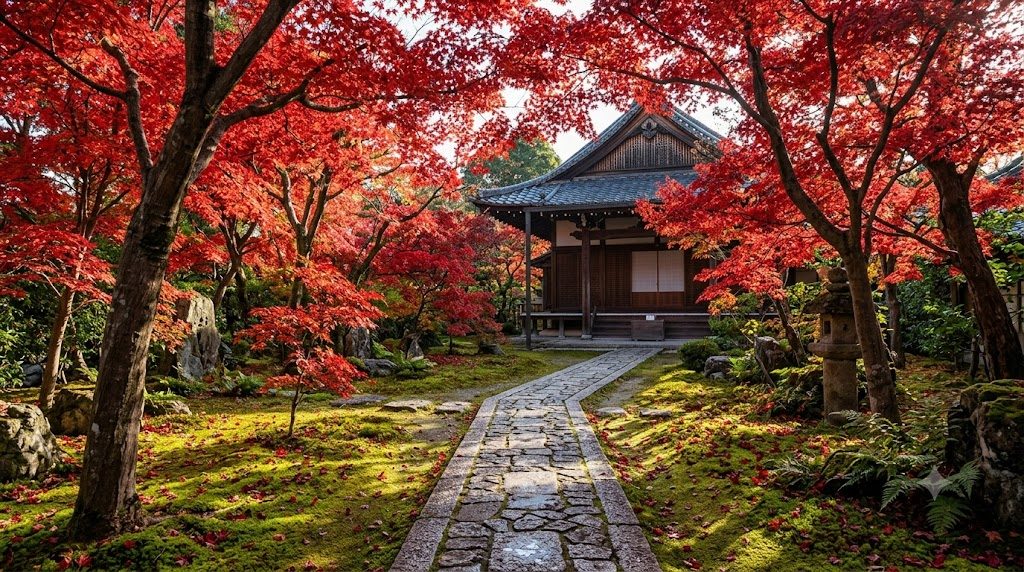
    4. Misty Temples Look Incredible

    Kyoto in the mist is a photographer’s dream. Kurama and Kibune mountain villages, Philosopher’s Path, Sanjusangendo โ€” all take on an otherworldly quality in rainy season light.

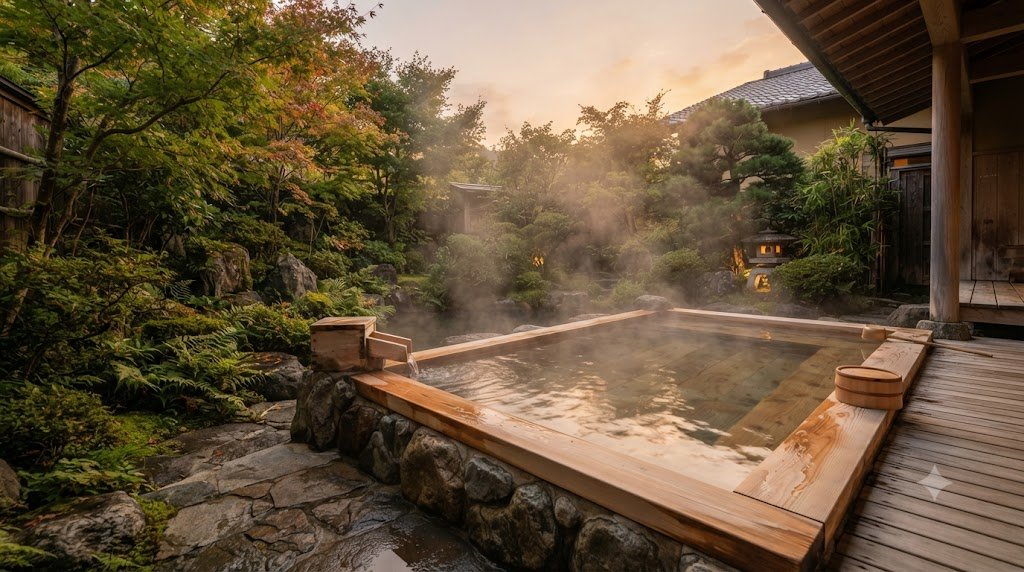
    5. Onsen in the Rain

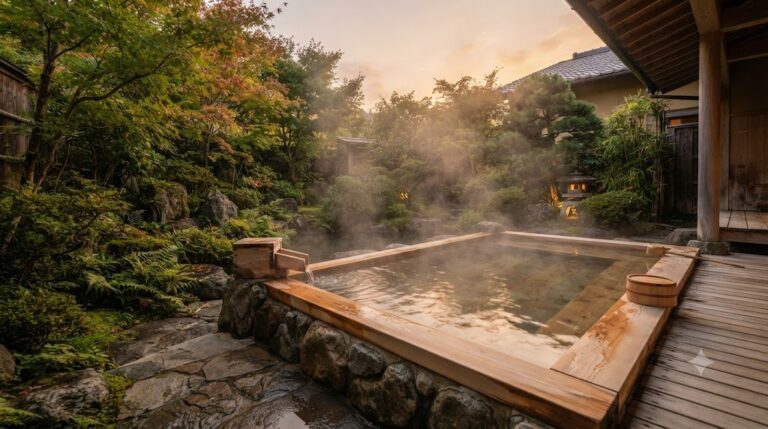
    Outdoor hot spring baths (rotenburo) in misty rain is a once-in-a-lifetime sensory experience. The combination of warm water, cool air, and mist is uniquely Japanese.

    What to Pack for Japan’s Rainy Season

    โ˜‚๏ธ Rainy Season Packing List

    Waterproof shoes โ€” Most important item. Wet socks ruin entire days. Waterproof sneakers or light boots are perfect.

    Compact umbrella โ€” Available at every konbini for ยฅ500โ€“ยฅ1,000 if you forget yours. Avoid large umbrellas on crowded streets.

    Lightweight rain jacket โ€” Packable, breathable, with a hood. Far better than a poncho.

    Quick-dry clothing โ€” Merino wool, linen, synthetics. Avoid heavy denim โ€” it takes forever to dry.

    Dehumidifying packets โ€” For your bag and shoes. Available at Daiso (100-yen shop) everywhere in Japan.

    Best Activities by City During Tsuyu

    Tokyo

    • teamLab Borderless/Planets โ€” Digital art that’s even more atmospheric on rainy days
    • Depachika basement food halls โ€” Isetan Shinjuku, Mitsukoshi Ginza: world-class food shopping
    • Yanaka district โ€” Old-Tokyo neighborhood that looks incredible in the rain
    • Tokyo National Museum โ€” World-class Japanese art collection in Ueno Park

    Kyoto

    • Kurama and Kibune โ€” Mountain temple villages that glow in the mist
    • Sanjusangendo โ€” Indoor hall of 1,001 warrior statues
    • Nishiki Market โ€” Covered arcade “Kyoto’s Kitchen”

    Kamakura (Day Trip from Tokyo)

    • Meigetsuin Temple โ€” Arrive before 9am for the hydrangeas without crowds
    • Engakuji Temple โ€” Ancient Zen temple complex in the mist

    Practical Survival Tips

    Use Tokyo’s Underground Network

    Tokyo’s underground shopping malls connect major train stations. In Shinjuku, you can travel between multiple stations completely sheltered from rain. Osaka’s Namba underground connects entire districts.

    Check Hourly Weather Forecasts

    Japanese weather apps are remarkably accurate. Use Yahoo!ๅคฉๆฐ— (Yahoo! Weather Japan) or Weather News for hourly rainfall forecasts. Plan outdoor sightseeing for predicted dry windows โ€” often morning or after 3pm.

    The Konbini Umbrella Strategy

    If you get caught in rain, buy a ยฅ700 convenience store umbrella. When done, leave it in the umbrella stand at a temple or station for the next person. Very Japanese.

    Tsuyu 2026 Timeline by Region

    Region Start End
    Okinawa Mid-May Late June
    Kyushu/Shikoku Late Mayโ€“Early June Mid-July
    Kansai (Osaka, Kyoto) Early June Mid-July
    Kanto (Tokyo) Early June Mid-July
    Tohoku Mid-June Late July
    Hokkaido Usually rainy season-free โœ…

    The Bottom Line

    Japan’s rainy season rewards travelers who prepare. Come with waterproof shoes, a good rain jacket, and an open mind โ€” and you’ll find June to be one of Japan’s most atmospheric and genuinely memorable travel experiences.

  • Japan Onsen Guide 2026: Hidden Gems Where Foreigners Feel Welcome (Tattoos OK Included)

    Japan Onsen Guide 2026: Hidden Gems Where Foreigners Feel Welcome (Tattoos OK Included)

    What Is Onsen? Japan’s Hot Spring Culture Explained

    Onsen (ๆธฉๆณ‰) are natural hot spring baths fed by geothermally heated water โ€” and they’re one of Japan’s most beloved cultural experiences. With over 3,000 onsen resorts and 27,000 individual hot spring sources nationwide, Japan takes its bathing culture very seriously. From luxurious ryokan retreats to humble neighborhood sento bathhouses, there’s an onsen experience for every budget and travel style.

    This complete guide covers everything you need to know before taking your first onsen dip โ€” etiquette, rules, recommended destinations, and tips for first-timers.

    Onsen vs. Sento: What’s the Difference?

    FeatureOnsen (ๆธฉๆณ‰)Sento (้Šญๆนฏ)
    Water sourceNatural hot springHeated tap water
    MineralsRich in minerals (sulfur, iron, etc.)Plain water, sometimes added
    LocationOften rural, resort areasCity neighborhoods
    Priceยฅ500โ€“ยฅ3,000 (day use)ยฅ500โ€“ยฅ800
    ExperienceNature views, multiple bathsLocal neighborhood feel

    Essential Onsen Etiquette (Rules You Must Follow)

    Onsen have specific rules that must be followed. Breaking etiquette is considered very rude and may get you asked to leave.

    ๐Ÿšซ Do NOT:

    • Enter with a towel in the water (small towels go on your head or poolside)
    • Swim or splash
    • Enter without washing your body first at the shower stations
    • Bring food or drinks into the bathing area
    • Take photos in the bathing area (strictly prohibited)
    • Shave in the bath

    โœ… DO:

    • Shower thoroughly at the shower stations before entering
    • Keep your small towel folded on your head or poolside (not in the water)
    • Enter quietly and move calmly
    • Hydrate before and after bathing
    • Respect other bathers’ privacy and silence
    • Tie long hair up before entering

    The Tattoo Policy: What You Need to Know

    Many traditional onsen in Japan prohibit tattoos due to historical associations with organized crime. This is changing, but slowly. Here’s the 2026 reality:

    • Most traditional onsen: No tattoos policy (visible or covered)
    • Modern “tattoo-friendly” onsen: Growing in number, especially in cities and tourist areas
    • Private baths (่ฒธๅˆ‡้ขจๅ‘‚, kashikiri-buro): Available at most ryokan for extra fee (ยฅ1,000โ€“ยฅ5,000/hour) โ€” no restrictions
    • Resources: Use the “Tattoo Friendly Onsen in Japan” maps on Google Maps or the “Sento & Onsen” app

    If you have tattoos, book ryokan with private onsen baths in advance. Most can accommodate you without issue.

    Best Onsen Destinations in Japan 2026

    1. Hakone โ€” Easy Day Trip from Tokyo

    Just 90 minutes from Tokyo by Romancecar from Shinjuku (covered by Hakone Free Pass from ยฅ6,100). Hakone offers stunning views of Mt. Fuji with your onsen, plus the open-air Hakone Sculpture Museum, Lake Ashi, and the Owakudani volcanic valley. Best onsen: Hakone Yunessun (water park onsen, tattoo-friendly), Tenzan Tohji-kyo (traditional, no tattoos).

    2. Beppu & Yufuin โ€” Kyushu’s Hot Spring Paradise

    Beppu (ๅˆฅๅบœ) has more hot spring sources than anywhere else in Japan. The famous “Beppu Hells” (ๅœฐ็„) are boiling spring pools of vivid colors โ€” a unique sightseeing experience. Nearby Yufuin is a quieter, more upscale resort town. Accessible by Shinkansen to Hakata + limited express.

    3. Kinosaki Onsen โ€” The Classic Onsen Town

    Located in Hyogo Prefecture, Kinosaki is the quintessential Japanese onsen town. Guests wear yukata (summer kimono) and wooden geta sandals to stroll between 7 public bathhouses. Highly recommended for first-time onsen experiences. Accessible by JR Limited Express from Osaka (~2.5 hours).

    4. Noboribetsu โ€” Hokkaido’s Volcanic Onsen

    Famous for Jigokudani (Hell Valley) โ€” a steaming volcanic crater surrounded by sulfurous hot springs. The mineral-rich waters here are some of the most therapeutic in Japan. Best in winter (snow + onsen = heaven) but excellent year-round.

    5. Kusatsu Onsen โ€” Japan’s Top-Ranked Hot Spring

    Consistently rated Japan’s #1 onsen town in domestic rankings. Located in Gunma Prefecture (2.5 hours from Tokyo). Famous for its “Yumomi” traditional water cooling ceremony and the Yubatake (hot spring field) at the town center. The highly acidic water is said to heal skin conditions.

    Day-Use Onsen vs. Ryokan Stay

    OptionCostBest For
    Public sentoยฅ500โ€“ยฅ800Budget, local experience
    Day-use (ๆ—ฅๅธฐใ‚Š) onsenยฅ800โ€“ยฅ3,000Half-day experience, tourists
    Budget ryokan with onsenยฅ8,000โ€“ยฅ15,000/personOvernight, dinner + breakfast
    Mid-range ryokanยฅ15,000โ€“ยฅ30,000/personSpecial occasion, private bath
    Luxury ryokanยฅ30,000โ€“ยฅ100,000+/personUltimate Japan experience

    Health Benefits of Onsen

    Japanese onsen waters contain various minerals with different health benefits recognized by the Japanese government:

    • Sulfur onsen: Skin conditions, arthritis, hypertension
    • Sodium chloride (salt) onsen: Muscle pain, fatigue recovery, keeps you warm longer
    • Sodium bicarbonate onsen: Softens and beautifies skin (called “bijin-no-yu” โ€” beautiful woman’s bath)
    • Acidic onsen: Antibacterial, skin conditions (Kusatsu is famous for this)
    • Iron onsen: Anemia, women’s health (water turns red/brown when oxidized)

    Onsen in Tokyo: Where to Go Without Leaving the City

    Can’t make it to the countryside? These Tokyo onsen facilities are excellent:

    • Ooedo Onsen Monogatari (Odaiba): Large theme park-style onsen, yukata included (ยฅ2,750โ€“ยฅ3,300)
    • Spa LaQua (Bunkyo): Natural onsen in central Tokyo with high-tech facilities (ยฅ2,900+)
    • Shimizu-yu (Minami-Aoyama): Stylish neighborhood sento with excellent facilities (ยฅ700)
    • Koganeyu (Koenji): Retro-renovated sento, beloved by locals (ยฅ700)

    What to Bring to an Onsen

    Most ryokan provide towels, yukata, and amenities. For public day-use facilities, bring:

    • Small towel (for washing and covering at poolside)
    • Large towel (for drying off)
    • Shampoo, conditioner, body soap (often provided at nicer facilities)
    • Waterproof bag for valuables
    • Hair tie if you have long hair

    ๐Ÿ“ฅ Japan Expat Starter Kit 2026

    60+ page PDF covering banking, housing, Suica, taxes and daily life in Japan

    Get the Guide โ€” $19
  • Japan Summer Survival Guide 2026: Beat 40ยฐC Heat, Typhoons & Humidity โ€” Expat-Tested Tips

    Japan Summer Survival Guide 2026: Beat 40ยฐC Heat, Typhoons & Humidity โ€” Expat-Tested Tips

    Japan Summer 2026: What You Need to Know Before You Go

    Japan in summer (Juneโ€“August) is an experience like no other โ€” but it’s also brutally hot, intensely humid, and crowded. Temperatures regularly hit 35โ€“38ยฐC (95โ€“100ยฐF) with humidity above 80%, making it feel like 40ยฐC+. Typhoon season runs from August through October. Yet summer is also when Japan’s most spectacular festivals, fireworks shows, and natural wonders come alive.

    This survival guide covers everything tourists and expats need to know to stay safe, comfortable, and happy during Japan’s summer months.

    Japan Summer Weather: Month by Month

    MonthAvg Temp (Tokyo)RainfallWhat to Expect
    June22โ€“27ยฐCHigh (rainy season)Tsuyu (ๆข…้›จ) rainy season, hydrangeas bloom
    July26โ€“32ยฐCModeratePeak summer, Tanabata Festival, fireworks begin
    August27โ€“35ยฐCLowโ€“ModerateHottest month, Obon Festival, typhoon risk
    September23โ€“30ยฐCHigh (typhoon)Typhoon peak season, starts to cool late Sept

    Heatstroke Warning: Japan’s Silent Summer Danger

    Heatstroke (็†ฑไธญ็—‡, netchuushou) hospitalizes tens of thousands of people in Japan every summer. Here’s how to stay safe:

    Signs of heatstroke: Dizziness, nausea, confusion, hot/dry skin, headache, rapid heartbeat. If you or someone shows these signs, move to shade or AC immediately and call 119 (emergency services).

    Prevention tips:

    • Drink water or sports drinks (Pocari Sweat, Aquarius) every 20โ€“30 minutes โ€” even if you don’t feel thirsty
    • Carry a portable neck cooler or cooling towel
    • Avoid outdoor activities between 11amโ€“3pm on hot days
    • Wear light-colored, breathable clothing and a hat
    • Take regular breaks in air-conditioned spaces (konbini, department stores, underground malls)
    • Apply sunscreen SPF50+ every 2 hours

    Essential Summer Gear to Buy in Japan

    Japan’s convenience stores and pharmacies are stocked with summer survival products you won’t find elsewhere:

    Cooling products: Neck cooler wearables (ยฅ2,000โ€“ยฅ5,000), cooling towels, mentholated cooling spray, UV-cut parasols (ๆ—ฅๅ‚ทๅ‚˜ โ€” highly recommended, used by everyone)

    Hydration: Pocari Sweat, Aquarius, and Kirin Supli electrolyte drinks are in every konbini. Electrolyte tablets for water bottles are sold at pharmacies.

    Sun protection: Japanese sunscreen is world-class. Look for Anessa Perfect UV (SPF50+) or Biore UV Aqua Rich โ€” both lightweight and water-resistant.

    Portable fans: Handheld battery fans (ยฅ500โ€“ยฅ3,000) are essential. Premium versions with misting functions are available at electronics stores.

    Rainy Season (Tsuyu) Tips: Juneโ€“Mid-July

    Tsuyu (ๆข…้›จ) is Japan’s rainy season โ€” a 3โ€“6 week stretch of overcast skies and daily rain from mid-June through mid-July. It’s not constant downpours, but expect 1โ€“2 hours of rain each day.

    • Pack a compact umbrella โ€” or buy one at any konbini for ยฅ500โ€“ยฅ1,000
    • Waterproof your bag โ€” a simple rain cover (ยฅ300โ€“ยฅ500) protects electronics
    • Embrace it โ€” hydrangeas (ใ‚ขใ‚ธใ‚ตใ‚ค) are at peak bloom in tsuyu; Kamakura and Hakone are stunning
    • Check the “ๆข…้›จๆ˜Žใ‘” (tsuyuๆ˜Žใ‘) announcement โ€” when rainy season officially ends, summer truly begins

    Typhoon Season (Augustโ€“October): What to Do

    Japan experiences 5โ€“10 typhoons annually, with Augustโ€“September being the most active months. Most pass through quickly (12โ€“24 hours), but can disrupt transportation significantly.

    Before a typhoon: Stock 2โ€“3 days of food and water. Know your nearest evacuation center (้ฟ้›ฃๆ‰€). Download the NHK World app for English typhoon alerts. Keep your phone charged.

    During a typhoon: Stay indoors. If you must go out, avoid rivers and drainage canals (flash flood risk). All trains, flights, and buses may be cancelled โ€” this is normal and safe decisions by operators.

    After a typhoon: Wait for official “all clear” before going out. Roads may be flooded. Check NHK or Japan Meteorological Agency (weather.yahoo.co.jp) for updates.

    Must-See Summer Events in Japan 2026

    Tanabata (ไธƒๅค•) โ€” July 7: The Star Festival. Celebrated nationwide with colorful streamers and wishes written on paper strips. Best in Sendai (one of Japan’s largest Tanabata festivals, August 6โ€“8).

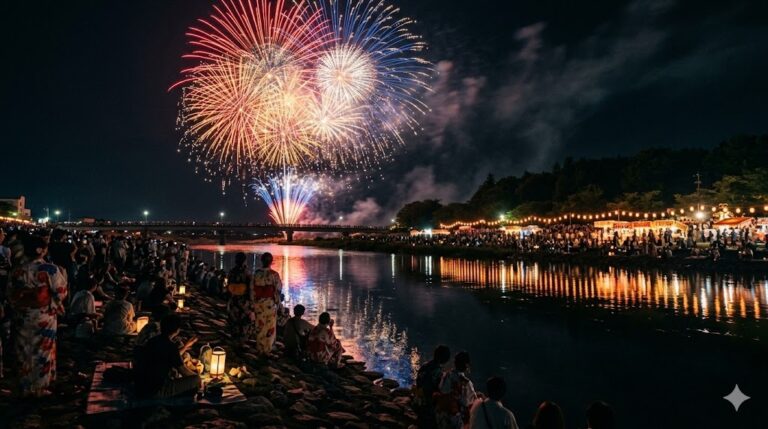
    Sumida River Fireworks โ€” Late July: Tokyo’s most famous hanabi taikai (fireworks festival). Over 20,000 fireworks in one evening. Book nearby restaurants and ryokan months in advance.

    Obon Festival โ€” August 13โ€“16: Japan’s Buddhist festival of ancestors. Many businesses close, cities empty as residents return to hometowns. Expect packed Shinkansen and quiet city centers.

    Awa Odori (้˜ฟๆณข่ธŠใ‚Š) โ€” August 12โ€“15, Tokushima: Japan’s largest traditional dance festival with 1+ million attendees. One of the most visually spectacular events in Japan.

    Gion Matsuri (็ฅ‡ๅœ’็ฅญ) โ€” All of July, Kyoto: Kyoto’s famous summer festival, culminating in massive float processions on July 17 and 24.

    Staying Cool: AC Culture in Japan

    Japanese summer survival depends heavily on air conditioning (ใ‚จใ‚ขใ‚ณใƒณ). Here’s how the AC culture works:

    • Konbini are lifesavers: 7-Eleven, FamilyMart, and Lawson are air-conditioned refuges open 24/7. Grab a cold drink and cool down any time.
    • Set temperature wars: Japanese offices are often set to 28ยฐC (legally mandated “Cool Biz” policy to save energy). Carry a light cardigan for overly air-conditioned spaces (trains, malls, restaurants).
    • Underground malls (ๅœฐไธ‹่ก—): Major cities like Osaka, Nagoya, and Tokyo have extensive underground shopping malls โ€” cool, car-free, and perfect for hot days.
    • Department store basement floors (ใƒ‡ใƒ‘ๅœฐไธ‹): Heavily air-conditioned, packed with food, and a cultural experience in themselves.

    Summer Food & Drinks to Try

    Kakigori (ใ‹ใๆฐท): Japanese shaved ice topped with flavored syrups, condensed milk, or matcha. The premium version at specialty shops (from ยฅ800) is a revelation.

    Cold soba & hiyashi chuka: Cold noodle dishes are a summer staple. Hiyashi chuka (cold ramen with toppings) appears on restaurant menus only in summer.

    Edamame & cold beer: Japanese beer culture peaks in summer. Asahi, Sapporo, and Kirin tap beers at outdoor beer gardens are a uniquely Japanese summer experience.

    Natsu mikan & suika: Fresh seasonal fruits โ€” summer mandarin oranges and watermelon โ€” are sold at supermarkets and fruit stands at peak ripeness.

    Japan Summer Survival: Quick Reference

    SituationSolution
    Feeling too hot outdoorsEnter nearest konbini, buy cold drink, rest 10 minutes
    Sudden heavy rainKonbini umbrella (ยฅ500) or underpass/arcade
    Typhoon approachingStay in hotel, NHK World app for English alerts
    Heatstroke symptomsShade + cold water + electrolytes, call 119 if severe
    SunburnJapanese aloe vera gel (pharmacies) + hydration

    ๐Ÿ“ฅ Japan Expat Starter Kit 2026

    60+ page PDF: Banking, Housing, Suica, Taxes & daily life in Japan

    Get the Guide โ€” $19
  • Japan Rail Pass 2026: Is It Worth It? (Honest Calculator โ€” Most Tourists Overpay)

    Japan Rail Pass 2026: Is It Worth It? (Honest Calculator โ€” Most Tourists Overpay)

    ๐Ÿš† Price Alert: JR Pass Prices Rise for Third-Party Agents from October 1, 2026

    Current prices (through September 30, 2026): 7-day ยฅ50,000 ยท 14-day ยฅ80,000 ยท 21-day ยฅ100,000. From October 1, 2026, passes purchased through third-party agents will cost approximately 5โ€“6% more. Buying directly via JR’s official website maintains current pricing. The break-even calculations in this article are based on current prices โ€” recalculate if you’re visiting Japan after October 2026.

    ๐Ÿš† Price Update: Japan Rail Pass โ€” October 2026 Price Increase via Third-Party Agents

    Current prices (valid through September 30, 2026): 7-day ยฅ50,000 / 14-day ยฅ80,000 / 21-day ยฅ100,000. From October 1, 2026, prices purchased through third-party travel agents will rise to approximately ยฅ53,000 / ยฅ84,000 / ยฅ105,000. Buying directly through JR’s official website keeps the same price. The break-even analysis in this article is based on current pricing โ€” recalculate if visiting after October 2026.

    Japan Rail Pass 2026: Is It Worth It?

    The Japan Rail Pass (JR Pass) remains one of the most popular tools for tourists exploring Japan in 2026. With unlimited travel on most JR trains โ€” including the famous Shinkansen bullet trains โ€” it can save you hundreds of dollars if you plan to visit multiple cities. But with the 2023 price increase, it’s no longer an automatic buy for every traveler.

    This complete guide explains JR Pass prices, how to buy it, how to use it, and exactly when it’s worth the money โ€” with a simple break-even calculator to help you decide.

    What Is the Japan Rail Pass?

    The Japan Rail Pass is an unlimited travel pass for foreign visitors to Japan. It covers most JR (Japan Railways Group) trains nationwide โ€” including Shinkansen bullet trains (except Nozomi & Mizuho), JR local trains, JR buses, and some ferry services. Available in 7-day, 14-day, and 21-day durations, in both Ordinary and Green Car (first class) versions.

    Japan Rail Pass 2026 Prices

    Pass TypeOrdinary (Adult)Green Car (Adult)Child (6โ€“11)
    7-dayยฅ50,000 (~$330)ยฅ70,000 (~$460)ยฅ25,000
    14-dayยฅ80,000 (~$530)ยฅ113,000 (~$745)ยฅ40,000
    21-dayยฅ100,000 (~$660)ยฅ143,000 (~$945)ยฅ50,000

    Is the JR Pass Worth It? Break-Even Calculator

    The pass pays for itself if your planned train journeys exceed its cost. Here are key Shinkansen fares (one-way, without pass):

    RouteOne WayRound Trip
    Tokyo โ†’ Kyoto (Hikari)ยฅ13,320ยฅ26,640
    Tokyo โ†’ Osaka (Hikari)ยฅ13,870ยฅ27,740
    Tokyo โ†’ Hiroshimaยฅ19,440ยฅ38,880
    Osaka โ†’ Hiroshimaยฅ10,510ยฅ21,020
    Tokyo โ†’ Sapporoยฅ26,640ยฅ53,280
    Tokyo โ†’ Fukuoka (Hakata)ยฅ22,220ยฅ44,440

    Example: Tokyo โ†’ Kyoto โ†’ Osaka โ†’ Hiroshima โ†’ back to Tokyo = approximately ยฅ56,000โ€“ยฅ65,000 in fares alone. A 7-day pass at ยฅ50,000 saves you ยฅ6,000โ€“ยฅ15,000 โ€” clearly worth it.

    How to Buy the Japan Rail Pass in 2026

    You can now buy the JR Pass both overseas and inside Japan (within 24 hours of arrival).

    Option 1 โ€” Buy Online Before Your Trip (Best Option): Purchase through authorized retailers such as the official JR Pass website, Klook, Viator, or JTB. You’ll receive a voucher to exchange at a JR office in Japan. Prices are the same as buying in Japan.

    Option 2 โ€” Buy at Japanese Airports: Available at JR counters at Narita Airport, Haneda Airport, Kansai International Airport, and Chubu Centrair Airport. Must buy within 24 hours of entering Japan on a temporary visitor visa. Bring your passport.

    Option 3 โ€” Regional Passes (Often Better Value): If visiting just one region, consider the Kansai Area Pass (from ยฅ2,400/day), Kyushu Rail Pass, or JR East Pass. Much cheaper for regional travel.

    How to Use Your JR Pass Step by Step

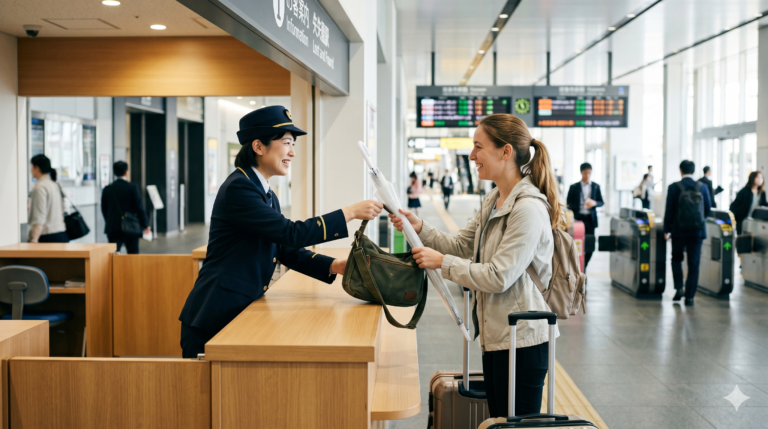
    1. Exchange your voucher โ€” Go to any JR ticket office (“Midori no Madoguchi”) and show your passport with temporary visitor stamp
    2. Choose your activation date โ€” The pass doesn’t need to start the day you exchange it
    3. Use the manned gate โ€” Show your pass to the staff at manned ticket gates. Do NOT insert it into automated turnstiles
    4. Reserve seats for free โ€” Use ticket offices or Green Kiosks to reserve Shinkansen seats at no extra charge
    5. Check coverage โ€” Use the JR Route Search app or Hyperdia to confirm which trains are covered

    5 Tips Most Travel Blogs Don’t Tell You

    1. Nozomi = NOT covered. The fastest Shinkansen between Tokyo and Osaka (Nozomi, Mizuho) are excluded. Take the Hikari instead โ€” only 15โ€“30 minutes slower, and free with your pass.

    2. Reserve seats even for “free.” Unreserved cars fill up fast during holidays. Go to the ticket counter right after activating your pass and reserve all your major Shinkansen trips.

    3. Combine with Suica for cities. The JR Pass doesn’t cover subways, private railways (like Hankyu in Osaka or the Kyoto subway), or most city buses. Load ยฅ3,000โ€“ยฅ5,000 on a Suica card for city travel.

    4. The JR Pass covers Tokyo Narita Express (N’EX). The N’EX from Narita Airport to Tokyo (~ยฅ3,000 normally) is fully covered โ€” great savings on day one.

    5. Green Car is worth it for overnight trips. If you’re taking a long Shinkansen ride (Tokyo to Hakata is 5+ hours), the Green Car upgrade from ยฅ50,000 to ยฅ70,000 adds reclining seats and more space โ€” worth it for comfort travelers.

    When NOT to Buy the JR Pass

    Skip the JR Pass if you are: staying in one city only (Tokyo, Osaka, Kyoto); planning fewer than 2โ€“3 long-distance trips; primarily using budget airlines for intercity travel; or spending less than 7 days in Japan. In these cases, IC cards and individual tickets will save you money.

    Frequently Asked Questions

    Can I buy a JR Pass inside Japan? Yes โ€” at major airports and some JR stations, within 24 hours of arrival. Same price as buying overseas.

    Is the Shinkansen Nozomi covered? No. The JR Pass covers the Hikari, Kodama, and Sakura Shinkansen but NOT the Nozomi or Mizuho.

    Does the JR Pass cover the Yamanote Line in Tokyo? Yes! The Yamanote Loop Line is JR-operated and fully covered.

    Can children use the JR Pass? Yes. Children aged 6โ€“11 pay approximately half the adult price. Under 6 travel free.

    Final Verdict: Should You Buy the Japan Rail Pass?

    โœ… Buy it if: You’re visiting 3+ cities in 7โ€“21 days, your route includes Tokyo + Kyoto/Osaka + Hiroshima or Kyushu, or you plan to visit Hokkaido or Tohoku from Tokyo.

    โŒ Skip it if: You’re staying in one area, taking budget flights between cities, or spending most time in Tokyo/Osaka metro areas where subways dominate.

    Calculate your specific route costs first using the JR Fare Calculator โ€” if they exceed the pass price, buy it. If not, stick to individual tickets and a Suica card.

    ๐Ÿ“ฅ Japan Expat Starter Kit 2026

    60+ page PDF: Banking, Insurance, Housing, Suica, PayPay, Taxes & more

    Get the Guide โ€” $19 โ†’

    ๐Ÿ“ฅ Japan Expat Starter Kit 2026

    60+ page PDF: Banking, Housing, Suica, Taxes & daily life in Japan

    Get the Guide โ€” $19 โ†’

    ๐Ÿ“ฅ Japan Expat Starter Kit 2026

    60+ page PDF: Banking, Housing, Suica, Taxes & daily life in Japan

    Get the Guide โ€” $19
  • Don Quijote Japan 2026: Ultimate Foreigner Shopping Guide (Best Finds Under ยฅ1,000)

    Don Quijote Japan 2026: Ultimate Foreigner Shopping Guide (Best Finds Under ยฅ1,000)

    Don Quijote โ€” known affectionately as “Donki” (ใƒ‰ใƒณใ‚ญ) โ€” is one of Japan’s most iconic and chaotic retail experiences. Open 24 hours, stacked floor-to-ceiling with everything from electronics to snacks to costumes, Don Quijote is a mandatory stop for any visitor to Japan. But navigating Donki without knowing what to look for can be overwhelming.

    This guide covers the absolute best things to buy at Don Quijote in 2026, organized by category, with insider tips on where to find the best deals and what to skip.

    What Is Don Quijote (Donki)?

    Don Quijote (ใƒ‰ใƒณใƒปใ‚ญใƒ›ใƒผใƒ†) is a Japanese discount chain store with over 700 locations across Japan. Founded in 1989, it’s known for its distinctive penguin mascot, 24-hour operation, and the famous compressed display style where products are stacked from floor to ceiling in seemingly chaotic but surprisingly organized fashion.

    Almost every major city and tourist area in Japan has a Donki. Tokyo alone has dozens of locations in Shinjuku, Shibuya, Akihabara, Asakusa, and more. They accept most credit cards and offer tax-free shopping for tourists.

    Don Quijote Shopping Tips Before You Go

    ๐ŸŽŒ Tax-Free Shopping

    Foreign visitors can get consumption tax (10% or 8% for food) refunded on purchases over ยฅ5,000 at the tax-free counter. Bring your passport. This applies to most items except consumables like food and cosmetics at some stores.

    ๐Ÿ’ณ Payment Methods

    Donki accepts cash, credit cards (Visa, Mastercard, Amex), IC cards (Suica, PASMO), and major QR payment apps (PayPay, Line Pay). Most stores now accept foreign cards without issue.

    ๐Ÿฆ… The Donki App

    Download the Don Quijote app for exclusive discount coupons and store maps. The app is available in English and helps you navigate the sometimes confusing multi-floor layouts.

    โฐ Best Time to Visit

    Weekday mornings (10 AM โ€“ noon) are least crowded. Tourist-heavy locations like Shinjuku Kabukicho can get extremely packed on weekends and evenings.

    Best Things to Buy at Don Quijote 2026

    ๐Ÿซ Japanese Snacks & Sweets โ€” Must-Buy

    Donki’s snack section is legendary among tourists. You’ll find regional Kit Kat flavors (matcha, sake, strawberry cheesecake), Pocky variety packs, Tokyo Banana, regional omiyage snacks, and specialty chips you won’t find anywhere else. The prices are often better than convenience stores or airport shops.

    Best picks: Tokyo Banana (authentic, not knockoffs), Shiroi Koibito (Hokkaido butter cookie), matcha Kit Kat sets, and Calbee potato chips limited Japan flavors.

    Price range: ยฅ200 โ€“ ยฅ3,000

    ๐Ÿ’Š Japanese Beauty & Skincare โ€” Great Value

    Donki carries an enormous selection of Japanese drugstore beauty products at prices lower than pharmacies. Popular items include Hada Labo moisturizers, DHC cleansing oil, Kose face masks, and the famous Sana Nameraka Honpo soy isoflavone skincare line.

    The vitamin and supplement section is also excellent โ€” Japanese Fancl vitamins, collagen drinks, and enzyme supplements are popular with both locals and tourists.

    Best picks: Hada Labo Gokujyun lotion (the blue bottle), Kose Clear Turn face masks (bulk packs), DHC lip cream, and Sana Nameraka Honpo emulsion.

    Price range: ยฅ300 โ€“ ยฅ3,000

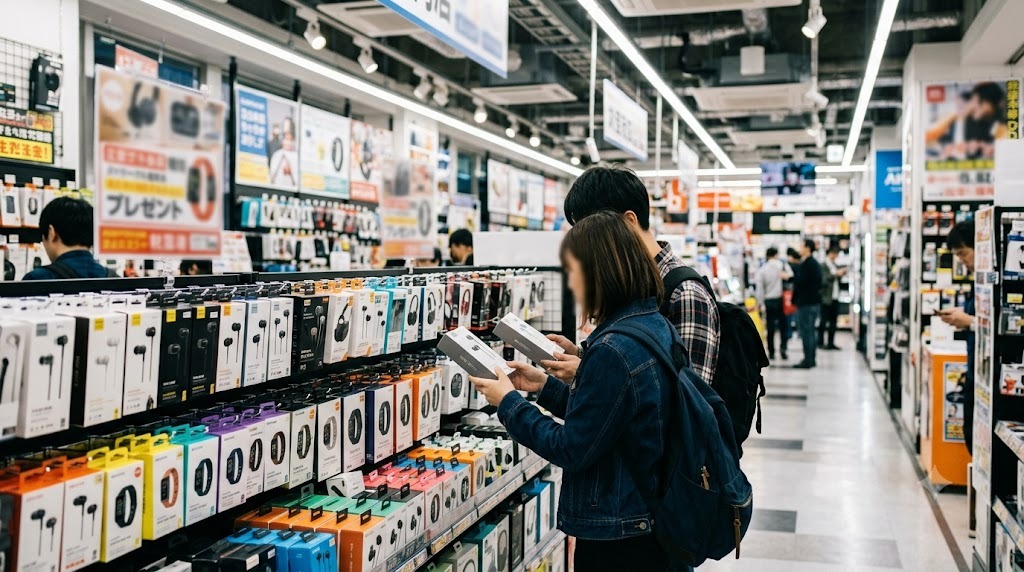
    ๐ŸŽฎ Electronics & Gadgets โ€” Surprising Bargains

    Many people don’t realize that Donki stocks a solid selection of electronics โ€” often at prices competitive with Yodobashi or Bic Camera. Look for Japanese-brand earbuds, portable chargers, phone accessories, SIM card packages, and Bluetooth speakers.

    The Donki Private Label brand ORIGINALBASIC offers shockingly good value โ€” their USB-C hubs, phone chargers, and cables are often half the price of name brands with comparable quality.

    Best picks: ORIGINALBASIC phone accessories, Anker portable chargers (often discounted), Japanese conversion plugs, and prepaid SIM cards.

    Price range: ยฅ500 โ€“ ยฅ15,000

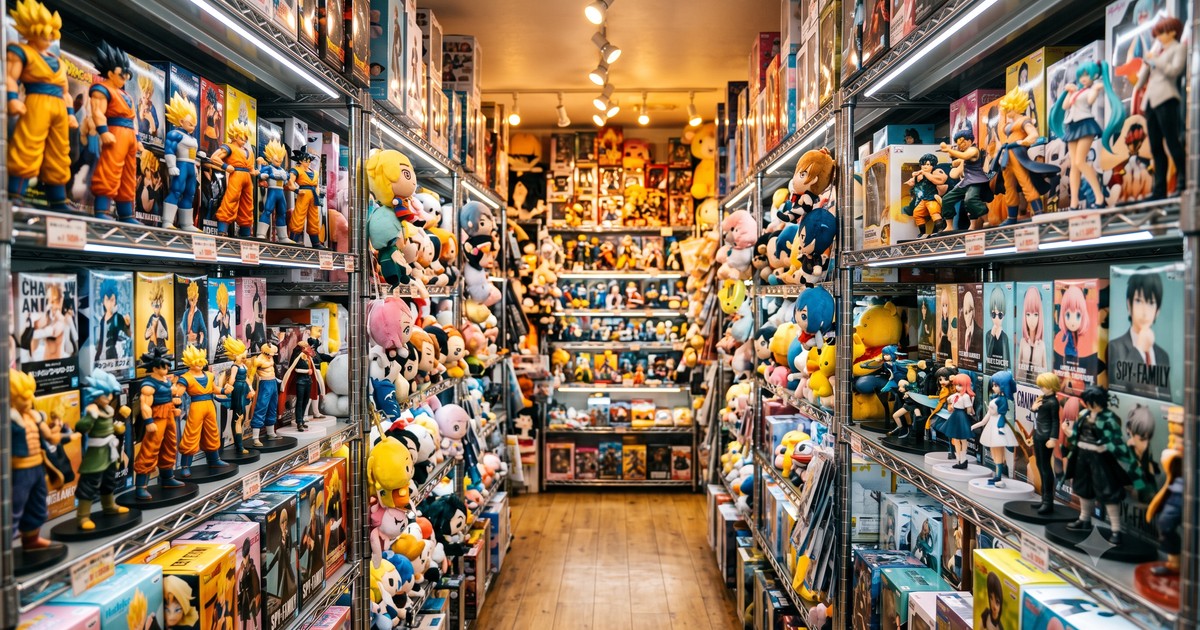
    ๐ŸŽญ Costumes & Character Goods โ€” Iconic Donki Section

    Donki is famous across Japan for its massive costume and character goods section. From school uniforms and maid outfits to anime characters and seasonal costumes, this section is a tourist attraction in itself. You’ll also find a great selection of Japanese stationery, Sanrio goods, and pop culture merchandise.

    Even if you’re not buying costumes, the section is worth a browse just for the cultural experience. The Shibuya and Shinjuku Donki locations have particularly large selections.

    Price range: ยฅ500 โ€“ ยฅ5,000

    ๐Ÿบ Alcohol & Drinks โ€” Excellent Selection

    Donki’s liquor section is one of the best in Japan for variety and price. They stock an incredible range of Japanese whisky (Suntory Toki, Nikka, Hibiki), local craft sake, shochu, and even rare bottles at reasonable prices. The selection of canned chu-hi (Japanese fruit alcoholic drinks) is also excellent.

    Best picks: Suntory Toki whisky, Nikka From The Barrel, local craft sake sets, and seasonal limited-edition chu-hi flavors.

    Price range: ยฅ200 โ€“ ยฅ10,000+

    ๐Ÿ’ด Don Quijote Gift Sets โ€” Best Souvenirs

    One underrated Donki section is their pre-packaged souvenir and gift sets. These come beautifully wrapped and include a curated mix of Japanese snacks, stationery, or beauty products โ€” perfect for omiyage (Japanese gift-giving culture). Prices are much more reasonable than airport shops for equivalent quality.

    Price range: ยฅ1,000 โ€“ ยฅ5,000

    Don Quijote Locations in Tokyo

    LocationHighlightsHours
    ShibuyaCostumes, electronics, largest selection24 hours
    Shinjuku KabukichoMost famous, busy, tourist-friendly24 hours
    AkihabaraElectronics, anime goods, tech accessories24 hours
    AsakusaTraditional souvenirs + Donki mix24 hours
    IkebukuroGood balance, less crowded than Shibuya24 hours

    What NOT to Buy at Don Quijote

    Not everything at Donki is a bargain. Some items are actually more expensive than other stores or have better alternatives:

    • Fresh food โ€” Convenience stores and supermarkets are cheaper and better for daily food shopping
    • Name-brand electronics โ€” Yodobashi Camera or Bic Camera usually have better prices and warranty support for major brands
    • Basic clothing โ€” GU or Uniqlo offer better quality at comparable prices
    • Medicines โ€” Matsumoto Kiyoshi or Sugi Pharmacy are better specialized options

    Don Quijote FAQ

    Q: Does Don Quijote offer tax-free shopping?
    A: Yes! Bring your passport and spend over ยฅ5,000 to get the 10% consumption tax refunded at the tax-free counter.

    Q: What are Donki’s opening hours?
    A: Most Don Quijote stores are open 24 hours, 365 days a year โ€” one of the few chains in Japan with truly round-the-clock service.

    Q: Can I use credit cards at Don Quijote?
    A: Yes. Donki accepts Visa, Mastercard, American Express, JCB, and most major contactless payments including Apple Pay, Google Pay, and QR codes.

    Q: Is Don Quijote the same as Mega Don Quijote?
    A: Mega Don Quijote (MEGAใƒ‰ใƒณใƒปใ‚ญใƒ›ใƒผใƒ†) is a larger format store with more products and dedicated sections for groceries. The product selection overlaps significantly.

    ๐Ÿ“ฅ Get the Complete Japan Expat Starter Kit

    Shopping, Suica, banking, health insurance & daily life โ€” all in one comprehensive PDF guide.

    ๐Ÿ“ฅ Get the Guide โ€” $19
  • Japan Trains 2026: Never Get Lost Again โ€” Suica, JR Pass & IC Cards Finally Explained Simply

    Japan Trains 2026: Never Get Lost Again โ€” Suica, JR Pass & IC Cards Finally Explained Simply

    ๐Ÿš† Quick Summary: Japan has one of the world’s best public transportation systems โ€” but it can be confusing at first. This complete guide covers trains, buses, subways, IC cards, taxis, and domestic flights to help you get around Japan confidently.

    Getting around Japan is one of the greatest pleasures of visiting or living in the country. The public transportation network is famously punctual, clean, safe, and extensive โ€” connecting nearly every corner of the country. But with multiple train operators, IC card systems, reserved seating, and regional passes, it can feel overwhelming for newcomers.

    Whether you’re a tourist planning a trip or an expat settling into daily life in Japan, this guide covers everything you need to know about Japanese transportation in 2026.

    Overview: Japan’s Transportation System

    Japan’s transportation ecosystem is layered and multi-modal:

    • Shinkansen (ๆ–ฐๅนน็ทš) โ€” High-speed bullet trains connecting major cities
    • JR Trains โ€” Japan Railways Group, the primary intercity rail network
    • Private Railways โ€” Many urban areas served by private operators (Kintetsu, Tokyu, Odakyu, etc.)
    • Subways (ๅœฐไธ‹้‰„) โ€” Underground metro networks in major cities
    • Buses (ใƒใ‚น) โ€” Local, express, and overnight highway buses
    • Taxis (ใ‚ฟใ‚ฏใ‚ทใƒผ) โ€” Widely available, premium pricing
    • Domestic Flights (ๅ›ฝๅ†…็ทš) โ€” For longer journeys (Tokyoโ€“Okinawa, Hokkaido, etc.)
    • Ferries (ใƒ•ใ‚งใƒชใƒผ) โ€” Connecting islands and coastal cities

    IC Cards: The Foundation of Japanese Transit

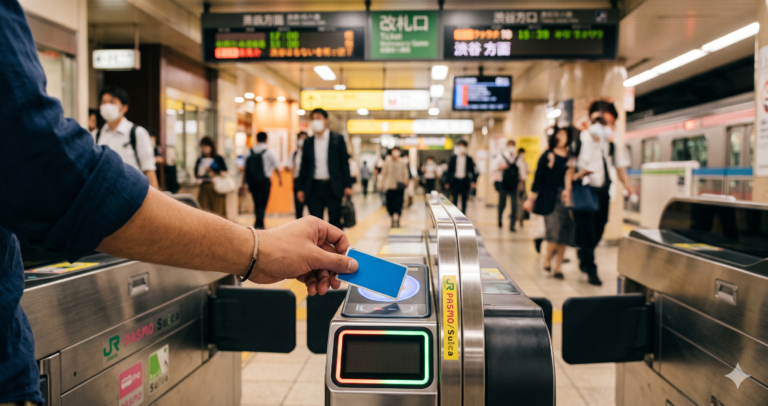
    The most important thing to set up before exploring Japan is an IC card. These rechargeable smart cards let you tap in and out of trains, subways, and buses across Japan โ€” and pay at many convenience stores, vending machines, and shops.

    Major IC Cards in Japan

    IC Card Region Works Nationwide? Notes
    Suica Tokyo / JR East โœ… Yes Most versatile, works on iPhone/Android
    PASMO Tokyo / Private railways โœ… Yes Good for Tokyo subway/buses
    ICOCA Osaka / JR West โœ… Yes Best for Osaka/Kyoto/Kobe area
    Manaca Nagoya โœ… Yes Nagoya subway/Meitetsu
    Hayakaken Fukuoka โœ… Yes Fukuoka subway

    All major IC cards are interoperable โ€” a Suica from Tokyo works on Osaka subways and vice versa. Read our complete Suica guide for setup instructions.

    ๐Ÿ›’ Buy IC Card Readers/Accessories:
    Amazon Japan  |  Amazon.com

    Shinkansen (ๆ–ฐๅนน็ทš) โ€” Bullet Trains

    The Shinkansen is Japan’s iconic high-speed rail network, operating at speeds up to 320 km/h. It connects all major cities from Hokkaido (Sapporo) in the north to Kagoshima in the south, making it the backbone of intercity travel.

    Main Shinkansen Lines

    Line Route Journey Time One-way Price
    Tokaido Tokyo โ†’ Osaka ~2h 30min (Nozomi) ~ยฅ14,720
    Tokaido Tokyo โ†’ Kyoto ~2h 15min ~ยฅ13,940
    Sanyo Osaka โ†’ Hiroshima ~1h 25min ~ยฅ10,690
    Tohoku Tokyo โ†’ Sendai ~1h 40min ~ยฅ11,410
    Hokuriku Tokyo โ†’ Kanazawa ~2h 30min ~ยฅ14,380

    Booking Shinkansen Tickets

    • At the station โ€” Ticket machines (English available) or Green Window (ใฟใฉใ‚Šใฎ็ช“ๅฃ) counter
    • Online โ€” JR-WEST Online Reservation, Shinkansen e-Ticket (JR East)
    • IC card โ€” Load Shinkansen tickets onto your Suica/ICOCA for seamless boarding
    • JR Pass โ€” Foreign visitors can use the Japan Rail Pass for unlimited Shinkansen rides (exceptions: Nozomi, Mizuho on Tokaido/Sanyo)

    Japan Rail Pass (JR Pass) โ€” Is It Worth It?

    The JR Pass is a special rail pass exclusively available to foreign visitors (tourist visa holders). It provides unlimited rides on most JR trains nationwide, including Shinkansen, for a fixed price over 7, 14, or 21 days.

    Pass Type Ordinary Green (First Class) Best For
    7-Day ยฅ50,000 ยฅ70,000 Tokyoโ€“Kyotoโ€“Osaka trip
    14-Day ยฅ80,000 ยฅ110,000 Multi-city Japan tour
    21-Day ยฅ100,000 ยฅ140,000 Extended Japan exploration

    The JR Pass breaks even if you travel Tokyo โ†’ Kyoto โ†’ Tokyo (two Nozomi-equivalent fares = ~ยฅ29,440 round trip). If you plan more journeys, the 7-day pass saves significant money. However, if you’re staying in one city, a local IC card is cheaper.

    Urban Rail: Navigating Tokyo, Osaka & Other Cities

    Tokyo’s Train Network

    Tokyo has the world’s most complex and extensive urban rail network. Key lines include:

    • JR Yamanote Line (ๅฑฑๆ‰‹็ทš) โ€” The circular line connecting major stations: Shinjuku, Shibuya, Harajuku, Ueno, Akihabara, Tokyo, Shinagawa
    • Tokyo Metro โ€” 9 subway lines covering central Tokyo
    • Toei Subway โ€” 4 additional lines operated by Tokyo Metropolitan Government
    • Private railways โ€” Tokyu, Odakyu, Keio, Seibu, Tobu for suburbs

    Recommended Apps for Navigation

    • Google Maps โ€” Best for foreigners; shows exact train lines, platforms, fares, and walking directions
    • HyperDia โ€” Detailed Japanese rail schedule app; essential for complex multi-line journeys
    • Jorudan โ€” Japanese transit app with English support
    • Navitime Japan โ€” Comprehensive navigation including buses and ferries

    Buses in Japan

    Local Buses

    Local city buses use IC cards (tap on, tap off) or cash. In most cities, you board from the rear and exit from the front, paying as you exit. Some rural buses require you to take a numbered ticket on entry and pay based on distance.

    Highway Buses (้ซ˜้€Ÿใƒใ‚น)

    Long-distance highway buses (้ซ˜้€Ÿใƒใ‚น/ๅคœ่กŒใƒใ‚น) are Japan’s budget travel option. Tokyoโ€“Osaka by overnight bus costs ยฅ3,000โ€“ยฅ8,000 (vs ยฅ14,720 for Shinkansen). Popular operators include Willer Express, JR Bus, and Meitetsu Bus. Book online at:

    Taxis in Japan

    Japanese taxis are safe, clean, and metered โ€” but expensive. Average fares:

    • Flag fall: ยฅ500โ€“ยฅ750 (first ~1 km)
    • Additional: ~ยฅ100 per 300m
    • Tokyo airport โ†’ central Tokyo: ยฅ5,000โ€“ยฅ8,000

    Taxi Apps

    • GO (ใ‚ดใƒผ) โ€” Japan’s leading taxi app, works across most cities
    • S.RIDE โ€” Tokyo taxi booking app
    • DiDi โ€” Ride-hailing available in major cities
    • Uber โ€” Available in some areas, but uses licensed taxi drivers (not rideshare)

    Domestic Flights

    For long distances (Tokyo to Okinawa, Hokkaido, or Kyushu), domestic flights are often faster and cheaper than Shinkansen. Japan has excellent low-cost carriers:

    Airline Type Key Routes Booking
    ANA Full service All major cities ana.co.jp
    JAL Full service All major cities jal.co.jp
    Peach LCC Osaka hub, Okinawa, Sapporo flypeach.com
    Jetstar Japan LCC Tokyo, Nagoya, Osaka jetstar.com/jp
    Skymark Midrange Tokyo, Kyushu, Okinawa skymark.co.jp

    Airport Access: Getting To/From Tokyo’s Airports

    Narita Airport (NRT) โ†’ Tokyo

    • Narita Express (N’EX) โ€” ยฅ3,070 to Shinjuku, ~1h 30min (JR Pass valid)
    • Keisei Skyliner โ€” ยฅ2,570 to Ueno, ~41min (fastest option)
    • Keisei Limited Express โ€” ยฅ1,050 to Ueno, ~1h 20min (budget option)
    • Airport Limousine Bus โ€” ยฅ3,200, convenient for hotels, no transfers
    • Taxi โ€” ยฅ20,000โ€“ยฅ25,000 (avoid for budget travelers)

    Haneda Airport (HND) โ†’ Tokyo

    • Tokyo Monorail โ€” ยฅ500โ€“ยฅ750 to Hamamatsucho, ~20min
    • Keikyu Line โ€” ยฅ330 to Shinagawa, ~13min
    • Airport Limousine Bus โ€” ยฅ1,000โ€“ยฅ1,500 to major hotels
    • Taxi โ€” ยฅ5,000โ€“ยฅ8,000 to central Tokyo

    Renting a Car in Japan

    Driving in Japan is surprisingly accessible for foreign visitors. You’ll need an International Driving Permit (IDP) from your home country (available before you leave). Key points:

    • Drive on the left side of the road
    • Toll roads (ๆœ‰ๆ–™้“่ทฏ) are common โ€” ETC cards are offered by rental agencies
    • Parking is expensive in cities (ยฅ300โ€“ยฅ600/hour) but cars are essential in rural areas
    • Car rental: Toyota Rent a Car, Times Car, Nippon Rent-A-Car, Budget
    • Gas is ~ยฅ170โ€“ยฅ180/liter (2026 prices)

    Frequently Asked Questions About Getting Around Japan

    What is the best way to get around Japan as a tourist?

    The best combination for most tourists is: Shinkansen for intercity travel + IC card (Suica/PASMO) for city transit + Google Maps for navigation. If you’re visiting 3+ cities in 7 days, the JR Pass often pays for itself.

    Can I use credit cards on Japanese trains?

    Most train gates in Japan do NOT accept credit cards directly. You need an IC card (Suica, PASMO, etc.) or a physical ticket. However, you can charge your IC card using a credit card at most vending machines, and Apple Pay/Google Pay with Suica linked works for contactless payment.

    How do I use the Shinkansen for the first time?

    Buy or reserve your ticket at a ticket machine or window. Go to the Shinkansen gate (separate from local trains), insert your ticket or tap your IC card, find your platform based on train name and direction, and board the correct car โ€” car number and seat number are on your ticket. Train staff walk through to check tickets.

    Is English signage available on Japanese trains?

    Yes โ€” most train stations in Tokyo, Osaka, Kyoto, and major tourist areas have English (and often Chinese/Korean) signage. Station names are displayed in both Japanese and Roman letters. Announcements on Shinkansen and major city trains are made in English. Rural areas may have less English signage, where Google Maps Translate can help.

    What is the cheapest way to travel between Tokyo and Osaka?

    The cheapest option is an overnight highway bus (ยฅ3,000โ€“ยฅ5,000 one way on services like Willer Express). Budget flights (Peach, Jetstar) can also be cheaper than Shinkansen when booked in advance (ยฅ5,000โ€“ยฅ10,000). The Shinkansen is most expensive but fastest and most convenient.

    Quick Reference: Japan Transportation Costs

    Journey Fastest Option Budget Option Time Difference
    Tokyo โ†’ Osaka Shinkansen ยฅ14,720 Night bus ยฅ3,000 2.5h vs 8h
    Tokyo โ†’ Kyoto Shinkansen ยฅ13,940 Night bus ยฅ3,000 2.2h vs 7h
    Tokyo โ†’ Sapporo Flight ยฅ8,000โ€“ยฅ20,000 Shinkansen ยฅ24,000 1.5h vs 5h+
    Tokyo โ†’ Okinawa Flight ยฅ10,000โ€“ยฅ30,000 LCC ยฅ7,000+ 2.5h (no alternatives)

    Tips for Navigating Japan’s Transit System

    • Always keep ยฅ2,000+ on your IC card โ€” running out mid-journey means using a fare adjustment machine
    • Stand on the left on escalators (Osaka: stand on the right) โ€” this is serious etiquette
    • No phone calls on trains โ€” set your phone to silent and speak quietly
    • Priority seats โ€” give up seats near doors to elderly, pregnant, or disabled passengers
    • Large luggage โ€” reserve a luggage space on Shinkansen when bringing large bags
    • Last train times โ€” check the last train schedule; missing it means a taxi or waiting until morning
    • IC card refund โ€” you can return your Suica/PASMO at JR stations when leaving Japan (ยฅ220 handling fee)
  • Best Travel Insurance for Japan 2026: Which Actually Covers What You Need?

    Best Travel Insurance for Japan 2026: Which Actually Covers What You Need?

    Japan is one of the safest countries in the world to visit โ€” but that doesn’t mean you should travel without insurance. Medical costs in Japan can be surprisingly high for uninsured visitors, earthquake risk is real, and a missed flight or lost luggage can derail an expensive trip. The right travel insurance for Japan can save you thousands of dollars and give you genuine peace of mind.

    This guide compares the best travel insurance plans for Japan in 2026, whether you’re a tourist visiting for two weeks, a digital nomad staying for months, or a new expat setting up life here.

    โšก Quick Recommendation: For short tourist trips, World Nomads offers the best Japan-specific coverage. For long-term stays and expats, SafetyWing Nomad Insurance is the most flexible and affordable option.

    ๐Ÿฅ Do You Really Need Travel Insurance for Japan?

    Japan’s national health insurance (NHI) covers Japanese residents, but tourists and short-term visitors are not enrolled and must pay 100% out of pocket for medical treatment. A single ambulance ride costs ยฅ50,000โ€“ยฅ100,000. An emergency hospital visit can run ยฅ200,000โ€“ยฅ1,000,000+. Evacuation for serious illness? Potentially ยฅ5,000,000 or more.

    Japan also experiences earthquakes, typhoons, and occasional travel disruptions. Comprehensive travel insurance typically covers:

    • Emergency medical treatment and hospitalization
    • Medical evacuation and repatriation
    • Trip cancellation and interruption
    • Lost or delayed luggage
    • Flight delays and missed connections
    • Personal liability
    • Adventure sports (with appropriate add-ons)

    ๐Ÿ† Best Travel Insurance Plans for Japan 2026

    1. World Nomads โ€” Best for Tourists & Adventure Travelers

    World Nomads is the gold standard for independent travelers visiting Japan. Their policies are specifically designed for international travel, offer excellent medical coverage, and include adventure sports like skiing, hiking, and cycling โ€” activities very popular in Japan.

    FeatureStandard PlanExplorer Plan
    Medical coverageUp to $100,000Up to $100,000
    Emergency evacuationUp to $300,000Up to $500,000
    Trip cancellationUp to $2,500Up to $10,000
    Baggage lossUp to $1,000Up to $3,000
    Adventure sports70+ activities200+ activities
    Best for2-week touristsAdventure trips

    Price: From ~$50โ€“$120 for a 2-week Japan trip (varies by age and origin country)
    Claim process: Online, with 24/7 emergency assistance
    Payout currency: USD/GBP/AUD depending on your country

    2. SafetyWing Nomad Insurance โ€” Best for Long-Term Stays & Expats

    SafetyWing revolutionized travel insurance for digital nomads and long-term travelers. Their subscription-based model charges monthly and you can sign up even after you’ve already left your home country โ€” something most insurers don’t allow. For people staying in Japan for 1โ€“12 months, it’s unbeatable value.

    FeatureNomad Insurance
    Medical coverageUp to $250,000
    Emergency evacuationIncluded
    Trip interruptionUp to $5,000
    Baggage lossUp to $3,000
    COVID coverageIncluded
    Price~$45โ€“$100/month depending on age

    Key advantage: Month-to-month subscription โ€” cancel any time. Home country coverage included (15 days per 90 days). Covers Japan long-term stays perfectly.
    Limitation: No trip cancellation coverage, sports coverage is limited without add-ons.

    3. IMG Global โ€” Best for Expats & Long-Term Residents

    IMG Global’s Patriot International and Global Medical plans are designed for expats who need comprehensive international health coverage including Japan. Unlike tourist plans, IMG Global covers routine doctor visits and prescription medications โ€” essential for long-term residents.

    FeaturePatriot InternationalGlobal Medical
    Medical coverageUp to $1,000,000Up to $8,000,000
    Routine careLimitedYes (with deductible)
    Dental/VisionEmergency onlyOptional add-on
    Best for1โ€“12 month staysPermanent expats
    PriceFrom ~$80/monthFrom ~$200/month

    4. Allianz Travel Insurance โ€” Best for Families & Package Deals

    Allianz is one of the world’s largest travel insurance providers and offers excellent coverage for families visiting Japan. Their AllTrips Executive annual plan is cost-effective for frequent travelers, covering multiple Japan trips per year.

    Highlights: Pre-existing condition waiver available, strong trip cancellation coverage, 24/7 assistance in multiple languages including Japanese.

    5. Credit Card Travel Insurance โ€” Best Zero-Cost Option

    Many premium credit cards include built-in travel insurance when you pay for flights and accommodation with the card. If you have a Chase Sapphire Preferred, American Express Platinum, or similar card, you may already have substantial Japan travel coverage at no extra cost.

    Check your card benefits before buying separate insurance. Coverage typically includes trip cancellation, baggage, and emergency medical โ€” though medical coverage limits are often lower than dedicated policies.

    ๐Ÿ“Š Japan Travel Insurance Comparison Table

    ProviderBest ForMedical LimitPrice/MonthSignup After Departure?
    World NomadsTourists, adventure$100,000~$50โ€“120 (trip)Yes
    SafetyWingLong-term, nomads$250,000~$45โ€“100Yes โœ…
    IMG GlobalExpats$1,000,000+~$80โ€“200Yes
    AllianzFamilies, frequent flyers$50,000VariesNo
    Credit CardBudget travelersVariesFree (card fee)N/A

    โ“ Frequently Asked Questions

    Is Japan safe to visit without travel insurance?

    Technically legal but not advisable. Medical costs without insurance can be catastrophic โ€” a serious accident or illness requiring hospitalization and evacuation can cost $50,000โ€“$200,000+. Japan has excellent healthcare but it’s not free for uninsured visitors.

    Does travel insurance cover earthquakes in Japan?

    Most comprehensive travel insurance covers trip cancellation, interruption, and medical costs arising from natural disasters including earthquakes. Check your policy specifically โ€” some policies exclude “acts of nature” or require the earthquake to be declared a disaster to trigger coverage.

    Can I buy travel insurance after arriving in Japan?

    SafetyWing and World Nomads both allow you to purchase coverage after you’ve already departed from your home country โ€” a rare and valuable feature. Most traditional insurers require purchase before departure.

    Does Japan require travel insurance for visa?

    Japan does not currently require proof of travel insurance for tourist visas. However, it is strongly recommended, and some travel agencies and tour operators may require it for their packages.

    What’s the best insurance for skiing in Japan (Hokkaido)?

    World Nomads Explorer Plan is best for skiing and snowboarding in Japan. It specifically covers ski accidents, ski equipment, piste closure, and avalanche โ€” all relevant risks for Japan’s famous powder snow in Hokkaido and Nagano.

    ๐Ÿ’ก Tips for Buying Travel Insurance for Japan

    • Buy early. Trip cancellation coverage typically only applies to events occurring after purchase. Don’t wait until departure day.
    • Declare pre-existing conditions. Undisclosed conditions can void your policy entirely. Most insurers have a waiver option if purchased within 14 days of first trip payment.
    • Check the medical limit. For Japan, minimum $100,000 medical coverage is recommended. Emergency evacuation can alone cost $50,000โ€“$200,000.
    • Verify hospital direct billing. Some insurers can pay hospitals directly โ€” invaluable in Japan where language barriers can complicate reimbursement claims.
    • Save your receipts. Japanese hospitals provide detailed itemized bills โ€” keep all documentation for claims.

    ๐Ÿ Final Recommendation

    For most people visiting Japan, the choice comes down to two options:

    • Short trip (1โ€“4 weeks): World Nomads โ€” comprehensive, Japan-experienced, covers adventure sports
    • Long stay or nomad (1+ months): SafetyWing โ€” flexible, affordable, can start after arrival

    Don’t skip travel insurance for Japan. The country is wonderful, but an unexpected medical emergency without coverage can turn a dream trip into a financial nightmare. A few dollars a day is genuinely worth it.

    ๐Ÿ“š Related Articles

  • Japan Onsen Rules 2026: 7 Things That Get Foreigners Kicked Out (+ Where Tattoos Are OK)

    Japan Onsen Rules 2026: 7 Things That Get Foreigners Kicked Out (+ Where Tattoos Are OK)

    What Is Onsen? Japan’s Hot Spring Culture Explained

    Japan has over 27,000 hot spring facilities nationwide, making it one of the world’s premier onsen (ๆธฉๆณ‰) destinations. Whether you’re a tourist visiting for a week or an expat living in Japan, experiencing an authentic onsen is an absolute must. But for many foreigners, the rules and etiquette can seem intimidating at first.

    This complete guide covers everything you need to know โ€” from basic etiquette and what to expect, to the best types of onsen across Japan and practical tips for first-timers. By the time you finish reading, you’ll walk into any onsen with confidence.

    Onsen water is heated by geothermal energy and naturally rich in minerals like sulfur, sodium bicarbonate, and calcium. Different springs offer different health benefits, from improving skin conditions to relieving muscle fatigue. It’s not just bathing โ€” it’s a wellness ritual deeply embedded in Japanese culture.

    Onsen Etiquette: The Essential Rules for Foreigners

    1. Wash Your Body Before Entering the Bath

    This is the most important rule: always shower or use the washing stations (called “kake-yu”) before entering the communal bath. Every onsen provides shower stations with soap, shampoo, and conditioner. Spend at least a few minutes thoroughly cleaning yourself. This keeps the mineral-rich water clean for all bathers.

    Sit on the small stool provided, rinse yourself completely, and only then enter the main bath. Entering without washing is considered extremely rude and unsanitary.

    2. No Swimwear in Traditional Onsen

    Traditional Japanese onsen are bathed in the nude โ€” no swimwear allowed. This applies to both indoor and outdoor (rotemburo) baths. The only item permitted is a small modesty towel (tenugui), which should not touch the water. Most facilities provide these towels, or you can bring your own.

    Some modern facilities, particularly “mixed-gender” (konyoku) onsen or resort pools, do allow swimwear โ€” always check in advance. Family baths (kazoku-buro) that you rent privately are another option for those who prefer privacy.

    3. Tattoo Policies โ€” What You Need to Know

    Many traditional onsen in Japan prohibit tattoos due to historical associations with the yakuza. This is one of the most common issues foreigners face. However, policies vary widely:

    Tattoo-friendly options: Many modern hotels and resort onsen now welcome tattooed guests, especially in tourist areas. Private rental baths (kashikiri-buro) are almost always available regardless of tattoos. Websites like Tattoo Friendly list onsen that accept tattooed visitors. Always call ahead or check the facility’s website before visiting.

    4. Keep Your Towel and Hair Out of the Water

    Your small modesty towel should be kept out of the bath water at all times โ€” either held in your hand or placed on your head (as many Japanese bathers do). Long hair should be tied up or clipped to prevent it from touching the water.

    5. Be Quiet and Respectful

    Onsen are places of relaxation and quiet contemplation. Loud conversations, splashing, and phone use (especially photography) are strictly prohibited. Taking photos of other bathers is illegal in Japan and can result in serious consequences. Simply leave your phone in the locker room.

    6. Rinse Off Before and After

    After soaking, rinse yourself once more at the shower station before getting dressed. Many onsen also have a cooling room or rest area where you can relax with water or tea before leaving. Take your time โ€” there’s no rush.

    Types of Onsen in Japan

    Rotemburo (Open-Air Baths)

    Outdoor onsen surrounded by natural scenery โ€” mountains, forests, or coastlines. Considered the most scenic and atmospheric type. Famous locations include Hakone, Beppu, and Noboribetsu. Bathing in snow (yukimi onsen) is a quintessentially Japanese winter experience.

    Sento vs. Onsen

    A sento (้Šญๆนฏ) is a public bathhouse that uses regular heated tap water (not natural spring water). Onsen specifically refers to baths fed by natural geothermal spring water that meets government mineral content standards. Sento are generally cheaper and more urban, while onsen tend to be in resort or rural areas.

    Ryokan Onsen

    Traditional Japanese inns (ryokan) often include private and communal onsen. Staying at a ryokan with onsen is one of Japan’s most quintessential experiences. You’ll typically enjoy a kaiseki (multi-course) dinner, sleep on a futon, and soak in the onsen at your leisure. Prices range from ยฅ15,000 to ยฅ80,000+ per person per night.

    Day-Use Onsen (Higaeri Onsen)

    You don’t need to stay overnight to enjoy onsen. Many facilities offer day-use access (higaeri, ๆ—ฅๅธฐใ‚Š) for a fee ranging from ยฅ500 to ยฅ3,000. These are perfect for tourists or day-trippers. Some even include towel rental, robes, and rest areas in the price.

    Super Sento

    Modern “super sento” facilities combine onsen bathing with amenities like restaurants, massage services, manga libraries, and sleep pods. Chains like Spa World in Osaka and Oedo-Onsen Monogatari in Tokyo offer a full day of entertainment. These are typically more foreigner-friendly and often have English signage.

    Best Onsen Destinations in Japan for Foreigners

    1. Hakone (Kanagawa) โ€” Best for Day Trips from Tokyo

    Why visit: Just 90 minutes from Tokyo by Romancecar express train, Hakone offers stunning views of Mt. Fuji alongside excellent onsen facilities. The area has dozens of ryokan and day-use baths. Gลra and Miyanoshita are particularly well-developed for foreign visitors.

    Best for: First-timers, Tokyo tourists, Mt. Fuji views
    Getting there: Odakyu Romancecar from Shinjuku (90 min) or Tokaido Shinkansen to Odawara then Hakone Tozan Railway
    Average cost: Day-use ยฅ1,500โ€“ยฅ3,000 / Ryokan from ยฅ25,000/person

    2. Beppu (Oita, Kyushu) โ€” The Onsen Capital of Japan

    Why visit: Beppu produces more hot spring water than almost anywhere else on Earth. The “Eight Hells of Beppu” (Beppu Jigoku) are spectacular colored pools you can view (not bathe in). The city has dozens of affordable public onsen from ยฅ100 to ยฅ300 per visit.

    Best for: Budget travelers, onsen enthusiasts, unique experiences
    Getting there: Fly to Oita Airport (45 min from Tokyo by ANA/JAL) then bus or train to Beppu
    Average cost: Public baths ยฅ100โ€“ยฅ300 / Ryokan from ยฅ12,000/person

    3. Noboribetsu (Hokkaido) โ€” For Dramatic Volcanic Scenery

    Why visit: Located near the volcanic “Jigokudani” (Hell Valley), Noboribetsu has 11 different types of spring water โ€” the most diverse in Japan. The sulfurous steam rising from the valley is dramatic and memorable. Best visited in autumn or winter when the landscape is stunning.

    Best for: Nature lovers, diverse mineral baths, Hokkaido travel
    Getting there: From Sapporo, JR Limited Express Suzuran (about 1.5 hours) to Noboribetsu Station, then bus
    Average cost: Day-use ยฅ1,000โ€“ยฅ2,500 / Ryokan from ยฅ20,000/person

    4. Kusatsu (Gunma) โ€” Japan’s Most Famous Onsen Town

    Why visit: Kusatsu Onsen is consistently ranked Japan’s #1 onsen resort in visitor surveys. The Yubatake (hot spring field) in the town center is a mesmerizing sight โ€” a large wooden frame where mineral-rich water cools naturally. The water is highly acidic (pH 2.0) and famous for killing bacteria.

    Best for: Traditional onsen culture, romantic getaways, skin conditions
    Getting there: JR Agatsuma Line to Naganohara-Kusatsuguchi, then bus (2.5 hours from Tokyo)
    Average cost: Public baths freeโ€“ยฅ700 / Ryokan from ยฅ18,000/person

    5. Kinosaki Onsen (Hyogo) โ€” Classic Yukata Town

    Why visit: Kinosaki is famous for its “soto-yu meguri” (ๅค–ๆนฏใ‚ใใ‚Š) culture โ€” guests stay at a ryokan, put on yukata (casual kimono) and geta (wooden sandals), and stroll between seven public bath houses. It’s the most atmospheric and picturesque onsen town in the Kansai region.

    Best for: Authentic atmosphere, Kansai travelers, yukata experience
    Getting there: JR Kounotori from Osaka (2.5 hours) or Kyoto (2 hours) to Kinosaki Onsen Station
    Average cost: Meguri pass ยฅ1,500 / Ryokan from ยฅ22,000/person

    Practical Tips for Foreign Visitors

    What to Bring to an Onsen

    Most facilities provide towels, soap, shampoo, and conditioner โ€” but it’s good to know what to expect. Bring a small towel if the facility doesn’t provide one (100-yen shops sell them). You’ll need a locker (usually coin-operated, ยฅ100 returned) for your belongings. Leave your phone in the locker.

    Onsen and Medical Conditions

    People with certain conditions should consult a doctor before using onsen: those with heart disease, high blood pressure, skin infections, open wounds, or those who are pregnant. Staying in hot water too long (over 15 minutes) can cause dizziness, especially for first-timers. Start with shorter soaks and stay hydrated.

    The Onsen Experience Step-by-Step

    1. Pay the entrance fee and receive a locker key
    2. Remove shoes at the entrance (use the provided slippers)
    3. Go to the changing room, undress completely, store belongings in your locker
    4. Take your small towel to the bathing area
    5. Sit at a washing station, shower thoroughly with soap
    6. Enter the bath slowly โ€” the water is hot (typically 40โ€“44ยฐC)
    7. Soak for 10โ€“15 minutes, then take a break
    8. Repeat as desired; rinse off at the shower station when done
    9. Dry off in the changing room, get dressed
    10. Relax in the rest area with water before leaving

    Useful Japanese Phrases for Onsen

    EnglishJapanesePronunciation
    Where is the entrance?ๅ…ฅๅฃใฏใฉใ“ใงใ™ใ‹๏ผŸIriguchi wa doko desu ka?
    How much does it cost?ใ„ใใ‚‰ใงใ™ใ‹๏ผŸIkura desu ka?
    Do you allow tattoos?ใ‚ฟใƒˆใ‚ฅใƒผใฏOKใงใ™ใ‹๏ผŸTattoo wa OK desu ka?
    Is there a private bath?่ฒธๅˆ‡้ขจๅ‘‚ใฏใ‚ใ‚Šใพใ™ใ‹๏ผŸKashikiri-buro wa arimasu ka?
    Can I rent a towel?ใ‚ฟใ‚ชใƒซใ‚’่ฒธใ—ใฆใ‚‚ใ‚‰ใˆใพใ™ใ‹๏ผŸTaoru wo kashite moraemasu ka?
    Thank youใ‚ใ‚ŠใŒใจใ†ใ”ใ–ใ„ใพใ™Arigatou gozaimasu

    Summary: Your First Onsen Visit Checklist

    Experiencing an authentic Japanese onsen is one of the most memorable things you can do in Japan. To recap the key points: always shower before entering, no swimwear in traditional baths, keep towels and hair out of the water, no phones, be quiet and respectful. For tattoos, seek out tattoo-friendly facilities or rent a private bath.

    Whether you choose a grand ryokan in Hakone, a ยฅ100 public bath in Beppu, or a scenic rotemburo in Noboribetsu, each onsen experience is uniquely Japanese. Go at least once โ€” you’ll understand why this tradition has endured for over a thousand years.

    Also Read

  • Golden Week Japan 2026: Exact Dates, Places to AVOID & Hidden Escapes Nobody Talks About

    Golden Week Japan 2026: Exact Dates, Places to AVOID & Hidden Escapes Nobody Talks About

    Golden Week โ€” Japan’s longest national holiday stretch โ€” runs from April 29 to May 5, 2026. For expats living in Japan and tourists planning their first trip, this week is both magical and overwhelming. Trains get packed, popular spots are mobbed, and prices surge. But with the right plan, Golden Week is genuinely one of the best times to experience Japan.

    Whether you want to escape the city chaos or dive right into the celebrations, this guide covers everything you need to know: what Golden Week actually is, the best places to go, what to avoid, money-saving tips, and must-try experiences that only happen during this special week.

    What Is Golden Week? Japan’s 4 National Holidays Explained

    Golden Week isn’t one holiday โ€” it’s four national holidays that happen to fall in the same week, creating Japan’s biggest consecutive holiday period of the year:

    • April 29 โ€” Showa Day (ๆ˜ญๅ’Œใฎๆ—ฅ): Commemorates Emperor Showa (Hirohito). Originally the Emperor’s birthday, now a day to reflect on Japan’s postwar recovery.
    • May 3 โ€” Constitution Day (ๆ†ฒๆณ•่จ˜ๅฟตๆ—ฅ): Celebrates the 1947 Japanese Constitution coming into effect.
    • May 4 โ€” Greenery Day (ใฟใฉใ‚Šใฎๆ—ฅ): A day to appreciate nature and the environment.
    • May 5 โ€” Children’s Day (ใ“ใฉใ‚‚ใฎๆ—ฅ): Celebrating children’s happiness and growth. You’ll see colorful koinobori (carp streamers) flying everywhere.

    When these holidays fall on a weekend, Japan’s “substitute holiday” rule kicks in, often extending the break. In 2026, Golden Week runs April 29 (Wednesday) through May 5 (Tuesday) โ€” giving most workers 7 to 10 days off when combined with surrounding weekends.

    Golden Week 2026: What to Expect

    Crowds โ€” Plan Around Them, Not Against Them

    Golden Week is the busiest domestic travel period in Japan. The Shinkansen books up weeks in advance, popular spots like Kyoto’s Arashiyama and Tokyo’s Senso-ji see double their normal visitor numbers, and even normally quiet neighborhoods get busy. The key isn’t to avoid Golden Week โ€” it’s to plan smarter.

    Pro tips: Book shinkansen tickets the moment they open (exactly 1 month before departure, at 10am Japan time). Visit top attractions at opening time (8-9am) before day-trippers arrive. Explore neighborhoods one or two stops off the main tourist trail โ€” they’re often surprisingly quiet even during peak season.

    Prices โ€” When to Splurge and When to Save

    Hotels and transportation see significant Golden Week surcharges. Shinkansen unreserved seats are theoretically available but practically impossible on peak days. Budget airlines often quadruple their fares. However, local experiences stay affordable: matsuri (festivals), temple visits, parks, and local restaurants maintain normal pricing. This is actually one of the best times to experience authentic Japanese culture at street level.

    What’s Open, What’s Closed

    Most tourist attractions, restaurants, and shops stay open during Golden Week โ€” many extend their hours. However, government offices, banks, and some businesses close. If you need to do any official paperwork (ward office, visa-related tasks), complete it before April 29.

    Best Places to Visit During Golden Week 2026

    ๐ŸŒธ 1. Hakodate, Hokkaido โ€” Escape the Heat and Crowds

    While Tokyo and Kyoto are packed, Hakodate in southern Hokkaido offers breathtaking views, the famous morning market (ๆœๅธ‚), and the beloved Goryokaku star fort. Late April is cherry blossom season in Hokkaido โ€” you can experience hanami without the crowds that plagued Tokyo two weeks earlier. The fresh seafood alone is worth the trip.

    ๐Ÿฏ 2. Kanazawa โ€” Japan’s Best-Kept Secret

    Often called “little Kyoto,” Kanazawa has Kenroku-en (one of Japan’s top three gardens), the beautifully preserved Higashi Chaya geisha district, and outstanding food at Omicho Market. It gets busy, but nowhere near Kyoto levels. The 3-hour shinkansen ride from Tokyo makes it a perfect Golden Week escape.

    ๐Ÿ—ป 3. Mt. Fuji Climbing Alternatives โ€” Hakone and Fuji Five Lakes

    The official climbing season doesn’t start until July, but the views of Fuji from Hakone and the Fuji Five Lakes area are spectacular in late April. Lake Kawaguchiko in particular offers iconic Fuji reflections, while Hakone’s ryokan (traditional inn) culture makes for a luxurious long weekend.

    ๐ŸŒŠ 4. Okinawa โ€” Japan’s Tropical Paradise

    Golden Week marks the unofficial start of beach season in Okinawa. Water temperatures hit 23-24ยฐC (perfect for snorkeling), the subtropical climate means warm sunny days, and the unique Ryukyuan culture sets it apart from mainland Japan entirely. Book flights and accommodation early โ€” this is one of the most popular Golden Week destinations.

    ๐Ÿ™๏ธ 5. Stay in Tokyo and Explore Like a Local

    If you’re already in Tokyo, Golden Week is actually a fantastic time to explore โ€” if you know where to go. Skip Asakusa and Shibuya Crossing on the peak days. Instead: visit Shimokitazawa for its vintage shops and live music scene, explore Yanaka for old Tokyo atmosphere, catch one of the dozens of local matsuri happening across the city, or take a day trip to Kamakura (gorgeous in late April) or Nikko.

    Golden Week Experiences You Can Only Have Once a Year

    Koinobori Season

    The sight of hundreds of carp streamers (้ฏ‰ใฎใผใ‚Š, koinobori) flying in the wind is one of Japan’s most iconic spring images. You’ll see them in parks, over rivers (especially in Sagamihara and Kashiwazaki), and in family gardens across the country. Children’s Day on May 5 is their grand finale.

    Spring Matsuri

    Golden Week sees dozens of traditional festivals across Japan. Some highlights for 2026: the Hakata Dontaku in Fukuoka (May 3-4, Japan’s largest spring festival with over 2 million visitors), the Hamamatsu Festival’s famous kite-flying battles, and countless neighborhood street festivals across every city.

    Manga and Anime Events

    Comiket (ใ‚ณใƒŸใƒƒใ‚ฏใƒžใƒผใ‚ฑใƒƒใƒˆ) doesn’t fall in Golden Week, but many anime and manga conventions do. If you’re a fan, check the event calendars for Tokyo Big Sight and Makuhari Messe โ€” Golden Week is prime time for cosplay events and pop culture festivals.

    Practical Tips for Surviving Golden Week

    Transportation: Book Early or Go Flexible

    Shinkansen reserved seats open exactly 1 month ahead (at 10am). For April 29, that means you should be booking on March 29 at 10am. The EX-IC app (for Tokaido/Sanyo shinkansen) and the JR Kyushu app both allow early booking. If you miss reserved seats, unreserved cars exist but expect to stand for hours on peak days. Overnight buses (ๅคœ่กŒใƒใ‚น) are a budget-friendly alternative โ€” uncomfortable but they skip daytime traffic entirely.

    Accommodation: Book Now

    If you’re reading this in April 2026, accommodation in popular destinations is already limited. Rakuten Travel, Jalan, and Booking.com all have last-minute availability โ€” but you may need to widen your radius or look at neighboring towns. Capsule hotels are often overlooked gems: clean, cheap, and centrally located.

    Money: Golden Week ATM Alert

    If you rely on convenience store ATMs (7-Bank, Japan Post ATM), you’ll be fine โ€” these operate 24/7 including holidays. However, bank ATMs may have limited hours on national holidays. Withdraw cash before April 29 to avoid any surprises. Many popular festival spots are cash-only.

    Expats: What to Do in Japan During Golden Week

    If you’re living in Japan and have 10 days off, consider finally doing that trip you’ve been putting off. Domestic options are plentiful, but leaving Japan is also easier during Golden Week than you might think: Scoot, Peach, and Jetstar all operate budget routes to Seoul, Taipei, and Bangkok. International flights departing Japan during Golden Week are often cheaper than domestic travel.

    Golden Week Packing List for Japan

    • IC card (Suica/Pasmo) loaded with cash โ€” tap-and-go is essential
    • Pocket WiFi or Japan SIM card (rent from Ninja WiFi or IIJmio)
    • Comfortable walking shoes โ€” you’ll hit 15,000+ steps daily
    • Light rain jacket โ€” late April/early May can be unpredictable
    • Japanese yen cash โ€” many festivals and smaller vendors are cash only
    • Google Maps offline download for your destinations
    • Portable battery charger โ€” long days mean heavy phone use

    Is Golden Week Worth It? Our Honest Take

    Golden Week gets a bad reputation for crowds and prices โ€” but it’s genuinely one of the most exciting times to be in Japan. The energy is unique: Japanese people are relaxed and celebratory in a way you rarely see in the country’s normally work-focused culture. Festivals happen everywhere. Food stalls line the streets. Families picnic in parks. The cherry blossoms may have faded, but fresh green leaves give Japan a different kind of beauty.

    Our advice: embrace it rather than fighting it. Go somewhere different from the standard tourist trail, book everything well in advance, arrive early at any major attraction, and you’ll have an unforgettable week. Golden Week 2026 is yours to explore.

  • Japan Rail Pass 2026: Is It Worth It? (We Did the Math for You)

    Japan Rail Pass 2026: Is It Worth It? (We Did the Math for You)

    What Is the Japan Rail Pass?

    The Japan Rail Pass (JR Pass) is an unlimited travel pass for foreign tourists visiting Japan. It covers most JR (Japan Railways) trains nationwide, including the iconic Shinkansen bullet trains, local JR lines, some JR buses, and even the JR Ferry to Miyajima. For travelers planning to visit multiple cities, it can save you a significant amount of money compared to buying individual tickets.

    However, the JR Pass is not always the best option. Depending on your itinerary, a combination of regional passes or IC card payments may actually be cheaper. In this guide, we break down everything you need to know to decide if the JR Pass is right for your trip in 2026.

    Types of Japan Rail Pass

    1. Nationwide JR Pass

    The most popular option for travelers seeing multiple regions of Japan. The nationwide pass covers JR trains across the entire country, including Shinkansen (except Nozomi and Mizuho on Tokaido/Sanyo lines), JR buses, and some JR ferries.

    DurationOrdinary (Adult)Green Car (Adult)Child (6โ€“11)
    7 Daysยฅ50,000ยฅ70,000ยฅ25,000
    14 Daysยฅ80,000ยฅ110,000ยฅ40,000
    21 Daysยฅ100,000ยฅ140,000ยฅ50,000

    Note: Prices as of 2026. The JR Pass cannot be used on Nozomi or Mizuho Shinkansen โ€” you must take the Hikari or Sakura instead, which are slightly slower but still very fast.

    2. Regional JR Passes

    If you are focusing on one area of Japan, a regional pass offers better value. Popular regional passes include:

    • JR East Pass (Tohoku area) โ€” Great for Tokyo, Nikko, and Tohoku region trips.
    • Kansai Area Pass โ€” Covers Osaka, Kyoto, Nara, and Kobe.
    • JR West Sanyo-San’in Area Pass โ€” Ideal for Hiroshima, Miyajima, and western Honshu.
    • Kyushu Rail Pass โ€” Perfect for exploring Fukuoka, Nagasaki, and Kagoshima.
    • Hokkaido Rail Pass โ€” For Sapporo, Hakodate, and Hokkaido adventures.

    Is the JR Pass Worth It? Cost Comparison

    The best way to know if the JR Pass is worth it is to add up the cost of your planned rail journeys. Here are some popular routes and their standard single-trip prices:

    RouteSingle Ticket (one way)Round Trip
    Tokyo โ†’ Kyoto (Hikari Shinkansen)ยฅ13,920ยฅ27,840
    Kyoto โ†’ Hiroshimaยฅ10,560ยฅ21,120
    Hiroshima โ†’ Fukuoka (Hakata)ยฅ5,940ยฅ11,880
    Tokyo โ†’ Osaka (Hikari)ยฅ14,720ยฅ29,440
    Tokyo โ†’ Sapporo (Hokkaido Shinkansen)ยฅ22,690ยฅ45,380

    Example: If you plan to travel Tokyo โ†’ Kyoto โ†’ Hiroshima โ†’ Fukuoka and back to Tokyo, your total without a pass would be around ยฅ70,000โ€“ยฅ80,000 โ€” which already exceeds the 7-day JR Pass price of ยฅ50,000. In this case, the pass is absolutely worth it.

    On the other hand, if you are staying in only one city (like only Tokyo or only Osaka), the JR Pass is unlikely to be cost-effective. Use an IC card like Suica instead.

    How to Buy the Japan Rail Pass

    Option 1: Buy Online Before Your Trip (Recommended)

    The easiest and most cost-effective method is to purchase your JR Pass online before leaving your home country. You will receive an Exchange Order or a physical pass by mail, which you then activate at a JR ticket office upon arrival in Japan.

    Official and authorized sellers include:

    • JR Pass Official Website (japanrailpass.net)
    • Japan Experience (japan-experience.com)
    • Klook and KKday (often offer discounts)

    Option 2: Buy in Japan

    Since 2023, it is possible to purchase the JR Pass at major JR ticket offices inside Japan (Narita Airport, Haneda Airport, Tokyo Station, Shin-Osaka, etc.). However, the price is the same as online, and the convenience of having it ready before you land makes the online route preferable for most travelers.

    How to Activate and Use Your JR Pass

    Step 1: Activation at a JR Ticket Office

    Upon arriving in Japan, bring your Exchange Order and passport to any major JR ticket office (Midori no Madoguchi). Tell the staff your desired activation date โ€” you can start it up to 30 days after purchase, so plan wisely. They will hand you the actual JR Pass card.

    Step 2: Passing Through the Gates

    Do not use the automatic IC card gates. Instead, always use the staffed gate (ๆœ‰ไบบๆ”นๆœญ, yลซjin kaisatsu) and show your pass to the station staff. They will wave you through after checking the expiry date.

    Step 3: Reserving Shinkansen Seats

    Most Shinkansen trains offer both reserved and unreserved cars. With the JR Pass, you can ride unreserved cars for free, or make free seat reservations at a JR ticket office or at a green ticket machine (ใฟใฉใ‚ŠใฎๅˆธๅฃฒๆฉŸ). During peak seasons (Golden Week, Obon, New Year), it is strongly recommended to reserve your seats in advance.

    Top 5 Routes to Use with Your JR Pass

    1. The Classic Golden Route: Tokyo โ†’ Kyoto โ†’ Osaka

    The most popular itinerary in Japan. Tokyo to Kyoto takes about 2 hours 15 minutes on the Hikari Shinkansen. Add Nara and Hiroshima as day trips, and you have a fantastic 7-day trip fully covered by the JR Pass.

    2. Tokyo to Hiroshima and Miyajima

    Travel from Tokyo to Hiroshima (about 4 hours on Hikari), then take the JR Sanyo Line to Miyajimaguchi and the JR Ferry to Miyajima Island. The floating torii gate of Itsukushima Shrine is a must-see, and the JR Ferry is included in your pass.

    3. Osaka to Kyushu: Fukuoka, Nagasaki, Kumamoto

    From Osaka or Hiroshima, the Shinkansen takes you to Hakata Station in Fukuoka. From there, explore Nagasaki (by JR Nagasaki Line), Kumamoto, and Kagoshima with the Kyushu Shinkansen โ€” all included in the nationwide JR Pass.

    4. Tokyo to Hokkaido via Hokkaido Shinkansen

    Since 2016, the Hokkaido Shinkansen connects Shin-Hakodate-Hokuto to the main Tohoku Shinkansen network. Travel from Tokyo to Hakodate in about 4 hours. Note: Sapporo is only accessible by limited express train from Hakodate (about 3.5 hours), also covered by the JR Pass.

    5. The Scenic Sanin Coast and San’in Loop

    A lesser-known gem: travel through Tottori (sand dunes), Matsue (castle town), and Izumo (one of Japan’s oldest shrines) along the scenic San’in coast. All reachable by JR trains and ideal for off-the-beaten-path explorers.

    JR Pass Tips and Frequently Asked Questions

    Can I use the JR Pass on the Tokyo Metro or Osaka Subway?

    No. The JR Pass only covers JR-operated trains. Tokyo Metro, Toei Subway, Osaka Metro, and other private rail lines are not included. Use an IC card (Suica or ICOCA) for these.

    Can I use the JR Pass on the Nozomi or Mizuho Shinkansen?

    No. The fastest Shinkansen trains โ€” Nozomi (on Tokaido/Sanyo line) and Mizuho โ€” are not covered. Take the Hikari or Sakura instead, which are only slightly slower.

    Can I use the JR Pass on airport trains?

    Partially. The JR Narita Express (N’EX) from Narita Airport to Tokyo is fully covered. However, Haneda Airport’s Tokyo Monorail is also JR-operated and covered. The Kansai Airport Haruka express to Kyoto and Osaka is also included for JR Pass holders.

    Is the JR Pass available for expats living in Japan?

    Unfortunately, no. The JR Pass is only available to foreign tourists visiting Japan on a “Temporary Visitor” visa stamp. If you are living in Japan on a work, student, or residence visa, you are not eligible. Consider regional passes or standard rail pricing instead.

    What happens if I lose my JR Pass?

    Lost passes cannot be replaced or refunded. Keep your pass in a safe place, and consider photographing the pass details as a backup record.

    Summary: Should You Buy the JR Pass in 2026?

    The JR Pass is an excellent investment if your trip covers multiple regions โ€” especially if you plan to ride the Shinkansen between major cities. For a classic 7-day Tokyo-Kyoto-Hiroshima itinerary, the pass pays for itself easily. For single-city trips or short urban stays, skip it and use an IC card instead.

    Plan your route first, add up the individual ticket prices, and compare. If the total exceeds ยฅ50,000, the 7-day pass is your best bet. Happy travels in Japan!

โœˆ๏ธ Travel in Japan

Travel guides, destinations, and tips for visiting Japan

24 guides available
Osaka vs Tokyo 2026: Which City Should You Visit First? (Honest Comparison After Living in Both)
Travel in Japan

Osaka vs Tokyo 2026: Which City Should You Visit First? (Honest Comparison After Living in Both)

It’s the most debated question in Japan travel: Osaka or Tokyo โ€” which city should you visit first? Both are world-class destinations with completely different personalities. Tokyo is a hyper-modern megalopolis; Osaka is Japan’s food capital with a warmer, more laid-back soul. We break down every factor so you can make the right call for […]

Read more โ†’
Japan's Departure Tax Triples in July 2026: What Every Traveler Must Know Before Booking
Travel in Japan

Japan's Departure Tax Triples in July 2026: What Every Traveler Must Know Before Booking

Breaking news for anyone planning to travel to Japan in 2026: Japan is tripling its departure tax from ยฅ1,000 to ยฅ3,000 per person, effective July 1, 2026. Whether you’re a tourist, expat, or frequent traveler, this change affects every international flight out of Japan. โšก Quick Facts: โ€ข Old tax: ยฅ1,000 per person โ€ข New […]

Read more โ†’
Japan Hidden Gems 2026: 10 Stunning Places Most Tourists Never Find (No Crowds Guaranteed)
Travel in Japan

Japan Hidden Gems 2026: 10 Stunning Places Most Tourists Never Find (No Crowds Guaranteed)

Why Japan’s Hidden Gems Are Better Than the Famous Ones Here’s a travel truth most guides won’t tell you: Japan’s most memorable experiences rarely happen at its most photographed spots. They happen in the narrow alleyways of a castle town that doesn’t appear on the top-10 lists, at a quiet hot spring inn with no […]

Read more โ†’
Japan Tourism 2026: The Honest Truth About Crowds, Costs & Which Parts Are Still Amazing
Travel in Japan

Japan Tourism 2026: The Honest Truth About Crowds, Costs & Which Parts Are Still Amazing

Japan Tourism in 2026: What Nobody Tells You Before You Go Japan has broken its own records again. With over 36 million international visitors expected in 2026, the country that once quietly welcomed travelers with empty temple courtyards and orderly queues is now grappling with something entirely new: the pressure of being the world’s most-wanted […]

Read more โ†’
Climbing Mount Fuji 2026: The Complete Foreigner's Guide โ€” New Rules, Fees & How to Book
Travel in Japan

Climbing Mount Fuji 2026: The Complete Foreigner's Guide โ€” New Rules, Fees & How to Book

๐Ÿ—ป Registration Is Open NOW โ€” Don’t Miss Your Spot Mount Fuji’s 2026 climbing season opens on July 1 (Yoshida & Subashiri trails) and July 10 (Fujinomiya & Gotemba trails) โ€” and online registration is already live. With a new daily cap of just 2,000 climbers on the most popular Yoshida Trail, slots are expected […]

Read more โ†’
Japan's New Tourist Rules 2026: What Could Get You Fined, Banned or Arrested (Full List)
Travel in Japan

Japan's New Tourist Rules 2026: What Could Get You Fined, Banned or Arrested (Full List)

โš ๏ธ Updated May 2026: Japan has introduced dozens of new tourist rules since 2024. Some violations carry fines of up to ยฅ20,000. Read this before your trip. Japan is more popular than ever โ€” but it’s also more regulated than ever. In 2024 and 2025, cities across Japan rolled out sweeping new rules targeting overtourism, […]

Read more โ†’
Japan Tax-Free Shopping 2026: The New 'Pay First, Refund Later' System โ€” Complete Tourist Guide
Travel in Japan

Japan Tax-Free Shopping 2026: The New 'Pay First, Refund Later' System โ€” Complete Tourist Guide

Japan’s Tax-Free System Is Getting a Major Overhaul If you’re planning to shop in Japan in 2026, there’s something important you need to know: Japan’s tax-free shopping system is changing dramatically on November 1, 2026. The old system โ€” where stores deducted consumption tax (10%) immediately at the register โ€” is being replaced with a […]

Read more โ†’
Japan Etiquette 2026: 20 Rules That Will Save You From Embarrassing Yourself
Travel in Japan

Japan Etiquette 2026: 20 Rules That Will Save You From Embarrassing Yourself

Japan has rules. Lots of them. Most aren’t written anywhere. And most Japanese people will never tell you when you’ve broken one โ€” they’ll just quietly cringe and move on. This guide covers the specific rules that matter, why they exist, and exactly what foreigners get wrong. Restaurant & Dining Etiquette Slurping noodles โ€” yes, […]

Read more โ†’
Tipping in Japan 2026: Why You Must NEVER Do It (& What to Do Instead)
Travel in Japan

Tipping in Japan 2026: Why You Must NEVER Do It (& What to Do Instead)

Short answer: No. Never. Japan is one of the only countries in the world where tipping is not just unnecessary โ€” it can actually be considered rude. This surprises most Western visitors, but understanding why will help you navigate Japan like a local. โšก Quick Answer โ€ข Restaurants, cafes, bars: Never tip โ€ข Hotels (standard): […]

Read more โ†’
Cash vs Cashless in Japan 2026: The Honest Answer (You Need Both โ€” Here's Why)
Travel in Japan

Cash vs Cashless in Japan 2026: The Honest Answer (You Need Both โ€” Here's Why)

Japan is still a cash country โ€” but only kind of. The truth is more complicated than every travel blog tells you, and getting it wrong means standing at a shrine entrance with no cash and a dying credit card machine blinking at you. Here’s the honest answer: Japan was 42.8% cashless in 2024, and […]

Read more โ†’
Japan Rainy Season 2026: Exact Dates, What to Pack & Insider Tips to Enjoy It
Life in Japan

Japan Rainy Season 2026: Exact Dates, What to Pack & Insider Tips to Enjoy It

Japan’s rainy season โ€” called Tsuyu (ๆข…้›จ) โ€” is one of the most misunderstood times to visit. Yes, it rains. But it’s also crowd-free, beautiful, and surprisingly affordable. This is your complete guide to Japan’s rainy season in June 2026. ๐ŸŒง๏ธ Tsuyu 2026 Quick Facts Tokyo, Osaka, Kyoto: Early June โ€“ mid-July Okinawa: Mid-May โ€“ […]

Read more โ†’
Japan Onsen Guide 2026: Hidden Gems Where Foreigners Feel Welcome (Tattoos OK Included)
Culture & Tips

Japan Onsen Guide 2026: Hidden Gems Where Foreigners Feel Welcome (Tattoos OK Included)

What Is Onsen? Japan’s Hot Spring Culture Explained Onsen (ๆธฉๆณ‰) are natural hot spring baths fed by geothermally heated water โ€” and they’re one of Japan’s most beloved cultural experiences. With over 3,000 onsen resorts and 27,000 individual hot spring sources nationwide, Japan takes its bathing culture very seriously. From luxurious ryokan retreats to humble […]

Read more โ†’
Japan Summer Survival Guide 2026: Beat 40ยฐC Heat, Typhoons & Humidity โ€” Expat-Tested Tips
Culture & Tips

Japan Summer Survival Guide 2026: Beat 40ยฐC Heat, Typhoons & Humidity โ€” Expat-Tested Tips

Japan Summer 2026: What You Need to Know Before You Go Japan in summer (Juneโ€“August) is an experience like no other โ€” but it’s also brutally hot, intensely humid, and crowded. Temperatures regularly hit 35โ€“38ยฐC (95โ€“100ยฐF) with humidity above 80%, making it feel like 40ยฐC+. Typhoon season runs from August through October. Yet summer is […]

Read more โ†’
Japan Rail Pass 2026: Is It Worth It? (Honest Calculator โ€” Most Tourists Overpay)
Travel in Japan

Japan Rail Pass 2026: Is It Worth It? (Honest Calculator โ€” Most Tourists Overpay)

๐Ÿš† Price Alert: JR Pass Prices Rise for Third-Party Agents from October 1, 2026 Current prices (through September 30, 2026): 7-day ยฅ50,000 ยท 14-day ยฅ80,000 ยท 21-day ยฅ100,000. From October 1, 2026, passes purchased through third-party agents will cost approximately 5โ€“6% more. Buying directly via JR’s official website maintains current pricing. The break-even calculations in […]

Read more โ†’
Don Quijote Japan 2026: Ultimate Foreigner Shopping Guide (Best Finds Under ยฅ1,000)
Konbini & Food

Don Quijote Japan 2026: Ultimate Foreigner Shopping Guide (Best Finds Under ยฅ1,000)

Don Quijote โ€” known affectionately as “Donki” (ใƒ‰ใƒณใ‚ญ) โ€” is one of Japan’s most iconic and chaotic retail experiences. Open 24 hours, stacked floor-to-ceiling with everything from electronics to snacks to costumes, Don Quijote is a mandatory stop for any visitor to Japan. But navigating Donki without knowing what to look for can be overwhelming. […]

Read more โ†’
Japan Trains 2026: Never Get Lost Again โ€” Suica, JR Pass & IC Cards Finally Explained Simply
Transport & IC

Japan Trains 2026: Never Get Lost Again โ€” Suica, JR Pass & IC Cards Finally Explained Simply

๐Ÿš† Quick Summary: Japan has one of the world’s best public transportation systems โ€” but it can be confusing at first. This complete guide covers trains, buses, subways, IC cards, taxis, and domestic flights to help you get around Japan confidently. Getting around Japan is one of the greatest pleasures of visiting or living in […]

Read more โ†’
Best Travel Insurance for Japan 2026: Which Actually Covers What You Need?
Travel in Japan

Best Travel Insurance for Japan 2026: Which Actually Covers What You Need?

Japan is one of the safest countries in the world to visit โ€” but that doesn’t mean you should travel without insurance. Medical costs in Japan can be surprisingly high for uninsured visitors, earthquake risk is real, and a missed flight or lost luggage can derail an expensive trip. The right travel insurance for Japan […]

Read more โ†’
Japan Onsen Rules 2026: 7 Things That Get Foreigners Kicked Out (+ Where Tattoos Are OK)
Culture & Tips

Japan Onsen Rules 2026: 7 Things That Get Foreigners Kicked Out (+ Where Tattoos Are OK)

What Is Onsen? Japan’s Hot Spring Culture Explained Japan has over 27,000 hot spring facilities nationwide, making it one of the world’s premier onsen (ๆธฉๆณ‰) destinations. Whether you’re a tourist visiting for a week or an expat living in Japan, experiencing an authentic onsen is an absolute must. But for many foreigners, the rules and […]

Read more โ†’
Golden Week Japan 2026: Exact Dates, Places to AVOID & Hidden Escapes Nobody Talks About
Culture & Tips

Golden Week Japan 2026: Exact Dates, Places to AVOID & Hidden Escapes Nobody Talks About

Golden Week โ€” Japan’s longest national holiday stretch โ€” runs from April 29 to May 5, 2026. For expats living in Japan and tourists planning their first trip, this week is both magical and overwhelming. Trains get packed, popular spots are mobbed, and prices surge. But with the right plan, Golden Week is genuinely one […]

Read more โ†’
Japan Rail Pass 2026: Is It Worth It? (We Did the Math for You)
Travel in Japan

Japan Rail Pass 2026: Is It Worth It? (We Did the Math for You)

What Is the Japan Rail Pass? The Japan Rail Pass (JR Pass) is an unlimited travel pass for foreign tourists visiting Japan. It covers most JR (Japan Railways) trains nationwide, including the iconic Shinkansen bullet trains, local JR lines, some JR buses, and even the JR Ferry to Miyajima. For travelers planning to visit multiple […]

Read more โ†’
Suica Card 2026: The Complete Japan Travel Guide (Buy, Top Up & Use Everywhere)
Transport & IC

Suica Card 2026: The Complete Japan Travel Guide (Buy, Top Up & Use Everywhere)

๐Ÿšƒ Suica 2026 Updates Welcome Suica Mobile (iPhone app): Valid 180 days, works with most international credit cards โ€” best option for iPhone users Physical Welcome Suica (red card): Valid 28 days, buy at Narita/Haneda airport โ€” best for Android users whose phones lack FeliCa (NFC-F) chip Android users: Most non-Japanese Android phones cannot use […]

Read more โ†’
7-Eleven, Lawson & FamilyMart Japan 2026: The Ultimate Foreigner's Cheat Sheet
Konbini & Food

7-Eleven, Lawson & FamilyMart Japan 2026: The Ultimate Foreigner's Cheat Sheet

Why Japan’s Convenience Stores Will Change Your Life If you’ve never set foot in a Japanese convenience store โ€” locally called a konbini (ใ‚ณใƒณใƒ“ใƒ‹) โ€” you’re in for a revelation. These aren’t the sad, fluorescent-lit gas station shops you might be picturing. Japan’s konbini are clean, warm, fully stocked havens open 24 hours a day, […]

Read more โ†’
Hidden Gems in Tokyo 2026: 15 Places the Tourists Don't Know About (Yet)
Culture & Tips

Hidden Gems in Tokyo 2026: 15 Places the Tourists Don't Know About (Yet)

<p>Why Tokyo Belongs on Every Travel Bucket List Tokyo is one of the world’s most exhilarating cities โ€” ancient temples beside futuristic skyscrapers, Michelin-starred restaurants more than any other city on earth, and streets that are immaculately clean despite 14 million residents. In 2026, Tokyo continues to evolve while preserving the cultural depth that makes […]</p>

Read more โ†’
Best Places in Japan Beyond Tokyo 2026: 12 Destinations Worth the Journey
Culture & Tips

Best Places in Japan Beyond Tokyo 2026: 12 Destinations Worth the Journey

<p>Planning your first trip to Japan? Discover the top 5 must-visit destinations for 2026 โ€” from Tokyo’s neon streets and Kyoto’s ancient temples to Osaka’s incredible food scene and Hokkaido’s stunning natural beauty. Complete with travel tips, budgets, and seasonal advice.</p>

Read more โ†’