Category: Life in Japan

Expat guides, shopping, and everyday life in Japan

  • Best SIM Card in Japan for Foreigners (2026 Guide)

    Best SIM Card in Japan for Foreigners (2026 Guide)

    📱 SIM Plan Prices — May 2026

    Key current prices: Rakuten Mobile ¥3,278/month unlimited · ahamo ¥2,970/month 30GB · IIJmio from ¥850/month · povo2.0 base ¥0 + topups. Most carriers offer first-month discounts — check official sites for current campaigns.

    Getting a Japanese phone number and mobile plan is one of the first things you’ll need to sort out after arriving in Japan. A local number is required for bank account verification, delivery services, restaurant reservations, and much more. This guide covers everything from prepaid SIMs to full contract plans — in plain English.

    📱 Quick Recommendation: For most new arrivals, Rakuten Mobile or IIJmio offer the best combination of affordability, English support, and ease of setup. For tourists or short stays, a prepaid SIM from convenience stores works great.

    Japan’s Mobile Market: What You Need to Know

    Japan has three major carriers (docomo, au/KDDI, SoftBank) and dozens of cheaper “MVNO” (virtual operators) that use their networks. For foreigners, the MVNOs generally offer better value and simpler sign-up processes.

    Types of Plans Available

    1. Prepaid SIM (Tourists & Short Stays)

    Prepaid SIMs are sold at airports, convenience stores, and electronics stores. They’re ideal if you’re visiting Japan for a few weeks or just arrived and need immediate connectivity.

    • ✅ Available immediately, no contract required
    • ✅ Can buy at airports and Family Mart/Lawson
    • ✅ No Japanese address required
    • ❌ Data-only options often don’t include voice calls
    • ❌ More expensive per GB for long-term use

    Popular options: IIJmio Travel SIM, Mobal, Docomo Travel SIM

    2. MVNO Contract Plans (Expats — Best Value)

    MVNOs (格安SIM, kakuyasu SIM) use the big three networks at a fraction of the cost. These are the best option for expats who need a stable number for 1+ years.

    • ✅ Cheapest monthly rates (from ¥550/month)
    • ✅ Include Japanese phone number for calls and SMS
    • ✅ Can use for bank account verification
    • ❌ Requires residence card
    • ❌ Customer service mostly in Japanese

    3. Major Carrier Plans (Softbank/docomo/au sub-brands)

    The big carriers’ budget sub-brands — Y!mobile (SoftBank), ahamo (docomo), and UQ mobile (au) — offer mid-tier plans with strong networks and some English support.

    Best Plans for Foreigners in Japan (2026)

    🏆 Rakuten Mobile — Best Overall for Expats

    Rakuten Mobile has become one of the most foreigner-friendly carriers in Japan. The app is fully in English, sign-up can be done online, and the pricing is transparent.

    • English app and website
    • Unlimited data from ¥3,278/month (under 3GB is ¥1,078)
    • ✅ Unlimited domestic calls with Rakuten Link app
    • ✅ eSIM available (no physical SIM needed)
    • ✅ Apply online with residence card
    • ❌ Network coverage weaker in rural areas

    Price: ¥1,078–¥3,278/month

    IIJmio — Best Budget Plan

    IIJmio is one of Japan’s most established MVNOs with excellent value data plans.

    • ✅ Very affordable: from ¥550/month (2GB)
    • ✅ Runs on docomo network (excellent coverage)
    • ✅ eSIM available
    • ✅ English application support available
    • ❌ English customer service limited

    Price: ¥550–¥2,000/month depending on data

    Y!mobile — Best for Rural Areas and Network Quality

    Y!mobile is SoftBank’s budget brand with excellent national coverage and some English support at stores.

    • ✅ Strong nationwide coverage
    • ✅ Physical stores for in-person support
    • ✅ Includes domestic calls
    • ❌ Pricier than pure MVNOs

    Price: ¥2,178–¥4,158/month

    ahamo (docomo) — Best Network Quality

    ahamo is docomo’s budget brand with Japan’s best network coverage and a simple, English-friendly online interface.

    • ✅ docomo network — best rural coverage in Japan
    • ✅ 20GB for ¥2,970/month (flat rate)
    • ✅ Includes 5 minutes of free domestic calls
    • ✅ English website
    • ❌ Only one plan option

    Price: ¥2,970/month (20GB)

    Mobal — Best for No-Contract Expats

    Mobal offers a unique no-contract plan specifically marketed to expats and foreigners, with English customer service and flexible terms.

    • ✅ Full English support
    • ✅ No contract — cancel anytime
    • ✅ Accepts foreign credit cards
    • ❌ More expensive than local MVNOs

    Comparison Table

    Carrier Price (monthly) Data English Support Best For
    Rakuten Mobile¥1,078–¥3,278Unlimited✅ FullMost expats
    IIJmio¥550–¥2,0002–15GB⚠️ LimitedBudget-conscious
    ahamo¥2,97020GB✅ WebsiteBest network
    Y!mobile¥2,178–¥4,1583–15GB⚠️ StoreRural areas
    Mobal¥3,000+Various✅ FullNo-contract

    How to Sign Up for a Japanese Mobile Plan

    Online (Rakuten Mobile / IIJmio / ahamo)

    1. Visit the carrier’s website and select your plan
    2. Create an account
    3. Enter your personal details and Japanese address
    4. Upload photos of your residence card (front and back)
    5. Verify identity — either via My Number Card NFC or video call
    6. Choose physical SIM or eSIM delivery
    7. Receive SIM by mail (2–5 days) or activate eSIM immediately

    In-Store (Y!mobile / SoftBank / docomo)

    1. Visit any carrier store (ドコモショップ, ソフトバンクショップ, etc.)
    2. Bring residence card, passport, and Japanese bank card or credit card
    3. Staff will help you select a plan and complete the application
    4. You’ll receive your SIM card on the day

    Can I Use My Foreign Phone in Japan?

    Most modern smartphones are compatible with Japanese networks. Japan uses 4G LTE (Bands 1, 3, 19, 28 are most important) and 5G. iPhones from iPhone 7 onwards and most flagship Android phones work without any issues.

    Check your phone’s supported bands on willmysimphoneswork.com before purchasing a SIM.

    Frequently Asked Questions

    Can I get a Japanese phone number without a residence card?

    For contract plans, a residence card is required. Prepaid SIMs from convenience stores can be activated with just a passport for short stays.

    How important is having a Japanese phone number?

    Very important for daily life in Japan. Banks require it for SMS verification. Many services (delivery, restaurant reservations, appointment bookings) require a local number. It’s one of the first things to sort out after arriving.

    Can I keep my foreign phone number?

    You can keep using apps like WhatsApp or LINE with your foreign number. But for Japanese-specific services (banks, government, delivery), you’ll need a local Japanese number.

    What about eSIM options for Japan?

    Rakuten Mobile, IIJmio, ahamo, and many others now offer eSIM. If your phone supports eSIM (most recent iPhones and Android flagships do), this allows instant activation without waiting for a physical card.

    Related Guides

    Ad / PR: This section contains affiliate links

    📶 Sign Up Online — English-Friendly Mobile Plans

    Living in Japan? Rakuten Mobile offers unlimited data with free domestic calls at one simple price. NURO Mobile (by Sony) and LIBMO are excellent budget SIMs on major networks.

    Rakuten Mobile — Unlimited DataNURO Mobile (by Sony)LIBMO Budget SIM
  • Renting an Apartment in Japan as a Foreigner 2026: Beat the Guarantor System

    Renting an Apartment in Japan as a Foreigner 2026: Beat the Guarantor System

    Finding and renting an apartment in Japan as a foreigner is notoriously challenging — but it’s absolutely doable if you know the system. This guide breaks down everything: how Japanese rentals work, which services are foreigner-friendly, what all those fees mean, and how to avoid common pitfalls.

    💡 Key Insight: The biggest hurdles for foreigners aren’t language or money — they’re guarantors (保証人) and landlord discrimination. The good news: dedicated foreigner-friendly services have made this much easier in recent years.
    💰 On a tight budget? See the cheapest ways to live in Japan as a foreigner — share houses & no-guarantor options from ~30,000 yen move-in.

    How the Japanese Rental Market Works

    Japanese apartments are typically rented through a real estate agency (不動産屋), which acts as intermediary between you and the landlord. The standard process looks like this:

    1. Browse listings online or at an agency
    2. Visit properties you’re interested in
    3. Apply for your chosen apartment
    4. Pass a background/credit check
    5. Sign the contract and pay initial costs
    6. Move in

    Understanding Initial Costs (初期費用)

    Japanese rentals are famous for their high upfront costs. Here’s what to expect:

    Cost Amount Notes
    Deposit (敷金)1–2 months’ rentRefundable (partly), covers damage/cleaning
    Key Money (礼金)0–2 months’ rentNon-refundable “gift” to landlord — increasingly rare
    Agency Fee (仲介手数料)1 month’s rentPaid to the real estate agency
    First Month’s Rent1 month’s rentProrated if mid-month
    Guarantor Fee (保証料)0.5–1 month’s rentPaid to a guarantor company
    Fire Insurance (火災保険)¥10,000–¥20,000/yearRequired by most landlords

    Total initial cost example: For a ¥80,000/month apartment, expect to pay ¥300,000–¥500,000 upfront.

    Why Foreigners Sometimes Face Rejection

    Some Japanese landlords are reluctant to rent to foreigners due to concerns about language barriers, different customs, or uncertainty about length of stay. This is discrimination and is legally problematic, but it still exists informally. The solution is to use services that specialize in renting to foreigners.

    Best Platforms for Foreigners Renting in Japan

    1. GaijinPot Apartments

    GaijinPot Apartments (apartments.gaijinpot.com) is one of the most popular platforms specifically designed for foreigners. Most listings are from foreigner-friendly landlords, and the entire process can be done in English.

    • ✅ English interface and support
    • ✅ Foreigner-friendly landlords
    • ✅ No guarantor required for many listings
    • ✅ Available nationwide

    2. Sakura House

    Sakura House specializes in share houses and apartments for foreigners. Their application process is simple, English-friendly, and they don’t require a Japanese guarantor.

    • ✅ Extremely easy process for newcomers
    • ✅ No guarantor needed
    • ✅ Great for short-term stays and newcomers
    • ❌ Mainly share houses (private rooms in shared flats)

    3. Leopalace21

    Leopalace21 offers furnished studio apartments throughout Japan with flexible lease terms. Very popular with expats for short-to-medium-term stays.

    • ✅ Furnished apartments (no need to buy furniture)
    • ✅ Flexible short-term leases possible
    • ✅ English support available
    • ❌ Slightly more expensive per square meter

    4. SUUMO / HOMES (with a foreigner-friendly agency)

    Japan’s mainstream property portals like SUUMO (suumo.jp) and HOMES (homes.co.jp) have the widest selection. The key is working with an agency that has experience with foreign residents. Look for agencies that advertise “外国人対応” (foreigner assistance).

    5. UR Housing (UR賃貸住宅)

    UR (Urban Renaissance Agency) manages government-backed housing across Japan. Major benefits for foreigners:

    • No key money, no agency fee
    • No guarantor required
    • ✅ Accepts foreign residents
    • ❌ Limited availability in some areas
    • ❌ Requires proof of income (at least 33% of annual rent in monthly income)

    The Guarantor (保証人) Problem — and Solutions

    Traditional Japanese leases require a Japanese guarantor — someone who promises to pay your rent if you can’t. For foreigners without Japanese family or close Japanese connections, this is the #1 barrier.

    Solutions:

    • Guarantor companies (家賃保証会社): Most modern apartments now accept or require a paid guarantor company instead of a personal guarantor. Pay 0.5–1 month’s rent and the company serves as your guarantor.
    • UR Housing: No guarantor needed at all
    • GaijinPot / Sakura House: Many listings waive guarantor requirements for foreigners
    • Employer guarantees: Some Japanese companies will serve as a guarantor for their foreign employees

    Documents You’ll Need for Rental Application

    • ✅ Residence card (在留カード)
    • ✅ Passport
    • ✅ Proof of income (pay stubs, employment contract, tax return)
    • ✅ My Number Card or notification letter
    • ✅ Japanese bank account information (for automatic rent payment setup)
    • ✅ Personal seal (印鑑) — you’ll need this for contract signing

    Step-by-Step: Renting Your First Apartment in Japan

    1. Set your budget — a common guideline is rent ≤ 1/3 of monthly income
    2. Choose your area — consider commute time, train access, and neighborhood
    3. Browse listings on GaijinPot, SUUMO, or contact a foreigner-friendly agency
    4. Visit properties — schedule viewings (内見) through the agency
    5. Apply — submit your documents and application form
    6. Background check — wait 3–7 days for approval
    7. Contract signing — review carefully (ask for English translation if available)
    8. Pay initial costs — by bank transfer
    9. Receive keys and move in
    10. Set up utilities — electricity, gas, water, internet

    Tips for a Smooth Rental Experience

    • 🏠 Move-in inspection: Document any existing damage with photos before moving in. This prevents unfair charges when you move out.
    • 🏠 Noise rules: Japanese apartments often have strict quiet hours. Follow building rules carefully to maintain good relations.
    • 🏠 Garbage rules: Every neighborhood has specific days for different types of garbage. Get the local garbage schedule from your city office or landlord.
    • 🏠 Contract renewal: Standard leases are 2 years. Renewal fees (更新料) of 1 month’s rent are common — budget for this.

    Frequently Asked Questions

    Can I rent an apartment in Japan without Japanese language skills?

    Yes — using English-friendly platforms like GaijinPot Apartments or Sakura House makes it entirely possible. For mainstream agencies, having a Japanese-speaking friend or colleague to help can make the process smoother.

    What is “key money” (礼金) and do I have to pay it?

    Key money is a non-refundable payment to the landlord, typically 1–2 months’ rent. It’s a traditional custom with no modern justification. Many modern apartments and foreigner-friendly services have eliminated it — look for listings marked “礼金なし” (no key money).

    How much does a typical apartment cost in Tokyo?

    A 1K (studio with separate kitchen) in Tokyo typically runs ¥60,000–¥100,000/month in commutable areas. Shared houses can be ¥40,000–¥70,000/month including utilities.

    Can I rent with a short-term visa?

    Most landlords require a residence card, meaning a mid-to-long-term visa. Short-stay options like serviced apartments, Airbnb, or share houses may be available for shorter periods.

    Related Guides

    🏠 Skip the guarantor hassle — foreigner-friendly housing

    No guarantor, no key money, furnished and ready to move in. These two services specialize in housing for foreigners in Japan:

    PR: This post contains affiliate links

    🏠 Looking for an Apartment in Japan Without a Guarantor?

    CrossOne Room specializes in helping foreigners find apartments in Japan — no Japanese guarantor required. Easy English-friendly process with properties across Tokyo, Osaka, and major cities.

    Search Foreigner-Friendly Apartments →

    PR: This article contains affiliate links.

    🏠 Finding an Apartment in Japan? CrossOneRoom Can Help

    CrossOneRoom specializes in helping foreigners find apartments in Japan — with English-speaking staff, no guarantor requirements for many properties, and a hassle-free application process tailored to expats and international residents.

    🏠 Search Foreigner-Friendly Apartments on CrossOneRoom
  • My Number Card Japan 2026: Get Yours in 3 Weeks (Now Your Health Insurance Card Too)

    My Number Card Japan 2026: Get Yours in 3 Weeks (Now Your Health Insurance Card Too)

    🔴 IMPORTANT UPDATE: Health Insurance Cards Abolished — December 2, 2025

    As of December 2, 2025, traditional health insurance cards (健康保険証) are no longer valid at hospitals and clinics. Your My Number Card is now the primary healthcare ID in Japan. If you don’t yet have a My Number Card, ask your employer or municipal office about the Eligibility Confirmation Form (資格確認書) — a temporary alternative accepted by medical facilities while you complete your card application.

    The My Number Card (マイナンバーカード) has become one of the most important documents you can have as a foreign resident in Japan. Since 2024, it’s increasingly required for banking, tax filing, hospital visits, and even convenience store printing. This guide walks you through exactly how to get one as a foreigner.

    📋 Quick Facts: The My Number Card is a plastic IC card containing your 12-digit Individual Number (マイナンバー). It serves as a government-issued photo ID and is increasingly essential for daily life in Japan — including opening bank accounts, online government procedures, and tax filing.

    What Is My Number (マイナンバー)?

    My Number (Individual Number / 個人番号) is Japan’s national identification number system, similar to Social Security numbers in the US or National Insurance numbers in the UK. Every resident of Japan — Japanese citizens and foreign residents alike — is assigned a unique 12-digit number.

    There are two things to understand:

    • My Number (マイナンバー) — the 12-digit number itself
    • My Number Card (マイナンバーカード) — the physical IC card that proves your number and identity

    When you first register your address in Japan, your local city office sends a notification letter containing your My Number. The card itself requires a separate application.

    Why You Need a My Number Card

    While not legally mandatory to carry, the My Number Card has become practically essential for expats:

    • Banking: Required by many banks (including Rakuten Bank and Sony Bank) for online identity verification
    • Tax filing: Essential for using the e-Tax (確定申告) online system
    • Health insurance: From 2024, My Number Cards function as health insurance cards at most hospitals
    • Government services: Access to the Myna Portal (マイナポータル) for government procedures online
    • Convenience store services: Print government documents (住民票, etc.) at convenience store kiosks
    • Photo ID: Accepted as official identification at most institutions

    Who Can Get a My Number Card?

    All residents registered in Japan’s residency system can apply, including:

    • Foreign nationals with a valid residence card (在留カード)
    • Foreign nationals with a Special Permanent Resident certificate
    • Any visa type with a mid-to-long-term stay period

    What You Need to Apply

    • ✅ Your My Number notification letter (通知カード or 個人番号通知書) — sent to your registered address
    • Residence card (在留カード)
    • Passport
    • Smartphone or computer for online application (easiest method)

    How to Apply: 4 Methods

    Method 1: Smartphone App (Recommended — Fastest)

    1. Download the マイナポータル app or follow the QR code on your notification letter
    2. Take a photo of your face and submit the application in-app
    3. Wait for a pickup notification (1–2 months)
    4. Bring your notification letter and ID to your city office to collect the card

    Method 2: Online via PC

    1. Go to mynumber-info.com and click “Apply online”
    2. Upload a digital photo (white background, face clearly visible)
    3. Enter your Application ID from your notification letter
    4. Submit and wait 1–2 months
    5. Collect the card at your city office

    Method 3: At a City Office (In-Person)

    1. Visit your local city/ward office
    2. Ask for a My Number Card application form
    3. Submit your photo and form
    4. Return when notified (1–2 months) to collect your card

    Method 4: At a Post Office or Convenience Store Kiosk

    Some post offices and convenience store kiosks (Lawson, FamilyMart) have terminals where you can submit your application. Look for the マイナンバーカード application terminal.

    Setting Up Your PIN Codes

    When you collect your card, you’ll need to set up 4 PIN codes:

    1. Signature Electronic Certificate PIN (署名用電子証明書) — 6–16 alphanumeric characters. Used for legal/tax filings.
    2. User Certificate PIN (利用者証明用電子証明書) — 4 digits. Used for Myna Portal login.
    3. Basic Resident Register PIN (住民基本台帳用) — 4 digits.
    4. Card Face PIN (券面事項入力補助用) — 4 digits.
    ⚠️ Don’t Forget Your PINs! If you enter the wrong PIN 3 times (for the 4-digit ones) or 5 times (for the alphanumeric one), the card locks. You’ll need to go to a city office to unlock it.

    Using Your My Number Card as a Health Insurance Card

    Since 2024, My Number Cards double as health insurance cards (保険証) at most hospitals and clinics. When visiting a hospital:

    1. Look for the card reader at the reception kiosk (it looks like a tablet stand)
    2. Insert your My Number Card
    3. Enter your 4-digit User Certificate PIN
    4. Confirm your insurance information on screen

    Not all hospitals have adopted the system yet — always bring your physical insurance card as backup until the transition is complete.

    Updating Your My Number Card After Moving

    When you move to a new address in Japan, you must update your My Number Card at your new city office within 14 days. Bring your card and residence card to the city office and request an address update (住所変更). This is free and takes about 15 minutes.

    What Happens If You Lose Your Card?

    1. Immediately call the My Number Card suspension hotline: 0120-95-0178 (24/7, free)
    2. Report to your local city office to request reissuance
    3. Note: reissuance takes 1–2 months and costs ¥800

    Frequently Asked Questions

    Is it mandatory to get a My Number Card?

    The card itself is not legally mandatory (just your My Number number is assigned automatically). However, it’s increasingly required in practice for banking, tax filing, and medical services. We strongly recommend getting one as early as possible.

    How long does the My Number Card take to arrive?

    Typically 1–2 months from application submission to when you can collect your card. The process is slow because cards are printed and mailed to city offices in batches.

    Can I use My Number Card to open a bank account?

    Yes — and this is one of the main reasons expats need one. Rakuten Bank and Sony Bank use My Number Card NFC scanning for identity verification during online account opening.

    What is the Myna Portal (マイナポータル)?

    The Myna Portal is Japan’s government online service portal. With your My Number Card, you can check your pension records, apply for various government services, complete your tax return, and manage health insurance records — all online. The app is available in English.

    Summary: Getting Your My Number Card

    1. Receive your My Number notification letter at your registered address
    2. Apply online via smartphone app or mynumber-info.com (fastest method)
    3. Wait 1–2 months for your pickup notification
    4. Go to your city office with your ID to collect the card
    5. Set up your 4 PIN codes
    6. Register the card with your bank, health insurance, and Myna Portal

    Related Guides

  • Japan National Health Insurance 2026: How Much You Pay & How to Actually Use It

    Japan National Health Insurance 2026: How Much You Pay & How to Actually Use It

    📋 2026 Health Insurance Updates for Foreigners

    • National Health Insurance (NHI) annual premium cap for Tokyo (2026): Medical portion up to ¥920,000 + Long-term care up to ¥170,000 = total cap approximately ¥1,090,000/year
    • My Number Card required from December 2, 2025: Traditional health insurance cards are abolished — use your My Number Card or the Eligibility Confirmation Form (資格確認書) at hospitals
    • High-Cost Medical Care system unchanged: Monthly out-of-pocket cap varies by income — typically ¥80,100–¥252,600 per month depending on your income bracket
  • How to Open a Bank Account in Japan as a Foreigner 2026: The Complete Step-by-Step Guide

    How to Open a Bank Account in Japan as a Foreigner 2026: The Complete Step-by-Step Guide

    Opening a bank account in Japan is one of the first things you’ll need to do as an expat or long-term resident. Whether you need to receive salary payments, pay rent by bank transfer, or simply manage daily expenses, a Japanese bank account is essential for life in Japan.

    The good news: it’s more accessible than ever in 2026. Several banks now have English-language apps and simplified procedures for foreign residents. This guide walks you through everything — from which banks accept foreigners to the exact steps you need to follow.

    🏦 Quick Answer: For most foreigners, Japan Post Bank (ゆうちょ銀行) is the easiest option with no minimum residency period. For a full English experience, Rakuten Bank or Sony Bank are excellent online alternatives.

    Do You Need a Japanese Bank Account?

    In short — yes, if you plan to stay in Japan for more than a few months. Here’s why:

    • Salary payments: Most Japanese employers pay salaries directly into a Japanese bank account
    • Rent: Many landlords require automatic bank transfer (口座振替) for monthly payments
    • Utilities: Electricity, gas, and water bills are typically paid by bank debit
    • PayPay & IC cards: Linking a Japanese bank account lets you top up IC cards and digital wallets
    • Government transfers: Tax refunds, benefit payments, and My Number-linked services use Japanese accounts

    What Documents Do You Need?

    Requirements vary slightly by bank, but you’ll typically need:

    • Residence Card (在留カード) — most important document
    • Passport
    • Japanese mobile phone number (you’ll receive a verification SMS)
    • Japanese address (must match your residence card)
    • My Number (マイナンバー) — required by some banks since 2024
    ⚠️ The 6-Month Rule: Many major banks (SMBC, MUFG, Mizuho) require you to have lived in Japan for at least 6 months before opening an account. Japan Post Bank is a notable exception — you can open an account from day one.

    Best Banks for Foreigners in Japan (2026)

    1. Japan Post Bank (ゆうちょ銀行) — Best for New Arrivals

    Japan Post Bank is hands-down the most accessible bank for foreigners new to Japan. With over 24,000 ATMs at post offices and convenience stores nationwide, it’s also one of the most convenient.

    • ✅ No minimum residency period required
    • ✅ Accepts tourist and short-stay visas in some cases
    • ✅ Available across all of Japan including rural areas
    • ✅ Free ATM withdrawals at post offices
    • ❌ No English-language app (Japanese only)
    • ❌ International transfers are complicated

    How to apply: Visit any post office with your residence card and passport. Fill out the application form (staff can usually help with English). You’ll receive your cash card by mail within 1–2 weeks.

    2. Rakuten Bank (楽天銀行) — Best Online Bank

    Rakuten Bank is Japan’s largest internet bank and an excellent choice for tech-savvy expats. The app and website are available in English, and you can open an account entirely online.

    • ✅ English-language app and website
    • ✅ Fully online application (no branch visit needed)
    • ✅ Free ATM withdrawals (conditions apply)
    • ✅ Earn Rakuten Points on transactions
    • ✅ Works seamlessly with Rakuten ecosystem (shopping, travel)
    • ❌ Requires 6+ months of residence
    • ❌ No physical branches for in-person support

    How to apply: Apply online via the Rakuten Bank website or app. You’ll need to upload photos of your residence card and passport, then verify your identity with a video call or My Number card.

    3. Sony Bank (ソニー銀行) — Best for International Transactions

    Sony Bank is the top choice for expats who frequently send or receive money internationally. It offers some of the best foreign exchange rates in Japan and low-cost international wire transfers.

    • ✅ Best forex rates among Japanese banks
    • ✅ Low-cost international wire transfers
    • ✅ English support available
    • ✅ Multi-currency accounts (USD, EUR, GBP, etc.)
    • ❌ Application requires Japanese phone number and address
    • ❌ Online-only, no physical branches

    4. SMBC / MUFG / Mizuho — Major City Banks

    Japan’s three mega-banks accept foreign residents but are significantly more difficult to work with. Expect Japanese-only paperwork, strict residency requirements, and staff who may not speak English outside major city branches.

    • ✅ Wide ATM network
    • ✅ Salary account accepted by all major employers
    • ❌ Usually requires 6 months of residence
    • ❌ Japanese-only application process
    • ❌ Limited English support

    Tip: If your employer requires a specific bank, go with what they recommend. Otherwise, start with Japan Post Bank while you wait to qualify for better options.

    5. WISE (Formerly TransferWise) — Best for Sending Money Home

    While not a traditional Japanese bank, WISE offers a Japanese account number that functions like a local bank for receiving salary or transferring money internationally at near-market rates. It’s a great supplement to your main Japanese account.

    Step-by-Step: Opening a Japan Post Bank Account

    Here’s the exact process for Japan Post Bank, the most accessible option for new arrivals:

    1. Find your nearest post office — any post office works, but larger ones have more staff who can assist foreigners
    2. Bring your documents — residence card + passport (+ My Number card if you have it)
    3. Ask for a savings account (普通貯金口座) — you can say “Futsu chochiku koza wo hirakitai desu”
    4. Fill in the application form — staff will usually help guide you through it
    5. Choose your PIN
    6. Wait 1–2 weeks for your cash card to arrive by mail
    7. Activate your card at a post office ATM

    Step-by-Step: Opening a Rakuten Bank Account Online

    1. Visit rakuten-bank.co.jp and select “Apply for an account”
    2. Create a Rakuten ID if you don’t have one
    3. Fill in your personal details — name, address, date of birth
    4. Upload document photos — residence card (front and back) + passport
    5. Complete identity verification — either video call or My Number card NFC scan
    6. Wait for approval — typically 3–5 business days
    7. Receive your account number by email
    8. Set up the app — available in English on iOS and Android

    Opening a Bank Account Without a Japanese Phone Number

    A Japanese phone number is required by most banks for SMS verification. If you just arrived and don’t have one yet, here are your options:

    • Get a prepaid SIM card (IIJmio, Rakuten Mobile) — these can be purchased at convenience stores or airports
    • Use a friend or colleague’s number temporarily (not ideal)
    • Apply for Japan Post Bank in-person, which sometimes doesn’t require an SMS step

    We have a full guide on Best SIM Cards and Pocket WiFi in Japan to help you get connected first.

    Common Mistakes to Avoid

    • Trying a major bank first — SMBC and MUFG will likely reject you if you’ve been in Japan less than 6 months
    • Going without all documents — Missing your residence card or My Number will mean a wasted trip
    • Using a foreign address — Your bank account address must match your Japanese residence card
    • Not activating your card — Japan Post cards require activation at an ATM before first use

    Frequently Asked Questions

    Can I open a bank account in Japan on a tourist visa?

    Generally no. Most banks require a valid residence card (在留カード), which is issued only to those with a mid-to-long-term visa (working, student, family, etc.). Japan Post Bank may accept certain visa types in limited cases.

    How long does it take to open a bank account in Japan?

    In-person at Japan Post Bank, the paperwork takes about 30 minutes, and your card arrives in 1–2 weeks. Online banks like Rakuten Bank typically take 3–7 business days from application to account activation.

    Can I have multiple Japanese bank accounts?

    Yes, there’s no restriction on having accounts at multiple banks. Many expats use Japan Post Bank as their primary account and Rakuten Bank or Sony Bank for online shopping and international transfers.

    Do I need a Japanese bank account to use PayPay?

    Not necessarily — you can fund PayPay with a foreign credit card. However, linking a Japanese bank account unlocks higher payment limits and the ability to transfer money to other people.

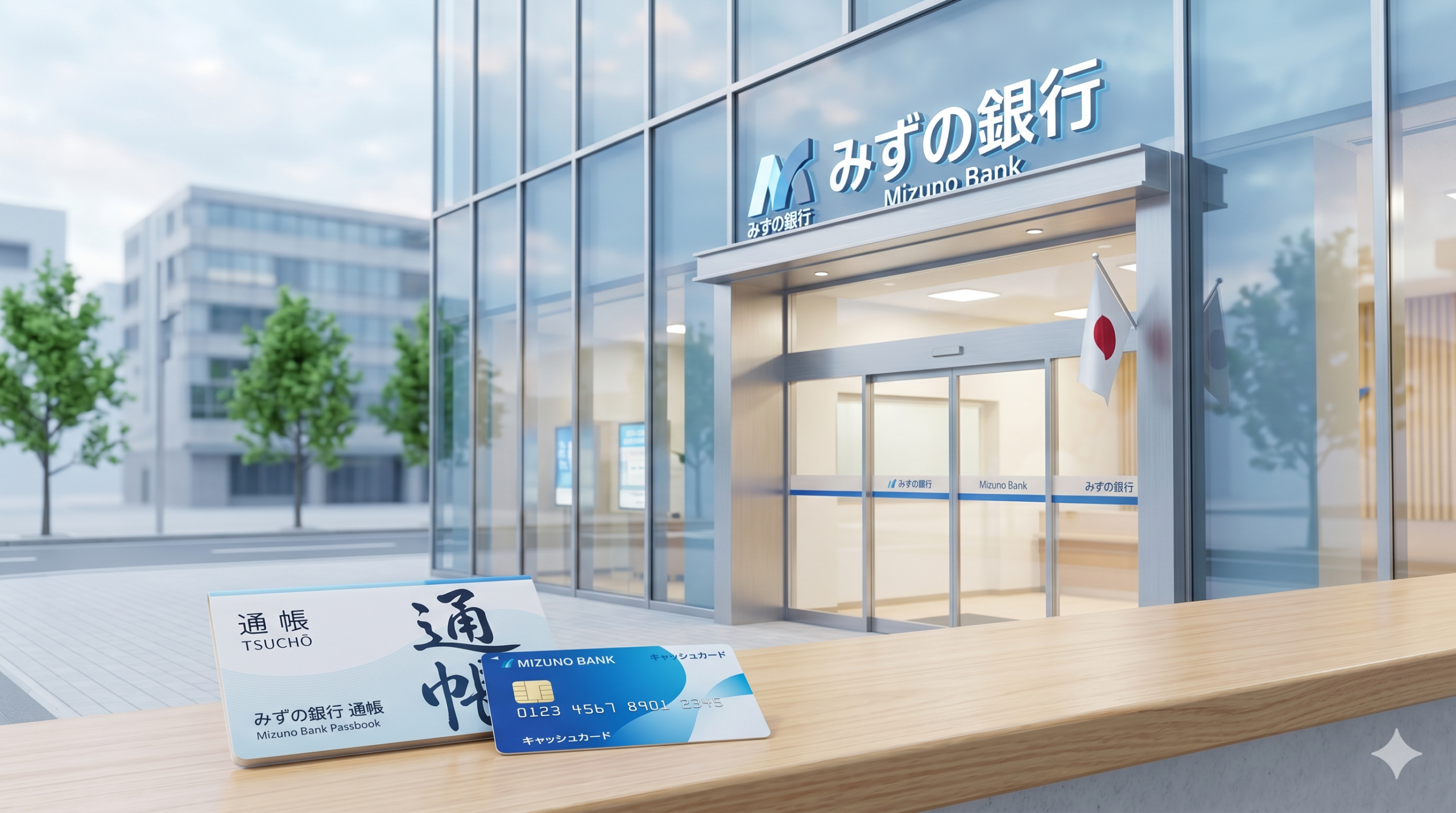
    What is a bank passbook (通帳) and do I need one?

    A passbook is a physical record of your transactions, common at traditional Japanese banks. Online banks like Rakuten Bank don’t use passbooks — everything is digital instead.

    Summary: Which Bank Should You Choose?

    Bank Best For Min. Residency English App
    Japan Post Bank New arrivals None
    Rakuten Bank Online banking 6 months
    Sony Bank International transfers 6 months Partial
    SMBC / MUFG Employer requirement 6 months
    WISE Sending money abroad None

    For most new expats, the recommended path is: Japan Post Bank first → then Rakuten Bank after 6 months. This gives you immediate banking access while setting up a better long-term solution.

    Related Guides

  • Amazon Japan Sale Guide 2026: Dates & Best Deals

    Amazon Japan Sale Guide 2026: Dates & Best Deals

    🔥 Happening Now: Prime Day 2026 (July 7–13)

    Early Access July 7–9 · Main Sale July 10–13. The spring sale below has ended — Prime Day is Amazon Japan’s biggest event of the summer.

    See Prime Day Deals →

    It’s that time of year again — Amazon Japan’s Shinseikatsu (新生活) Sale, one of the biggest shopping events of the year, is in full swing through early April 2026. As an expat living in Japan, this is your perfect chance to grab high-quality Japanese and international gadgets at heavily discounted prices.

    Whether you’re setting up a new apartment, upgrading your home tech, or just looking for great deals, we’ve hand-picked the 5 best gadgets to buy right now during the Amazon Japan Spring Sale.

    ⏰ Sale Alert: Amazon Japan’s Shinseikatsu Sale runs through early April 2026. Prices and availability may change — act fast on your favorites!

    What Is Amazon Japan’s Shinseikatsu Sale?

    The Shinseikatsu (新生活) Sale — literally “New Life Sale” — coincides with Japan’s April new beginnings: new school years, new jobs, new apartments. Amazon Japan offers massive discounts on electronics, home appliances, and daily essentials.

    • Discounts of 20–50% off popular electronics
    • Extra coupon codes that stack on top of sale prices
    • Amazon Prime members get early access and free same-day delivery
    • International brands (Anker, Sony) alongside Japanese brands (Panasonic, Sharp)

    How to Shop Amazon Japan as an Expat

    Amazon Japan (amazon.co.jp) works just like Amazon.com. Your existing Amazon account works, Chrome auto-translates the page, and delivery to your Japanese address is straightforward. Amazon Prime Japan (¥600/month) is highly recommended for free fast shipping and Prime Video Japan access.

    Top 5 Amazon Japan Spring Sale Picks for Expats (2026)

    1. Fire TV Stick 4K Max — Stream Everything in 4K

    The Fire TV Stick 4K Max is the best streaming device available in Japan, supporting all major Japanese streaming services (Netflix, Prime Video, Disney+, TVer) plus international platforms. With Wi-Fi 6E and a fast MediaTek processor, 4K HDR streaming is silky smooth.

    Set up a VPN on the Fire TV Stick to access your home country’s streaming library, while still enjoying Japanese TV apps. Sale price: ~¥5,480–6,980 (regular ¥8,980).

    Resolution 4K Ultra HD, HDR10+, Dolby Vision
    Connectivity Wi-Fi 6E (tri-band)
    Sale Price ~¥5,480–6,980 (reg. ¥8,980)

    2. Kindle Paperwhite — Japan’s Favorite E-Reader

    The Kindle Paperwhite is consistently one of Japan’s best-selling e-readers. With a 6.8-inch glare-free display, adjustable warm light, and IPX8 waterproofing, it’s perfect for reading on trains, at onsens, or anywhere in Japan.

    For expats: access English books instantly from Amazon Japan’s massive international Kindle store, or start exploring Japanese manga as your Japanese improves. Kindle Unlimited Japan (¥980/month) includes 200,000+ Japanese titles. Sale price: ~¥14,980–16,980.

    Display 6.8-inch, 300 PPI glare-free
    Battery Up to 12 weeks
    Waterproof IPX8 (2m / 60 min)

    3. Amazon Echo Pop — Budget Smart Home Hub

    The Echo Pop is Amazon’s most affordable smart speaker. Alexa understands both English and Japanese commands seamlessly. Use it to control smart lights, get train delay updates, set cooking timers, or play music from Spotify. Sale price: ~¥2,480–2,980 (regular ¥4,980).

    Languages English & Japanese
    Smart Home Alexa compatible
    Sale Price ~¥2,480–2,980 (reg. ¥4,980)

    4. Anker PowerCore 10000 — Essential for Japan’s Long Commutes

    At just 180g, the Anker PowerCore 10000 is the perfect commuter companion. It delivers 2+ full iPhone charges and slips easily into any bag. During the spring sale it drops to ~¥2,000–2,500 — a bargain for the build quality. Essential for long Shinkansen rides and all-day sightseeing.

    Capacity 10,000mAh (~2.5x iPhone charges)
    Weight 180g — ultra portable
    Sale Price ~¥2,000–2,500 (reg. ¥3,490)

    5. Anker Soundcore P40i — Premium ANC Earbuds Under ¥8,000

    The Soundcore P40i delivers adaptive ANC, 10-hour battery (50hr with case), and a rich sound profile at an unbeatable price. Block out busy train stations and pachinko parlors, then switch to transparency mode for train announcements. Sale price: ~¥4,980–5,980.

    Battery 10hr (50hr with case)
    ANC Adaptive (3 modes)
    Sale Price ~¥4,980–5,980 (reg. ¥7,990)

    Quick Comparison Table

    Product Regular Price Sale Price Best For
    Fire TV Stick 4K Max ¥8,980 ~¥5,480 Streaming
    Kindle Paperwhite ¥19,980 ~¥14,980 Reading
    Echo Pop ¥4,980 ~¥2,480 Smart Home
    Anker PowerCore 10000 ¥3,490 ~¥2,000 Commuting
    Anker Soundcore P40i ¥7,990 ~¥4,980 Commute Audio

    Pro Tips for Getting the Best Deals

    Use Keepa (free browser extension) to verify price history before buying. Stack Amazon Points campaigns (ポイントアップキャンペーン) for extra savings. Sign up for Amazon Prime Japan (¥600/month) for early sale access and free fast delivery. Watch for timed Lightning Deals (タイムセール) in the morning and evening.

    Final Thoughts

    The Amazon Japan Shinseikatsu Sale 2026 is one of the best opportunities to upgrade your tech at a fraction of the usual cost. Whether you’re a newly arrived expat or a long-term resident, these five picks offer excellent everyday value for life in Japan. Don’t wait — these deals sell out fast and the sale ends in early April!

  • How to Buy from Amazon Japan Overseas 2026: Buyee, Tenso & Direct Shipping

    How to Buy from Amazon Japan Overseas 2026: Buyee, Tenso & Direct Shipping

    Why Buy Japanese Products from Overseas?

    Japan manufactures some of the world’s best products — kitchen appliances, electronics, beauty items, and collectibles — that simply aren’t available outside Japan. Japanese versions often have exclusive features, better build quality, or are never exported at all. Buying directly from Japan has never been easier thanks to proxy shopping services.

    🤖
    Navigator

    How can I buy products that are only sold in Japan?

    🍣
    Japan Guide

    Proxy shopping services like Buyee let you buy from Amazon.co.jp, Rakuten, Yahoo Shopping, and Mercari Japan — then ship anywhere in the world. Easier than you think!

    3 Ways to Buy Japanese Products

    Method 1 — Amazon.com: Many Japanese products ship internationally via Amazon.com Japanese sellers. Filter by “Ships from Japan.” Easiest method; no proxy needed.

    Method 2 — Buyee Proxy: Japan’s largest proxy service covering Amazon.co.jp, Rakuten, Yahoo Shopping, and Mercari. Buyee buys on your behalf and ships worldwide. Best for Japan-exclusive items.

    Method 3 — ZenMarket: Specializes in Yahoo Auctions Japan — the world’s biggest Japanese secondhand marketplace. Best for rare finds, vintage items, and limited editions.

    How to Use Buyee — Step by Step

    Step 1: Create Account

    Register at buyee.jp with your email. Fully in English. Accepts all major credit cards and PayPal. Setup takes under 5 minutes.

    Step 2: Find Your Product

    Search within Buyee, or browse any Japanese retailer and paste the product URL. Buyee shows Japanese price + estimated proxy and shipping fees upfront.

    Step 3: Place Your Order

    Complete payment through Buyee. They purchase from the Japanese retailer within 1–2 business days and notify you when it arrives at their warehouse.

    Step 4: Choose Shipping

    Options include EMS (5–10 days), DHL Express (3–5 days), and economical SAL (2–4 weeks). Consolidate multiple orders into one shipment for big savings.

    Step 5: Receive It

    Buyee ships to 100+ countries. They provide all customs documentation automatically. Import duties are the buyer’s responsibility.

    Top 5 Product Categories Worth Importing

    1. Japanese Kitchen Appliances

    Zojirushi rice cookers, Tiger bread makers, Balmuda toasters — Japan’s kitchen appliances are globally legendary. Premium Japan-exclusive models are 30–40% cheaper on Rakuten than imported versions sold abroad.

    2. Japanese Beauty & Skincare

    SK-II, DHC, Shiseido, Hada Labo — Japanese skincare is globally coveted. Japan-market formulations are often superior to export versions. Buy directly from Rakuten for authenticity and exclusive products.

    3. Anime, Manga & Collectibles

    Limited-edition merchandise and Japan-exclusive figures never reach international retailers. Yahoo Auctions Japan via ZenMarket is the best source for rare and vintage collectibles at genuine Japanese prices.

    4. Japanese Streetwear & Fashion

    BAPE, Undercover, Sacai — Japan-exclusive drops never reach international markets. Mercari Japan via Buyee has incredible secondhand finds at 30–70% below retail prices.

    5. Japanese Electronics & Gadgets

    Sony, Panasonic, Sharp release Japan-exclusive models with features absent from export versions. Often cheaper on Rakuten than international resellers even after proxy fees.

    Comparison: Which Service to Use?

    Service Best For Proxy Fee
    Amazon.com Simple international purchases None
    Buyee Rakuten, Yahoo, Amazon.co.jp, Mercari ~¥300–500/order
    ZenMarket Yahoo Auctions, rare/vintage items ~¥300/item

    Pro Tips

    Use Buyee’s consolidation to combine multiple orders before shipping — big savings. Check Mercari Japan via Buyee for secondhand items at 30–70% below retail. Use Google Translate camera mode on Japanese product pages. Always factor in customs duties for your country (typically applicable on orders above $20–$200 USD).

    Final Verdict

    In 2026, the entire world of Japanese products is accessible from your couch. Start with Amazon.com for easy purchases. Use Buyee for Japan-exclusive items across all major Japanese retailers. Use ZenMarket for rare collectibles and auction finds. A Zojirushi rice cooker or limited-edition anime figure is just a few clicks away, wherever you are in the world.

🏠 Life in Japan

Expat guides, shopping, and everyday life in Japan

30 guides available
Best Japanese Bento Boxes 2026: Zojirushi, Skater, Takenaka & Wappa Compared
Life in Japan

Best Japanese Bento Boxes 2026: Zojirushi, Skater, Takenaka & Wappa Compared

The 5 Japanese bento boxes worth buying in 2026 — Zojirushi hot lunch jars, Skater everyday two-tiers, design-favorite Takenaka, traditional Hakoya wappa, plus packing tips and sizing guide.

Read more →
Best Japanese Water Bottles & Thermoses 2026: Zojirushi vs Tiger vs Thermos (Tested Daily in Japan)
Life in Japan

Best Japanese Water Bottles & Thermoses 2026: Zojirushi vs Tiger vs Thermos (Tested Daily in Japan)

Japanese vacuum bottles from Zojirushi, Tiger and Thermos Japan are the best in the world. Compare the 5 models worth buying in 2026 — weight, insulation, cleaning — plus where to buy on Amazon.

Read more →
Best Japanese Whisky Guide 2026: Top 5 Brands, Where to Buy & How to Drink
Life in Japan

Best Japanese Whisky Guide 2026: Top 5 Brands, Where to Buy & How to Drink

Why Japanese Whisky Is Taking the World by Storm Japanese whisky has exploded in popularity over the past decade, winning international awards and selling out in stores worldwide. Whether you’re an expat living in Japan, a tourist wanting to bring home a unique souvenir, or simply a whisky lover curious about Japan’s liquid gold — […]

Read more →
Best Japanese Snacks & Sweets Guide 2026 | 5 Must-Try Treats from Japan
Life in Japan

Best Japanese Snacks & Sweets Guide 2026 | 5 Must-Try Treats from Japan

Why Japanese Snacks Are Unlike Anything Else Japan takes snack culture to an extreme. Convenience stores (konbini) carry hundreds of varieties, seasonal limited editions appear monthly, and regional exclusives make collecting snacks a hobby. Whether you’re visiting Japan, living here as an expat, or ordering online, these five snacks are must-tries in 2026. 📝 AI-Assisted […]

Read more →
Best Japanese Snacks & Omiyage 2026 | Top 5 Must-Buy Souvenirs
Life in Japan

Best Japanese Snacks & Omiyage 2026 | Top 5 Must-Buy Souvenirs

Discover the top 5 must-buy Japanese snacks and omiyage in 2026! From Tokyo Banana and Shiroi Koibito to Matcha Kit Kat and Yatsuhashi, find the perfect Japanese souvenir for everyone.

Read more →
Best Hair Salons in Japan 2026 | How Foreigners Can Get a Great Haircut (ALBUM Guide)
Life in Japan

Best Hair Salons in Japan 2026 | How Foreigners Can Get a Great Haircut (ALBUM Guide)

Guide to getting a haircut in Japan as a foreigner. ALBUM hair salon review, how to book, useful phrases, and top salon recommendations for expats and tourists in Tokyo.

Read more →
Best Japanese Yukata to Buy in 2026: Top 5 Sets & Where to Buy (Summer Kimono Guide)
Life in Japan

Best Japanese Yukata to Buy in 2026: Top 5 Sets & Where to Buy (Summer Kimono Guide)

The yukata — a light cotton kimono worn in summer — is one of the most beautiful and beginner-friendly ways to experience Japanese dress. Comfortable, affordable, and stunning at summer festivals and fireworks displays, a good yukata also makes a memorable souvenir or gift. Here are the 5 best Japanese yukata to buy in 2026, […]

Read more →
Best Japanese Folding Fans (Sensu) 2026: Top 5 Picks & Where to Buy
Life in Japan

Best Japanese Folding Fans (Sensu) 2026: Top 5 Picks & Where to Buy

Discover the 5 best Japanese folding fans (sensu) for 2026 — from handcrafted Kyoto fans and fragrant sandalwood to elegant silk. The perfect cool, packable souvenir, plus how and where to buy.

Read more →
Best Japanese Sake for Beginners 2026: Top 5 Bottles (Easy, Smooth & Where to Buy)
Life in Japan

Best Japanese Sake for Beginners 2026: Top 5 Bottles (Easy, Smooth & Where to Buy)

New to Japanese sake? These 5 beginner-friendly bottles — Dassai 45, Hakkaisan, Kikusui, Kubota and a creamy nigori — are smooth, easy to enjoy, and easy to buy on Amazon or via Buyee.

Read more →
Best Japanese Incense 2026: 5 Iconic Brands for Calm, Scent & Tradition
Life in Japan

Best Japanese Incense 2026: 5 Iconic Brands for Calm, Scent & Tradition

A guide to the best Japanese incense in 2026. Discover 5 iconic makers — Nippon Kodo, Shoyeido, Baieido, Hibi and Awaji incense — loved worldwide for clean, refined scents perfect for relaxation and meditation.

Read more →
Best Japanese Stationery 2026: 5 Iconic Brands Foreigners Love (Pens, Notebooks & More)
Life in Japan

Best Japanese Stationery 2026: 5 Iconic Brands Foreigners Love (Pens, Notebooks & More)

A guide to the best Japanese stationery in 2026. Discover 5 iconic brands — uni, Pilot, Zebra, Tombow and Kokuyo — loved worldwide for their smooth pens, erasable ink and legendary notebooks.

Read more →
How to Get a Hanko (Personal Seal) in Japan: A Foreigner’s Inkan Guide (2026)
Life in Japan

How to Get a Hanko (Personal Seal) in Japan: A Foreigner’s Inkan Guide (2026)

If you are living in Japan as a foreigner, sooner or later someone will ask for your hanko (はんこ) — a personal seal stamped in red ink that works like your signature. Despite Japan’s push to go digital, a hanko is still needed to open many bank accounts, sign apartment leases, and finalize official paperwork. […]

Read more →
🏡
Life in Japan

Best Japanese Matcha & Green Tea 2026: 7 Top Picks (Ceremonial, Culinary & Sencha)

The 7 best Japanese matcha and green teas in 2026 — Ippodo, Marukyu Koyamaen, Encha, Jade Leaf and more. Ceremonial vs culinary explained, plus how to buy from anywhere with Amazon and Buyee.

Read more →
Moving Within Japan as a Foreigner 2026: Costs, Steps & Cheapest Options
Life in Japan

Moving Within Japan as a Foreigner 2026: Costs, Steps & Cheapest Options

Moving in Japan can feel intimidating when you don’t speak fluent Japanese: confusing contracts, guarantor requirements, and surprise fees. This guide breaks down what moving in Japan actually costs, the step-by-step process, and the cheapest, foreigner-friendly options — so you can relocate without overpaying or getting stuck on paperwork. The Real Cost of Moving in […]

Read more →
Oakhouse vs Cross House 2026: Which Share House Is Best for Foreigners in Japan?
Life in Japan

Oakhouse vs Cross House 2026: Which Share House Is Best for Foreigners in Japan?

If you are moving to Japan as a foreigner, two names dominate every share-house recommendation: Oakhouse and Cross House. Both let you skip the brutal Japanese rental wall — no guarantor, no key money, no agency fee — and both are genuinely foreigner-friendly. But they are built for two very different kinds of person. After […]

Read more →
Cheapest Ways to Live in Japan as a Foreigner 2026: Share Houses and No-Guarantor Options
Life in Japan

Cheapest Ways to Live in Japan as a Foreigner 2026: Share Houses and No-Guarantor Options

Moving to Japan? The biggest shock for most foreigners is not the rent — it is the move-in cost. A normal apartment can demand 3 to 5 months of rent upfront (deposit, key money, agency fee, guarantor fee, fire insurance, lock change), and almost all require a Japanese guarantor. This guide shows the cheapest, foreigner-friendly […]

Read more →
Sending Money Abroad from Japan 2026: Cheapest Ways & Best Services
Life in Japan

Sending Money Abroad from Japan 2026: Cheapest Ways & Best Services

Sending Money Abroad from Japan in 2026: The Complete Guide 📅 Updated July 2026: Product information, prices, and travel details in this article have been updated to reflect the latest information as of July 2026. Whether you’re sending savings home, supporting family, or paying overseas bills, moving money out of Japan can be confusing — […]

Read more →
How to Learn Japanese in 2026: Best Apps, Methods & a Beginner Roadmap
Life in Japan

How to Learn Japanese in 2026: Best Apps, Methods & a Beginner Roadmap

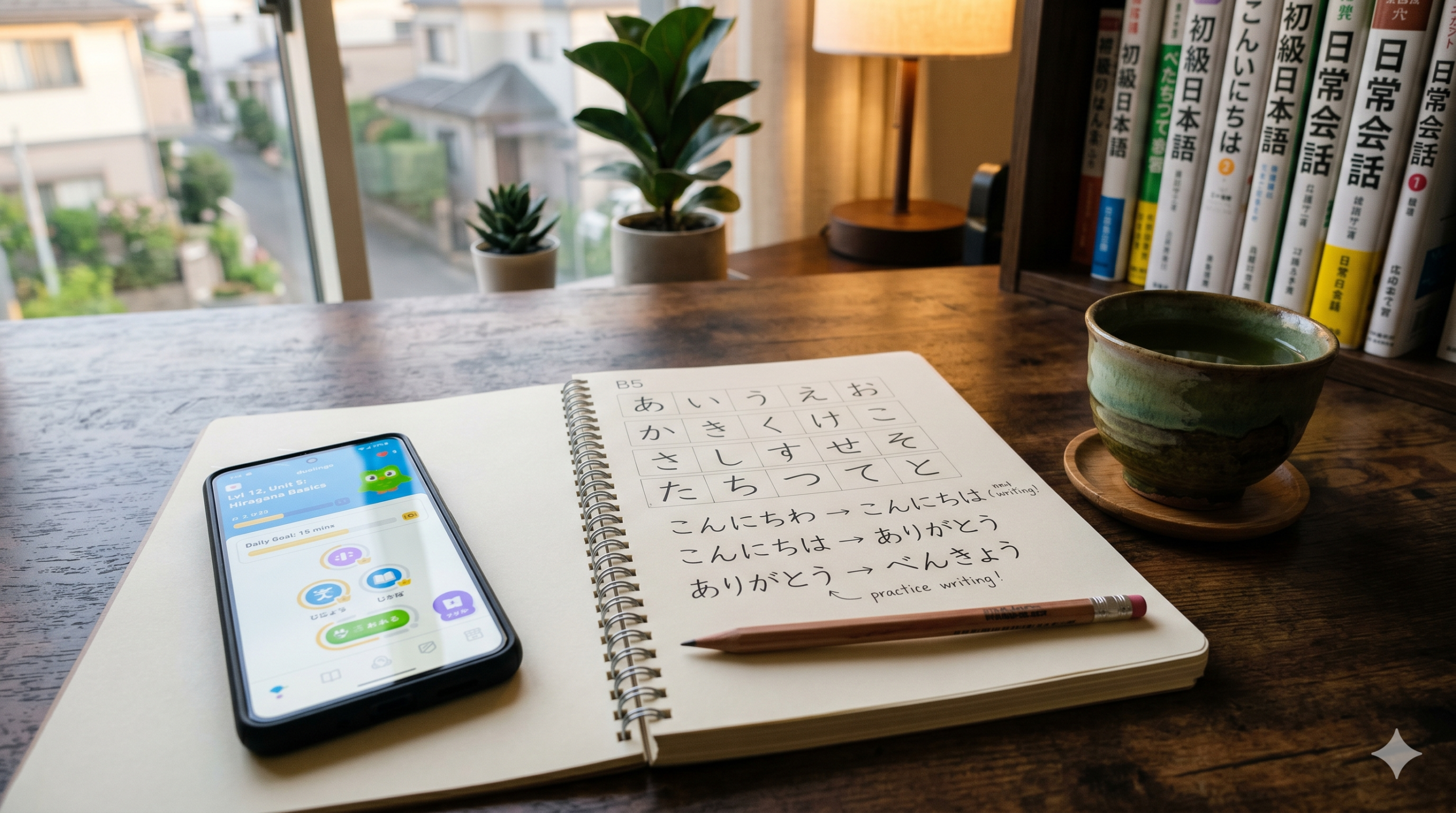
How to Learn Japanese in 2026: A Practical Guide for Beginners Learning even a little Japanese transforms your time in Japan — ordering food, reading signs, making friends, and navigating daily life all become easier and more fun. The language has a reputation for being hard, but with the right tools and a realistic plan, […]

Read more →
How to Use a Japanese Air Conditioner (2026): Decode the Remote & Cut Your Summer Bill
Life in Japan

How to Use a Japanese Air Conditioner (2026): Decode the Remote & Cut Your Summer Bill

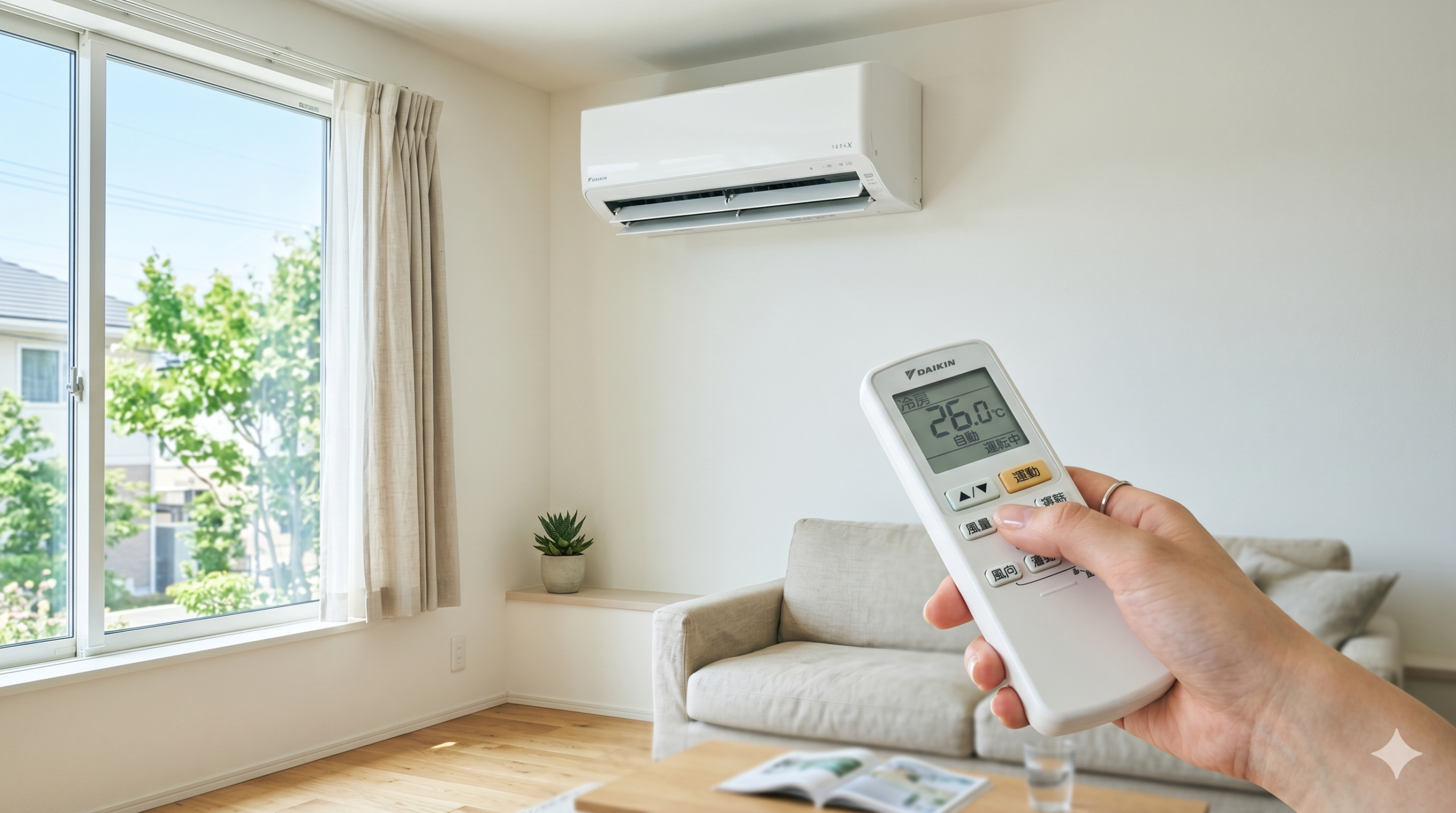
Japanese summers are brutally hot and humid, and your apartment’s air conditioner (エアコン, eakon) is your lifeline. The problem? The remote is covered in kanji, the modes are confusing, and used wrong, your AC can send your electricity bill through the roof. This guide decodes the Japanese AC remote button by button and shows you […]

Read more →
How to Do Laundry in Japan (2026): Decode the Washing Machine, Detergent & Rainy-Day Drying
Life in Japan

How to Do Laundry in Japan (2026): Decode the Washing Machine, Detergent & Rainy-Day Drying

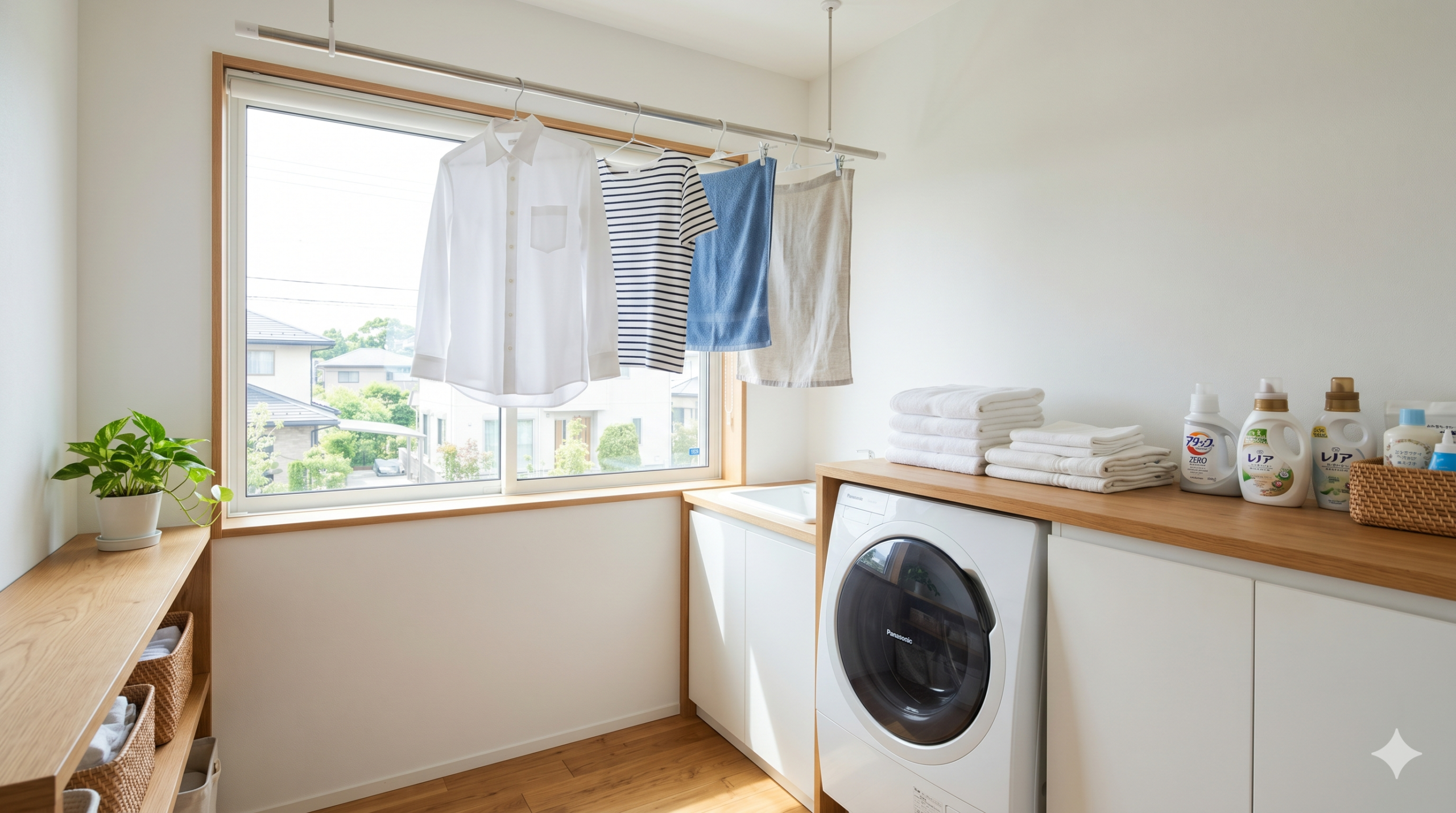
Doing laundry in Japan looks simple until you stand in front of a washing machine covered in kanji, with no idea which button starts it. Add the rainy season, tiny balconies, no clothes dryer, and detergent bottles you can’t read, and laundry day becomes surprisingly stressful. This complete guide walks you through everything: decoding your […]

Read more →
Japan's Secret Neighborhood Rules Your Landlord Never Mentioned (Jichikai Guide 2026)
Life in Japan

Japan's Secret Neighborhood Rules Your Landlord Never Mentioned (Jichikai Guide 2026)

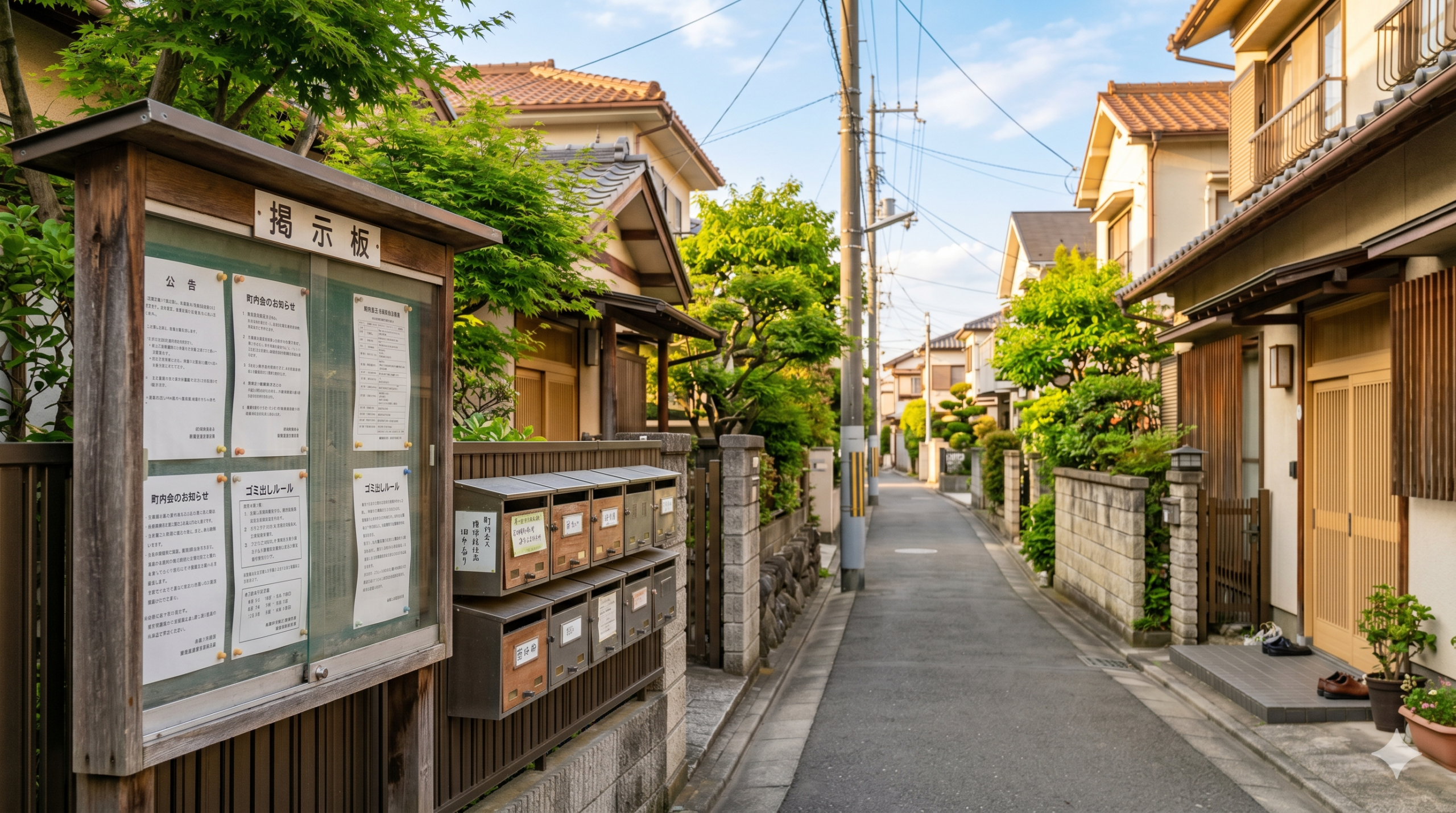
🏘️ Life in Japan Guide: Everything foreigners need to know about Japan’s neighborhood rules — the written and unwritten ones. You moved into your new Japanese apartment, everything felt fine — and then a neighbor knocked on your door and handed you an envelope. Inside: a handwritten note about garbage rules, a schedule for cleaning […]

Read more →
Japan Rejected Your Bank Account Application? Here's Exactly Why — and How to Fix It (2026)
Life in Japan

Japan Rejected Your Bank Account Application? Here's Exactly Why — and How to Fix It (2026)

⚠️ Troubleshooting Guide: This article was updated in May 2026 with the latest bank policies and foreigner-friendly alternatives. You arrived in Japan with all your documents, a valid residence card, and a Japanese phone number — and the bank still said no. Sound familiar? You’re not alone. “Japan won’t let me open a bank account” […]

Read more →
Japan Driving License Conversion 2026: Complete Guide for Foreigners
Life in Japan

Japan Driving License Conversion 2026: Complete Guide for Foreigners

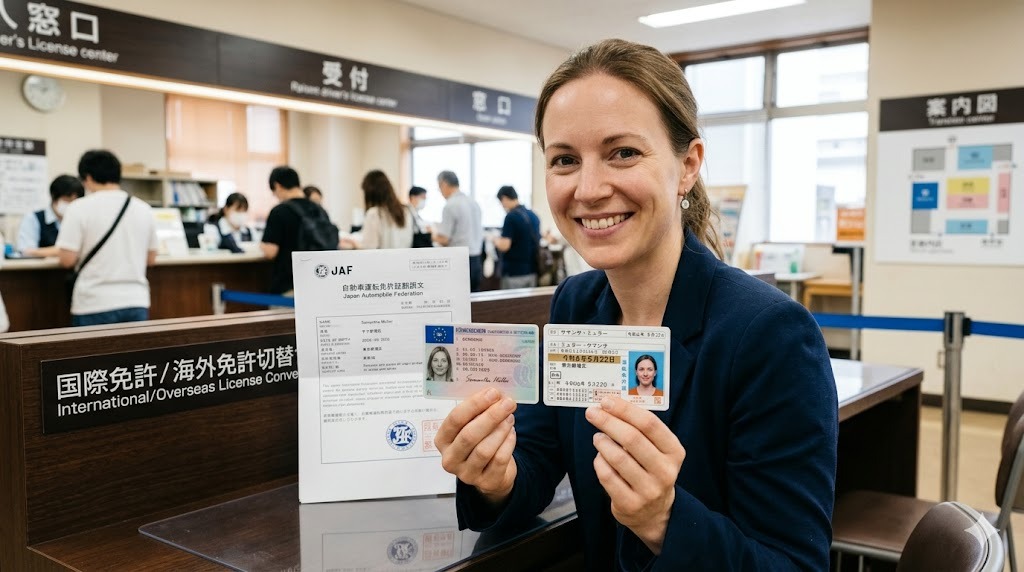
📝 AI-Assisted Content Notice This article was created with AI writing assistance (ChatGPT, Claude, etc.). Product selection, specifications, and reviews are verified by the Japan Life Lab editorial team. Planning to drive in Japan? Whether you’re a tourist, a new expat, or someone settling in for the long term, understanding Japan’s driving license rules is […]

Read more →
Japan Moving Hacks 2026: 15 Things Nobody Tells You Before You Move
Life in Japan

Japan Moving Hacks 2026: 15 Things Nobody Tells You Before You Move

Why Moving to Japan Is Harder Than You Think (But These Hacks Help) Moving to Japan is exciting — but between the paperwork, language barriers, and unwritten rules, most expats hit the same walls. After helping thousands of foreigners navigate Japanese bureaucracy, we’ve compiled the 15 most game-changing hacks that official guides never mention. Use […]

Read more →
Going Cashless in Japan 2026: Complete Guide to PayPay, Suica & IC Cards for Foreigners
Life in Japan

Going Cashless in Japan 2026: Complete Guide to PayPay, Suica & IC Cards for Foreigners

📅 Updated July 2026: Product information, prices, and travel details in this article have been updated to reflect the latest information as of July 2026. 🇯🇵 Travel & Life Essentials for Japan Hand-picked gear to make your time in Japan easier. Available on Amazon US & Amazon Japan. 🔋 Portable charger A must for long […]

Read more →
Japan's Hidden Social Rules: 15 Unwritten Laws Every Foreigner Must Know
Life in Japan

Japan's Hidden Social Rules: 15 Unwritten Laws Every Foreigner Must Know

Japan is famous for being polite, clean, and incredibly organized — but scratch the surface and you’ll find a complex web of unwritten social rules that no guidebook fully explains. Breaking these invisible codes won’t get you arrested, but it will earn you silent stares and quiet judgment from Japanese people around you. We asked […]

Read more →
Japan Garbage Separation Guide 2026: How to Sort Trash Without Getting in Trouble (Complete Expat Guide)
Life in Japan

Japan Garbage Separation Guide 2026: How to Sort Trash Without Getting in Trouble (Complete Expat Guide)

Moving to Japan is exciting — but Japan’s garbage system can feel like learning a second language. Miss the wrong pickup day, use the wrong bag, or forget to rinse a bottle, and your trash gets left behind with a stern red sticker. This comprehensive guide covers everything you need to know to sort your […]

Read more →
Best Cities in Japan for Expats Beyond Tokyo 2026: Honest Rankings & Cost Breakdown
Life in Japan

Best Cities in Japan for Expats Beyond Tokyo 2026: Honest Rankings & Cost Breakdown

Everyone knows Tokyo. But Japan has five other major cities that offer expats an extraordinary quality of life — often with 30–50% lower rent, less congestion, warmer communities, and a pace of life that doesn’t grind you down. If you’ve been living in Tokyo and wondering whether there’s a better fit, or you’re planning your […]

Read more →
Japan Hits Record 4.12 Million Foreign Residents in 2026: What Every Expat Needs to Know
Life in Japan

Japan Hits Record 4.12 Million Foreign Residents in 2026: What Every Expat Needs to Know

Japan’s foreign resident population has officially hit 4.12 million in 2026 — a record high for the fourth consecutive year and a 9.5% jump from the previous year. For anyone living in Japan, thinking of moving here, or navigating the immigration system, this milestone carries major practical implications. This guide breaks down exactly what the […]

Read more →
Japan Earthquake Survival Guide 2026: The Foreigner's Checklist (What Locals Know That You Don't)
Life in Japan

Japan Earthquake Survival Guide 2026: The Foreigner's Checklist (What Locals Know That You Don't)

Japan is one of the most seismically active countries on Earth — the Japanese archipelago sits at the intersection of four tectonic plates, and the country experiences roughly 1,500 earthquakes every year. For foreigners living in or visiting Japan, understanding what to do before, during, and after an earthquake is not optional: it’s essential. This […]

Read more →
NEWThe Japan Expat Starter Kit 2026 — banking, visas, 100 phrases & more in one PDF$19 $9.90 code JLL30Get it →×