Category: Life in Japan

Expat guides, shopping, and everyday life in Japan

  • Japan Earthquake Safety 2026: The 72-Hour Survival Kit Every Foreigner Must Have Ready

    Japan Earthquake Safety 2026: The 72-Hour Survival Kit Every Foreigner Must Have Ready

    Japan has an earthquake every 5 minutes. In 2024, the Noto Peninsula earthquake killed 703 people. In April 2026, a 7.4-magnitude quake struck off the Sanriku coast. The government predicts a 70% chance of a direct hit on Tokyo within 30 years — and an 80% chance of a Nankai Trough megaquake that could kill 290,000 people.

    Most foreigners living in or visiting Japan have no idea what to do. This guide fixes that — in plain English.

    ⚡ Quick Facts
    • Japan: ~1,500 earthquakes per year (M4+)
    • Noto Peninsula earthquake (Jan 1, 2024): 703 deaths
    • Tokyo: 70% chance of M7+ earthquake within 30 years
    • Nankai Trough: 80% chance of M8-8.5 megaquake — projected 290,000 deaths
    • Foreign-bought phones do NOT automatically receive Japan’s emergency alerts

    Before an Earthquake: Prepare Now (Not Later)

    The Emergency Kit You Actually Need

    Japanese emergency guidelines recommend a 72-hour kit minimum. Here’s what to pack:

    • Water: 4 liters per person per day × 3 days = 12 liters minimum
    • Food: Non-perishable items (energy bars, canned goods, instant noodles)
    • Documents: Passport, residence card, My Number card copies in waterproof bag
    • Medications: 30-day supply of any prescriptions
    • Cash: ¥30,000–50,000 in small bills (ATMs may be down)
    • Portable toilet bags: Essential for shelter life — Japanese evacuation centers expect you to bring your own
    • Flashlight + battery bank: Power outages are common after major quakes
    • Warm clothing: Gym floors are cold, especially in winter

    Keep your bag near the front door. You may have 30 seconds to grab it.

    The Apps That Could Save Your Life

    Critical: if your phone wasn’t bought in Japan, it will NOT automatically receive earthquake alerts. Japanese J-Alert uses a satellite-based system incompatible with international phones. Install these now:

    • Safety Tips (by JNTO) — 15 languages, government-backed, covers earthquakes, tsunamis, typhoons
    • NERV Disaster Prevention App — fastest real-time warnings in Japan, English UI available
    • Yurekuru Call — 5 million users, direct JMA data, 10–120 second advance warning
    • NHK World App — delivers J-Alert in English

    Install at least 2 of these. Enable push notifications. Grant location permissions.

    Register With Your Embassy

    Most embassies offer emergency SMS alerts for registered citizens. The U.S. Embassy Japan, British Embassy, and Canadian Embassy all have emergency registration systems. It takes 5 minutes. Do it before you need it.

    Know Your Evacuation Route

    Search “[your area] 避難所” (evacuation shelter) on your city’s website. Tokyo residents can check tokyo.lg.jp. Bookmark it offline.

    During an Earthquake: Drop. Cover. Hold On.

    When shaking starts, forget everything except three words: Drop. Cover. Hold On.

    1. DROP to your hands and knees immediately
    2. COVER — get under a sturdy table, or protect your head and neck with your arms if no cover is available. Stay away from windows.
    3. HOLD ON — stay in position until shaking completely stops. Do not run outside.
    Where You Are What To Do
    Indoors Drop, cover under table. Stay away from windows and kitchen appliances.
    Outdoors Move away from buildings and power lines. Drop and protect your head.
    In a car Pull over slowly. Stay in the car with seatbelt on. Avoid overpasses.
    On a train Hold railings. Trains stop automatically. Follow staff instructions.
    In an elevator Press all floor buttons. Exit at first available floor. Never use elevators after quakes.

    Understanding the Alert Sound

    Japan’s Earthquake Early Warning (緊急地震速報) gives you 5–30 seconds of warning before strong shaking arrives. You’ll hear a distinctive alarm from your phone, TV, and public speakers. When you hear it, act immediately — don’t wait to feel the shaking.

    After an Earthquake: The First 72 Hours

    Immediate Steps (First 30 Minutes)

    1. Check yourself and others for injuries. Apply first aid if needed.
    2. Check for gas leaks — smell gas? Open windows, don’t flip any switches, leave immediately.
    3. Turn on your emergency apps for updates and tsunami warnings.
    4. Text rather than call — networks get overloaded, texts usually get through.
    5. Charge your phone if power is still on.

    Finding an Evacuation Shelter

    Japan’s system has two phases: Evacuation Site (避難場所) — an open area safe from fire and structural collapse — and Evacuation Shelter (避難所) — an indoor facility (usually a school gymnasium) for multi-day stays. Official shelters accept all residents regardless of nationality. Show your residence card and follow others.

    Reality Check: What Shelters Are Like

    No sugarcoating: Japanese evacuation shelters are spartan.

    • Hard gymnasium floors with thin mats
    • 600+ people in a single gym is normal after a major quake
    • Cardboard privacy partitions between families
    • Meals are compressed emergency biscuits and bottled water
    • Portable toilets become overwhelmed quickly

    Multilingual support staff are available at major shelters in urban areas, but availability varies. The Safety Tips app has shelter-finding functionality in 15 languages.

    Emergency Japanese Phrases

    English Japanese Pronunciation
    Where is the shelter? 避難所はどこですか? Hinanjo wa doko desu ka?
    I need help 助けてください Tasukete kudasai
    I am injured 怪我をしています Kega wo shite imasu
    Does anyone speak English? 英語を話せる人はいますか? Eigo wo hanaseru hito wa imasu ka?
    Call an ambulance 救急車を呼んでください Kyukyusha wo yonde kudasai

    Emergency numbers: Police 110 | Ambulance & Fire 119

    Bottom Line: Should You Be Worried?

    Japan is the safest earthquake-prone country on Earth. The building codes are world-class (post-1981 buildings are extremely resilient), the early warning system is the most advanced globally, and emergency services are highly trained. Most earthquakes you experience will rattle your coffee cup, not your life.

    But preparedness is what separates “scary story” from “tragedy.” Download the apps today. Pack a kit this weekend. Register with your embassy. It takes 3 hours total and could save your life.

  • Japan Rainy Season 2026: Exact Dates, What to Pack & Insider Tips to Enjoy It

    Japan Rainy Season 2026: Exact Dates, What to Pack & Insider Tips to Enjoy It

    Japan’s rainy season — called Tsuyu (梅雨) — is one of the most misunderstood times to visit. Yes, it rains. But it’s also crowd-free, beautiful, and surprisingly affordable. This is your complete guide to Japan’s rainy season in June 2026.

    🌧️ Tsuyu 2026 Quick Facts

    • Tokyo, Osaka, Kyoto: Early June – mid-July
    • Okinawa: Mid-May – late June
    • Hokkaido: Usually rainy season-free
    • Temperatures: 22–28°C — warm but comfortable
    • Rain chance: ~40–60% — not all-day rain, just showers

    What Is Tsuyu? The Real Picture

    Tsuyu doesn’t mean constant rain. Most days bring light drizzle, intermittent showers, and misty mornings — not non-stop downpours. Think London weather, warmer, with better food. The humidity (70–85%) is the real challenge, but it’s manageable with the right clothing.

    5 Reasons to Actually Visit Japan During Rainy Season

    1. Dramatically Fewer Crowds

    Fushimi Inari with 40% fewer tourists? Yes. Arashiyama bamboo grove in the mist? Genuinely stunning. Popular attractions are far more manageable during tsuyu than during Golden Week or autumn.

    2. Lower Prices

    Flights and hotels drop noticeably during rainy season. Ryokans that are fully booked in October often have availability. It’s one of Japan’s few true “value travel” windows.

    3. Hydrangea Season at Its Peak

    Hydrangeas (ajisai) bloom during tsuyu and they’re breathtaking. Top spots:

    • Meigetsuin Temple, Kamakura — The “Hydrangea Temple,” 2,500 plants lining the paths
    • Hakone — Hydrangeas with misty mountain backdrops
    • Bunkyo Hydrangea Festival, Tokyo — Free June festival at Hakusan Shrine
    • Nishi Park, Fukuoka — 250 varieties

    4. Misty Temples Look Incredible

    Kyoto in the mist is a photographer’s dream. Kurama and Kibune mountain villages, Philosopher’s Path, Sanjusangendo — all take on an otherworldly quality in rainy season light.

    5. Onsen in the Rain

    Outdoor hot spring baths (rotenburo) in misty rain is a once-in-a-lifetime sensory experience. The combination of warm water, cool air, and mist is uniquely Japanese.

    What to Pack for Japan’s Rainy Season

    ☂️ Rainy Season Packing List

    Waterproof shoes — Most important item. Wet socks ruin entire days. Waterproof sneakers or light boots are perfect.

    Compact umbrella — Available at every konbini for ¥500–¥1,000 if you forget yours. Avoid large umbrellas on crowded streets.

    Lightweight rain jacket — Packable, breathable, with a hood. Far better than a poncho.

    Quick-dry clothing — Merino wool, linen, synthetics. Avoid heavy denim — it takes forever to dry.

    Dehumidifying packets — For your bag and shoes. Available at Daiso (100-yen shop) everywhere in Japan.

    Best Activities by City During Tsuyu

    Tokyo

    • teamLab Borderless/Planets — Digital art that’s even more atmospheric on rainy days
    • Depachika basement food halls — Isetan Shinjuku, Mitsukoshi Ginza: world-class food shopping
    • Yanaka district — Old-Tokyo neighborhood that looks incredible in the rain
    • Tokyo National Museum — World-class Japanese art collection in Ueno Park

    Kyoto

    • Kurama and Kibune — Mountain temple villages that glow in the mist
    • Sanjusangendo — Indoor hall of 1,001 warrior statues
    • Nishiki Market — Covered arcade “Kyoto’s Kitchen”

    Kamakura (Day Trip from Tokyo)

    • Meigetsuin Temple — Arrive before 9am for the hydrangeas without crowds
    • Engakuji Temple — Ancient Zen temple complex in the mist

    Practical Survival Tips

    Use Tokyo’s Underground Network

    Tokyo’s underground shopping malls connect major train stations. In Shinjuku, you can travel between multiple stations completely sheltered from rain. Osaka’s Namba underground connects entire districts.

    Check Hourly Weather Forecasts

    Japanese weather apps are remarkably accurate. Use Yahoo!天気 (Yahoo! Weather Japan) or Weather News for hourly rainfall forecasts. Plan outdoor sightseeing for predicted dry windows — often morning or after 3pm.

    The Konbini Umbrella Strategy

    If you get caught in rain, buy a ¥700 convenience store umbrella. When done, leave it in the umbrella stand at a temple or station for the next person. Very Japanese.

    Tsuyu 2026 Timeline by Region

    RegionStartEnd
    OkinawaMid-MayLate June
    Kyushu/ShikokuLate May–Early JuneMid-July
    Kansai (Osaka, Kyoto)Early JuneMid-July
    Kanto (Tokyo)Early JuneMid-July
    TohokuMid-JuneLate July
    HokkaidoUsually rainy season-free ✅

    The Bottom Line

    Japan’s rainy season rewards travelers who prepare. Come with waterproof shoes, a good rain jacket, and an open mind — and you’ll find June to be one of Japan’s most atmospheric and genuinely memorable travel experiences.

    🇯🇵 Travel & Life Essentials for Japan

    Hand-picked gear to make your time in Japan easier. Available on Amazon US & Amazon Japan.

    🔋 Portable charger

    A must for long days of sightseeing and photos.

    View on Amazon (US)View on Amazon Japan

    🔌 Travel plug adapter

    Japan uses Type A outlets. Bring the right adapter.

    View on Amazon (US)View on Amazon Japan

    🎧 Translation earbuds

    Real-time translation to talk without barriers.

    View on Amazon (US)View on Amazon Japan

    As an Amazon Associate, Japan Life Lab earns from qualifying purchases.

  • How to Get a Job in Japan as a Foreigner in 2026: 5 Realistic Paths (Sorted by Easiest)

    How to Get a Job in Japan as a Foreigner in 2026: 5 Realistic Paths (Sorted by Easiest)

    Can you really find a job in Japan without speaking Japanese? Yes — but your options depend heavily on your skills and industry. This is the honest, practical guide to finding work in Japan as a foreigner in 2026, based on real pathways that actually work.

    📋 Key Facts for 2026

    • Japan has record-high foreign worker demand — government actively recruiting
    • Specified Skilled Worker (特定技能) expanded to 16 industry sectors
    • Japan’s average salary: ~¥4.6 million/year (about $30,000 USD)
    • IT roles: ¥6–12 million/year — among highest-paid for foreigners
    • Tax/pension compliance now mandatory for permanent residency eligibility

    The Honest Truth About Finding Work in Japan

    Japan has a genuine labor shortage and actively wants foreign workers — but the system isn’t frictionless. Here’s what you actually need to know before you start job hunting:

    • Japanese ability matters more in some fields than others — IT and English teaching need very little, while hospitality management or finance require N3–N2 level
    • Visa sponsorship is common for skilled roles — many companies routinely sponsor work visas
    • The interview process is different — Japanese companies often do 3–5 rounds, value stability and loyalty, and hiring cycles are slow (3–6 months)
    • 2026 rule change: Any unpaid taxes or social insurance will automatically disqualify you for permanent residency

    7 Real Pathways to Work in Japan as a Foreigner

    Pathway 1: English Teaching (Lowest Bar to Entry)

    Still the most accessible entry point for foreigners with limited Japanese. Options include:

    • JET Programme — Government-run, $50,000+ USD salary equivalent, competitive but highly respected. Apply October–December for the following year.
    • Eikaiwa schools (Nova, GABA, ECC) — Entry-level, ¥210,000–280,000/month, often include housing assistance
    • ALT (Assistant Language Teacher) — Work in public schools via dispatch companies
    • Private tutoring — Via Preply, Cafetalk, or in-person through referrals

    Salary reality: ¥2.5–4.5 million/year. It’s livable in Japan, but not a wealth-building path.

    Pathway 2: IT & Tech (Best Salary, Lowest Japanese Requirement)

    Japan’s IT sector desperately needs engineers and is increasingly English-friendly. In-demand roles in 2026:

    • Software engineers (JavaScript, Python, Go, Java)
    • AI/ML engineers — especially with LLM experience
    • Cloud architects (AWS, GCP, Azure)
    • Cybersecurity specialists
    • Data engineers and analysts

    Best job sites:

    • TokyoDev (tokyodev.com) — English-first tech jobs in Japan. Excellent quality.
    • Daijob.com — Bilingual-friendly roles across industries
    • Jobs in Japan (jobsinjapan.com) — Wide variety of English-friendly roles
    • CareerCross — Mid-to-senior level bilingual professionals

    Salary reality: ¥6–12 million/year for senior engineers. Mid-level: ¥4–7 million. Entry: ¥3.5–5 million.

    Pathway 3: Recruitment (High Earnings, Network-Dependent)

    Japanese recruitment firms actively seek bilingual professionals to bridge the gap between Japanese companies and foreign talent. Most recruitment roles are commission-heavy with significant earning potential.

    • Major players: Michael Page, Robert Walters, Randstad Japan, JAC Recruitment
    • Starting salary: ¥4–5 million + performance bonus
    • Top performers: ¥8–15 million+
    • Japanese requirement: Usually N3 or client-specific (some fully English)

    Pathway 4: Hospitality & Tourism (Growth Sector)

    Tourism to Japan hit record numbers in 2024-2026, creating significant demand for English-speaking staff:

    • International hotel chains (Marriott, Hyatt, Hilton) — often hire in English
    • Tour guide companies — require excellent people skills and some Japanese
    • Travel tech companies — Japanese tourism apps, booking platforms
    • Ryokan management — for those with hospitality experience

    Salary reality: ¥3–5.5 million entry-mid. Management roles: ¥5–8 million.

    Pathway 5: Remote Work / Digital Nomad Visa (For Existing Employees)

    Japan launched a Digital Nomad Visa for remote workers earning ¥10 million+ annually from non-Japanese companies. It allows 6-month stays (renewable once for 12 months total) with a straightforward application process.

    Requirements: Valid employment contract with foreign company, income proof of ¥10M+/year (~$65,000 USD), health insurance.

    This is ideal for tech workers, consultants, and freelancers who want a Japan base while keeping their existing income.

    Pathway 6: Specified Skilled Worker (特定技能)

    Japan’s major visa innovation of recent years. Allows foreigners to work in 16 industries without a degree:

    • Agriculture, fishery, food manufacturing
    • Construction, shipbuilding
    • Automobile manufacturing and maintenance
    • Building cleaning
    • Nursing care (requires N4 Japanese)
    • Hotel management, food service

    Requirements: JLPT N4 (or JFT-Basic) + industry-specific skills exam. Category 2 (for most industries from 2025) allows indefinite stays and family visitation.

    Pathway 7: Startup & Scale-up Scene (High Risk, High Reward)

    Japan’s startup ecosystem has grown significantly, with Tokyo now ranking in the global top 10 startup cities. English-friendly startups and international companies often hire without Japanese requirements:

    • Foreign-funded startups in Tokyo’s tech hubs (Shibuya, Marunouchi, Hamamatsucho)
    • Global companies with Japan offices (Google, Amazon, Meta, Stripe Japan)
    • Japanese unicorns looking for international expansion talent

    How to Actually Get Hired: Practical Steps

    Step 1: Get Your Documents Ready

    • Japanese-style resume (rirekisho) for Japanese companies — different from Western CV
    • Western CV/resume for international or tech companies
    • Cover letter in English OR Japanese depending on company

    Step 2: Use the Right Job Platforms

    PlatformBest ForJapanese Required?
    TokyoDevTech/engineeringNo
    Daijob.comBilingual all fieldsSome
    CareerCrossMid-senior bilingualSome
    Jobs in JapanWide variety English-friendlyNo
    YOLO JapanPart-time, entry-levelNo
    GaijinPot JobsTeaching, hospitalityNo

    Step 3: Network in Person

    Japan still runs significantly on personal connections. Meetup.com Tokyo, Internations Japan, and Tokyo Tech Meetups are excellent for building a local professional network. Many jobs in Japan are found through referrals.

    Step 4: Understand the Timeline

    Japanese hiring cycles are slow. Expect 2–4 months from first application to offer. Don’t panic if you don’t hear back quickly — follow up politely after 2 weeks. Many companies hire for April or October start dates (Japan’s two main employment seasons).

    Salary Expectations in Japan 2026

    RoleAnnual Salary (¥)USD Equivalent
    English Teacher¥2.5–4M$17–27K
    Hospitality¥3–5.5M$20–37K
    Recruitment¥4–10M+$27–67K+
    Software Engineer¥5–12M$33–80K
    Senior Tech/AI¥8–18M+$53–120K+

    Note: Japan’s cost of living is lower than many Western cities. ¥5M in Tokyo is roughly equivalent in lifestyle to $60K+ in San Francisco or London.

    Important 2026 Rule: Tax & Pension Compliance

    ⚠️ Critical 2026 Immigration Change

    Any unpaid taxes or social insurance premiums will automatically disqualify permanent residency applications — regardless of years of residence or other qualifications. Stay current on all tax filings and health insurance/pension payments from day one.

    🇯🇵 Travel & Life Essentials for Japan

    Hand-picked gear to make your time in Japan easier. Available on Amazon US & Amazon Japan.

    🔋 Portable charger

    A must for long days of sightseeing and photos.

    View on Amazon (US)View on Amazon Japan

    🔌 Travel plug adapter

    Japan uses Type A outlets. Bring the right adapter.

    View on Amazon (US)View on Amazon Japan

    🎧 Translation earbuds

    Real-time translation to talk without barriers.

    View on Amazon (US)View on Amazon Japan

    As an Amazon Associate, Japan Life Lab earns from qualifying purchases.

  • Japan Work Visa Guide 2026: Every Type Explained — Which One Can You Actually Get?

    Japan Work Visa Guide 2026: Every Type Explained — Which One Can You Actually Get?

    ⚠️ 2026 Visa & Immigration Changes — What You Need to Know

    • Tax & pension arrears = permanent residency rejection: Any unpaid taxes or social insurance premiums now automatically disqualify permanent residency applications
    • Specified Skilled Worker (特定技能) expanded to 16 industry sectors — more pathways available in 2026
    • Highly Skilled Professional (HSP) fast-track: 70 points → PR eligible after 3 years · 80+ points → PR eligible after just 1 year
    • Stricter scrutiny: Language ability, community ties, and filing compliance are increasingly reviewed in all visa renewals

    📥 Japan Expat Starter Kit 2026

    60+ page PDF: Banking, Housing, Suica, Taxes & daily life in Japan

    Get the Guide — $19 →
  • Japan Cost of Living 2026: Real Monthly Budget (Tokyo vs Osaka vs Rural — Actual Numbers)

    Japan Cost of Living 2026: Real Monthly Budget (Tokyo vs Osaka vs Rural — Actual Numbers)

    Is Japan Expensive to Live In? The Honest 2026 Answer

    Japan’s reputation for being expensive is outdated. In 2026, Japan is actually one of the more affordable developed countries for expats — especially outside Tokyo. The weak yen (140–155 JPY/USD range) has made Japan even more accessible for foreigners earning in dollars or euros. This guide breaks down the real cost of living in Japan with honest numbers.

    Monthly Budget Summary: Japan Cost of Living 2026

    ExpenseBudgetMid-RangeComfortable
    Rent (1BR)¥50,000–70,000¥80,000–120,000¥150,000+
    Food¥30,000–40,000¥50,000–70,000¥80,000+
    Transport¥5,000–10,000¥15,000–25,000¥30,000+
    Utilities¥8,000–12,000¥12,000–18,000¥20,000+
    Phone/Internet¥3,000–5,000¥5,000–8,000¥10,000+
    Entertainment¥10,000–20,000¥30,000–50,000¥60,000+
    TOTAL~¥106,000–157,000~¥192,000–291,000¥350,000+

    Rent Costs in Japan 2026: City by City

    Rent is your biggest expense, and it varies enormously by city. Here’s what to realistically expect:

    Tokyo (Most Expensive):

    • 1-room studio (1K/1DK): ¥60,000–100,000/month
    • 1-bedroom (1LDK): ¥100,000–160,000/month
    • 2-bedroom (2LDK): ¥150,000–250,000+/month
    • Share house: ¥40,000–60,000/month (all-inclusive)

    Osaka/Kobe: Approximately 20–30% cheaper than Tokyo. 1K studio from ¥45,000.

    Kyoto: Similar to Osaka, but older buildings are abundant. 1K from ¥40,000.

    Fukuoka: 40% cheaper than Tokyo. 1K from ¥35,000. Popular expat destination.

    Sapporo/Sendai/Hiroshima: 50% cheaper than Tokyo. Excellent quality of life at low cost.

    Moving in costs (初期費用): Budget 4–6 months of rent upfront for deposit (敷金), key money (礼金, often 1–2 months, sometimes 0), agency fee, and first month’s rent. Many new apartments and share houses have eliminated key money.

    Food Costs in Japan: Eating Cheaply vs. Well

    Japan is actually one of the most food-affordable developed countries when you eat like a local.

    Budget eating (¥300–800/meal):

    • Convenience store meals (onigiri, sandwiches, hot foods): ¥300–600
    • Gyudon chains (Yoshinoya, Sukiya): ¥400–700 for a full meal
    • Ramen shops: ¥700–1,000
    • Set lunch (ランチセット) at restaurants: ¥800–1,200 (often incredible value)
    • Supermarket bento (reduced after 6pm): ¥300–500

    Groceries (cooking at home): ¥30,000–40,000/month for one person eating well. Japan’s supermarkets offer excellent value on vegetables, fish, tofu, and rice. Imported goods and dairy are more expensive.

    Restaurant dining: A casual dinner out costs ¥1,500–3,000. Nice restaurants ¥5,000–15,000. Fine dining ¥20,000+.

    Transportation Costs in Japan

    Japan’s public transport is world-class but not cheap. Here’s what to budget:

    • IC card (Suica/PASMO): Load as needed. Average commuter spends ¥10,000–20,000/month on trains.
    • Monthly commuter pass: ¥10,000–30,000 depending on distance. Tax-deductible if employer provides.
    • Shinkansen: ¥7,000–25,000 per journey depending on distance.
    • Bicycle: The cheapest commute option. Used bikes from ¥3,000–10,000. Reduces transport costs dramatically.
    • Car ownership: Very expensive in cities. Parking alone costs ¥20,000–60,000/month in Tokyo. Most expats don’t own cars in cities.

    Utilities, Phone & Internet

    Electricity: ¥5,000–10,000/month (higher in summer for AC, winter for heating)

    Gas: ¥2,000–5,000/month (piped gas or electricity-only apartments)

    Water: ¥1,500–3,000/2 months (billed bimonthly, extremely cheap)

    Internet (home fiber): ¥3,000–6,000/month for 1Gbps fiber (fastest in the world)

    Mobile phone: ¥1,000–4,000/month on MVNO plans (Rakuten, IIJmio)

    Cut Your Utility Bills: Compare Electricity & Gas in Japan

    Electricity and gas are deregulated in Japan, which means you can freely switch providers — and many households overpay simply because they never compared. Especially with propane (LP) gas, common in apartments, switching companies alone can noticeably lower your monthly bill.

    An easy way to check is enepi, a comparison service run by a Tokyo Stock Exchange Prime–listed company. Enter your address and current usage, and it shows the cheapest electricity and gas plans in your area. Comparison and sign-up are free and done online (Japanese site — a translation tool helps).

    Healthcare Costs for Expats

    Japan’s National Health Insurance (NHI) is mandatory for all residents with a valid visa. Here’s what you’ll pay:

    • NHI premium: 7–10% of your previous year’s income (calculated annually). First year as new resident: typically ¥2,000–5,000/month minimum.
    • Doctor visits with NHI: You pay only 30% of the bill. A typical GP visit costs ¥1,500–3,000 out of pocket.
    • Prescription medications: Very affordable — ¥300–1,000 for most common medications with NHI.
    • Without NHI (shouldn’t happen but): Full price. A simple GP visit can be ¥5,000–15,000.

    Salary Expectations in Japan 2026

    What can you expect to earn as a foreigner in Japan?

    • English teaching (ALT/eikaiwa): ¥200,000–280,000/month. Entry-level, JET Program pays ¥280,000.
    • IT engineer/Developer: ¥350,000–700,000/month. Very high demand for bilingual engineers.
    • Finance/Banking: ¥400,000–1,000,000+/month at foreign firms.
    • Restaurant/Hospitality: ¥180,000–250,000/month. Minimum wage now ¥1,000–1,200/hour by prefecture.
    • Remote work (earning in USD/EUR): The weak yen makes Japan extremely affordable. Earning $3,000/month USD = ¥450,000+ in spending power.

    Japan Cost of Living vs. Other Countries

    How does Japan compare in 2026?

    • vs. USA (NYC): Tokyo is 30–40% cheaper overall. Cheaper rent, food, healthcare.
    • vs. UK (London): Tokyo is 20–30% cheaper. Much better public transport.
    • vs. Australia (Sydney): Tokyo is 25–35% cheaper. Better food culture, safer streets.
    • vs. Singapore: Tokyo is 15–25% cheaper. Similar quality of life.
    • vs. Southeast Asia: Japan is more expensive but offers dramatically better infrastructure, safety, and quality of life.

    Money-Saving Tips for Living in Japan

    • Cook at home — Japanese supermarkets offer amazing ingredients at low prices
    • Buy reduced-price bento — Supermarkets and konbini heavily discount prepared foods after 6–8pm
    • Use Rakuten Mobile — Best value mobile plan in Japan (even free under 1GB)
    • Bicycle commute — Eliminates ¥10,000–20,000/month in train costs
    • Share house (シェアハウス) — All-inclusive from ¥40,000/month with utilities, internet, furnished
    • Furusato Nozei (hometown tax) — Return up to 30% of your income tax as food/goods from rural areas
    • 100-yen shops — Daiso, Seria, CanDo offer incredible value on everyday items

    📥 Japan Expat Starter Kit 2026

    60+ page PDF: Banking, Housing, Suica, Taxes & daily life in Japan

    Get the Guide — $19 →
  • Japan Summer 2026: How Tokyo Expats Stay Cool at 40°C (The Real Survival Playbook)

    Japan Summer 2026: How Tokyo Expats Stay Cool at 40°C (The Real Survival Playbook)

    Nobody warns you. Japan’s summer is a different species of heat — not just hot, but overwhelmingly, suffocatingly humid. When you step outside in Tokyo or Osaka between June and September, the air feels like a warm, wet towel pressed to your face. The humidity regularly exceeds 80%, and temperatures hover around 35°C (95°F) — sometimes spiking higher.

    Every year, tens of thousands of people are hospitalized for heat-related illness (熱中症 – necchusho) in Japan. Many are tourists who didn’t know what to expect. This guide covers everything you need to survive Japan’s summer safely and comfortably.

    What to Actually Expect: Japan Summer by Month

    Month Avg Temp (Tokyo) Humidity What to Expect
    June 21–26°C 75–80% Rainy season (梅雨). Overcast, sticky.
    July 26–31°C 80–85% Hot, humid. Rainy season ends mid-July. Festivals begin.
    August 28–35°C 80–90% Peak summer. Brutal heat. Obon holidays. Fireworks festivals.
    September 24–30°C 75–80% Still hot. Typhoon season. Cooling late September.

    The 10 Commandments of Japan Summer Survival

    1. Carry a Cooling Towel or Neck Fan at All Times

    Japanese people are experts at personal cooling. You’ll see everyone with cooling accessories — neck fans (ネッククーラー), cooling towels soaked in water, and handheld fans. These aren’t tourist gimmicks; they’re essential survival gear. Daiso (¥100 shop) sells excellent cooling towels for ¥100–¥220. A neck fan from Anker or Sharp costs ¥3,000–¥8,000 and is worth every yen for outdoor sightseeing.

    2. Hydrate with Electrolytes, Not Just Water

    In Japan’s heat, you sweat so much that plain water alone isn’t enough — you lose essential electrolytes that cause cramps and dizziness. Drink Pocari Sweat (ポカリスエット) or Aquarius — Japan’s isotonic drinks that balance electrolytes perfectly. Available at every convenience store for about ¥150. A packet of Pocari Sweat powder is even better for all-day hydration.

    3. Master the Art of Konbini Hopping

    Japan has a convenience store every few hundred meters in cities. Each one is air-conditioned to refreshing coldness. Locals habitually duck in to cool down, use the bathroom, buy cold drinks or ice cream, and escape the sun. A ¥150 drink purchase buys you legitimately staying inside as long as you need.

    4. Wear UV-Protective Clothing and Sunscreen

    Japan’s UV index peaks at 8–11 in summer (extreme). Japanese fashion includes UV-blocking parasols (日傘), UV arm covers (アームカバー), and face-covering hats — serious sun protection, not fashion statements. Pick up UV arm covers at any ¥100 shop for ¥100–¥330. Japanese sunscreen brands like Anessa and Biore UV are world-class and very affordable.

    5. Time Outdoor Activities Strategically

    The heat index in Tokyo in August often exceeds 40°C. Plan outdoor sightseeing before 10 AM and after 5 PM. Hours of 11 AM – 4 PM are brutal — use this time for museums, air-conditioned malls, or temple interiors. Early morning visits to Fushimi Inari or Shibuya Crossing have the added benefit of smaller crowds.

    6. Know the Signs of Heat Stroke

    Heat stroke (熱中症 – necchusho) is life-threatening. Warning signs: dizziness, confusion, no longer sweating (dangerous — means your cooling system failed), rapid heartbeat, nausea. If someone shows severe symptoms, call 119 immediately. If mild, move to air conditioning, give sports drinks, apply cool towels to neck, wrists, and armpits.

    7. Use Tokyo’s Underground Cities

    Train stations and underground shopping centers (地下街 – chikagai) are entirely air-conditioned. Tokyo’s underground complexes under Shinjuku, Shibuya, and Ginza are essentially air-conditioned villages. Osaka’s Namba Walk and Umeda underground are even more extensive. Spend midday exploring these instead of streets.

    8. Use Japanese Air Conditioning Correctly

    Japanese AC remotes use Japanese-only controls. Key buttons: 冷房 (reibou) = cooling, 暖房 (danbou) = heating, 除湿 (joshitsu) = dehumidify only (useful on rainy days). Set temperature to 26–28°C for energy savings or lower for comfort.

    9. Eat Japanese Summer Foods

    Japan’s summer food is designed to cool you down. Must-try: hiyashi chuka (冷やし中華) — cold ramen; kakigori (かき氷) — shaved ice; zaru soba (ざる蕎麦) — cold buckwheat noodles; edamame (枝豆) — salted soybeans at any beer garden; watermelon (すいか) everywhere in summer.

    10. Japan’s Summer Events Are Worth Braving the Heat

    Japan’s summer has unbeatable experiences: hanabi (花火) fireworks festivals — some of the world’s most spectacular; Obon (お盆) ancestor festivals with Bon Odori dancing; summer beer gardens on department store rooftops; matsuri (祭り) neighborhood festivals with taiko drumming. Beat the heat with a strategy and these events become magical.

    Best Cooling Products to Buy in Japan

    Product Where to Buy Price
    Cooling towel (冷感タオル) Daiso, drug stores ¥100–¥330
    UV arm sleeves (アームカバー) Daiso, Uniqlo ¥100–¥1,500
    Neck fan (ネッククーラー) Electronics stores, Amazon Japan ¥3,000–¥8,000
    Pocari Sweat powder (10 pack) Drug stores, Amazon Japan ¥500
    UV parasol (日傘) Drug stores, department stores ¥1,000–¥5,000

    What NOT to Do in Japan Summer

    • Don’t skip sunscreen — Japan’s UV is extreme. A single day unprotected causes serious burns.
    • Don’t drink only alcohol — Beer garden nights are fun but dehydrating. Match every beer with water.
    • Don’t wear heavy jeans or dark colors — Black fabric in Japanese sun feels like wearing a furnace.
    • Don’t push through exhaustion outdoors — When dizzy or flushed, go inside immediately.
    • Don’t ignore the humidity — 35°C with 85% humidity feels like 45°C. Plan accordingly.

    Japan Summer Packing Checklist

    • ✅ Lightweight, breathable fabrics (linen, moisture-wicking)
    • ✅ Wide-brim hat or cap
    • ✅ Sunscreen SPF50+
    • ✅ Portable fan or neck fan
    • ✅ Reusable water bottle
    • ✅ Cooling towel
    • ✅ Light rain jacket (for sudden showers and typhoon season)
    • ✅ Travel insurance (essential for summer in Japan)

    ⛺ Escape the heat: book a glamping getaway

    Beat the city heat with a weekend in the mountains or by the sea. Japan now has hundreds of stylish glamping sites — air-conditioned domes, BBQ, onsen nearby — and you can compare and reserve them online.

    Find a glamping site →

    Emergency Information

    Emergency: 119 (ambulance in Japan). English available. Say “heat stroke” or “necchusho.” Japan Tourism Agency hotline: 050-3816-2787 (English, 24/7).

  • Japan Tax-Free Shopping Guide 2026: Rules & Tips

    Japan Tax-Free Shopping Guide 2026: Rules & Tips

    ⚠️ MAJOR CHANGE: Japan’s Tax-Free System Overhauls on November 1, 2026

    Starting November 1, 2026, Japan switches to a “Pay First, Refund at Departure” system. The guide below describes the current system (valid until October 31, 2026).

    • Visiting Japan before October 31, 2026? → Use the guide below as-is
    • Visiting Japan from November 1, 2026 onward? → Pay full price at the store, then claim your 10% refund at the departure airport kiosk by scanning your passport. Scroll to the bottom for the new system details.

    🛍️ Save 10% on Almost Everything You Buy in Japan

    Here’s a secret most tourists don’t fully exploit: Japan offers a 10% consumption tax refund on purchases over ¥5,000 (about $33) at participating stores. That’s like getting a permanent 10% off coupon for your entire trip.

    But the system has rules, gotchas, and a new 2026 electronic refund process that changed everything. This guide explains exactly how to claim your tax-free savings — whether you’re shopping at Don Quijote, Uniqlo, Bic Camera, or a random drugstore.

    📋 Tax-Free Shopping: Quick Rules

    Rule Details
    Who qualifies?Non-resident foreigners staying in Japan less than 6 months (tourist visa)
    Minimum purchase¥5,000 (about $33) per store, per day (tax-excluded price)
    Tax rate refunded10% consumption tax (full refund)
    What you needPassport (original, not copy) + purchases + receipt
    2026 changeNew electronic recording system — no more paper forms stapled to passport
    Expats eligible?❌ No — residents with visa longer than 6 months do NOT qualify

    🏪 Where to Shop Tax-Free (Top Stores)

    1. Don Quijote (ドン・キホーテ)

    Japan’s legendary discount store. Accepts tax-free at ALL locations. Download the Majica app or get the tourist coupon for an extra 5-15% off on top of tax-free.

    • 💰 Tax-free: ✅ (dedicated counter at most stores)
    • 💳 Payment: Credit cards, PayPay, IC cards, cash
    • 🎫 Extra discount: Majica member card + tourist coupon = up to 15% additional off

    👉 Read our Don Quijote Complete Guide

    2. BIC Camera / Yodobashi Camera

    Electronics paradise. Tax-free + 8-10% point card rewards stack together.

    • 💰 Tax-free: ✅ (at checkout counter)
    • 💳 Payment: All major credit cards
    • 🎫 Extra: BIC Camera tourist coupon (7% off) + tax-free + point card = massive savings

    Pro tip: Buy your electronics here rather than Amazon Japan — the stacked discounts often beat online prices.

    3. Uniqlo

    Japan’s global fashion brand is cheaper at home. Tax-free available at flagship stores.

    • 💰 Tax-free: ✅ (at checkout, show passport)
    • 💳 Payment: All major credit cards, PayPay, IC cards
    • 🎫 Japan-exclusive items often 30-50% cheaper than overseas Uniqlo

    4. Matsumoto Kiyoshi / Welcia (Drugstores)

    Japanese beauty products, skincare, and medicines at drugstore prices + tax-free.

    • 💰 Tax-free: ✅ (most locations)
    • 💳 Payment: Credit cards, IC cards, cash
    • 🎫 Stock up on Japanese sunscreen, face masks, and eye drops — they’re world-famous for a reason

    👉 Best Japanese Skincare Products Guide

    5. Department Stores (Takashimaya, Isetan, Mitsukoshi)

    Luxury shopping with dedicated tax-free service counters.

    • 💰 Tax-free: ✅ (separate service counter, usually on 1F or B1F)
    • 💳 Payment: All credit cards, UnionPay
    • 🎫 Some offer additional tourist discounts (5% off card at information desk)

    📱 How the New 2026 Electronic Tax-Free System Works

    Japan upgraded its tax-free system in 2026. Here’s the new process:

    1. Shop normally — Pick your items (minimum ¥5,000 before tax at one store)
    2. Go to the tax-free counter — Usually near the regular checkout or a dedicated area
    3. Show your passport — The staff scans your passport’s IC chip
    4. Electronic recording — Your purchase is recorded digitally (linked to your passport number)
    5. Get your refund — Tax is deducted at the register, OR you get a separate cash/card refund
    6. At departure — Customs may check your passport record (random checks, not everyone)

    What changed from the old system: No more paper forms (購入者誓約書) stapled to your passport. Everything is electronic now, making the process faster and cleaner.

    ⚠️ Common Mistakes to Avoid

    • Forgetting your passport — No passport = no tax-free. Always carry the original
    • Spending under ¥5,000 — The minimum is per store, per day. You can’t combine purchases from different stores
    • Opening sealed items — Consumables (food, cosmetics, medicine) are sealed in a special bag. If you open it before leaving Japan, you owe the tax
    • Staying longer than 6 months — Once you become a resident, you lose tax-free eligibility
    • Not checking if the store participates — Look for the “TAX FREE” logo (red and white) at the entrance

    💰 How Much Can You Actually Save?

    Purchase Price (tax included) Tax-Free Price You Save
    Nintendo Switch + games¥45,000¥40,909¥4,091 (~$27)
    Sony headphones WH-1000XM5¥44,000¥40,000¥4,000 (~$27)
    Skincare haul (drugstore)¥15,000¥13,636¥1,364 (~$9)
    Uniqlo clothes haul¥30,000¥27,273¥2,727 (~$18)
    Total trip shopping¥134,000¥121,818¥12,182 (~$81)

    On a typical shopping trip, you can easily save $50-100+ just by asking for tax-free at checkout. That’s practically a free meal at a nice restaurant.

    🔗 Related Guides

    🆕 NEW SYSTEM (From November 1, 2026): Pay First, Refund at Departure

    How It Works

    1. Pay the full tax-inclusive price at the store (including 10% consumption tax)
    2. The store records your purchase electronically — no sealed packaging required
    3. At the departure airport, use the tax refund kiosk and scan your passport
    4. Receive your refund via credit card or bank transfer within 90 days of purchase

    ✅ What Gets Simpler

    • No more “consumables vs general goods” distinction — all items treated equally
    • No sealed packaging — open and use your purchases during your trip
    • No ¥500,000 daily limit
    • All items from one store combined to reach the ¥5,000 minimum

    ⏱️ Refund Timeline

    • Credit card: 1–2 weeks
    • Bank transfer: 2–4 weeks
    • Must depart within 90 days of purchase
    • Minimum purchase: ¥5,000 (tax-excluded) per store — same as current system

    💡 Bottom line: Same 10% savings, different process. You can now open and use your purchases during your trip — the refund comes at the airport. Just make sure to depart within 90 days of buying.

  • Japan Cashless Payment Guide 2026: Which Apps Actually Work for Foreigners?

    Japan Cashless Payment Guide 2026: Which Apps Actually Work for Foreigners?

    📱 PayPay 2026 Update — Check App for Current Promotions

    PayPay campaigns change frequently. Welcome bonuses and cashback rates are updated regularly — always check the PayPay app’s Campaigns tab after registering for the latest offers. Regional cashback campaigns (typically 10–30% back at local merchants) are often more valuable than signup bonuses and are available throughout Japan.

    💳 Japan’s Cashless Revolution: A Foreigner’s Survival Guide

    Japan in 2026 is a cashless puzzle. PayPay QR codes everywhere, IC card readers at every station, credit card terminals that sometimes work and sometimes don’t, and some ramen shops that STILL only take cash. Confusing? Absolutely.

    This guide cuts through the noise. After testing every major payment method across Tokyo, Osaka, and rural Japan, here’s exactly which payment to use where — so you never get stuck at a register again.

    🏆 The Big 4 Payment Methods in Japan (Ranked)

    Rank Method Acceptance Rate Best For Setup Difficulty
    🥇Cash (JPY)100%Small shops, temples, rural areasNone
    🥈IC Card (Suica/PASMO)~85%Trains, convenience stores, vending machinesEasy
    🥉Credit/Debit Card~70%Department stores, hotels, electronics shopsAlready have one
    4️⃣PayPay (QR code)~60%Restaurants, izakaya, local shopsModerate

    📱 PayPay: Japan’s #1 QR Code Payment

    What is PayPay?

    PayPay is Japan’s most popular mobile payment app with 60+ million users. Think of it like Venmo or Alipay, but Japanese. You scan a QR code at the shop (or they scan yours), and money is deducted from your PayPay balance.

    Why foreigners should care

    • 💡 Many small restaurants and izakaya accept PayPay but NOT credit cards
    • 💡 Regular cashback campaigns (sometimes 10-30% back!)
    • 💡 Free ¥1,000 welcome bonus (promotional — verify in PayPay app) for new users (limited time)
    • 💡 Split bills easily with friends who also use PayPay

    How to set up PayPay as a foreigner

    1. Download the PayPay app (iOS/Android)
    2. Register with your phone number (Japanese number required)
    3. Verify your identity with passport or residence card
    4. Add money via bank account, convenience store ATM, or credit card
    5. Start scanning QR codes!

    ⚠️ Tourist limitation: PayPay requires a Japanese phone number for registration. Tourists with eSIM/data-only SIM cannot use PayPay. It’s mainly for residents and long-term visitors.

    🚃 IC Cards (Suica / PASMO): The Essential Payment

    IC cards are the single most useful payment method for anyone in Japan. They work for trains AND shopping, and you can set them up before landing.

    Key advantages

    • 🚃 Tap-and-go at every train gate in Japan
    • 🏪 Works at 7-Eleven, FamilyMart, Lawson, and most chain stores
    • 🤖 Vending machines, coin lockers, some taxis
    • 📱 Set up on iPhone/Android — no physical card needed

    👉 Read our detailed guide: PASMO vs Suica: Which IC Card Should You Get?

    💳 Credit Cards: What Works in Japan

    Acceptance by brand (best to worst)

    1. Visa — Best overall acceptance (~70%)
    2. Mastercard — Very close to Visa (~65%)
    3. JCB — Japan’s domestic brand, great at Japanese shops but poor overseas
    4. American Express — Limited to hotels, department stores, large chains (~40%)
    5. Discover/Diners — Very limited (~20%)

    Pro tips for credit card users

    • 💡 Always carry cash as backup — Many restaurants still don’t take cards
    • 💡 Choose “Without conversion” when the terminal asks — This avoids DCC (Dynamic Currency Conversion) fees
    • 💡 Contactless (tap-to-pay) is growing but not universal yet
    • 💡 Wise or Revolut cards give the best exchange rates for foreigners

    👉 Read our guide: Best Credit Cards for Foreigners in Japan

    💴 Cash: Still King in Some Places

    Despite Japan’s cashless push, you’ll still need cash for:

    • 🏯 Temples and shrines (admission fees, omamori charms)
    • 🍜 Small ramen shops and street food stalls
    • 🏔️ Rural areas (especially onsen towns)
    • 🅿️ Some parking lots and laundromats
    • 🏥 Clinics and small hospitals

    Where to get Japanese yen

    • 7-Eleven ATMs (7Bank) — Accept international cards, English UI, 24/7
    • Japan Post ATMs — Good for Visa/Mastercard withdrawals
    • Wise card — Withdraw JPY at interbank rates
    • Airport exchange — Convenient but worst rates (avoid if possible)

    📊 Payment Method by Situation

    Situation Best Payment Why
    Taking the train🟢 Suica/PASMOOnly IC cards work at train gates
    Convenience store🟢 Suica/PASMOFastest checkout, no signature needed
    Department store💳 Credit cardTax-free processing + high amounts
    Izakaya / local restaurant📱 PayPay or 💴 CashMany don’t take credit cards
    Electronics (Yodobashi, BIC)💳 Credit cardTax-free + point cards stack
    Temple / shrine💴 CashElectronic payments not accepted
    Splitting dinner bill📱 PayPaySend money instantly to friends
    Don Quijote💳 Credit card + couponTax-free + 15% off coupon stacks

    🎯 The Perfect Setup for Living in Japan

    Here’s what we recommend for expats and long-term residents:

    1. Mobile Suica on your iPhone/Android — for daily transit and quick purchases
    2. Wise or Revolut card — for credit card payments with zero forex fees
    3. PayPay — for restaurants and local shops that only take QR
    4. ¥10,000-20,000 cash — always have some on hand for emergencies

    With this combo, you’re covered for 99% of payment situations in Japan.

    💸 The smart way to handle money in Japan

    A Wise account gives you a multi-currency debit card with the real exchange rate and low fees — perfect for cashless payments, paying bills, and withdrawing cash in Japan as a foreigner.

    Open a free Wise account →

    🔗 Related Guides

  • Renting a Kimono in Japan 2026: Real Prices, Best Shops & How Not to Get Overcharged

    Renting a Kimono in Japan 2026: Real Prices, Best Shops & How Not to Get Overcharged

    Every year, millions of tourists visiting Japan want to do one thing that has nothing to do with technology or convenience: slip into a beautiful kimono and walk the streets of Kyoto, Asakusa, or Nishiki Market feeling like they’ve stepped back 400 years. Kimono rental has exploded into one of Japan’s most popular tourist activities — and for good reason.

    But here’s what the travel blogs don’t always tell you: the difference between a magical experience and an overpriced disappointment often comes down to which shop you choose, what questions you ask, and a few insider tricks only locals know. This guide covers everything — honest prices, the best rental chains, what’s actually included, and the secrets that make your kimono day unforgettable.

    We’ll also cover wargo, Japan’s most popular kimono rental chain with 30+ locations nationwide, known for transparent pricing and the best value in the business.

    How Much Does Kimono Rental Cost in Japan? (Honest Price Breakdown)

    Kimono rental prices vary wildly depending on where you go and what’s included. Here’s an honest breakdown of what you’ll actually pay:

    TypePrice RangeWhat’s Included
    Budget Plan¥2,000–¥3,500Kimono + obi belt, basic styling
    Standard Plan¥3,500–¥5,500Full outfit + hair styling
    Premium Plan¥5,500–¥10,000High-quality silk kimono, full hair & accessories
    Men’s Yukata¥2,000–¥4,000Yukata + obi + accessories

    Hidden costs to watch for: bag rental (¥300–¥500), umbrella (¥300), extended hours (¥500–¥1,000), damage deposit (usually refundable). Always ask what’s included before you book.

    wargo: Japan’s Most Popular Kimono Rental Chain (Honest Review)

    With over 30 locations across Tokyo, Kyoto, Osaka, Nara, Hiroshima, and beyond, wargo has become the go-to kimono rental shop for tourists who want a quality experience without surprises. Here’s why it stands out:

    What Makes wargo Different

    All-inclusive pricing — wargo’s plans include the kimono, obi, accessories (bag, socks, sandals), and dressing assistance. No hidden add-ons. The standard plan starts at around ¥3,300, which is genuinely good value for everything you get.

    Multilingual staff — At major tourist-area locations (Asakusa, Kyoto, Arashiyama), staff speak English, Chinese, Korean, and basic French. This removes the language barrier that makes some rental shops stressful for foreign visitors.

    Online booking — You can reserve your slot, choose your kimono color preference, and select add-ons before you arrive. Peak seasons (cherry blossom in April, autumn foliage in November, Golden Week) book up weeks in advance — so always reserve online.

    Return flexibility — You can return the kimono at any wargo location, not necessarily the one you rented from. So if you’re traveling between Kyoto and Nara in one day, this is incredibly convenient.

    wargo Pricing Plans (2026)

    PlanPrice (per person)Includes
    Standard Kimono¥3,300Kimono, obi, bag, socks, sandals, dressing
    Premium Kimono¥5,500–¥8,800Higher-quality fabric, wider selection
    Hair Set Add-on+¥1,100–¥2,200Professional hair styling
    Men’s Yukata¥2,750Yukata, obi, sandals, bag

    Prices are per person and include tax. Couples get no automatic discount at wargo, but the all-inclusive pricing means the quoted price is actually what you pay.

    Best Neighborhoods for Kimono Walking in Japan

    Kyoto: Higashiyama & Gion

    The undisputed capital of kimono culture. Walking the stone-paved lanes of Higashiyama or catching a glimpse of geiko (geisha) in Gion while wearing a kimono is genuinely one of the most atmospheric experiences Japan offers. Rent near Kiyomizudera and return via Yasaka Shrine for a perfect half-day circuit. Best time: weekday mornings to beat crowds.

    Tokyo: Asakusa

    The most accessible kimono experience from central Tokyo. Rent near Sensoji Temple, walk the Nakamise shopping street, cross over to Sumida River, and photograph the Skytree in the background. It’s very tourist-heavy but the contrast between ancient temple culture and futuristic skyline is genuinely stunning. wargo has two locations here.

    Kyoto: Arashiyama Bamboo Grove

    Arguably the most photogenic location in all of Japan for kimono photos. The bamboo grove at Tenryuji creates an otherworldly tunnel that looks extraordinary with a colorful kimono. Arrive before 8:30 AM to beat both the tour groups and the heat.

    Nara: Naramachi & Isuien Garden

    Far fewer tourists than Kyoto, but equally beautiful. The traditional machiya townhouses of Naramachi are perfect for kimono photography, and you might have the streets nearly to yourself — a rarity in Japan’s tourist hotspots. Bonus: wild deer will absolutely pose with you.

    Osaka: Shinsaibashi & Dotonbori

    The most lively and colorful option. Dotonbori’s neon signs and canal bridges create a completely different aesthetic from Kyoto — vibrant, urban, and distinctly Osakan. Great for video content.

    Kimono vs. Yukata: Which Should You Rent?

    Kimono is the formal layered garment — multiple pieces, takes 15–30 minutes to put on, heavier fabric, available year-round. More traditional, more photogenic, slightly more restrictive to move in.

    Yukata is the lightweight cotton summer version — easier to wear, cooler, typically rented May through October. Often cheaper. More casual, but equally beautiful for photos and completely appropriate for tourist sightseeing.

    For most international visitors in spring or autumn: rent a kimono. For summer visits (June–September): yukata is the practical and culturally appropriate choice.

    10 Things Nobody Tells You About Renting a Kimono

    1. Book online at least 3 days ahead — Walk-ins are possible on quiet weekdays, but during sakura season, Golden Week, or autumn foliage, shops fill up by 10 AM.
    2. Arrive 10 minutes early — The dressing process takes 20–40 minutes. Late arrivals cut into your walking time.
    3. Wear thin underwear and socks — The kimono adds layers. Summers are brutal. Bring a small cooling spray or towel if going in July or August.
    4. Bring hair ties if you want an updo — Staff can arrange more styles if your hair is long enough to put up.
    5. You WILL need to use a bathroom in a kimono — Practice the sleeve-gathering technique before you go out. Staff will show you, but practicing once is worthwhile.
    6. The sandals will hurt your feet — Bring small bandaids. Geta (wooden sandals) cause blisters between the toes. Every first-timer learns this the hard way.
    7. Your phone fits in the bag — barely — Bring a compact phone, not a large-screen model, or buy a separate small bag. The traditional kimono bag is not designed for modern smartphones.
    8. Rain is actually beautiful for kimono photos — Shops rent umbrellas. A kimono, rain, and a paper umbrella in Gion is one of the most beautiful photo scenarios in Japan.
    9. Return time matters — Most shops close at 5:30–6 PM and require returns 30 minutes before closing. Plan your day backwards from the return time.
    10. Groups get no discount, but experience is shared — Wearing kimono with friends dramatically improves photos and memories. Budget couples and groups often find it’s one of the best-value experiences of their Japan trip.

    How to Book wargo (Step-by-Step)

    1. Visit wargo’s official website and select your preferred location (Kyoto, Asakusa, Arashiyama, etc.)
    2. Choose your date and time slot (morning slots are most popular)
    3. Select your plan (Standard, Premium, or Couples)
    4. Choose color preference (exact kimono selected on arrival)
    5. Add hair styling if desired
    6. Complete payment online (credit card accepted)
    7. Receive confirmation and bring it on the day

    Booking at least one week in advance is strongly recommended during March–May and October–November.

    Kimono Rental FAQs for Foreign Visitors

    Can tall or plus-size people rent kimono? Most shops accommodate heights up to 175cm and standard Western sizes. wargo has a wider range than average, but very tall visitors (185cm+) may find limited options at budget shops. Call ahead if in doubt.

    Can I wear the kimono on trains and trains? Absolutely — this is normal and expected. You’ll get many compliments from Japanese locals and fellow tourists alike.

    What if it rains? Shops rent umbrellas. Light rain is fine; heavy rain may affect your plans but the kimono itself is not easily damaged by light moisture. Most shops have a raincoat option.

    Can men rent kimono? Yes. Men’s yukata and kimono are increasingly popular with foreign visitors. Shops have specific men’s options.

    Is tipping expected? No. Japan does not have a tipping culture. A sincere “arigatou gozaimashita” when leaving is the appropriate way to show appreciation.

    Final Verdict: Is Kimono Rental Worth It?

    For a 3–7 day Japan trip, renting a kimono for one day is one of the best uses of both time and money available to any tourist. At ¥3,300–¥5,500 all-in with wargo, it costs less than most restaurant meals and creates photos you’ll share for years.

    Go on a weekday. Book wargo online. Arrive in Higashiyama before 9 AM. Wear thin socks and bring bandaids. That’s the formula for an unforgettable day.

    🎌 Book Your Kimono Rental at wargo

    Japan’s most popular kimono rental chain · 30+ locations · All-inclusive from ¥3,300

    📅 Reserve Your Kimono at wargo →

    Online booking available · English support · Multiple pickup locations

  • Japan Drugstore Guide 2026: 15 Must-Buy Items at Matsukiyo & Don Quijote (Foreigners Swear By These)

    Japan Drugstore Guide 2026: 15 Must-Buy Items at Matsukiyo & Don Quijote (Foreigners Swear By These)

    Japan’s drugstores — called doragu sutoa (ドラッグストア) — are one of the best-kept secrets for tourists and expats alike. Packed with affordable skincare, health products, snacks, and exclusive Japanese brands, stores like Matsumoto Kiyoshi, Sundrug, and COSMOS have become must-visit destinations for visitors from all over the world. Prices are often 30–50% cheaper than back home, and many products you simply can’t find anywhere else.

    During Golden Week and busy tourist seasons, drugstore shelves can empty fast — so knowing what to grab (and what’s worth the hype) gives you a real advantage. This guide covers everything: the top chains, the best products to buy, how to shop tax-free, and how to ship your haul home via Buyee.

    Whether you’re visiting Japan for a week or living here as an expat, this Japan drugstore shopping guide will save you money and help you discover products you’ll want to restock forever.

    Top Japanese Drugstore Chains: What to Know Before You Go

    Matsumoto Kiyoshi (マツモトキヨシ) — The Most Famous Chain

    With its iconic yellow-and-black branding, Matsumoto Kiyoshi (Matsukiyo) is Japan’s most recognized pharmacy chain, with over 3,400 stores nationwide. It’s often the first stop for inbound tourists thanks to its prime locations near major train stations and tourist areas like Shibuya, Shinjuku, Akihabara, and Osaka’s Shinsaibashi. Staff in major stores speak English, Chinese, and Korean, and tax-free shopping is available for purchases over ¥5,000.

    Sundrug (サンドラッグ) — Best Prices in the Big Three

    Sundrug often beats Matsukiyo on price for everyday items like vitamins, supplements, and OTC medicines. Less touristy than Matsukiyo but easy to find in most cities. Great for stocking up on bulk items. Loyalty points accumulate quickly for repeat shoppers.

    COSMOS (コスモス薬品) — Cheapest Drugstore in Japan

    If you’re living in Japan (especially outside Tokyo), COSMOS is legendary for impossibly low prices. It’s a discount warehouse-style store common in Kyushu and western Japan. No frills, but the savings are real — often 10–20% cheaper than Matsukiyo on the same products. No loyalty points or tax-free service, but the prices speak for themselves.

    Welcia (ウエルシア) & Tsuruha (ツルハ) — The Locals’ Favorites

    These two chains dominate suburban Japan and are where most Japanese people actually shop. Welcia is part of the AEON group and offers deep discounts on Tuesdays for WAON cardholders. Tsuruha is common in northern Japan. Both have excellent loyalty programs and wide product selections.

    10 Best Things to Buy at Japanese Drugstores

    1. Hada Labo Gokujyun Lotion — The Hyaluronic Acid Holy Grail

    Japan’s best-selling skincare product is a hyaluronic acid toner that plumps and hydrates skin without any greasy residue. The 170ml bottle costs around ¥880 — a fraction of what equivalent products cost in Western markets. The blue (regular), pink (Premium), and green (Whitening) versions each target different skin concerns. Buy in bulk — it doesn’t expire quickly and your friends will thank you.

    2. Bioré UV Aqua Rich Watery Essence SPF50+ — Best Sunscreen on Earth

    Ask any skincare enthusiast outside Japan what they’re most jealous of, and Japanese sunscreen tops the list. Bioré UV Aqua Rich feels like water on skin — no white cast, no greasiness, no excuses not to wear SPF every day. At around ¥1,000 for 50g, it’s one of the best sunscreen bargains in the world. Also look for Anessa Perfect UV and SKIN AQUA tone-up UV for alternatives.

    3. DHC Deep Cleansing Oil — The Original Japanese Face Oil

    DHC’s cleansing oil has been a Japanese staple since the 1990s. It dissolves waterproof makeup, SPF, and sunscreen completely, leaving skin clean without stripping it. The 200ml bottle costs around ¥1,500 and lasts months. DHC products are exclusively available through their website or stores outside Japan, making this a genuine drugstore exclusive.

    4. Eve Pain Killers — Japan’s OTC Painkiller Secret

    Japanese pain relievers like Eve A (イブA) and Bufferin Luna are surprisingly strong compared to Western OTC options and available without prescription. Eve A contains ibuprofen plus an additional analgesic for faster relief. Popular with menstrual cramp sufferers worldwide. Approximately ¥700 for 20 tablets.

    5. Pocari Sweat Powder — Rehydration Powerhouse

    Japan’s legendary electrolyte drink in convenient powder form. Mix one sachet with water for an isotonic drink that’s better than most Western sports drinks. Ideal for travel, hot Japanese summers, or recovering from a night out. A box of 10 sachets costs around ¥500 and takes up almost no luggage space.

    6. Sato Pharmaceutical Lip Cream (Rohto Melano CC) — Vitamin C Serum for ¥700

    Rohto Melano CC’s Whitening Essence is a concentrated Vitamin C serum that costs around ¥700 — compare that to ¥5,000+ for equivalent products from Western brands. The drugstore vitamin C market in Japan is extraordinarily competitive, making this one of the best beauty bargains anywhere. Also check Transino and Hatomugi for more brightening options.

    7. Kobayashi Pharmaceutical Products — Weird but Wonderful

    Kobayashi (小林製薬) makes products so specific they have no equivalent anywhere else. Highlights include: Bluelet Dobon (toilet bowl cleaner that turns water blue), Nose Hare (nasal hair remover), Netsusamasi (fever-reducing gel packs for your forehead), and Fumakilla mosquito coils. Half the fun is discovering what problems Japanese product designers have solved that the rest of the world hasn’t.

    8. Kirin Ichiban Hydration Tablets — Convenient Vitamins

    Japanese pharmacies carry an incredible range of supplement tablets — collagen, vitamin C, iron, B-complex — in convenient daily packs. Brands like DHC, Suntory Sesamin EX, and FANCL offer pharmaceutical-grade supplements at very reasonable prices. Great for expats who find Western supplement prices eye-watering.

    9. Eye Drops — Japan’s World-Class Eye Care

    Rohto and Santen make eye drops with formulations not available outside Japan. Rohto V Active (menthol-heavy, shockingly intense), Sante Beauteye (for contact lens wearers), and Sante FX Neo are cult favorites. Even the packaging design is world-class. At ¥500–¥900 per bottle, stock up generously.

    10. KAO Biore Hand Soap & Foam Cleansers — Gentle Japanese Formulas

    KAO’s foam cleansers and hand soaps have gentler formulas than Western equivalents — essential knowledge if you have sensitive skin. The Biore facial wash range is perfect for Japanese humidity, and the refill pouches make them economical for expats. Also look for the KAO Curel range for extremely sensitive or eczema-prone skin.

    How to Shop Tax-Free at Japanese Drugstores

    Foreign tourists can claim consumption tax (currently 10%) back on purchases over ¥5,000 at participating stores. To qualify: you must show your passport, the purchase must be for personal use and taken out of Japan within 30 days, and items must not be opened or used in Japan. Most major chains in tourist areas have dedicated tax-free counters. Items are often placed in a sealed bag — don’t open it before leaving Japan or you’ll owe the tax.

    Pro tip: consolidate your purchases to hit the ¥5,000 threshold in one transaction. Buying ¥2,000 of skincare and ¥3,500 of supplements in the same transaction counts, while buying them separately wouldn’t qualify.

    How to Buy Japanese Drugstore Products From Abroad (Buyee & Amazon Japan)

    Can’t make it to Japan? Most Japanese drugstore products are available on Amazon Japan and Rakuten, which ship internationally or via proxy services. Buyee is Japan’s most popular shopping proxy service, allowing you to buy from Japanese sites (including Amazon Japan, Rakuten, and individual brand sites) and ship anywhere in the world.

    Japan Drugstore Tips for Tourists & Expats

    • Go early in the day — popular items like Hada Labo and Bioré sunscreen sell out fast during peak tourist season
    • Download the app — Matsukiyo’s app gives coupon discounts and lets you locate specific products across stores
    • Check the expiry date — products in tourist-area drugstores move quickly and are usually fresh, but always check
    • Use the coin locker — major drugstores near stations often have coin lockers so you can shop before checking in
    • Bring your passport — always carry it for tax-free purchases
    • Buy refill packs — many Japanese products come in cheaper refill pouches (詰替え), reducing plastic waste and saving 20-30%

    Japan Drugstore Shopping: Final Thoughts

    Japanese drugstores are genuinely one of the best shopping experiences Japan offers — not just for tourists, but for expats who quickly realize how much better (and cheaper) Japanese skincare, health products, and everyday goods can be. Whether you’re loading up on Hada Labo and Bioré sunscreen or discovering Kobayashi Pharmaceutical’s wonderfully specific inventions, a few hours in a Japanese drugstore can change your everyday routine forever.

    For expats, getting into the habit of shopping at Welcia, Matsukiyo, or COSMOS for household and health items is one of the easiest ways to reduce your monthly spending in Japan. For tourists, budget at least ¥10,000 for your drugstore haul — you’ll spend it, and you won’t regret it.

    🛒 Shop Japanese Drugstore Products Online

    Can’t visit Japan? Get authentic products delivered worldwide:

🏠 Life in Japan

Expat guides, shopping, and everyday life in Japan

30 guides available
Best Japanese Bento Boxes 2026: Zojirushi, Skater, Takenaka & Wappa Compared
Life in Japan

Best Japanese Bento Boxes 2026: Zojirushi, Skater, Takenaka & Wappa Compared

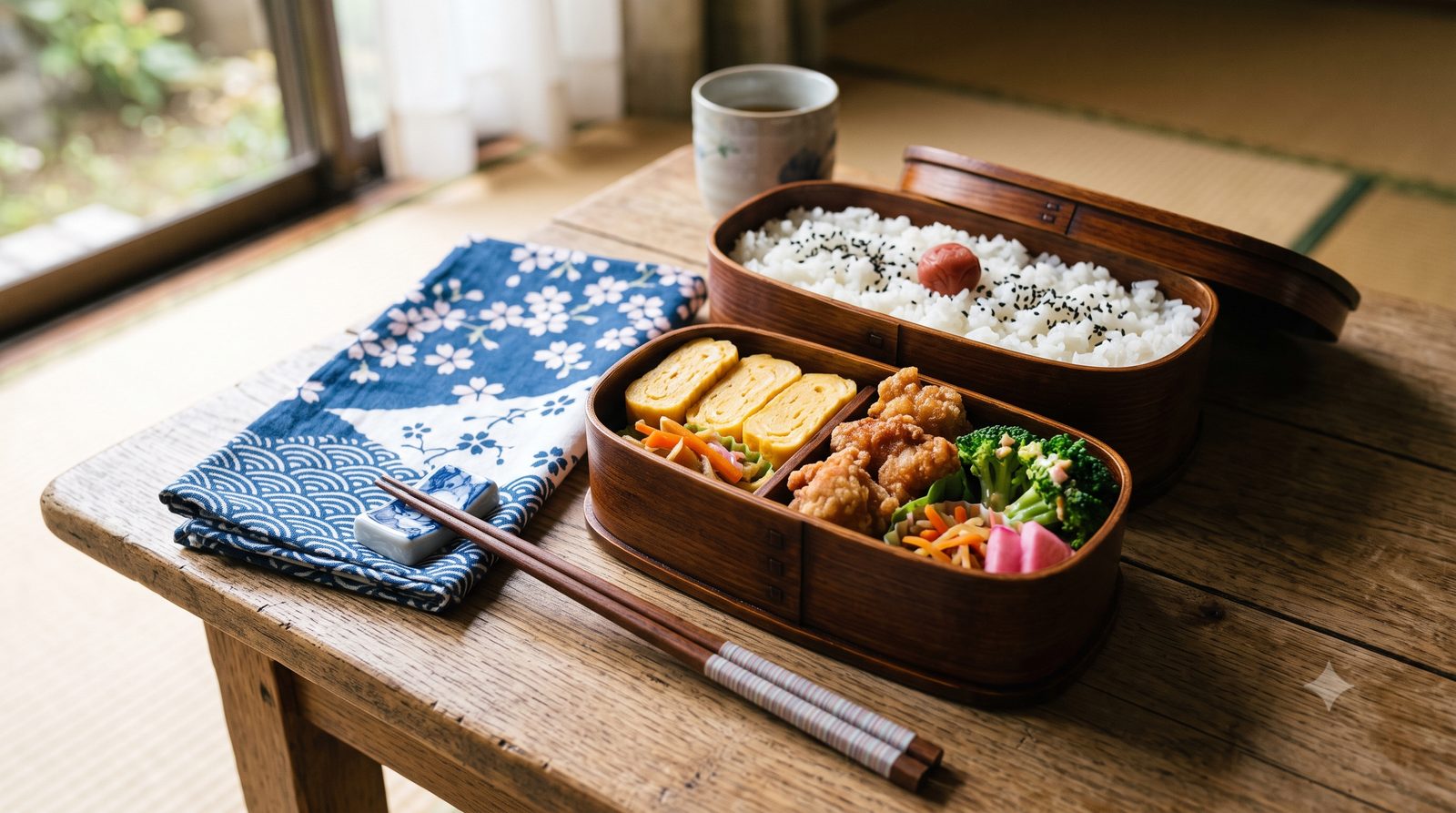
The 5 Japanese bento boxes worth buying in 2026 — Zojirushi hot lunch jars, Skater everyday two-tiers, design-favorite Takenaka, traditional Hakoya wappa, plus packing tips and sizing guide.

Read more →
Best Japanese Water Bottles & Thermoses 2026: Zojirushi vs Tiger vs Thermos (Tested Daily in Japan)
Life in Japan

Best Japanese Water Bottles & Thermoses 2026: Zojirushi vs Tiger vs Thermos (Tested Daily in Japan)

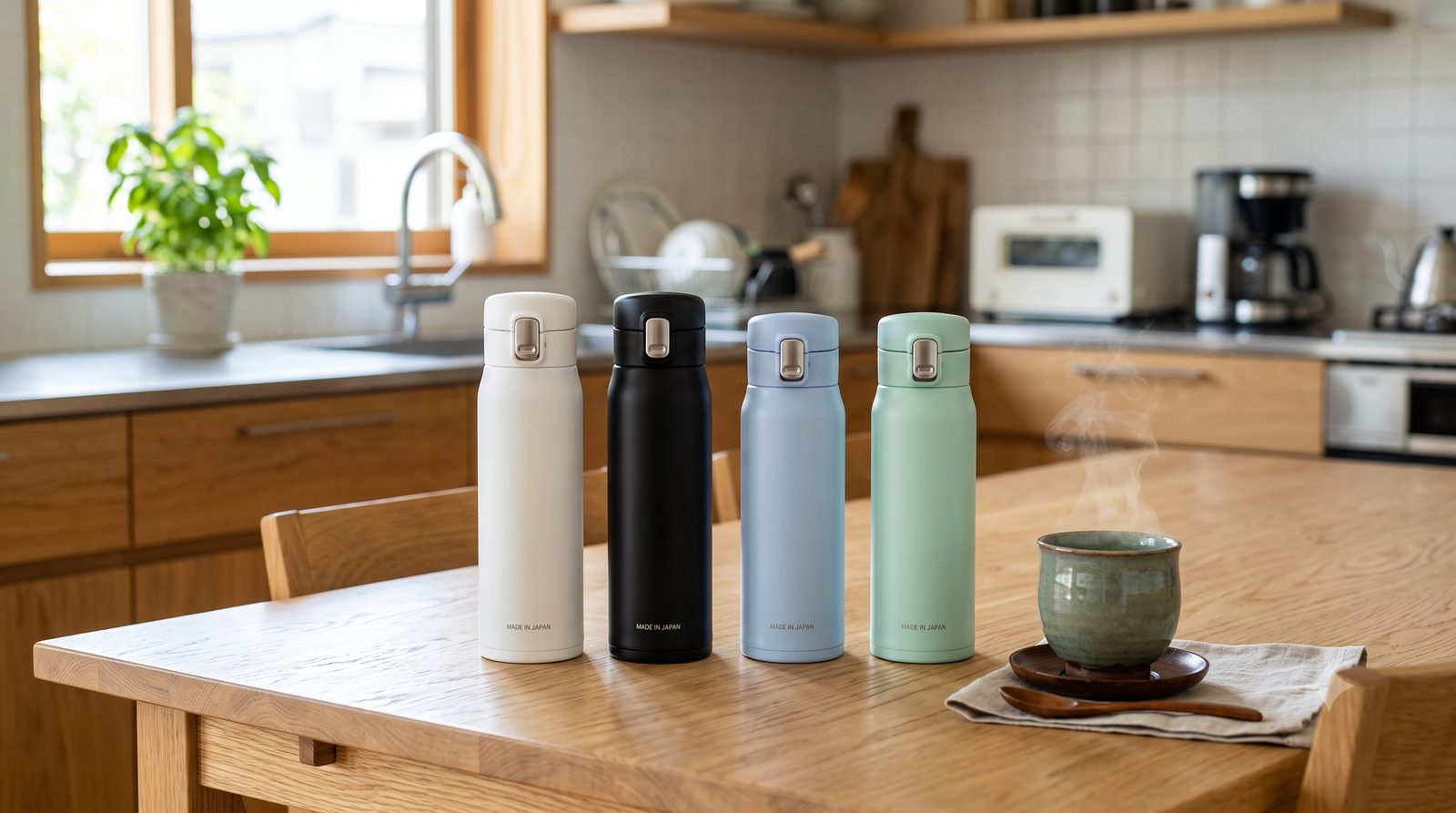
Japanese vacuum bottles from Zojirushi, Tiger and Thermos Japan are the best in the world. Compare the 5 models worth buying in 2026 — weight, insulation, cleaning — plus where to buy on Amazon.

Read more →
Best Japanese Whisky Guide 2026: Top 5 Brands, Where to Buy & How to Drink
Life in Japan

Best Japanese Whisky Guide 2026: Top 5 Brands, Where to Buy & How to Drink

Why Japanese Whisky Is Taking the World by Storm Japanese whisky has exploded in popularity over the past decade, winning international awards and selling out in stores worldwide. Whether you’re an expat living in Japan, a tourist wanting to bring home a unique souvenir, or simply a whisky lover curious about Japan’s liquid gold — […]

Read more →
Best Japanese Snacks & Sweets Guide 2026 | 5 Must-Try Treats from Japan
Life in Japan

Best Japanese Snacks & Sweets Guide 2026 | 5 Must-Try Treats from Japan

Why Japanese Snacks Are Unlike Anything Else Japan takes snack culture to an extreme. Convenience stores (konbini) carry hundreds of varieties, seasonal limited editions appear monthly, and regional exclusives make collecting snacks a hobby. Whether you’re visiting Japan, living here as an expat, or ordering online, these five snacks are must-tries in 2026. 📝 AI-Assisted […]

Read more →
Best Japanese Snacks & Omiyage 2026 | Top 5 Must-Buy Souvenirs
Life in Japan

Best Japanese Snacks & Omiyage 2026 | Top 5 Must-Buy Souvenirs

Discover the top 5 must-buy Japanese snacks and omiyage in 2026! From Tokyo Banana and Shiroi Koibito to Matcha Kit Kat and Yatsuhashi, find the perfect Japanese souvenir for everyone.

Read more →
Best Hair Salons in Japan 2026 | How Foreigners Can Get a Great Haircut (ALBUM Guide)
Life in Japan

Best Hair Salons in Japan 2026 | How Foreigners Can Get a Great Haircut (ALBUM Guide)

Guide to getting a haircut in Japan as a foreigner. ALBUM hair salon review, how to book, useful phrases, and top salon recommendations for expats and tourists in Tokyo.

Read more →
Best Japanese Yukata to Buy in 2026: Top 5 Sets & Where to Buy (Summer Kimono Guide)
Life in Japan

Best Japanese Yukata to Buy in 2026: Top 5 Sets & Where to Buy (Summer Kimono Guide)

The yukata — a light cotton kimono worn in summer — is one of the most beautiful and beginner-friendly ways to experience Japanese dress. Comfortable, affordable, and stunning at summer festivals and fireworks displays, a good yukata also makes a memorable souvenir or gift. Here are the 5 best Japanese yukata to buy in 2026, […]

Read more →
Best Japanese Folding Fans (Sensu) 2026: Top 5 Picks & Where to Buy
Life in Japan

Best Japanese Folding Fans (Sensu) 2026: Top 5 Picks & Where to Buy

Discover the 5 best Japanese folding fans (sensu) for 2026 — from handcrafted Kyoto fans and fragrant sandalwood to elegant silk. The perfect cool, packable souvenir, plus how and where to buy.

Read more →
Best Japanese Sake for Beginners 2026: Top 5 Bottles (Easy, Smooth & Where to Buy)
Life in Japan

Best Japanese Sake for Beginners 2026: Top 5 Bottles (Easy, Smooth & Where to Buy)

New to Japanese sake? These 5 beginner-friendly bottles — Dassai 45, Hakkaisan, Kikusui, Kubota and a creamy nigori — are smooth, easy to enjoy, and easy to buy on Amazon or via Buyee.

Read more →
Best Japanese Incense 2026: 5 Iconic Brands for Calm, Scent & Tradition
Life in Japan

Best Japanese Incense 2026: 5 Iconic Brands for Calm, Scent & Tradition

A guide to the best Japanese incense in 2026. Discover 5 iconic makers — Nippon Kodo, Shoyeido, Baieido, Hibi and Awaji incense — loved worldwide for clean, refined scents perfect for relaxation and meditation.

Read more →
Best Japanese Stationery 2026: 5 Iconic Brands Foreigners Love (Pens, Notebooks & More)
Life in Japan

Best Japanese Stationery 2026: 5 Iconic Brands Foreigners Love (Pens, Notebooks & More)

A guide to the best Japanese stationery in 2026. Discover 5 iconic brands — uni, Pilot, Zebra, Tombow and Kokuyo — loved worldwide for their smooth pens, erasable ink and legendary notebooks.

Read more →
How to Get a Hanko (Personal Seal) in Japan: A Foreigner’s Inkan Guide (2026)
Life in Japan

How to Get a Hanko (Personal Seal) in Japan: A Foreigner’s Inkan Guide (2026)

If you are living in Japan as a foreigner, sooner or later someone will ask for your hanko (はんこ) — a personal seal stamped in red ink that works like your signature. Despite Japan’s push to go digital, a hanko is still needed to open many bank accounts, sign apartment leases, and finalize official paperwork. […]

Read more →
🏡
Life in Japan

Best Japanese Matcha & Green Tea 2026: 7 Top Picks (Ceremonial, Culinary & Sencha)

The 7 best Japanese matcha and green teas in 2026 — Ippodo, Marukyu Koyamaen, Encha, Jade Leaf and more. Ceremonial vs culinary explained, plus how to buy from anywhere with Amazon and Buyee.

Read more →
Moving Within Japan as a Foreigner 2026: Costs, Steps & Cheapest Options
Life in Japan

Moving Within Japan as a Foreigner 2026: Costs, Steps & Cheapest Options

Moving in Japan can feel intimidating when you don’t speak fluent Japanese: confusing contracts, guarantor requirements, and surprise fees. This guide breaks down what moving in Japan actually costs, the step-by-step process, and the cheapest, foreigner-friendly options — so you can relocate without overpaying or getting stuck on paperwork. The Real Cost of Moving in […]

Read more →
Oakhouse vs Cross House 2026: Which Share House Is Best for Foreigners in Japan?
Life in Japan

Oakhouse vs Cross House 2026: Which Share House Is Best for Foreigners in Japan?

If you are moving to Japan as a foreigner, two names dominate every share-house recommendation: Oakhouse and Cross House. Both let you skip the brutal Japanese rental wall — no guarantor, no key money, no agency fee — and both are genuinely foreigner-friendly. But they are built for two very different kinds of person. After […]

Read more →
Cheapest Ways to Live in Japan as a Foreigner 2026: Share Houses and No-Guarantor Options
Life in Japan

Cheapest Ways to Live in Japan as a Foreigner 2026: Share Houses and No-Guarantor Options

Moving to Japan? The biggest shock for most foreigners is not the rent — it is the move-in cost. A normal apartment can demand 3 to 5 months of rent upfront (deposit, key money, agency fee, guarantor fee, fire insurance, lock change), and almost all require a Japanese guarantor. This guide shows the cheapest, foreigner-friendly […]

Read more →
Sending Money Abroad from Japan 2026: Cheapest Ways & Best Services
Life in Japan

Sending Money Abroad from Japan 2026: Cheapest Ways & Best Services

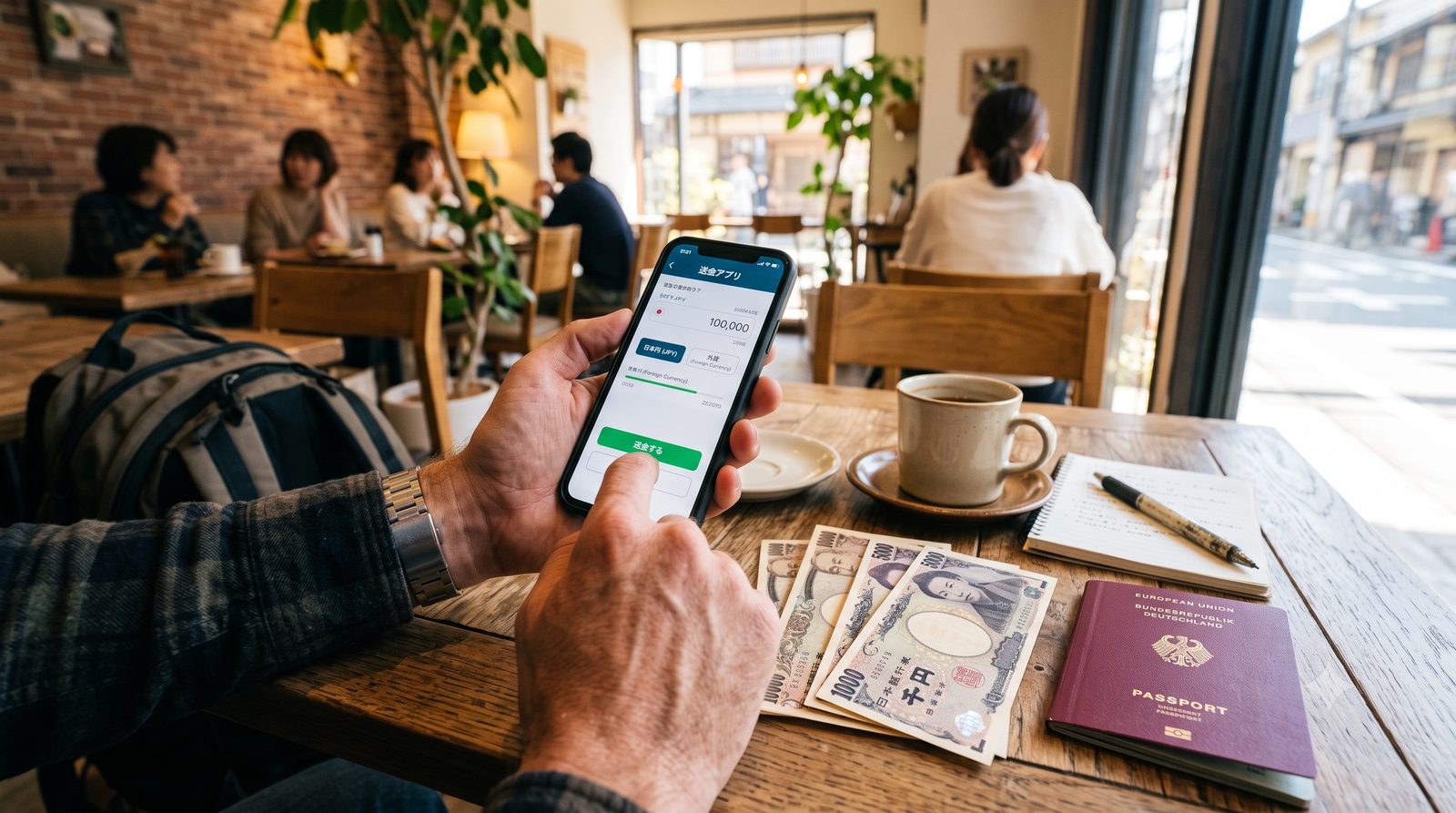
Sending Money Abroad from Japan in 2026: The Complete Guide 📅 Updated July 2026: Product information, prices, and travel details in this article have been updated to reflect the latest information as of July 2026. Whether you’re sending savings home, supporting family, or paying overseas bills, moving money out of Japan can be confusing — […]

Read more →
How to Learn Japanese in 2026: Best Apps, Methods & a Beginner Roadmap
Life in Japan

How to Learn Japanese in 2026: Best Apps, Methods & a Beginner Roadmap

How to Learn Japanese in 2026: A Practical Guide for Beginners Learning even a little Japanese transforms your time in Japan — ordering food, reading signs, making friends, and navigating daily life all become easier and more fun. The language has a reputation for being hard, but with the right tools and a realistic plan, […]

Read more →
How to Use a Japanese Air Conditioner (2026): Decode the Remote & Cut Your Summer Bill
Life in Japan

How to Use a Japanese Air Conditioner (2026): Decode the Remote & Cut Your Summer Bill

Japanese summers are brutally hot and humid, and your apartment’s air conditioner (エアコン, eakon) is your lifeline. The problem? The remote is covered in kanji, the modes are confusing, and used wrong, your AC can send your electricity bill through the roof. This guide decodes the Japanese AC remote button by button and shows you […]

Read more →
How to Do Laundry in Japan (2026): Decode the Washing Machine, Detergent & Rainy-Day Drying
Life in Japan

How to Do Laundry in Japan (2026): Decode the Washing Machine, Detergent & Rainy-Day Drying

Doing laundry in Japan looks simple until you stand in front of a washing machine covered in kanji, with no idea which button starts it. Add the rainy season, tiny balconies, no clothes dryer, and detergent bottles you can’t read, and laundry day becomes surprisingly stressful. This complete guide walks you through everything: decoding your […]

Read more →
Japan's Secret Neighborhood Rules Your Landlord Never Mentioned (Jichikai Guide 2026)
Life in Japan

Japan's Secret Neighborhood Rules Your Landlord Never Mentioned (Jichikai Guide 2026)

🏘️ Life in Japan Guide: Everything foreigners need to know about Japan’s neighborhood rules — the written and unwritten ones. You moved into your new Japanese apartment, everything felt fine — and then a neighbor knocked on your door and handed you an envelope. Inside: a handwritten note about garbage rules, a schedule for cleaning […]

Read more →
Japan Rejected Your Bank Account Application? Here's Exactly Why — and How to Fix It (2026)
Life in Japan

Japan Rejected Your Bank Account Application? Here's Exactly Why — and How to Fix It (2026)

⚠️ Troubleshooting Guide: This article was updated in May 2026 with the latest bank policies and foreigner-friendly alternatives. You arrived in Japan with all your documents, a valid residence card, and a Japanese phone number — and the bank still said no. Sound familiar? You’re not alone. “Japan won’t let me open a bank account” […]

Read more →
Japan Driving License Conversion 2026: Complete Guide for Foreigners
Life in Japan

Japan Driving License Conversion 2026: Complete Guide for Foreigners

📝 AI-Assisted Content Notice This article was created with AI writing assistance (ChatGPT, Claude, etc.). Product selection, specifications, and reviews are verified by the Japan Life Lab editorial team. Planning to drive in Japan? Whether you’re a tourist, a new expat, or someone settling in for the long term, understanding Japan’s driving license rules is […]

Read more →
Japan Moving Hacks 2026: 15 Things Nobody Tells You Before You Move
Life in Japan

Japan Moving Hacks 2026: 15 Things Nobody Tells You Before You Move

Why Moving to Japan Is Harder Than You Think (But These Hacks Help) Moving to Japan is exciting — but between the paperwork, language barriers, and unwritten rules, most expats hit the same walls. After helping thousands of foreigners navigate Japanese bureaucracy, we’ve compiled the 15 most game-changing hacks that official guides never mention. Use […]

Read more →
Going Cashless in Japan 2026: Complete Guide to PayPay, Suica & IC Cards for Foreigners
Life in Japan

Going Cashless in Japan 2026: Complete Guide to PayPay, Suica & IC Cards for Foreigners

📅 Updated July 2026: Product information, prices, and travel details in this article have been updated to reflect the latest information as of July 2026. 🇯🇵 Travel & Life Essentials for Japan Hand-picked gear to make your time in Japan easier. Available on Amazon US & Amazon Japan. 🔋 Portable charger A must for long […]

Read more →
Japan's Hidden Social Rules: 15 Unwritten Laws Every Foreigner Must Know
Life in Japan

Japan's Hidden Social Rules: 15 Unwritten Laws Every Foreigner Must Know

Japan is famous for being polite, clean, and incredibly organized — but scratch the surface and you’ll find a complex web of unwritten social rules that no guidebook fully explains. Breaking these invisible codes won’t get you arrested, but it will earn you silent stares and quiet judgment from Japanese people around you. We asked […]

Read more →
Japan Garbage Separation Guide 2026: How to Sort Trash Without Getting in Trouble (Complete Expat Guide)
Life in Japan

Japan Garbage Separation Guide 2026: How to Sort Trash Without Getting in Trouble (Complete Expat Guide)

Moving to Japan is exciting — but Japan’s garbage system can feel like learning a second language. Miss the wrong pickup day, use the wrong bag, or forget to rinse a bottle, and your trash gets left behind with a stern red sticker. This comprehensive guide covers everything you need to know to sort your […]

Read more →
Best Cities in Japan for Expats Beyond Tokyo 2026: Honest Rankings & Cost Breakdown
Life in Japan

Best Cities in Japan for Expats Beyond Tokyo 2026: Honest Rankings & Cost Breakdown

Everyone knows Tokyo. But Japan has five other major cities that offer expats an extraordinary quality of life — often with 30–50% lower rent, less congestion, warmer communities, and a pace of life that doesn’t grind you down. If you’ve been living in Tokyo and wondering whether there’s a better fit, or you’re planning your […]

Read more →
Japan Hits Record 4.12 Million Foreign Residents in 2026: What Every Expat Needs to Know
Life in Japan

Japan Hits Record 4.12 Million Foreign Residents in 2026: What Every Expat Needs to Know

Japan’s foreign resident population has officially hit 4.12 million in 2026 — a record high for the fourth consecutive year and a 9.5% jump from the previous year. For anyone living in Japan, thinking of moving here, or navigating the immigration system, this milestone carries major practical implications. This guide breaks down exactly what the […]

Read more →
Japan Earthquake Survival Guide 2026: The Foreigner's Checklist (What Locals Know That You Don't)
Life in Japan

Japan Earthquake Survival Guide 2026: The Foreigner's Checklist (What Locals Know That You Don't)

Japan is one of the most seismically active countries on Earth — the Japanese archipelago sits at the intersection of four tectonic plates, and the country experiences roughly 1,500 earthquakes every year. For foreigners living in or visiting Japan, understanding what to do before, during, and after an earthquake is not optional: it’s essential. This […]

Read more →
NEWThe Japan Expat Starter Kit 2026 — banking, visas, 100 phrases & more in one PDF$19 $9.90 code JLL30Get it →×