Category: Life in Japan

Expat guides, shopping, and everyday life in Japan

  • Japan Convenience Store Guide 2026: Konbini Tips

    Japan Convenience Store Guide 2026: Konbini Tips

    Why Japanese Convenience Stores Will Change Your Life

    If you’ve heard that Japanese convenience stores โ€” known as ใ‚ณใƒณใƒ“ใƒ‹ (konbini) โ€” are different from anything in your home country, believe it. This is not an exaggeration. Japan’s convenience stores are a genuine cultural institution: open 24 hours a day, 365 days a year, stocking freshly made food, offering dozens of essential services, and maintaining standards of cleanliness and quality that would shame most full-service restaurants elsewhere in the world.

    There are approximately 56,000 convenience stores across Japan โ€” roughly one for every 2,200 people. In central Tokyo, you’re almost never more than a 5-minute walk from one. The three major chains โ€” 7-Eleven Japan, Lawson, and FamilyMart โ€” account for over 90% of the market, and each has its own personality, loyal following, and signature products.

    For travelers and expats, konbini are not just convenient โ€” they’re often essential. Need to pay a utility bill? Pick up your online shopping? Print a document? Get emergency cold medicine at 3am? Withdraw yen from an international-friendly ATM? The convenience store handles all of this, and much more.

    ๐Ÿ—พ Quick Reference: Japan’s Big Three Convenience Stores
    โ€ข 7-Eleven Japan (ใ‚ปใƒ–ใƒณ-ใ‚คใƒฌใƒ–ใƒณ): ~21,000 stores โ€” famous for sandwiches, premium desserts, 7Pay app
    โ€ข Lawson (ใƒญใƒผใ‚ฝใƒณ): ~14,500 stores โ€” famous for fried chicken (Karaage-kun), Uchi Cafรฉ sweets
    โ€ข FamilyMart (ใƒ•ใ‚กใƒŸใƒชใƒผใƒžใƒผใƒˆ): ~16,500 stores โ€” famous for FamiChiki fried chicken, wider hot snack range

    Japanese Convenience Store Food: What to Buy

    This is where konbini truly earn their legendary status. Unlike convenience store food elsewhere, Japanese konbini food is genuinely good โ€” made fresh daily using quality ingredients, with enough variety to constitute a full diet if you needed it. Here’s what to look for:

    Onigiri (ใŠใซใŽใ‚Š) โ€” Rice Balls

    The quintessential konbini food. Triangular rice balls wrapped in nori seaweed, filled with everything from classic tuna mayo and salmon to more adventurous flavors like ikura (salmon roe), mentaiko (spicy pollock roe), or kombu. Prices range from ยฅ110โ€“ยฅ200. The three-step opening sequence (pull the tabs in order) is a rite of passage for all Japan visitors. At 7-Eleven, the premium “Gold” series onigiri use higher-grade rice and more generous fillings.

    Sandwiches and Buns

    Japanese konbini sandwiches are a revelation โ€” soft milk bread crustless sandwiches filled with egg salad, tuna, or fruit and cream (the latter being a surprisingly popular and delicious option). Hot steamed buns (nikuman) are sold year-round at the heated counter, with pork, pizza, and pizza-cheese varieties typically available. At ยฅ130โ€“ยฅ180, they’re one of the best snack values in Japan.

    Bento and Hot Food

    Pre-made bento boxes (ยฅ400โ€“ยฅ700) cover every category: hamburger steak, yakitori, sushi, katsu curry, and more. Staff will microwave them for you on request โ€” just say “atatamete kudasai” (ๆธฉใ‚ใฆใใ ใ•ใ„). Hot food counters vary by chain: 7-Eleven focuses on quality ingredients, Lawson’s Karaage-kun fried chicken nuggets are a national obsession, and FamilyMart’s FamiChiki is the crispiest fried chicken in the konbini world.

    Sweets and Desserts

    Konbini desserts are a serious business in Japan. Lawson’s Uchi Cafรฉ range includes seasonal purin (custard pudding), cream puffs, and roll cakes that rival dedicated patisseries. 7-Eleven’s parfaits and cream-filled pastries are premium quality. Seasonal limited editions โ€” sakura flavors in spring, chestnut in autumn, strawberry in winter โ€” create genuine excitement and social media buzz.

    Drinks

    The refrigerated drinks section is vast: canned coffee, green tea (hot and cold), sports drinks, flavored waters, beer, sake, canned cocktails (chuhai), energy drinks, and seasonal limited editions. The hot drinks section near the register โ€” drip coffee made to order for ยฅ100โ€“ยฅ150 โ€” rivals branded coffee chains. 7-Eleven’s drip coffee machine (ยฅ110 for regular) is particularly well-regarded.

    Essential Services at Japanese Convenience Stores

    ATMs โ€” International Card Friendly

    This is critical knowledge for foreign visitors: not all Japanese ATMs accept international cards, but konbini ATMs almost universally do. 7-Eleven Bank ATMs accept Visa, Mastercard, American Express, UnionPay, and Cirrus/Plus network cards. Lawson ATMs (operated by Lawson Bank) accept most major international cards. FamilyMart ATMs (operated by E-net) similarly support international cards.

    Withdrawal fees vary: typically ยฅ110โ€“ยฅ220 per transaction from the Japanese side, plus whatever fee your home bank charges. 7-Eleven Bank tends to have the widest international card acceptance and the most ATMs (one per store, nationwide). Fees are lower during certain hours โ€” many ATMs are free on weekdays between 8:45amโ€“6pm.

    Bill Payment (ๅ…ฌๅ…ฑๆ–™้‡‘ๆ”ฏๆ‰•ใ„)

    You can pay almost any bill at a Japanese convenience store โ€” utility bills (electricity, gas, water), credit card bills, NHK fees, tax payments, insurance premiums, and more. Bring the barcode slip (usually sent by post or email) and pay in cash at the register. The clerk scans the barcode and hands you a receipt. This system handles hundreds of millions of transactions per year and is one of the most widely used financial services in Japan.

    Printing and Photocopying

    Every major konbini chain has a multifunction printer/copier/scanner available for public use. You can print from a USB drive, print documents sent via email or web upload (using the chain’s dedicated app), scan physical documents to USB or email, and make color or black-and-white copies. Prices: B&W copies ยฅ10/sheet, color copies ยฅ50โ€“ยฅ80/sheet, A3 available at most locations. The apps (7-Eleven’s netprint, Lawson/FamilyMart’s PrintSmash) allow you to send files from your phone and pick them up at any store nationally.

    Package Pickup and Delivery

    Japan’s convenience stores are deeply integrated with the national parcel delivery system. You can:

    • Send packages via Yamato Transport (ใƒคใƒžใƒˆ้‹่ผธ) or Sagawa Express from store counters
    • Receive packages at your local konbini as a pickup point โ€” particularly useful for short-term renters and travelers
    • Pick up online shopping orders from Amazon Japan, Mercari, and other e-commerce platforms
    • Receive airport duty-free purchases delivered to konbini near Narita/Haneda before your departure

    Tickets and Event Booking

    Japanese convenience stores are major ticket distribution points. The in-store multifunction terminals (Lawson’s Loppi, FamilyMart’s Famiใƒใƒผใƒˆ, 7-Eleven’s multi-copy machine) allow you to purchase and print tickets for concerts, sports events, theme parks (Disney, Universal Studios Japan), shinkansen reserved seats, and local attractions. This is particularly useful for international visitors who can’t easily access Japanese ticketing websites from abroad.

    SIM Cards and Mobile Top-Up

    Most major konbini stock prepaid SIM cards for tourists, typically IIJ, b-mobile, or carrier-branded cards sold at face value. These are useful if you arrive without a pre-arranged eSIM (see our Best eSIM Cards for Japan guide for better options). You can also top up prepaid phone credit and buy LINE Pay or PayPay top-up cards at many locations.

    Healthcare and Pharmacy Items

    Konbini stock a surprisingly complete range of over-the-counter medications: cold and flu medicine, pain relievers, stomach remedies, allergy tablets, eye drops, and bandages. While selection is narrower than a dedicated pharmacy (yakkyoku), for late-night emergencies the 24/7 availability is invaluable. Personal care items โ€” toothbrushes, razors, contact lens solution, face masks โ€” are also well-stocked.

    How to Pay at Japanese Convenience Stores

    Cash (็พ้‡‘)

    Japan remains significantly more cash-reliant than most developed countries, and konbini are no exception. All stores accept all yen denominations. If paying with a ยฅ10,000 note for a small purchase, this is completely normal and expected โ€” change will be provided without issue.

    IC Cards (Suica, PASMO, ICOCA)

    IC transit cards like Suica and PASMO are accepted as payment at all major convenience stores. Simply tap your card on the reader and payment is deducted from your stored balance. This is the fastest payment method and avoids handling cash. You can top up your Suica balance at konbini ATMs (7-Eleven Bank ATMs accept Suica), though topping up is typically easier at train station machines. See our Suica guide for full details.

    Credit and Debit Cards

    Contactless card acceptance has expanded enormously in Japanese convenience stores since 2020. All three major chains now accept Visa, Mastercard, JCB, and American Express contactless payments (both physical card tap and phone/watch NFC). Note that some older store terminals still require chip-and-PIN for non-Japanese cards โ€” if contactless fails, try inserting your card instead.

    QR Code Payments (PayPay, LINE Pay, dๆ‰•ใ„)

    Japan’s QR code payment ecosystem is extensive. PayPay (Japan’s largest QR pay service with 60M+ users) is accepted at all major konbini. LINE Pay, dๆ‰•ใ„ (docomo), au Pay, and Rakuten Pay are also accepted at most locations. As a foreigner, PayPay can now be set up with foreign Visa/Mastercard if you have a Japanese phone number.

    Convenience Store Chain Comparison: 7-Eleven vs Lawson vs FamilyMart

    Category7-Eleven ๐Ÿ†LawsonFamilyMart
    Number of stores~21,000~14,500~16,500
    Signature foodEgg salad sandwichKaraage-kunFamiChiki
    Best dessertsPremium parfaitsUchi Cafรฉ rangeSweets+ range
    ATM7-Eleven Bank โœ…Lawson Bank โœ…E-net ATM โœ…
    Print terminalnetprint appPrintSmashPrintSmash
    Ticket terminalMulti-copy machineLoppiFamiใƒใƒผใƒˆ
    Best coffeeโœ… 7-Cafรฉ (ยฅ110)MACHI cafรฉFamima Cafรฉ
    Overall ratingโ˜…โ˜…โ˜…โ˜…โ˜…โ˜…โ˜…โ˜…โ˜…โ˜†โ˜…โ˜…โ˜…โ˜…โ˜†

    Useful Japanese Phrases for Konbini

    SituationJapanesePronunciation
    Please heat this upๆธฉใ‚ใฆใใ ใ•ใ„Atatamete kudasai
    No bag needed่ข‹ใฏไธ่ฆใงใ™Fukuro wa furyo desu
    Card payment pleaseใ‚ซใƒผใƒ‰ใงๆ‰•ใ„ใพใ™Kฤdo de haraimasu
    Where is the ATM?ATMใฏใฉใ“ใงใ™ใ‹๏ผŸATM wa doko desu ka?
    Do you have a fork?ใƒ•ใ‚ฉใƒผใ‚ฏใฏใ‚ใ‚Šใพใ™ใ‹๏ผŸFลku wa arimasu ka?
    I want to pay a billๆ–™้‡‘ใ‚’ๆ‰•ใ„ใŸใ„ใงใ™Ryลkin wo haraitai desu
    I’d like to printๅฐๅˆทใ—ใŸใ„ใงใ™Insatsu shitai desu

    Konbini Etiquette: Dos and Don’ts

    Do: Say “arigatou gozaimasu” (ใ‚ใ‚ŠใŒใจใ†ใ”ใ–ใ„ใพใ™) when leaving โ€” staff work hard and it’s appreciated. Use the designated eating area (there’s usually a small counter by the window) rather than eating while walking around the store. Sort your garbage correctly โ€” the bins near the door have separate compartments for burnable waste, plastic bottles, and cans.

    Don’t: Eat food before paying (this applies to everywhere in Japan, not just konbini). Leave bags or items blocking the aisles. Talk loudly on your phone near the registers. Expect staff to speak English โ€” while many young konbini workers have basic English, it’s not guaranteed and pointing at items or using Google Translate works well.

    Frequently Asked Questions

    Are Japanese convenience stores really open 24 hours?

    The vast majority are, yes โ€” 24/7/365 including national holidays. A small number of rural locations have reduced hours, and some stores temporarily reduced hours during the COVID-19 pandemic, but the “24 hours” promise is essentially universal in urban and suburban areas. Konbini are one of the few places you can reliably find food, ATM access, and basic services at 3am.

    Can I use my foreign credit card at konbini ATMs?

    Yes, with high reliability at 7-Eleven Bank ATMs and good reliability at Lawson Bank and E-net ATMs. 7-Eleven Bank is particularly recommended for international cards โ€” they display English interfaces and accept Visa, Mastercard, Maestro, Cirrus, UnionPay, and American Express. There will be a transaction fee (ยฅ110โ€“ยฅ220) from the Japanese side plus any international withdrawal fee from your home bank.

    What are the best things to eat at Japanese convenience stores?

    Personal favorites among frequent travelers: onigiri (especially tuna mayo or salmon), nikuman (steamed pork bun), any seasonal dessert from Lawson’s Uchi Cafรฉ range, 7-Eleven’s egg salad sandwich, Karaage-kun from Lawson, and FamiChiki from FamilyMart. For drinks, the fresh drip coffee (around ยฅ110) from any chain is a daily staple. Don’t overlook the hot oden (Japanese fish cake stew) available in autumn and winter.

    How do I use the printing service?

    Download the app for your target chain: 7-Eleven’s “netprint” app, or “PrintSmash” for Lawson and FamilyMart. Upload your document or photo, receive a reservation number, enter it at the in-store multi-function machine, select your print options, and pay (from ยฅ10/sheet B&W). You can also walk in with a USB drive containing your files and print directly. The machines handle PDF, Word, Excel, JPG, and most common formats.

    Is there Wi-Fi at Japanese convenience stores?

    Yes โ€” all three major chains offer free Wi-Fi. 7-Eleven provides “7SPOT” WiFi, Lawson offers “Lawson_Free_Wi-Fi,” and FamilyMart has “FamilyMart_Wi-Fi.” You’ll need to register with an email address (or social media login) for the first connection. Session duration is typically 30โ€“60 minutes per connection, after which you reconnect. Speed is decent for email and maps; not ideal for streaming.

    Top 10 Things Every Visitor Should Buy at a Japanese Convenience Store

    1. Onigiri โ€” Try at least three different fillings during your trip
    2. Coffee from the machine โ€” Fresh drip for ยฅ110 is exceptional value
    3. Seasonal dessert โ€” Whatever the current limited edition is, try it
    4. Lawson Karaage-kun โ€” Five small fried chicken pieces for ยฅ230
    5. FamiChiki โ€” FamilyMart’s crispier fried chicken alternative
    6. Nikuman (steamed pork bun) โ€” Best in autumn/winter from the heated counter
    7. Onsen tamago (soft-boiled egg) โ€” Perfect protein-rich snack
    8. Chu-hi canned cocktail โ€” Light fizzy Japanese cocktail, great for picnics
    9. Cup noodles with hot water โ€” Most stores have a hot water station
    10. Kit Kat Japan-exclusive flavor โ€” Matcha, sake, wasabi โ€” buy as souvenirs too

    โœ… Japan Convenience Store Quick Tips

    • Carry a Suica card for instant tap-to-pay at all konbini
    • Use 7-Eleven Bank ATMs for the most reliable international card access
    • Download the netprint or PrintSmash app before you arrive for easy printing
    • Ask staff “atatamete kudasai” to get your food microwaved
    • Check for limited edition seasonal items โ€” they’re genuinely special
    • Free WiFi is available at all chains, useful when your data runs low

    ๐ŸŽŒ Book Japan Tours & Experiences on KKday

    KKday offers thousands of guided tours, cultural experiences, and day trips across Japan โ€” bookable in English with easy cancellation.

    Browse Japan Activities on KKday

    AD: This link contains affiliate advertising

    PR: This post contains affiliate links

    โœˆ๏ธ Shop Authentic Japanese Goods from Haneda Airport

    Can’t find that perfect Japanese souvenir? The Haneda Airport official online shop ships authentic Japanese food, cosmetics, snacks, and gifts worldwide. Order Japan’s best airport-exclusive items delivered to your door.

    โœˆ๏ธ Shop Haneda Airport Online Store
  • Best Japanese Snacks 2026: 25 Snacks Every Tourist Buys (And Ships Home by the Box)

    Best Japanese Snacks 2026: 25 Snacks Every Tourist Buys (And Ships Home by the Box)

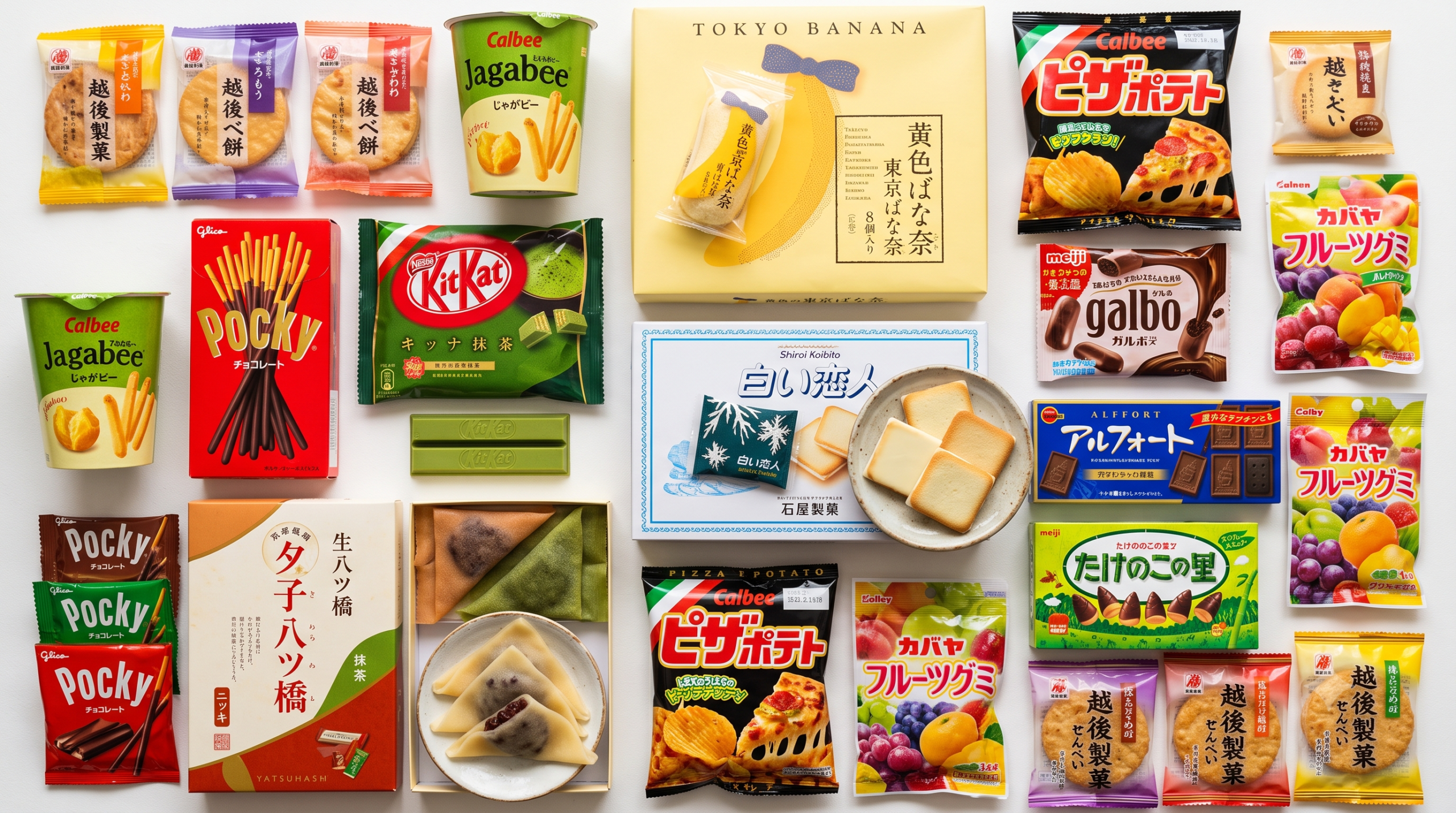
    ๐Ÿฌ Quick Summary: Japan’s snack game is unmatched โ€” from matcha Kit Kats to crispy Jaga Pokkuru chips. This guide covers the 10 best Japanese snacks to try, where to buy them, and how to get them shipped worldwide.

    Walk into any Japanese convenience store (ใ‚ณใƒณใƒ“ใƒ‹) and you’ll be overwhelmed by the snack aisle. Japan produces some of the world’s most creative, high-quality snacks โ€” many of which are completely unavailable outside the country. Whether you’re visiting Japan, living here as an expat, or shopping online from abroad, this guide will help you discover the absolute best Japanese snacks worth trying in 2026.

    Japanese snack culture is unique for several reasons: extreme attention to flavor quality, beautiful packaging, seasonal limited editions, and regional varieties exclusive to specific prefectures. Once you try authentic Japanese snacks, ordinary snacks from back home will never quite satisfy you the same way.

    Why Japanese Snacks Are So Special

    Japan’s snack industry is fiercely competitive, which drives manufacturers to constantly innovate. Here’s what sets Japanese snacks apart:

    • Seasonal & limited editions โ€” Kit Kat Japan releases 40+ flavors per year, many available only for a few months
    • Regional exclusives โ€” Prefectures each have signature snacks you can only find locally
    • Superior quality ingredients โ€” Japanese chocolate, for example, uses higher cocoa butter content for a smoother melt
    • Umami-forward savory snacks โ€” Flavors like soy sauce, wasabi, and nori elevate even basic chips
    • Thoughtful portion sizes โ€” Most snacks are perfectly portioned, easy to share or enjoy solo

    Top 10 Best Japanese Snacks to Try in 2026

    1. Kit Kat Japan ๐Ÿซ โ€” The Legendary Flavor Collection

    Best forGifts, trying unique flavors
    Popular flavorsMatcha, Hojicha, Sakura, Wasabi, Strawberry Cheesecake
    Price rangeยฅ200โ€“ยฅ700 per pack
    Where to find7-Eleven, FamilyMart, airports, Kit Kat specialty stores

    Japan’s Kit Kat scene is legendary for good reason. Nestlรฉ Japan has turned Kit Kat into an art form, releasing regional and seasonal flavors throughout the year. The name “Kit Kat” sounds like “Kitto Katsu” (ใใฃใจๅ‹ใค) in Japanese โ€” meaning “you’ll surely win” โ€” making them popular exam-season gifts. The matcha flavor is the most iconic, but don’t overlook Hojicha (roasted green tea) and Uji Matcha premium bars from Kyoto. Kit Kat Chocolatory stores in major cities offer exclusive handcrafted flavors.

    ๐Ÿ›’ Buy Japanese Kit Kat:
    Amazon Japan  |  Amazon.com  | 

    2. Pocky (ใƒใƒƒใ‚ญใƒผ) โ€” Japan’s Most Iconic Snack Stick

    Best forSharing, everyday snacking
    Popular flavorsChocolate, Matcha, Strawberry, Cookies & Cream, Almond Crush
    Price rangeยฅ150โ€“ยฅ300 per box
    Where to findEverywhere โ€” convenience stores, supermarkets, drug stores

    Pocky is the gateway snack for most Japan newcomers. These thin biscuit sticks dipped in flavored coating (leaving one end bare to hold) are crispy, light, and endlessly addictive. Glico, the maker, constantly innovates with limited seasonal flavors. November 11th (11/11) is even celebrated as “Pocky Day” in Japan โ€” the date resembles four Pocky sticks. The Almond Crush and Giant Pocky varieties are especially worth seeking out.

    ๐Ÿ›’ Buy Pocky:
    Amazon Japan  |  Amazon.com  | 

    3. Calbee Jaga Pokkuru (ใ˜ใ‚ƒใŒใƒใƒƒใ‚ฏใƒซ) โ€” Hokkaido’s Legendary Potato Snack

    Best forSouvenirs, potato chip lovers
    OriginHokkaido exclusive (also sold at airports)
    Price rangeยฅ500โ€“ยฅ800 per box
    Where to findHokkaido shops, airports, some convenience stores

    If you’re visiting Hokkaido or passing through New Chitose Airport, Jaga Pokkuru is absolutely non-negotiable. These are thick-cut, crispy potato sticks made from Hokkaido potatoes with a simple, perfect seasoning of salt and butter โ€” ingredients Hokkaido is famous for. The texture is like no other potato chip: airy inside, ultra-crispy outside. They’re so popular that they frequently sell out and used to be sold only in Hokkaido. Now available at major airports and online, they make the best Japanese souvenir.

    ๐Ÿ›’ Buy Jaga Pokkuru:
    Amazon Japan  |  Amazon.com  | 

    4. Royce’ Nama Chocolate (็”Ÿใƒใƒงใ‚ณใƒฌใƒผใƒˆ) โ€” Premium Hokkaido Chocolate

    Best forGift giving, chocolate connoisseurs
    FlavorsOriginal, Champagne, Matcha, Cacao, White Chocolate
    Price rangeยฅ700โ€“ยฅ1,500 per box
    Where to findRoyce’ stores, airports, department stores

    Royce’ (pronounced “Roy-s”) Nama Chocolate is what Japanese premium confectionery looks like. These fresh ganache squares โ€” dusted with cocoa powder โ€” melt the moment they touch your tongue, releasing rich, complex chocolate flavor. Hokkaido dairy cream gives them an unmatched silkiness. Because they’re fresh (็”Ÿ, nama = raw/fresh), they need refrigeration and have a short shelf life, which adds to their luxury appeal. The Original Au Lait and Champagne flavors are the most beloved. Perfect as a high-end souvenir from Japan.

    ๐Ÿ›’ Buy Royce’ Chocolate:
    Amazon Japan  |  Amazon.com  | 

    5. Hi-Chew (ใƒใ‚คใƒใƒฅใ‚ฆ) โ€” The Ultimate Japanese Fruit Chew

    Best forCandy lovers, kids
    FlavorsStrawberry, Grape, Mango, Green Apple, Kiwi, Tropical
    Price rangeยฅ120โ€“ยฅ250 per pack
    Where to findConvenience stores everywhere

    Hi-Chew is Japan’s answer to fruit chewing candy โ€” and it blows away the competition. Made by Morinaga, these soft, juicy chews have an intensely real fruit flavor that coats your mouth without being cloyingly artificial. The texture is unique: firm at first bite, then yields into a soft, satisfying chew. Japan has exclusive flavors like Peach, Lychee, and Ramune (Japanese soda) that you won’t find in the international versions. Athletes love Hi-Chew โ€” it’s been spotted in NBA locker rooms and MLB dugouts for years.

    ๐Ÿ›’ Buy Hi-Chew:
    Amazon Japan  |  Amazon.com  | 

    6. Meiji Melty Kiss (ใƒกใƒซใƒ†ใ‚ฃใƒผใ‚ญใƒƒใ‚น) โ€” Winter-Only Melt-in-Your-Mouth Chocolate

    Best forChocolate lovers, cold weather treats
    SeasonNovemberโ€“February only
    FlavorsOriginal, Matcha, Dark Cacao, Strawberry
    Price rangeยฅ250โ€“ยฅ350 per box

    Melty Kiss is so delicate that Meiji only sells it in winter โ€” the chocolate would literally melt in summer temperatures. These bite-sized cubes are covered in fine powder and have a ganache-like center that dissolves on the tongue in seconds. The matcha flavor uses premium ceremonial-grade matcha, giving it a deeply authentic green tea flavor unlike anything you’ve tasted in chocolate form. If you’re in Japan between November and February, buying Melty Kiss should be on your to-do list.

    ๐Ÿ›’ Buy Melty Kiss:
    Amazon Japan  |  Amazon.com  | 

    7. Tokyo Banana (ๆฑไบฌใฐใชๅฅˆ) โ€” The Ultimate Tokyo Souvenir

    Best forTokyo souvenir shopping
    Where to findTokyo Station, Haneda Airport, Narita Airport
    Price rangeยฅ800โ€“ยฅ2,000 per box (4โ€“16 pieces)
    Shelf life5โ€“7 days (not suitable for long shipping)

    Tokyo Banana is THE souvenir snack of Tokyo. These banana-shaped sponge cakes filled with banana custard cream are delicate, fluffy, and subtly sweet โ€” nothing like the artificial banana flavor common in Western snacks. Designed to taste like “a banana seen in a dream,” they’re produced fresh daily. Besides the original, look out for seasonal collaboration designs (they’ve done Hello Kitty, Pikachu, and Disney editions). Best purchased at Tokyo Station’s “Gransta” shopping area or major airports.

    ๐Ÿ›’ Buy Tokyo Banana Online:
    Amazon Japan  | 

    8. Koala’s March (ใ‚ณใ‚ขใƒฉใฎใƒžใƒผใƒ) โ€” Adorable Chocolate-Filled Biscuits

    Best forKids, collectors
    Filling flavorsChocolate, Milk Cream, Matcha
    Price rangeยฅ120โ€“ยฅ200 per box
    Special feature195 different koala illustrations, rare “holding hands” design

    Koala’s March by Lotte is one of Japan’s most beloved snacks โ€” crunchy hollow biscuit shells shaped like koalas, each stamped with a different illustration (there are 195 designs!), filled with chocolate cream. Finding a “holding hands” (ๆ‰‹ใ‚’ใคใชใ) koala design is considered extremely rare and lucky. The biscuit is perfectly thin and crispy, and the chocolate filling has just the right richness. These are endlessly snackable and make adorable, affordable gifts to bring back home.

    ๐Ÿ›’ Buy Koala’s March:
    Amazon Japan  |  Amazon.com  | 

    9. Calbee Potato Farm (ใƒใƒ†ใƒˆใƒ•ใ‚กใƒผใƒ ) โ€” Premium Crisp Chips

    Best forSavory snack lovers
    FlavorsSalt & Butter, Soy Sauce, Wasabi, Mentaiko
    Price rangeยฅ300โ€“ยฅ600 per bag
    Where to findAirport shops, Calbee+ stores

    Calbee’s premium Potato Farm line uses high-grade Hokkaido potatoes and offers flavors that are distinctly Japanese. The Salt & Butter Hokkaido flavor is the star โ€” made with actual Hokkaido butter, not artificial butter flavoring โ€” giving each chip a rich, savory satisfaction. The Mentaiko (spicy cod roe) flavor is a bold Japanese choice that adventurous snackers will love. These chips are thicker and crunchier than regular Calbee chips, making them a step above convenience store fare.

    ๐Ÿ›’ Buy Calbee Potato Farm:
    Amazon Japan  |  Amazon.com  | 

    10. Yaokin Umaibo (ใ†ใพใ„ๆฃ’) โ€” Japan’s Most Affordable Snack Icon

    Best forBudget snacking, trying many flavors
    Flavors20+ flavors: Mentaiko, Takoyaki, Cheese, Salami, Corn Potage, Teriyaki
    Priceยฅ12 per stick (less than $0.10!)
    Where to find100-yen shops, convenience stores, drug stores

    Umaibo (ใ†ใพใ„ๆฃ’, meaning “delicious stick”) is Japan’s legendary ยฅ12 corn puff snack โ€” one of the cheapest snacks in the world and one of the most satisfying. These hollow cylindrical corn puffs come in over 20 savory and sweet flavors, ranging from Takoyaki (octopus ball) to Corn Potage to Natto (fermented soybean). It’s almost impossible to just eat one, and buying a variety pack to try every flavor is a deeply enjoyable experience. The price has barely changed since 1979, making it a cultural institution.

    ๐Ÿ›’ Buy Umaibo:
    Amazon Japan  |  Amazon.com  | 

    Where to Buy Japanese Snacks

    In Japan

    • Convenience Stores (ใ‚ณใƒณใƒ“ใƒ‹) โ€” 7-Eleven, FamilyMart, Lawson. Best selection of current seasonal items and everyday classics.
    • 100-Yen Shops (100ๅ††ใ‚ทใƒงใƒƒใƒ—) โ€” Daiso, Seria. Amazing value; carries older staples like Umaibo, Pocky, and Koala’s March.
    • Drug Stores (ใƒ‰ใƒฉใƒƒใ‚ฐใ‚นใƒˆใ‚ข) โ€” Matsumoto Kiyoshi, Sundrug. Often cheaper than convenience stores for packaged snacks.
    • Airports & Train Stations โ€” Best place for regional souvenirs and premium gift sets. Tokyo Station’s Gransta is legendary.
    • Don Quijote โ€” Discount chain with massive snack sections and a famous “tourist snack corner.”

    Outside Japan (Online)

    • Amazon Japan โ€” Widest selection; ships internationally via Amazon Global or using a forwarding service. Use gadgenavi22-22 tag to support us!
    • Amazon.com โ€” Carries popular items like Kit Kat, Pocky, Hi-Chew with fast Prime shipping to US/EU.
    • Buyee โ€” Japanese proxy shopping service; lets you buy from Japanese shops that don’t ship internationally.
    • Japan Centre (UK) โ€” Ships Japanese snacks across Europe.
    • Bokksu โ€” Monthly Japanese snack subscription box with curation by theme.

    Frequently Asked Questions About Japanese Snacks

    What is the most famous Japanese snack?

    Kit Kat Japan is arguably the most famous Japanese snack internationally, known for its incredible variety of unique flavors like matcha, wasabi, and regional specialties. Domestically, Pocky and Umaibo hold iconic status as everyday snacks enjoyed by all ages.

    Are Japanese snacks available outside Japan?

    Yes โ€” many popular Japanese snacks like Pocky, Hi-Chew, and Kit Kat Japan varieties are available on Amazon.com and in Asian grocery stores worldwide. For more exclusive items, you can shop via Buyee (a proxy shopping service) or Amazon Japan with international shipping.

    What Japanese snacks make the best souvenirs?

    The best Japanese souvenir snacks are: Tokyo Banana (Tokyo), Jaga Pokkuru (Hokkaido), Royce’ Nama Chocolate (Hokkaido), and regional Kit Kat flavors. These are unique to Japan, beautifully packaged, and deeply appreciated by recipients abroad.

    What are good Japanese snacks for people who don’t like sweet things?

    Japan excels at savory snacks. Top picks for non-sweet lovers include: Umaibo (corn puffs in savory flavors like mentaiko and takoyaki), Jaga Pokkuru (salt & butter potato sticks), Calbee Potato Farm chips, Pretz (pretzel sticks in pizza and salad flavors), and various rice crackers (ใ›ใ‚“ในใ„/senbei).

    Which Japanese snacks are gluten-free?

    Most Japanese snack packages don’t carry gluten-free certification, but naturally gluten-free options include: many varieties of Hi-Chew (check ingredients), some Japanese hard candies (้ฃด/ame), and certain rice crackers made with 100% rice. Always check the ingredient list, as soy sauce and wheat are common in Japanese flavoring.

    Final Thoughts: Which Japanese Snack Should You Try First?

    If you’re new to Japanese snacks, start with Pocky for an approachable introduction, then graduate to Kit Kat Japan for the full matcha experience. For savory lovers, Jaga Pokkuru or Umaibo are essential. And if you want to impress friends back home with a thoughtful gift, Royce’ Nama Chocolate or Tokyo Banana never fail.

    The beauty of Japanese snacks is that there’s always something new to discover โ€” new seasonal flavors, regional exclusives, and creative collaborations keep even long-term Japan residents constantly excited. Happy snacking! ๐Ÿก๐Ÿซ๐ŸŸ

  • Don Quijote Japan Shopping Guide 2026: Every Floor Explained (Foreigner Edition)

    Don Quijote Japan Shopping Guide 2026: Every Floor Explained (Foreigner Edition)

    Ask any tourist in Japan where they spent too much money, and there’s a strong chance the answer is Don Quijote โ€” or as locals affectionately call it, Donki (ใƒ‰ใƒณใ‚ญ). This iconic Japanese discount chain is part treasure hunt, part sensory overload, and entirely unlike anything you’ll find at home.

    Don Quijote’s famous tax-free shopping for tourists, wild product mix, and 24-hour operation make it a must-visit. But walking in unprepared means walking out confused (and possibly carrying things you didn’t mean to buy). This guide tells you exactly what to buy, where to find the best stores, how to claim your tax refund, and what to skip.

    ๐Ÿช What is Don Quijote (ใƒ‰ใƒณใƒปใ‚ญใƒ›ใƒผใƒ†)?

    Don Quijote Holdings Co., Ltd. is Japan’s largest discount retailer, with over 700 stores across Japan and locations in Hawaii, Singapore, Hong Kong, and Thailand. Founded in 1989, Donki built its reputation on:

    • Extreme price compression โ€” genuine discounts, often 30โ€“70% off retail
    • Overwhelming selection โ€” 30,000โ€“50,000 SKUs per store
    • Compressed aisle shopping โ€” items stacked floor-to-ceiling in narrow corridors
    • 24-hour operation โ€” most major stores never close
    • Tax-free for tourists โ€” instant consumption tax refund on eligible purchases

    The iconic mascot is Donpen (ใƒ‰ใƒณใƒšใƒณ), a friendly blue penguin. The store jingle โ€” “Miracle Shopping” (ใƒŸใƒฉใ‚ฏใƒซใ‚ทใƒงใƒƒใƒ”ใƒณใ‚ฐ) โ€” will be permanently lodged in your brain after your first visit.

    ๐Ÿ›๏ธ What to Buy at Don Quijote

    Electronics & Gadgets

    Donki stocks a wide range of Japanese electronics at genuine discounts โ€” often 10โ€“30% cheaper than electronics stores like Yodobashi or Bic Camera for certain items. Look for:

    • Small appliances: rice cookers, hair dryers, electric fans, massagers
    • Gaming accessories: controllers, headsets, gaming chairs
    • Cables & accessories: USB-C cables, power banks, phone cases
    • Donki private label electronics: extremely cheap tablets, monitors, and home electronics under the “ๆƒ…็†ฑไพกๆ ผ” (Jounetsu Kakaku / Passionate Price) brand
    ๐Ÿ’ก Pro Tip: Donki’s own-brand “Jounetsu Kakaku” 4K TVs and monitors are surprisingly good quality at remarkably low prices. A 43-inch 4K TV for under ยฅ30,000 is real.

    Cosmetics & Skincare (the #1 Tourist Category)

    Don Quijote is the best place in Japan to buy cosmetics at tax-free prices. The markup on Japanese beauty products is enormous overseas; buying at Donki and claiming the 10% consumption tax refund can save you 40โ€“60% versus buying at home.

    Best cosmetics to buy:

    • Hada Labo (ใƒใƒ€ใƒฉใƒœ) โ€” ultra-popular hyaluronic acid skincare
    • Shiseido, SK-II, CANMAKE, KOJI โ€” premium J-beauty brands at genuine discounts
    • Kose, Kosรฉ Cosmeport, Biore โ€” everyday essentials unavailable abroad
    • Sunscreen (Anessa, Biore UV, Allie) โ€” Japan has the world’s best SPF technology
    • DHC Olive Oil products โ€” cult classics, significantly cheaper in Japan

    Food & Snacks

    The food section is paradise for fans of Japanese snacks, drinks, and instant foods:

    • Kit Kat varieties โ€” Japan has 300+ flavors; Donki stocks rare regionals
    • Pocky, Pretz, Calbee snacks โ€” grab large assortment packs
    • Japanese instant ramen โ€” premium flavors unavailable in most countries
    • Sake, whisky, shochu โ€” at genuine discount prices (great for gifts)
    • Wagyu beef, fresh sashimi โ€” major stores have fresh food sections

    Souvenirs & Gifts

    Donki is one of the best places to buy Japanese souvenirs at fair prices:

    • Anime merchandise and character goods
    • Traditional Japanese items (tenugui towels, fans, chopstick sets)
    • Japanese sweets and confectionery gift boxes
    • Themed plushies and toys

    Costumes & Novelty Items

    Donki’s costume section is legendary โ€” especially in Tokyo’s Shibuya and Shinjuku stores. Halloween costumes, anime cosplay items, novelty outfits, and adult party supplies fill multiple floors. It’s chaotic, hilarious, and uniquely Japanese.

    ๐Ÿท๏ธ Tax-Free Shopping at Don Quijote (10% Refund)

    Japan charges 10% consumption tax (ๆถˆ่ฒป็จŽ) on most goods. As a tourist (non-resident), you can claim a full tax refund at the point of sale โ€” meaning you pay 10% less immediately. This is one of the biggest advantages of shopping at Donki in Japan.

    How Tax-Free Shopping Works

    1. Spend ยฅ5,000+ (before tax) in a single transaction on eligible goods. Consumables (food, cosmetics, medicine) and general goods (electronics, clothing) have separate thresholds and may need to be purchased separately.
    2. Bring your passport to the tax-free counter. You must present the actual passport โ€” digital copies are not accepted at most stores.
    3. Complete a short form and receive your tax refund immediately (deducted from the payment amount or refunded in cash).
    4. Your items are sealed in a tax-free bag with a sticker. You must not open it until you’ve left Japan โ€” customs may check upon departure.
    โš ๏ธ Important: Starting January 2025, Japan modified tax-free shopping procedures. Some stores now process refunds at departure (airport) rather than at point-of-sale. Check the current rules at the store’s tax-free counter.

    ๐Ÿ“ Best Don Quijote Locations in Tokyo

    StoreBest ForOpen Hours
    Shibuya Main StoreEverything โ€” flagship experience24 hours
    Shinjuku (Kabukicho)Costumes, electronics, nightlife goods24 hours
    AkihabaraElectronics, anime goods24 hours
    IkebukuroCosmetics, food, daily goods24 hours
    MEGA Don Quijote OdaibaBiggest selection, tax-free deskUntil 5am

    ๐Ÿ“ฑ The Don Quijote App & Majica Card

    For longer stays, the Majica card (majica/ใƒžใ‚ธใ‚ซ) is Don Quijote’s prepaid loyalty card. Load it with yen and earn 1% cashback on every purchase. Available at the store โ€” no Japanese bank account needed. The Donki app (ใƒ‰ใƒณใƒปใ‚ญใƒ›ใƒผใƒ†ใ‚ขใƒ—ใƒช) shows current deals, store maps, and item locations โ€” download it before your visit for a much less chaotic experience.

    ๐Ÿ’ก Essential Don Quijote Shopping Tips

    • Go late at night. The true Donki experience is the 2am shopping trip. Staff are restocking, the energy is different, and you’ll feel like you’re living in a Japanese movie.
    • Use the store map. Major stores have 5โ€“8 floors. Without a map, you’ll wander for an hour. Ask staff for a floor guide or use the app.
    • Bring a shopping basket. Don’t try to carry things โ€” grab a basket at the entrance.
    • Compare prices first. Not everything is cheap. Electronics especially โ€” compare with Amazon Japan before buying.
    • Budget strictly. The “treasure hunt” effect is real and designed by Donki to increase impulse spending. Decide your budget before you walk in.
    • Check weight limits. If you’re flying home, be aware of airline weight limits before buying heavy items like ceramics or appliances.

    ๐Ÿ›’ Best Products to Buy at Don Quijote (Amazon Comparison)

    Can’t carry everything home? Many of Don Quijote’s best products are available on Amazon Japan for delivery:

    โ“ Frequently Asked Questions

    Is Don Quijote cheap?

    For certain categories โ€” cosmetics, electronics, food, alcohol โ€” yes, genuinely cheap with real discounts. For other categories like brand-name goods or luxury items, prices are market rate. The value is highest when you combine Donki’s already-low prices with the 10% tourist tax refund.

    Do they accept foreign credit cards?

    Yes. Visa, Mastercard, and American Express are accepted at all major stores. IC cards (Suica, PASMO), PayPay, and cash also work. Some smaller Donki Express locations may be cash-only.

    Is Don Quijote open on New Year’s?

    Most major Don Quijote stores are open 24 hours, 365 days a year โ€” including New Year’s Day and all Japanese national holidays. It’s one of very few major retailers open during Golden Week and the New Year period.

    What’s the difference between Don Quijote and MEGA Don Quijote?

    MEGA Don Quijote stores are larger-format locations, typically with more floors, larger food sections, a greater selection of electronics, and more comprehensive tax-free services. Standard Donki stores are smaller and vary by neighborhood focus.

    ๐Ÿ“š Related Articles

  • Paying Bills in Japan 2026: The 3-Minute Konbini Method (No Japanese Required)

    Paying Bills in Japan 2026: The 3-Minute Konbini Method (No Japanese Required)

    Moving to Japan is exciting โ€” but when the bills start arriving in your mailbox, the all-Japanese text can be overwhelming. From electricity and gas to NHK fees and city water, Japan has its own unique system for utilities and bill payment. The good news? Once you understand how it works, it’s actually very convenient. This guide walks you through every bill you’ll encounter in Japan and exactly how to pay it.

    ๐Ÿ’ธ The smart way to handle money in Japan

    A Wise account gives you a multi-currency debit card with the real exchange rate and low fees โ€” perfect for cashless payments, paying bills, and withdrawing cash in Japan as a foreigner.

    Open a free Wise account โ†’

    ๐Ÿ“‹ Table of Contents

    ๐Ÿ  Types of Bills You’ll Pay in Japan

    As a resident in Japan, you’ll typically deal with these monthly and occasional bills:

    Bill TypeJapaneseFrequencyAverage Cost
    Electricity้›ปๆฐ—ไปฃ (Denkidai)Monthlyยฅ5,000โ€“ยฅ15,000
    Gasใ‚ฌใ‚นไปฃ (Gasudai)Monthlyยฅ3,000โ€“ยฅ8,000
    Waterๆฐด้“ไปฃ (Suidodai)Every 2 monthsยฅ2,000โ€“ยฅ4,000 (per bill)
    Internetใ‚คใƒณใ‚ฟใƒผใƒใƒƒใƒˆไปฃMonthlyยฅ4,000โ€“ยฅ6,000
    Mobile Phoneๆบๅธฏไปฃ (Keitaidai)Monthlyยฅ1,500โ€“ยฅ8,000
    NHK Feeๅ—ไฟกๆ–™ (Jushiuryo)Every 2 monthsยฅ2,530 (terrestrial)
    Resident Taxไฝๆฐ‘็จŽ (Juminzei)Quarterly / Monthly~10% of previous year income
    National Health Insuranceๅ›ฝๆฐ‘ๅฅๅบทไฟ้™บMonthlyVaries by income

    โšก Electricity Bills (้›ปๆฐ—ไปฃ)

    Japan’s electricity is provided by regional utility companies depending on where you live. Since market liberalization in 2016, you can also choose from new-entrant providers (ๆ–ฐ้›ปๅŠ›) that sometimes offer better rates.

    Major Electricity Providers by Region

    RegionProviderWebsite
    Tokyo / KantoTEPCO (ๆฑไบฌ้›ปๅŠ›)tepco.co.jp
    Kansai (Osaka/Kyoto)Kansai Electric (้–ข่ฅฟ้›ปๅŠ›)kepco.co.jp
    Nagoya / ChubuChubu Electric (ไธญ้ƒจ้›ปๅŠ›)chuden.co.jp
    HokkaidoHokkaido Electric (ๅŒ—้›ป)hepco.co.jp
    KyushuKyushu Electric (ไน้›ป)kyuden.co.jp

    Setting Up Electricity When Moving In

    When you move into a new apartment in Japan, you usually need to contact the electricity provider to start service. Many providers now have English support pages or phone lines. You’ll need your apartment’s supply point number (ไพ›็ตฆๅœฐ็‚น็‰นๅฎš็•ชๅท), which is often posted near the breaker box.

    TEPCO English: 0120-995-113 (free call) / tepco.co.jp/en/ โ€” TEPCO offers one of the best English-language services for expats in the Tokyo area.

    Understanding Your Electricity Bill

    Your bill will show: the billing period (ๆคœ้‡ๆœŸ้–“), usage in kWh (ไฝฟ็”จ้‡), the base charge (ๅŸบๆœฌๆ–™้‡‘), and the usage charge (้›ปๅŠ›้‡ๆ–™้‡‘). There’s also a fuel cost adjustment (็‡ƒๆ–™่ฒป่ชฟๆ•ด้ก) and renewable energy surcharge (ๅ†็”Ÿๅฏ่ƒฝใ‚จใƒใƒซใ‚ฎใƒผ็™บ้›ปไฟƒ้€ฒ่ณฆ่ชฒ้‡‘) added each month.

    ๐Ÿ”ฅ Gas Bills (ใ‚ฌใ‚นไปฃ)

    Gas in Japan is either city gas (้ƒฝๅธ‚ใ‚ฌใ‚น) or propane/LP gas (ใƒ—ใƒญใƒ‘ใƒณใ‚ฌใ‚น). City gas is piped from major providers and is generally cheaper; propane gas uses tanks delivered to your building and tends to be more expensive. Your apartment type determines which one you have.

    Major Gas Providers

    RegionProvider
    Tokyo / KantoTokyo Gas (ๆฑไบฌใ‚ฌใ‚น)
    Osaka / KansaiOsaka Gas (ๅคง้˜ชใ‚ฌใ‚น / Daigรกs)
    NagoyaToho Gas (ๆฑ้‚ฆใ‚ฌใ‚น)
    NationwideVarious LP gas companies (ใƒ—ใƒญใƒ‘ใƒณๆฅญ่€…)

    Tokyo Gas has an English-language support line at 03-5722-0110 and an English online application process โ€” useful for expats in the Kanto region.

    ๐Ÿ’ง Water Bills (ๆฐด้“ไปฃ)

    Water service in Japan is run by local municipalities (ๅธ‚ๅŒบ็”บๆ‘). Unlike electricity and gas, you cannot choose your water provider โ€” it’s determined by your address. Bills arrive every two months (้š”ๆœˆๆคœ้‡) in most cities, though some areas bill monthly.

    To start water service, contact your local city or ward office (ๅธ‚ๅฝนๆ‰€ใƒปๅŒบๅฝนๆ‰€). In many cases, your landlord or real estate agent handles the initial setup, and you just need to register for payment. Average cost for a single person is ยฅ1,500โ€“ยฅ2,500 per month.

    ๐ŸŒ Internet & Phone Bills

    Internet in Japan is fast, reliable, and reasonably priced. Most apartments use fiber-optic connections (ๅ…‰ๅ›ž็ทš), typically through NTT’s Flets Hikari network with an ISP layered on top.

    Popular Home Internet Providers

    ProviderMonthly CostSpeedEnglish Support
    NURO Hikari~ยฅ5,200/moUp to 2GbpsLimited
    SoftBank Hikari~ยฅ5,720/mo1GbpsLimited
    NTT Flets Hikari + ISP~ยฅ4,500โ€“ยฅ6,000/mo1GbpsSome ISPs (e.g. IIJ)
    AU Hikari~ยฅ5,610/mo1GbpsLimited

    For expats, IIJ (Internet Initiative Japan) is popular for its English support. Note that most fiber contracts require a 2-year commitment; canceling early incurs fees.

    ๐Ÿ“บ NHK Fee (ๅ—ไฟกๆ–™ โ€” Jushiuryo)

    NHK is Japan’s public broadcaster, and the NHK fee is one of the most talked-about bills among expats. Here’s the controversial part: if you own a TV, a TV-capable device, or even a TV tuner-equipped computer or car, you are legally required to pay the NHK fee under the Broadcasting Act (ๆ”พ้€ๆณ•). This applies to foreigners living in Japan too.

    NHK Fee Rates (2026)

    PlanMonthly (billed bi-monthly)Annual
    Terrestrial (ๅœฐไธŠๅฅ‘็ด„)ยฅ1,265/mo (ยฅ2,530 bi-monthly)ยฅ15,180
    Satellite (่ก›ๆ˜Ÿๅฅ‘็ด„)ยฅ2,220/mo (ยฅ4,440 bi-monthly)ยฅ26,640

    You can pay NHK fees at a convenience store using the payment slip they mail you, via automatic bank debit, or by credit card. NHK has an English-language page explaining the fee system.

    If you don’t own a TV: If an NHK collector visits your home and you genuinely have no TV-capable device, you are not required to sign a contract. However, smartphones with TV tuners (1Seg) technically require a contract โ€” though enforcement for smartphones alone is inconsistent.

    ๐Ÿ’ณ How to Pay Bills in Japan โ€” All Methods Explained

    Japan offers multiple ways to pay your bills. Understanding each method helps you choose the most convenient option.

    Method 1: Convenience Store Payment (ใ‚ณใƒณใƒ“ใƒ‹ๆ‰•ใ„)

    This is the most foreigner-friendly method since no Japanese bank account is required. When your bill arrives by mail, it includes a barcode payment slip (ๆ‰•่พผ็ฅจ or ๆŒฏ่พผ็”จ็ด™). Simply take it to any 7-Eleven, FamilyMart, Lawson, or Ministop and hand it to the cashier. They’ll scan the barcode, you pay cash, and get a receipt. Easy.

    • โœ… No bank account needed
    • โœ… Available 24/7
    • โœ… Receipt given immediately
    • โŒ Cash only at most convenience stores
    • โŒ You have to go in person

    Method 2: Automatic Bank Debit (ๅฃๅบงๆŒฏๆ›ฟ โ€” Kouza Furikae)

    This is the most common payment method for long-term residents. You register your Japanese bank account with each utility company, and payments are automatically deducted on the due date. You’ll need: a Japanese bank account (see our bank account guide), your bank’s passbook or cash card, and the utility company’s registration form (ๅฃๅบงๆŒฏๆ›ฟไพ้ ผๆ›ธ).

    Most utility companies offer a small monthly discount (ยฅ55โ€“ยฅ110/month) for using automatic debit โ€” worth setting up after you open a bank account.

    Method 3: Credit Card Payment (ใ‚ฏใƒฌใ‚ธใƒƒใƒˆใ‚ซใƒผใƒ‰ๆ‰•ใ„)

    Many utility companies now accept credit card payment, either online through their website or via phone registration. This is ideal for collecting points/miles. Check your provider’s website for the “ใ‚ฏใƒฌใ‚ธใƒƒใƒˆใ‚ซใƒผใƒ‰ๆ‰•ใ„” option. Note that some providers (especially local water authorities) may not offer credit card payment.

    Method 4: PayPay & Digital Wallets

    PayPay, Japan’s dominant QR payment app, now allows bill payment directly through the app. Open PayPay โ†’ tap “่ซ‹ๆฑ‚ๆ›ธๆ‰•ใ„” (Bill Payment) โ†’ scan the barcode on your paper bill โ†’ confirm. Accepted for many utility companies, NHK, and even some tax payments. This is becoming increasingly popular as it allows cashless bill payment without a bank account setup.

    • โœ… Cashless and convenient
    • โœ… PayPay points earned on some bills
    • โœ… Works with PayPay balance loaded from convenience store

    Method 5: Online Banking Transfer (ๆŒฏ่พผ โ€” Furikomi)

    Some bills can be paid via bank transfer to the utility company’s account number. This is less common for regular utilities but used for things like condo management fees (็ฎก็†่ฒป) or irregular one-time bills. Your bank’s ATM or online banking app can send a furikomi transfer.

    Method 6: Direct Debit from Post Office (้ƒตไพฟๆŒฏๆ›ฟ)

    Japan Post (ใ‚†ใ†ใกใ‚‡้Š€่กŒ) offers payment at post office windows using giro slips (ๆ‰•่พผ็ฅจ). If the slip has an orange header, it can be paid at the post office; blue-header slips are for banks. This is less convenient but available if you’re near a post office.

    ๐Ÿฆ Setting Up Automatic Payments โ€” Step by Step

    Setting up automatic bank debit (ๅฃๅบงๆŒฏๆ›ฟ) for all your utilities is the smartest move once you have a Japanese bank account. Here’s how to do it for each major bill type:

    For Electricity & Gas

    1. Visit the utility company’s website and find the ๅฃๅบงๆŒฏๆ›ฟ (auto-debit) registration page
    2. Fill in your bank name (้Š€่กŒๅ), branch name (ๆ”ฏๅบ—ๅ), account type (ๆ™ฎ้€š = savings), account number (ๅฃๅบง็•ชๅท), and account holder name (ใ‚ซใ‚ฟใ‚ซใƒŠ)
    3. Some companies require you to mail a paper form โ€” your bank passbook pages can be submitted as proof
    4. Confirmation takes 1โ€“2 billing cycles; pay manually in the meantime

    For NHK

    Visit nhk.or.jp or call 0570-077-077 to register for automatic payment. English support is available. You can also set up credit card payment through the NHK website โ€” often the easiest option for foreigners.

    For Water

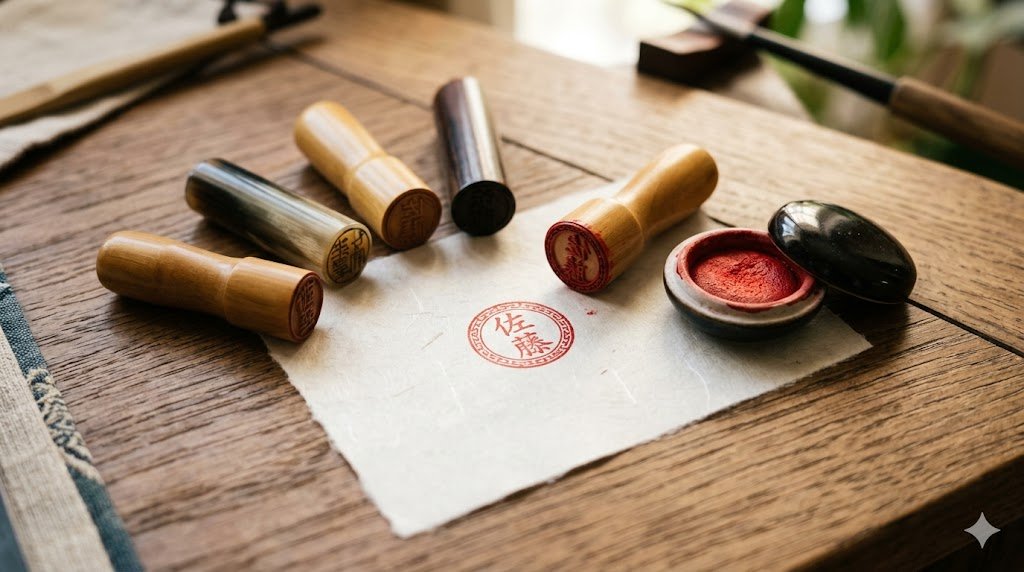
    Go to your local city/ward office (ๅธ‚ๅฝนๆ‰€ใƒปๅŒบๅฝนๆ‰€) with your bank passbook and seal (ๅฐ้‘‘). Fill out their ๅฃๅบงๆŒฏๆ›ฟ form. Some cities now accept online registration through their municipal website.

    ๐Ÿ“„ How to Read a Japanese Utility Bill

    Japanese bills look intimidating but follow a consistent format. Here are the key terms to look for:

    JapaneseReadingMeaning
    ใŠๅฎขๆง˜็•ชๅทOkyakusama bangลYour customer/account number
    ่ซ‹ๆฑ‚้‡‘้กSeikyลซ kingakuTotal amount due
    ใŠๆ”ฏๆ‰•ใ„ๆœŸ้™Oshiharai kigenPayment due date
    ๆคœ้‡ๆœŸ้–“Kenshin kikanBilling period (dates)
    ไฝฟ็”จ้‡ShiyลryลUsage amount (kWh, mยณ)
    ๅŸบๆœฌๆ–™้‡‘Kihon ryลkinBase/fixed charge
    ้›ปๅŠ›้‡ๆ–™้‡‘Denryokuryล ryลkinUsage charge (electricity)
    ๆถˆ่ฒป็จŽShลhizeiConsumption tax (10%)
    ๆŒฏ่พผๅ…ˆFurikomi sakiPayment destination (bank account)

    ๐Ÿ—‚๏ธ Income Taxes & Resident Tax in Japan

    Taxes are a different category from utility bills but equally important for expats to understand. Here’s a quick overview โ€” for the full guide, see our How to File Taxes in Japan article.

    Resident Tax (ไฝๆฐ‘็จŽ โ€” Juminzei)

    Resident tax is a local tax charged by your city or prefecture, calculated at roughly 10% of your previous year’s income. If you’re a company employee (ไผš็คพๅ“ก), it’s deducted from your salary automatically (็‰นๅˆฅๅพดๅŽ). If you’re self-employed or freelance, you pay via quarterly installments using payment slips (ๆ™ฎ้€šๅพดๅŽ) sent from your ward/city office.

    Payment methods for resident tax: convenience store (using the payment slip), PayPay bill payment, bank transfer, or credit card via your municipal government’s website. From 2023, many municipalities accept credit card payment with a small fee.

    National Income Tax (ๆ‰€ๅพ—็จŽ โ€” Shotokuzei)

    For company employees, income tax is withheld at source (ๆบๆณ‰ๅพดๅŽ). Year-end adjustment (ๅนดๆœซ่ชฟๆ•ด) handles most returns automatically through your employer. If you have additional income or need a refund, file a tax return (็ขบๅฎš็”ณๅ‘Š โ€” Kakutei Shinkoku) in Februaryโ€“March each year. Tax is paid to the national tax office (็จŽๅ‹™็ฝฒ) via bank transfer or at the post office.

    โ“ FAQ โ€” Paying Bills in Japan as a Foreigner

    Can I pay Japanese bills without a bank account?

    Yes โ€” convenience store payment works for almost all utility bills and requires only cash. PayPay (which can be loaded with cash at convenience stores) also works for many bill types. However, setting up auto-debit with a bank account is the most hassle-free long-term solution.

    What happens if I miss a payment?

    Utility companies will send a reminder notice (็ฃไฟƒ็Šถ โ€” Tokusokujo). If you continue to miss payments, service may be suspended (especially gas and electricity). Reconnection fees apply. Always pay before the due date (ๆ”ฏๆ‰•ๆœŸ้™) shown on your bill.

    My bill is entirely in Japanese. Can I get help?

    Take a photo of the bill and use Google Translate’s camera feature to translate it. Alternatively, use the table above to identify key fields. For Tokyo area electricity (TEPCO) and Tokyo Gas, English customer service lines are available. Many ward offices (ๅŒบๅฝนๆ‰€) have multilingual staff or translation services.

    Do foreigners have to pay NHK?

    Yes, if you have a TV or TV-capable device, you are legally required to pay. The law applies to all residents of Japan regardless of nationality. NHK collectors (้›†้‡‘ไบบ) may visit your home; you can show them proof that you have no TV to avoid signing up if that’s genuinely the case.

    Can I pay all bills with PayPay?

    Many utility bills and resident tax payments can be paid via PayPay’s ่ซ‹ๆฑ‚ๆ›ธๆ‰•ใ„ (bill payment) feature โ€” just scan the barcode on your paper slip. However, not all municipalities and utility companies support PayPay yet. Check the PayPay app or the sticker on your bill that shows accepted payment logos.

    I’m leaving Japan โ€” how do I cancel utilities?

    Contact each utility company at least 1โ€“2 weeks before your move-out date to arrange service cancellation (่งฃ็ด„ โ€” Kaiyaku). You can call, fill out an online form, or for some providers, use their app. The final bill will be sent after disconnection, payable at a convenience store.

    ๐Ÿ“Œ Summary: Bill Payment Quick Reference

    Bill TypeBest Payment MethodTip
    ElectricityAuto-debit or credit cardGet ยฅ55โ€“110/mo discount with auto-debit
    GasAuto-debit or convenience storePay by due date to avoid disconnection
    WaterAuto-debit via city officeVisit your ward office with passbook
    InternetCredit card (set up during contract)Choose IIJ for English support
    MobileCredit card or auto-debitSet up at time of contract signing
    NHKCredit card via nhk.or.jpMost convenient for foreigners
    Resident TaxPayPay or convenience storeCredit card via municipal website (+ fee)

    ๐Ÿ”— Related Articles

  • Best Japanese Skincare 2026: 7 J-Beauty Cult Favorites Worth Buying in Japan

    Best Japanese Skincare 2026: 7 J-Beauty Cult Favorites Worth Buying in Japan

    ๐ŸŒธ J-Beauty Products Verified Available May 2026

    All 7 products confirmed available at Matsumoto Kiyoshi, Sundrug, and Amazon Japan as of May 2026. Tax-free tip: Drugstore skincare qualifies for Japan’s 10% tax refund on purchases over ยฅ5,000 per store โ€” bring your passport to save at checkout (or claim refund at departure from November 2026).

    Japanese skincare โ€” or J-Beauty โ€” has quietly taken over the beauty world. Unlike the 10-step Korean K-Beauty routine, Japan’s approach is all about simplicity, science, and centuries-old tradition. Think minimal steps, maximum hydration, and ingredients like rice bran, green tea, and sake.

    From viral TikTok finds to cult classics that have been in Japanese bathroom cabinets for 50 years, this guide covers the 7 best Japanese skincare products you can actually buy online in 2026 โ€” with honest reviews, ingredient breakdowns, and direct Amazon US and Amazon Japan links.

    Whether you’re an expat living in Japan, a beauty-obsessed J-Beauty fan abroad, or just curious why Hada Labo and SK-II are everywhere, this list will help you pick the right products for your skin type and budget.

    Why J-Beauty is Taking Over in 2026

    1. Minimalism over 10-step routines

    While K-Beauty asks for 10 steps, J-Beauty believes fewer, better products do more. Most Japanese women use only 3โ€“5 steps: cleanser, lotion (toner), essence, moisturizer, and sunscreen. The focus is on quality ingredients, not product stacking.

    2. Hydration-first philosophy

    Japanese skincare treats dehydration as the root cause of most skin issues โ€” acne, wrinkles, dullness. That’s why hyaluronic acid, rice extract, and ceramides dominate Japanese formulas. The iconic “watery” lotion step plumps the skin before anything else.

    3. Sun protection is religion

    Japan has the most advanced sunscreens in the world. The PA+++/PA++++ rating system goes beyond SPF to measure UVA protection, and formulas are so lightweight and elegant that many Western women import them just for this.

    4. Traditional ingredients meet modern science

    Sake, rice, green tea, seaweed, camellia oil โ€” these ingredients appear in both 1,000-year-old recipes and state-of-the-art biotech labs. Brands like SK-II use fermented rice (Pitera) while Hada Labo uses lab-synthesized hyaluronic acid.

    Best Japanese Skincare Products 2026: Top 7 Picks

    1. Hada Labo Gokujyun Hyaluronic Acid Lotion (Iconic Hydration Toner)

    If Japan has one skincare product everyone owns, it’s this. Hada Labo Gokujyun is a “super hydrating” lotion that has been the best-selling toner in Japan for 10+ years. Its simple formula packs 5 types of hyaluronic acid in a watery, fragrance-free gel. You pat it in after cleansing โ€” no need for cotton pads.

    At around ยฅ800 in Japan (about $8), it’s cheaper than most department store toners but outperforms many luxury brands. A single bottle lasts 2-3 months. The “Premium” version adds extra anti-aging benefits.

    Key ingredients: 5 types of hyaluronic acid, glycerin, butylene glycol
    Skin type: All skin types, especially dry & dehydrated
    Price (Japan): ยฅ800โ€“1,200 | Price (US): $15โ€“22

    2. SK-II Facial Treatment Essence (The Legendary Pitera Essence)

    The most famous Japanese skincare product globally. SK-II’s Facial Treatment Essence contains 90%+ “Pitera” โ€” a fermented yeast extract discovered by scientists who noticed sake brewery workers had incredibly smooth hands despite aged faces. One bottle is used by everyone from Cate Blanchett to Chloe Grace Moretz.

    It’s expensive ($99โ€“185 depending on size), but the results are clinically proven: more radiance, smaller pores, improved texture. You pat it on after cleansing and before toner. Many users see a difference in 2โ€“4 weeks.

    Key ingredients: 90%+ Pitera (Galactomyces Ferment Filtrate), niacinamide
    Skin type: Dull, uneven, aging, sensitive
    Price (Japan): ยฅ12,100โ€“24,200 | Price (US): $99โ€“185

    3. Anessa Perfect UV Sunscreen Skincare Milk (Best Japanese Sunscreen)

    The #1 sunscreen in Japan for 20+ years. Shiseido’s Anessa offers SPF 50+/PA++++ protection in a remarkably lightweight milk that feels like moisturizer, not greasy sunscreen. Water and sweat-resistant enough for a full beach day, yet gentle enough for daily use.

    Anessa uses Shiseido’s proprietary “Aqua Booster” technology that actually strengthens UV protection when exposed to water. It also contains skincare ingredients like hyaluronic acid. Many Western beauty editors call it the best sunscreen in the world.

    Key ingredients: Zinc oxide, titanium dioxide, hyaluronic acid, green tea extract
    Skin type: All skin types, including sensitive
    Price (Japan): ยฅ3,300 | Price (US): $28โ€“45

    4. DHC Deep Cleansing Oil (The OG Cleansing Oil)

    Before cleansing oils were trendy worldwide, Japan was obsessed with DHC Deep Cleansing Oil. Made with 100% virgin olive oil, it melts away makeup (even waterproof mascara) and sunscreen without stripping the skin. Over 120 million bottles sold worldwide.

    The “double cleansing” method (oil cleanser followed by a foam cleanser) is the foundation of Japanese skincare. Skip it, and even the best serums won’t work because residue blocks absorption. DHC is gentle enough for daily use, even on sensitive skin.

    Key ingredients: Virgin olive oil, rosemary leaf extract, vitamin E
    Skin type: All skin types, heavy makeup wearers
    Price (Japan): ยฅ2,700 | Price (US): $28โ€“36

    5. Curel Intensive Moisture Cream (Sensitive Skin Savior)

    Made by Kao, Curel is the go-to brand for people with sensitive, eczema-prone, or reactive skin. The Intensive Moisture Cream is fragrance-free, alcohol-free, and dermatologically tested. It contains “Ceramide Care” technology that rebuilds the skin barrier over time.

    Curel is what Japanese dermatologists recommend to patients with rosacea, eczema, and post-treatment skin. If your skin has been damaged by harsh actives or Western products, this is the reset button.

    Key ingredients: Pseudo-ceramides, eucalyptus extract, allantoin
    Skin type: Sensitive, dry, eczema-prone
    Price (Japan): ยฅ3,300 | Price (US): $28โ€“38

    6. Shiseido Senka Perfect Whip (The ยฅ500 Luxury Cleanser)

    TikTok discovered Senka Perfect Whip around 2020 and it exploded globally. A ยฅ500 cleanser (about $4) that makes thick, fluffy foam like a high-end spa facial. Made by Shiseido, it contains silk essence and hyaluronic acid to cleanse while moisturizing.

    The secret is technique: wet hands and face, squeeze a cherry-sized amount, then use a foaming net (or your hands) to whip it into dense foam before applying. It doesn’t strip, it doesn’t sting, and it leaves skin soft. Best cleanser-per-yen in the world.

    Key ingredients: Silk essence, double hyaluronic acid, white thread silk
    Skin type: All skin types
    Price (Japan): ยฅ500 | Price (US): $8โ€“15

    7. Tatcha The Rice Polish (Luxury Enzyme Exfoliator)

    Founded by a former Harvard researcher after visiting Kyoto geishas, Tatcha is the bridge between traditional Japanese beauty and Western luxury. The Rice Polish is a dry powder exfoliator โ€” just wet it in your palm and it transforms into a gentle foam.

    Based on a 200-year-old geisha skincare ritual, it combines rice bran with papaya enzymes. Unlike harsh scrubs, it enzymatically dissolves dead skin without irritation. Three formulas for different skin types (Calming, Classic, Deep).

    Key ingredients: Rice bran, papain enzymes, green tea, algae
    Skin type: All, especially sensitive or reactive
    Price: $68

    Which J-Beauty Product Should You Start With?

    • Total beginner: Start with Hada Labo Gokujyun Lotion and Senka Perfect Whip. Under $25 combined, instant J-Beauty upgrade.
    • Acne-prone / oily skin: Senka Perfect Whip + Hada Labo Lotion + Anessa sunscreen.
    • Dry / mature skin: SK-II Facial Treatment Essence + Hada Labo Premium + Curel Cream.
    • Sensitive skin: Curel Intensive Moisture Cream + Tatcha Rice Polish (Calming formula).
    • Outdoor lifestyle / beach: Anessa Perfect UV Sunscreen is non-negotiable.
    • Luxury lover: SK-II Essence + Tatcha Rice Polish.

    How to Build a Japanese Skincare Routine (J-Beauty Steps)

    Morning: Cleanser โ†’ Lotion (Toner) โ†’ Essence (optional) โ†’ Moisturizer โ†’ Sunscreen

    Evening: Oil Cleanser โ†’ Foam Cleanser โ†’ Lotion โ†’ Essence โ†’ Treatment/Serum โ†’ Moisturizer

    Do not skip sunscreen. Japanese dermatologists say UV damage is responsible for 80% of visible aging. Anessa, Biore UV, Allie โ€” all Japanese sunscreens are light-years ahead of most Western options.

    Where to Buy Japanese Skincare Online (From Anywhere)

    • Amazon.com: Most popular products (Hada Labo, DHC, Senka, Tatcha) ship to US/Canada/UK
    • Amazon Japan: Widest selection, cheapest prices if you live in Japan
    • Sephora / Ulta (US): SK-II, Tatcha, some Shiseido
    • Buyee / YesStyle: Harder-to-find or exclusive Japan items
    • Don Quijote (in Japan): Largest drugstore with tourist discounts

    Final Verdict: Is J-Beauty Worth It?

    Absolutely. Japanese skincare offers the best value-to-quality ratio in the world โ€” a $8 toner that outperforms $80 department store brands, a $4 cleanser loved by supermodels, and sunscreens that feel like moisturizer.

    Start small. Pick one or two products from this list, commit to 4 weeks, and see how your skin changes. Most readers report visible improvement (more hydration, smoother texture, reduced breakouts) within the first month.

    Ready to try J-Beauty? Bookmark this guide and start with the “beginner” combo. Your skin will thank you in 2026.

    ๐Ÿ‡ฏ๐Ÿ‡ต Looking for Japanese Gadget Reviews?

    Check ใ‚ฌใ‚ธใ‚งใƒŠใƒ“ โ€” Japan’s #1 Japanese-language gadget comparison site

    175+ in-depth reviews of Japanese electronics, home appliances & smart devices. Amazon Japan links included.

    Visit ใ‚ฌใ‚ธใ‚งใƒŠใƒ“ (Japanese) โ†’
  • Japanese Driver’s License for Foreigners 2026: Convert Yours in 5 Steps

    Japanese Driver’s License for Foreigners 2026: Convert Yours in 5 Steps

    Do You Need a Japanese Driver’s License?

    If you are living in Japan long-term, you will likely want a Japanese driver’s license. While international driving permits (IDP) allow short-term visitors to drive in Japan, they are only valid for up to one year from your entry date โ€” and only for those visiting on a tourist visa. Once you are a resident, you need a Japanese license to drive legally.

    The process depends heavily on your home country. Some countries have a license conversion agreement with Japan, making the switch straightforward. Others require written and practical tests. This guide covers both paths in detail.

    International Driving Permit vs. Japanese License

    International Driving Permit (IDP)Japanese Driver’s License
    Who can use itShort-term visitors (tourist visa)Residents of Japan
    ValidityUp to 1 year from entryRenewable (3โ€“5 years per renewal)
    Where to get itIn your home country before arrivalAt a Japanese license center (้‹่ปขๅ…่จฑใ‚ปใƒณใ‚ฟใƒผ)
    Costยฅ1,000โ€“ยฅ3,000 equivalentยฅ30,000โ€“ยฅ100,000+ depending on process
    Accepts foreign license?Yes, paired with your licenseMust convert or take tests

    Path 1: License Conversion (Gaimen Kirikae) โ€” ๅค–ๅ…ๅˆ‡ๆ›ฟ

    If you hold a valid driver’s license from a country that has a mutual recognition agreement with Japan, you can convert your foreign license to a Japanese one through a process called Gaimen Kirikae (ๅค–ๅ…ๅˆ‡ๆ›ฟ). This is the easiest route.

    Countries with Easy Conversion (Written Test Waived)

    Citizens from the following countries can convert without taking a written exam โ€” just a simple eyesight check and a brief practical confirmation:

    • United Kingdom, Ireland, Germany, France, Switzerland, Belgium, Taiwan, South Korea, Australia, New Zealand, Canada, and most EU member states.

    Countries Requiring a Written Test

    If your home country is not on the above list (e.g., USA, China, Philippines, Brazil, India), you will need to pass a written knowledge test in addition to the practical check. The written test is available in English, Chinese, Portuguese, and several other languages.

    Required Documents for Conversion

    • Your valid foreign driver’s license (original)
    • Official Japanese translation of your license (from JAF โ€” Japan Automobile Federation)
    • Your passport (showing entry stamps to prove the license was obtained before coming to Japan)
    • Residence card (ๅœจ็•™ใ‚ซใƒผใƒ‰, Zairyu Card)
    • One passport-size photo (3cm ร— 2.4cm)
    • Application fee (approximately ยฅ3,000โ€“ยฅ4,000)

    How to Get a JAF Translation

    JAF (Japan Automobile Federation) is the only officially recognized organization for translating foreign driver’s licenses into Japanese. Submit your foreign license at any JAF office or by mail. The translation typically costs ยฅ3,000 and takes about one week by mail, or same-day if done in person at a JAF branch.

    Step-by-Step: License Conversion Process

    1. Get your JAF translation โ€” Apply online at jaf.or.jp or visit your nearest JAF office.
    2. Gather all required documents โ€” License, passport, translation, residence card, photo, and fee.
    3. Visit your prefecture’s license center โ€” Each prefecture has at least one driver’s license center (้‹่ปขๅ…่จฑใ‚ปใƒณใ‚ฟใƒผ). Some allow walk-ins; others require appointments. Check your local center’s website.
    4. Submit your documents and pass the eyesight test โ€” Standard vision check (0.7 in both eyes with glasses allowed).
    5. Take the written test if required โ€” 10 true/false questions about Japanese traffic rules. Must score 7/10 to pass.
    6. Take the practical driving check โ€” A brief test at the license center’s course (not a full road test). You demonstrate basic maneuvers like starting, turning, and stopping.
    7. Receive your Japanese license โ€” Usually issued the same day or next business day.

    Path 2: Obtaining a Japanese License from Scratch

    If you do not hold a foreign license, or your home country’s license is not recognized, you will need to obtain a Japanese license from scratch. This is more involved but very doable.

    Option A: Driving School (ๆ•™็ฟ’ๆ‰€, Kyoshujo) โ€” Recommended

    Most people in Japan obtain their license through a certified driving school. The school handles all the instruction, in-car training, and mock tests. At the end, you only need to take the final license center exam (which has a very high pass rate for driving school graduates โ€” over 95%).

    License TypeDriving School CostDuration
    Standard AT (Automatic)ยฅ250,000โ€“ยฅ350,0001โ€“3 months
    Standard MT (Manual)ยฅ280,000โ€“ยฅ380,0001โ€“3 months
    Accelerated Course (ๅˆๅฎฟๅ…่จฑ)ยฅ150,000โ€“ยฅ250,0002 weeks (intensive)

    Tip: The gasshuku (ๅˆๅฎฟๅ…่จฑ) intensive residential course is far cheaper and faster. You stay at a hotel or dormitory near a rural driving school for 2 weeks and complete everything in one go. Great for those who can take time off.

    Option B: Direct Test at License Center (ไธ€็™บ่ฉฆ้จ“)

    You can attempt to pass the license exams at the license center without attending driving school. This is called a ipppatsu shiken (ไธ€็™บ่ฉฆ้จ“). It is much cheaper, but the pass rate is very low โ€” typically under 10% on the first attempt. Multiple attempts are usually needed. This route is generally only recommended for experienced drivers.

    Tips for Expats Getting a Japanese License

    • Book your JAF translation early โ€” Processing times can vary, especially during busy seasons.
    • Check your prefecture’s license center hours โ€” Most centers are only open weekdays, and some are closed on the 2nd and 4th Monday of the month.
    • Bring extra passport photos โ€” Centers may require specific sizes; bring a few extras to be safe.
    • Study Japanese traffic rules in English โ€” Even if you are exempt from the written test, basic knowledge of Japanese traffic signs and rules will help on the practical check.
    • Renew your license on time โ€” Japanese licenses expire every 3โ€“5 years. First-time holders get a 3-year license; experienced drivers get up to 5 years.

    Frequently Asked Questions

    Can I drive in Japan with a US driver’s license?

    No. Unlike in some countries, the USA does not have a mutual recognition agreement with Japan. US license holders must go through the Gaimen Kirikae process including a written test. Your US license plus an International Driving Permit can be used for up to one year if you are visiting on a tourist visa, but not for residents.

    How long does the conversion process take?

    For countries with easy conversion, the process at the license center typically takes one full day. Add about one week for the JAF translation. Plan for 2โ€“3 weeks total from start to finish.

    Do I need to speak Japanese for the license test?

    The written test is available in English and several other languages. However, the practical test instructions may be given in Japanese โ€” learn basic commands like “stop” (ๆญขใพใ‚Œ, tomare), “turn right” (ๅณๆŠ˜, usetsu), and “turn left” (ๅทฆๆŠ˜, sasetsu).

    What if my foreign license has expired?

    An expired foreign license cannot be used for the Gaimen Kirikae conversion. You will need to renew it in your home country first, or obtain a Japanese license from scratch through driving school.

    Where are the license centers in major cities?

    • Tokyo: Fuchu, Samezu, Koto (multiple centers)
    • Osaka: Kadoma, Namba, Hikone
    • Nagoya: Inuyama
    • Fukuoka: Chikushino
    • Sapporo: Shinoro

    Summary

    Getting a Japanese driver’s license as a foreigner is very manageable once you understand the process. If you are from a country with mutual recognition, the conversion (Gaimen Kirikae) is quick and straightforward โ€” usually done in one day at the license center. If you need to take tests, allow more time and consider studying Japanese traffic rules in advance. And if you are starting from scratch, a driving school is the most reliable path to a Japanese license.

  • How to Use PayPay as a Foreigner in Japan (2026)

    How to Use PayPay as a Foreigner in Japan (2026)

    ๐Ÿ“ฑ PayPay Promotions Change Regularly โ€” Check the App for Current Offers

    Welcome bonuses and signup promotions are updated frequently by PayPay. The specific bonus amount mentioned in this guide may have changed. After registering, open the PayPay app โ†’ Campaigns tab to find current promotions. Regional cashback campaigns (typically 10โ€“30% back at local merchants, restaurants, and stores) are almost always running somewhere in Japan and can be more valuable than signup bonuses.

    PayPay has become Japan’s dominant digital payment platform, accepted at over 4 million locations nationwide โ€” from convenience stores and supermarkets to restaurants, taxis, and even some temples and shrines. If you’re visiting or living in Japan in 2026, knowing how to use PayPay can save you time, earn you cashback rewards, and help you navigate the country’s evolving cashless payment landscape.

    In this comprehensive guide, we’ll walk you through everything: setting up PayPay, adding money, paying at stores, and maximizing the cashback rewards that make PayPay so popular among Japanese consumers and savvy expats alike.

    What is PayPay?

    PayPay is a QR code-based mobile payment app launched in 2018 by SoftBank and Yahoo Japan (now LY Corporation). It works similarly to Venmo or WeChat Pay โ€” you load money into the app and pay by scanning a QR code at participating merchants. As of 2026, PayPay has over 65 million registered users and is accepted at more than 4.1 million stores across Japan.

    PayPay is particularly popular because of its frequent cashback campaigns โ€” you can earn 0.5% to 5%+ back on purchases, and during special campaigns, cashback can reach up to 30%. These promotions make it significantly cheaper than paying with cash or credit cards at participating merchants.

    Can Tourists Use PayPay in Japan?

    Yes! As of 2024, PayPay allows registration with overseas phone numbers and international credit/debit cards. Tourists can register and use PayPay without a Japanese bank account, making it genuinely accessible for short-term visitors. However, some features (like sending money to friends) may require identity verification with a Japanese address.

    How to Set Up PayPay: Step-by-Step

    Step 1: Download the PayPay App

    PayPay is available on the App Store and Google Play. Search for “PayPay” or “ใƒšใ‚คใƒšใ‚ค” and download the official app. The app is available in Japanese and English (you can switch languages in settings).

    Tip: If you’re in Japan using a foreign iTunes/Google Play account, you may need to switch your App Store region to Japan to find the app easily.

    Step 2: Create Your Account

    Open the app and tap “New Registration” (ๆ–ฐ่ฆ็™ป้Œฒ). Enter your mobile phone number โ€” both Japanese and international numbers work. You’ll receive an SMS verification code. Enter the code to verify your number, then set a 4-digit passcode for the app.

    For tourists: You can use your home country phone number as long as it can receive international SMS.

    Step 3: Add Money to PayPay

    There are several ways to load money into your PayPay balance:

    Option A: Credit or Debit Card (Easiest for Tourists)

    Go to “Charge” โ†’ “Credit/Debit Card” and add your Visa, Mastercard, or JCB card. Note: Some foreign-issued cards may be declined. Visa and Mastercard from major banks generally work. American Express cards are not supported.

    Option B: Bank Transfer (For Residents)

    Link a Japanese bank account (Japan Post Bank, most major banks, and many online banks like Rakuten Bank or PayPay Bank) for free bank transfers. This is the most convenient method for residents.

    Option C: PayPay Card

    The PayPay Card (issued by PayPay Card Co.) is a Japanese credit card that integrates seamlessly with the app. If you’re a long-term resident, applying for the PayPay Card gives you higher cashback rates and auto-charge functionality.

    Option D: Convenience Store ATM (Easy Cash Top-Up)

    You can add cash to PayPay at 7-Eleven ATMs (Seven Bank) and other convenience store ATMs that support PayPay. This is perfect for tourists who prefer using cash as their source of funds.

    Step 4: Pay at Stores

    There are two payment methods in PayPay:

    Method 1: Show Your QR Code (ใŠๅฎขๆง˜ๆ็คบใ‚ณใƒผใƒ‰ๆฑบๆธˆ)

    Tap the main “Pay” button on the home screen. A QR code and barcode appear. The cashier scans your screen. Payment is complete in seconds. This is the most common method at convenience stores, supermarkets, and chain restaurants.

    Method 2: Scan the Store’s QR Code (ใ‚นใƒˆใ‚ขใ‚นใ‚ญใƒฃใƒณ)

    Some smaller shops display a static PayPay QR code at the register. Tap “Scan” in PayPay, point your camera at their QR code, enter the amount, and confirm payment. Popular at small restaurants, food stalls, and market vendors.

    Where Can You Use PayPay in Japan?

    Category Examples PayPay Accepted?
    Convenience Stores7-Eleven, Lawson, FamilyMart, MiniStopโœ… Yes (all)
    SupermarketsAEON, Ito-Yokado, Seiyu, Lifeโœ… Most locations
    RestaurantsMcDonald’s, Yoshinoya, Matsuya, most izakayasโœ… Widely accepted
    TaxisMost Tokyo taxis, Japan Taxi appโœ… Yes
    DrugstoresMatsumoto Kiyoshi, Tsuruha, Welciaโœ… Yes
    Electronics StoresYodobashi Camera, Bic Camera, Yamada Denkiโœ… Yes
    Online ShoppingYahoo! Shopping, PayPay Mall, PayPay Flea Marketโœ… Yes
    Public TransportMost trains & busesโŒ Use Suica instead
    Vending MachinesSome Dydo, Suntory machinesโš ๏ธ Selected machines only

    PayPay Cashback & Rewards: How to Earn More

    PayPay’s cashback system is one of its biggest draws. Here’s how rewards work:

    Standard cashback: 0.5% on all purchases paid with PayPay balance. Payments via linked credit card may earn different rates depending on the card.

    PayPay Step (ใƒšใ‚คใƒšใ‚คใ‚นใƒ†ใƒƒใƒ—): Use PayPay 30+ times or spend ยฅ30,000+ in a month to unlock 1.5% cashback (or 2% with a PayPay Card).

    Campaign bonuses: PayPay regularly runs regional campaigns where local shops offer 10-30% cashback. Check the PayPay app’s “Campaign” tab for current promotions in your area.

    PayPay Points: Earned points can be used like cash for future payments or converted to Yahoo! Points for shopping on Yahoo! Japan.

    PayPay for Tourists: Important Limitations

    Foreign credit card limitations: Some international cards don’t work for PayPay top-up. If your card is declined, try the convenience store ATM cash top-up method.

    Identity verification: Some PayPay features require eKYC (identity verification) with a Japanese residence card (ๅœจ็•™ใ‚ซใƒผใƒ‰). Tourists can use basic features without this.

    Balance limits: Without identity verification, your PayPay balance is capped at ยฅ100,000. For most tourists, this is more than sufficient.

    Merchant QR vs. app QR: Make sure you’re in the right mode. When paying at convenience stores, use the “Show QR Code” mode. When paying at small vendors with a printed QR, use “Scan” mode.

    PayPay vs. Other Payment Apps in Japan

    App Acceptance Tourist-Friendly Best For
    PayPay4.1M+ locationsโœ… HighEveryday shopping, cashback
    Suica (IC Card)Very wideโœ… Very HighTransport + convenience stores
    d-Barai2.9M+ locationsโš ๏ธ Mediumdocomo users
    au PAY2.6M+ locationsโš ๏ธ Mediumau mobile users
    LINE PayMerged with PayPayN/AMerged into PayPay in 2024

    Frequently Asked Questions

    Q: Can I use PayPay at train stations and on buses?
    A: No, PayPay is not accepted on JR trains or most city buses. Use a Suica or Pasmo IC card for public transport โ€” they’re also accepted at convenience stores and more.

    Q: Is PayPay available in English?
    A: The app has limited English support. Main payment functions are easy to use even in Japanese. Settings offer a language toggle for English.

    Q: What happens if I leave Japan with money in my PayPay balance?
    A: Your balance stays in your account indefinitely. You can use it on your next visit or for online purchases on Yahoo! Shopping from abroad.

    Q: Can I use PayPay with Apple Pay or Google Pay?
    A: PayPay is a separate app and doesn’t integrate directly with Apple Pay or Google Pay. It uses its own QR code system.

    Q: Are there transaction fees?
    A: No transaction fees for users. Merchants pay a fee, but it’s free to pay with PayPay as a consumer.

    Conclusion

    PayPay is genuinely useful for anyone spending time in Japan โ€” whether you’re a tourist for a week or an expat building a life here. Its massive acceptance network, regular cashback campaigns, and ease of use make it the smartest way to pay in Japan’s increasingly cashless society.

    Set it up before your trip, load it with your international card or cash at a convenience store ATM, and start earning cashback on everything from your morning convenience store coffee to your izakaya dinner. Welcome to cashless Japan!

    Related guides you might find helpful:
    How to Use Suica in Japan 2026 | Best SIM Cards for Japan 2026

    ๐Ÿ“ถ Need mobile data in Japan?

    Get an eSIM and stay connected the moment you land โ€” no SIM swapping, instant activation, covers Japan & 100+ countries.

    Get a Japan eSIM โ†’
    ๐Ÿ‡ฏ๐Ÿ‡ต

    Japan Expat Starter Kit 2026

    Banking ยท Health Insurance ยท Housing ยท Mobile Plans ยท Suica ยท Taxes ยท 50+ Japanese Phrases โ€” everything in one 60-page PDF guide.

    ๐Ÿ“ฅ Get the Complete Guide โ€” $9

    โœ… Instant download ยท 30-day money-back guarantee

  • Japan Tax Refund 2026: Foreigners Who Skip This Lose ยฅ100,000+ Every Year

    Japan Tax Refund 2026: Foreigners Who Skip This Lose ยฅ100,000+ Every Year

    ๐Ÿ”’ VPN Guide Updated May 2026 โ€” All Tested VPNs Work in Japan

    NordVPN, ExpressVPN, Surfshark, and Proton VPN all confirmed working in Japan as of May 2026. VPNs are legal to use in Japan. Use them to access home-country streaming (Netflix, Hulu, BBC iPlayer), secure hotel/cafรฉ WiFi, and bypass geo-restrictions on banking apps.

    Whether you’re streaming your favorite shows from back home, keeping your data private on Japanese public WiFi, or accessing geo-restricted services, a reliable VPN is essential for life in Japan. In this guide, we review the 5 best VPNs for Japan in 2026 โ€” tested for speed, reliability, and ease of use from inside Japan.

    Editorโ€™s Pick: ExpressVPN โ€” The Fastest, Most Reliable VPN for Japan

    If you want the speed king trusted by travelers and expats worldwide, ExpressVPN is our top recommendation for Japan in 2026. Blazing-fast servers for streaming Japanese and overseas content, audited no-logs policy, and apps for every device โ€” with a 30-day money-back guarantee.

    Why You Need a VPN in Japan

    Japan has fast internet, but there are real reasons to use a VPN:

    • Streaming geo-restrictions โ€” Netflix Japan has a different library than Netflix US/UK; a VPN lets you access your home country’s content
    • Public WiFi security โ€” stations, cafes, and airports have free WiFi, but it’s unsecured; a VPN encrypts your connection
    • Accessing home services โ€” banking apps, Hulu US, BBC iPlayer, and many regional services are blocked outside their home country
    • Privacy โ€” Japanese ISPs log browsing data; a VPN masks your traffic
    • Business use โ€” many companies require VPN access to internal systems

    What to Look for in a VPN for Japan

    • Servers in Japan AND your home country โ€” you need Japan servers for fast local speeds, plus servers in your home country to access geo-blocked content
    • Fast speeds โ€” Japan has gigabit internet; your VPN should keep up
    • Strong encryption โ€” AES-256 and WireGuard protocol are the gold standard
    • No-logs policy โ€” independently audited no-logs policies are essential
    • Easy setup on all devices โ€” iPhone, Android, Mac, Windows, and router support
    • Split tunneling โ€” route only certain apps through the VPN for better performance

    Best VPNs for Japan 2026: Top 5 Picks

    1. NordVPN โ€” Best Overall VPN for Japan

    NordVPN is consistently rated the best VPN for Japan by tech reviewers, and for good reason. With over 100 servers in Japan and thousands worldwide, it offers blazing fast speeds thanks to its proprietary NordLynx protocol (based on WireGuard). Streaming from outside Japan is seamless โ€” Netflix US, BBC iPlayer, Disney+, and Hulu all unblock reliably.

    NordVPN’s Threat Protection Pro feature blocks ads, malware, and trackers even when the VPN is off, making it a genuine security upgrade for your devices. The no-logs policy has been independently audited three times. Apps are available for Windows, Mac, iOS, Android, Linux, and even certain routers. Up to 10 simultaneous device connections per account.

    Price: from about $3.39/month on a 2-year plan. A 30-day money-back guarantee means zero risk to try it from Japan.

    FeatureDetails
    Servers in Japan100+ servers
    Speed (NordLynx)Excellent โ€” minimal speed loss
    No-logsYes โ€” independently audited
    Simultaneous devices10
    Best forStreaming, privacy, all-around use
    PriceFrom $3.39/month (2-year plan)

    ๐Ÿ”’ READY TO PROTECT YOUR CONNECTION?

    ๐Ÿ† Try NordVPN โ€” Best for Japan (30-day money-back)

    โ˜… Special deal: Up to 72% off + 3 months FREE

    2. ExpressVPN โ€” Fastest VPN for Japan

    ExpressVPN is famous for its Lightspeed protocol, which delivers some of the fastest VPN speeds available anywhere โ€” critical if you’re on Japan’s gigabit fiber or a fast 5G connection. Servers in 105 countries including strong Japan coverage mean you’ll always find a fast connection.

    ExpressVPN is particularly popular among expats for its ability to reliably unblock streaming services. It’s been tested to unblock Netflix US, UK, Australia, and Japan libraries simultaneously. The Network Lock kill switch cuts your internet if the VPN drops, preventing any unprotected data from leaking. 8 simultaneous device connections.

    Price: from about $6.67/month on a 12-month plan. More expensive than competitors but justified by the speed and reliability. 30-day money-back guarantee.

    ๐Ÿ”’ READY TO PROTECT YOUR CONNECTION?

    โšก Try ExpressVPN โ€” Fastest Speeds

    30-day money-back guarantee

    3. Surfshark โ€” Best Budget VPN for Japan

    Surfshark offers the best value for money among Japan VPNs. At around $2.19/month on a 2-year plan, it’s among the cheapest options โ€” and it allows unlimited simultaneous devices, making it perfect for families or users with many gadgets. Japan server coverage is solid, and it reliably unblocks major streaming services.

    Surfshark’s CleanWeb feature blocks ads, trackers, and malicious sites. The Camouflage Mode disguises VPN traffic as regular HTTPS traffic, helping in environments that block VPN protocols. The Nexus feature routes traffic through multiple VPN servers for extra privacy. 30-day money-back guarantee.

    ๐Ÿ”’ READY TO PROTECT YOUR CONNECTION?

    ๐Ÿ’ฐ Try Surfshark โ€” Best Budget Option

    Unlimited devices ยท 30-day money-back guarantee

    4. ProtonVPN โ€” Best VPN for Privacy and Security in Japan

    Built by the team behind ProtonMail (the Swiss encrypted email service), ProtonVPN is the privacy-first choice for Japan. Its strict no-logs policy is backed by Swiss privacy laws โ€” among the strongest in the world. Secure Core servers route traffic through privacy-friendly countries (Switzerland, Iceland, Sweden) before exiting in your destination country.

    ProtonVPN is one of the only premium VPNs with a genuinely free tier (limited to 3 countries but no data cap). The paid plans start at $4.99/month and include access to Proton’s entire suite of privacy tools (Mail, Calendar, Drive). Excellent choice for journalists, activists, or anyone handling sensitive data while living in Japan.

    ๐Ÿ”’ READY TO PROTECT YOUR CONNECTION?

    ๐Ÿ›ก๏ธ Try ProtonVPN โ€” Best for Privacy

    Free plan available ยท Swiss-based ยท No-log policy

    5. Mullvad VPN โ€” Most Anonymous VPN for Japan

    Mullvad is the most privacy-focused VPN on this list. It lets you sign up with zero personal information โ€” no email, no account name, just a randomly generated account number. You can even pay with cash or cryptocurrency. Despite the minimalist approach, it delivers fast WireGuard speeds and solid Japan server coverage.

    The interface is simple and stripped-down, which won’t appeal to streaming-focused users but is perfect for anyone who wants pure, audited privacy with no frills. Flat pricing at about โ‚ฌ5/month (no long-term discounts). Great for digital nomads and expats who prioritize anonymity above all else.

    ๐Ÿ”’ READY TO PROTECT YOUR CONNECTION?

    ๐Ÿ•ต๏ธ Try Mullvad โ€” Most Anonymous VPN

    No account needed ยท Pay with cash or crypto

    VPN Comparison: Best VPNs for Japan 2026

    VPNBest ForPrice/monthDevicesNo-logs
    NordVPNAll-around bestFrom $3.3910Yes (audited)
    ExpressVPNFastest speedsFrom $6.678Yes (audited)
    SurfsharkBest budget / unlimited devicesFrom $2.19UnlimitedYes
    ProtonVPNPrivacy-firstFrom $4.9910Yes (audited)
    MullvadMaximum anonymityโ‚ฌ5 flat5Yes (audited)

    How to Set Up a VPN in Japan: Quick Guide

    1. Choose a VPN from the list above and subscribe on their official website
    2. Download the app for your device (iOS, Android, Windows, Mac)
    3. Open the app and log in
    4. Choose a server โ€” Japan server for fast local speeds, or your home country to access geo-blocked content
    5. Tap “Connect” โ€” your connection is now encrypted

    Most modern VPNs connect in under 3 seconds. Keep the app running in the background for continuous protection, especially on public WiFi.

    Are VPNs Legal in Japan?

    Yes, VPNs are completely legal in Japan. There are no laws restricting VPN use. Japan respects internet freedom and does not block VPN traffic. You can freely use any VPN service while living in or visiting Japan without legal concern.

    Free VPNs for Japan: Are They Worth It?

    Free VPNs are generally not recommended for use in Japan. Most free VPNs have severe limitations: slow speeds, data caps, few server locations, and โ€” critically โ€” some free VPNs sell your browsing data to third parties, which defeats the purpose entirely. The only free VPN we recommend is ProtonVPN Free (no data cap, 3 server locations, slower speeds) as a starting point before upgrading to a paid plan.

    ๐Ÿ” Privacy-first pick: Proton VPN

    Made by the team behind Proton Mail (Switzerland). Strict no-logs, a genuinely usable free plan, and great for accessing your home content while in Japan.

    Try Proton VPN โ†’
  • English-Speaking Doctors in Japan 2026: Find a Hospital That Actually Understands You

    English-Speaking Doctors in Japan 2026: Find a Hospital That Actually Understands You

    Finding a doctor in Japan who speaks English can feel overwhelming โ€” between unfamiliar medical systems, language barriers, and different billing practices, even a simple visit to the clinic can become stressful. This guide covers everything you need to know: how to find English-speaking hospitals and clinics in Japan, what to expect during your visit, how to use your health insurance, and key phrases to help you communicate.

    How Healthcare Works in Japan

    Japan has a universal healthcare system โ€” if you’re a resident (working visa, student visa, or long-term resident), you’re required to be enrolled in either National Health Insurance (NHI / ๅ›ฝๆฐ‘ๅฅๅบทไฟ้™บ) or Employee Health Insurance (็คพไผšไฟ้™บ). Both cover 70% of medical costs, meaning you pay just 30% out of pocket.

    Short-term tourists (on tourist/temporary visitor visas) are not covered by Japan’s national health insurance. If you’re visiting, consider purchasing travel insurance that includes medical coverage before arriving in Japan.

    Types of Medical Facilities

    Facility TypeJapaneseBest ForEnglish Available
    Large University Hospitalๅคงๅญฆ็—…้™ขSerious illness, specialist careOften has international center
    General Hospital (100+ beds)็—…้™ขComplex conditions, surgerySome have English desks
    Clinic / Doctor’s Officeใ‚ฏใƒชใƒ‹ใƒƒใ‚ฏ / ่จบ็™‚ๆ‰€Common illness, routine checkupsVaries widely
    International Clinicใ‚คใƒณใ‚ฟใƒผใƒŠใ‚ทใƒงใƒŠใƒซใ‚ฏใƒชใƒ‹ใƒƒใ‚ฏExpats, English-only patientsAlways (specialized service)
    Emergency Roomๆ•‘ๆ€ฅLife-threatening emergenciesRare โ€” bring a translator app

    Best English-Speaking Hospitals in Tokyo

    1. St. Luke’s International Hospital (่–่ทฏๅŠ ๅ›ฝ้š›็—…้™ข)

    One of Tokyo’s most internationally recognized hospitals, St. Luke’s in Tsukiji has been serving foreign patients for over a century. It offers a full range of services in English, from general medicine and obstetrics to oncology and cardiology.

    • Location: 9-1 Akashi-cho, Chuo-ku, Tokyo (Tsukiji area)
    • English support: Full โ€” most doctors speak English
    • Insurance: Accepts NHI and international insurance
    • Phone: 03-5550-7166
    • Website: hospital.luke.ac.jp/eng/

    2. Tokyo Medical and Surgical Clinic (TMSC)

    Located in Shiba-koen near Tokyo Tower, TMSC is a private Western-style clinic staffed entirely by English-speaking physicians, many trained in the US, UK, and Australia. Ideal for expats who prefer a familiar, English-first experience.

    • Location: 32 Shiba-koen Bldg 2F, 3-4-30 Shiba-koen, Minato-ku, Tokyo
    • English support: Full
    • Insurance: International insurance preferred; NHI accepted
    • Phone: 03-3436-3028
    • Website: tmsc.jp

    3. International University of Health and Welfare (IUHW) Mita Hospital

    Located in Mita (Minato-ku), this hospital has an International Center that offers translation support and English-speaking staff across many departments including internal medicine, dermatology, and orthopedics.

    • Location: 1-4-3 Mita, Minato-ku, Tokyo
    • English support: International Center with interpreters
    • Insurance: NHI accepted
    • Phone: 03-3451-8121

    4. Tokyo Midtown Medical Center

    A modern facility inside the Tokyo Midtown complex in Roppongi. Offers general medicine, internal medicine, dermatology, and preventive care. Caters to the expat community with English-speaking doctors and staff.

    • Location: Tokyo Midtown Tower B1F, 9-7-1 Akasaka, Minato-ku, Tokyo
    • English support: Good โ€” some departments fully English
    • Insurance: NHI and international insurance
    • Website: tmmc.jp/en/

    5. Roppongi Hills Clinic

    A convenient clinic in the heart of Roppongi. Popular with English-speaking residents for general consultations, mental health, sexual health, and travel medicine. Walk-in appointments often available.

    • Location: Roppongi Hills Mori Tower 6F, Minato-ku, Tokyo
    • English support: Full
    • Insurance: International insurance; NHI on request

    English-Speaking Hospitals in Osaka

    Osaka Red Cross Hospital (ๅคง้˜ช่ตคๅๅญ—็—…้™ข)

    Has an International Medical Center with English-speaking staff. Covers all major medical departments. Located in Tennoji, easily accessible by subway.

    • Location: 5-30 Fudegasaki-cho, Tennoji-ku, Osaka
    • English support: International Medical Center
    • Phone: 06-6771-5131

    Osaka University Hospital (้˜ชๅคง็—…้™ข)

    Major teaching hospital in Suita with an international patient support desk. Best for complex medical issues requiring specialist treatment. English is available at the international desk.

    • Location: 2-15 Yamadaoka, Suita, Osaka
    • English support: International patient desk
    • Phone: 06-6879-5111

    JCHO Osaka Hospital

    Located in Fukushima Ward, Osaka. Has English-speaking doctors available in internal medicine and general care. Accepts NHI.

    English-Speaking Hospitals in Kyoto

    Japan Baptist Hospital (ใƒใƒ—ใƒ†ใ‚นใƒˆ็—…้™ข)

    Founded by missionaries, this Kyoto hospital has a long tradition of English-language care. Staff includes English-speaking doctors and nurses. Full range of departments from internal medicine to maternity care.

    • Location: 47 Yamanomoto-cho, Kitashirakawa, Sakyo-ku, Kyoto
    • English support: Strong
    • Phone: 075-781-5191

    Kyoto University Hospital (ไบฌ้ƒฝๅคงๅญฆๅŒปๅญฆ้ƒจ้™„ๅฑž็—…้™ข)

    Major research and teaching hospital. Has an International Patient Support Center. Best for complex or serious conditions. English support through interpreter services.

    • Location: 54 Shogoin Kawahara-cho, Sakyo-ku, Kyoto
    • Phone: 075-751-3111

    How to Find an English-Speaking Doctor Near You

    If you’re outside major cities, finding English-speaking care requires a bit more research. Here are the most reliable resources:

    • JNTO Medical Guide โ€” Japan National Tourism Organization’s English medical help directory
    • Tokyo Himawari โ€” Tokyo Metropolitan Government’s hospital search (English available)
    • AMDA International Medical Information Center โ€” Free multilingual consultation (03-5285-8088 in Tokyo)
    • Your city’s International Center โ€” Most major cities have one; they maintain lists of English-speaking doctors
    • Facebook Groups โ€” “Tokyo Expats”, “Osaka Expats”, “r/japanlife” regularly share doctor recommendations

    What to Expect at a Japanese Hospital

    Registration and Paperwork

    First-time patients must register at reception (ๅ—ไป˜ โ€” uketsuke). Bring your health insurance card (ไฟ้™บ่จผ), residence card (ๅœจ็•™ใ‚ซใƒผใƒ‰), and any referral letter if applicable. Some hospitals have English registration forms; many larger hospitals with international centers will have English-speaking staff at the desk.

    Wait Times

    Japanese hospitals, especially large ones, can have long wait times โ€” 1 to 3 hours is common for walk-in consultations at major facilities. International clinics typically offer appointment-based systems with shorter waits. Always call ahead if possible.

    Cost Structure (with NHI)

    ServiceApproximate Cost (30% co-pay)
    Initial consultation (new patient)ยฅ1,500โ€“ยฅ3,000
    Follow-up consultationยฅ500โ€“ยฅ1,500
    Blood test (basic panel)ยฅ1,000โ€“ยฅ3,000
    X-rayยฅ1,000โ€“ยฅ2,500
    Prescription (per medication)ยฅ300โ€“ยฅ800
    Emergency room visitยฅ3,000โ€“ยฅ10,000+

    Without insurance (e.g., tourists), expect to pay 3โ€“5ร— these amounts. International clinics may charge ยฅ10,000โ€“ยฅ20,000+ per visit regardless of insurance.

    Prescription Medicine

    After your consultation, you’ll receive a prescription (ๅ‡ฆๆ–น็ฎ‹ โ€” shohousen) that you take to a pharmacy (่–ฌๅฑ€ โ€” yakkyoku). Many pharmacies are near hospitals. The pharmacist will explain how to take each medicine โ€” if you need English, ask “Do you speak English?” (่‹ฑ่ชž่ฉฑใ›ใพใ™ใ‹๏ผŸ) or use a translation app.

    Emergency Situations

    In a life-threatening emergency, call 119 (ambulance) or 110 (police). When calling 119, you can ask for an English interpreter โ€” the dispatcher may connect you with a translation service.

    For non-life-threatening emergencies at night or weekends:

    • AMDA International Medical Information Center: 03-5285-8088 (Tokyo) โ€” multilingual medical advice hotline
    • Tokyo Metropolitan Emergency Medical Information Center: #7119 โ€” available 24/7, some English support
    • Japan Helpline: 0120-46-1997 โ€” 24-hour English assistance

    Mental Health Services in English

    Mental health care in Japan has historically been limited and stigmatized, but the landscape is improving, especially in major cities. English-language mental health services include:

    • Tell Lifeline: 03-5774-0992 โ€” English counseling and crisis support in Japan
    • TELL Community Counseling Services: In-person and online counseling in English (Tokyo)
    • Expat mental health clinics: Several Tokyo clinics (including TMSC and Roppongi Hills) offer English-language therapy and psychiatry
    • Online platforms: BetterHelp, Talkspace โ€” accessible from Japan for English-language remote therapy

    Useful Japanese Medical Phrases

    EnglishJapanesePronunciation
    I don’t feel wellๆฐ—ๅˆ†ใŒๆ‚ชใ„ใงใ™kibun ga warui desu
    I have a fever็†ฑใŒใ‚ใ‚Šใพใ™netsu ga arimasu
    I have a headache้ ญใŒ็—›ใ„ใงใ™atama ga itai desu
    I have a stomachacheใŠ่…นใŒ็—›ใ„ใงใ™onaka ga itai desu
    I am allergic to ______ใ‚ขใƒฌใƒซใ‚ฎใƒผใŒใ‚ใ‚Šใพใ™___ arerugii ga arimasu
    Do you speak English?่‹ฑ่ชžใฏ่ฉฑใ›ใพใ™ใ‹๏ผŸeigo wa hanasemasu ka?
    Please write it downๆ›ธใ„ใฆใใ ใ•ใ„kaite kudasai
    I take this medicationใ“ใฎ่–ฌใ‚’้ฃฒใ‚“ใงใ„ใพใ™kono kusuri wo nonde imasu
    Where is the pharmacy?่–ฌๅฑ€ใฏใฉใ“ใงใ™ใ‹๏ผŸyakkyoku wa doko desu ka?
    I have insuranceไฟ้™บใŒใ‚ใ‚Šใพใ™hoken ga arimasu

    Tips for Expats Navigating Japanese Healthcare

    • Carry your insurance card at all times. You will need it at every visit. Without it, you pay 100% upfront (though you can reclaim the difference later).
    • Bring a Japanese-speaking friend if possible for complex consultations at non-international facilities.
    • Download a medical translation app like Sayuringo Medical or Google Translate (offline Japanese pack) before going to the doctor.
    • Get a “health summary” from your home country doctor in English if you have chronic conditions โ€” Japanese doctors will appreciate it.
    • International clinics charge more but offer seamless English service and often use Western diagnostic standards.
    • Check if your employer’s health insurance has a list of preferred English-speaking hospitals.

    Frequently Asked Questions

    Can I use my travel insurance at Japanese hospitals?

    Yes, most hospitals accept travel insurance, but you often pay out of pocket and then claim reimbursement. Bring your insurance card and policy documents. International clinics are more familiar with this process.

    What if I need an interpreter?

    Major hospitals have interpreter services or international patient desks. For smaller clinics, try AMDA’s multilingual hotline (03-5285-8088) or use a tablet/phone translation app. Some areas also have volunteer interpreter programs through the local city office.

    Is dental care covered by NHI?

    Basic dental treatment is covered by NHI (extractions, fillings, root canals). Cosmetic procedures (whitening, implants, invisible braces) are not. English-speaking dentists are available in major cities โ€” search online for “English dentist [city name]”.

    What should I do if I need to see a specialist?

    In Japan, you typically visit a general practitioner (ๅ†…็ง‘ โ€” naika) first. For complex issues, the GP will write a referral letter (็ดนไป‹็Šถ โ€” shookaisho) to a specialist or large hospital. Going directly to a large hospital without a referral is possible but costs more.

    Are there English-speaking OBGYNs in Japan?

    Yes โ€” international clinics in major cities typically have English-speaking OBGYNs. St. Luke’s International Hospital in Tokyo is particularly well-known for maternity care. TMSC also offers gynecology services in English.

    What about COVID-19 and vaccination records?

    Vaccination records are issued in Japanese, but many clinics can provide an English summary upon request. International clinics often provide bilingual health records for travel and visa purposes.

  • Japan Pension Refund 2026: How Foreigners Claim ยฅ400,000+ When Leaving Japan

    Japan Pension Refund 2026: How Foreigners Claim ยฅ400,000+ When Leaving Japan

    ๐Ÿ“‹ 2026 Update: Lump-Sum Withdrawal Cap Raised to 60 Months

    The maximum payout period for the Lump-Sum Withdrawal Payment (่„ฑ้€€ไธ€ๆ™‚้‡‘) has been raised from 36 months to 60 months. Long-term residents leaving Japan can now receive a significantly larger refund. With 60 months of Employees’ Pension contributions, you’ll receive approximately 5.5 months’ equivalent back (vs. 3.3 months under the old 36-month cap). Apply within 2 years of leaving Japan at your nearest pension office or via Japan Pension Service (JPS) online.

    Japan’s Pension System: What Every Foreigner Needs to Know

    If you live and work in Japan, you are legally required to enroll in Japan’s pension system โ€” regardless of your nationality. This surprises many expats, but it’s true: Japan’s National Pension (ๅ›ฝๆฐ‘ๅนด้‡‘ / Kokumin Nenkin) and Employees’ Pension Insurance (ๅŽš็”Ÿๅนด้‡‘ / Kosei Nenkin) are mandatory for all residents aged 20โ€“59.

    The good news is that Japan has Social Security Agreements with many countries to prevent double contributions, and there’s a Lump-Sum Withdrawal Payment (่„ฑ้€€ไธ€ๆ™‚้‡‘) system that lets you reclaim some contributions when you leave Japan permanently.

    Two Types of Pension in Japan

    1. National Pension (ๅ›ฝๆฐ‘ๅนด้‡‘ / Kokumin Nenkin)

    This is the basic pension for all residents aged 20โ€“59. Monthly contribution: ยฅ16,980 (2024 rate, adjusted annually). Self-employed workers, students, and those not covered by workplace pension pay this directly. If enrolled for the full 40 years (480 months), you receive approximately ยฅ816,000/year (ยฅ68,000/month) in retirement.

    2. Employees’ Pension Insurance (ๅŽš็”Ÿๅนด้‡‘ / Kosei Nenkin)

    If you work for a Japanese company, you’re automatically enrolled in the Employees’ Pension. Contributions are approximately 18.3% of your monthly salary, split equally between you and your employer (you pay ~9.15%). This pension pays more than the National Pension and includes the National Pension within it โ€” so you’re covered for both.

    Enrollment: How and Where

    Company Employees

    Your employer handles enrollment automatically when you start work. Your contributions are deducted directly from your salary. No action required on your part beyond providing your My Number.

    Self-Employed, Freelancers, Students

    1. Visit your local City/Ward Office (ๅธ‚ๅŒบ็”บๆ‘ๅฝนๆ‰€)
    2. Bring your Residence Card (ๅœจ็•™ใ‚ซใƒผใƒ‰), My Number, and passport
    3. Complete the enrollment form (ๅ›ฝๆฐ‘ๅนด้‡‘่ขซไฟ้™บ่€…่ณ‡ๆ ผๅ–ๅพ—ๅฑŠ)
    4. Receive your Pension Book (ๅนด้‡‘ๆ‰‹ๅธณ) or confirmation
    5. Pay monthly via bank transfer, convenience store, or credit card

    Pension Contribution Costs (2024)

    Pension TypeMonthly ContributionWho Pays
    National Pensionยฅ16,980You (100%)
    Employees’ Pension~9.15% of salaryYou + Employer (50/50)
    Spouse (Dependent) Category 3ยฅ0Covered by spouse’s enrollment

    Exemptions and Reductions

    If you’re struggling financially, Japan offers National Pension payment exemptions:

    • Full Exemption (ๅ…จ้กๅ…้™ค): Pay nothing, but receive reduced future pension (half the normal amount for exempt periods)
    • 3/4 Exemption, Half Exemption, 1/4 Exemption: Partial payments accepted
    • Student Special Payment System: Students can defer payments until after graduation
    • Young People (Under 50) Special Exemption: For those under 50 with low income

    Apply for exemptions at your local city office. Exempt periods still count toward your enrollment period for eligibility purposes.

    Social Security Agreements: Avoid Double Contributions

    Japan has Social Security Agreements with these countries to prevent paying into two pension systems simultaneously:

    • ๐Ÿ‡บ๐Ÿ‡ธ United States | ๐Ÿ‡ฌ๐Ÿ‡ง United Kingdom | ๐Ÿ‡ฉ๐Ÿ‡ช Germany | ๐Ÿ‡ซ๐Ÿ‡ท France
    • ๐Ÿ‡ฐ๐Ÿ‡ท South Korea | ๐Ÿ‡จ๐Ÿ‡ณ China | ๐Ÿ‡จ๐Ÿ‡ฆ Canada | ๐Ÿ‡ฆ๐Ÿ‡บ Australia
    • ๐Ÿ‡ง๐Ÿ‡ช Belgium | ๐Ÿ‡ณ๐Ÿ‡ฑ Netherlands | ๐Ÿ‡ฎ๐Ÿ‡น Italy | ๐Ÿ‡ช๐Ÿ‡ธ Spain | ๐Ÿ‡จ๐Ÿ‡ฟ Czech Republic
    • ๐Ÿ‡ง๐Ÿ‡ท Brazil | ๐Ÿ‡ธ๐Ÿ‡ฐ Slovakia | ๐Ÿ‡ญ๐Ÿ‡บ Hungary | ๐Ÿ‡ฎ๐Ÿ‡ณ India | ๐Ÿ‡ต๐Ÿ‡ญ Philippines

    If your country has an agreement with Japan, you may be exempt from Japanese pension contributions if you’re on a short-term assignment (typically under 5 years) and continue contributing to your home country’s system. Check with your employer’s HR department or a pension specialist.

    The Lump-Sum Withdrawal Payment (่„ฑ้€€ไธ€ๆ™‚้‡‘)

    This is one of the most important things for expats to know. If you leave Japan permanently and have contributed to the National Pension for at least 6 months, you can claim a one-time lump-sum refund of part of your contributions.

    How to Claim

    1. Leave Japan (your residence registration is cancelled)
    2. Apply within 2 years of leaving Japan
    3. Submit the application to the Japan Pension Service from abroad
    4. Provide: passport copy, bank account details (overseas), proof of leaving Japan, pension book/number
    5. The payment is made in Japanese yen to your designated overseas bank account
    6. A 20.42% withholding tax is deducted, but you may be able to reclaim some via your home country’s tax treaty

    Lump-Sum Payment Amounts (2024)

    Months ContributedApproximate Refund
    6โ€“11 monthsยฅ50,940
    12โ€“17 monthsยฅ101,880
    18โ€“23 monthsยฅ152,820
    24โ€“29 monthsยฅ203,760
    30โ€“35 monthsยฅ254,700
    36โ€“41 monthsยฅ305,640
    42โ€“47 monthsยฅ356,580
    48+ monthsยฅ407,520

    Note: Employees’ Pension (Kosei Nenkin) lump-sum amounts are higher and calculated differently based on your average standard monthly remuneration.

    Can You Collect a Japanese Pension from Abroad?

    Yes โ€” if you meet the eligibility requirements. To receive a Japan pension, you must have paid into the system for a total of 10 years (120 months). If you’ve contributed for less than 10 years but have periods from a country with a Social Security Agreement, those periods may be combined to meet the threshold.

    Pension payments can be sent to overseas bank accounts. You’ll need to notify the Japan Pension Service of your address changes and submit a life certificate (็พๆณๅฑŠ) annually to continue receiving payments.

    Useful Contacts

    • Japan Pension Service (ๆ—ฅๆœฌๅนด้‡‘ๆฉŸๆง‹): nenkin.go.jp/international/english
    • Pension Consultation (English): 0570-05-1165 (weekdays 8:30โ€“17:15)
    • Local Pension Office (ๅนด้‡‘ไบ‹ๅ‹™ๆ‰€): Find yours at nenkin.go.jp
    • My Number / Social Insurance Number: Required for all pension procedures

    Frequently Asked Questions

    Is pension enrollment really mandatory for foreigners?

    Yes. Under the National Pension Act, all residents aged 20โ€“59 โ€” including foreigners on long-term visas โ€” must enroll. Failure to pay can result in loss of exemption eligibility and reduced future benefits. Company employees are enrolled automatically.

    What if I’m only in Japan for 1โ€“2 years?

    You must still enroll if you’re a registered resident. After leaving, you can apply for the Lump-Sum Withdrawal Payment within 2 years to recoup some contributions.

    Can I opt out of the pension system?

    No โ€” you cannot opt out entirely. However, you can apply for an exemption if your income is below certain thresholds.

    What happens to my pension if I die in Japan?

    Survivor’s pension (้บๆ—ๅนด้‡‘) may be payable to your dependents. If you have no dependents or haven’t contributed enough, a Death Lump-Sum Payment (ๆญปไบกไธ€ๆ™‚้‡‘) may be paid to your beneficiaries.

๐Ÿ  Life in Japan

Expat guides, shopping, and everyday life in Japan

30 guides available
Best Japanese Bento Boxes 2026: Zojirushi, Skater, Takenaka & Wappa Compared
Life in Japan

Best Japanese Bento Boxes 2026: Zojirushi, Skater, Takenaka & Wappa Compared

The 5 Japanese bento boxes worth buying in 2026 โ€” Zojirushi hot lunch jars, Skater everyday two-tiers, design-favorite Takenaka, traditional Hakoya wappa, plus packing tips and sizing guide.

Read more โ†’
Best Japanese Water Bottles & Thermoses 2026: Zojirushi vs Tiger vs Thermos (Tested Daily in Japan)
Life in Japan

Best Japanese Water Bottles & Thermoses 2026: Zojirushi vs Tiger vs Thermos (Tested Daily in Japan)

Japanese vacuum bottles from Zojirushi, Tiger and Thermos Japan are the best in the world. Compare the 5 models worth buying in 2026 โ€” weight, insulation, cleaning โ€” plus where to buy on Amazon.

Read more โ†’
Best Japanese Whisky Guide 2026: Top 5 Brands, Where to Buy & How to Drink
Life in Japan

Best Japanese Whisky Guide 2026: Top 5 Brands, Where to Buy & How to Drink

Why Japanese Whisky Is Taking the World by Storm Japanese whisky has exploded in popularity over the past decade, winning international awards and selling out in stores worldwide. Whether you’re an expat living in Japan, a tourist wanting to bring home a unique souvenir, or simply a whisky lover curious about Japan’s liquid gold โ€” […]

Read more โ†’
Best Japanese Snacks & Sweets Guide 2026 | 5 Must-Try Treats from Japan
Life in Japan

Best Japanese Snacks & Sweets Guide 2026 | 5 Must-Try Treats from Japan

Why Japanese Snacks Are Unlike Anything Else Japan takes snack culture to an extreme. Convenience stores (konbini) carry hundreds of varieties, seasonal limited editions appear monthly, and regional exclusives make collecting snacks a hobby. Whether you’re visiting Japan, living here as an expat, or ordering online, these five snacks are must-tries in 2026. ๐Ÿ“ AI-Assisted […]

Read more โ†’
Best Japanese Snacks & Omiyage 2026 | Top 5 Must-Buy Souvenirs
Life in Japan

Best Japanese Snacks & Omiyage 2026 | Top 5 Must-Buy Souvenirs

Discover the top 5 must-buy Japanese snacks and omiyage in 2026! From Tokyo Banana and Shiroi Koibito to Matcha Kit Kat and Yatsuhashi, find the perfect Japanese souvenir for everyone.

Read more โ†’
Best Hair Salons in Japan 2026 | How Foreigners Can Get a Great Haircut (ALBUM Guide)
Life in Japan

Best Hair Salons in Japan 2026 | How Foreigners Can Get a Great Haircut (ALBUM Guide)

Guide to getting a haircut in Japan as a foreigner. ALBUM hair salon review, how to book, useful phrases, and top salon recommendations for expats and tourists in Tokyo.

Read more โ†’
Best Japanese Yukata to Buy in 2026: Top 5 Sets & Where to Buy (Summer Kimono Guide)
Life in Japan

Best Japanese Yukata to Buy in 2026: Top 5 Sets & Where to Buy (Summer Kimono Guide)

The yukata โ€” a light cotton kimono worn in summer โ€” is one of the most beautiful and beginner-friendly ways to experience Japanese dress. Comfortable, affordable, and stunning at summer festivals and fireworks displays, a good yukata also makes a memorable souvenir or gift. Here are the 5 best Japanese yukata to buy in 2026, […]

Read more โ†’
Best Japanese Folding Fans (Sensu) 2026: Top 5 Picks & Where to Buy
Life in Japan

Best Japanese Folding Fans (Sensu) 2026: Top 5 Picks & Where to Buy

Discover the 5 best Japanese folding fans (sensu) for 2026 โ€” from handcrafted Kyoto fans and fragrant sandalwood to elegant silk. The perfect cool, packable souvenir, plus how and where to buy.

Read more โ†’
Best Japanese Sake for Beginners 2026: Top 5 Bottles (Easy, Smooth & Where to Buy)
Life in Japan

Best Japanese Sake for Beginners 2026: Top 5 Bottles (Easy, Smooth & Where to Buy)

New to Japanese sake? These 5 beginner-friendly bottles โ€” Dassai 45, Hakkaisan, Kikusui, Kubota and a creamy nigori โ€” are smooth, easy to enjoy, and easy to buy on Amazon or via Buyee.

Read more โ†’
Best Japanese Incense 2026: 5 Iconic Brands for Calm, Scent & Tradition
Life in Japan

Best Japanese Incense 2026: 5 Iconic Brands for Calm, Scent & Tradition

A guide to the best Japanese incense in 2026. Discover 5 iconic makers โ€” Nippon Kodo, Shoyeido, Baieido, Hibi and Awaji incense โ€” loved worldwide for clean, refined scents perfect for relaxation and meditation.

Read more โ†’
Best Japanese Stationery 2026: 5 Iconic Brands Foreigners Love (Pens, Notebooks & More)
Life in Japan

Best Japanese Stationery 2026: 5 Iconic Brands Foreigners Love (Pens, Notebooks & More)

A guide to the best Japanese stationery in 2026. Discover 5 iconic brands โ€” uni, Pilot, Zebra, Tombow and Kokuyo โ€” loved worldwide for their smooth pens, erasable ink and legendary notebooks.

Read more โ†’
How to Get a Hanko (Personal Seal) in Japan: A Foreigner’s Inkan Guide (2026)
Life in Japan

How to Get a Hanko (Personal Seal) in Japan: A Foreigner’s Inkan Guide (2026)

If you are living in Japan as a foreigner, sooner or later someone will ask for your hanko (ใฏใ‚“ใ“) โ€” a personal seal stamped in red ink that works like your signature. Despite Japan’s push to go digital, a hanko is still needed to open many bank accounts, sign apartment leases, and finalize official paperwork. […]

Read more โ†’
๐Ÿก
Life in Japan

Best Japanese Matcha & Green Tea 2026: 7 Top Picks (Ceremonial, Culinary & Sencha)

The 7 best Japanese matcha and green teas in 2026 โ€” Ippodo, Marukyu Koyamaen, Encha, Jade Leaf and more. Ceremonial vs culinary explained, plus how to buy from anywhere with Amazon and Buyee.

Read more โ†’
Moving Within Japan as a Foreigner 2026: Costs, Steps & Cheapest Options
Life in Japan

Moving Within Japan as a Foreigner 2026: Costs, Steps & Cheapest Options

Moving in Japan can feel intimidating when you donโ€™t speak fluent Japanese: confusing contracts, guarantor requirements, and surprise fees. This guide breaks down what moving in Japan actually costs, the step-by-step process, and the cheapest, foreigner-friendly options โ€” so you can relocate without overpaying or getting stuck on paperwork. The Real Cost of Moving in […]

Read more โ†’
Oakhouse vs Cross House 2026: Which Share House Is Best for Foreigners in Japan?
Life in Japan

Oakhouse vs Cross House 2026: Which Share House Is Best for Foreigners in Japan?

If you are moving to Japan as a foreigner, two names dominate every share-house recommendation: Oakhouse and Cross House. Both let you skip the brutal Japanese rental wall โ€” no guarantor, no key money, no agency fee โ€” and both are genuinely foreigner-friendly. But they are built for two very different kinds of person. After […]

Read more โ†’
Cheapest Ways to Live in Japan as a Foreigner 2026: Share Houses and No-Guarantor Options
Life in Japan

Cheapest Ways to Live in Japan as a Foreigner 2026: Share Houses and No-Guarantor Options

Moving to Japan? The biggest shock for most foreigners is not the rent โ€” it is the move-in cost. A normal apartment can demand 3 to 5 months of rent upfront (deposit, key money, agency fee, guarantor fee, fire insurance, lock change), and almost all require a Japanese guarantor. This guide shows the cheapest, foreigner-friendly […]

Read more โ†’
Sending Money Abroad from Japan 2026: Cheapest Ways & Best Services
Life in Japan

Sending Money Abroad from Japan 2026: Cheapest Ways & Best Services

Sending Money Abroad from Japan in 2026: The Complete Guide ๐Ÿ“… Updated July 2026: Product information, prices, and travel details in this article have been updated to reflect the latest information as of July 2026. Whether you’re sending savings home, supporting family, or paying overseas bills, moving money out of Japan can be confusing โ€” […]

Read more โ†’
How to Learn Japanese in 2026: Best Apps, Methods & a Beginner Roadmap
Life in Japan

How to Learn Japanese in 2026: Best Apps, Methods & a Beginner Roadmap

How to Learn Japanese in 2026: A Practical Guide for Beginners Learning even a little Japanese transforms your time in Japan โ€” ordering food, reading signs, making friends, and navigating daily life all become easier and more fun. The language has a reputation for being hard, but with the right tools and a realistic plan, […]

Read more โ†’
How to Use a Japanese Air Conditioner (2026): Decode the Remote & Cut Your Summer Bill
Life in Japan

How to Use a Japanese Air Conditioner (2026): Decode the Remote & Cut Your Summer Bill

Japanese summers are brutally hot and humid, and your apartment’s air conditioner (ใ‚จใ‚ขใ‚ณใƒณ, eakon) is your lifeline. The problem? The remote is covered in kanji, the modes are confusing, and used wrong, your AC can send your electricity bill through the roof. This guide decodes the Japanese AC remote button by button and shows you […]

Read more โ†’
How to Do Laundry in Japan (2026): Decode the Washing Machine, Detergent & Rainy-Day Drying
Life in Japan

How to Do Laundry in Japan (2026): Decode the Washing Machine, Detergent & Rainy-Day Drying

Doing laundry in Japan looks simple until you stand in front of a washing machine covered in kanji, with no idea which button starts it. Add the rainy season, tiny balconies, no clothes dryer, and detergent bottles you can’t read, and laundry day becomes surprisingly stressful. This complete guide walks you through everything: decoding your […]

Read more โ†’
Japan's Secret Neighborhood Rules Your Landlord Never Mentioned (Jichikai Guide 2026)
Life in Japan

Japan's Secret Neighborhood Rules Your Landlord Never Mentioned (Jichikai Guide 2026)

๐Ÿ˜๏ธ Life in Japan Guide: Everything foreigners need to know about Japan’s neighborhood rules โ€” the written and unwritten ones. You moved into your new Japanese apartment, everything felt fine โ€” and then a neighbor knocked on your door and handed you an envelope. Inside: a handwritten note about garbage rules, a schedule for cleaning […]

Read more โ†’
Japan Rejected Your Bank Account Application? Here's Exactly Why โ€” and How to Fix It (2026)
Life in Japan

Japan Rejected Your Bank Account Application? Here's Exactly Why โ€” and How to Fix It (2026)

โš ๏ธ Troubleshooting Guide: This article was updated in May 2026 with the latest bank policies and foreigner-friendly alternatives. You arrived in Japan with all your documents, a valid residence card, and a Japanese phone number โ€” and the bank still said no. Sound familiar? You’re not alone. “Japan won’t let me open a bank account” […]

Read more โ†’
Japan Driving License Conversion 2026: Complete Guide for Foreigners
Life in Japan

Japan Driving License Conversion 2026: Complete Guide for Foreigners

๐Ÿ“ AI-Assisted Content Notice This article was created with AI writing assistance (ChatGPT, Claude, etc.). Product selection, specifications, and reviews are verified by the Japan Life Lab editorial team. Planning to drive in Japan? Whether you’re a tourist, a new expat, or someone settling in for the long term, understanding Japan’s driving license rules is […]

Read more โ†’
Japan Moving Hacks 2026: 15 Things Nobody Tells You Before You Move
Life in Japan

Japan Moving Hacks 2026: 15 Things Nobody Tells You Before You Move

Why Moving to Japan Is Harder Than You Think (But These Hacks Help) Moving to Japan is exciting โ€” but between the paperwork, language barriers, and unwritten rules, most expats hit the same walls. After helping thousands of foreigners navigate Japanese bureaucracy, we’ve compiled the 15 most game-changing hacks that official guides never mention. Use […]

Read more โ†’
Going Cashless in Japan 2026: Complete Guide to PayPay, Suica & IC Cards for Foreigners
Life in Japan

Going Cashless in Japan 2026: Complete Guide to PayPay, Suica & IC Cards for Foreigners

๐Ÿ“… Updated July 2026: Product information, prices, and travel details in this article have been updated to reflect the latest information as of July 2026. ๐Ÿ‡ฏ๐Ÿ‡ต Travel & Life Essentials for Japan Hand-picked gear to make your time in Japan easier. Available on Amazon US & Amazon Japan. ๐Ÿ”‹ Portable charger A must for long […]

Read more โ†’
Japan's Hidden Social Rules: 15 Unwritten Laws Every Foreigner Must Know
Life in Japan

Japan's Hidden Social Rules: 15 Unwritten Laws Every Foreigner Must Know

Japan is famous for being polite, clean, and incredibly organized โ€” but scratch the surface and you’ll find a complex web of unwritten social rules that no guidebook fully explains. Breaking these invisible codes won’t get you arrested, but it will earn you silent stares and quiet judgment from Japanese people around you. We asked […]

Read more โ†’
Japan Garbage Separation Guide 2026: How to Sort Trash Without Getting in Trouble (Complete Expat Guide)
Life in Japan

Japan Garbage Separation Guide 2026: How to Sort Trash Without Getting in Trouble (Complete Expat Guide)

Moving to Japan is exciting โ€” but Japan’s garbage system can feel like learning a second language. Miss the wrong pickup day, use the wrong bag, or forget to rinse a bottle, and your trash gets left behind with a stern red sticker. This comprehensive guide covers everything you need to know to sort your […]

Read more โ†’
Best Cities in Japan for Expats Beyond Tokyo 2026: Honest Rankings & Cost Breakdown
Life in Japan

Best Cities in Japan for Expats Beyond Tokyo 2026: Honest Rankings & Cost Breakdown

Everyone knows Tokyo. But Japan has five other major cities that offer expats an extraordinary quality of life โ€” often with 30โ€“50% lower rent, less congestion, warmer communities, and a pace of life that doesn’t grind you down. If you’ve been living in Tokyo and wondering whether there’s a better fit, or you’re planning your […]

Read more โ†’
Japan Hits Record 4.12 Million Foreign Residents in 2026: What Every Expat Needs to Know
Life in Japan

Japan Hits Record 4.12 Million Foreign Residents in 2026: What Every Expat Needs to Know

Japan’s foreign resident population has officially hit 4.12 million in 2026 โ€” a record high for the fourth consecutive year and a 9.5% jump from the previous year. For anyone living in Japan, thinking of moving here, or navigating the immigration system, this milestone carries major practical implications. This guide breaks down exactly what the […]

Read more โ†’
Japan Earthquake Survival Guide 2026: The Foreigner's Checklist (What Locals Know That You Don't)
Life in Japan

Japan Earthquake Survival Guide 2026: The Foreigner's Checklist (What Locals Know That You Don't)

Japan is one of the most seismically active countries on Earth โ€” the Japanese archipelago sits at the intersection of four tectonic plates, and the country experiences roughly 1,500 earthquakes every year. For foreigners living in or visiting Japan, understanding what to do before, during, and after an earthquake is not optional: it’s essential. This […]

Read more โ†’
NEWThe Japan Expat Starter Kit 2026 โ€” banking, visas, 100 phrases & more in one PDF$19 $9.90 code JLL30Get it โ†’×